

Climate-Related Disputes and Greenwashing Defence in Bangladesh
Climate-related disputes and greenwashing defence for Bangladeshi manufacturers, exporters, banks, energy developers and investors: challenges to green claims, buyer and certification disputes, regulatory complaints, public interest writs and contract claims linked to emissions, sustainability data and transition commitments, at home and abroad.

- Claim and evidence audit
- Contract and forum analysis
- Response and remediation
- Proceedings and resolution
Why climate-related disputes now reach Bangladesh businesses
Bangladesh is one of the countries most exposed to climate change, and its businesses are increasingly exposed to climate-related disputes as well. A garment exporter that describes its factory as carbon neutral, a bank that markets a green loan product, a developer that promises renewable supply to a buyer, or a listed company that publishes sustainability data can each face claims if those statements are challenged. We advise clients on these risks before they become disputes, and defend clients when they do, as part of our dispute resolution practice in Bangladesh.
Many climate-related disputes affecting Bangladeshi companies begin outside Bangladesh. European and UK buyers face rules on environmental claims and supply chain due diligence, and they pass those obligations down through codes of conduct, audit requirements and contract terms. When a buyer's regulator, a consumer group or a journalist questions a product claim, the buyer often turns to its supplier for data, warranties and indemnities. Suppliers that cannot substantiate the claims they supplied may face termination, chargebacks or damages claims. We review the supply contract, the evidence behind each claim and the governing law and forum before responding.
Within Bangladesh, the legal tools are domestic but well established. The Consumer Rights Protection Act 2009 addresses false or misleading advertising to consumers. The Bangladesh Environment Conservation Act 1995 and the Environment Court Act 2010 govern pollution, clearances and enforcement. Article 18A of the Constitution commits the state to protecting the environment, and environmental groups have long used public interest writs in the High Court Division. Climate-related disputes can therefore take the form of a consumer complaint, a regulatory inquiry, a writ, a civil claim, or a combination of all of these tracks at once.
Finance adds another dimension. Bangladesh Bank has issued sustainable finance policies and green finance guidance for banks and financial institutions, and the securities regulator has moved towards sustainability disclosure for listed companies. Green bonds, sustainability-linked loans and carbon credit transactions all contain representations, covenants and reporting obligations that can be breached. Disputes may arise between lenders and borrowers, between investors and issuers, or between parties to a carbon project. We read the documents closely, because whether a climate commitment is a binding obligation or an aspiration is often the decisive question. Such climate-related disputes are still rare, but growing.
Our approach to climate-related disputes is evidence-led. In practice, we work with technical consultants, auditors and certification bodies to test whether a claim was accurate when made, and we prepare clients to explain their position to buyers, regulators and courts. For foreign proceedings, we coordinate with counsel in the UK, EU-facing jurisdictions and elsewhere through our international network. Where a dispute overlaps with environmental compliance, energy projects or regulatory approvals, we involve our regulatory lawyers in Bangladesh so that the defence and any remediation plan support each other.
Core workstreams
Four clear stages
- 01Claim and evidence audit
- 02Contract and forum analysis
- 03Response and remediation
- 04Proceedings and resolution
Talk to a partner
Consultations in Dhaka or by video. Scope, team and fees are agreed in writing first.
Book →What we handle in climate and greenwashing matters

Green claims review and substantiation
- Claim and evidence audit
- Contract and forum analysis
- Response and remediation
- Proceedings and resolution
Buyer, supplier and certification disputes
- Claim and evidence audit
- Contract and forum analysis
- Response and remediation
- Proceedings and resolution
Regulatory and consumer complaints
- Claim and evidence audit
- Contract and forum analysis
- Response and remediation
- Proceedings and resolution
Public interest litigation and writs
- Claim and evidence audit
- Contract and forum analysis
- Response and remediation
- Proceedings and resolution
Green finance and carbon market disputes
- Claim and evidence audit
- Contract and forum analysis
- Response and remediation
- Proceedings and resolution
Board advice and cross-border coordination
- Claim and evidence audit
- Contract and forum analysis
- Response and remediation
- Proceedings and resolution
Green claims review and substantiation
We review product labels, marketing, sustainability reports, factory certifications and statements to buyers, and test each claim against the evidence actually held. Claims such as carbon neutral, recycled content or renewable powered need data, methodology and limits that can be explained. Early review reduces the risk of climate-related disputes and creates a defensible record if a claim is later challenged by a buyer, regulator or campaign group. We can brief marketing teams on how to describe environmental benefits accurately and keep evidence for each claim.
Buyer, supplier and certification disputes
When an international buyer questions a supplier's environmental data, threatens termination or seeks chargebacks, we analyse the supply agreement, code of conduct, audit rights and indemnities. We also act in disputes with certification and audit bodies over withdrawn certificates or contested findings. Our aim is to protect the commercial relationship where possible, while preserving the client's rights if climate-related disputes escalate into formal proceedings or arbitration. Notice periods and cure windows in the contract are tracked so that no right is lost through delay.
Regulatory and consumer complaints
We advise companies facing complaints to the consumer protection authorities about misleading advertising, inquiries from the Department of Environment, and questions from financial or securities regulators about sustainability disclosure. We prepare responses, manage document production, and assess whether a complaint signals wider exposure, such as a writ petition or civil claim, so that the regulatory response does not create admissions that weaken later defence. Many climate-related disputes begin with exactly this kind of complaint.
Public interest litigation and writs
Environmental and climate groups in Bangladesh use public interest writs in the High Court Division to challenge projects, clearances and regulatory inaction. Companies are frequently added as respondents. We act for project sponsors, industrial operators and financiers in these proceedings, address standing and maintainability, present technical evidence, and seek practical orders that allow compliant operations to continue while legitimate environmental concerns are addressed. These are often the most visible climate-related disputes in Bangladesh.
Green finance and carbon market disputes
We advise on disputes under green bonds, green and sustainability-linked loans, and carbon credit purchase agreements, including alleged misuse of proceeds, missed sustainability targets, margin adjustments, failed verification and delivery shortfalls. These climate-related disputes often turn on whether the contract treats the commitment as an obligation, a condition or a reporting duty, and on the remedies the parties actually agreed when the financing was arranged. That includes whether independent verification or reporting obligations were met, and what evidence exists of compliance.
Board advice and cross-border coordination
Directors increasingly ask whether climate statements create personal or corporate liability. We advise boards on governance, disclosure controls and the handling of allegations, and on internal investigations where claims may have been overstated. For proceedings abroad, we coordinate with foreign counsel so that statements made in one jurisdiction do not undermine the client's position in Bangladesh or in any other forum. Consistent messaging across forums is essential. Communications teams are briefed on what can safely be said publicly while proceedings or investigations continue.
Partner-led, on every matter.
Disputes & Arbitration matters at TRW are led by partners, supported by associates, with one responsible lawyer from first advice to final outcome.
Meet the firm →



01Can a Bangladeshi supplier be liable for greenwashing by a foreign brand?
Directly, the brand is usually the party that faces a regulator or consumer claim in its own market. Indirectly, the supplier is often exposed through contract. Supply agreements and codes of conduct commonly include warranties about environmental data, audit rights and indemnities, and a buyer facing a challenge will look to recover its losses. Where a supplier provided information that turns out to be inaccurate, it may face termination or a damages claim. We review the contract terms and the evidence behind the claims, which together decide how climate-related disputes of this kind are likely to unfold.
02What counts as a misleading environmental claim?
An environmental claim is risky if it is vague, cannot be substantiated, omits important information or overstates the benefit. Terms such as eco-friendly, green, sustainable or carbon neutral are frequently challenged unless they are explained and supported by evidence. In Bangladesh, the Consumer Rights Protection Act 2009 addresses false or misleading advertising to consumers, while buyers and foreign regulators apply their own stricter standards to products sold abroad. We advise clients to make specific, verifiable claims, keep the supporting data, and update statements when facts change, because outdated claims cause many climate-related disputes.
03How should we respond if a buyer accuses us of overstating sustainability data?
Take the allegation seriously and respond in a controlled way. First, preserve the relevant records, including energy data, certifications, audit reports and internal emails. Second, check the contract for notice periods, audit rights, cure periods and dispute resolution provisions. Third, investigate what was actually said, by whom and on what basis. A prompt, factual response that acknowledges any genuine error and sets out corrective steps often preserves the relationship. We help clients manage this process so that their response does not create admissions that could be used against them in later climate-related disputes.
04Can environmental groups challenge our project in the High Court Division?
Yes, they can. Public interest litigation is well established in Bangladesh, and the High Court Division has heard many environmental writs concerning rivers, wetlands, air quality and industrial pollution. Companies are often named as respondents alongside ministries and regulators. Courts can issue directions to authorities and, in some cases, to private parties. We act for project sponsors and operators in these proceedings, address questions of standing and maintainability, and present technical evidence of compliance. Engaging early with the issues raised often produces more workable outcomes than resisting every point in climate-related disputes before the court.
05Are climate commitments in loan or bond documents legally binding?
It depends on how they are drafted. Some sustainability provisions are binding covenants, where breach is an event of default. Others operate only as margin adjustments, reporting duties or statements of intention. In green bonds, use of proceeds commitments and reporting obligations can be enforceable, but remedies are often limited. When climate-related disputes arise under financing documents, the first step is to identify exactly what was promised, what the remedy is and who can enforce it. We review the documents with the client's finance team and advise on the realistic exposure and negotiation options.
06How do foreign greenwashing rules affect Bangladeshi exporters?
Rules in the European Union and the United Kingdom on environmental claims and supply chain due diligence apply directly to companies selling in those markets, not to Bangladeshi factories as such. In practice, however, buyers pass their obligations down the supply chain through contract terms, audits and data requests. Exporters that cannot support the claims buyers want to make may lose orders or face contractual claims. We help exporters understand what buyers are likely to ask for, review contract terms, and prepare evidence files that reduce the risk of climate-related disputes with key customers.
07Can directors be personally liable for climate statements?
Personal liability for directors is uncommon, but it is not impossible. Directors have duties under company law, and directors of listed companies are subject to disclosure obligations under securities regulation. A statement that is knowingly false, or made recklessly, can expose the company and potentially individuals to regulatory action or civil claims. The more practical risk is reputational and commercial. We advise boards on disclosure controls, verification of sustainability data and the handling of allegations, so that directors can show they acted with appropriate care if climate-related disputes or regulatory questions later arise.
08Is arbitration suitable for climate-related disputes?
Often it is. Many supply, energy, construction and carbon credit agreements contain arbitration clauses, and arbitration allows the parties to appoint tribunal members with technical understanding and to keep sensitive commercial data confidential. Awards are generally enforceable internationally under the New York Convention. Public interest challenges and regulatory proceedings, by contrast, cannot be moved into arbitration. We advise on the forum that fits each part of a dispute, act in arbitrations seated in Dhaka and abroad, and coordinate those proceedings with any related court or regulatory process. We also advise on costs and timing.
From first call to resolution.
- 01
Claim and evidence audit
We identify every relevant statement, certification and contractual promise, collect the supporting data and correspondence, and assess where each claim is strong, weak or in need of prompt correction or clarification. The written assessment ranks claims by risk and recommends whether to correct, clarify or defend each one.
- 02
Contract and forum analysis
We review supply, financing and project documents for warranties, indemnities, notice requirements and dispute clauses, and identify the regulators, courts or tribunals that may become involved in the matter. Notice periods, response dates and limitation dates are diarised immediately, so that no step is missed.
- 03
Response and remediation
We carefully prepare responses to buyers, regulators or claimants, coordinate technical experts, and agree corrective steps that reduce exposure without making unnecessary admissions that could be used later against the client. Technical experts are given clear questions and the right documents at the start, which keeps their work focused and cost-effective.
- 04
Proceedings and resolution
Where climate-related disputes escalate, we act in negotiation, mediation, arbitration, writ proceedings or civil litigation, and document any settlement in terms that protect the client's ongoing commercial relationships and reputation in the market.

“Demonstrates an extraordinary command over both domestic litigation and international arbitration.”
The Legal 500 Asia Pacific, Bangladesh: Dispute resolution, client feedback
Related reading.

Climate Change Law in Bangladesh: Legislation, Policy and Trust Fund in 2026
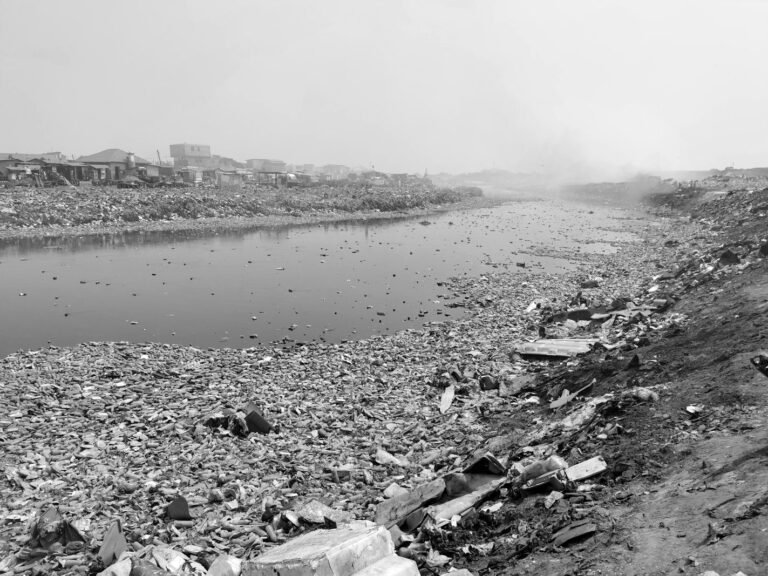
Environmental Litigation in Bangladesh 2026: Rights, Complaints, Courts and Landmark Cases
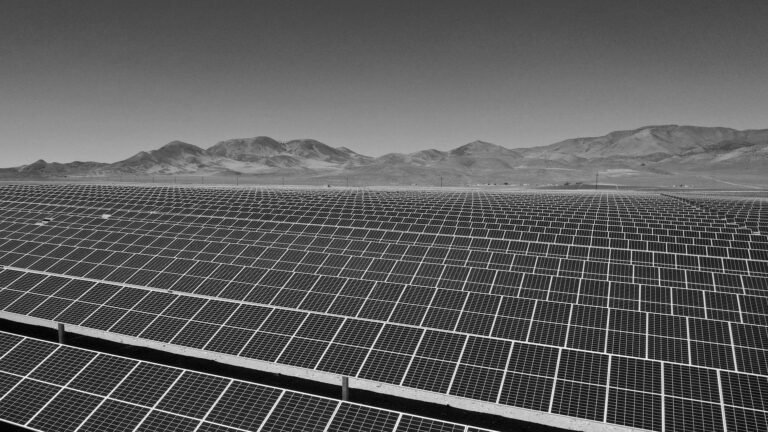
Energy Transition in Bangladesh 2026: Legal Framework, Power Projects and Carbon Markets
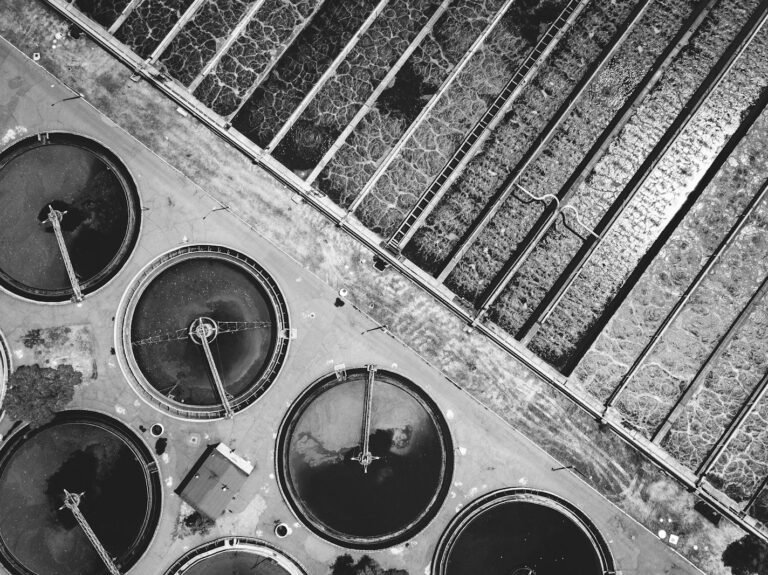
Environmental Compliance in Bangladesh 2026: ECC Renewal, ETPs, Inspections and Penalties
All insights →
What are climate-related disputes?
What is greenwashing, and why does it matter for exporters?
Is there a climate change act in Bangladesh?
Do Bangladeshi banks have green finance obligations to customers or investors?
Can we withdraw or correct an environmental claim without admitting liability?
Who usually brings climate-related disputes against companies in Bangladesh?
How long do greenwashing disputes take to resolve?
How do we start with TRW & Co on climate-related disputes?
Defend your green claims with clear evidence
Speak with the partners about climate-related disputes in Bangladesh or across borders.
Book a consultation →











