
TRW Insight / Bangladesh
Solar in Bangladesh is now won through open tender, built on land the developer finds and financed without a government backstop, while rooftops earn a fixed export tariff until 2030. Knowing which rules apply to which route decides whether a project is bankable.
Renewable energy law Bangladesh: the 2026 framework for solar
Renewable energy law Bangladesh developers, factories, lenders and landowners work with in 2026 is a body of rules built in layers, not a single code. A 2012 statute created the Sustainable and Renewable Energy Development Authority. A 2025 policy set the targets and the tax treatment. Revised net metering guidelines and a gazetted incentive tariff have turned rooftops into small power stations. Behind those sit tender rules for utility-scale solar, a new farmland protection Act and a stream of customs and income tax notifications from the National Board of Revenue. Each layer changed between mid-2025 and autumn 2026.
This guide follows a solar or other renewable project from idea to commercial operation. It covers SREDA's statutory role, the Renewable Energy Policy 2025, the 2025 to 2026 tender rounds and the fate of the cancelled letters of intent, power purchase agreement and tariff terms, land, rooftop mandates and net metering, the FY2026-27 tax package, Bangladesh Bank green refinance and the NDC 3.0 climate commitments. General power-sector licensing, BERC tariff law and the repeal of the 2010 special provisions law are covered in our separate guide to energy law in Bangladesh, and this article does not repeat them.
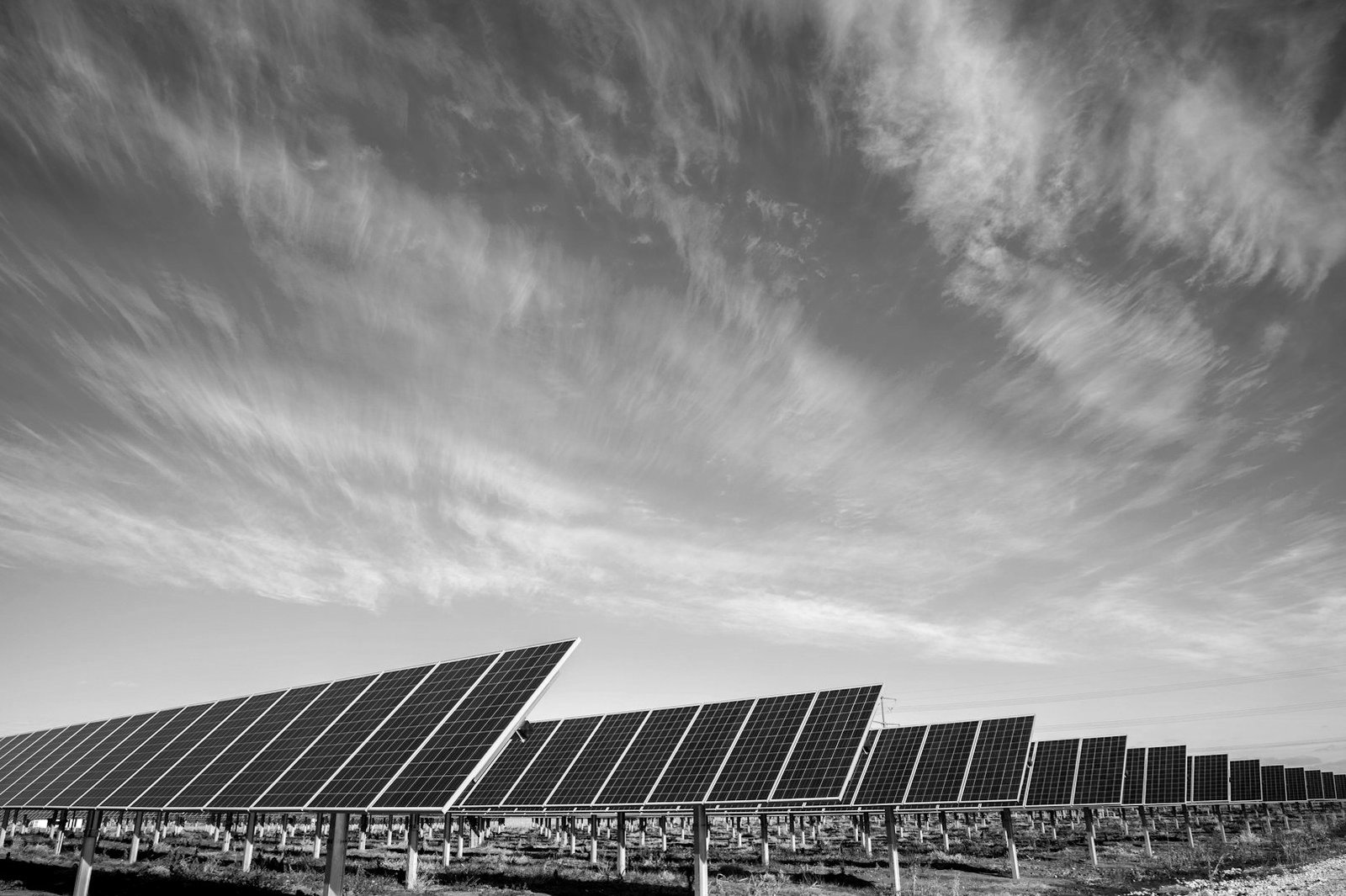
Summary: Renewable projects in Bangladesh are promoted and standardised by SREDA under the SREDA Act 2012, licensed and priced within the BERC framework, and procured through open tenders run by the Bangladesh Power Development Board. The Renewable Energy Policy 2025 targets 20 per cent of power demand from renewables by 2030. Rooftop solar is now driven by the Net Metering Guideline 2025, a Tk 10.50 per unit export tariff for systems installed by 28 February 2027, public-building mandates and generous FY2026-27 tax relief.
Key point: New utility-scale solar is now awarded only through competitive tender, generally without a government implementation agreement and with land sourced by the developer. Bankability therefore turns on the power purchase agreement itself, the land title and, for projects on public land, the facilitation agreement under the 2026 PPP guidelines.
At a glance
SREDA Act 2012
Act No. 48 of 2012 sets up SREDA as the nodal authority for renewable energy and energy efficiency, with 23 listed functions.
Policy target
The Renewable Energy Policy 2025 aims for at least 20 per cent of national power demand from renewables by 2030.
Open tenders
BPDB tenders utility-scale solar competitively. By July 2026 it had signed 818 MW at an average 7.80 US cents per kWh.
Rooftop tariff
Net-metered rooftop systems installed by 28 February 2027 earn Tk 10.50 per exported unit for three years.
Tax relief
FY2026-27 measures cut import taxes on core solar equipment and exempt qualifying solar income until 2035.
Table of Contents
What renewable energy law Bangladesh covers in 2026
Renewable energy law in Bangladesh is the set of statutes, policies, guidelines and fiscal notifications that apply when electricity is generated from sources such as solar, wind, biomass, biogas, hydro and waste. It sits on top of the general power-sector framework. A solar developer still needs the licences, regulatory consents and environmental approvals that any generator needs. What renewable-specific law adds is a dedicated promotion authority, targets, simplified routes for small and rooftop generation, special land rules, tax relief and concessional finance.
The practical consequence is that a renewable project faces two sets of questions. The first set is common to all power projects: who buys the electricity, under what licence, on what tariff, with what security for lenders. The second set is specific: whether the project fits a policy route with incentives, whether the land is lawfully available for a solar plant, whether net metering applies, and whether the equipment and the income qualify for the current tax notifications.
The legal sources in one view
- Statute: the Sustainable and Renewable Energy Development Authority Act 2012, alongside the general electricity and regulatory statutes.[1]
- Policy: the Renewable Energy Policy 2025 and the 2025 policy permitting private renewable producers to sell to bulk consumers.[2] [3]
- Guidelines: the Net Metering Guideline 2025, the National Rooftop Solar Programme Implementation Guideline and the 2026 guidelines for renewable projects on government land under the PPP modality.[3]
- Land law: the Land Use Control and Agricultural Land Protection Act 2026.[12]
- Fiscal law: NBR income tax and customs notifications, including the FY2026-27 solar package.[3] [13]
- Finance: Bangladesh Bank refinance schemes for green products and industries.[14]
Why the policy-heavy structure matters
Much of renewable energy law Bangladesh investors rely on lives in policies, guidelines and circulars rather than in Acts of Parliament. These instruments can change quickly, sometimes by a single gazette notification, and they rarely contain their own dispute mechanisms. For investors this means two things. Legal due diligence must check the current version of every instrument the business case relies on. And contracts must allocate the risk of a policy change expressly, because the general law will not always protect a party whose incentive is withdrawn.
The SREDA Act 2012 and the Authority's statutory role
The Sustainable and Renewable Energy Development Authority Act 2012 (Act No. 48 of 2012) was enacted on 10 December 2012. It established SREDA, abolished the former Energy Monitoring Cell and gave the new Authority a mandate across both renewable energy and energy efficiency.[1]
What counts as renewable energy
Section 2 defines renewable energy to include energy and power from biomass such as fuelwood, rice husk, bagasse and waste, as well as biofuel, biogas, hydropower, solar, wind, hydrogen cells, geothermal, tidal and wave sources, and any other source the government declares renewable by gazette notification.[1] The open-ended final category matters for newer technologies such as green hydrogen and storage hybrids, because it lets the government extend the regime without amending the Act.
SREDA's functions under section 6
Section 6 lists twenty-three responsibilities. For project developers the most significant are:
- setting short, medium and long-term targets for renewable energy and preparing development plans;
- preparing and updating an inventory of renewable resources and their locations;
- helping to identify funding sources and arranging financial incentives for private investment;
- consulting with the government on renewable energy tariffs and submitting proposals to the Bangladesh Energy Regulatory Commission;
- standardising and labelling energy-using equipment, and establishing or supporting testing and certification laboratories;
- helping the government formulate laws, rules and the renewable energy policy itself.[1]
What SREDA does not do
SREDA is a promotion, planning and standards body, not the licensing or tariff authority. Its tariff role under section 6(17) is to consult and to submit proposals to BERC; the Commission remains the regulator for licensing and tariff-setting. Section 7 does allow SREDA to impose fees, and section 23 gives it powers of inspection.[1] In practice developers, including rooftop solar installers, encounter SREDA most often on equipment standards, net metering administration and data, rather than on licensing. For renewable energy law Bangladesh purposes, SREDA's real weight lies in standards and data. Treating a SREDA approval or registration as a substitute for the BERC licence or a BPDB contract is a common and costly error.
The Renewable Energy Policy 2025
The Renewable Energy Policy 2025 was uploaded to the Power Division's website in June 2025, replacing a framework that had stood for well over a decade. It targets at least 20 per cent of national power demand from renewable sources by 2030. At publication, grid and off-grid renewable capacity stood at about 1,563 MW.[2] By July 2026 the government put renewable capacity at about 1,808 MW and had restated a longer-term ambition of 30 per cent of demand by 2040.[10]
Investor incentives in the policy
The policy offers government and private renewable producers a ten-year corporate tax exemption followed by five years of partial exemption.[2] A policy cannot itself exempt income from tax, so the benefit depends on NBR notifications; the position under those notifications is explained in the tax section below. The policy also introduces thirteen types of solar technology, from rooftop and floating solar to solar irrigation and EV charging, and recognises geothermal, tidal, wave, green hydrogen, biofuel, biomass and waste-to-energy.[2]
Land priorities and agri-voltaics
The policy lets the government allocate fallow land, khas land, char areas, riversides, seashores and hilly terrain for renewable projects, and gives priority to land with no agricultural value. It points to unused land held by Bangladesh Railway, the Roads and Highways Department and the Bangladesh Water Development Board, and encourages agri-voltaic systems that combine generation with farming.[2]
Market tools: RPO, certificates, P2P and mini-grids
SREDA is to introduce a renewable purchase obligation requiring utilities and selected consumers to buy a set share of their power from renewable sources, supported by tradable certificates each representing one megawatt-hour. The policy encourages peer-to-peer trading of surplus renewable power, and requires distribution companies to use solar mini, micro, nano and pico grids where grid extension is not feasible, with BERC setting distribution tariffs.[2] As at October 2026 the detailed RPO and certificate rules are still awaited, so they should not yet underpin a revenue model.
Private sales to bulk consumers
A separate 2025 policy on renewable energy-based commercial generation with private participation lets private renewable producers sell green power, capacity or storage-backed capacity to large or bulk consumers under negotiated contracts, using open access or wheeling over the transmission and distribution networks. It contemplates payment security, direct agreements, lender step-in and cure rights, termination payments, compensation for certain grid delivery failures and change-in-law protection.[3] For export-oriented garment and textile groups with decarbonisation commitments from buyers, this is the route to watch, but the grid charges that will decide its economics are still being settled.
Utility-scale solar IPPs: the 2025 to 2026 tender rounds
Utility-scale solar is now procured through open international tender by the Bangladesh Power Development Board. This is the clearest break with the pre-2024 model, in which many solar plants were awarded through unsolicited proposals under the special provisions law. Renewable energy law Bangladesh investors rely on today therefore starts with the tender documents, because those documents now carry terms that used to sit in a separate government agreement.
The first open rounds
Between December 2024 and March 2025 BPDB tendered four packages covering 55 grid-connected solar plants with a combined 5,238 MW. Bids averaged 8.27 US cents per kWh against an average solar generation cost of 13.29 cents, a reduction of about 38 per cent. The lowest bid was 7.49 cents for a 10 MW plant in Noakhali; the highest, 9.29 cents for a 150 MW project in Moulvibazar.[9] The interim government decided not to sign implementation agreements for these projects. BPDB instead said it would buy power for at least ten to twenty years and that no contract would be cancelled before ten years.[9]
Contracts signed and the 2026 pipeline
By July 2026 BPDB had signed agreements with eleven independent power producers for solar projects totalling 818 MW, at an average tariff of 7.80 US cents (Tk 9.12) per kWh. It had also invited tenders for twelve more plants totalling 590 MW, at sites including Cox's Bazar, Tangail, Panchagarh, Lalmonirhat, Netrokona, Mymensingh, Kurigram, Chattogram, Kishoreganj and Rangamati, with contracts planned for award to the lowest responsive bidders in December 2026 and commissioning targeted by January 2029.[10]
The structure of the 2026 tenders is demanding. In a 95 MW tender launched in June 2026 for plants in Cox's Bazar and Rangamati, BPDB offered 20-year power purchase agreements but left investors to secure their own land and finance, with no implementation agreement and no payment guarantee. The renewable industry association has reported weak responses to recent tenders and repeated deadline extensions.[11]
Cancelled letters of intent
The tender model was born out of the cancellation of the earlier pipeline. In 2025 BPDB, on the Power Division's instructions, terminated with immediate effect the letters of intent issued to 34 solar plants with a combined planned capacity of 5,681 MW under the 2010 special provisions law. The plants had no signed implementation agreement, power purchase agreement or land lease, and future procedures for them must follow open tender.[7] Developers filed writ petitions, and the High Court Division issued rules asking why the repeal ordinance should not be declared ultra vires, why a BPDB letter should not be declared without lawful authority, and why BPDB should not be directed to sign the PPA and implementation agreement.[7]
The litigation is not uniform. In an earlier case the High Court Division held a BPDB cancellation illegal because the decision had not been taken by the highest decision-making authority, while another major writ challenge has produced a rule nisi that remains pending; whether the saving clause in the repeal law protects cancelled letters of intent is unresolved.[3] Commercial renegotiation has also been possible. In December 2025 the government reinstated approvals for eleven of the cancelled solar plants, totalling 918 MW, after the developers agreed to lower tariffs, with BPDB to buy their power for twenty years.[8]
For a holder of a cancelled letter of intent the options are therefore threefold: a public-law challenge, a negotiated reinstatement on revised terms, or re-entry through open tender. The choice depends on what was signed, what was spent and how the cancellation decision was taken, and each route has its own limitation and evidential demands. Our analysis of unpaid infrastructure project claims covers recovery against public counterparties.
PPA and tariff terms that decide bankability
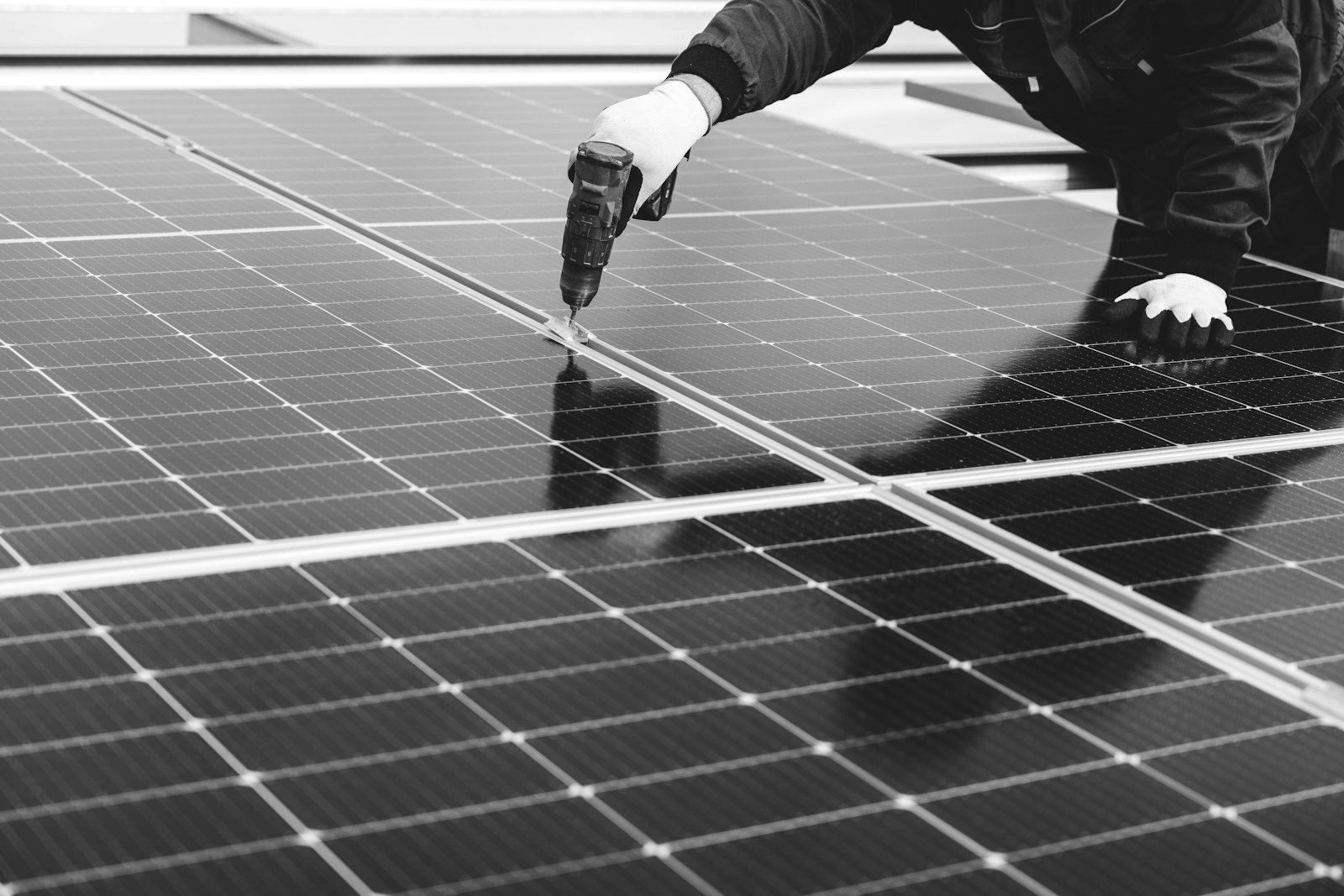
With no implementation agreement in the new tenders, the power purchase agreement and the tender documents carry the whole risk allocation between developer and offtaker. Earlier IPPs combined a PPA with BPDB and a separate implementation agreement with the government that often backstopped BPDB's obligations; new packages rely far more on the tender terms.[3] Lenders have flagged limited payment security, no clear government backstop, restrictions on assignment for financing, broad termination rights, limited termination compensation and thin change-in-law and force majeure relief.[3] This is where renewable energy law Bangladesh practice now concentrates: on the drafting of a single offtake contract that has to do the work of two.
Payment risk is real, not theoretical
BPDB payment delays to generators have ranged from a few months to more than a year. BPDB has also reduced payments by calculating outages and deducting liquidated damages for availability shortfalls, and several companies have obtained interim orders from the High Court Division restraining further deductions, with the treatment of amounts already deducted still in dispute.[3] A solar PPA should therefore define availability, deemed generation and curtailment with care, and should give the generator a clear, time-limited dispute route before any deduction can be made.
Solar-specific clauses to negotiate
- Curtailment and grid unavailability: who bears lost output when the grid cannot take the power, and how deemed energy is measured.
- Interconnection: responsibility for the evacuation line and substation, and the consequence of a late grid connection.
- Tariff currency and indexation: how a dollar-denominated tariff is converted and paid in taka, and when.
- Change in law: express protection if a tax exemption, duty concession or land permission is withdrawn.
- Termination: a compensation formula that at least covers outstanding senior debt on offtaker default or political force majeure.
- Disputes: a realistic forum, an expert-determination step for metering and availability, and a clear seat for arbitration.
Tariff benchmarks
Two benchmarks now frame pricing. For utility-scale plants the reference points are the tender results, 8.27 US cents in the 2025 rounds and 7.80 cents for the projects signed by mid-2026.[9] [10] For rooftop systems the Power Division has fixed a maximum generation cost of Tk 8.00 per unit, based on market prices and its own tender results.[5] Any tariff well above these levels should expect scrutiny, from the offtaker, from BERC and, given the national review of earlier contracts, potentially from investigators. Lenders' general concerns on foreign currency borrowing are covered in our guide to foreign loans into Bangladesh.
Land for solar projects: what the law allows
Land is the binding constraint on utility-scale solar in Bangladesh. A 100 MW plant needs a large contiguous site, in a country where farmland is scarce, title is often fragmented and many plots carry inheritance or mutation defects. Renewable energy law Bangladesh developers must navigate here combines the general land registration and acquisition regime with new farmland protection rules and, since 2026, a public land route.
The Land Use Control and Agricultural Land Protection Act 2026
Parliament passed the Land Use Control and Agricultural Land Protection Bill 2026 on 9 April 2026, replacing an ordinance issued earlier in the year. The Act provides for digital zoning maps across the country, except the three Hill Tracts districts, with a draft-map objection period and ten-yearly updates. Two-crop, three-crop and multi-crop land and designated special agricultural zones cannot be used for non-agricultural purposes, subject to limited national-necessity exceptions such as energy or mineral extraction under strict conditions. No more than 10 per cent of total agricultural land may be used for non-agricultural purposes.[12]
Unauthorised changes of land use are offences, with some carrying up to two years' imprisonment or fines up to Tk 2 lakh, and offenders may be ordered to restore the land. Cases are tried by judicial magistrates and mobile courts may be used. Government and private projects alike must comply.[12] For solar, the energy exception is narrow and conditional. A developer should assume that productive cropland is unavailable unless a specific approval says otherwise, and should build the zoning check into site selection rather than leaving it to the environmental stage.
Private land: title, aggregation and leases
Where the developer buys or leases private land, the work is classic land due diligence: chain of title, khatian and mutation records, inheritance gaps, encumbrances and access rights, repeated for dozens or hundreds of plots. Leases need a term that outlasts the PPA, registration, step-in rights for lenders and protection against partition by co-owners. Our guides to land ownership verification and land acquisition in Bangladesh set out the process.
Public land under the 2026 PPP guidelines
In April 2026 the Power Division issued the Guidelines for Development of Renewable Energy Projects using Land Owned by Government Agencies under PPP Modality. BPDB acts as contracting authority even where another agency owns the land; the land-owning agency may receive a lease fee, a minority equity stake or both; and a facilitation agreement governs government support on land, approvals, permits and grid connection. It is reported as the first possible use of the PPP Act 2015 for power projects, and the facilitation agreement restores much of the substance of the old implementation agreement.[3] For the PPP process itself, see our guide to PPP projects in Bangladesh.
Rooftop solar mandates and net metering
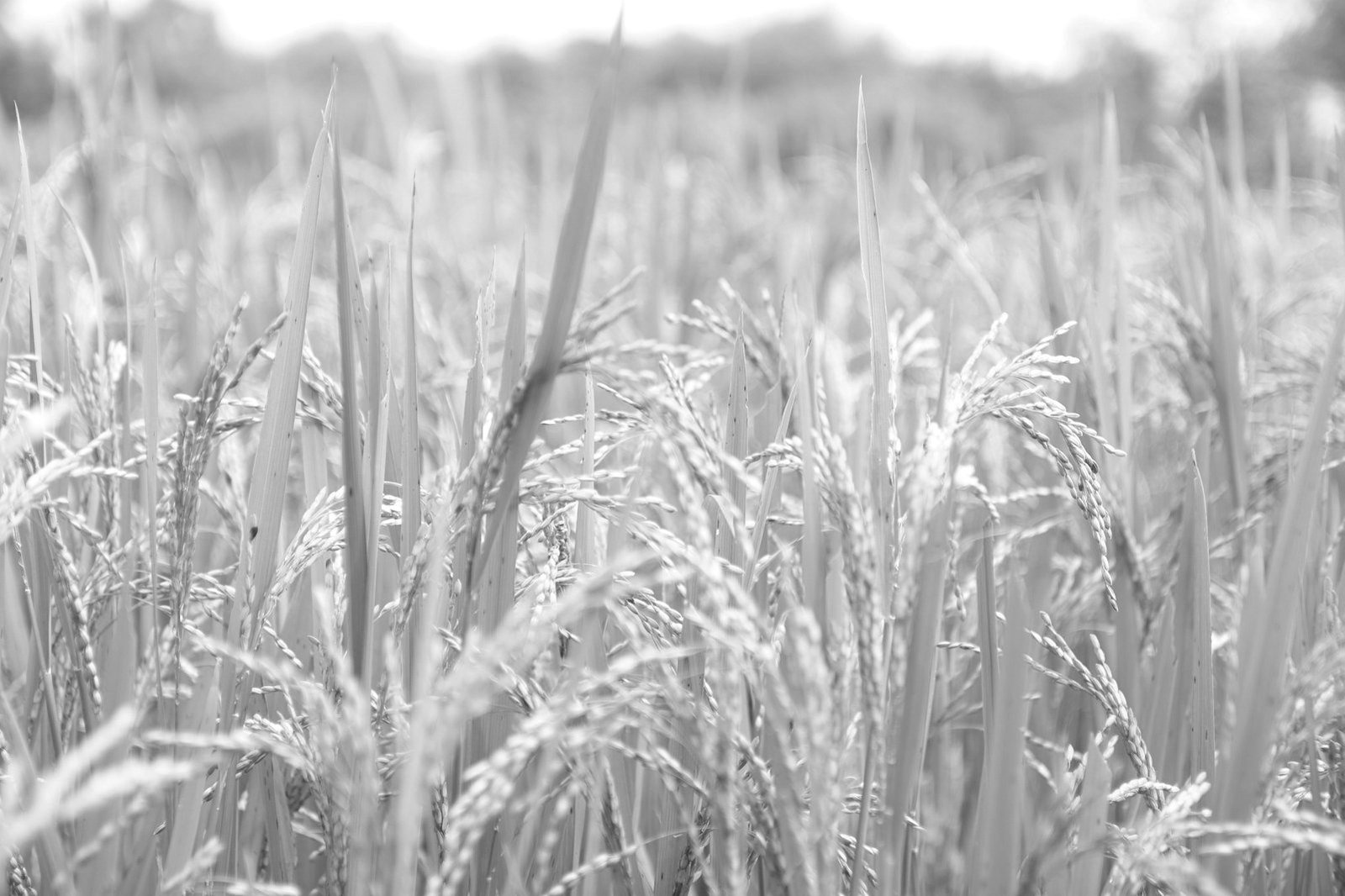
The fastest-moving part of renewable energy law Bangladesh has produced since 2025 concerns rooftops. Three instruments now work together: the Net Metering Guideline 2025, the National Rooftop Solar Programme for public buildings and a gazetted incentive tariff for exported power. The government is seeking at least 4 GW of rooftop solar before summer 2027 to manage expected shortages.[13]
The Net Metering Guideline 2025
The revised net metering guidelines approved in 2025 allow rooftop systems sized at up to 100 per cent of a consumer's sanctioned load, up from 70 per cent. They open net metering to single-phase consumers, who were previously excluded, and to users of prepaid and smart meters, introduce online applications and pay exporters directly in taka into bank or mobile banking accounts.[4] The guideline covers self-consumption, export of surplus and billing credits or settlement, and recognises both self-financed systems and third-party OPEX models.[3]
The Tk 10.50 incentive tariff
A gazette notification effective 1 September 2026 sets a maximum generation cost for rooftop solar systems, including batteries, of Tk 8.00 per unit and adds a 20 per cent profit element and an 11.25 per cent premium, producing a price of Tk 10.50 per unit for surplus power exported to the grid under the Net Metering Guideline 2025. The rate applies only to systems installed by 28 February 2027 and runs for three years, until 28 February 2030. Equipment must meet BSTI and SREDA technical standards, and payments go to bank or mobile banking accounts, never in cash.[5] Distribution utilities must keep records of participants, exported energy and payments.[5]
Two legal points follow. The incentive is time-limited and conditional, so an installation contract should carry a firm completion date before 28 February 2027 with consequences for delay. And because the rate is fixed by notification rather than by a contract with the consumer, a financing case should model the post-2030 position on ordinary net metering terms.
Mandates on public buildings
The National Rooftop Solar Programme Implementation Guideline targets public-sector buildings, with a proposed 2,000 to 3,000 MW of rooftop capacity.[3] The obligation has since been extended by notification to particular public bodies. On 16 September 2026 the Local Government Division ordered rooftop systems, with at least two hours of battery backup, on all Zila Parishad buildings by 31 January 2027. Self-sufficient Zila Parishads use their own or development funds, others are supported by companies enlisted by the distribution utilities, surplus power earns Tk 10.50 per unit, and installers must sign agreements on non-judicial stamp paper covering twenty years of repair and maintenance.[6]
Rooftop structures for factories and commercial buildings
For industrial users of rooftop solar the main choice is between owning the system (CAPEX) and a third-party OPEX or lease model. In an OPEX model a developer owns the system on the factory roof and is paid for the power or the equipment use. That arrangement needs a roof licence or lease, clear ownership of the equipment as distinct from the building, insurance, access rights, removal on termination, and a check on whether the developer's sale of power is itself a licensable activity under the general regime explained in our energy law guide. Mortgagees of the building should consent where a system is fixed to charged property.
Renewable energy law Bangladesh tax incentives in FY2026-27
The tax position for renewables has moved from a general power-sector holiday to a set of solar-specific notifications. As always with NBR notifications, the precise SRO text, its conditions and its dates govern; summaries in budget speeches do not.
Income tax exemptions
SRO 400 covers renewable projects reaching commercial production between 1 July 2025 and 30 June 2030 and grants a fifteen-year phased exemption: 100 per cent for ten years, 50 per cent for the next three and 25 per cent for the final two.[3] This is the notification that gives effect to the Renewable Energy Policy 2025's tax promise. In addition, SRO 211, effective 1 July 2026, exempts until 30 June 2035 the income of qualifying institutions that run self-financed, self-managed solar plants holding net metering approval and a PPA, and gives the institution using the electricity a tax rebate of 5 per cent of the relevant solar bill.[3]
Customs duty, VAT and advance tax
In June 2026, following the FY2026-27 budget speech, the NBR exempted core solar equipment from import duty, regulatory duty and advance tax, but 15 per cent VAT and 2 per cent advance income tax still applied, leaving a combined import-stage burden of 17 per cent. A further NBR notification in September 2026 cut that burden to 1 per cent for 180 days, covering steel and aluminium mounting structures, PV DC and AC generators, inverters, battery and thermal management systems, SCADA and plant monitoring equipment and PV modules.[13]
The 180-day window matters for procurement. Importers should match bills of lading and customs clearance to the notification period, check that each item falls within its description and keep classification records, because a mismatch between the invoice and the notified description is the usual reason for a denied concession. For structuring advice, see our tax incentives practice.
Green financing: Bangladesh Bank refinance and concessional funds
Concessional finance is a large part of the business case for rooftop solar and industrial solar. Bangladesh Bank's Sustainable Finance Department runs refinance lines through which banks lend to eligible borrowers at capped rates and refinance those loans from the central bank.
On 11 May 2026 Bangladesh Bank announced a Tk 1,000 crore refinance scheme drawn from its Tk 5,000 crore Green Transformation Fund, aimed at rural and grassroots enterprises and factory upgrades. Borrowers pay a maximum of 5 per cent, participating banks borrow at 1 per cent, individual borrowers may receive up to Tk 5 crore, banks can finance up to 80 per cent of the cost and tenors run from two to five years with up to six months' grace. Eligible items include renewable energy systems such as solar and wind, and financed projects must source at least 10 per cent of their electricity from renewables.[14]
Private and foreign banks qualify only if their non-performing loan ratio is below 20 per cent, and loan defaulters are excluded.[14] For a factory planning rooftop solar, the scheme can be combined with the import concession and the net metering incentive, but each has its own eligibility test, and renewable energy law Bangladesh lenders apply does not let one approval stand in for another.
Utility-scale IPPs and other utility-scale assets usually finance outside these schemes, through development finance institutions and syndicated loans, and need the security package to work under Bangladeshi law: mortgages over land and plant, assignment of the PPA and project accounts, and the regulatory consents those securities require. Our banking and finance practice advises lenders and sponsors on both.
Carbon, climate and NDC 3.0
Bangladesh submitted its third nationally determined contribution to the UNFCCC on 28 September 2025. Against a 2035 business-as-usual projection of 418.40 MtCO2e, it commits to an unconditional reduction of 26.74 MtCO2e and a conditional reduction of 58.23 MtCO2e. The energy sector carries the largest share, with measures including a solar, wind, biogas and storage generation mix, replacement of liquid-fuel peaking plants, rooftop solar and solar in agriculture.[15]
For renewable developers NDC 3.0 matters in three ways. It underpins the policy targets and the political commitment to solar. It is the reference point for climate finance from development partners, much of which is conditional. And it shapes buyer demand for green power from export industries. There is not yet a domestic compliance carbon market, and the renewable certificates promised by the 2025 policy are still to be designed, so any carbon or certificate revenue should be treated as upside rather than base case.[2] The broader climate law framework is covered in our guide to environmental law in Bangladesh.
Step-by-step legal process for a renewable project
Whether the project is a 100 MW tendered plant, a PPP site on public land or a 2 MW factory roof, the legal sequence is broadly the same. The following steps reflect how we run renewable energy law Bangladesh mandates from first instruction to commercial operation.
Choose the route
Decide between BPDB tender, PPP on public land, private supply to a bulk consumer or net-metered rooftop, because each has its own rules.
Secure and verify land
Check zoning under the 2026 farmland Act, title, mutation and encumbrances, or the PPP land terms, before committing capital.
Form the project company
Incorporate, settle shareholder and consortium terms and register any foreign investment before bidding or contracting.
Bid or negotiate the PPA
Review tender documents and PPA terms on curtailment, payment, change in law, termination and disputes.
Obtain licences and clearances
Secure the generation licence where required, Department of Environment clearance, grid connection approval and local permits.
Confirm incentives
Map eligibility under SRO 400 or SRO 211, the import concession window and, for rooftops, the net metering incentive tariff.
Close the financing
Agree the loan, refinance or development-finance terms and register mortgages, assignments and required regulatory consents.
Build and commission
Manage EPC and O&M contracts, testing to BSTI and SREDA standards, and commercial operation under the PPA or net metering approval.
Environmental approval runs alongside these steps. Solar and other renewable plants need Department of Environment clearance on the category that applies to them, and the site or location clearance stage often reveals land-use problems early. See our guide to environmental impact assessment in Bangladesh. Corporate set-up for the project company, including foreign shareholding, is covered in our guide to energy company registration in Bangladesh.
Regulators and institutions in renewable energy
A renewable project in Bangladesh deals with several bodies whose roles overlap. Knowing which one decides which question avoids wasted applications.
SREDA
Nodal authority under the SREDA Act 2012 for renewable targets, standards, data and net metering support.
Bangladesh Energy Regulatory Commission
Licenses electricity businesses and sets tariffs, receiving renewable tariff proposals from SREDA.
Bangladesh Power Development Board
Runs solar tenders, signs PPAs and acts as contracting authority under the 2026 PPP land guidelines.
Power Division
Issues the Renewable Energy Policy, net metering guidance, the rooftop programme and the incentive tariff notification.
Distribution utilities
Process net metering connections, record exported energy and pay incentive tariffs to consumers.
Bangladesh Bank
Runs green refinance lines, including the Green Transformation Fund, through participating banks.
Where a decision of one of these bodies goes against a developer, the remedy depends on the instrument. A contractual decision by BPDB is challenged under the PPA's dispute clause; a regulatory decision may be reviewed under the relevant statute; and a policy decision taken without lawful authority may be open to writ review in the High Court Division, as the letter-of-intent cases show.[3] [7]
Choosing the right route to market
The table below compares the main routes for renewable generation in 2026. On a phone, scroll it sideways.
| Route | Buyer | Land | Key instrument | Key point |
|---|---|---|---|---|
| Utility-scale IPP tender | BPDB | Developer secures | Tender documents and 20-year PPA | No implementation agreement or payment guarantee |
| PPP on public land | BPDB | Government agency land | PPP contract and facilitation agreement | Agency may take lease fee or minority equity |
| Private supply to bulk consumer | Large industrial or commercial buyer | Developer secures | Negotiated supply contract with open access | Grid and wheeling charges still being settled |
| Net-metered rooftop (own system) | Consumer self-use; surplus to utility | Own roof | Net Metering Guideline 2025 | Tk 10.50 per exported unit if installed by 28 Feb 2027 |
| Rooftop OPEX or lease | Building owner or occupier | Licensed or leased roof | OPEX or lease agreement plus net metering | Check licensing, roof rights and mortgagee consent |
| Public-building mandate | Public body; surplus to utility | Government roof | Rooftop programme guideline and notifications | Zila Parishad deadline 31 January 2027 |
Many groups combine routes, and each has a different counterparty, a different land solution and a different incentive package, so the legal work should be scoped route by route.
How TRW supports solar and renewable projects
Solar project legal work in Bangladesh is a combination of regulatory, land, contract, tax and finance advice that has to come together on one timetable. We act for developers bidding in BPDB tenders, industrial groups installing rooftop and captive systems, landowners and public agencies, and lenders financing renewable assets.
- Tender and PPA: reviewing tender documents, bidding consortium agreements and PPAs, and negotiating the risk allocation that lenders need.
- Land: title due diligence across multi-plot sites, lease and purchase documentation, zoning checks under the 2026 Act and PPP land arrangements.
- Rooftop and C&I: OPEX and lease agreements, roof licences, net metering applications and incentive-tariff compliance.
- Tax and customs: eligibility under SRO 400 and SRO 211 and import concessions for equipment.
- Finance: green refinance applications, security packages and regulatory consents.
- Disputes: cancelled awards, payment deductions and termination claims, through negotiation, writ proceedings or arbitration.
Our renewable energy projects practice brings these strands together for each project.
Renewable energy law Bangladesh: what to watch in 2026 and 2027
Five developments will shape renewable energy law Bangladesh practice over the next year. First, the award of the 590 MW tender round planned for December 2026 will show whether the no-implementation-agreement model can attract bankable bids.[10] Second, the first projects under the 2026 PPP land guidelines will test the facilitation agreement. Third, BERC's open-access and wheeling charges will decide whether private sales to factories become viable.[3] Fourth, the 28 February 2027 rooftop deadline and the 180-day import concession will drive a rush of installations and customs claims.[5] [13] Fifth, SREDA's detailed rules on renewable purchase obligations and certificates remain the missing piece of the 2025 policy.[2]
For any renewable project the earliest legal decisions carry the most weight: the route to market, the land, the incentive window and the contract that will be shown to lenders. If you want a clear view of your options, contact TRW.
Frequently asked questions
What law governs renewable energy in Bangladesh?
Renewable energy law Bangladesh has no single code. The SREDA Act 2012 creates the promotion authority, the Renewable Energy Policy 2025 sets targets and incentives, net metering and PPP guidelines govern specific routes, and NBR notifications grant the tax relief, all on top of the general power-sector licensing regime.[1] [2] [3]
What does SREDA do?
SREDA sets renewable targets, maintains a resource inventory, promotes investment and incentives, sets equipment standards and labelling, and consults on renewable tariffs, submitting proposals to BERC under section 6 of the SREDA Act 2012. It is not the licensing or tariff-setting authority.[1]
What is the renewable energy target in Bangladesh?
How are utility-scale solar projects awarded now?
Through open tenders run by BPDB. Recent tenders offer 20-year PPAs but no implementation agreement or payment guarantee, and the developer must secure land and finance.[11]
What happened to the cancelled solar letters of intent?
How much is paid for rooftop solar power exported to the grid?
Tk 10.50 per unit for three years, until 28 February 2030, for eligible net-metered systems installed by 28 February 2027 using BSTI and SREDA compliant equipment.[5]
How large can a net-metered rooftop system be?
Under the Net Metering Guideline 2025, up to 100 per cent of the consumer's sanctioned load, and single-phase, prepaid and smart meter consumers can now take part.[4]
Can solar plants be built on agricultural land?
Generally not on two-crop, three-crop or multi-crop land. The Land Use Control and Agricultural Land Protection Act 2026 bars non-agricultural use of such land, subject to narrow national-necessity exceptions such as energy under strict conditions.[12]
What tax incentives apply to solar projects?
SRO 400 gives renewable projects starting commercial production between July 2025 and June 2030 a fifteen-year phased income tax exemption, SRO 211 exempts qualifying self-financed solar plants until 2035, and a September 2026 notification cut import-stage taxes on core solar equipment to 1 per cent for 180 days.[3] [13]
Is concessional finance available for rooftop solar?
Yes. Bangladesh Bank's Tk 1,000 crore refinance scheme from the Green Transformation Fund, announced in May 2026, caps borrower rates at 5 per cent and covers renewable energy systems, subject to bank and borrower eligibility conditions.[14]
Source register
Primary legal and regulatory sources
Materials checked on 20 October 2026. Confirm the current official text before relying on any provision.
- Sustainable and Renewable Energy Development Authority Act 2012 (Act No. 48 of 2012) — Laws of Bangladesh
- The Daily Star, June 2025 — Government unveils new Renewable Energy Policy
- Chambers Global Practice Guides — Power Generation, Transmission & Distribution 2026: Bangladesh, Trends and Developments
- pv magazine, 10 September 2025 — Bangladesh revises net metering rules to expand solar
- The Financial Express, 1 September 2026 — Government announces special incentive package for rooftop solar power
- The Business Standard, 18 September 2026 — Government makes rooftop solar panels compulsory for Zila Parishads
- The Financial Express, September 2025 — Interim government cancels approval for 34 solar power plants
- pv magazine, 11 December 2025 — Bangladesh reinstates 11 solar plants totalling 918 MW after tariff cuts
- The Business Standard, 2 October 2025 — Open bidding slashes solar tariffs of new projects by over a third
- BSS, 22 July 2026 — PDB set to install 12 solar projects with 590 MW generation capacity
- pv magazine, 30 June 2026 — Bangladesh launches tender for 95 MW of solar
- BSS, 9 April 2026 — Parliament passes Land Use Control and Agricultural Land Protection Bill 2026
- pv magazine, 18 September 2026 — Bangladesh cuts solar equipment import taxes to 1%
- The Daily Observer, May 2026 — Bangladesh Bank launches Tk 1,000 crore green refinance scheme
- The Financial Express, 3 October 2025 — Bangladesh sets 2035 emission targets in NDC 3.0
Related TRW assistance
Move from information to a defined next step
TRW advises developers, industrial users, landowners and lenders on solar tenders, PPAs, land, net metering, tax incentives and project finance. Explore our renewable energy projects practice or contact TRW to discuss your project.