
Banking and Finance Lawyers in Bangladesh
Banking and finance advice for lenders, borrowers, sponsors and financial institutions in Bangladesh: bilateral and syndicated loans, security packages, foreign borrowing approvals, trade and Islamic finance, Bangladesh Bank regulation, restructuring and recovery, with cross-border coordination where foreign lenders or assets are involved.

- Term sheet and structure
- Due diligence
- Documents and approvals
- Monitoring and enforcement
Banking and finance law in Bangladesh, in practice
Finance in Bangladesh runs largely through its banking sector, and the legal framework around lending is detailed, closely regulated and changing fast. We advise local and foreign banks, non-bank finance companies, development finance institutions, export credit agencies, corporate borrowers and sponsors on the full range of finance transactions, from a single working capital line to multi-lender project and acquisition finance. Our banking work is practical: documents that reflect market practice in Dhaka, security that can actually be enforced, and approvals obtained in the right order. The work is part of our corporate and finance practice.
Bangladesh Bank sits at the centre of the regulatory picture. The Bank Company Act 1991 governs banking companies, and finance companies operate under their own statute and licensing regime. Bangladesh Bank issues frequent circulars on loan classification, provisioning, single borrower exposure, interest rates, rescheduling and foreign exchange, and these rules affect how facilities are structured and documented. The Bank Resolution Act 2026 has added new powers to deal with failing banks. Anti-money laundering obligations, overseen by the Bangladesh Financial Intelligence Unit, and the Personal Data Protection Act 2026 also shape how lenders onboard customers and handle information.
Security is where many Bangladeshi finance transactions succeed or fail. Lenders typically take mortgages over land and buildings, hypothecation of stock, receivables and machinery, pledges of shares, assignments of contracts and insurance, corporate and personal guarantees and post-dated cheques. Each form has its own formalities, stamp duty, registration with land offices and filing of charges with the Registrar of Joint Stock Companies and Firms. Defects in title, registration or authority can undermine recovery years later. We prepare and review security documents, carry out title and corporate due diligence, and coordinate registrations so that security works when needed.
Cross-border finance adds a further layer. Foreign currency loans from overseas lenders to Bangladeshi companies are subject to approval and reporting requirements through Invest Bangladesh, which took over BIDA's functions in August 2026, and Bangladesh Bank, with rules on pricing, tenor and use of proceeds. Withholding tax on interest paid to non-residents was reduced to 10% by the Finance Act 2026. Offshore banking units, trade finance, foreign bank guarantees and hedging need careful structuring under exchange control rules. We work alongside English and New York law counsel on international facilities, providing the Bangladesh law input, opinions and conditions precedent.
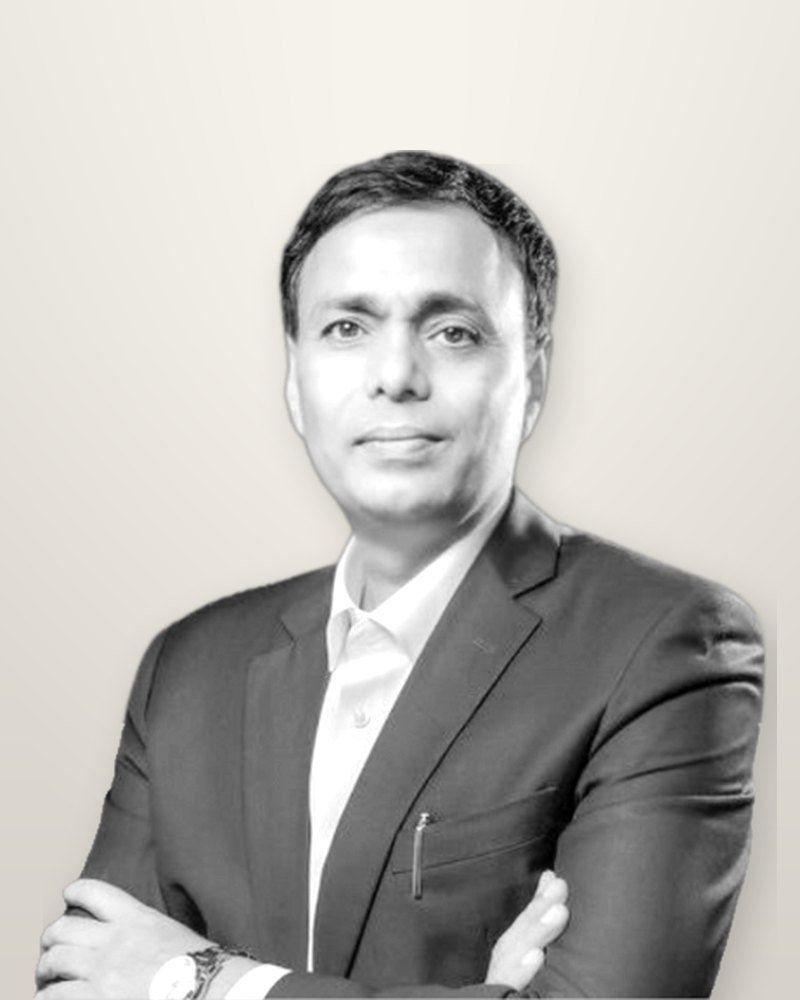
When loans go wrong, we act on both sides of the banking relationship. We advise lenders on enforcement, the Artha Rin Adalat recovery process, cheque dishonour proceedings, insolvency and claims against guarantors, and we advise borrowers and guarantors on defences, rescheduling and restructuring under Bangladesh Bank's rules. Barrister Tahmidur Rahman and Barrister Remura Meheruba Mahbub, who both advise on banking, finance and foreign investment, lead this work with Adv Syed Wahid on litigation. We work with counsel in the UK, US, UAE, Singapore, India and China, and clients can reach the team through our Dhaka office.
Core workstreams
Four clear stages
- 01Term sheet and structure
- 02Due diligence
- 03Documents and approvals
- 04Monitoring and enforcement
Talk to a partner
Consultations in Dhaka or by video. Scope, team and fees are agreed in writing first.
Book →What our banking and finance team does

Corporate and syndicated lending
- Term sheet and structure
- Due diligence
- Documents and approvals
- Monitoring and enforcement
Security and guarantees
- Term sheet and structure
- Due diligence
- Documents and approvals
- Monitoring and enforcement
Foreign borrowing and cross-border finance
- Term sheet and structure
- Due diligence
- Documents and approvals
- Monitoring and enforcement
Trade and Islamic finance
- Term sheet and structure
- Due diligence
- Documents and approvals
- Monitoring and enforcement
Regulation and licensing
- Term sheet and structure
- Due diligence
- Documents and approvals
- Monitoring and enforcement
Restructuring and recovery
- Term sheet and structure
- Due diligence
- Documents and approvals
- Monitoring and enforcement
Corporate and syndicated lending
We act for lenders and borrowers on bilateral and syndicated term loans, working capital facilities, club deals and refinancings. We draft and negotiate facility agreements, intercreditor and agency arrangements, and conditions precedent, and advise on Bangladesh Bank rules on exposure limits, pricing and loan classification, so that facilities are commercially sound, compliant with banking regulation and ready for drawdown on the agreed timetable.
Security and guarantees
We prepare and review mortgages, hypothecations, pledges, assignments, guarantees and other security, carry out land title and corporate due diligence, and manage stamping, registration and charge filings. For multi-lender deals we structure security trustee and pari passu arrangements, and we advise on releases, substitutions and the transfer of security when loans are sold or refinanced between lenders, a frequent source of lender disputes when it is handled loosely.
Foreign borrowing and cross-border finance
We advise Bangladeshi borrowers and foreign lenders on offshore loans, export credit agency facilities, shareholder loans and guarantees from overseas banks. We handle approvals and reporting through Invest Bangladesh and Bangladesh Bank, advise on tax and remittance, and provide Bangladesh law opinions and conditions precedent for facilities governed by English, New York or other foreign law, working closely with international banking counsel.
Trade and Islamic finance
We advise issuing, confirming and advising banks, applicants and beneficiaries on letters of credit, bank guarantees, standby credits, supply chain and receivables finance, and the disputes that arise from them. For Shariah-based banks, their corporate customers and foreign co-financiers, we document murabaha, ijarah, musharaka and other Islamic finance structures, and advise on how they interact with general banking law, Shariah supervisory requirements, security and recovery procedures in Bangladesh.
Regulation and licensing
We advise banks, finance companies, payment providers and investors on licensing, change of control, board composition, branch and offshore banking unit approvals, and compliance with Bangladesh Bank circulars. We also help institutions respond to inspections, show-cause notices, penalties and supervisory directions, and advise on anti-money laundering, data protection and consumer protection obligations affecting their banking products and customer documentation.
Restructuring and recovery
We advise lenders on enforcement strategy, Artha Rin Adalat suits, execution, cheque dishonour cases and insolvency, and advise borrowers and guarantors on defences, rescheduling, settlement and restructuring under Bangladesh Bank's policies. We also act on distressed loan sales and in disputes involving banks in resolution, coordinating with overseas counsel where assets or creditors are outside Bangladesh, and keeping banking relationships workable where possible.
Partner-led, on every matter.
Corporate & Finance matters at TRW are led by partners, supported by associates, with one responsible lawyer from first advice to final outcome.
Meet the firm →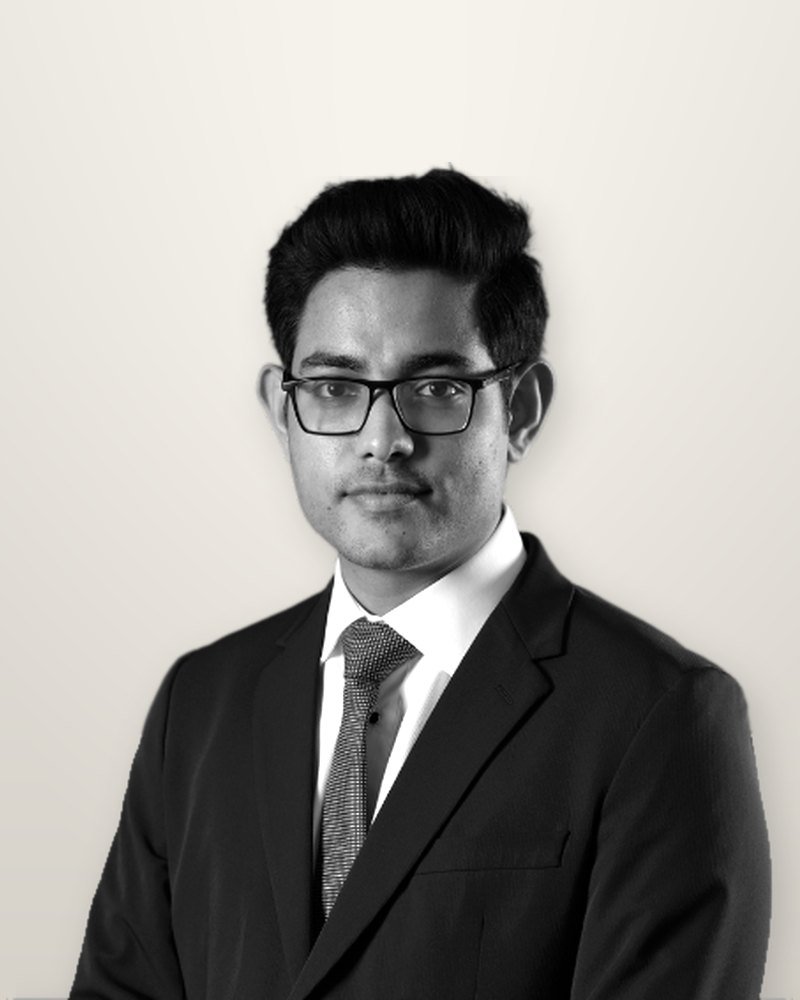


01Can a Bangladeshi company borrow directly from a foreign bank, an offshore banking unit or its overseas parent company?
Yes, subject to the foreign borrowing framework. Private sector borrowers generally need approval or must meet the conditions set for foreign currency loans, with requirements on lender eligibility, pricing, tenor, use of proceeds and reporting. Invest Bangladesh, which took over BIDA's functions in August 2026, and Bangladesh Bank are the key authorities, and the scrutiny process can take time. Shareholder loans and offshore banking unit facilities follow their own rules. We assess the proposed structure, prepare applications and supporting documents, and coordinate with the lender's counsel so that approvals are in place before drawdown and repayment can be remitted.
02What security can a banking lender take over a Bangladeshi borrower's assets, and how is it perfected?
Common forms include mortgages over land and buildings, hypothecation of stock, receivables and machinery, pledges of shares, assignments of contracts and insurance proceeds, and corporate or personal guarantees. Mortgages of immovable property generally need registration at the sub-registry with stamp duty and fees. Charges created by companies should be filed with the Registrar of Joint Stock Companies and Firms within the statutory time limit, or they risk being void against a liquidator and other creditors. We advise on the most effective package for each banking transaction and manage stamping, registration and filings to completion.
03How long does it take a bank to recover a defaulted loan through the Artha Rin Adalat?
The Artha Rin Adalat Ain 2003 created specialist courts for recovery claims by financial institutions, with procedures designed to be faster than ordinary civil suits. Keep loan documents and demand notices in order. Borrowers can raise defences, appeal and bring writ petitions, and execution against mortgaged property can face title and possession challenges. Settlement and rescheduling remain common outcomes in loan recovery. We advise lenders on building a strong file before default, choosing the right remedies and moving efficiently through suit and execution, and advise borrowers on credible defences and negotiated solutions.
04What withholding tax applies to interest paid by a Bangladeshi borrower to a foreign lender?
Interest paid to non-residents is subject to withholding tax, and the Finance Act 2026 reduced the rate on such interest to 10%, from 20% previously. A lower rate may be available under a double tax treaty if the lender is resident in a treaty country and the conditions are met, including documentation. Facility agreements usually include tax gross-up clauses, so the rate matters to pricing. Fees and other payments may be treated differently from interest. We confirm the current treatment, advise on treaty relief and documentation, and review gross-up and tax indemnity clauses in cross-border banking documents before signing.
05Can a classified loan be rescheduled or restructured under Bangladesh Bank's current rules?
Yes. Bangladesh Bank sets rules on rescheduling, restructuring and exit arrangements for classified loans, including down payment requirements, the number of times a loan may be rescheduled and the effect on classification and credit reporting. These rules have been revised several times and should be checked for each case. A restructuring also needs proper documentation of new terms, fresh or confirmed security, and any waivers or releases agreed. We advise borrowers preparing proposals and lenders assessing them against policy and their own credit position, negotiate terms, and document the outcome so that it is enforceable and consistent with regulatory requirements.
06Are post-dated cheques still commonly used as security for corporate and personal loans in Bangladesh?
Yes. Lenders often take post-dated or undated cheques from borrowers and guarantors, because dishonour can lead to criminal proceedings under the Negotiable Instruments Act 1881 as well as civil recovery. Courts have considered the use of security cheques in many reported cases, and the outcome depends on the facts, the documents and procedural compliance, including notice requirements and time limits. Cheques should support, not replace, proper security, and lenders who rely on them alone often find recovery slower than expected. We advise lenders on taking and using security cheques correctly, and act for borrowers and guarantors defending cheque dishonour cases.
07What does a foreign bank or fund need to know before lending to a Bangladeshi borrower for the first time?
Beyond the credit assessment, a foreign lender should understand the foreign borrowing approval process, the remittance mechanics for interest and principal, withholding tax and gross-up, the enforceability of foreign law documents and foreign judgments, the effectiveness of local security and the practicalities of enforcement in Bangladesh. Foreign currency shortages in the banking system and regulatory changes have at times delayed remittances. We give foreign lenders a clear picture of these risks and how other international lenders typically manage them, deliver capacity and enforceability opinions, and structure conditions precedent so that the facility works once funds are disbursed.
08How do Islamic banking structures differ from conventional loans under Bangladeshi law?
Islamic finance in Bangladesh uses sale, lease and partnership structures such as murabaha, bai muajjal, ijarah and musharaka instead of interest-bearing loans. Shariah-based banks operate under the general banking framework, with Bangladesh Bank guidelines and their own Shariah supervisory processes. Documentation must reflect the underlying transaction, such as purchase and sale of goods, while also protecting the bank's position on payment and security. Recovery proceedings apply to Islamic banking claims as well, but the documents must be drafted with that in mind. We advise banks and customers on structuring, documentation, conversion of conventional facilities and disputes.
From first call to resolution.
- 01
Term sheet and structure
We review the commercial terms, parties and assets, identify regulatory approvals, tax and foreign exchange points, and agree a document list, security package and realistic timetable with the lenders, borrower and any regulator involved.
- 02
Due diligence
We carry out corporate, land title and regulatory due diligence on the borrower and security providers, flagging defects early so that they can be fixed before signing or reflected in conditions precedent, covenants and pricing.
- 03
Documents and approvals
We draft and negotiate facility and security documents, obtain board and regulatory approvals, manage stamping, registration and charge filings, and deliver the Bangladesh law opinions that lenders and their international counsel require at closing.
- 04
Monitoring and enforcement
After closing, we advise on waivers, amendments, transfers and refinancings, and on default management, rescheduling, recovery suits and insolvency where problems arise, in Bangladesh and with overseas counsel where assets or lenders sit abroad.

“Demonstrates an extraordinary command over both domestic litigation and international arbitration.”
The Legal 500 Asia Pacific, Bangladesh: Dispute resolution, client feedback
Related reading.

Banking Law in Bangladesh: Statutes, Regulators and Key Legal Issues (2026)

Loan Security Documentation in Bangladesh: Mortgage, Hypothecation and Guarantees (2026)

Term Loan Agreement in Bangladesh: Key Clauses, Syndication, Security and Retail Lending Rules for 2026

Artha Rin Adalat Ain 2003: How Bank Loan Recovery Suits Work in Bangladesh (2026)
All insights →
Who regulates banking and finance companies in Bangladesh?
Do you act for lenders or borrowers?
Can a foreign bank take security over land in Bangladesh?
How are syndicated loans arranged in Bangladesh?
What is CIB reporting, and why does it matter to borrowers?
Do you advise on fintech, payments and digital banking?
Can you provide Bangladesh law legal opinions for international loan facilities?
How do the new 2026 laws affect banking and lending in Bangladesh?
Need finance advice in Bangladesh? Contact our team.
Speak with the partners about banking in Bangladesh or across borders.
Book a consultation →











