
Islamic Capital Markets in Bangladesh
Islamic capital market advice for Bangladeshi issuers, banks, trustees and international investors: structuring and documenting sukuk under BSEC rules, coordinating Shariah governance, preparing offer documents and listings, and connecting local transactions with Gulf and Asian investor demand.

- Structure and feasibility
- Diligence and Shariah review
- Documents and regulatory filing
- Closing and life of issue
Our Islamic capital market practice in Bangladesh
Bangladesh's Islamic capital market has grown from a small number of Shariah-based mutual funds into a market that includes listed sukuk, government investment sukuk and a Shariah index on the Dhaka Stock Exchange. We advise corporate issuers, Islamic banks, trustees, arrangers and investors on structuring, documenting and offering Shariah-compliant securities with a Bangladesh connection. Our approach treats the legal architecture, the underlying assets and the Shariah governance process as one system, because a sukuk that works on paper but not in practice creates risk for everyone involved. This sits within our corporate and finance practice.
The core local framework is the BSEC (Investment in Sukuk) Rules 2019, which set out how sukuk may be issued, the role of the trustee and special purpose vehicle, Shariah supervisory requirements, disclosure and listing. These rules sit alongside the Securities and Exchange Ordinance 1969, the BSEC Act 1993, the Trust Act 1882 and the rules governing public offers, private placements and debt securities. Bangladesh Bank issues Bangladesh Government Investment Sukuk on behalf of the government, which gives Islamic banks a liquidity instrument and offers issuers a reference point for structure and pricing. We read them together, not in isolation.
Most sukuk structures in Bangladesh use a trust and special purpose vehicle that holds or obtains rights over identified assets, with returns paid from lease rentals, profit shares or project cash flows rather than interest. Ijarah, musharakah, mudarabah and hybrid structures each raise different questions about title transfer, registration, stamp duty, insurance, maintenance and what happens on default. We test those questions early with the issuer, trustee and Shariah advisers. Asset transfers involving land or buildings can trigger registration and mutation steps that must be planned against the offer timetable from the start. Valuation of assets also matters.
Shariah governance is a regulatory requirement, not an optional label. An Islamic capital market transaction in Bangladesh normally needs an independent Shariah supervisory board or adviser whose pronouncement supports the structure and whose ongoing review is described in the offer document. We coordinate the legal documents with that process so that the fatwa, the trust deed and the disclosures say the same thing. We do not issue Shariah opinions ourselves, but we make sure that the legal mechanics give effect to what the Shariah advisers approve, including on late payment, substitution of assets and dissolution events.
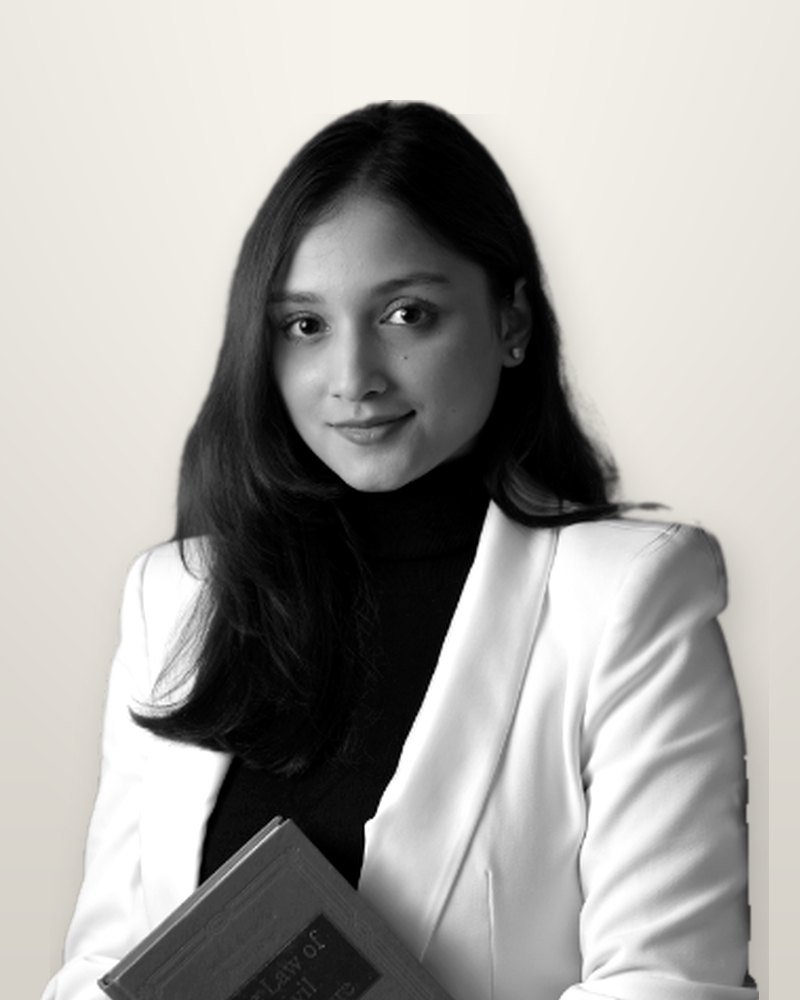
Barrister Tahmidur Rahman leads our capital markets and finance work, supported by Barrister Remura Meheruba Mahbub on banking, corporate and foreign investment questions. Cross-border sukuk or placements to Gulf and Malaysian investors may involve English law documents, overseas listings or international trustees, and we work with counsel in the UK, UAE, Singapore and elsewhere on those elements. Foreign investor participation raises exchange control and repatriation points that we address alongside the offering. To discuss a proposed issuance or investment, you can contact our Dhaka office for an initial structuring discussion and timetable.
Core workstreams
Four clear stages
- 01Structure and feasibility
- 02Diligence and Shariah review
- 03Documents and regulatory filing
- 04Closing and life of issue
Talk to a partner
Consultations in Dhaka or by video. Scope, team and fees are agreed in writing first.
Book →What we handle in Islamic capital markets

Sukuk structuring and classification
- Structure and feasibility
- Diligence and Shariah review
- Documents and regulatory filing
- Closing and life of issue
Trust, SPV and asset documents
- Structure and feasibility
- Diligence and Shariah review
- Documents and regulatory filing
- Closing and life of issue
BSEC approval and listing
- Structure and feasibility
- Diligence and Shariah review
- Documents and regulatory filing
- Closing and life of issue
Shariah governance coordination
- Structure and feasibility
- Diligence and Shariah review
- Documents and regulatory filing
- Closing and life of issue
Islamic funds and investors
- Structure and feasibility
- Diligence and Shariah review
- Documents and regulatory filing
- Closing and life of issue
Defaults, amendments and restructuring
- Structure and feasibility
- Diligence and Shariah review
- Documents and regulatory filing
- Closing and life of issue
Sukuk structuring and classification
We assess whether a proposed instrument is a sukuk under the BSEC rules, another debt security or a private financing, and map the consequences for approvals, intermediaries and disclosure. We compare ijarah, musharakah, mudarabah, wakalah and hybrid structures against the issuer's assets, cash flows, tax position and funding needs, and recommend the route that best fits the commercial objective and the regulator's expectations. Early classification avoids costly restructuring later in any Islamic capital market deal.
Trust, SPV and asset documents
We draft and negotiate trust deeds, declarations of trust, purchase and lease agreements, service agency and wakalah agreements, purchase undertakings and security documents. We check title, encumbrances and registration requirements for the underlying assets, plan land registration and mutation where real property is used, and make sure asset substitution, insurance and maintenance obligations work in practice over the life of the sukuk. Asset documents are where Islamic capital market structures most often fail in practice.
BSEC approval and listing
We prepare and file applications for BSEC consent, information memoranda and prospectuses, and coordinate with the issue manager, trustee, credit rating agency and auditors. For listed issues, we manage the Dhaka Stock Exchange and Chittagong Stock Exchange listing process and depository arrangements, and we respond to regulator queries on disclosure, Shariah governance and investor protection points raised during the review. We keep the issuer informed of each Islamic capital market approval stage.
Shariah governance coordination
We work with the client-appointed Shariah supervisory board to align the legal documents with its pronouncement and ongoing review. We draft the governance provisions describing the board's role, reporting and approval of changes, and we review disclosure about Shariah risk, purification and non-compliance events so that investors and the Islamic capital market regulator receive a consistent and accurate account of the structure. We also help draft annual Shariah compliance reports for investors.
Islamic funds and investors
We advise asset managers on Shariah-based mutual funds and alternative investment funds, including trust deed provisions, screening methodology, Shariah board appointments and BSEC registration. For banks, takaful operators and foreign investors buying sukuk or Shariah funds, we review documents, eligibility, exchange control requirements and enforcement rights so that they understand exactly what they are acquiring and how returns will be paid. We also advise on Islamic capital market products for retail distribution.
Defaults, amendments and restructuring
When an issuer cannot pay periodic distributions or redeem on time, we advise trustees, investors and issuers on dissolution events, asset enforcement, purchase undertakings, consent solicitations and restructuring options. We consider the BSEC approval needed for amendments, the position of secured creditors and the interaction with insolvency and bank resolution laws, aiming for outcomes that respect both the documents and the Shariah structure. Islamic capital market restructurings need investor and Shariah board engagement together.
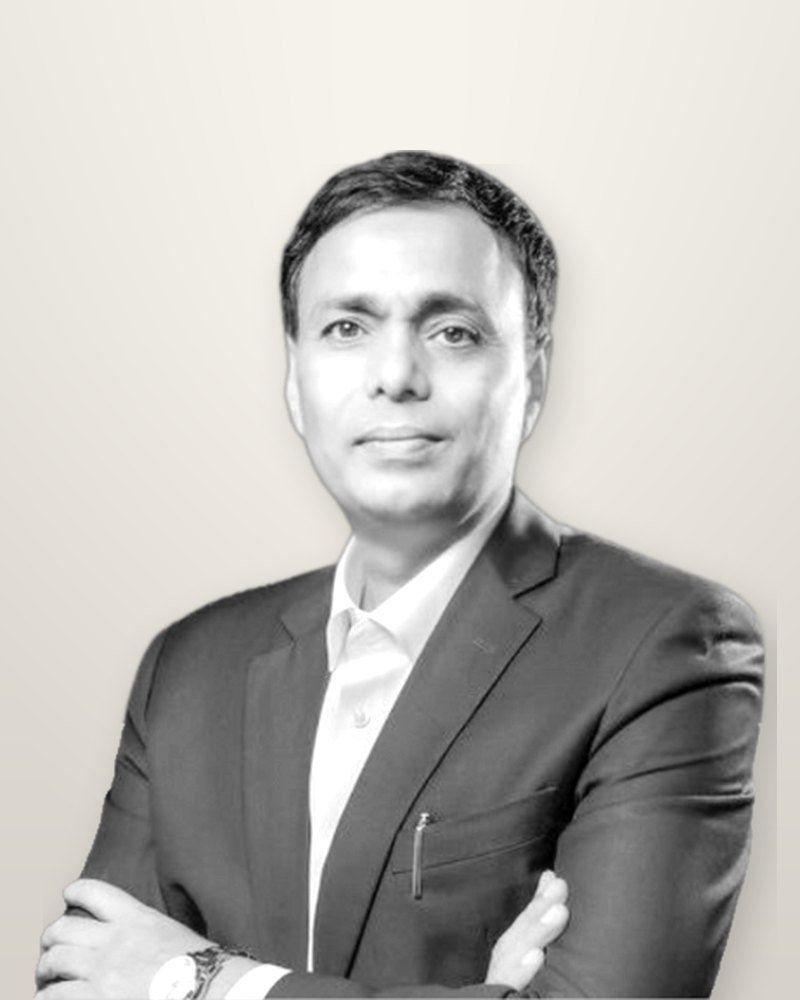
Partner-led, on every matter.
Corporate & Finance matters at TRW are led by partners, supported by associates, with one responsible lawyer from first advice to final outcome.
Meet the firm →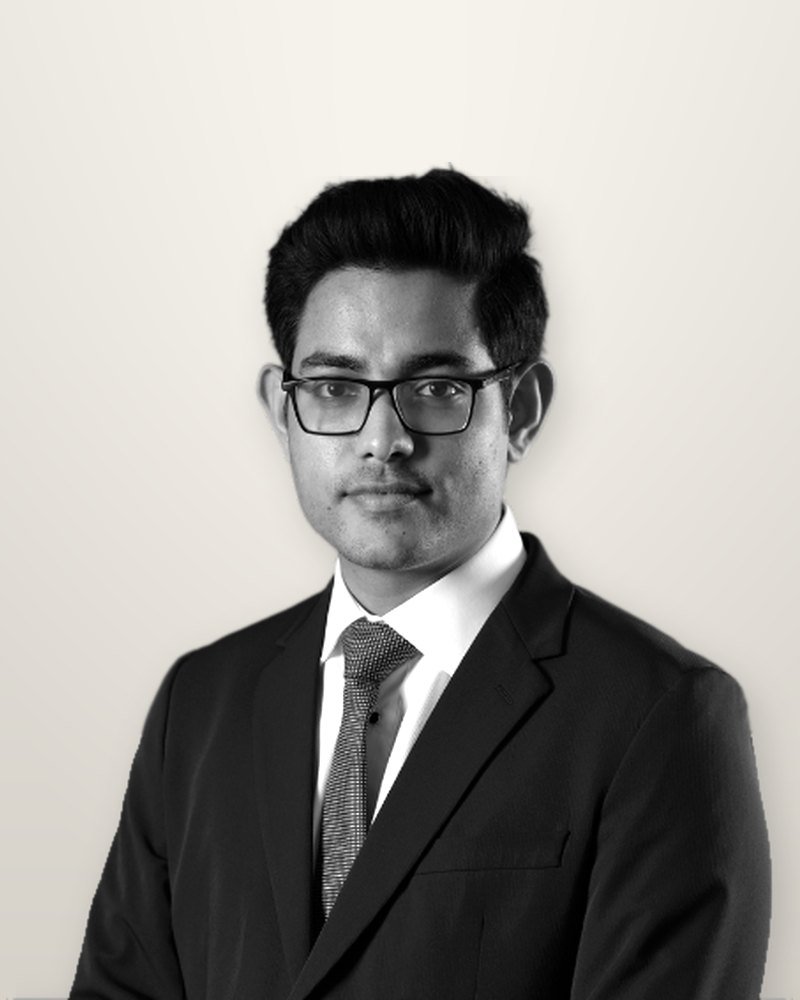

01Which rules govern sukuk issuance in the Bangladesh Islamic capital market?
The main rules are the BSEC (Investment in Sukuk) Rules 2019, read with general securities legislation, the public offer and debt securities rules where relevant, and the Trust Act 1882 for the trust structure. Listing rules of the Dhaka and Chittagong stock exchanges apply to listed issues, and depository regulations govern dematerialised holdings. Banks issuing or investing in sukuk must also follow Bangladesh Bank requirements. BSEC revises its rules and issues directives from time to time, so we confirm the current position before fixing a structure or timetable for any Islamic capital market transaction.
02Can a private company issue sukuk in Bangladesh?
A company can issue sukuk privately to a limited number of investors or publicly through an offer, subject to BSEC consent and the requirements that apply to each route. Public issues need a prospectus, credit rating, trustee, Shariah supervisory board and listing, while private placements involve fewer steps but still require Commission approval and proper documentation. The issuer's constitution, borrowing powers and existing financing covenants must also permit the transaction. We review those points at the outset so that an issuer does not discover a lender consent requirement late in the process.
03What assets can support a sukuk?
Sukuk need identifiable assets, rights or business activities that generate the return paid to investors. Common examples include buildings, plant and machinery, land use rights, leased equipment and project receivables, or a share in a business venture under musharakah or mudarabah. The asset must be Shariah-compliant, legally transferable or capable of being made subject to the trust, and free of conflicting security interests. In Bangladesh, title verification and registration of land can take time, so we start asset diligence early and plan alternatives if a chosen asset proves problematic. That is standard Islamic capital market practice.
04Do sukuk holders have security over the assets?
It depends on the structure. In an asset-based sukuk, investors usually rely mainly on the obligor's purchase undertaking and credit, with the trust holding beneficial rights over the assets. An asset-backed structure aims to give investors recourse to the assets themselves, which requires a true transfer and proper registration. Separate security can also be granted to the trustee over assets, accounts or receivables. We explain clearly in the offer document what investors can and cannot enforce, because overstatement of asset protection is a common source of disputes in any Islamic capital market.
05Can foreign investors buy Bangladeshi sukuk?
Foreign investors can generally invest in listed and some unlisted securities in Bangladesh, subject to foreign exchange regulations, the terms of the issue and any sector restrictions. The investment must be brought in through proper banking channels and recorded correctly so that profit distributions and redemption proceeds can be repatriated. Withholding tax on distributions, treaty relief and custody arrangements also need attention. For cross-border offers, we work with overseas counsel on marketing restrictions in the investor's home jurisdiction and with Bangladesh Bank requirements on the Bangladesh side. Islamic capital market access for foreigners is possible.
06How long does a sukuk issuance take?
There is no fixed timetable. A private sukuk with a straightforward asset base and a prepared issuer can move considerably faster than a public, listed issue requiring a prospectus, credit rating, Shariah pronouncement, exchange approval and subscription period. The most common sources of delay are asset title issues, incomplete financial information, lender consents and repeated rounds of regulator comments. We prepare a detailed workplan that sequences legal, Shariah, rating and regulatory tasks, so the issuer can see which items drive the timetable and where early decisions save time. Islamic capital market timetables vary considerably.
07What happens if an issuer defaults on a sukuk?
The trust deed and transaction documents define dissolution events, such as non-payment, insolvency or breach of covenant. On a dissolution event, the trustee may call on the obligor's purchase undertaking, enforce any security and, depending on the structure, deal with the underlying assets. Trustees usually act on the instructions of a specified majority of sukuk holders. Bangladesh court processes, insolvency rules and, for banks, the bank resolution framework can affect enforcement and timing. We advise trustees and investors on realistic enforcement options, including negotiated restructuring where that protects value better than litigation.
08How does the Islamic capital market interact with Islamic banking?
Islamic banks are major investors in government and corporate sukuk because they need Shariah-compliant liquidity instruments and cannot hold conventional interest-bearing securities. Banks also act as trustees, arrangers, issue managers through subsidiaries and sometimes issuers of capital instruments such as mudarabah bonds. Bangladesh Bank rules on investment limits, capital treatment and liquidity therefore affect demand and structure. Recent consolidation and resolution of several troubled Islamic banks has made counterparty diligence more important, and we factor that into advice on trustee, account bank and investor arrangements. We monitor these developments closely.
From first call to resolution.
- 01
Structure and feasibility
We review the funding need, available assets, existing financing and Shariah objectives, then recommend a sukuk or fund structure and identify the approvals, parties and documents required in Bangladesh and abroad for the transaction. Each Islamic capital market mandate starts here.
- 02
Diligence and Shariah review
We verify asset title and encumbrances, review corporate authority and lender consents, and coordinate with the Shariah supervisory board, rating agency and auditors so that the structure is approved on a sound factual basis. Gaps are reported to the issuer promptly.
- 03
Documents and regulatory filing
We draft the trust deed, asset and agency agreements, purchase undertakings and offer document, file with BSEC and the exchanges, and respond to regulator comments until consent and listing approvals are obtained for the issue. Filings are tracked against the workplan.
- 04
Closing and life of issue
We manage closing, asset transfers and registrations, then advise the trustee and issuer on periodic distributions, Shariah reviews, asset substitution, amendments, investor meetings and redemption or dissolution when the sukuk matures. Islamic capital market support continues throughout. Trustee and Shariah board decisions are recorded so that investors and regulators can see how each decision was reached.

“Demonstrates an extraordinary command over both domestic litigation and international arbitration.”
The Legal 500 Asia Pacific, Bangladesh: Dispute resolution, client feedback
Related reading.
Islamic Finance in Bangladesh: Shariah Banking, Sukuk, Takaful and Microfinance Law (2026)

Bond Issuance in Bangladesh 2026: Debt Securities Rules, Sukuk, DSE and CSE Listing, Due Diligence and Broker Registration
Securities Law in Bangladesh 2026: Capital Market Rules, IPOs, Disclosure and Enforcement

BSEC Compliance in Bangladesh 2026: Governance, Disclosure, Dividends and Enforcement for Listed Companies
All insights →
What is the Islamic capital market in Bangladesh?
Is a Shariah supervisory board mandatory for sukuk?
Are sukuk returns treated as interest for tax?
Can a sukuk be listed on the stock exchange?
Can green or sustainability sukuk be issued in Bangladesh?
What does the trustee do in a sukuk?
Can a Bangladeshi company issue sukuk offshore?
How can TRW help in the Islamic capital market?
Considering a sukuk or Shariah fund? Speak to us.
Speak with the partners about Islamic capital market in Bangladesh or across borders.
Book a consultation →











