
Islamic Finance in Bangladesh
Islamic finance advice for banks, finance companies, corporate customers, takaful operators and foreign investors in Bangladesh: structuring murabaha, ijarah, HPSM and musharakah facilities, documenting security, coordinating Shariah governance and resolving defaults through negotiation, Artha Rin proceedings or arbitration.

- Understand the transaction
- Align Shariah and legal
- Document and perfect
- Monitor and enforce
How our Islamic finance practice works in Bangladesh
Islamic finance is a large part of Bangladesh's banking system. Full-fledged Islamic banks, Islamic windows of conventional banks and Islamic finance companies hold a substantial share of deposits and investments, and many corporate borrowers deal with them every day. We advise banks, financial institutions, corporate customers, project sponsors and foreign lenders on structuring, documenting and enforcing Shariah-compliant financing. Our focus is the legal architecture that makes each contract enforceable in Bangladesh while respecting the structure approved by the Shariah advisers. This work is part of our corporate and finance practice in Bangladesh.
There is no single Islamic banking statute in Bangladesh. Islamic banks are licensed and supervised by Bangladesh Bank under the Bank Company Act 1991, with Bangladesh Bank guidelines for conducting Islamic banking, circulars on profit sharing, provisioning and liquidity, and the general law of contract, transfer of property, registration and security. A dedicated Islamic banking law has been discussed for years, and the bank resolution framework introduced in 2025 has been used to consolidate several troubled Islamic banks. Because the regulatory picture is changing, we check current Bangladesh Bank instructions before advising on product design or capital treatment.
Day-to-day Islamic finance in Bangladesh relies on a familiar set of modes: murabaha and bai muajjal for trade and working capital, ijarah and hire purchase under shirkatul melk (HPSM) for equipment, vehicles and property, musharakah and mudarabah for partnership-based funding, and bai salam or istisna for agricultural and manufacturing finance. Each mode carries its own sequence of purchase, possession, transfer and payment. When that sequence is not followed in practice, borrowers may challenge the bank's claim, auditors may question income recognition and Shariah boards may require purification. We help institutions align their documents with what actually happens.
Security and recovery work in Islamic finance largely follows the conventional framework. Mortgages, hypothecation, pledges, guarantees and charges registered with the Registrar of Joint Stock Companies are used in the same way, and Islamic banks recover defaulted investments through the Artha Rin Adalat, negotiated rescheduling or arbitration. Courts look at the documents, so a facility that labels profit as rent but documents it inconsistently may be harder to enforce. Where mandatory pre-case mediation under the Legal Aid Services (Amendment) Act 2026 applies in a district, we factor it into the recovery strategy and timetable from the start.
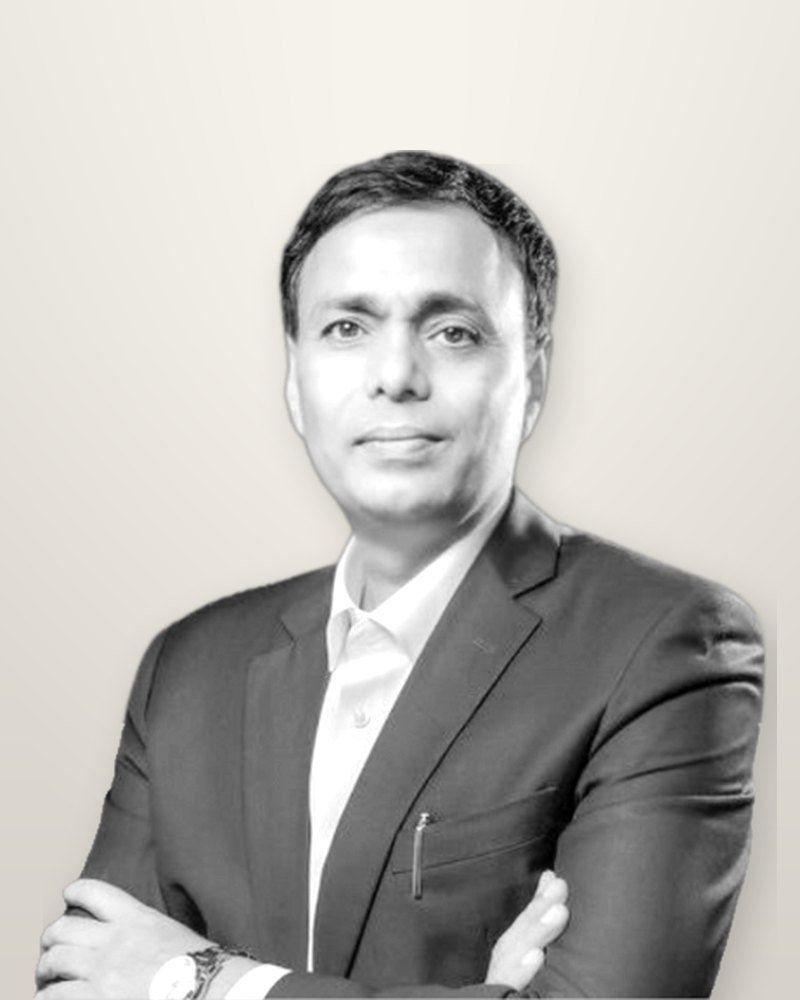
Barrister Tahmidur Rahman and Barrister Remura Meheruba Mahbub lead our banking and finance work, with Adv Syed Wahid leading related litigation in the Artha Rin Adalat and the High Court Division. Cross-border Islamic finance, including facilities from Gulf or Malaysian institutions, sukuk and takaful arrangements, often involves English law documents and offshore counsel; we work with lawyers in the UK, UAE, Singapore and elsewhere on those transactions. For disputes, we draw on our dispute resolution practice. To discuss a facility, product or problem, you can contact our Dhaka office.
Core workstreams
Four clear stages
- 01Understand the transaction
- 02Align Shariah and legal
- 03Document and perfect
- 04Monitor and enforce
Talk to a partner
Consultations in Dhaka or by video. Scope, team and fees are agreed in writing first.
Book →What we handle in Islamic finance

Facility structuring and documentation
- Understand the transaction
- Align Shariah and legal
- Document and perfect
- Monitor and enforce
Syndicated and project Islamic finance
- Understand the transaction
- Align Shariah and legal
- Document and perfect
- Monitor and enforce
Shariah governance and product approval
- Understand the transaction
- Align Shariah and legal
- Document and perfect
- Monitor and enforce
Cross-border Islamic finance
- Understand the transaction
- Align Shariah and legal
- Document and perfect
- Monitor and enforce
Takaful and Islamic investment products
- Understand the transaction
- Align Shariah and legal
- Document and perfect
- Monitor and enforce
Recovery, rescheduling and disputes
- Understand the transaction
- Align Shariah and legal
- Document and perfect
- Monitor and enforce
Facility structuring and documentation
We structure and draft murabaha, bai muajjal, ijarah, HPSM, musharakah, mudarabah, salam and istisna facilities for banks and finance companies, and review them for corporate customers. Documents cover purchase orders, agency appointments, delivery and possession, profit calculation, rebate and compensation for late payment, takaful and security, so that each step can be evidenced if the facility is later audited, challenged by the customer or enforced through the courts. We also prepare operational checklists for branch staff.
Syndicated and project Islamic finance
For larger transactions, we advise lead arrangers, participating banks and sponsors on syndicated Islamic finance facilities, including common terms, intercreditor arrangements with conventional lenders, security agency and account structures. Project and infrastructure deals often combine istisna during construction with ijarah during operations, and we coordinate those phases with construction contracts, offtake agreements, insurance and the approvals that Invest Bangladesh and sector regulators may require for the project. Timetables are coordinated across all lender groups.
Shariah governance and product approval
We work with Shariah supervisory committees and compliance teams on new products, standard form documents and policy manuals. We review whether documents give legal effect to the structure the committee has approved, draft governance charters and reporting lines, and advise on disclosure to customers. We do not issue Shariah rulings ourselves, but we identify legal points the Shariah advisers need to consider before products are launched or documents are changed across the institution. Training for staff can be included.
Cross-border Islamic finance
Foreign Islamic banks and development institutions lending into Bangladesh face foreign borrowing approvals, exchange control requirements, withholding tax and enforcement questions. We advise on Bangladesh Bank approvals, the treatment of profit and rental payments, the reduced 10% withholding on interest paid to non-residents under the Finance Act 2026 and how it may apply to Shariah-compliant returns, and the registration and perfection of local security for offshore lenders and their agents. We also coordinate closely with the lender's offshore counsel.
Takaful and Islamic investment products
We advise takaful operators, insurers with takaful windows and distribution partners on product structures, participant fund arrangements, wakalah and mudarabah models, and the approvals required from the Insurance Development and Regulatory Authority. We also advise on Islamic mutual funds, sukuk investments and Shariah-screened portfolios, coordinating with the BSEC rules that apply to collective investment schemes and listed securities offered to Bangladeshi investors. Distribution and sales practices are reviewed as well.
Recovery, rescheduling and disputes
When an Islamic finance customer defaults, we advise banks on demand, set-off, enforcement of security, Artha Rin Adalat suits, execution and negotiated rescheduling under current Bangladesh Bank policy. For customers, we review whether the bank's claim reflects the documents and the Shariah structure, including compensation charges and profit after default. We also handle arbitration and High Court Division writ proceedings involving Islamic banks, their boards and regulators. Settlement options are always assessed alongside litigation.
Partner-led, on every matter.
Corporate & Finance matters at TRW are led by partners, supported by associates, with one responsible lawyer from first advice to final outcome.
Meet the firm →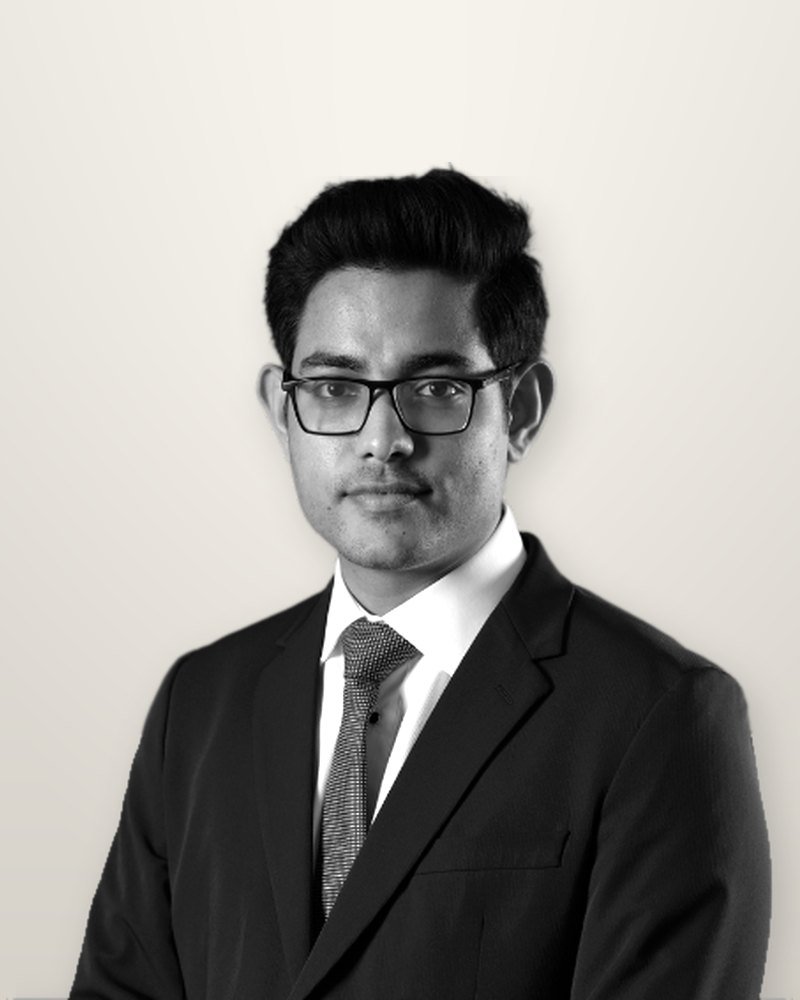


01Is Islamic finance regulated differently from conventional banking in Bangladesh?
Islamic banks are licensed and supervised by Bangladesh Bank under the same Bank Company Act 1991 as conventional banks, so capital, governance, lending limits and reporting rules largely apply to both. Bangladesh Bank adds Islamic-specific guidelines and circulars on Shariah supervisory committees, profit distribution to depositors, investment modes and liquidity instruments. In practice, Islamic finance is regulated as banking with an additional Shariah governance layer rather than as a separate system. That means a product can be compliant with Shariah but still breach a prudential rule, and the reverse can also happen.
02What is HPSM and why is it common in Bangladesh?
Hire purchase under shirkatul melk, often called HPSM, is a widely used mode in Bangladesh for financing vehicles, machinery and real estate. The bank and customer jointly own the asset, the customer rents the bank's share and gradually buys it, and ownership passes fully to the customer once payments are complete. HPSM suits Bangladesh because it fits familiar hire purchase practice and allows the bank to retain an ownership interest during the term. It requires careful drafting on title, registration, insurance, maintenance and what happens to the bank's share on default or early settlement.
03Can an Islamic bank charge for late payment?
Islamic banks cannot charge interest on overdue amounts, but they commonly use compensation or penalty mechanisms that Shariah advisers have approved, often with amounts directed to charity rather than retained as income. Bangladesh Bank policies and the bank's own Shariah committee decisions shape what is permitted and how it is accounted for. Disputes arise when charges are not clearly documented or are applied inconsistently. We review late payment provisions in Islamic finance documents to make sure they are clear, consistent with approved policy and capable of being explained to a court if challenged by a customer.
04How are Islamic finance defaults recovered in court?
Islamic banks and finance companies generally recover defaulted investments through the Artha Rin Adalat under the Artha Rin Adalat Ain 2003, in the same way as conventional lenders. The court focuses on the documented claim, security and statutory procedure rather than on Shariah theory. Mortgaged property may be sold under the statute's procedure, and guarantors can be pursued. Problems arise when documents show inconsistent profit figures or when the purchase and sale sequence was not properly evidenced. We prepare recovery files carefully and, for borrowers, review whether the claim can be challenged on those grounds.
05Can a conventional bank offer Islamic finance products?
Yes. Several conventional banks in Bangladesh operate Islamic banking windows or branches with Bangladesh Bank permission. Windows must keep Islamic funds and investments separate from conventional operations, maintain a Shariah supervisory committee and follow Bangladesh Bank guidance on segregation, accounting and profit distribution. The practical challenge is operational: systems, staff and documents must prevent commingling. We advise banks on setting up and running windows, preparing standard documentation and responding to inspection findings, and on converting conventional facilities into Islamic finance structures where a customer requests it. We also review window-level policies.
06What does the 2025 bank consolidation mean for Islamic bank customers?
Several financially distressed Islamic banks were placed under the bank resolution framework introduced in 2025 and consolidated. For depositors, borrowers and counterparties, this raises practical questions about which entity now holds their accounts and facilities, whether existing documents and security remain valid, how pending litigation continues and whom to deal with on restructuring. Answers depend on the resolution orders and transfer arrangements in each case. We review those instruments for clients and advise on protecting claims, preserving security and continuing proceedings against or involving the successor institution. Customers should keep statements, facility letters and any transfer notices received.
07Can foreign lenders provide Islamic finance to Bangladeshi companies?
Foreign Islamic banks and development institutions can provide Shariah-compliant financing to Bangladeshi companies, subject to the approvals and reporting requirements for foreign borrowing. Depending on the borrower, the amount and the tenor, Bangladesh Bank approval or registration is needed, and Invest Bangladesh may be involved for certain investment-related borrowings. Security over Bangladeshi assets must be created and perfected under local law, often through a local security agent. We advise on the approval route, payment mechanics and enforcement in Bangladesh, working with the lender's offshore counsel on the main facility documents.
08Do Islamic finance contracts need to be stamped and registered?
Many do. Mortgages of immovable property must be registered under the Registration Act 1908, and transaction documents generally attract stamp duty under the Stamp Act 1899 as amended. Charges created by companies should be registered with the Registrar of Joint Stock Companies within the statutory period to bind a liquidator and other creditors. Vehicles financed under HPSM or ijarah should reflect the bank's interest in the motor vehicle registration. Failure to stamp or register can weaken enforcement significantly, so we include these steps in every closing checklist for Islamic finance transactions.
From first call to resolution.
- 01
Understand the transaction
We start with the asset, activity and cash flow being financed, the parties involved and any foreign element, then recommend the Islamic finance mode and structure that fits both the commercial purpose and the applicable Bangladesh Bank rules. Scope and fees are agreed upfront.
- 02
Align Shariah and legal
We coordinate with the Shariah supervisory committee or advisers on the proposed structure, identify legal and regulatory points they need to consider, and agree a document set that reflects the approved sequence of contracts and payments. Open points are tracked to resolution.
- 03
Document and perfect
We draft or review the facility, purchase, agency, lease and security documents, arrange stamping, registration and charge filings, obtain necessary approvals and manage conditions precedent through to first disbursement or delivery of the financed asset. A closing set is delivered.
- 04
Monitor and enforce
During the facility, we advise on amendments, rescheduling, regulatory inspections and Shariah audit findings. If default occurs, we pursue negotiated solutions first, then Artha Rin Adalat proceedings, enforcement of security or arbitration where needed. Updates are regular and clear.

“Demonstrates an extraordinary command over both domestic litigation and international arbitration.”
The Legal 500 Asia Pacific, Bangladesh: Dispute resolution, client feedback
Related reading.

Islamic Finance in Bangladesh: Shariah Banking, Sukuk, Takaful and Microfinance Law (2026)

Banking Law in Bangladesh: Statutes, Regulators and Key Legal Issues (2026)

Artha Rin Adalat Ain 2003: How Bank Loan Recovery Suits Work in Bangladesh (2026)

Loan Security Documentation in Bangladesh: Mortgage, Hypothecation and Guarantees (2026)
All insights →
What are the main Islamic finance modes used in Bangladesh?
Is there an Islamic Banking Act in Bangladesh?
Who decides whether a product is Shariah-compliant?
Can a borrower switch from a conventional loan to Islamic finance?
Does Islamic finance avoid stamp duty or registration costs?
How are Islamic finance disputes resolved?
Are Islamic microfinance products regulated?
How can TRW help with Islamic finance in Bangladesh?
Need clear Islamic finance advice in Bangladesh? Contact us.
Speak with the partners about Islamic finance in Bangladesh or across borders.
Book a consultation →











