
Section 561A and Criminal Quashment in Bangladesh
Advice on Section 561A applications in Bangladesh: when the High Court Division may quash criminal proceedings that amount to an abuse of process, disclose no offence or rest on a legal bar, and how to prepare a strong petition, obtain a stay and protect clients.

- Collect the record
- Assess the grounds
- File and seek stay
- Argue the Rule
Section 561A quashment: the High Court Division's inherent power
Section 561A of the Code of Criminal Procedure, 1898 preserves the inherent power of the High Court Division to make orders necessary to give effect to any order under the Code, to prevent abuse of the process of any court, or otherwise to secure the ends of justice. In practice, it is the main route for asking the High Court Division to quash a criminal proceeding that should never have started or should not be allowed to continue. Applications are usually made after a court has taken cognizance, although timing and other remedies affect whether the court will intervene.
Over decades, the Appellate Division and the High Court Division have developed the circumstances in which the power is used. Broadly, the court may interfere where the proceeding is an abuse of process, where the allegations, even if taken as true, do not disclose any offence, where there is no legal evidence to support the charge, or where the prosecution is barred by law. The power is exercised sparingly and does not allow the court to weigh disputed evidence as a trial court would. A Section 561A petition must therefore be built on the record as it stands.
Many quashment petitions arise from disputes that are commercial or civil at heart. A supplier owed money files a cheating complaint. A business partner alleges criminal breach of trust after a joint venture fails. A cheque given as security becomes the basis for a dishonour case. Family disputes may lead to complaints under special laws. In these cases, the criminal process can be used as leverage to force payment or concessions. A Section 561A application, well prepared and properly timed, can stop that misuse and return the dispute to the civil courts, arbitration or settlement, where it belongs.
TRW & Co handles quashment and related criminal-procedure work within its wider dispute resolution practice. Managing partner Adv Syed Wahid leads our litigation, and our corporate and arbitration partners contribute where a criminal case arises from a commercial transaction. That combined view matters: the arguments made in a Section 561A petition must be consistent with positions taken in any civil suit, arbitration or regulatory process running alongside it, and with any bail application made to protect the client's liberty. A Section 561A strategy that ignores the civil case can easily backfire on the client.
Timing and preparation are critical. Before filing, we obtain the first information report or complaint, the order taking cognizance, any charge sheet, and the documents that show the true nature of the dispute. We assess whether quashment, revision, discharge, bail or a defence at trial is the stronger route, and we explain the realistic prospects. If you or your company are facing a criminal case that appears baseless or abusive, contact our Dhaka office for an early review, ideally before key dates in the lower court. Early action generally keeps every Section 561A option open.
Core workstreams
Four clear stages
- 01Collect the record
- 02Assess the grounds
- 03File and seek stay
- 04Argue the Rule
Talk to a partner
Consultations in Dhaka or by video. Scope, team and fees are agreed in writing first.
Book →How we handle quashment and related applications

Case review and record collection
- Collect the record
- Assess the grounds
- File and seek stay
- Argue the Rule
Drafting the Section 561A petition
- Collect the record
- Assess the grounds
- File and seek stay
- Argue the Rule
Obtaining a Rule and stay
- Collect the record
- Assess the grounds
- File and seek stay
- Argue the Rule
Hearing the Rule
- Collect the record
- Assess the grounds
- File and seek stay
- Argue the Rule
Alternative criminal remedies
- Collect the record
- Assess the grounds
- File and seek stay
- Argue the Rule
Commercial disputes behind criminal cases
- Collect the record
- Assess the grounds
- File and seek stay
- Argue the Rule
Case review and record collection
We obtain certified copies of the first information report or complaint, the cognizance order, any charge sheet and orders of the lower court. We then compare the allegations with the documents showing the true nature of the relationship, such as contracts, invoices, settlement records and correspondence, to identify whether a recognised ground for quashment is genuinely available on the record as it stands. Accuracy here shapes everything else.
Drafting the Section 561A petition
We draft a focused petition that sets out the facts, the procedural history and the precise grounds for interference. The petition explains why the proceeding is an abuse of process, discloses no offence, lacks legal evidence or is barred by law, and attaches the documents on which those arguments rely, so that the bench can grasp the case quickly. Clarity and brevity persuade busy benches. Annexures are paginated and indexed, each tied to a specific ground, so the bench can find them.
Obtaining a Rule and stay
On a successful first hearing, the High Court Division may issue a Rule calling on the State and the complainant to show cause, and may stay further proceedings in the lower court. We present the application for admission, argue for an interim stay where justified, and ensure the stay order is communicated promptly to the trial court. Missed communication can undo a stay. We follow up in person.
Hearing the Rule
When the Rule is heard, the State and the complainant may file affidavits in opposition. We prepare replies, compile authorities and present arguments on the specific grounds relied on. We focus on law and the undisputed record, because the court does not decide contested facts under its inherent jurisdiction, and we anticipate the objections the other side is likely to raise. Preparation shortens the hearing considerably. Authorities are checked for currency.
Alternative criminal remedies
Quashment is not always the best route. Depending on the stage, a discharge application before the trial court, a criminal revision, a challenge to framing of charges, or a defence at trial may be more appropriate. We advise on the right remedy and the right forum, and we run these applications where they offer the stronger path for the client. Section 561A is one tool among several.
Commercial disputes behind criminal cases
Where a criminal case is really about money or a failed transaction, we coordinate the criminal defence with civil proceedings, arbitration or settlement. We advise companies and directors on managing reputational risk, communicating with banks and partners, and avoiding statements that could undermine the defence. Our aim is to resolve the underlying dispute, not just one proceeding. Joined-up advice saves time and cost. Each director receives separate advice where their positions or interests differ.
Partner-led, on every matter.
Disputes & Arbitration matters at TRW are led by partners, supported by associates, with one responsible lawyer from first advice to final outcome.
Meet the firm →



01When can the High Court Division quash criminal proceedings under Section 561A?
The court may intervene where continuing the proceeding would be an abuse of process, where the allegations, even accepted at face value, do not disclose any offence, where there is no legal evidence in support, or where a legal bar prevents the prosecution. The categories are applied strictly. The court will not normally assess the credibility of witnesses or resolve factual disputes, which are matters for trial. A successful Section 561A application usually shows a clear defect that appears from the complaint, the record or documents whose authenticity cannot reasonably be disputed by the other side.
02Is an underlying commercial dispute a good ground for quashment under Section 561A?
It can be, but not automatically. Courts recognise that criminal proceedings are sometimes used to pressure a party in what is really a civil or commercial dispute, such as an unpaid debt or a contract breach. A transaction can involve both civil liability and a genuine criminal offence, for example where there was dishonest intention at the outset. The petition must show that the allegations, read fairly, disclose only a civil wrong. We analyse the complaint against the documents and explain whether a Section 561A application is likely to succeed. If unlikely, we say so before further cost is incurred.
03At what stage of the criminal case should we file a quashment application?
Timing affects both the prospects and the procedure. Applications are commonly made after the lower court has taken cognizance, and they can also be made at later stages, including after charges are framed. If revision or another remedy is available, the court will consider whether it was pursued. Some clients wait too long and find that trial has advanced, which can weaken the case for interference. We review the stage and advise on the best moment to file under Section 561A. Review orders and trial progress before choosing the date.
04Will the trial court proceedings be stayed while the application is pending?
Not automatically. When the High Court Division issues a Rule, it may also stay further proceedings in the lower court, either for a fixed period or until the Rule is disposed of. Whether a stay is granted depends on the application and circumstances. Stay orders may need extension and should be communicated promptly to the trial court, since the trial court will otherwise continue. We monitor the stay's duration, apply for extension where appropriate, and make sure the lower court record reflects the order so the client is protected. Diarise each extension date so cover does not lapse.
05Can a cheque dishonour case under the Negotiable Instruments Act be quashed?
Cheque dishonour cases under the Negotiable Instruments Act 1881 are a common subject of quashment petitions. Possible grounds can include defects in the statutory notice, a complaint filed outside the time allowed, or a complaint against a person who is not liable under the Act. However, many arguments, such as whether the cheque was given as security, raise factual questions for trial. We review the cheque, notice, dates and complaint closely, and we advise whether a Section 561A application, a defence at trial or settlement is the sensible course. The cheque, notice and complaint dates are often decisive.
06Can company directors be protected from criminal cases against the company?
Directors are often named in complaints simply because of their position. Liability usually depends on the statute and on the director's actual role in the alleged conduct. Where a complaint names directors without any specific allegation against them, or where the statute does not extend liability to them, quashment may be available for those individuals. Independent and non-executive directors, including foreign nationals, are frequently in this position. We assess each director's role, prepare individual grounds and coordinate with the company's wider defence and its communications with banks and regulators. Directors should seek advice once named.
07What happens if the Section 561A application is rejected?
If the High Court Division discharges the Rule or rejects the application, the proceeding continues in the lower court, and any stay ends. The client can still defend the case at trial, raise discharge arguments where available, and in appropriate cases seek leave to appeal to the Appellate Division. A rejection does not decide guilt. Because the stay ends, however, the trial court may move quickly. We plan for this possibility in advance, preparing bail and trial strategy so that the client is not caught unprepared by developments in the case. Prepare bail and trial documents before the hearing.
08How long does a Section 561A quashment application usually take to decide?
Timing varies with the bench, the cause list and the complexity of the case. Admission and a stay may be obtained relatively quickly where the papers are ready, but the final hearing of the Rule can take considerably longer, depending on the court's workload and whether the parties file affidavits. We give clients a realistic expectation, track the listing closely, and use the time to strengthen the record and explore settlement where the underlying dispute can be resolved commercially. Throughout, we keep clients informed about developments and next steps. Some patience is often needed.
From first call to resolution.
- 01
Collect the record
We obtain certified copies of the complaint or first information report, cognizance order, charge sheet and lower court orders, together with the commercial documents that show the true nature of the dispute in full.
- 02
Assess the grounds
We test the case against the recognised grounds for Section 561A interference and compare quashment with revision, discharge, bail and trial defence, giving a clear and candid view of prospects and timing for the client.
- 03
File and seek stay
We draft the petition, move it for admission before the appropriate bench, argue for a Rule and stay of the lower court proceedings, and communicate any stay order promptly to the trial court in writing.
- 04
Argue the Rule
We answer any affidavits in opposition, present the law and undisputed record at the final hearing, and plan next steps, including appeal, settlement or trial strategy, whatever the final outcome of the Rule.

“Demonstrates an extraordinary command over both domestic litigation and international arbitration.”
The Legal 500 Asia Pacific, Bangladesh: Dispute resolution, client feedback
Related reading.
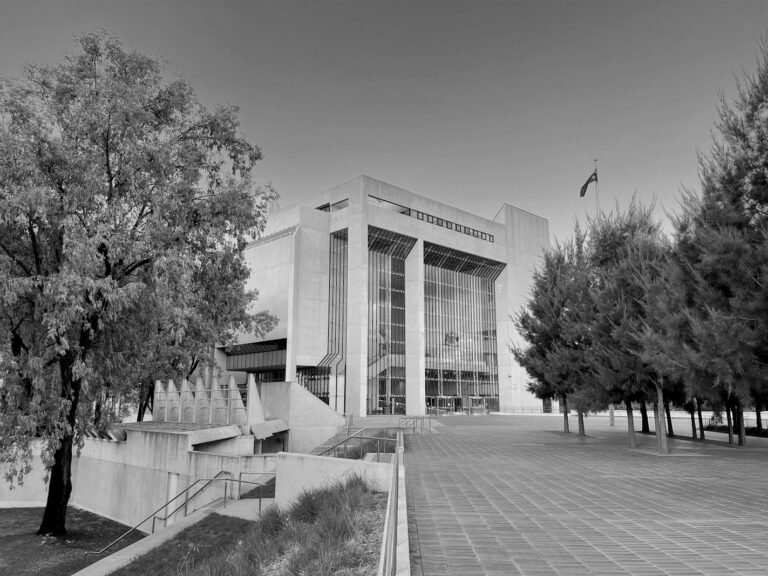
Quashing Criminal Proceedings in Bangladesh: Section 561A CrPC (2026)

Criminal Revision in Bangladesh: High Court and Sessions Revision (2026)

False Accusation Laws in Bangladesh: Remedies Against False Cases in 2026

Charge Sheet and Framing of Charges in Bangladesh Criminal Cases (2026)
All insights →
What does Section 561A of the Code of Criminal Procedure actually provide?
Can a Section 561A petition be filed before cognizance?
Does the complainant have a right to be heard in a Section 561A matter?
Can a settlement between the parties lead to quashment of the case?
Is a Section 561A order of the High Court Division final?
What documents should I gather before filing a quashment petition?
Can a foreign national living abroad file a Section 561A application?
Why instruct TRW & Co on a Section 561A matter?
Facing a baseless criminal case? Talk to us
Speak with the partners about Section 561A in Bangladesh or across borders.
Book a consultation →