

Third-Party Funding and Costs in International Arbitration
Advice for Bangladeshi companies, state-linked entities and foreign investors on third-party funding and costs in international arbitration: comparing third-party funding with other options, negotiating terms, managing disclosure and security for costs, and planning budgets and recovery from the first notice to final enforcement.

- Assess the claim
- Compare funding options
- Agree terms and disclose
- Run, claim costs, recover
Third-party funding in international arbitration: a Bangladesh perspective
International arbitration is expensive. Institutional fees, arbitrators' fees, expert evidence, travel and legal costs can quickly reach sums that strain the cash flow of even a strong claimant. Third-party funding allows a party to pass some or all of that cost to a professional funder, who is repaid from the proceeds if the claim succeeds and usually receives nothing if it fails. For Bangladeshi exporters, contractors, power producers and investors with valuable claims against foreign counterparties or states, funding can turn a claim that was commercially out of reach into one that can be pursued properly.
Third-party funding is not free money, and it brings its own legal questions. The funding agreement will deal with the funder's return, budget, control over strategy and settlement, termination rights, reporting and confidentiality. Those terms must sit comfortably with the arbitration agreement, the institutional rules and the law of the seat. Some rules now require disclosure of the existence of funding and the funder's identity, so that arbitrators can check for conflicts. Tribunals may also, in some cases, take funding into account when deciding applications for security for costs or allocating costs at the end of the case.
Bangladesh has no dedicated statute regulating third-party funding, and the position under general principles of contract and public policy has not been settled by a body of local decisions. In practice, most arbitrations involving Bangladeshi parties are seated abroad, for example in Singapore, London or Hong Kong, where the law on funding is more developed. That makes the early choice of seat and governing law important. Where enforcement in Bangladesh is likely, the funding structure should be tested against the questions a Bangladeshi court may ask when the award is presented under the Arbitration Act 2001.
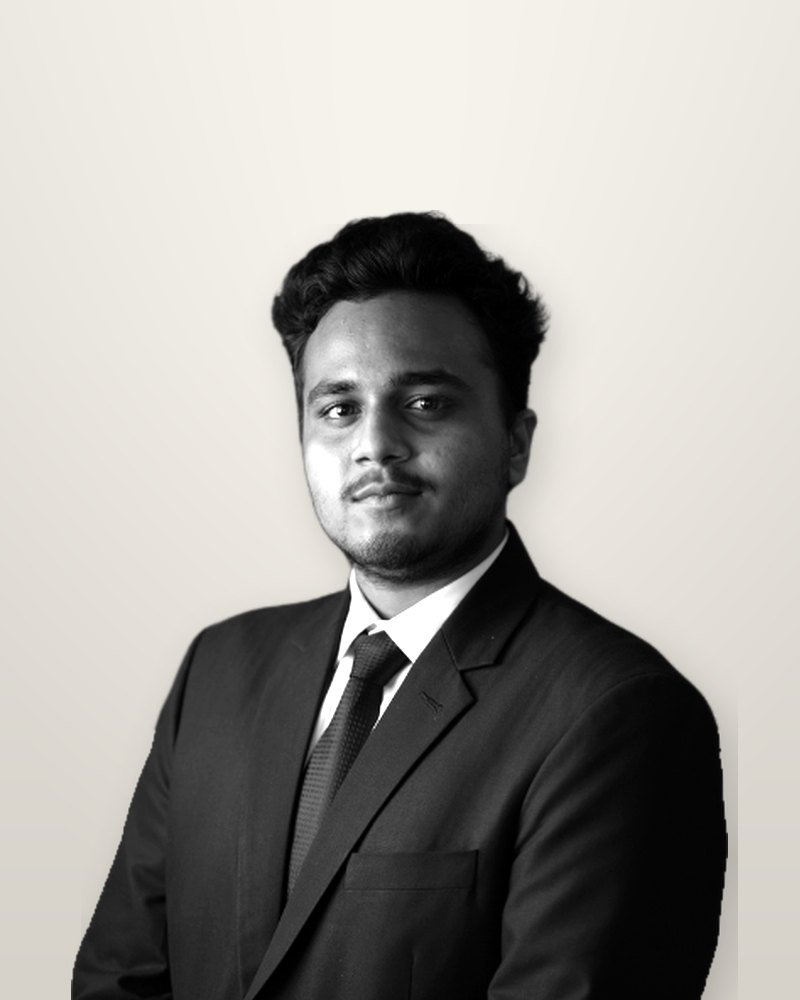
Our arbitration practice, led by Barrister Tahmidur Rahman and Barrister Remura Meheruba Mahbub, advises claimants and respondents on funding and costs as part of the firm's wider dispute resolution practice. We work with counsel in the UK, Singapore, the UAE, the US and elsewhere, and we can help clients approach funders with a well-prepared case summary and budget. For respondents, we advise on how to respond when a claimant is funded, including on disclosure applications and security for costs, and on how funding may affect settlement dynamics. Advice on third-party funding is always tied to the client's commercial goals.
Costs strategy matters even when no funder is involved. Many institutional rules allow tribunals to order the losing party to bear the winner's costs, and tribunals increasingly consider the efficiency of each party's conduct. A realistic budget, disciplined case management and early thought about recovery of costs can change the commercial outcome of a dispute. If you are weighing whether to start an arbitration, have been approached by a funder, or face a funded opponent, contact our Dhaka office for a structured, confidential discussion of the options and risks involved. We will explain whether third-party funding fits.
Core workstreams
Four clear stages
- 01Assess the claim
- 02Compare funding options
- 03Agree terms and disclose
- 04Run, claim costs, recover
Talk to a partner
Consultations in Dhaka or by video. Scope, team and fees are agreed in writing first.
Book →How we help with funding and costs

Mapping funding and financing options
- Assess the claim
- Compare funding options
- Agree terms and disclose
- Run, claim costs, recover
Preparing the claim for funders
- Assess the claim
- Compare funding options
- Agree terms and disclose
- Run, claim costs, recover
Negotiating funding agreements
- Assess the claim
- Compare funding options
- Agree terms and disclose
- Run, claim costs, recover
Disclosure and conflict management
- Assess the claim
- Compare funding options
- Agree terms and disclose
- Run, claim costs, recover
Security for costs applications
- Assess the claim
- Compare funding options
- Agree terms and disclose
- Run, claim costs, recover
Costs budgeting and recovery
- Assess the claim
- Compare funding options
- Agree terms and disclose
- Run, claim costs, recover
Mapping funding and financing options
We help clients compare third-party funding with other options, including self-funding, portfolio funding, after-the-event insurance, partial contingency arrangements and the sale of claims. We consider the claim's value, likely duration, enforcement prospects and the client's appetite for sharing control. The result is a clear, written view of which structures are realistic and how each one affects the client's eventual net recovery. Third-party funding is one option, not the default.
Preparing the claim for funders
Funders want a concise and credible case. We prepare a merits summary, a budget by phase, an assessment of quantum and an enforcement analysis focused on where the respondent's assets are located. We manage confidentiality during the due diligence process, using non-disclosure agreements and careful document control, so that privileged and commercially sensitive material is protected while funders evaluate the claim. Good preparation improves the terms of third-party funding offered.
Negotiating funding agreements
We review and negotiate third-party funding agreements, focusing on the funder's return and its waterfall, budget commitments, control and consent rights, settlement provisions, termination triggers, adverse costs cover and dispute resolution between client and funder. We also check that the agreement fits the arbitration rules, the law of the seat and any Bangladeshi regulatory or exchange-control requirements on payments. Balanced terms prevent later disputes. We also review insurance wording.
Disclosure and conflict management
Several institutional rules now require a funded party to disclose the existence of funding and the funder's identity. We advise on when and what to disclose, how to handle tribunal requests for further information, and how to manage arbitrator conflicts. For respondents, we assess when to seek disclosure of funding arrangements and how to frame applications so that they are proportionate and well supported. The agreement should also say who decides whether to accept or reject a settlement offer, and on what timetable.
Security for costs applications
A respondent facing a funded or financially weak claimant may ask the tribunal to order security for costs. We prepare and resist such applications, addressing the claimant's ability to pay an adverse costs award, the terms of any funding or insurance, and the risk that security would stifle a genuine claim. We also advise on the form of security, such as bank guarantees or escrow arrangements. Evidence on the claimant's finances, the funder's undertakings and the strength of the claim usually shapes the outcome.
Costs budgeting and recovery
We build phased budgets, track spending against them and prepare costs submissions at the end of the case. Our submissions explain the reasonableness of the client's costs and the conduct of the other side. After the award, we plan the recovery of costs alongside the principal sum, including enforcement in Bangladesh and abroad, and the distribution of proceeds between client and funder. Records kept throughout support recovery.
Partner-led, on every matter.
Disputes & Arbitration matters at TRW are led by partners, supported by associates, with one responsible lawyer from first advice to final outcome.
Meet the firm →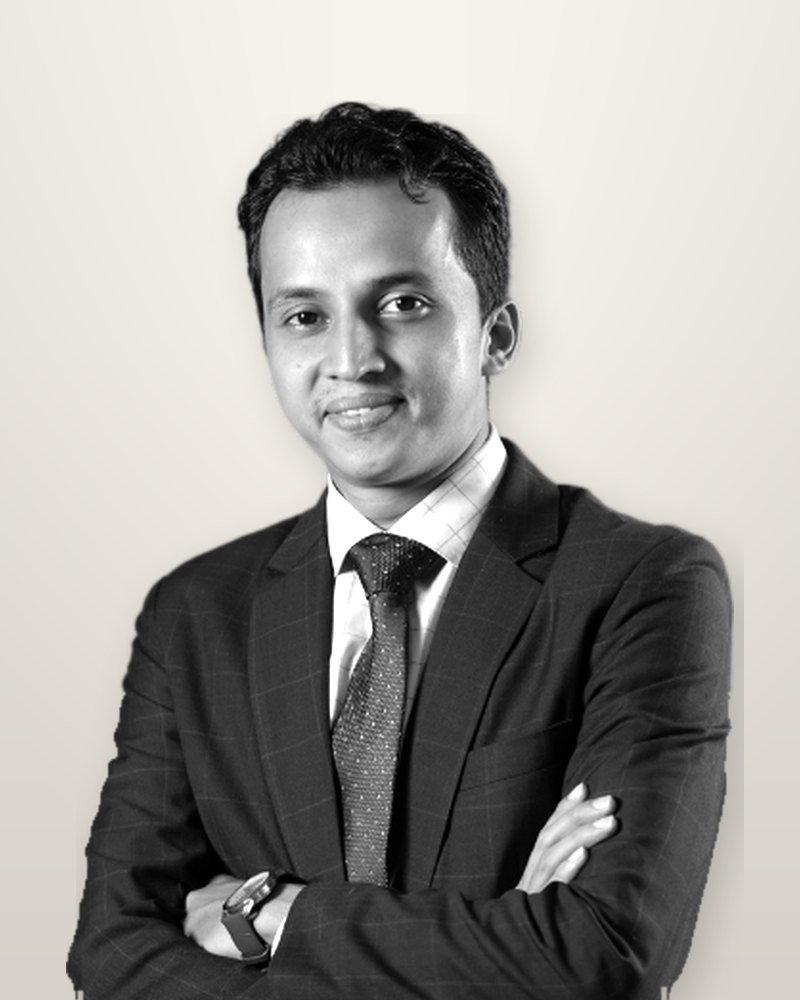


01Is third-party funding lawful for a Bangladeshi party in an international arbitration seated abroad?
There is no Bangladeshi statute that expressly permits or prohibits third-party funding of arbitration, and the issue has not been widely tested in the local courts. Bangladesh inherited common law principles, and questions of public policy under contract law could in theory be raised. In practice, the lawfulness of the arrangement is assessed mainly under the law governing the funding agreement and the law of the seat. Many funded arbitrations involving Bangladeshi parties are seated in jurisdictions with clear rules, such as Singapore or England. We assess the structure against each relevant law before any agreement is signed.
02What kinds of claims do funders usually consider for third-party funding?
Funders generally look for claims with strong merits, substantial value relative to the expected costs, and a credible route to recovery against a respondent with reachable assets. Construction and EPC claims, investment treaty claims, energy disputes, shareholder disputes and large commercial contract claims are typical examples. A funder will also consider the quality of the legal team, the budget, the timetable and the risks of enforcement. Claims against respondents whose assets are hard to reach may be less attractive. We help clients present their claim in a way that answers these questions clearly and honestly.
03Do we have to disclose third-party funding to the tribunal and the other side?
It depends on the rules and the tribunal's directions. Several institutional rules now require disclosure of the existence of funding and the funder's identity, mainly so that arbitrators can check for conflicts of interest. Investment treaty rules, including the ICSID rules, contain similar requirements. Disclosure of the funding agreement's terms is a separate question and is usually ordered only where relevant to a specific issue, such as security for costs. We advise on the applicable rules at the outset and plan disclosure so that it is accurate, timely and no wider than required.
04Will a funded claimant always be ordered to provide security for costs by the tribunal?
Not automatically. Tribunals consider all the circumstances, including the claimant's financial position, whether the funder has agreed to cover adverse costs, the stage of the case and the risk that an order would stifle a genuine claim. The existence of third-party funding can be a relevant factor, particularly if the funder is not liable for adverse costs, but it is not decisive. We prepare evidence on these points, whether we act for the applicant or the respondent, and we advise on practical forms of security if an order is made by the tribunal.
05How much control does a funder have over the arbitration under a third-party funding agreement?
That depends on the agreement. Reputable funders usually accept that the client and its lawyers control the conduct of the case, but they often require regular reporting, approval of budget changes and a say in settlement decisions, sometimes through a dispute mechanism if client and funder disagree. Termination rights may allow the funder to stop funding in defined situations. We negotiate these terms carefully, because unclear control or settlement provisions can create conflict at the most important moments of a case, including when a settlement offer arrives.
06How are costs usually allocated at the end of an international arbitration?
Most institutional rules give the tribunal discretion to allocate costs, and many tribunals apply a general approach under which the unsuccessful party bears a significant share of the successful party's reasonable costs. Tribunals also consider each party's conduct, including whether it acted efficiently or caused unnecessary delay. Whether a funded party can recover the funder's return as costs is a separate and contested question that depends on the rules, the seat and the tribunal. We prepare costs submissions that are well documented and persuasive, supported by records kept throughout the case.
07Can a Bangladeshi state-owned entity face a funded claim?
Yes. State-owned enterprises and government bodies in Bangladesh that enter commercial contracts with foreign parties may face funded claims in commercial or investment treaty arbitration. Funders are often interested in claims against state-linked respondents because of their perceived ability to pay. For such respondents, we advise on disclosure applications, security for costs, sovereign immunity issues and costs strategy, and on how funding may affect settlement negotiations and approval processes within government. Early engagement with the relevant ministries and authorities helps avoid delay in decisions that require formal approval.
08Are there alternatives to third-party funding for managing arbitration costs?
Yes. Options include after-the-event insurance against adverse costs, staged or capped fee arrangements with counsel, portfolio funding across several claims, monetising an award after it is made, and reducing cost through expedited procedures, early mediation or a narrower case. Some institutional rules provide expedited procedures for lower-value claims. The right combination depends on the client's cash position, risk appetite and commercial goals. We set out the alternatives side by side so the client can choose the approach that delivers the best net outcome over the life of the dispute.
From first call to resolution.
- 01
Assess the claim
We review the merits carefully, quantum, likely costs, timetable and enforcement prospects, and identify the arbitration rules, seat and governing law that will shape funding, disclosure and the recovery of costs for the client.
- 02
Compare funding options
We compare third-party funding, insurance, fee arrangements and self-funding, approach suitable funders on the client's behalf where appropriate, and manage confidentiality throughout their due diligence on the claim, the merits and the proposed budget.
- 03
Agree terms and disclose
We negotiate the third-party funding agreement, align it with the rules and the seat, and handle any required disclosure to the tribunal and the other side, including conflict checks for arbitrators where required.
- 04
Run, claim costs, recover
We manage the budget closely, handle security for costs issues, prepare costs submissions, and plan enforcement in Bangladesh and abroad and the distribution of proceeds between client and funder once the award is made.

“Demonstrates an extraordinary command over both domestic litigation and international arbitration.”
The Legal 500 Asia Pacific, Bangladesh: Dispute resolution, client feedback
Related reading.

Cost of Arbitration in Bangladesh 2026: Fees, Expenses and Funding
SIAC Arbitration for Bangladeshi Parties 2026: SIAC Rules 2025, Fees, Interim Relief and Enforcement
ICSID Investment Arbitration in Bangladesh 2026: Treaties, Cases and Investor Protection

International Commercial Arbitration in Bangladesh 2026: A Guide for Foreign and Bangladeshi Parties
All insights →
What is third-party funding in arbitration?
How much does third-party funding cost a Bangladeshi claimant?
Can a funder be ordered to pay adverse costs if the claim fails?
Does third-party funding affect privilege and confidentiality?
Can third-party funding be used for enforcement in Bangladesh?
Are there exchange-control issues with funding payments?
Can a respondent obtain details of the claimant's third-party funding?
Why ask TRW & Co about third-party funding?
Valuable claim, limited budget? Let us discuss funding
Speak with the partners about third-party funding in Bangladesh or across borders.
Book a consultation →