
TRW Insight / Bangladesh
A lease in Bangladesh is a transfer of an interest in land, so it must be formed, registered and stamped correctly before its term can be enforced. In 2025 and 2026 the rules on housing-scheme leaseholds, Dhaka rents, rent mediation and economic zone leases also changed.
Lease agreement Bangladesh law in 2026: what makes a lease enforceable
A lease agreement Bangladesh law will enforce for its full term has to clear three hurdles: it must be a lease within the Transfer of Property Act 1882, it must be registered if it runs for more than a year, and it must carry the right stamp duty. Most disputes over flats, shops, offices, factory land and government plots come back to one of those three points. In 2025 and 2026 the setting also changed, with new rules on transferring housing-scheme leaseholds, a Dhaka rent guideline, compulsory mediation for rent disputes and a new investment authority for economic zones.
This guide is about the lease itself: how it is formed, registered, stamped, drafted, transferred and ended. It covers residential and commercial leases, long-term land leases from private owners and the State, leases in export processing and economic zones, commercial property transactions, foreigners' rights, and apartment contracts with developers. Tenant protection under the rent legislation, buying property outright, sale deeds and registration costs each have a separate TRW guide, which we link to rather than repeat.

Summary: Every lease agreement Bangladesh law recognises is a transfer of an interest in land. A lease for more than one year, from year to year or at a yearly rent can be made only by a registered instrument signed by both lessor and lessee. If it is not registered, it gives no interest in the land. Stamp duty is a percentage of the average annual rent, rising with the term and capped. Rent legislation covers residential and commercial buildings, and from 2026 rent disputes in the covered districts must go to legal aid mediation first. Leases of government land, RAJUK and housing-scheme plots and EPZ sites also follow the rules of the authority that grants them.
Key point: The eleven-month agreement on stamp paper is a habit, not a legal structure. Under section 49 of the Registration Act 1908, a lease that had to be registered and was not cannot create any right, title or interest in the property. A tenant who agrees five years and fits out the premises may therefore be unable to enforce that term against the owner or a buyer.
At a glance
Register over one year
Section 107 of the Transfer of Property Act and section 17(1)(d) of the Registration Act require registration of leases over a year.
Both parties sign
A registered lease must be executed by both the lessor and the lessee, not just the owner.
Duty on annual rent
Stamp duty is charged on the average annual rent at 0.1% to 0.4%, with caps from Tk 20 lakh to Tk 3 crore.
99-year state leases
Housing-ministry agencies lease plots and flats for 99 years. Since November 2025, listed residential units can be transferred without prior approval.
Mediation first
House rent disputes are one of nine categories that must go to legal aid mediation before a court case.
Table of Contents
What a lease is under the Transfer of Property Act
Section 105 of the Transfer of Property Act 1882 defines a lease of immovable property as a transfer of a right to enjoy the property for a certain time, or in perpetuity, in return for a premium or for rent paid periodically in money, crops, service or anything else of value.[1] A lease is therefore a transfer of an interest in land, not a mere permission to occupy, and the registration and stamp rules for property transfers apply to it.
The definition does practical work. A lease agreement Bangladesh courts examine is judged by substance: a "service agreement" for an office floor or a "licence" for a warehouse can be a lease if it confers exclusive enjoyment of defined premises for rent. If it is a lease, its formalities and protections follow.
Default terms when the agreement is silent
Section 106 supplies a term where neither the contract nor local law or usage fixes one. A lease for agricultural or manufacturing purposes is treated as year to year, terminable by six months' notice expiring with the end of a year of the tenancy. A lease for any other purpose, which includes most homes, shops and offices, is month to month, terminable by fifteen days' notice expiring with the end of a month.[1] The notice must be in writing and signed. It must be sent by post or delivered personally, or affixed to a conspicuous part of the property if delivery is not practicable.
Section 110 adds rules of computation. The day a term starts is excluded. A lease for a year or a number of years lasts for the whole anniversary of its start date. And where a lease can be ended early but does not say at whose option, the option belongs to the lessee, not the lessor.[1] Landlords who want a break right must say so expressly.
Agricultural leases
Section 117 takes leases for agricultural purposes outside Chapter V, except so far as the Government applies its provisions by gazette notification.[1] Farmland leased for plantations or agro-processing needs advice on which regime applies before drafting.
When a lease agreement Bangladesh law requires must be registered
Section 107 states the core rule: a lease of immovable property from year to year, for any term exceeding one year, or reserving a yearly rent, can be made only by a registered instrument. All other leases may be made by registered instrument or by oral agreement accompanied by delivery of possession.[1] Section 17(1)(d) of the Registration Act 1908 lists the same three classes among the documents whose registration is compulsory.[2] A three-year office lease, a five-year shop lease and a 99-year ground lease all fall within it.
The Bangladesh text of section 107 adds a requirement that is often missed. Where a lease is made by registered instrument, the instrument, or each instrument if there are several, must be executed by both the lessor and the lessee.[1] A deed signed only by the landlord and presented alone does not satisfy the section. Corporate tenants should plan board approvals and authorised signatories so that both sides can sign and appear at the sub-registry.
Time limits and what happens without registration
A document must be presented to the proper registering officer within three months of execution under section 23 of the Registration Act.[2] Under section 49, a document that had to be registered and was not cannot create, declare, assign, limit or extinguish any right, title or interest in immovable property.[2] Section 50 then gives a duly registered document priority over an unregistered document affecting the same property.[2] In practice, a tenant under an unregistered five-year lease is exposed if the owner sells, mortgages or grants a registered lease to someone else.
The reliefs are narrow. A gazette exemption is possible only for leases of up to five years at an annual rent of up to fifty taka, and the counterpart of a registered lease need not itself be registered.[2]
The eleven-month habit
Many Dhaka lettings use eleven-month agreements on stamp paper, renewed yearly, or multi-year agreements never registered. The short form avoids registration but secures nothing beyond eleven months, and a longer unregistered lease agreement Bangladesh tenants rely on gives no interest for its full term. Where fit-out money or a long commitment is at stake, register. The sub-registry procedure is explained in our guides to the property registration process in Bangladesh and the sale deed in Bangladesh.
Stamp duty on a lease agreement Bangladesh registries accept in 2026
A lease is chargeable to stamp duty under Schedule I of the Stamp Act 1899. The current rates come from the schedule substituted by the 2022 finance legislation, published in the Bangladesh Gazette on 9 June 2022, where the lease entry is printed as article 34. It covers leases, under-leases and sub-leases and any agreement to let or sub-let.[3] Duty is a percentage of "the value of the consideration equal to the amount or value of the average annual rent", subject to a maximum that rises with the term:[3]
- Rent fixed, no premium, term up to five years: 0.1%, maximum Tk 20 lakh.
- Rent fixed, no premium, term over five and up to twenty-five years: 0.2%, maximum Tk 1 crore.
- Rent fixed, no premium, term over twenty-five years or in perpetuity: 0.3%, maximum Tk 2 crore.
- Any other case, including leases where a premium is paid: 0.4%, maximum Tk 3 crore.
Leases to cultivators for cultivation are exempt where no fine or premium is paid and either the term does not exceed one year or the average annual rent does not exceed Tk 1,000.[3] The PwC summary of the Finance Act 2026 records no change to stamp duty on leases. The 2026 changes for landlords and tenants were made through income tax and VAT instead.[5] Because practice on calculating the base varies between sub-registry offices, the figure should be confirmed with the registering office before execution.
Why stamping matters
Section 35 of the Stamp Act bars any instrument chargeable with duty from being admitted in evidence, acted upon or registered unless it is duly stamped. An unstamped or under-stamped instrument may be admitted only on payment of the deficient duty together with a penalty of five taka or ten times the duty or deficiency, whichever is greater.[4] Under-stamping a lease to save a small sum can therefore cost ten times that sum when the document is needed in court. The other charges on property transactions are set out in our analysis of property registration fees in Bangladesh.

Rights and duties the Act implies into every lease
Section 108 sets out the rights and liabilities of lessor and lessee that apply "in the absence of a contract or local usage to the contrary".[1] They are default rules, so a well-drafted lease can vary them. An informal agreement takes them as they stand.
The lessor's side
The lessor must disclose any material defect, relevant to the intended use, that the lessee could not discover with ordinary care. The lessor must put the lessee in possession on request. And the lessor gives a covenant of quiet enjoyment: if the lessee pays the rent and performs the lease, the lessee may hold the property for the term without interruption.[1] If the lessor fails to make repairs it is bound to make within a reasonable time after notice, the lessee may make them and deduct the cost, with interest, from the rent.
The lessee's side
The lessee must pay rent on time, keep the property in the condition received, subject to reasonable wear and tear, allow inspection, and make good defects it caused within three months of notice. It must not change the use, must not erect permanent structures without consent except for agriculture, and must return possession at the end.[1]
One default surprises many landlords. Under section 108(j), unless the lease says otherwise, the lessee may transfer, mortgage or sub-lease its interest. And under section 109, a buyer of leased property takes the lessor's rights and, if the lessee elects, its liabilities.[1] For a tenant, that protection works fully only if the lease is registered and binds the buyer.
Residential leases and the rent legislation
Residential lettings sit under two layers of law: the Transfer of Property Act for the lease itself and the Premises Rent Control Act 1991 for rent, advances and eviction. The 1991 Act applies to residential and non-residential buildings alike. It allows a standard rent to be fixed, restricts advance payments and keeps a tenant who pays the lawful rent in possession except on statutory grounds. Our guide to tenant rights in Bangladesh covers those protections section by section, including the eviction grounds, depositing rent with the Rent Controller and security-deposit disputes. They are not repeated here.
The 2026 DNCC guideline
On 20 January 2026 the Dhaka North City Corporation announced house rent guidelines it said follow the 1991 Act. Rent may not be raised within the first two years and may then be revised by reference to the standard rent or by agreement. Annual rent must not exceed 15% of the property's market value. The landlord may take no more than one to three months' advance at signing.[6] The guideline also expects a written agreement covering rent, obligations, increase conditions, advance and the vacating date. It requires rent to be paid by the tenth of each month against a written receipt, and lets either side end a residential tenancy on two months' notice.[6]
Drafting a residential lease agreement Bangladesh landlords and tenants can rely on
A residential lease agreement Bangladesh tenants sign should identify the flat and fixtures, the rent and due date, the advance and its refund, service charges, the term and notice period, repairs, and rules on subletting and alterations, with a handover inventory attached. If the term exceeds a year and either party wants it secure, register it.
Commercial leases: offices, shops and warehouses
A commercial lease agreement Bangladesh businesses sign for offices, showrooms or warehouses usually runs for three to ten years and carries far more value than a flat letting. The same Chapter V rules apply. Because the rent legislation covers non-residential buildings, its advance limits and eviction protection can apply to a shop or office as well, which affects how security deposits and early-termination rights are structured.
Clauses that decide commercial disputes
- Term, renewal and break rights: section 110 gives an unattributed break option to the lessee, so the clause must say who can terminate early and on what notice.[1]
- Rent review: fixed steps or an index-linked formula, with the review date and a mechanism for disagreement.
- Permitted use and approvals: the use clause should match the building's approved use and the tenant's trade licence, fire licence and other permits.
- Fit-out and reinstatement: written consent for permanent structures, which section 108(p) otherwise prohibits, and a clear rule on what is removed at the end.[1]
- Assignment and subletting: an express restriction, since section 108(j) otherwise permits transfer.[1]
- Forfeiture: an express re-entry clause, without which a lessor cannot forfeit for breach under section 111(g).[1]
- Dispute resolution: an arbitration clause, or a choice to litigate, written with the new commercial courts in mind.
Tax on rent after the Finance Act 2026
Rent paid by companies and other specified persons is subject to withholding tax, and commercial rent attracts VAT deducted at source. The Finance Act 2026 widened the scope of rental income to cover warehouse rent, selami and premium. It extended withholding tax to rent paid for godowns and made individuals with business turnover above Tk 100 million specified persons for withholding purposes. It also requires VAT on rent to be deposited by e-payment and reported in the VAT return, and from 1 July 2026 exempts registered startups from VAT on rent.[5] The withholding mechanics are covered in our guide to withholding tax in Bangladesh.
Disputes over agreements relating to immovable property used for trade or business can now come before the dedicated courts created in 2026. Our analysis of the Commercial Courts Act in Bangladesh explains the forum rules and timelines.
The long-term land lease process step by step
Long-term land leases are used for factories, warehouses, schools, hospitals, fuel stations and mixed-use projects where the owner will not sell or the investor does not want to buy. Terms of twenty to ninety-nine years are common. Because a long-term lease is a transfer of an interest for decades, it needs the same title investigation as a purchase. It also needs registration, stamping at the over-twenty-five-year rate where the term exceeds twenty-five years, and terms that will survive changes in ownership on both sides.[3]
A long ground lease must deal with what a short letting can ignore: building rights and ownership of buildings at expiry, rent escalation over decades, mortgage of the leasehold, assignment to group companies or a buyer, compulsory acquisition, renewal and disputes. Lenders will want the lessor's consent and step-in rights recorded in the registered lease. A land lease agreement Bangladesh developers sign for a factory site is, in substance, a financing document as well as a property one.
Agree heads of terms
Fix the premises, term, rent and escalation, premium, permitted use, building rights, renewal, break and mortgage rights before drafting.
Investigate title
Trace the deed chain, khatian and mutation records, land tax receipts, encumbrances, pending suits and acquisition notices for the land.
Identify every lessor
Join all co-owners or heirs, verify any registered power of attorney, and obtain board approval where the owner is a company.
Check head-lease and use consents
For RAJUK, khas, zone or other public land, confirm the head lease and any consent needed for sub-leasing, mortgage or change of use.
Draft and negotiate the lease
Cover construction, ownership of buildings at expiry, assignment, lender step-in, compulsory acquisition, renewal and dispute resolution.
Calculate duty and costs
Compute stamp duty on the average annual rent at the correct term band, plus registration fee and any authority transfer fee.
Execute and register
Both lessor and lessee sign, and the lease is presented at the sub-registry within three months of execution.
Record and manage
Hand over possession against an inventory, update tax and VAT deduction processes, and diarise rent reviews, renewals and notice dates.
Where the land is held by several co-sharers or heirs, every owner must join the lease, or the lessee takes an interest only in the shares of those who sign. Where a power of attorney is used, it must be registered and authorise leasing in terms. The process of checking a chain of title is set out in our guide to land ownership verification and due diligence in Bangladesh.
Government land: khas, RAJUK and housing-scheme leases
Much urban and industrial land in Bangladesh is held on lease from the State or a public authority rather than owned outright. A lease agreement Bangladesh authorities grant is shaped by the lessor's own rules as well as by the Transfer of Property Act. Those rules can restrict transfer, mortgage and change of use, and they can impose fees that a private lease never would.
Housing-ministry and RAJUK plots on 99-year leases
Agencies under the Ministry of Housing and Public Works lease developed plots, flats, commercial spaces and shops for 99 years. RAJUK has allotted such leaseholds in Dhanmondi, Gulshan, Banani, Uttara, Purbachal and Jhilmil.[8] Leaseholders have historically needed the agency's prior approval before selling, gifting or mortgaging, or granting a power of attorney. They have also needed its approval before the land office would process mutation after a sale or inheritance. An inter-ministerial meeting on 14 July 2025 decided to remove the approval requirement for transfers.[8]
A ministry notification of 10 November 2025 implemented the change. Listed residential plots and flats developed or allotted by the ministry's agencies may now be sold, gifted, mortgaged, leased or transferred without prior approval. Approval is still needed if allotment conditions, the combined area held by one person, or the use category change.[9]
Instead, a transfer fee is collected at the sub-registry on top of the registration fee each time ownership changes: 2% of the deed value where the transfer includes a flat or building, and 5% for a plot or land alone.[9] Buyers should still check the original lease deed and allotment conditions.
Non-agricultural khas land
Long-term leases of non-agricultural khas land, often granted decades ago for homesteads or commercial use, carry their own history. As recorded in a 2022 High Court Division judgment, a Ministry of Land memo of 17 October 1985 treated such long-term leases as permanent settlements needing no further renewal. A memo of 12 November 1986 said no permission was needed to transfer them. A memo of 7 June 2005 cancelled the 1985 memo. A memo of 10 May 2011 then required Ministry of Land permission for any transfer of leasehold land, with 25% of market value deposited with the treasury, and 30% where land had been transferred without permission before renewal would be considered.[10]
The writ challenging those memos was discharged on 22 May 2022 because the power of attorney under which it was filed was invalid. The Court did not decide the merits.[10] Anyone buying or financing a building on old khas leasehold should therefore treat Ministry of Land permission, renewal status and the deposit as live issues. Agricultural khas land is settled with landless families under a separate policy and is not available for commercial leasing.
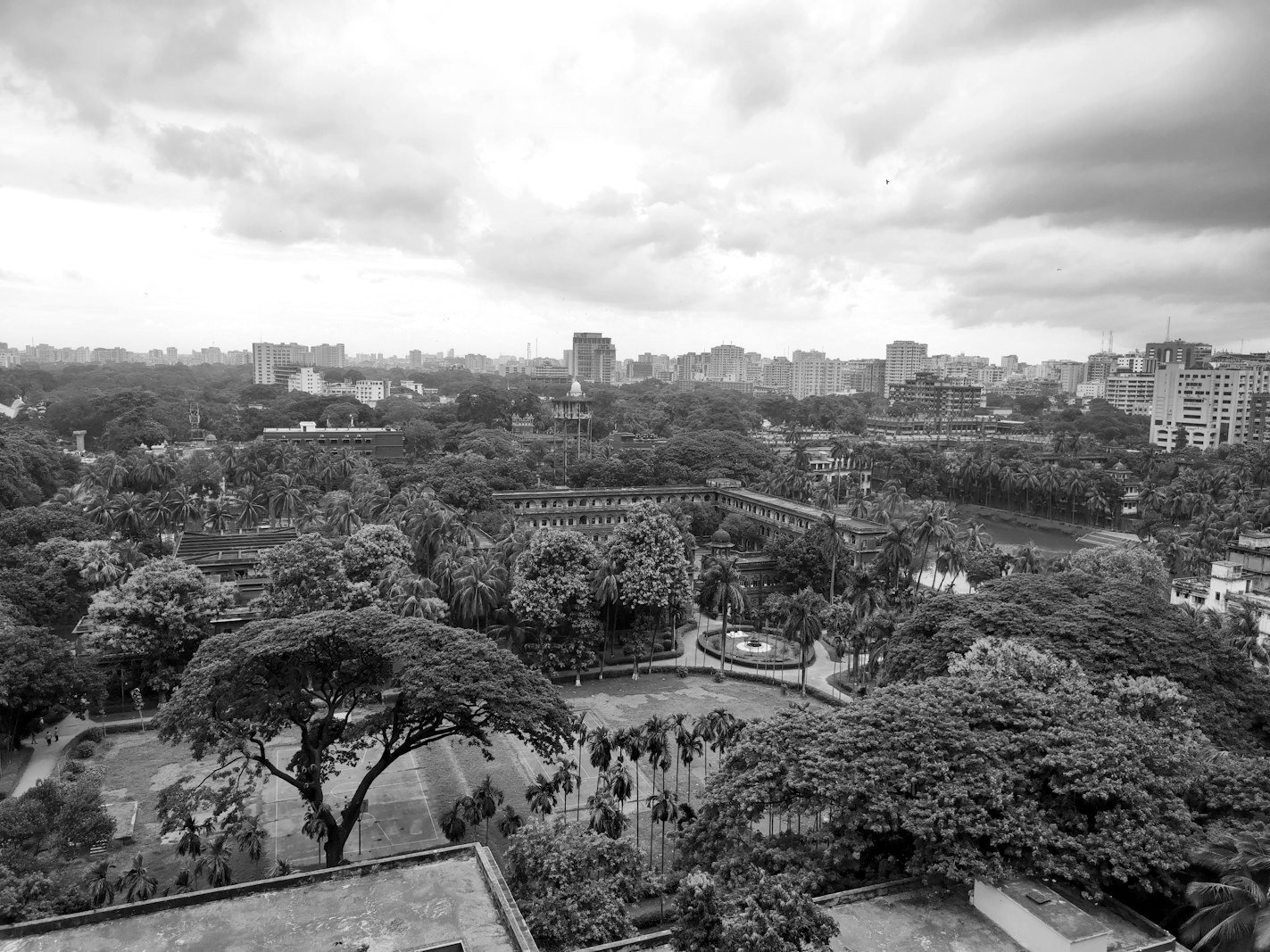
Economic zones, EPZs and industrial-area leases
Investors in export processing zones and economic zones usually take land on lease from the zone authority rather than buying. The Bangladesh Export Processing Zones Authority offers fully serviced plots on 30-year leases and standard factory buildings on two-year renewable leases, and permits 100% foreign ownership of enterprises in the zones.[11] A zone lease agreement Bangladesh authorities issue is a standard form. The authority's consent governs assignment, mortgage and change of use, and the enterprise's operating permission and the lease are linked.
The economic zone framework changed in 2026. Invest Bangladesh began operating on 23 August 2026 under the Invest Bangladesh Act 2026, uniting the Bangladesh Investment Development Authority, the Bangladesh Economic Zones Authority and the Public-Private Partnership Authority.[12] Existing investor services were to continue. The press release does not say how existing economic zone leases will be administered, so lessees should check the transition provisions and any notices before relying on pre-August 2026 procedures.[12] Our briefing on the Invest Bangladesh Act 2026 industrial-area framework explains the new structure. Our analysis of economic zone leases and lender rights addresses mortgaging a zone leasehold.
The main lessors that investors deal with are summarised below.
RAJUK and housing-ministry agencies
Grant 99-year leases of plots, flats and commercial spaces; listed residential units now transfer without prior approval.
Ministry of Land and Deputy Commissioners
Administer long-term leases of non-agricultural khas land, including transfer permission and renewal.
Bangladesh Export Processing Zones Authority
Leases serviced plots for 30 years and standard factory buildings on renewable two-year terms.
Invest Bangladesh
Since August 2026 the authority for economic zones, after BEZA, BIDA and PPPA were brought together.
Bangladesh Hi-Tech Park Authority
Allocates land and space in declared hi-tech parks to technology investors on lease.
Sub-registry offices
Register leases over one year, and collect stamp duty, registration fees and authority transfer fees.
Commercial property transactions and due diligence
Commercial property law in Bangladesh has no single code. A purchase or long lease of an office building, shopping floor, warehouse or industrial site draws on the Transfer of Property Act, the Registration Act, the land record and land tax laws, building and land use controls, the tax statutes and, for flats and floors in new buildings, the Real Estate Development and Management Act 2010. The legal work in each case follows the same sequence: confirm title, confirm permitted use, confirm there are no encumbrances, then document and register.
Commercial real estate law step by step
- Title: the deed chain, khatian, mutation and land tax; for leasehold, the head lease and consent rules.
- Use: the approved plan and occupancy must match the intended commercial use.
- Encumbrances: mortgages, existing leases, pending suits, acquisition notices and attachments.
- Existing tenants: which leases are registered and bind a buyer, who steps into the lessor's position under section 109.[1]
- Costs: stamp duty, registration fee, source tax and VAT where applicable.
For acquisitions of whole buildings or portfolios, title and lease reviews sit inside a wider corporate due diligence exercise. Our transaction due diligence team runs these reviews. The buyer's side of an outright purchase is covered in our guide to buying property in Bangladesh.
Can foreigners lease or buy property in Bangladesh?
Nothing in the Transfer of Property Act limits who may be a lessee, and foreign individuals and foreign-owned companies routinely lease homes, offices and factory premises. The restrictions reported in practice concern ownership. A senior Directorate of Registration official told The Business Standard in 2023 that foreign individuals have been permitted to buy only flats since 1996, not land or houses. The same official said foreign companies with permission to operate in Bangladesh may buy property, including land and buildings, in the company's name.[13]
The same report notes approvals involving the investment authority, Bangladesh Bank, the National Board of Revenue and the Directorate of Registration, payment in dollars for residential property, and a bar on foreign buyers in government-agency projects such as RAJUK's.[13] With no consolidated statute on foreign ownership, a registered long lease taken by a Bangladesh subsidiary, or a zone lease, is usually the simpler route. A foreign-party lease agreement Bangladesh investors sign should route payments through banks. Our guide to foreign investment law in Bangladesh covers the wider approvals.
Real estate contracts for apartments under the 2010 Act
Most real estate contracts Bangladesh buyers sign are allotment or sale agreements for flats in buildings under construction. The Real Estate Development and Management Act 2010 sets a statutory floor beneath those contracts. It covers project approval before advertising and sale, payment through banks, cancellation notice, refunds, handover and registration, defects and common areas. Our guide to real estate law in Bangladesh walks through the buyer protections in detail. Our analysis of developer–landowner disputes covers the joint-venture agreement between the developer and the landowner.
Delivery delay and the statutory penalty
Section 15 of the 2010 Act addresses the most common complaint. If the developer fails to deliver within the time in the agreement, it must refund the full amount paid together with the compensation stated in the agreement, by account payee cheque within six months. Where the agreement fixes no compensation, it is 15% of the amount paid, payable in no more than three instalments within six months. If buyer and developer agree a later date in a supplementary agreement, the buyer is compensated under the section.[14] REHAB has run a mediation and customer service cell for buyers, landowners and developers since 2004. Arbitration is available only if the agreement contains an arbitration clause.[14]
Two drafting points matter. The booking and allotment documents should record the delivery date, the compensation rate for delay, the specification and the payment schedule, because section 15 measures the developer's liability against the agreement. And a buyer who intends to let the flat should check the deed of sale and the owners' association rules for restrictions on leasing before signing any tenancy.
Ending a lease, eviction and lease disputes
Section 111 lists the ways a lease agreement Bangladesh parties sign comes to an end: expiry of the term, the happening of a specified event, merger of the two interests, express or implied surrender, forfeiture, and expiry of a notice to quit.[1] Forfeiture is narrow. The lessor can forfeit only if the lessee breaks an express condition allowing re-entry, renounces the lessor's title by setting up a title in a third person or itself, or is adjudicated insolvent where the lease provides for re-entry on insolvency. In each case the lessor or its transferee must give written notice of intention to end the lease.[1]
Relief, waiver and holding over
- Waiver: under section 112, accepting rent that fell due after the forfeiture, knowing of it, waives the forfeiture. Accepting rent after filing an ejectment suit does not.[1]
- Relief for non-payment: under section 114, if the lessee pays the arrears, interest and full costs at the hearing, or gives security to pay within fifteen days, the court may relieve against forfeiture.[1]
- Notice before ejectment: under section 114A, no suit for ejectment for breach of an express condition lies until the lessor has served written notice specifying the breach and requiring it to be remedied if possible, and the lessee has failed to remedy it within a reasonable time. The rule does not apply to conditions against assignment or subletting, or to non-payment of rent.[1]
- Holding over: under section 116, if the lessee stays on after the lease ends and the lessor accepts rent or otherwise assents, the lease is renewed from year to year or month to month according to its purpose, unless agreed otherwise.[1]
Where the rent legislation applies, its eviction rules override the Transfer of Property Act. A tenant paying the lawful rent cannot be evicted except on the grounds that legislation allows. A landlord who changes the locks, cuts utilities or removes belongings acts unlawfully, whatever the lease says. Possession claims and the remedies for dispossession are discussed in our guide to recovery of possession in Bangladesh.
Mandatory mediation for rent disputes
House rent disputes are one of nine categories that, under the Legal Aid Services (Amendment) Act 2026, must go to legal aid mediation before a court case. The others include partition, dower, maintenance and smaller cheque-dishonour claims.[7] By April 2026 Chief Legal Aid Officers were posted in twelve districts, with nationwide extension planned in phases. Ministry of Law data showed a 48.9% fall in court filings in the relevant categories over seven months.[7] Before suing over rent in a covered district, the claimant must check whether mediation is compulsory. Our guide to mediation in Bangladesh explains the process.
The table below compares the main kinds of lease. On a phone, scroll it sideways.
| Lease type | Typical term | Main rules | Registration | Key point |
|---|---|---|---|---|
| Residential tenancy | Eleven months to a few years | Transfer of Property Act; Premises Rent Control Act 1991 | Required if over one year | Rent disputes go to legal aid mediation in covered districts |
| Commercial office or shop lease | Three to ten years | Transfer of Property Act; rent legislation; tax and VAT rules | Required if over one year | Draft break, subletting, fit-out and forfeiture clauses expressly |
| Private long-term ground lease | Twenty to ninety-nine years | Transfer of Property Act; Registration Act; Stamp Act | Required | Needs full title diligence and all co-owners |
| Housing-ministry or RAJUK leasehold | 99 years | Lease deed and ministry rules | Required for each transfer | No prior approval for listed residential units; 2% or 5% transfer fee |
| Non-agricultural khas lease | Long-term, by settlement | Ministry of Land memos and policy | Required | Transfer permission and market-value deposit under the 2011 memo |
| EPZ plot lease | 30 years | BEPZA standard lease | Per authority practice | Authority consent governs assignment, mortgage and use |
Working with a lease agreement Bangladesh lawyer
Lawyers add most value before signing. For a landlord, that means a lease that protects the rent, controls use and alterations, preserves re-entry and survives a sale. For a tenant, it means a secured term, fair rent review, workable exits and protection of fit-out spend. A lease agreement Bangladesh lawyer will also check title and the authority to lease, calculate duty, and attend registration.
When things go wrong, the work turns to notices, mediation, arbitration and suits for rent, possession or damages. TRW's real estate investment practice advises lessors, lessees and lenders on long-term and portfolio leases. Our real estate disputes team acts in eviction, rent and lease enforcement cases.
Mistakes to avoid
Most failed lease agreement Bangladesh disputes we see trace back to one of these errors.
- Not registering a long lease. An unregistered lease for more than a year creates no interest in the property under section 49.[2]
- A deed signed by one side only. Section 107 requires execution by both lessor and lessee.[1]
- Missing the three-month window. Present the executed lease within three months of execution.[2]
- Under-stamping. The penalty can reach ten times the deficient duty.[4]
- Silence on subletting and breaks. The Act's defaults favour the lessee on both.[1]
- Leasing from one co-owner. The lessee takes only that co-owner's share.
- Ignoring the head lessor. RAJUK, khas and zone leaseholds may still need consent for change of use or particular dealings.[9] [10]
- Self-help eviction. Locking out a tenant or cutting utilities invites criminal and civil liability.
What to watch in 2026 and 2027
Four developments will shape leasing over the next year. First, how the November 2025 notification on housing-scheme transfers works at sub-registry and land offices, and whether other public lessors adopt similar rules.[9] Second, how Invest Bangladesh administers existing economic zone leases under the 2026 Act.[12] Third, whether the Dhaka North rent guideline is enforced in practice and copied by other city corporations.[6] Fourth, the national roll-out of mandatory mediation, which will move many rent disputes out of the courts.[7]
Whatever changes, the fundamentals stay the same: a lease agreement Bangladesh courts will enforce is properly formed, registered where the term requires it, fully stamped, and drafted to deal with the risks the Act leaves to the parties. TRW drafts, negotiates and enforces leases for landlords, tenants, investors and lenders. Explore our real estate disputes practice or contact TRW to discuss a lease.
Frequently asked questions
Does a lease agreement in Bangladesh have to be registered?
Is an eleven-month rental agreement legal?
Yes. A lease of a year or less does not need registration, so an eleven-month lease agreement Bangladesh landlords commonly use is valid for its term. It gives no secured right beyond that term.[1]
How much stamp duty is payable on a lease?
Under the schedule in force since 2022, 0.1% to 0.3% of the average annual rent where rent is fixed and no premium is paid, depending on the term, and 0.4% in other cases, with caps from Tk 20 lakh to Tk 3 crore.[3]
Who must sign a registered lease?
Both the lessor and the lessee. The Bangladesh text of section 107 requires a registered lease to be executed by both parties.[1]
What notice ends a lease with no fixed term?
Fifteen days' written notice expiring with the end of a month for most leases, and six months' notice expiring with the end of a year of the tenancy for agricultural or manufacturing leases, unless the contract or local law says otherwise. Rent legislation can restrict eviction even after notice.[1]
Can a tenant sublet without the landlord's consent?
Under the Transfer of Property Act, yes, unless the lease prohibits it. A landlord who wants control must include an express restriction.[1]
How long are RAJUK and housing-scheme leases?
Can a foreigner lease property in Bangladesh?
Yes. The lease rules do not limit who may be a lessee. Reported restrictions concern ownership: foreign individuals have been permitted to buy only flats, while foreign-owned companies with permission to operate may buy land and buildings.[13]
What is the penalty if a developer delivers a flat late?
The developer must refund all sums paid with the agreed compensation within six months, or 15% of the amount paid if the agreement is silent.[14]
Must a rent dispute go to mediation first?
In districts where the scheme operates, yes. House rent disputes are one of nine categories that must go to legal aid mediation before a case is filed.[7]
Source register
Primary legal and regulatory sources
Materials checked on 20 October 2026. Confirm the current official text before relying on any provision.
- Transfer of Property Act 1882 (sections 105 to 117) — Laws of Bangladesh
- Registration Act 1908 (sections 17, 23, 49 and 50) — Laws of Bangladesh
- Bangladesh Gazette, 9 June 2022 — Stamp Act 1899, Schedule I as amended (lease entry)
- Stamp Act 1899 (section 35, instruments not duly stamped) — Laws of Bangladesh
- PwC Bangladesh, June 2026 — Finance Act 2026: Key Amendments
- Prothom Alo English, 20 January 2026 — No rent rise before 2 years, cannot exceed 15pc of market value: DNCC
- Prothom Alo, 28 April 2026 — Legal aid mediation and the nine scheduled dispute categories (Bangla)
- The Business Standard, 4 August 2025 — Rajuk plot ownership transfer to be a lot easier
- bdnews24.com, 25 November 2025 — No approval needed to transfer plots, flats under housing schemes
- High Court Division, Abu Khair Md Nazmul Huq v Bangladesh, Writ Petition No 12985 of 2021 (22 May 2022)
- BEPZA — Investment Promotional Brochure (plots on 30-year lease)
- Invest Bangladesh, August 2026 — Invest Bangladesh begins journey as country's apex investment promotion agency
- The Business Standard, 12 August 2023 — How foreign buyers are boosting real estate
- The Daily Star, 24 December 2024 — Handover troubles? Act wisely (Real Estate Development and Management Act 2010, section 15)
Related TRW assistance
Move from information to a defined next step
TRW drafts, negotiates, registers and enforces residential, commercial and long-term land leases for landlords, tenants, investors and lenders. Explore our real estate investment practice and real estate disputes practice, or contact TRW to discuss your lease.