
Energy & Natural-Resources RegulationPractice area
LPG Distribution & Petroleum Licensing
LPG distribution, petroleum, CNG and autogas activities can raise bounded Bangladesh BERC-facing legal questions as commercial roles, sites or records evolve. For downstream arrangements involving a declared imported-product source, the Bangladesh record question may warrant separate attention from international trading, customs or source-country law. This practice page frames current-law-sensitive questions around a stated licence, renewal or defined amendment context without treating published categories as conclusions.
The starting point
Make the next decision with the commercial context in view.
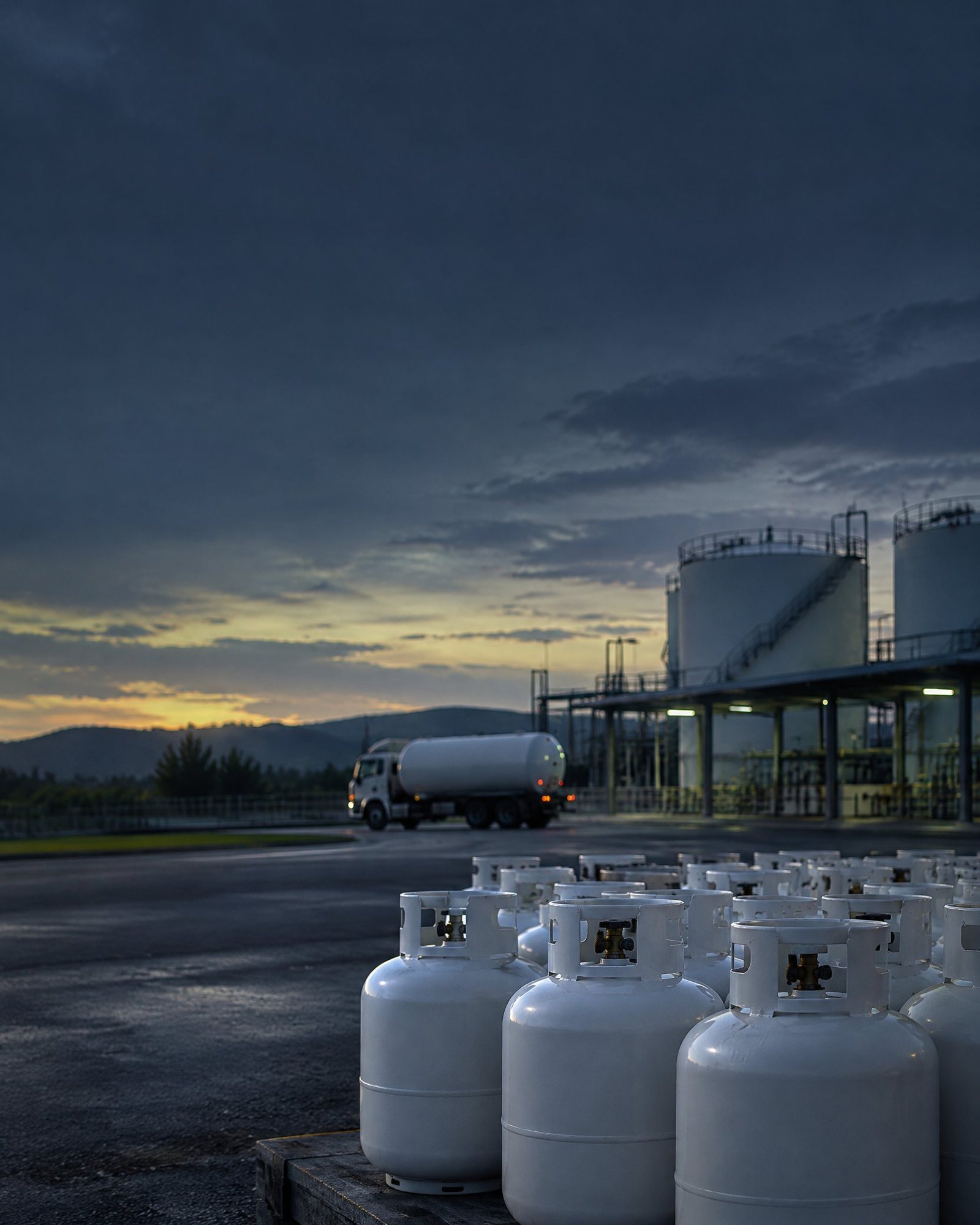
A downstream energy business may need to distinguish a commercial label from the narrower legal question raised by its stated activity, record history and proposed decision. For an LPG distributor, petroleum business, CNG/autogas operator or another stated downstream participant, the relevant discussion may concern a BERC licence, renewal or defined amendment context. Published materials can provide useful category context, but they do not themselves resolve how a particular business model, site, asset or record should be understood under the current legal position.This practice area is designed for careful legal-information mapping, rather than an application route or operational programme. The focus is on articulating the activity, the entity and assets involved, the existing record where relevant, and the precise BERC-facing issue. That framing can also expose adjacent questions that should remain separately scoped. A product sourced from outside Bangladesh, for example, may create a Bangladesh record-description question without turning this page into advice on foreign law, cross-border trading, customs or logistics. Upstream oil-and-gas projects, power-project procurement, project finance, Department of Explosives safety licences, engineering, supply operations and pricing are outside this practice page.
How we help
The work around the decision.
01
Frame the regulated-activity question
A stated LPG distribution, petroleum, CNG or autogas activity can be mapped against the language used in current public BERC materials and the wider statutory perimeter. The purpose is to identify the precise question that merits current legal consideration, rather than to convert a commercial description into a conclusion. Relevant context may include the proposed role, product, site, assets and any existing authority-facing record. Published categories remain context, not an answer. The resulting frame distinguishes a bounded downstream question from assumptions about broader energy regulation or an unexamined licence position.02
Examine legal-record coherence
A legal-record review can focus on whether the corporate identity, stated activity, site, storage or capacity description, product particulars and source narrative form a coherent account for the question under consideration. Different records may use different commercial language, and a mismatch can matter to the analysis even where no conclusion is drawn from it. This workstream is concerned with legal description and factual consistency. It does not assess engineering, storage design, product handling, technical specifications or safety, and it does not characterise any record as complete, sufficient or acceptable.03
Map renewal and defined-change context
A renewal or defined amendment question should be considered as a specific record-and-facts issue, not as automatic continuity or a routine administrative event. The legal-information focus may include the historic licence record, the stated commercial change and the current materials that bear on the question. A change in entity details, site, assets, product description or business model may require its own careful framing. This workstream does not prescribe a route, identify a required action, state whether a change has legal effect, or predict how an authority will treat any particular facts.04
Separate downstream commercial interfaces
A proposed distributor, marketer, supplier, transport or storage arrangement can raise a narrow BERC-facing licence-record question while also touching commercial matters beyond this page. The legal task is to identify the boundary between the stated downstream activity and other disciplines that may need separate consideration. This helps prevent a single licence record from being treated as a substitute for a full regulatory or transaction analysis. Supply operations, pricing, project finance, tax, customs brokerage, disputes and technical work remain outside the scope. No view is expressed on the commercial viability or regulatory position of the arrangement.05
Place imported-product facts in context
Where petroleum products are described as imported, the stated source-country fact can be relevant to a Bangladesh-facing record question. A focused analysis can distinguish that limited point from the many commercial and legal issues that may surround an international supply chain. It can clarify how the product source, downstream role and local record narrative relate to the question being examined. This workstream is not foreign-law analysis and does not address cross-border sales execution, import entitlement, customs treatment, sanctions, shipping, insurance, logistics or source-country requirements. Separate appropriately qualified input may be relevant where those issues arise.Commercial context
A downstream record question within a wider energy landscape
A statutory licensing perimeter
The Bangladesh energy framework addresses licensing functions across activities that can include distribution, marketing, supply and storage. That statutory perimeter is important context for a downstream business, but it is not a complete test for a particular commercial model. The significance of an activity description depends on the underlying facts and the current legal position. A careful legal-information frame therefore begins with the stated role and record context, rather than treating a broad energy label as determinative.Published categories are not conclusions
BERC public materials identify separate headings and materials for LPG, LPG distributor, CNG, Auto Gas (LPG) and petroleum matters. Those headings are useful for understanding the range of categories that may be in view. They do not, standing alone, identify the applicable category for an individual enterprise or determine the legal consequence of its facts. The relevant assessment may turn on the stated activity, business model, assets, record history and current materials. This page does not convert a public list into an individual determination.Cross-border facts have a local record dimension
An imported petroleum product may introduce a source-country fact into a Bangladesh-facing record discussion. That limited dimension should not be confused with advice on the laws of the source country or the mechanics of international trade. It does not address import clearance, tariff treatment, customs classification, shipping, insurance, logistics, sanctions or overseas contractual performance. Separating the local record question from those wider interfaces allows each issue to receive the appropriate scope and, where necessary, separately qualified jurisdiction-specific input.Questions, not prescriptions
What may matter.
Does every LPG, petroleum, CNG or autogas business raise the same BERC licence question?
Can a renewal or defined amendment question be treated as a routine administrative matter?
Does an imported petroleum product create a cross-border answer on this page?
Begin with context
Discuss a bounded BERC-facing question
Share a high-level, non-confidential outline of the stated activity, the business decision under consideration, any relevant existing record context and the Bangladesh location. Please do not send licence records, identity documents, technical material, commercial terms, personal data, confidential information or time-sensitive materials until appropriate arrangements are confirmed.Legal information only. This page provides general legal information only. It is not legal, technical, engineering, safety, operational, pricing, tax, customs, investment or foreign-law advice, and it does not determine whether a licence, renewal, amendment or other requirement applies. Current law, authority materials and underlying facts may change or require separate consideration. Nothing on this page promises or implies a regulatory, commercial or other result. Reading this page, making an enquiry or receiving a response does not create a lawyer-client relationship.