

Cross-Border Electricity Interconnectors, Power Trading & Grid Access in Bangladesh
We advise developers, utilities, traders, investors and lenders on cross-border power trading and interconnectors involving Bangladesh, from power purchase and transmission agreements to regulatory approvals, grid access, tariffs, payment security, government contract reviews and disputes with regional counterparties and state utilities.

- Map the framework
- Allocate the risks
- Negotiate and approve
- Operate and resolve
Cross-border power trading and interconnectors for Bangladesh
Bangladesh imports a meaningful share of its electricity across borders, and regional power trading is a stated priority for South Asian governments. Existing links include the high-voltage direct current interconnection at Bheramara with India, supply from Tripura, and power from a dedicated plant in Jharkhand delivered over its own transmission line. Imports of Nepali hydropower through the Indian grid have begun under tripartite arrangements, and hydropower from Bhutan has long been discussed. Our projects and real estate team advises on the contracts, approvals and risks that make these arrangements work for each party involved.
Cross-border power trading in Bangladesh sits on a distinctive structure. The Bangladesh Power Development Board is the principal buyer of bulk electricity, the national transmission utility operates the high-voltage grid, and the Bangladesh Energy Regulatory Commission, established under the Bangladesh Energy Regulatory Commission Act 2003, has tariff and licensing functions. Policy rests with the Power Division of the energy ministry. Intergovernmental understandings frame most imports, while the commercial terms sit in power purchase, transmission and connection agreements. Each layer must be consistent with the others and with the rules of the exporting and transit country.
Interconnector and import contracts carry risks that domestic power projects do not. Delivery depends on transmission across a border, sometimes through a third country, and on the exporting country's grid and regulatory rules. Capacity charges, energy charges and fuel cost pass-through must be defined precisely, along with curtailment, outages, force majeure, change in law and the consequences of political or diplomatic disruption. Payment in foreign currency raises foreign exchange and payment security questions, particularly during periods of reserve pressure. We help parties allocate these risks clearly, so that the contract still works when supply is interrupted or payments fall behind.
Contract scrutiny has increased. Since 2024, the government has reviewed a number of power sector contracts, including some cross-border arrangements, with attention to tariffs, capacity payments, tax treatment and how agreements were procured. Developers, lenders and counterparties should expect that new and existing arrangements will be examined on transparency, value for money and compliance with procurement rules. We advise on renegotiation, on the legal effect of reviews and government decisions, and on protecting contractual rights while maintaining a constructive relationship with Bangladeshi authorities. Sound documentation of approvals and pricing is now essential to any power trading arrangement.
Grid access and future trading models are changing too. Regional discussions contemplate wider power trading through exchanges and multi-country arrangements, which would raise questions of open access, transmission pricing, scheduling, balancing and dispute resolution across several regulators. Domestic developments, such as new renewable capacity and private transmission, also affect grid access. We advise developers and investors on connection agreements, wheeling and transmission terms, regulatory filings and land and right-of-way issues, and our dispute resolution practice acts in tariff, payment and termination disputes, including international arbitration involving state-owned utilities. Grid access is now a core power trading issue.
Core workstreams
Four clear stages
- 01Map the framework
- 02Allocate the risks
- 03Negotiate and approve
- 04Operate and resolve
Talk to a partner
Consultations in Dhaka or by video. Scope, team and fees are agreed in writing first.
Book →How we support power trading and interconnector projects

Power purchase and import agreements
- Map the framework
- Allocate the risks
- Negotiate and approve
- Operate and resolve
Transmission and interconnection terms
- Map the framework
- Allocate the risks
- Negotiate and approve
- Operate and resolve
Regulatory approvals and tariffs
- Map the framework
- Allocate the risks
- Negotiate and approve
- Operate and resolve
Payment security and finance
- Map the framework
- Allocate the risks
- Negotiate and approve
- Operate and resolve
Contract review and renegotiation
- Map the framework
- Allocate the risks
- Negotiate and approve
- Operate and resolve
Disputes and arbitration
- Map the framework
- Allocate the risks
- Negotiate and approve
- Operate and resolve
Power purchase and import agreements
We draft, review and negotiate power purchase agreements for imported electricity, including capacity and energy charges, fuel pass-through, availability obligations, dispatch, curtailment, metering, billing, change in law, force majeure, termination and compensation. We focus on clauses that drive value and risk in cross-border supply, and on consistency with the intergovernmental framework and the exporting country's regulatory requirements. Our aim is a power trading contract that remains workable under stress.
Transmission and interconnection terms
We advise on transmission service, connection and interconnection agreements covering construction responsibilities, asset ownership at the border, capacity allocation, scheduling, losses, outage coordination, technical standards and maintenance. For dedicated lines and merchant interconnectors, we address land, right of way, permits and the interface between developers, the national transmission utility and counterparties across the border. Clear interface terms reduce later disputes between operators. Metering points need precise definition.
Regulatory approvals and tariffs
We help clients navigate approvals from the Power Division, the Bangladesh Power Development Board, the Bangladesh Energy Regulatory Commission and other authorities, and the corresponding approvals in exporting and transit countries with local counsel. We advise on tariff determination and adjustment, licensing, government guarantees and implementation agreements, and approvals now handled by Invest Bangladesh for foreign-owned entities. We also track policy changes affecting power trading.
Payment security and finance
We structure payment security for cross-border power trading, including letters of credit, escrow arrangements, government guarantees, sovereign support and multilateral risk mitigation. We advise lenders and developers on financing documents, direct agreements, step-in rights and security over project assets, and on foreign exchange approvals and withholding tax affecting payments to foreign sellers and lenders. Bankable power trading depends on credible payment support. Tax gross-up terms are reviewed.
Contract review and renegotiation
Where agreements are under government review, we analyse contractual rights, the legal basis for proposed changes, and options ranging from negotiated amendments to formal dispute processes. We prepare submissions to review bodies, document procurement and approval history, and help clients balance protection of their rights with the long-term relationship that power supply requires in Bangladesh and across the region. Good records strengthen any negotiating position.
Disputes and arbitration
We act in disputes over unpaid invoices, capacity payments, tariff adjustments, outages, curtailment, force majeure and termination. Many cross-border power agreements provide for international arbitration, sometimes with state-owned utilities and governments, raising issues of immunity, enforcement and treaty protection. We work with counsel in India, Nepal, Singapore, the UK and elsewhere to run claims and defences coherently across forums. Early strategy often narrows the dispute and reduces cost.
Partner-led, on every matter.
Projects & Real Estate matters at TRW are led by partners, supported by associates, with one responsible lawyer from first advice to final outcome.
Meet the firm →



01Who buys imported electricity in Bangladesh, and who stands behind the payments?
The Bangladesh Power Development Board has historically been the main buyer of bulk electricity, including imported power, under power purchase agreements with sellers in India and, through tripartite arrangements, with Nepal. Transmission is handled by the national transmission utility, and tariffs and licences involve the Bangladesh Energy Regulatory Commission. Policy decisions sit with the Power Division. The identity of the buyer matters for credit risk, payment security and dispute resolution. Any new power trading arrangement should confirm the contracting entity, its authority to sign, the approvals it needs and the government support available behind its payment obligations, such as guarantees.
02What approvals are needed for a cross-border power import project?
Approvals are typically needed in Bangladesh, the exporting country and any transit country. In Bangladesh, these may include Power Division and cabinet-level decisions, approval of the power purchase agreement and tariff, transmission and connection arrangements with the national grid operator, and, where a foreign entity is involved, registration and foreign exchange approvals. The exporting country will have its own rules on cross-border electricity trade. We map approvals in Bangladesh and coordinate with counsel abroad so that power trading documents are signed with the authorisations they need to be enforceable, and we sequence them so that none delays signing.
03How are capacity payments structured, and why are they controversial?
Capacity payments compensate a seller for making capacity available, whether or not the buyer dispatches it, and they support financing of the underlying plant and transmission assets. They can become controversial when demand falls, alternative supply is cheaper, or the buyer struggles to pay, because the buyer pays for capacity it does not use. Well-drafted agreements define availability, testing, deductions and adjustments clearly. We advise buyers and sellers on fair, defensible structures and on resolving disputes about capacity charges in power trading contracts. Parties should keep dispatch, availability and testing records, since capacity disputes usually turn on them.
04What happens if the exporting country restricts or interrupts supply to Bangladesh?
Supply interruptions may result from grid emergencies, domestic shortages, regulatory changes or political decisions in the exporting country. The consequences depend on the contract: force majeure definitions, change-in-law clauses, political risk provisions, availability obligations and termination rights. Some agreements distinguish between events within and outside the seller's control. Intergovernmental arrangements may also provide consultation mechanisms. We review these provisions before signing and, when interruptions occur, advise on notices, relief, payment obligations and dispute options. Clear drafting is the best protection against the political risk inherent in cross-border power trading. Notices should be served promptly and in the form required.
05Can a private company trade electricity across the border with Bangladesh?
Bangladesh's power sector has largely operated on a single-buyer model, with imports contracted by state entities under government-level arrangements. Private developers have participated as sellers, for example through dedicated plants supplying Bangladesh, and private investors may hold interests in transmission or generation assets. Fully open merchant trading would require further regulatory change in Bangladesh and coordination with neighbouring countries' rules. We advise private companies on current participation routes, including partnering with state entities, developing dedicated assets or supplying through regional traders, and on how regulatory reform may expand power trading opportunities. Each route carries different risk and approval needs.
06How are payment delays handled in power import contracts?
Power purchase agreements usually provide for invoicing, due dates, late payment interest, payment security such as letters of credit, and remedies including suspension of supply or termination for prolonged non-payment. Foreign currency shortages can delay payments even where the buyer intends to pay, so agreements may also address currency conversion, government support and escalation. In practice, parties often negotiate payment plans before using formal remedies. We advise on these mechanisms, on negotiating rescheduling and on preserving rights while discussions continue, so that the relationship survives temporary payment stress. Keep invoices, payment notices and reservation-of-rights letters in one file.
07Are cross-border power trading disputes resolved by arbitration?
Often, yes. Many power purchase and interconnection agreements involving Bangladesh provide for arbitration, sometimes seated outside Bangladesh and administered by institutions such as the ICC or SIAC, or under UNCITRAL rules. Some disputes can also engage investment treaty protection. Arbitration against a state-owned utility raises questions of authority, immunity and enforcement of awards in Bangladesh under the Arbitration Act 2001 and abroad. Intergovernmental mechanisms may be used for disputes between states. We advise on clause drafting, pre-dispute steps and conduct of arbitrations, coordinating with co-counsel abroad. The seat decides which courts supervise the tribunal and enforce the award.
08Does power trading affect renewable energy investment in Bangladesh?
Yes. Imports of hydropower from Nepal and potentially Bhutan can help Bangladesh meet clean energy goals, and regional trading may create markets for renewable electricity and related certificates. At the same time, imports compete with domestic generation, including new solar and wind, for grid capacity and purchase commitments. Investors should understand how import contracts, capacity obligations and transmission plans affect demand for domestic renewable output. We advise on how power trading arrangements interact with renewable procurement, net metering, corporate power purchase and the grid access needed for new projects. Early discussions with the grid operator help secure connection capacity.
From first call to resolution.
- 01
Map the framework
We identify the intergovernmental arrangements, contracting entities, regulators and approvals in Bangladesh and each other relevant country, and review existing agreements and grid plans that shape the project's legal structure. This baseline shows where power trading approvals and risks really sit.
- 02
Allocate the risks
We analyse supply, transmission, payment, political and regulatory risks, and propose contract structures, payment security and government support that allocate those risks clearly between the parties. Each allocation is tested against realistic disruption scenarios. Fallback positions are agreed early.
- 03
Negotiate and approve
We negotiate power purchase, transmission and finance documents, coordinate approvals and filings across jurisdictions, and confirm that signing parties have the authority and authorisations required. Signing is sequenced so power trading documents take effect together. Conditions precedent are tracked closely.
- 04
Operate and resolve
During operation we advise on billing disputes, outages, tariff reviews, contract reviews and renegotiations, and act in arbitration or court proceedings where disputes cannot be settled commercially. We also help keep power trading records complete for future reviews. Settlement is pursued where sensible.

“Demonstrates an extraordinary command over both domestic litigation and international arbitration.”
The Legal 500 Asia Pacific, Bangladesh: Dispute resolution, client feedback
Related reading.
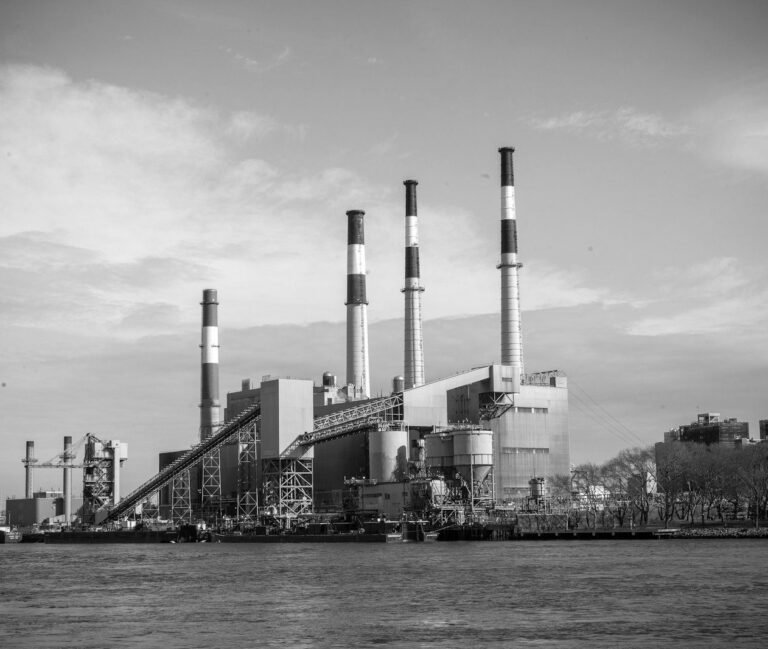
Power and Energy Law in Bangladesh 2026: BERC, Power Contracts and Energy Deals

Energy Arbitration in Bangladesh 2026: Power, Gas and LNG Disputes, Price Reviews and Enforcement
Energy Transition in Bangladesh 2026: Legal Framework, Power Projects and Carbon Markets
Renewable Energy Law in Bangladesh 2026: Solar Projects, Tenders, Net Metering and Approvals
All insights →
What is an electricity interconnector, and how is it governed?
Which neighbouring countries does Bangladesh currently trade power with?
Does BERC regulate the tariffs for imported power?
What is wheeling, and does it apply to electricity in Bangladesh?
What role do lenders and development finance institutions play in interconnector projects?
Can existing power contracts be changed or reopened by the Bangladesh government?
How do land acquisition and right-of-way issues affect new transmission lines?
How do we start a power trading matter with TRW?
Structure cross-border electricity deals that endure
Speak with the partners about power trading in Bangladesh or across borders.
Book a consultation →