

Telecom Tower-Site Sharing Agreements in Bangladesh
Telecom tower and site-sharing agreements for tower companies, mobile operators, investors and lenders in Bangladesh: we structure master agreements, site-level records, landlord leases, pricing and exit so a portfolio of shared sites can be operated, financed and transferred with confidence.

- Review licences and sites
- Design the structure
- Draft and negotiate
- Implement and maintain
How telecom tower sharing works in Bangladesh
Telecom tower sharing lets several mobile operators and other licensees place equipment on the same tower, rooftop or ground site, reducing cost and the number of structures needed. In Bangladesh the passive infrastructure market has been shaped by BTRC's tower-sharing licensing, which allowed specialist tower companies to build, acquire and lease sites to operators. A telecom tower portfolio may include thousands of sites, each with its own landlord, power arrangement and tenants. We advise on the agreement architecture that ties these together, as part of our technology practice in Bangladesh. Each site has its own legal risks.
The regulatory frame starts with the Bangladesh Telecommunication Act 2001 and the licences and directions issued by the Bangladesh Telecommunication Regulatory Commission. Tower companies, mobile operators and other infrastructure licensees each hold licences with conditions on sharing, pricing transparency, non-discrimination, reporting and coverage. Licensing policy has been under review since 2025, with reforms aimed at restructuring licence categories, so parties should expect change during a long-term agreement. We check the current licence conditions of each party and draft regulatory change clauses that let a telecom tower arrangement adjust without collapsing or triggering disputes over who bears the cost.
Most arrangements combine a master agreement with site-level documents. The master agreement sets general terms on access, fees, service levels, maintenance, insurance, liability and term. Each site then needs an order or site licence recording the location, structure, space and loading allocated, power supply, access rights and the underlying landlord lease. Where those records are incomplete, disputes arise over which equipment is permitted, who pays for upgrades and whether a site may be decommissioned. We build telecom tower documentation so the master terms and site records work together and can be audited by operators, investors and lenders.
Landlord arrangements are often the weakest link. Many sites sit on private rooftops or leased land, and the tower company's rights depend on lease terms, registration, renewal options and the landlord's own title. Building approvals, local authority requirements and neighbour complaints can also affect a site. When a portfolio is sold or financed, buyers and lenders will test whether site leases are valid, assignable and long enough. We advise on lease templates, title checks, registration and stamp duty points, and coordinate with our real estate team on land and building questions. Lease weaknesses also affect financing.
Telecom tower agreements are also commercial and financial instruments. Pricing usually combines base fees with charges for additional tenants, equipment loading, power and upgrades, and may include indexation and currency provisions. Portfolio acquisitions, sale-and-leaseback transactions and financing require consents, assignment rights, step-in rights and clear exit terms. Barrister Tahmidur Rahman leads our infrastructure transaction work, drawing on finance and foreign investment experience, while Adv Syed Wahid advises where site, landlord or operator disputes move towards litigation. We work with counsel in the UK, US, UAE, Singapore, China and India on cross-border telecom tower deals. Each deal needs careful coordination.
Core workstreams
Four clear stages
- 01Review licences and sites
- 02Design the structure
- 03Draft and negotiate
- 04Implement and maintain
Talk to a partner
Consultations in Dhaka or by video. Scope, team and fees are agreed in writing first.
Book →What our tower-sharing work covers

Master agreement architecture
- Review licences and sites
- Design the structure
- Draft and negotiate
- Implement and maintain
Site records and orders
- Review licences and sites
- Design the structure
- Draft and negotiate
- Implement and maintain
Landlord leases and title
- Review licences and sites
- Design the structure
- Draft and negotiate
- Implement and maintain
Pricing, power and change governance
- Review licences and sites
- Design the structure
- Draft and negotiate
- Implement and maintain
Regulatory and licence alignment
- Review licences and sites
- Design the structure
- Draft and negotiate
- Implement and maintain
Portfolio deals, financing and exit
- Review licences and sites
- Design the structure
- Draft and negotiate
- Implement and maintain
Master agreement architecture
We draft and negotiate master lease or site-sharing agreements between tower companies and operators, covering access, fees, service levels, maintenance, power, insurance, liability, term and renewal. We set a clear hierarchy between master terms, site orders, technical schedules and operating procedures, so that a conflict between documents can be resolved predictably rather than through extended argument between the parties. We also align definitions across documents.
Site records and orders
We design site order templates that record each location, structure, allocated space and loading, equipment, power arrangement, access rights and landlord lease reference. For existing portfolios we review site files against the master agreement, identify gaps, and recommend remediation so that operators, investors and lenders can rely on the records during audits, transfers and financing reviews. Gaps are ranked by commercial and legal risk.
Landlord leases and title
We prepare and review rooftop and ground leases, check landlord title and authority, and advise on registration, stamp duty, renewal options, assignment and access during the term. We also address building approvals, structural safety documentation and neighbour complaints, which can affect the long-term security of a telecom tower site and its value to the tower company. We flag sites needing urgent attention first.
Pricing, power and change governance
We structure pricing models for anchor and additional tenants, equipment loading, power supply and upgrades, together with indexation, currency and payment terms. We draft change processes for new equipment, technology upgrades, relocations and decommissioning, so that site changes are approved, priced and documented in a consistent way across the whole portfolio over the agreement's life. Each change leaves a clear audit trail.
Regulatory and licence alignment
We review each party's BTRC licence conditions on sharing, non-discrimination, reporting and pricing, and align the agreements with them. We also draft regulatory change clauses covering new licensing frameworks, directions on infrastructure sharing and changes in fees or taxes, so long-term telecom tower arrangements remain workable as Bangladesh's telecom policy continues to evolve. We revisit these provisions when policy changes.
Portfolio deals, financing and exit
We advise on acquisitions and sales of tower portfolios, sale-and-leaseback structures, carve-outs from operators and financing. Our work covers due diligence on site agreements and leases, consents and assignment, lender step-in rights, transitional services and exit provisions on expiry, termination, licence loss or change of control, including equipment removal and site handover arrangements. Each step is coordinated with lenders' counsel.
Partner-led, on every matter.
Technology, IP & Data matters at TRW are led by partners, supported by associates, with one responsible lawyer from first advice to final outcome.
Meet the firm →



01Who regulates telecom tower sharing in Bangladesh?
The Bangladesh Telecommunication Regulatory Commission regulates telecommunications under the Bangladesh Telecommunication Act 2001, including the licensing of tower-sharing companies and the conditions attached to operator licences. Licence terms may cover infrastructure sharing, non-discrimination, pricing, reporting and quality of service. Policy on telecom licensing has been under review since 2025, so parties should check current licence conditions and any new directions before signing long-term agreements. We review the licences of each party and advise how the telecom tower agreement should reflect them and respond to later regulatory change. Early review prevents costly renegotiation once equipment is already installed on site.
02Why do telecom tower agreements need both master terms and site orders?
The master agreement sets general commercial and legal terms that apply across many sites, while each site order records the facts that differ from site to site: location, structure, space, loading, equipment, power, access and the landlord lease. Without accurate site orders, it becomes difficult to prove what each tenant may install, what it should pay and what happens when a site is upgraded or decommissioned. A good telecom tower structure keeps the master terms stable while allowing site records to be updated through a controlled and auditable process. A single site register helps.
03What happens if the landlord of a tower site sells the building?
The answer depends on the lease terms, registration and the buyer's knowledge of the lease. A registered lease with clear terms is generally easier to enforce against a new owner than an informal arrangement. Problems often arise where leases are unregistered, signed by someone without authority or silent on transfer. We review lease documentation and title, advise on registration and notices, and include provisions requiring landlords to bind successors. For existing telecom tower portfolios, we prioritise sites where lease weaknesses most threaten service continuity. Ask each landlord to sign a short acknowledgement of the lease that confirms its terms.
04How should power costs be handled in a telecom tower agreement?
Power is often one of the largest operating costs, combining grid supply, generators, batteries and sometimes solar. Agreements may use a fixed charge, a pass-through of actual costs, or a hybrid with efficiency incentives. Each approach allocates risk differently when fuel prices, tariffs or outage patterns change. We draft power provisions that define supply obligations, metering, cost calculations, audit rights and consequences of outages, so operators and tower companies can predict costs and resolve disagreements using shared data rather than estimates prepared separately by each side. Clear data also supports fair renegotiation when market conditions change significantly.
05Can a mobile operator sell its towers to a tower company and lease them back?
In principle yes, subject to licence conditions, regulatory requirements and the terms of existing site leases. A sale-and-leaseback typically involves transferring the passive infrastructure and site rights to a tower company and signing a long-term master agreement for the operator's continued use. Key issues include valuation, consent from landlords, transfer of permits, employee and contractor arrangements, and protection of the operator's service continuity. We advise on structure, due diligence, regulatory engagement and the transaction documents for a telecom tower sale-and-leaseback in Bangladesh. Service level protections should be agreed before any assets or staff move across.
06What due diligence do buyers and lenders carry out on a telecom tower portfolio?
They usually review the tower company's licence, master agreements with operators, site orders, landlord leases, title, building approvals, power arrangements, insurance and pending disputes. They will check assignment and change-of-control restrictions, remaining lease terms and renewal options, and whether revenue depends on a small number of operators. Where records are incomplete, they may price in risk or require remediation before closing. We conduct and support legal due diligence, prepare reports focused on material risks and help sellers organise site documentation in advance of any process. A well-organised data room shortens the process and reduces price chipping.
07How are disputes between tower companies and operators usually resolved?
Many master agreements provide for escalation between management teams, followed by expert determination for technical or billing issues and arbitration for wider disputes. Arbitration seated in Dhaka is governed by the Arbitration Act 2001, and foreign awards can be enforced under the same Act. Some issues may also involve BTRC, particularly where licence conditions or service continuity are affected. We advise on dispute clauses at the drafting stage and represent clients in disputes through our dispute resolution practice, aiming to resolve them without interrupting service. Interim arrangements should keep equipment running while any disagreement is resolved.
08What should exit provisions in a telecom tower agreement cover?
Exit provisions should deal with expiry, early termination, licence revocation, change of control and insolvency. They should cover notice periods, removal of equipment, restoration of the site, handling of landlord leases, outstanding payments and transitional arrangements to protect network coverage. Where a tower company fails, operators may want step-in rights or the ability to take over critical sites. We draft exit provisions that balance continuity of service for operators and customers with fair treatment of the tower company's investment and lenders' security over the portfolio. Clear handover procedures avoid disputes over equipment left behind at expiry.
From first call to resolution.
- 01
Review licences and sites
We review each party's BTRC licence, existing agreements and a sample or full set of site files, identifying regulatory constraints, record gaps and lease issues relevant to the telecom tower arrangement. We then agree priorities with the client.
- 02
Design the structure
We propose the master agreement, site order templates, landlord lease forms and change procedures, and agree commercial principles on pricing, power, service levels, liability and exit with the client. Key terms are recorded in a term sheet.
- 03
Draft and negotiate
We prepare and negotiate the agreement suite with counterparties, landlords, investors or lenders, coordinating technical schedules with engineering teams and foreign counsel on cross-border transaction or financing points. Open points are tracked in one shared issues list.
- 04
Implement and maintain
We support site migration, record remediation and consents, then advise on upgrades, new tenants, regulatory changes and disputes, keeping the telecom tower documentation current throughout the portfolio's life. We also support periodic portfolio audits.

“Demonstrates an extraordinary command over both domestic litigation and international arbitration.”
The Legal 500 Asia Pacific, Bangladesh: Dispute resolution, client feedback
Related reading.
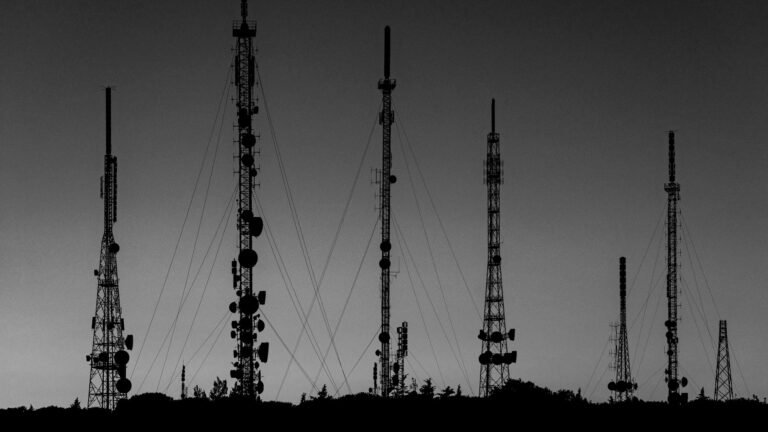
Telecommunications Law in Bangladesh: BTRC Licensing and Regulation in 2026
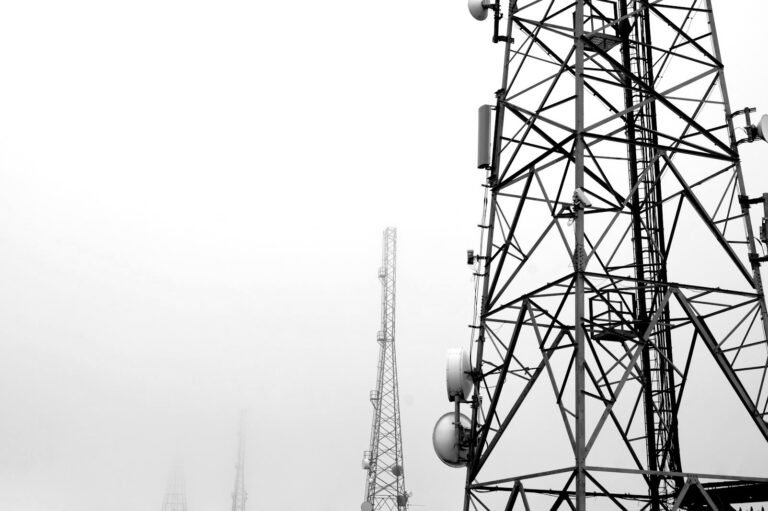
BTRC Licence in Bangladesh 2026: Categories, Process, Fees and Compliance

Lease Agreements in Bangladesh 2026: Registration, Stamp Duty, Land Leases and Disputes
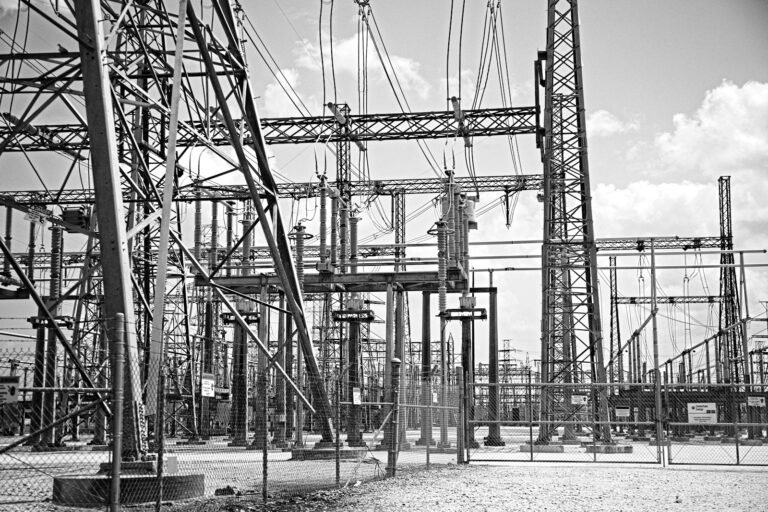
Project Finance in Bangladesh: Legal Structure and Key Agreements (2026)
All insights →
What is a telecom tower sharing agreement?
What is the difference between passive and active sharing?
Do tower site leases need to be registered?
Can an operator install additional equipment on a shared site?
How long do telecom tower agreements usually last?
Can foreign investors acquire a telecom tower company in Bangladesh?
What insurance should a tower sharing agreement require?
Can TRW review our existing tower portfolio documentation?
Build telecom tower agreements that hold up for years
Speak with the partners about Telecom tower in Bangladesh or across borders.
Book a consultation →