
Projects & Real EstatePractice area
Water & Wastewater Infrastructure
Water and wastewater assets bring together public and private counterparties, capital, equipment, delivery obligations and long-term services. TRW & Co can help map the legal interfaces for supply, treatment, sewerage, reuse, desalination and utility projects, including cross-border document coordination where a transaction spans multiple advisers, governing-law inputs and technical disciplines.
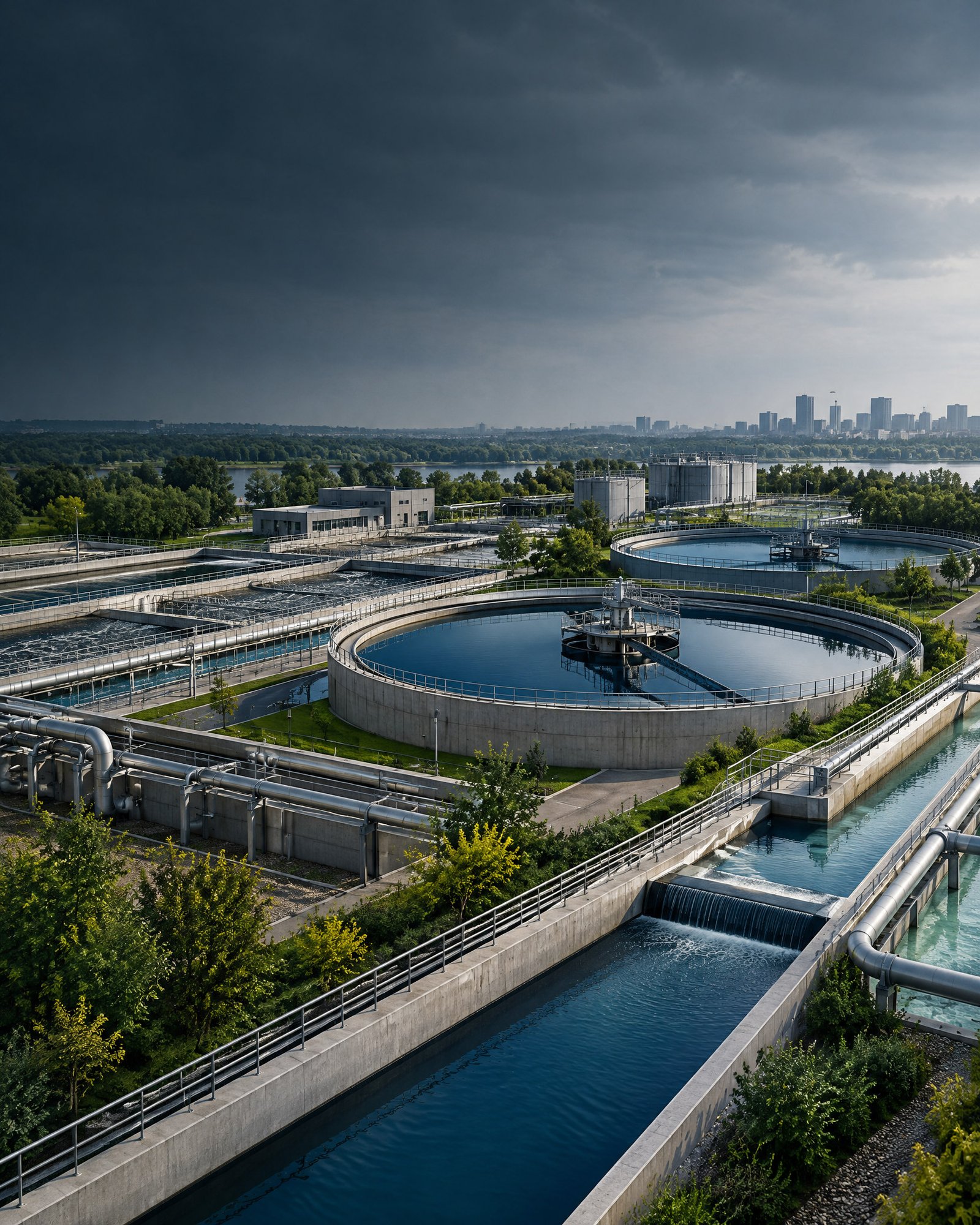
The starting point
Make the next decision with the commercial context in view.
Water and wastewater infrastructure is defined by the relationship between an asset and the service it must deliver over time. A treatment plant, sewerage system, reuse facility or desalination project may involve an authority, utility, sponsor, lender, operator, contractor, supplier and offtaker, each with different responsibilities and dependencies. TRW & Co can help identify the legal questions within that lifecycle: how inputs and outputs are documented, how performance and payment concepts are allocated, how continuity is protected, and how concession, service, supply, offtake, treatment, handback and operating interfaces fit together. The work is scoped to the defined water asset or service rather than generic PPP, finance, EPC, environmental or real-estate advice. It may include transaction and document coordination for cross-border matters, with the law of another jurisdiction, technical, environmental, tax, regulatory and other specialist inputs referred to appropriately. The precise scope depends on the facts, documents, counterparties, timetable and applicable current law.
How we help
The work around the decision.
01
Asset and service definition
We can help establish the commercial perimeter of the asset or service: intake, abstraction interface, treatment, bulk supply, sewerage, collection, wastewater treatment, reuse, desalination or a connected utility arrangement. The exercise can identify capacity, inputs, outputs, counterparties, lifecycle stage and key dependencies so that legal documents are assessed against the actual service model. This is issue mapping only; it does not extend to engineering, hydrology, feasibility, process design, water-quality testing or operational certification.02
Delivery model and responsibility map
Water projects often distribute responsibility across public bodies, utilities, developers, sponsors, operators, contractors, suppliers and offtakers. We can help map who is expected to provide access, inputs, capacity, treatment, availability, quality information, payment and continuity, and how those obligations interact across project documents. Depending on the structure, this may include concession, service, supply, utility-interface and handback concepts. General PPP strategy, procurement, tender design and bid advice remain outside this sector-specific scope.03
Water-sector contract architecture
We can review how water-specific agreements fit together, including treatment, bulk-water supply, offtake, reuse, feedstock or input, utility-interface and operating arrangements. The focus is on definitions, interfaces, precedence, information, change, relief, termination, step-in and handback risk as they relate to the asset or service. Generic EPC, construction, commissioning, supply or O&M drafting is not included unless a separately defined water-asset interface requires it and the agreed scope expressly permits it.04
Performance, payment and continuity
A project’s documents may need to connect capacity, availability, treatment or delivery concepts with measurement, payment, tariff-related contractual mechanics, change, force majeure, cure, step-in, termination and continuity arrangements. We can help identify the allocation questions and documentary dependencies without setting utility rates, certifying technical performance or predicting regulatory approvals. Where an issue turns on engineering, testing, environmental assessment, specialist regulation or another jurisdiction’s law, appropriately qualified advisers may need to provide the relevant input.05
Finance, approvals and cross-border interfaces
Investment or funding for a water asset can raise document, revenue, security, lender-consent, foreign-exchange, approval and governing-law questions. We can help frame the water-specific interface and coordinate those questions with the appropriate finance, environmental, technical and local-law advisers. The work does not replace generic project or infrastructure finance, standalone permitting, land or title work, tax, accounting, sanctions, competition, insurance, or analysis of another jurisdiction’s law. Scope remains tied to the defined asset, service and transaction timetable.A connected commercial lifecycle
One water asset, multiple legal interfaces
Inputs, outputs and offtake
Raw water, feedstock, treated water, effluent, reuse streams and concentrate interfaces can carry different allocation and measurement questions. A defined review may help connect the relevant supply, treatment, discharge, reuse or offtake documents without treating technical quality, hydrology or laboratory analysis as legal conclusions. The focus is on how the commercial output is described, accepted, paid for and managed when assumptions change.Continuity across the lifecycle
Long-lived utility assets require documents that address change, relief, maintenance interfaces, disruption, cure, step-in, termination and handback in a commercially coherent way. We can help surface those dependencies at the contract and transaction level. Any operational, engineering, safety, environmental or regulatory assessment remains for the relevant technical authority or specialist adviser, and no particular continuity or approval outcome is promised.Regional coordination
A cross-border project may combine local public or utility interfaces with regional capital, international equipment, an operator or multiple governing-law inputs. We can help organise the legal questions and document hand-offs while identifying where qualified local counsel or technical specialists are needed. This coordination approach does not imply advice on every jurisdiction or a substitute for specialist regulatory, tax or engineering analysis.Questions, not prescriptions
What may matter.
What types of water and wastewater projects may be within scope?
Can you advise on financing or a cross-border structure for a water asset?
Do you handle technical, permitting or construction issues on water projects?
Begin with context
Discuss a water infrastructure question
Share only high-level, non-confidential information about the asset, service, transaction stage and key legal interface. We can then consider whether a defined discussion may be appropriate and whether other qualified advisers should be involved.Legal information only. This page provides general legal information about a potential practice scope and is not legal advice. It does not address the law of any specific jurisdiction or the facts of a particular project. Viewing this page or sending a non-confidential enquiry does not create a lawyer-client relationship. Any engagement would be subject to conflicts checks, agreed scope, applicable terms and current law. Technical, engineering, environmental, tax, accounting, regulatory, land, construction, dispute and foreign-law questions may require separately qualified advisers.