

Collective Redress and Group Litigation Response in Bangladesh
Group litigation response for companies, banks, manufacturers, employers and public bodies in Bangladesh: representative suits, public interest writ petitions, coordinated worker, consumer, depositor and investor claims, and overseas class or group actions with a Bangladesh connection. Our group litigation team acts quickly and discreetly.

- Map the exposure
- Shape the procedure
- Engage and negotiate
- Resolve and protect
Responding to group litigation in Bangladesh and abroad
When many people claim to have been harmed by the same product, practice, incident or decision, the legal risk multiplies. Claims that would be manageable one at a time become a serious threat to finances, operations and reputation when they are brought together or publicised. Our group litigation practice advises companies, financial institutions, employers and public bodies facing collective claims in Bangladesh, and Bangladesh-connected businesses facing class or group actions overseas. We help clients understand the procedural routes being used against them, assess the real exposure, and build a coordinated response across courts, regulators and stakeholders before positions harden.
Bangladesh does not have a class action statute of the kind found in the United States, but collective redress takes several forms. The Code of Civil Procedure allows representative suits, in which one or more people sue on behalf of others sharing the same interest, with the court's permission and notice to those represented. The High Court Division hears public interest writ petitions under Article 102 of the Constitution on issues affecting the public, including safety, environment and consumer protection, and has issued directions in such cases. Labour disputes, consumer complaints and regulatory proceedings can also bring many claimants together.
Each route has different rules on standing, evidence, remedies and timing. Public interest petitions often move fast, with interim directions issued at an early hearing and inquiries ordered from government agencies. Representative suits proceed more slowly but can bind absent group members to the outcome. Coordinated individual claims, such as worker claims in the Labour Court or depositor claims against a failed financial institution, create pressure through volume. Successful group litigation defence depends on identifying which mechanism is in play, challenging it where the conditions are not met, and engaging constructively where a practical solution serves the client better.
Cross-border exposure is increasing. Claimants in the UK, the Netherlands, the United States, Australia and elsewhere have used group and class procedures to pursue multinational companies over events in their supply chains, including in South Asia. A Bangladeshi supplier, subsidiary or joint venture partner may be named as a defendant, asked to provide evidence, or pressed by its foreign customer for indemnity. We coordinate with foreign counsel in such cases, manage evidence and witnesses in Bangladesh, protect confidential information and personal data under the Personal Data Protection Act 2026, and align the Bangladesh position with the defence strategy abroad.
Our group litigation work forms part of the firm's dispute resolution practice in Bangladesh, which The Legal 500 Asia Pacific ranks, and links with our employment team for workforce claims. Adv Syed Wahid leads litigation in the High Court Division and the lower courts, while Barrister Tahmidur Rahman and Barrister Remura Meheruba Mahbub advise on banking, corporate, investment and cross-border aspects. We work with counsel in the UK, US, UAE, China, India and Singapore, and with communications advisers when public attention is part of the challenge. Each group litigation strategy is tailored to the forum.
Core workstreams
Four clear stages
- 01Map the exposure
- 02Shape the procedure
- 03Engage and negotiate
- 04Resolve and protect
Talk to a partner
Consultations in Dhaka or by video. Scope, team and fees are agreed in writing first.
Book →How we help clients respond to collective claims

Early risk assessment
- Map the exposure
- Shape the procedure
- Engage and negotiate
- Resolve and protect
Public interest writ petitions
- Map the exposure
- Shape the procedure
- Engage and negotiate
- Resolve and protect
Representative and coordinated suits
- Map the exposure
- Shape the procedure
- Engage and negotiate
- Resolve and protect
Workforce and labour group claims
- Map the exposure
- Shape the procedure
- Engage and negotiate
- Resolve and protect
Consumer, depositor and investor claims
- Map the exposure
- Shape the procedure
- Engage and negotiate
- Resolve and protect
Overseas class and group actions
- Map the exposure
- Shape the procedure
- Engage and negotiate
- Resolve and protect
Early risk assessment
When the first signs of collective action appear, such as a legal notice from many claimants, a media campaign, a petition or a regulator's inquiry, we assess who is behind it, what route they are likely to use and what remedies they seek. We estimate the size of the potential group, the likely value of claims and the evidence needed, giving the board a realistic picture of exposure early. Early group litigation planning is far cheaper than reacting later.
Public interest writ petitions
We represent companies and public bodies in public interest litigation before the High Court Division. We challenge petitions that are not genuinely in the public interest or that target private disputes, respond to rules and interim directions, and assist courts with accurate facts and workable proposals. Constructive engagement often produces practical directions that address the concern without unnecessary disruption to lawful business. Accurate evidence filed early often shapes the final directions. A concise chronology and organised exhibits help the court identify the issues quickly and shape directions.
Representative and coordinated suits
We defend representative suits and multiple coordinated claims in the civil courts and specialist tribunals. We test whether the conditions for representative proceedings are met, challenge improper joinder, seek consolidation or test cases where that is efficient, and manage evidence across many claimants. Our aim is to resolve group litigation on a principled basis that does not invite further claims. Test cases can bring certainty quickly. Evidence common to all claims is gathered once and reused, which saves cost and avoids inconsistent accounts.
Workforce and labour group claims
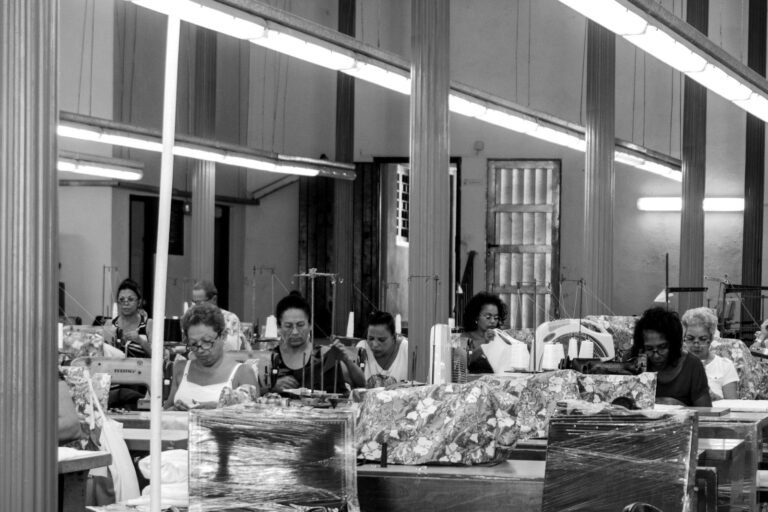
Industrial incidents, factory closures, unpaid wages and benefit disputes can produce claims by hundreds of workers at once. We act for employers before the Labour Court and the labour inspectorate, coordinate with trade unions and worker representatives, and design settlement and payment schemes that comply with labour law. We also advise on related criminal, regulatory and brand-partner consequences. Labour group litigation needs careful records of every payment made.
Consumer, depositor and investor claims
Failed e-commerce platforms, troubled financial institutions, listed company disclosures and defective products can all lead to mass claims. We act for banks, financial institutions, issuers, directors and businesses in complaints to regulators, court proceedings and writ petitions, and advise on repayment schemes, court-supervised arrangements and settlements that treat claimants fairly while protecting the business. Fair schemes reduce the risk of court proceedings. Checking each claimant's identity, loss and documents prevents duplicate or unsupported payments. Claimants receive plain explanations of the process and timing, which reduces misunderstanding and further complaints.
Overseas class and group actions
Where Bangladesh-connected companies face proceedings abroad, we coordinate with foreign defence counsel on jurisdiction, evidence and settlement. We advise on document collection and data transfer from Bangladesh, prepare local witnesses, explain Bangladesh law to foreign courts through expert evidence where needed, and manage parallel claims or regulatory action at home so the overall defence is consistent. We also advise on indemnity claims against foreign customers. Counsel in each country are briefed together so that positions taken in one forum do not undermine another.
Partner-led, on every matter.
Disputes & Arbitration matters at TRW are led by partners, supported by associates, with one responsible lawyer from first advice to final outcome.
Meet the firm →



01Are class actions allowed in Bangladesh?
Not in the American form, where a court certifies a class and the outcome binds all members unless they opt out under detailed statutory rules. However, Bangladesh law offers several equivalents. Representative suits under the Code of Civil Procedure allow one or more persons to sue on behalf of many with the same interest, with court permission and notice. Public interest writ petitions in the High Court Division can address harm to large groups. Coordinated individual claims in courts, tribunals and before regulators can have a similar practical effect, so companies should not assume that group litigation risk is low.
02What is a public interest writ petition and how should we respond?
It is a petition to the High Court Division, usually under Article 102 of the Constitution, raising an issue affecting the public rather than only the petitioner. Courts have accepted petitions on environmental harm, building safety, food adulteration, consumer protection and other matters, and may issue a rule, interim directions and orders for inquiries. A company named in such a petition should respond promptly, check whether it is a proper respondent, correct factual errors and, where appropriate, offer constructive measures. Ignoring a petition risks orders made without the company's side being heard.
03Can representative group litigation bind people who did not join it?
Yes. Where the court permits a representative suit and notice is given to those whose interests are represented, the decree can bind them, even though they are not named parties. That is why defendants should scrutinise whether the claimants truly share the same interest, whether notice was properly given, and whether the court's permission was obtained. If conditions are not met, the suit may be challenged or limited. Conversely, a defendant facing many individual claims may sometimes benefit from a single representative or test case that resolves common issues efficiently and finally.
04How does mandatory pre-case mediation affect group litigation?
The Legal Aid Services (Amendment) Act 2026 introduces mandatory pre-case mediation for certain categories of dispute, rolling out district by district. Where it applies, claimants may need to attempt mediation before filing suit, which can create an early opportunity to resolve claims collectively. Defendants should check whether the regime covers the claims they face in the relevant district, prepare for mediation sessions seriously, and consider whether a collective settlement framework can be offered. Mediated outcomes need careful drafting so that they are enforceable and do not encourage additional claims. Group litigation strategy should account for it.
05We are a Bangladeshi supplier named in a foreign group action. What should we do?
First, get advice in both jurisdictions. Determine whether the foreign court has jurisdiction over you, whether proceedings have been properly served, and what deadlines apply. Review contracts with the foreign brand or parent for indemnity, cooperation and insurance provisions. Preserve relevant documents but take advice before sending any data abroad, given Bangladesh data protection and confidentiality rules. Coordinate messaging with co-defendants while protecting your own position. We work with foreign counsel to manage the Bangladesh side, including witnesses and expert evidence on local law and practice. Early action narrows exposure in group litigation abroad.
06How can employers respond to group litigation by workers after an incident?
Act quickly and transparently. Comply with statutory obligations on compensation, wages and benefits, cooperate with inspectors and investigators, and communicate clearly with workers and their representatives. A structured payment and claims scheme, developed with legal advice and, where appropriate, input from unions or brand partners, can resolve many claims fairly and reduce litigation. Records of payments and releases must be accurate. At the same time, employers should prepare for Labour Court proceedings, criminal investigations and public interest petitions, keeping positions consistent across each forum. Workforce group litigation can be reduced by fair early payments.
07What role do regulators play in collective redress?
Regulators often act as a channel for collective complaints. Consumer protection authorities receive complaints from many buyers, the securities regulator can act on investor concerns, Bangladesh Bank supervises banks and financial institutions dealing with depositors, and environmental authorities respond to pollution complaints. Regulatory findings can then support civil claims or public interest petitions. Engaging early and constructively with regulators, and resolving legitimate grievances through supervised schemes, can reduce later group litigation significantly and demonstrate good faith to courts reviewing the matter. Regulators also notice how companies treat complainants. That record matters later in court.
08Should we settle group litigation or fight it?
It depends on the strength of the claims, the size of the potential group, the costs of defence, insurance cover, reputational considerations and the risk of encouraging further claims. Many matters involve a mix: defending weak or speculative claims firmly while resolving well-founded ones through a structured scheme. Any settlement should define eligibility clearly, include proper releases, provide for verification and payment mechanics, and be documented in a form that courts will respect. We model the options so the board can make an informed decision rather than a reactive one.
From first call to resolution.
- 01
Map the exposure
We identify the claimants, the routes they are using, the remedies sought and the likely value, and advise the board on immediate steps, communications and the evidence that must be preserved from the outset. A clear picture of the claims, forum and possible exposure lets the board decide on priorities and communications.
- 02
Shape the procedure
We challenge improper proceedings, seek consolidation or test cases where helpful, respond to interim directions and keep the procedure focused on genuine common issues rather than open-ended allegations. Group litigation procedure often decides cost and outcome.
- 03
Engage and negotiate
We engage with claimant representatives, regulators, unions, insurers and business partners, exploring mediation and structured schemes while preparing the defence in parallel so that leverage is preserved. Communication stays consistent across forums and audiences. Decisions on key positions and their reasons are recorded to keep later submissions consistent.
- 04
Resolve and protect
We conclude settlements or judgments, implement payment and verification schemes, and advise on governance and compliance changes that reduce the risk of future group litigation for the business. We monitor implementation and report progress to the board. Lessons for governance and complaint handling are shared with management so similar claims become less likely.

“Demonstrates an extraordinary command over both domestic litigation and international arbitration.”
The Legal 500 Asia Pacific, Bangladesh: Dispute resolution, client feedback


What is collective redress?
What is group litigation?
Who can file a public interest petition in Bangladesh?
Can group litigation lead to orders beyond compensation?
How does insurance respond to group claims?
Does data protection law affect group litigation?
How can businesses reduce collective claim risk?
How can TRW help?
Facing claims from many people? Plan your response
Speak with the partners about group litigation in Bangladesh or across borders.
Book a consultation →