
ICC Arbitration for Bangladesh Parties
Counsel for Bangladeshi companies, state-linked entities and foreign investors in ICC arbitration: drafting clauses, starting and defending claims under the 2026 ICC Rules, emergency and interim relief, hearings in Dhaka or abroad, and enforcing or resisting awards against assets in Bangladesh. Clear, practical advice.

- Initial case review
- Filing and constitution
- Written and oral phases
- Award and beyond
ICC arbitration for disputes with a Bangladesh connection
ICC arbitration, administered by the International Court of Arbitration of the International Chamber of Commerce, is a widely used route for resolving cross-border commercial disputes. Contracts for power plants, telecoms networks, garment supply chains, shipbuilding, joint ventures and project finance involving Bangladesh often provide for it. The ICC Court does not decide the dispute itself; it supervises the process, confirms arbitrators, fixes fees and scrutinises draft awards. We act for Bangladeshi and foreign parties in these cases, combining knowledge of the ICC Rules with practical experience of the Bangladesh courts that will often support or enforce the outcome.
The ICC Rules were revised with effect from 1 June 2026. The 2026 Rules make Terms of Reference optional, require an early case management conference, allow applications for early determination of claims or defences that are manifestly without merit, raise the threshold for the expedited procedure for newer agreements and add an opt-in highly expedited track. They also extend the emergency arbitrator provisions and strengthen disclosure duties. Which version applies depends on the date of the agreement and the start of the case, so we check the transitional position at the outset of every ICC arbitration we handle.
For Bangladesh parties, the seat of an ICC arbitration matters as much as the rules. A Dhaka seat brings the Arbitration Act 2001 and the Bangladesh courts into play for interim measures, challenges and enforcement. A foreign seat such as Singapore, London, Paris or Dubai means that a challenge to the award is heard abroad, while enforcement against Bangladeshi assets proceeds under the foreign award provisions of the Act. We explain those consequences before a clause is agreed and, once a dispute arises, we plan the case around where the losing party's assets are likely to be.
TRW & Co handles ICC arbitration within its dispute resolution practice. Barrister Tahmidur Rahman and Barrister Remura Meheruba Mahbub lead our international arbitration work and act as counsel alongside, or in place of, international firms. Managing partner Adv Syed Wahid leads related litigation in Bangladesh, including injunction, stay and enforcement proceedings. We work with counsel in the UK, US, UAE, China, India and Singapore, which allows us to staff a matter efficiently when hearings take place abroad but evidence, witnesses and assets are in Bangladesh. Each team is led personally by a partner from start to finish.
ICC arbitration is a substantial investment. Fees are calculated on the amount in dispute, procedures are thorough, and a poorly prepared case can become expensive quickly. Equally, a Bangladeshi respondent that ignores an ICC arbitration risks a default award that can later be enforced against it at home. Our role is to give clear advice early on merits, cost, timing and enforcement, and then to run the case efficiently. If you have an ICC clause in a contract under strain, or have received a request for arbitration, contact our Dhaka office for an initial review.
Core workstreams
Four clear stages
- 01Initial case review
- 02Filing and constitution
- 03Written and oral phases
- 04Award and beyond
Talk to a partner
Consultations in Dhaka or by video. Scope, team and fees are agreed in writing first.
Book →Our ICC arbitration services

ICC clauses and contract strategy
- Initial case review
- Filing and constitution
- Written and oral phases
- Award and beyond
Requests, answers and tribunal constitution
- Initial case review
- Filing and constitution
- Written and oral phases
- Award and beyond
Emergency and interim relief
- Initial case review
- Filing and constitution
- Written and oral phases
- Award and beyond
Evidence, experts and hearings
- Initial case review
- Filing and constitution
- Written and oral phases
- Award and beyond
Costs, funding and settlement
- Initial case review
- Filing and constitution
- Written and oral phases
- Award and beyond
Award enforcement and challenges
- Initial case review
- Filing and constitution
- Written and oral phases
- Award and beyond
ICC clauses and contract strategy
We draft and negotiate ICC arbitration clauses in supply, construction, energy, technology, finance and joint venture contracts, choosing seat, language, number of arbitrators, governing law and any expedited or highly expedited options. For contracts with Bangladeshi state entities we address approval requirements and enforcement against public bodies. We also review existing clauses for defects that could invite jurisdictional objections or court interference later. Clauses are kept simple and workable.
Requests, answers and tribunal constitution
We prepare requests for arbitration and answers, including counterclaims and jurisdictional objections, and we advise on joinder of additional parties and consolidation. We identify and vet arbitrators with relevant sector and regional experience, check conflicts and availability, and prepare for the early case management conference that now sits at the centre of procedure in an ICC arbitration under the 2026 Rules. Procedural orders are reviewed with care.
Emergency and interim relief
Where assets, performance bonds or evidence are at risk, we apply for emergency arbitrator relief under the ICC Rules, or for interim measures from the courts in Bangladesh or at the seat. We consider which forum can act fastest and whose order the counterparty will respect. We also defend Bangladeshi clients against emergency applications and against attempts to call bank guarantees during an ICC arbitration. Speed and preparation decide these applications.
Evidence, experts and hearings
We collect documents and witness evidence in Bangladesh, prepare witness statements in English from Bengali-speaking witnesses, and instruct quantum, delay, technical and accounting experts. We handle document production under the tribunal's directions and present cases at hearings in Dhaka, Singapore, London, Dubai or online. Our advocacy focuses on the few issues that will decide the ICC arbitration, not on volume. Witnesses are prepared thoroughly for cross-examination. Translations are checked.
Costs, funding and settlement
We prepare phased budgets, track spending against them and advise on advances on costs, security for costs and cost allocation at the end of the case. Where appropriate, we discuss third-party funding and insurance options. We also look for settlement opportunities throughout, including ICC mediation, and we document settlements as consent awards where enforceability matters to the client. Clients receive regular cost reports, so there are no surprises at the end.
Award enforcement and challenges
We enforce ICC awards against assets in Bangladesh, whether the seat was Dhaka or abroad, and resist enforcement on the limited grounds available where a client has a genuine defence. For Dhaka-seated cases we bring or defend set-aside applications. For foreign-seated cases we coordinate with counsel at the seat and in other countries where the award debtor holds assets. Asset tracing begins well before the award is made.
Partner-led, on every matter.
Disputes & Arbitration matters at TRW are led by partners, supported by associates, with one responsible lawyer from first advice to final outcome.
Meet the firm →



01What changed in the 2026 ICC Rules, and do they apply to our existing contract?
The 2026 Rules took effect on 1 June 2026. Key changes include optional Terms of Reference, a mandatory early case management conference, a new early determination procedure, higher expedited procedure thresholds for agreements made from that date, an opt-in highly expedited track, wider emergency arbitrator powers and stronger disclosure duties. Generally the Rules in force when the arbitration starts apply, but some provisions, such as the expedited thresholds, depend on when the arbitration agreement was concluded. We review your contract date and clause wording to confirm which provisions will govern your ICC arbitration. Transitional questions matter.
02How much does an ICC arbitration cost for a dispute involving a Bangladeshi party, and who pays the advance?
ICC administrative expenses and arbitrators' fees are calculated mainly by reference to the amount in dispute, using the ICC's published scales, and the parties usually share the advance on costs at the start. On top of that come counsel fees, experts, translation, travel and hearing costs. A sole arbitrator and expedited procedure can reduce costs significantly for smaller claims. We prepare a phased budget for each stage and explain how the tribunal may allocate costs in the final award. We never quote fixed figures before seeing the claim. Budgets are reviewed regularly. Costs follow events.
03Should an ICC arbitration involving a Bangladeshi party be seated in Dhaka or abroad?
Both can work. A Dhaka seat gives the Bangladesh courts supervisory jurisdiction, which can be convenient for interim measures and enforcement against local assets, but some foreign parties worry about delay in court challenges. A foreign seat such as Singapore or London places challenges abroad, and enforcement in Bangladesh then proceeds as a foreign award. The choice depends on the counterparty, where its assets are, the value of the contract and the likely need for urgent relief. We advise on that trade-off when the clause is negotiated. Neither is automatically better. Context decides.
04Can a Bangladeshi court stop or interfere with an ICC arbitration?
Courts in Bangladesh generally respect valid arbitration agreements, and a court suit brought in breach of an ICC clause can be stayed on a prompt application. In some cases, parties have sought injunctions from local courts to restrain foreign arbitrations or calls on guarantees. Those applications must be answered quickly and firmly, with clear evidence of the arbitration agreement. We act for parties on both sides of such disputes and coordinate with counsel at the seat, so that steps in Dhaka do not undermine the position in the ICC arbitration itself. Early action helps.
05How is an ICC award enforced against assets in Bangladesh, and what defences can the debtor raise?
If the seat was in Bangladesh, the award is enforced as a domestic or international commercial award under the Arbitration Act 2001, once the time for challenge has passed or any challenge has failed. If the seat was in another New York Convention country, the award is enforced as a foreign award under the Act, subject to limited grounds for refusal such as incapacity, lack of proper notice, excess of jurisdiction and public policy. In practice, success depends on identifying assets early and moving quickly for attachment, so we plan enforcement during the arbitration. Delay helps debtors.
06We are a Bangladeshi company and have received a request for ICC arbitration. What should we do first?
Do not ignore it. Note the deadline for the answer under the ICC Rules, which is short but can usually be extended on request. Gather the contract, correspondence and performance records, notify insurers if relevant and preserve documents. Then take advice on jurisdiction, merits, counterclaims and the choice of arbitrator, because nominating the right arbitrator is one of the most important early decisions. A respondent that does not participate risks a default award that will later be enforced against its assets in Bangladesh. Act within days, not weeks, to protect your position.
07Can a Bangladeshi state-owned entity or government agency agree to ICC arbitration?
Yes. Many public sector contracts in power, energy, infrastructure and procurement include ICC arbitration clauses, sometimes after internal or ministerial approvals. These cases can raise questions about authority to sign, compliance with procurement rules, immunity from execution and enforcement against public assets. They may also involve investment treaty protections for foreign investors. We advise private and public parties on these issues at the drafting stage and during disputes, so that the eventual award is as robust as possible when it reaches the courts. Careful drafting reduces later disputes. Approvals should be documented carefully.
08Is ICC arbitration suitable for smaller disputes, or is it only for very large claims?
It can be. The expedited procedure provisions apply automatically below a monetary threshold, which under the 2026 Rules is higher for agreements concluded from 1 June 2026, unless the parties opt out. They provide for a sole arbitrator, shorter timelines and reduced fees. The new highly expedited track is available only if all parties agree. For very small claims, mediation, BIAC arbitration or the courts may still be more economical. We compare those options candidly, taking into account the value of the claim and the counterparty's likely response. Value for money matters. We compare costs.
From first call to resolution.
- 01
Initial case review
We review the contract, the ICC clause, the applicable Rules version and the dispute history, and advise on merits, jurisdiction, likely cost, timing and enforcement before any filing is made. You receive a written assessment and a phased budget.
- 02
Filing and constitution
We prepare the request or answer, pay or contest the advance on costs, nominate arbitrators and prepare for the early case management conference that sets the procedural timetable. Early procedural choices shape the whole case. Deadlines are tracked.
- 03
Written and oral phases
We prepare memorials, witness statements and expert reports, manage document production and present the case at the hearing, keeping the ICC arbitration focused on decisive issues. Settlement options are reviewed at each stage. Hearings are rehearsed.
- 04
Award and beyond
We review the award with the client, advise on correction, challenge or settlement, and enforce or resist enforcement in Bangladesh and other countries where assets are located. Asset tracing starts early, so collection is not delayed. Payment is pursued firmly.

“Demonstrates an extraordinary command over both domestic litigation and international arbitration.”
The Legal 500 Asia Pacific, Bangladesh: Dispute resolution, client feedback
Related reading.

ICC Arbitration Bangladesh 2026: The New ICC Rules, Costs, Settlement and Enforcement

Foreign Arbitral Award Enforcement in Bangladesh 2026: The New York Convention and Sections 45 to 47
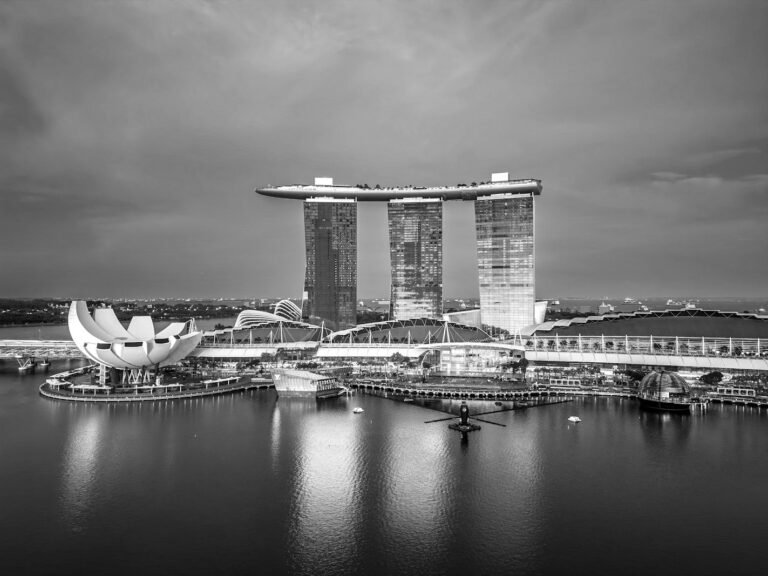
SIAC Arbitration for Bangladeshi Parties 2026: SIAC Rules 2025, Fees, Interim Relief and Enforcement

International Commercial Arbitration in Bangladesh 2026: A Guide for Foreign and Bangladeshi Parties
All insights →
Does the ICC itself decide the dispute in an ICC arbitration?
Can an ICC arbitration be held in Bengali, or must it be in English?
How long does an ICC arbitration usually take from request to final award?
Can we get urgent relief before the tribunal is formed?
Are ICC arbitration proceedings confidential?
Do you act with international law firms on ICC matters?
What is early determination under the 2026 ICC Rules?
Can an ICC award be appealed or reopened?
Discuss your ICC arbitration with our team
Speak with the partners about ICC arbitration in Bangladesh or across borders.
Book a consultation →