
Admiralty, Marine Casualty and Cargo Claims in Bangladesh
Advice and representation in marine casualty claims with a Bangladesh connection: collisions, groundings, fires and sinkings, cargo loss and damage, salvage and general average, crew and passenger claims, ship arrest and security in the Admiralty Court, and recovery from insurers and P&I clubs.

- Immediate response
- Security
- Claim and defence
- Recovery and closure
Handling marine casualty claims in Bangladesh
When a ship collides, grounds, catches fire or loses cargo in Bangladesh waters, the first days decide much of what follows. Evidence on board disappears, crew sign off, cargo is discharged or sold, and the vessel may sail before anyone has secured a claim. Marine casualty claims therefore need fast, coordinated action by lawyers who understand both the Admiralty Court and the commercial pressures on owners, charterers, cargo interests and insurers. We act for all of those parties at Chattogram, Mongla, Payra and inland ports, and on claims arising from casualties elsewhere that involve Bangladeshi cargo, owners or assets.
The law on marine casualty claims in Bangladesh sits in several statutes. The Admiralty Court Act 2000 makes the High Court Division the Admiralty Court and lists the maritime claims it can hear, including collision, damage to cargo, salvage, towage, necessaries and crew wages, with the power to arrest a ship as security in defined cases. The Bangladesh Merchant Shipping Act 2020 deals with safety, casualty investigations and liabilities, while the Carriage of Goods by Sea Act 1925 applies the Hague Rules and their short time bar to many outbound bills of lading. Contracts and conventions add further layers.
Many marine casualty claims also involve contracts that point elsewhere. Charterparties often provide for London arbitration, bills of lading may refer disputes to foreign courts, and hull, cargo and P&I policies have their own notice and claims provisions. A typical strategy combines action in Bangladesh, such as arresting a vessel or obtaining a letter of undertaking, with proceedings on the merits abroad. We coordinate those tracks with counsel in the UK, Singapore, the UAE, India and China, so that local steps support the main case and costs remain proportionate. Coordination is central to how we run marine casualty claims.
TRW & Co handles shipping disputes within its dispute resolution practice. Managing partner Adv Syed Wahid leads Admiralty Court and other court work, while Barrister Tahmidur Rahman and Barrister Remura Meheruba Mahbub advise on maritime arbitration, insurance and cross-border strategy. We work with surveyors, marine engineers, master mariners and loss adjusters, and with P&I correspondents in the ports. Our role in marine casualty claims is to establish the facts quickly, protect our client's legal position, obtain or resist security, and move the claim towards recovery or settlement. Clients receive clear updates at every stage of the matter.
Paperwork and timing matter more in marine casualty claims than in almost any other dispute. Notice periods under insurance policies, the one-year time bar for many cargo claims and short windows for protest and survey can all defeat a valid claim if they are missed. Equally, an owner facing arrest needs to know quickly what security will be accepted and how to release the vessel. If a casualty has occurred, or you expect a claim, contact our Dhaka office and we will advise on the immediate steps without delay. Early advice saves both time and money.
Core workstreams
Four clear stages
- 01Immediate response
- 02Security
- 03Claim and defence
- 04Recovery and closure
Talk to a partner
Consultations in Dhaka or by video. Scope, team and fees are agreed in writing first.
Book →What we do in casualty and cargo matters

Immediate casualty response
- Immediate response
- Security
- Claim and defence
- Recovery and closure
Collision and grounding claims
- Immediate response
- Security
- Claim and defence
- Recovery and closure
Cargo loss and damage
- Immediate response
- Security
- Claim and defence
- Recovery and closure
Salvage, towage and general average
- Immediate response
- Security
- Claim and defence
- Recovery and closure
Ship arrest and security
- Immediate response
- Security
- Claim and defence
- Recovery and closure
Crew, passenger and pollution claims
- Immediate response
- Security
- Claim and defence
- Recovery and closure
Immediate casualty response
We advise owners, charterers and cargo interests in the first hours after a collision, grounding, fire or sinking. That includes preserving evidence, appointing surveyors, managing statements from the master and crew, dealing with the Department of Shipping and port authorities, and notifying insurers. Early decisions about what is said and recorded often shape the eventual outcome of marine casualty claims, so we get involved at once. Every hour counts.
Collision and grounding claims
We act in claims between colliding vessels and against ships that damage jetties, pontoons, moorings or other property. Our work covers investigating fault, collecting navigation records and electronic data, instructing nautical experts, arresting vessels for security and negotiating collision settlements. Where the vessels have different flags and insurers, we coordinate jurisdiction and security agreements so that the claim proceeds in the most suitable forum. Collision liability is often shared between vessels.
Cargo loss and damage
We pursue and defend cargo claims for shortage, contamination, wetting, temperature damage and total loss, including claims by importers, exporters, traders and their insurers. We review bills of lading, charterparties and survey reports, apply the relevant carriage rules and time bars, and seek security from carriers. For carriers and their P&I clubs, we test the evidence, raise available defences and limit exposure. Recoveries in these marine casualty claims depend on prompt survey evidence.
Salvage, towage and general average
Casualties often lead to salvage services, towage and general average declarations. We advise on salvage agreements and awards, the security demanded by salvors, the effect of general average on cargo interests and the documents average adjusters require. We also help cargo owners obtain release of their goods by arranging appropriate guarantees and bonds, and we challenge excessive or unsupported demands. These issues often sit beside marine casualty claims.
Ship arrest and security
We arrest vessels in the Admiralty Court to secure marine casualty claims, and we act for owners seeking the urgent release of an arrested ship. That work covers drafting the plaint and arrest application, assessing the right ship and the right defendant, negotiating letters of undertaking and bank guarantees, and defending or pursuing claims for wrongful arrest where an arrest was made without proper basis. Release is pursued urgently.
Crew, passenger and pollution claims
We advise on claims by crew members for wages, injury and death, and on passenger claims after accidents involving inland vessels and ferries. We also advise owners and operators facing environmental enforcement and third-party claims after oil or chemical spills, working with technical experts and insurers. Each case is handled with attention to the people affected as well as the legal exposure. Families receive careful, sensitive support. Insurers are engaged early.
Partner-led, on every matter.
Disputes & Arbitration matters at TRW are led by partners, supported by associates, with one responsible lawyer from first advice to final outcome.
Meet the firm →



01What should a shipowner or operator do in the first days after a casualty in Bangladesh waters?
Secure the safety of crew and vessel first, then preserve evidence. Keep the deck and engine logs, voyage data recorder output, ECDIS and AIS records, and photographs. Notify the hull insurer and P&I club promptly, and appoint lawyers and surveyors before formal statements are taken. Cooperate with the Department of Shipping and port authorities, but take advice on what statements will be used for and by whom. Prompt, organised action at this stage often reduces both the size of marine casualty claims and the time needed to resolve them. Avoid speculation in emails.
02Can we arrest a ship in a Bangladeshi port to secure a collision, casualty or cargo claim?
Often, yes. The Admiralty Court Act 2000 allows arrest of a ship for many maritime claims, including collision damage, cargo loss or damage, salvage and towage, and in some cases a sister ship in the same ownership. The claim must fall within the statutory categories and the ship must be within the jurisdiction. The court will usually require an undertaking or other protection against wrongful arrest. We move quickly on these applications, because a vessel may only remain at a Bangladeshi port for a short time. Marine casualty claims often depend on that speed.
03How long do we have to bring a cargo claim against the carrier?
It depends on the contract and the governing rules. Where the Hague Rules apply, as they do for many bills of lading under the Carriage of Goods by Sea Act 1925, the carrier is generally discharged unless suit is brought within one year of delivery or the date when the goods should have been delivered. Contracts and other regimes may set different periods, and time can sometimes be extended by agreement. Notice of loss or damage should also be given promptly. We check time bars at the outset of all cargo and marine casualty claims.
04Who investigates a marine casualty in Bangladesh, and does the inquiry affect civil claims?
The Department of Shipping and the relevant authorities investigate significant casualties involving seagoing and inland vessels under the merchant shipping and inland shipping laws, and courts or other bodies may also become involved after serious accidents. An official inquiry focuses on safety and causes, and may lead to action against officers or certificates, but its findings do not automatically decide civil liability. Statements given to an inquiry can still be important. We advise parties on how to participate while protecting their position in related marine casualty claims. Legal representation at the inquiry is often advisable.
05What security will be accepted to release an arrested vessel from the Admiralty Court?
Security is commonly provided by a P&I club letter of undertaking, a bank guarantee or a cash deposit with the court. Whether the claimant or the court will accept a club letter depends on the club, the wording and the circumstances. The amount usually reflects the claimant's reasonably arguable best case, plus interest and costs, but it can be challenged if excessive. We negotiate the form and amount of security quickly, because every day a vessel stays under arrest adds cost for owners and charterers alike. Wording matters too. Disputes over amount can go to court.
06Can a shipowner limit its liability for marine casualty claims in Bangladesh, and how is the limit worked out?
Shipowners may be able to limit their liability for certain claims under the merchant shipping legislation and, where they apply, international conventions and contractual terms. Whether limitation is available, how the limit is calculated and whether it can be broken depend on the type of claim, the vessel and the conduct of the owner. Limitation is a technical area and can change the economics of a dispute. We assess it early, both for owners seeking to cap exposure and for claimants who need to know what they can realistically recover. Evidence of conduct matters.
07Our cargo was damaged and our insurer has already paid us. What happens next?
Once a cargo insurer pays a claim, it usually becomes entitled to pursue the carrier or other responsible party in the name of the insured, which is called subrogation. The insured should cooperate by providing documents, survey reports and assistance with witnesses, and should not settle or release the carrier independently. We act for cargo insurers in recovery actions in Bangladesh and abroad, and advise insured traders on their obligations under the policy and the subrogation receipt. Cargo underwriters often lead marine casualty claims of this kind, and good cooperation from the insured makes recovery far more likely.
08Do marine casualty claims in Bangladesh go to court or to arbitration?
It depends on the contracts and the parties. Collision claims between ships without a contract usually proceed in the Admiralty Court of the place where security is obtained, or by agreement elsewhere. Cargo and charterparty disputes often go to arbitration, commonly in London or Singapore, or to the courts named in the bill of lading. Insurance disputes follow the policy terms. We frequently combine a Bangladesh arrest for security with arbitration or foreign proceedings on the merits, and we advise on the best forum before proceedings begin. Jurisdiction clauses deserve close reading early.
From first call to resolution.
- 01
Immediate response
We assess the casualty, preserve evidence, appoint surveyors and experts, notify insurers and check urgent deadlines, time bars and the location of the vessels and cargo involved in the claim. Nothing urgent is left unattended. Facts come first.
- 02
Security
We arrest the vessel or negotiate security through a P&I club letter of undertaking or bank guarantee, or act for owners seeking prompt release of an arrested ship at a fair amount. Speed is essential at this stage. Amounts are negotiated.
- 03
Claim and defence
We build the claim or defence with survey reports, logs, contracts and expert evidence, in the Admiralty Court, in arbitration or abroad, while looking for early settlement where it makes commercial sense. Experts are instructed early. Costs are kept proportionate.
- 04
Recovery and closure
We collect on judgments, awards and settlements, release security, deal with insurers and subrogation, and close the file with clear documentation that prevents later disputes between the parties. Lessons learned are recorded for the future. Final accounts are agreed.

“Demonstrates an extraordinary command over both domestic litigation and international arbitration.”
The Legal 500 Asia Pacific, Bangladesh: Dispute resolution, client feedback
Related reading.
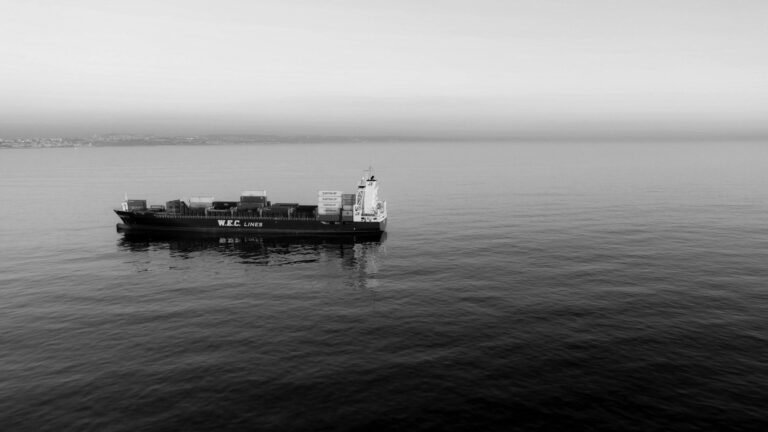
Maritime Law in Bangladesh (2026): Admiralty Claims, Ship Arrest, Shipping and Logistics
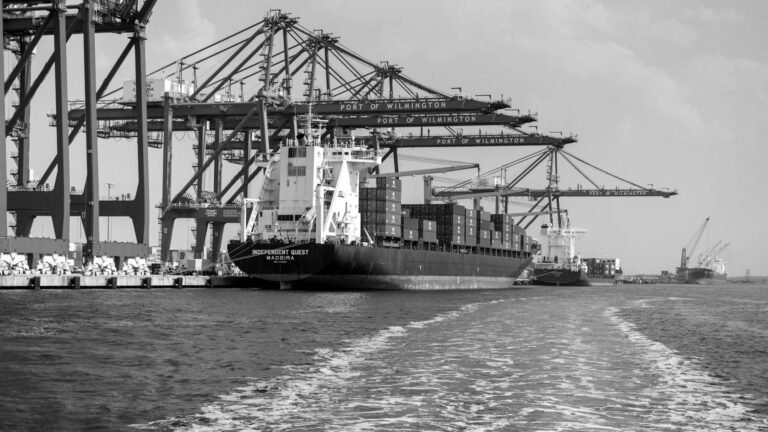
Marine Insurance Claims in Bangladesh 2026: Cargo, Hull, P&I, Collision, Crew and Port Disputes
Cargo Loss and Short-Delivery Claims in Bangladesh: Reading the Sea-Carriage Rules
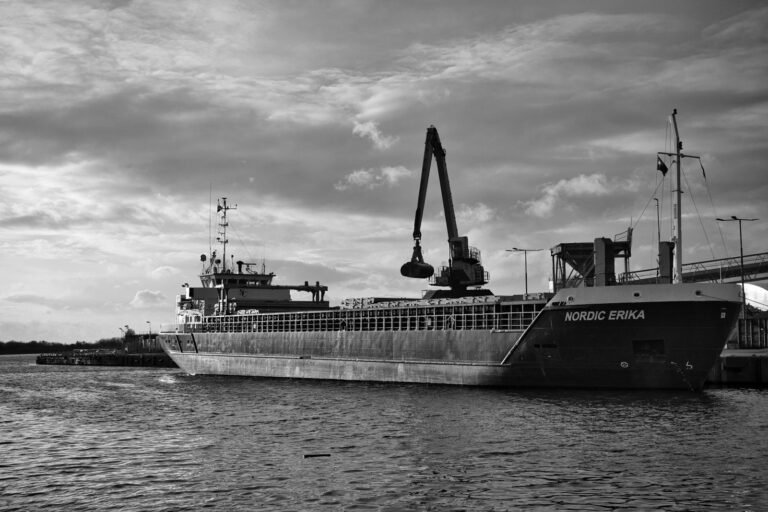
Ship Release Security in Bangladesh: Bank Guarantee vs P&I Letter of Undertaking (2026)
All insights →
What counts as a marine casualty under Bangladeshi practice?
Can a foreign company bring marine casualty claims in Bangladesh?
What documents should cargo owners collect after loss or damage is discovered?
Are inland vessel and ferry accidents covered by your marine casualty claims work?
What is general average, and do I have to pay a contribution?
How are wrongful arrest claims handled by the court?
Can marine casualty claims be settled without litigation or arbitration?
Do you work with P&I clubs and hull insurers?
Casualty at sea? Speak to us today
Speak with the partners about marine casualty claims in Bangladesh or across borders.
Book a consultation →