
Maritime, Shipping and Admiralty Lawyers in Bangladesh
Advice and representation for shipowners, charterers, cargo interests, P&I clubs, insurers, banks, shipyards, ship recyclers and traders on maritime regulation, shipping contracts and admiralty claims in Bangladesh, including ship arrest and release, cargo and charterparty disputes, collisions, crew claims, finance and enforcement.

- Assess urgently
- Secure the position
- Pursue or defend
- Enforce the outcome
Maritime, shipping and admiralty law in Bangladesh
Shipping is central to Bangladesh's economy. Most foreign trade passes through Chattogram, with growing volumes at Mongla and Payra and new capacity planned at Matarbari, while a large inland and coastal fleet moves cargo and passengers across the river network. Bangladesh is also a major ship recycling destination and a developing shipbuilding centre. These activities generate a constant flow of contracts, regulatory questions, casualties and claims. We act for local and international clients across that spectrum, from vessel acquisitions and charterparties to arrests and admiralty suits, as part of our dispute resolution practice in Bangladesh.
Admiralty jurisdiction in Bangladesh is exercised by the High Court Division of the Supreme Court under the Admiralty Court Act 2000. The Act lists the claims that may be brought, including claims for damage to cargo, collision, salvage, towage, crew wages, supply of goods and materials such as bunkers, port charges, mortgages and disputes over ownership and possession. Many claims can be pursued by arresting the vessel concerned and, in some cases, a sister ship. Arrest is powerful for claimants and costly for owners, so both sides need fast advice. We act for claimants and owners alike.
Regulation of shipping sits mainly with the Department of Shipping under the Ministry of Shipping, which administers merchant shipping legislation on registration, survey, safety, manning and pollution prevention. Port authorities manage Chattogram, Mongla and Payra, and the inland waterways have their own authority. Cargo reservation rules for Bangladeshi-flagged vessels, customs control over ships and stores, and Bangladesh Bank rules on freight and charter payments also affect operations. Ship recycling yards are regulated under the Bangladesh Ship Recycling Act 2018, and Bangladesh has acceded to the Hong Kong International Convention on ship recycling, which has now entered into force.
Commercial shipping contracts are usually governed by English law with London arbitration, but their performance and enforcement often depend on Bangladeshi law. Bills of lading for cargo discharged in Bangladesh, charterparties for vessels trading to Chattogram, ship sale agreements for vessels delivered for recycling and loan agreements secured by Bangladeshi ship mortgages all raise local questions. Foreign arbitral awards and, in some cases, foreign judgments can be enforced here. We advise on how international contracts interact with Bangladeshi courts, regulators and practice, working with counsel in the UK, Singapore, the UAE, China and India.
Our admiralty and shipping work is led by Adv Syed Wahid on litigation, with Barrister Tahmidur Rahman on ship finance, transactions and arbitration and Barrister Remura Meheruba Mahbub on arbitration and corporate matters. The Legal 500 Asia Pacific ranks Tahmidur Remura Wahid (TRW) Law Firm for dispute resolution in Bangladesh. We also advise on regulatory and project matters through our regulatory lawyers in Bangladesh, including port and terminal arrangements, flag protection rules and ship recycling compliance. When a vessel is arrested or a claim needs to be filed quickly, contact our Dhaka team directly by telephone.
Core workstreams
Four clear stages
- 01Assess urgently
- 02Secure the position
- 03Pursue or defend
- 04Enforce the outcome
Talk to a partner
Consultations in Dhaka or by video. Scope, team and fees are agreed in writing first.
Book →How we act in shipping and admiralty matters

Ship arrest and release
- Assess urgently
- Secure the position
- Pursue or defend
- Enforce the outcome
Cargo and bill of lading claims
- Assess urgently
- Secure the position
- Pursue or defend
- Enforce the outcome
Charterparty and freight disputes
- Assess urgently
- Secure the position
- Pursue or defend
- Enforce the outcome
Ship finance and transactions
- Assess urgently
- Secure the position
- Pursue or defend
- Enforce the outcome
Regulatory and port matters
- Assess urgently
- Secure the position
- Pursue or defend
- Enforce the outcome
Casualties, crew and insurance
- Assess urgently
- Secure the position
- Pursue or defend
- Enforce the outcome
Ship arrest and release
We act for claimants seeking to arrest vessels in Bangladeshi ports and waters, preparing admiralty suits, affidavits and arrest applications in the High Court Division, often at very short notice. For owners, charterers and P&I clubs, we seek release by negotiating security, arranging bank guarantees or club letters acceptable to the court, and challenging arrests that are unjustified, excessive or brought against the wrong vessel. We also advise on wrongful arrest claims and counter-security.
Cargo and bill of lading claims
We handle claims for cargo loss, damage, shortage and misdelivery under bills of lading, sea waybills and charterparties, acting for cargo owners, insurers in subrogation and carriers. We advise on time limits, notice requirements, liability defences and limitation, survey evidence and jurisdiction clauses, and on delivery without production of bills of lading, which often arises with cargo discharged at Chattogram. We also pursue recovery against terminals and inland carriers.
Charterparty and freight disputes
We advise owners and charterers on time and voyage charterparties, including hire and freight, demurrage and detention, off-hire, laytime, safe port warranties, cargo claims allocation and termination. Where the charterparty provides for London or Singapore arbitration, we work with arbitration counsel abroad and handle Bangladeshi aspects such as interim relief, security and enforcement of awards against local parties or assets. Early coordination preserves security and avoids inconsistent positions.
Ship finance and transactions
We advise banks, owners and buyers on ship sale and purchase, newbuilding and shipbuilding contracts, ship finance, registration of mortgages under Bangladeshi law, and enforcement of security through admiralty proceedings. We also advise on the sale of vessels for recycling, including cash buyer arrangements, delivery, documentation and regulatory approvals, and on the import and flagging of vessels into the Bangladeshi registry, including deletion from foreign registries and transfer of class.
Regulatory and port matters
We advise on registration, survey and manning requirements, flag protection and cargo reservation rules, customs control of ships and stores, port charges and disputes with port authorities. We help clients respond to detentions, investigations and penalty proceedings, including after pollution incidents or casualties, and advise on licensing for shipping agents, freight forwarders and other maritime service businesses operating in Bangladesh. We also handle appeals against port and customs decisions affecting ships and cargo.
Casualties, crew and insurance
We advise on collision, grounding, salvage, general average, wreck removal and pollution, working with P&I clubs, hull insurers and surveyors. We act in crew claims for wages, repatriation, injury and death, and in marine insurance disputes over cargo, hull and liability cover. Where limitation of liability is relevant, we advise on the procedure and its effect on competing claims against the shipowner, and on constitution of limitation funds where appropriate.
Partner-led, on every matter.
Trade, Competition & Regulation matters at TRW are led by partners, supported by associates, with one responsible lawyer from first advice to final outcome.
Meet the firm →



01How quickly can a vessel be arrested in Bangladesh?
An arrest can be obtained quickly if the claim falls within the Admiralty Court Act 2000 and the papers are ready. The claimant files an admiralty suit in the High Court Division with an affidavit setting out the claim and the basis for arrest, and applies for an arrest order. Where the vessel is about to sail, the application can be made urgently. Speed depends on the documents available, the court's schedule and the vessel's location. We keep templates and procedures ready so that we can act within hours of instruction when a vessel's departure is imminent.
02What claims can be pursued by an admiralty arrest?
The Admiralty Court Act 2000 lists the maritime claims within the court's jurisdiction. They include claims relating to cargo damage or loss, collision, salvage, towage, pilotage, crew wages, supply of goods and materials such as bunkers and spares, repairs, port and harbour dues, charterparty disputes, mortgages and disputes over ownership or possession of a ship. Some claims give rise to maritime liens that follow the vessel even after sale. Whether a sister ship can be arrested depends on ownership at the relevant time. We assess each claim against the statute before filing, to avoid a later set-aside.
03How can an owner obtain release of a vessel under admiralty arrest?
Release usually requires security for the claim, such as payment into court, a bank guarantee from an acceptable bank or, where the claimant agrees, a P&I club letter of undertaking. The amount is normally the claimant's reasonably arguable best case, with interest and costs, but it can be challenged if excessive. An owner can also apply to set aside the arrest if the claim falls outside the court's admiralty jurisdiction or the wrong vessel was arrested. Every day of detention costs money, so we move quickly to negotiate security and obtain a release order.
04What time limits apply to cargo claims?
Cargo claims under bills of lading are often subject to the Hague Rules framework as applied in Bangladesh through the Carriage of Goods by Sea Act 1925, which generally requires suit within one year of delivery or the date when goods should have been delivered. Contracts may contain other provisions, and charterparty claims and claims against terminal operators or inland carriers may have different time limits. Notice of loss or damage should be given promptly on discharge. We advise cargo owners and insurers on preserving time, including through extensions agreed with the carrier or its P&I club.
05Can a London arbitration award be enforced in Bangladesh?
Yes. Bangladesh is a party to the New York Convention, and the Arbitration Act 2001 provides for enforcement of foreign arbitral awards made in Convention countries, including LMAA awards made in London and SCMA awards made in Singapore. The award holder applies to the competent court in Bangladesh, and the grounds for refusal are limited. In practice, award holders often combine enforcement with steps to identify assets, including vessels calling at Bangladeshi ports. We advise on enforcement strategy and act in enforcement proceedings, including where a claimant also wants to obtain security through an admiralty arrest.
06What are the flag protection rules for Bangladeshi ships?
Bangladesh has legislation that reserves a share of certain seaborne cargo for Bangladeshi-flagged vessels and provides for waivers where suitable national tonnage is not available. These rules can affect chartering of foreign vessels for imports by public bodies and certain private cargo. The Department of Shipping administers the regime. Shipowners considering Bangladeshi registration and charterers bringing foreign ships into Bangladeshi trades should check how the rules apply. We advise on compliance, waivers and the commercial effect of cargo reservation on shipping contracts and freight arrangements. Waiver applications need careful timing, and we confirm the current position for each case.
07How is ship recycling regulated in Bangladesh?
Ship recycling is regulated under the Bangladesh Ship Recycling Act 2018, with oversight by a dedicated ship recycling board and roles for the Department of Environment, the Department of Explosives and other authorities. Yards must be authorised, and each vessel requires approvals and a ship-specific recycling plan before beaching. Bangladesh has acceded to the Hong Kong Convention, which brings international standards for yards and vessels. We advise cash buyers, sellers, yards and financiers on documentation, approvals, environmental and safety obligations, and disputes over delivery, price and title. Pre-beaching documentation is frequently scrutinised by regulators and buyers alike.
08Can a crew member bring an admiralty claim for unpaid wages?
Yes. Claims for wages and other sums due to the master and crew are maritime claims under the Admiralty Court Act 2000, and they generally carry a maritime lien with high priority against the vessel. Crew may therefore bring admiralty proceedings and seek arrest, including where an owner has abandoned a vessel in a Bangladeshi port. Repatriation and welfare issues often arise at the same time. We act for crew, owners, managers and P&I clubs in wage claims, abandonment cases and the sale of vessels by court order, where competing claims must be ranked.
From first call to resolution.
- 01
Assess urgently
We review the facts, documents and vessel position, identify whether the claim falls within admiralty jurisdiction or a contractual forum, and advise on immediate steps such as arrest, release, security, notices or preserving time, so that no remedy is lost through delay.
- 02
Secure the position
We file admiralty suits and arrest applications, negotiate security and release, appoint surveyors, collect evidence from the ship and terminal, and coordinate with P&I clubs, insurers and foreign counsel so that every party acts on the same information.
- 03
Pursue or defend
We conduct proceedings in the High Court Division, support arbitration abroad on Bangladeshi issues, and negotiate settlements where commercially sensible, keeping clients informed of costs, risks, settlement options and likely timelines throughout the matter.
- 04
Enforce the outcome
We enforce judgments, awards and settlements, including through judicial sale of vessels, realisation of security and recognition of foreign awards, and advise on documentation that prevents similar disputes in future, such as clearer jurisdiction and security clauses.

“Demonstrates an extraordinary command over both domestic litigation and international arbitration.”
The Legal 500 Asia Pacific, Bangladesh: Dispute resolution, client feedback
Related reading.
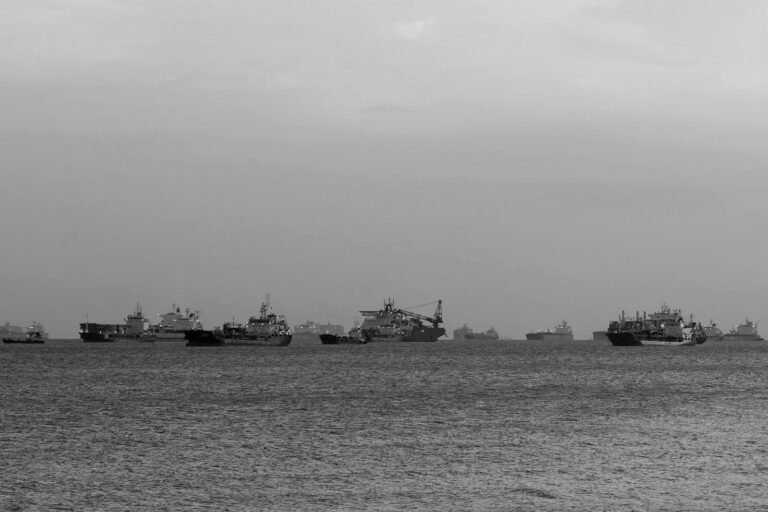
Admiralty Court Act Bangladesh 2026: Jurisdiction, Ship Arrest and Procedure
Vessel Arrest and Release in Bangladesh: The Admiralty Framework
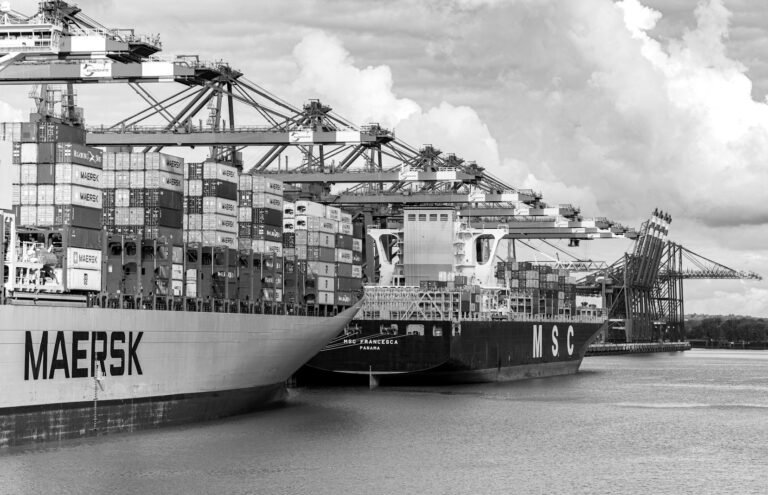
Bill of Lading Disputes in Bangladesh 2026: House Bills, Freight Forwarders and Delivery Without Originals
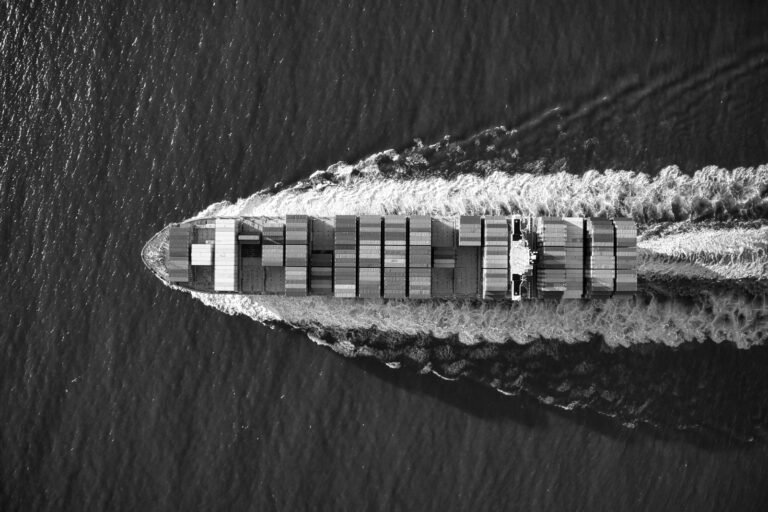
Maritime Arbitration in Bangladesh: Charter Party Disputes and Arbitration Act 2001
All insights →
Which court hears admiralty cases in Bangladesh?
Can a sister ship be arrested?
What is a maritime lien?
Do bunker suppliers have arrest rights?
How long does an admiralty suit take?
Can a vessel be sold by the court?
Do shipping agents in Bangladesh need a licence?
How do we contact TRW about an urgent shipping matter?
Protect your ship, cargo and claims in Bangladesh
Speak with the partners about Admiralty in Bangladesh or across borders.
Book a consultation →











