
TRW Insight / Immigration & Visa
The July 2025 reset raised the skill and salary bar, closed care recruitment from overseas and made B2 English the norm. For Bangladeshi professionals the route is narrower but still open, provided the job, the sponsor and the money trail are genuine.
UK Skilled Worker visa from Bangladesh: the 2026 rules
A UK Skilled Worker visa from Bangladesh is harder to win in 2026 than at any point since the route opened, and far easier to lose money chasing. The July 2025 reset raised the skill floor to degree level, lifted the general salary threshold to £41,700 and closed overseas recruitment of care workers, the occupation that carried most Bangladeshi applicants into the route. In January 2026 the English standard rose from B1 to B2. Employers now pay more for every hire, and the Home Office revokes sponsor licences at a pace that leaves sponsored workers exposed.
This guide explains the rules as they stand on 20 October 2026 for Bangladeshi nationals and the UK employers who want to hire them: which jobs still qualify, what salary must be paid, how the certificate of sponsorship works, what the application, health surcharge and Immigration Skills Charge cost, how the TB test and English requirement are met from Dhaka, Sylhet or Chattogram, when a family can come too, how switching works inside the UK, and where settlement policy is heading. It closes with the warning signs of the fake sponsorship agents who prey on Bangladeshi job seekers.

Summary: A Bangladeshi worker needs a genuine job offer from a Home Office-licensed sponsor, a certificate of sponsorship, a role at RQF 6 (degree level) or on a temporary shortage list, pay of at least £41,700 or the occupation's going rate if higher, and English at B2. Care worker recruitment from overseas is closed. The employer, not the worker, must bear the sponsorship costs, and anyone selling a "guaranteed" UK work visa is running a scam.
Key point: No lawful UK sponsor sells a certificate of sponsorship. Sponsors are banned from passing the licence and certificate costs to the worker, and the Home Office will normally revoke a licence where they do. If an agent in Bangladesh asks for lakhs of taka to "arrange" a sponsor, treat it as fraud and report it.
At a glance
Degree-level jobs
New applicants generally need a role at RQF 6. Medium-skilled roles qualify only through a temporary shortage list.
£41,700 or going rate
The general salary threshold since 22 July 2025, with a reduced £33,400 floor for new entrants and some others.
English at B2
Required for new applicants since 8 January 2026, across reading, writing, speaking and listening.
Care route closed
Care workers and senior care workers can no longer be recruited from overseas, including from Bangladesh.
Settlement in flux
Five years to settlement still applies, but a ten-year earned settlement model is due to be set out before the end of 2026.
Table of Contents
How the UK Skilled Worker visa from Bangladesh works after July 2025
The Skilled Worker route is a sponsored work visa. A Bangladeshi applicant cannot apply on their own initiative: they need a confirmed job with a UK employer that holds a Home Office sponsor licence, and that employer must assign a certificate of sponsorship describing the role.[1] The application then tests the job, the pay, the English language level and, from Bangladesh, the applicant's TB status and available funds.
The legal basis is Appendix Skilled Worker to the Immigration Rules. It uses a points table, but in practice every point is mandatory: sponsorship, an eligible job at the right skill level, English at the required level and a salary that clears both the general threshold and the occupation's going rate.[7] There is no way to trade a stronger English score against a lower salary, or a better degree against an ineligible occupation.
The 22 July 2025 reset
Statement of Changes HC 997, published on 1 July 2025, implemented the first wave of the May 2025 immigration White Paper. From 22 July 2025 it raised the skill threshold for new Skilled Worker applicants to RQF 6, lifted the general salary threshold from £38,700 to £41,700, ended overseas recruitment into social care roles and created a time-limited Temporary Shortage List for selected sub-degree occupations.[8] About 180 occupations dropped out of eligibility for new entrants.[8]
Who keeps the old rules
Workers already in the route before 22 July 2025 are largely protected from the higher skill threshold. Appendix Skilled Worker lets an applicant who was granted permission under the pre-22 July 2025 rules, and has held continuous permission since, continue to rely on the medium-skilled occupation tables when extending, changing employer or taking supplementary work.[7] The new salary thresholds, however, came in without transitional relief, so a worker changing job in 2026 must check the pay figure that applies to their own certificate date.[8]
Skill level: RQF 6 and the Temporary Shortage List
RQF 6 is the level of a UK bachelor's degree. The test is about the occupation, not the applicant's personal qualifications: the job's four-digit occupation code must be one the Home Office classes as higher skilled.[1] A Bangladeshi graduate offered a role whose occupation code sits below RQF 6 does not qualify for a UK Skilled Worker visa from Bangladesh merely because they hold a degree.
Higher-skilled and medium-skilled occupations
Higher-skilled occupation codes are eligible in their own right. Medium-skilled codes are eligible only where the job is on the Immigration Salary List or the Temporary Shortage List, where the applicant is a prison officer extending or switching, or where the applicant's first certificate of sponsorship was issued before 22 July 2025.[1] For a new applicant in Dhaka, that means the employer's choice of occupation code is the first and most important decision in the case. A code chosen to fit the route, rather than the actual duties, is a sponsor compliance breach and a refusal risk.
The Temporary Shortage List until 31 December 2026
The interim Temporary Shortage List keeps a limited number of medium-skilled roles open. Appendix Skilled Worker requires the certificate of sponsorship for a role on that list to have been issued before 31 December 2026.[7] Roles on the list carry no salary or fee discount, and new workers sponsored for them cannot bring dependants.[8]
On 23 July 2026 the Migration Advisory Committee published its Stage 2 report on the Temporary Shortage List. Of 82 medium-skilled occupations reviewed, it recommended 28 for continued access, each for 18 months, running from January 2027 to the end of June 2028 if the government accepts the advice.[9] The MAC expects the Home Office to act before 31 December 2026, but the recommendations change nothing until they are written into the Immigration Rules.[9] A Bangladeshi candidate for a medium-skilled role should press the employer to assign the certificate of sponsorship well before the year-end cut-off.
The Immigration Salary List
The Immigration Salary List survives within the post-2025 framework and still carries lower application fees: £628 for up to three years and £1,235 for longer, wherever the application is made.[6] For an occupation on that list the general threshold falls to £33,400, but the full going rate still applies.[15]
Salary thresholds in 2026
The standard rule is that the salary must be the higher of £41,700 a year or the going rate for the occupation code.[1] The going rate is set code by code in a published table, so a role can clear £41,700 and still fail: the Home Office's own example is a £42,000 salary refused because the going rate for that job is £45,000.[1] The employer must also pay at least the UK national minimum wage and comply with working-time rules, or the application is refused.[1]
When less can be paid
Reduced salary routes exist, but never below £33,400 a year, and the going rate still applies at a set percentage.[15] An applicant who is under 26, is on or recently held a UK Student or Graduate visa, or is working towards a recognised professional qualification may be paid 70% of the going rate, but total UK stay on that basis cannot exceed four years, including time on a Graduate visa.[15] A relevant STEM PhD allows 80% of the going rate with a £33,400 minimum, and a relevant non-STEM PhD 90% with a £37,500 minimum.[15] Jobs on the Immigration Salary List also carry the £33,400 floor, with the full going rate.[15]
Healthcare and education roles
Jobs on the eligible healthcare and education list follow national pay scales. For these roles the salary must be at least £25,000, or the going rate under the relevant NHS or teaching pay scale if that is higher, and the rule applies in both the public and private sectors.[1] This remains the most realistic route for Bangladeshi doctors, nurses and allied health professionals who hold the required UK registration.
Salary at settlement
The salary test returns at the end of the route. An applicant for indefinite leave to remain as a Skilled Worker must still be paid at the level the settlement rules specify, which for the general row is at least £41,700 a year, with lower rows for specified categories.[7] A Bangladeshi worker who accepts a role that pays exactly the entry threshold should negotiate pay progression from the start, because a salary that stands still while thresholds rise can block settlement five years later.
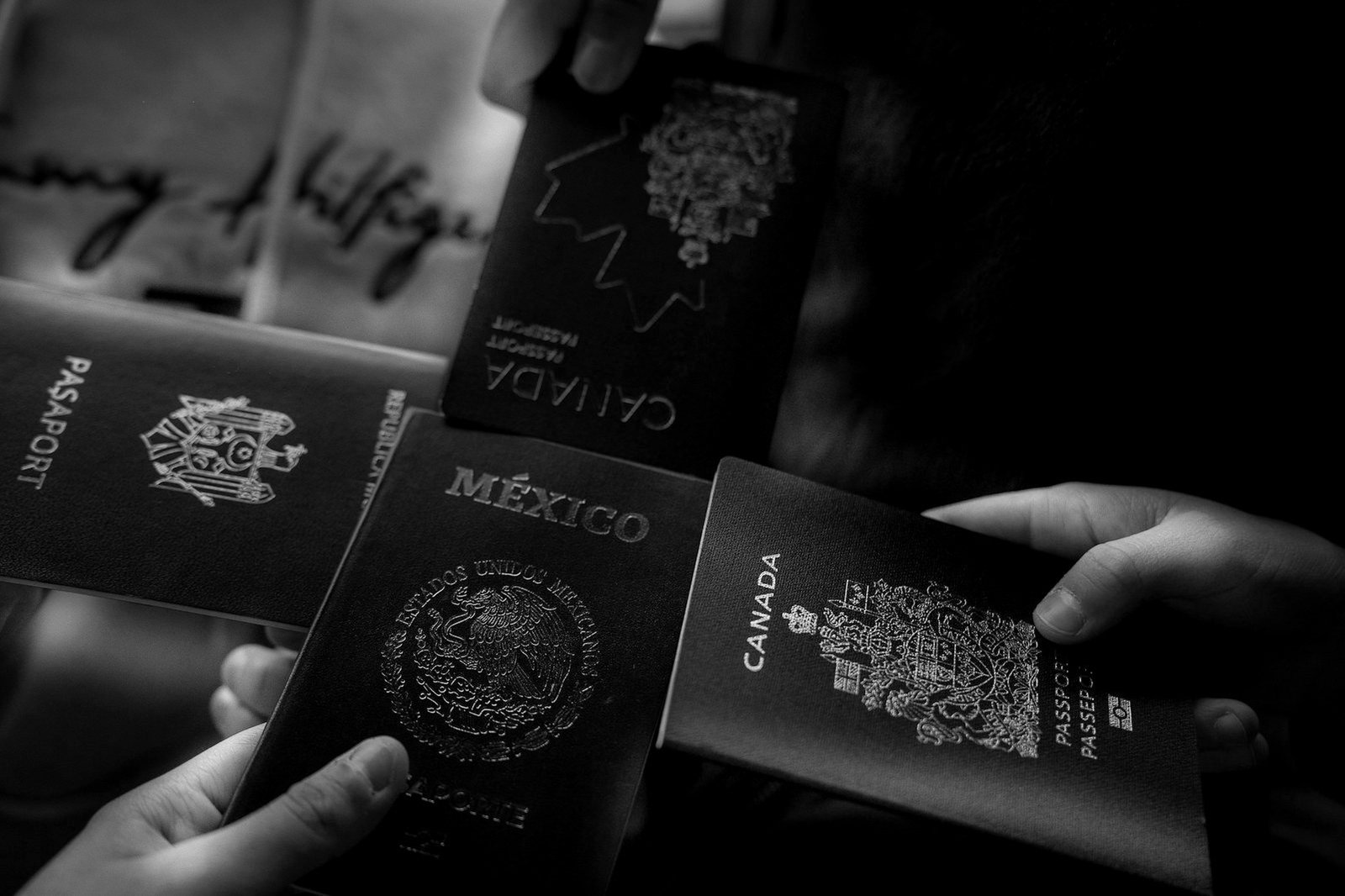
The care worker route is closed to new overseas recruits
For many Bangladeshi families the UK care sector was the gateway. That door shut on 22 July 2025, when overseas recruitment for care worker and senior care worker roles ended.[8] The Health and Care Worker visa still exists for doctors, nurses and other regulated health professionals, but a person in Bangladesh can no longer obtain a new visa as a care worker.
In-country switching into care roles remains open until 22 July 2028, but only for workers who have been legally employed by their sponsor for at least three months before applying.[8] Care workers who arrived before the change and have worked continuously since before 11 March 2024 keep the right to bring dependants; most later arrivals do not.[4]
The closure created a market for fraud. Agents in Bangladesh continue to advertise "care visas" and "UK care jobs with sponsorship" months after the route closed to overseas applicants. Any offer of a new care worker visa for someone currently in Bangladesh should be treated as false unless a UK-qualified adviser has checked the role, the occupation code and the sponsor.
The certificate of sponsorship and the UK sponsor
The certificate of sponsorship is an electronic record, not a paper document. The sponsor assigns it through the Home Office sponsorship system, and it carries a reference number the applicant enters in the visa application.[1] It records the job title, occupation code, salary, hours and start date, and the visa application must match it. The applicant must apply within three months of receiving the certificate and can apply up to three months before the start date it records.[1]
Checking the sponsor before you accept
A real sponsor holds a licence issued by the Home Office, and the government publishes a register of licensed sponsors. Before accepting an offer, a Bangladeshi applicant should confirm that the employer is on that register under its correct legal name, that the town matches the job location, and that the licence covers the Skilled Worker route. For care roles in England, the employer must also be registered with the Care Quality Commission.[1]
Costs the employer must carry
The 8 October 2026 fees table sets the sponsor licence fee at £611 for small sponsors and £1,682 for large sponsors, and the certificate of sponsorship fee at £525 per Skilled Worker certificate.[6] That is more than double the £239 charged before the 2025 increase.[11] On top of those, the employer pays the Immigration Skills Charge, which increased on 16 December 2025 from £1,000 to £1,320 a year for medium and large sponsors and from £364 to £480 a year for small and charitable sponsors.[10] For a five-year certificate at a large sponsor, the Immigration Skills Charge alone is £6,600.
Since 31 December 2024 and 1 January 2025, the sponsor guidance expressly bans sponsors from passing on the costs of the licence and the certificate of sponsorship to the worker, including through clawback clauses in employment contracts, and the Home Office will normally revoke a licence that breaches the ban.[11] A worker in Bangladesh who is asked to "reimburse" the certificate fee, the Immigration Skills Charge or the employer's licence costs is being asked to fund a breach of the sponsor's duties.
English at B2 for a UK Skilled Worker visa from Bangladesh
From 8 January 2026, new Skilled Worker applicants must show English at B2 on the Common European Framework of Reference, across reading, writing, speaking and listening.[2] [7] B2 is a step above the B1 level that applied before, and it is a real hurdle: an applicant who scraped B1 in an earlier test will need to resit at the higher level.
Who still needs only B1
A worker who already held a Skilled Worker visa before 8 January 2026 and is extending or updating it needs only B1. A person switching from another visa needs B2, unless switching from a Health and Care Worker visa, in which case no fresh proof is required.[2]
Proving English from Bangladesh
Bangladesh is not one of the majority English-speaking countries whose nationals are exempt. The usual routes for a Bangladeshi applicant are a Secure English Language Test with an approved provider, a UK degree, or a non-UK degree taught in English that Ecctis confirms is equivalent to at least a UK bachelor's degree and was taught in English.[2] Doctors, dentists, nurses and midwives who passed an English assessment accepted by their UK regulator are exempt.[2] For most graduates of Bangladeshi universities, the test is quicker and more predictable than an Ecctis assessment, which depends on the university confirming its medium of instruction.
Fees, health surcharge and funds in October 2026
The Home Office fees table effective from 8 October 2026 left the Skilled Worker fees unchanged. An application from outside the UK costs £819 for a certificate of up to three years and £1,618 for longer; inside the UK the fees are £943 and £1,865.[6] The Health and Care Worker visa, for eligible roles, costs £324 or £628.[6]
The Immigration Health Surcharge is £1,035 for each year of permission, payable up front for the applicant and each dependant.[3] The applicant must also show £1,270 in personal funds held for 28 consecutive days, ending within 31 days of the application, unless the sponsor certifies on the certificate of sponsorship that it will cover the first month's costs up to that amount.[3] The priority visa service costs £500 and super priority £1,000 where offered.[6]
On those figures, a single Bangladeshi applicant on a five-year certificate pays £1,618 in visa fees and roughly £5,175 in health surcharge: about £6,800 before the TB test, English test, translations and travel. A couple with one child pays three application fees and three surcharges. The table sets out the main government charges.
| Charge | Who pays | Amount | Notes |
|---|---|---|---|
| Visa fee, up to 3 years | Applicant | £819 outside UK / £943 inside | Immigration Salary List: £628 |
| Visa fee, over 3 years | Applicant | £1,618 outside UK / £1,865 inside | Immigration Salary List: £1,235 |
| Health and Care Worker visa | Applicant | £324 / £628 | Eligible health roles only |
| Immigration Health Surcharge | Applicant and each dependant | £1,035 per year | Paid up front for the whole grant |
| Maintenance funds | Applicant | £1,270 (+£285 partner, £315 first child) | Not needed if sponsor certifies |
| Certificate of sponsorship | Sponsor | £525 | Cannot be passed to the worker |
| Immigration Skills Charge | Sponsor | £1,320 a year (large) / £480 (small) | Since 16 December 2025 |
| Sponsor licence | Sponsor | £1,682 (large) / £611 (small) | One-off application fee |

The TB test and applying from Bangladesh
Bangladeshi applicants coming to the UK for a long-term work visa need a tuberculosis certificate, and the test must come from a clinic approved by the Home Office. The approved clinics are Green Crescent Health Services and the IOM clinic in Dhaka, Green Crescent MediLab and the IOM clinic in Sylhet, and Green Crescent Medical Diagnostic in Agrabad, Chattogram.[13] Green Crescent charges Tk 5,500 for applicants aged 11 and over; IOM charges US$70 for the same group, paid in taka; and the fees are not refunded if the visa is refused.[13]
Our guide to the UK spouse visa from Bangladesh covers the TB process, translation of Bangladeshi civil documents and the visa application centre stage in detail; the same practical steps apply to a UK Skilled Worker visa from Bangladesh and to accompanying family members. The specific point for workers is timing. The certificate, the English test result and the funds evidence must all be valid on the day the application is made, so the medical should be booked once the certificate of sponsorship is confirmed, not months earlier.
Bangladesh-side formalities
Bangladesh regulates its own outward labour migration. The Overseas Employment and Migrants Act 2013 provides for registration of migrant workers and emigration clearance, and governs licensed recruiting agencies and the fees they may lawfully charge. Our guide to migrant worker rights in Bangladesh explains BMET registration, the smart card and the remedies against recruiting agents, and should be read before any payment is made to an intermediary.
Bringing a partner and children
A Skilled Worker in a higher-skilled job can bring a husband, wife, civil partner or unmarried partner, and children under 18.[4] A married couple should have a marriage recognised in the UK; unmarried partners must show at least two years living together, or two years in a relationship with proof of ongoing commitment where they could not live together.[4] A registered nikah nama with a compliant translation is the core evidence for most Bangladeshi Muslim couples.
Where dependants are barred
Workers sponsored for medium-skilled roles, including those on the Temporary Shortage List, generally cannot bring dependants unless they have been continuously employed in such a role on a Skilled Worker visa since before 22 July 2025 or the child was born in the UK.[4] Care workers face the equivalent cut-off of 11 March 2024.[4] A family planning to relocate together should check this before the main applicant accepts a medium-skilled offer, not after.
Funds for dependants
Unless the sponsor certifies maintenance, the family must show £285 for a partner, £315 for one child and £200 for each additional child, on top of the main applicant's £1,270, held for the same 28-day period.[4] Each dependant also pays the application fee and the health surcharge. A dependant's permission normally ends on the same date as the main applicant's.[4]
Switching into the Skilled Worker route inside the UK
Many Bangladeshis reach the route from inside the UK, most often from a Student or Graduate visa. A person already in the UK may switch if the job meets the eligibility rules and they meet the English requirement, and must not leave the Common Travel Area until the decision.[5] A Student visa holder can switch only if they have completed their course, the job starts after the course ends, or they have spent at least 24 months on a full-time PhD.[5]
Visitors, short-term students, seasonal workers, domestic workers in a private household, parents of child students and people on immigration bail cannot switch and must apply from outside the UK.[5] A Bangladeshi visitor who receives a job offer while in London must therefore return to Bangladesh to apply. Working on a visit visa while waiting for sponsorship is a breach that can sink the later application.
Switchers face the same RQF 6 threshold, the same £41,700 or going-rate salary and B2 English as applicants from Dhaka. The main reliefs are the reduced salary rate for current and recent Student and Graduate visa holders and the transitional protection for people who held Skilled Worker permission before the July 2025 and January 2026 changes.[15] [2]
Settlement: five years today, earned settlement tomorrow
Under the current rules, a Skilled Worker can apply for indefinite leave to remain after a continuous period of five years in the UK on qualifying routes.[7] The applicant must still be sponsored, the sponsor must confirm continuing employment at the required salary, and the applicant must pass the Life in the UK test and meet the English requirement.[7] For settlement applications made on or after 26 March 2027, the speaking and listening standard rises to B2.[7]
The ten-year proposal
The government has proposed that the standard qualifying period for settlement rise from five years to ten, with the time reduced or extended according to each person's contribution to the UK.[14] The consultation drew more responses than the government expected. In September 2026 the Home Secretary told the Home Affairs Committee that decisions would be made "very soon", that the policy would be set out later in 2026, and that transitional protection, which was consulted on, had not yet been decided.[14]
What it means for Bangladeshi workers
Two points from the Home Secretary's evidence matter most. First, the policy is intended to reach a broader group than new arrivals. Second, the rules that apply to a settlement application are those in force when it is made, not when the applicant arrived.[14] A Bangladeshi worker who entered on a UK Skilled Worker visa from Bangladesh in 2022 or 2023 should not assume the five-year clock is safe. Keep every payslip, P60 and tax record, avoid gaps in employment and lawful status, and be ready to apply the day you become eligible.
Sponsor licence compliance and the risk to the worker
Sponsor compliance is not only the employer's problem. When the Home Office revokes a licence, the permission of the workers it sponsors is usually cut short, and they must find a new sponsor or leave. A Bangladeshi worker's immigration status is only as secure as the employer's record keeping.
What sponsors must do
A sponsor must offer a genuine vacancy, pay the salary stated on the certificate of sponsorship, report changes in the worker's circumstances and keep right-to-work and personnel records. It must also absorb the licence and certificate costs: passing them to the worker will normally lead to revocation.[11] Underpayment and jobs that do not exist are treated just as seriously, because they defeat the purpose of sponsorship.
Protecting yourself as a sponsored worker
Check that your monthly pay, after any lawful deductions, matches the salary on your certificate of sponsorship; keep your payslips; refuse to sign a contract that makes you repay sponsorship costs; and keep a record of every payment you have made to anyone in connection with the job. If the work promised does not exist when you arrive, take advice at once rather than waiting.
UK Visas and Immigration
Home Office directorate that decides visa applications and licenses and audits sponsors.
Licensed sponsor
UK employer that assigns the certificate of sponsorship and carries the licence, certificate and skills charge costs.
Migration Advisory Committee
Independent body that advises on the Temporary Shortage List and salary thresholds.
Approved TB clinics
Green Crescent and IOM clinics in Dhaka, Sylhet and Chattogram issue the TB certificate.
UK High Commission, Dhaka
Receives confidential reports of UK visa fraud at BangladeshVisaFraud@fcdo.gov.uk.
BMET
Bangladesh's overseas employment bureau, responsible for migrant worker registration and clearance.
Fake sponsorship agents in Bangladesh
The UK High Commission in Dhaka has repeatedly warned about a rise in false claims about UK visas in Bangladesh, with individuals and agents promising guaranteed visas or jobs. It advises applicants to rely only on official sources and to report suspected UK visa fraud confidentially to BangladeshVisaFraud@fcdo.gov.uk.[12]
The red flags
The scams follow a pattern. The agent promises a guaranteed visa or a job "with sponsorship" in exchange for a large fee, often paid in instalments as the "certificate of sponsorship", the "work permit" and the "visa file" are said to progress. The documents may use the names of real UK companies that are not recruiting, or forged Home Office letters. Some victims receive a real certificate of sponsorship from a non-compliant sponsor, obtain a visa, and arrive in the UK to find there is no job, leaving them in debt and out of status within weeks.
Rules that expose the scam
- There is no "work permit" separate from the visa: the UK system is a certificate of sponsorship followed by a visa application made by the worker on GOV.UK.[1]
- The sponsor must pay the licence fee, the certificate fee and the Immigration Skills Charge, and cannot recover them from the worker.[10] [11]
- Care worker visas are no longer available to applicants recruited from overseas.[8]
- No agent can guarantee a decision. Only the Home Office decides, and it assesses the job, the salary and the sponsor as well as the applicant.
A person who has already paid should preserve every receipt, bank transfer record, message and contract. Under Bangladeshi law, recruiting agents and intermediaries who take money on false promises of overseas jobs face civil claims and criminal liability; our migrant worker rights guide explains how complaints and recovery claims are brought.
Step-by-step: applying for a UK Skilled Worker visa from Bangladesh
The sequence below reflects how a well-run application proceeds from first contact with an employer to arrival in the UK.
Check the job and code
Confirm the occupation code, its skill level and going rate, and whether the role is higher skilled or on a shortage list.
Verify the sponsor
Find the employer on the register of licensed sponsors and confirm the name, location and Skilled Worker licence.
Agree the salary
Make sure pay clears £41,700 or the going rate, or a reduced rate you genuinely qualify for, and leaves room to rise.
Pass a B2 English test
Book an approved Secure English Language Test at B2, or obtain an Ecctis assessment of an English-taught degree.
Take the TB test
Attend a Home Office-approved clinic in Dhaka, Sylhet or Chattogram once the certificate of sponsorship is confirmed.
Prepare funds and documents
Hold the required funds for 28 days unless the sponsor certifies maintenance, and prepare translated civil documents for dependants.
Apply online
Enter the certificate reference, pay the fee and health surcharge, and attend the visa application centre for biometrics.
Arrive and stay compliant
Keep payslips and records, check pay matches the certificate and plan early for extension and settlement.

Mistakes to avoid and practical strategy
Most failed applications from Bangladesh fail for avoidable reasons, and most money lost is lost before an application is ever made.
- Paying for sponsorship. Any payment demanded for a certificate of sponsorship, a licence or the Immigration Skills Charge is either a scam or a sponsor breach. Either way it endangers the visa.
- Ignoring the occupation code. A job title means nothing; the code decides the skill level and the going rate. Ask the employer which code it will use and check it.
- Testing at the wrong level. A B1 result no longer suffices for a new applicant. Book a B2-level approved test.
- Weak funds evidence. Bank balances must be held for 28 consecutive days and the statement must end within 31 days of applying, unless the sponsor certifies maintenance.[3]
- Missing the shortage-list window. For a medium-skilled role, the certificate must be issued before 31 December 2026 under the current rules.[7]
- Accepting a role that bars the family. Medium-skilled and care roles generally exclude dependants for new workers.[4]
For employers, the best protection is a compliant recruitment file: a genuine vacancy, a defensible occupation code, salary records that match the certificate, and direct contact with candidates rather than through unlicensed intermediaries. For Bangladeshi professionals, a UK Skilled Worker visa from Bangladesh remains achievable in engineering, technology, finance, health and academia, where degree-level roles pay above the threshold. Those whose skills sit below RQF 6 should weigh other destinations, or the US options covered in our guides to the H-1B visa from Bangladesh and US immigration from Bangladesh.
TRW's global mobility and business immigration practice prepares the Bangladesh-side evidence UK applications depend on, from degree verification and translations to police clearance and funds documentation, and acts for victims of recruitment fraud in Bangladesh.
Frequently asked questions
What is the minimum salary for a UK Skilled Worker visa from Bangladesh in 2026?
Generally £41,700 a year or the going rate for the occupation, whichever is higher. Reduced rates with a £33,400 floor apply to recent students and graduates, under-26s, some PhD holders and Immigration Salary List jobs, and healthcare and education roles follow national pay scales with a £25,000 minimum.[1] [15]
Can I still get a UK care worker visa from Bangladesh?
No. Overseas recruitment for care worker and senior care worker roles ended on 22 July 2025. In-country switching remains possible until 22 July 2028 for people already working legally for their sponsor for at least three months.[8]
What English level do I need?
B2 in reading, writing, speaking and listening for new applicants since 8 January 2026. Workers who held a Skilled Worker visa before that date and are extending need only B1.[2]
Does my degree make me eligible for a UK Skilled Worker visa from Bangladesh?
How much does the visa cost in October 2026?
Can an employer ask me to pay for the certificate of sponsorship?
No. Sponsors are banned from passing on the licence and certificate of sponsorship costs to the worker, including through clawback clauses, and the Home Office will normally revoke a licence that does so.[11]
Can I bring my wife and children?
Yes, if your job is higher skilled. Workers newly sponsored in medium-skilled or care roles generally cannot bring dependants. Each dependant pays the fee and surcharge and must show funds unless the sponsor certifies maintenance.[4]
Where do I take the TB test in Bangladesh?
Only at a Home Office-approved clinic: Green Crescent or IOM in Dhaka and Sylhet, or Green Crescent in Agrabad, Chattogram. Certificates from other clinics are not accepted.[13]
Will I get settlement after five years?
How do I report a UK visa scam in Bangladesh?
The UK High Commission accepts confidential reports at BangladeshVisaFraud@fcdo.gov.uk. Keep all receipts and messages, because they also support a complaint or claim against the agent in Bangladesh.[12]
Source register
Primary legal and regulatory sources
Materials checked on 20 October 2026. Confirm the current official text before relying on any provision.
- GOV.UK — Skilled Worker visa: your job
- GOV.UK — Skilled Worker visa: knowledge of English
- GOV.UK — Skilled Worker visa: how much it costs
- GOV.UK — Skilled Worker visa: your partner and children
- GOV.UK — Skilled Worker visa: switch to this visa
- Home Office — Immigration and nationality fees, 8 October 2026
- Immigration Rules — Appendix Skilled Worker
- EIN, 1 July 2025 — Major changes to Immigration Rules raise Skilled Worker thresholds and end overseas care recruitment (HC 997)
- Harper Macleod — The Temporary Shortage List: MAC Stage 2 report (23 July 2026)
- NHS Employers, 16 December 2025 — Immigration Skills Charge increase
- Foot Anstey, January 2025 — Business immigration updates: ban on passing sponsorship costs to workers
- Bangladesh Monitor, June 2026 — UK warns over rise in visa fraud, urges reporting of scams
- GOV.UK — Tuberculosis testing in Bangladesh
- EIN, 24 September 2026 — Home Secretary tells MPs earned settlement policy will be set out later this year
- GOV.UK — Skilled Worker visa: when you can be paid less
Related TRW assistance
Move from information to a defined next step
TRW prepares the Bangladesh-side evidence that UK work visa applications depend on, from degree verification, translations and police clearance to funds documentation, and acts for Bangladeshi workers defrauded by recruitment agents. Explore our global mobility and business immigration practice and immigration and visa services, or contact TRW to discuss your case.