
Energy & infrastructure / Power, projects and project finance
Bankable energy and infrastructure projects, from approvals to commercial operation.
TRW & Co acts as energy lawyers in Bangladesh for developers, sponsors, lenders, contractors and suppliers in power, renewables, gas, LNG and transport infrastructure, covering licensing, offtake contracts, PPP structures, project finance and disputes.

Power purchase, implementation and land agreements negotiated so that tariff, risk allocation and termination terms support financing and long-term operation.
Security packages, direct agreements, foreign loan approvals and legal opinions for commercial lenders, export credit agencies and development finance institutions.
Payment claims, delay and variation disputes, tariff reviews and arbitration under construction, supply and offtake contracts, in Bangladesh and abroad.
Developers, lenders and contractors work with TRW to reach financial close and protect project value.
Power generation and renewable projects
We advise developers and sponsors on solar, wind, gas-fired and other generation projects, from tender participation to commercial operation. As energy lawyers in Bangladesh, we cover power purchase agreements with the state offtaker, implementation agreements with government, land and grid connection arrangements, generation licences from the energy regulator, and environmental clearance. We focus on the clauses that drive bankability: tariff indexation, payment security, change in law, force majeure, termination compensation and the dispute resolution forum.
- Tender and bid review
- PPA and implementation agreements
- Licences and environmental clearance
- Grid connection and land
Project finance and lender security
Large energy and infrastructure projects in Bangladesh are usually financed by a mix of local banks, international commercial lenders, export credit agencies and multilateral institutions. We act for lenders and borrowers on facility documentation, onshore security, assignment of project contracts, direct agreements with government counterparties and foreign loan approvals. We also prepare the Bangladesh law capacity and enforceability opinions that international lenders require, working with their English or New York counsel.
- Onshore security and perfection
- Direct agreements and step-in
- Foreign loan approvals
- Bangladesh law legal opinions
Oil, gas and LNG
Upstream exploration, gas supply, LNG import and regasification, pipeline and LPG distribution all involve state counterparties, sector-specific licences and long-term contracts priced in foreign currency. We advise international energy companies, traders, service contractors and local distributors on production sharing and service arrangements, LNG and gas sale agreements, terminal and storage contracts, petroleum and LPG licensing, and the foreign exchange approvals needed to make and receive payments.
- Production sharing and service contracts
- LNG and gas supply agreements
- Petroleum and LPG licensing
- Foreign currency payment approvals
Construction and infrastructure disputes
Infrastructure contracts in Bangladesh frequently run late, change in scope or stall over unpaid certificates. As energy lawyers in Bangladesh, we advise contractors, employers and subcontractors on notices, claims for extension of time and additional cost, variation disputes, performance security calls and termination. Where a dispute cannot be resolved commercially, we act in dispute board proceedings, domestic and international arbitration and related court applications, including injunctions against encashment of bank guarantees.
- Contractual notices and time bars
- Delay and variation claims
- Performance security disputes
- Arbitration and court applications
“Demonstrates an extraordinary command over both domestic litigation and international arbitration.”
The Legal 500 Asia Pacific, Bangladesh: Dispute resolution, client feedback
Read the Legal 500 profile ↗Explore related practices
The practice areas our energy lawyers in Bangladesh draw on most often for this sector.
Renewable Energy Projects in Bangladesh
Solar, wind and storage project development, tenders, power purchase agreements, net metering and approvals.
Project & Infrastructure Finance
Limited recourse financing, security, direct agreements and lender due diligence for energy and infrastructure assets.
 Energy (Oil & Gas) Legal Support in Bangladesh
Upstream contracts, gas supply, LNG, petroleum licensing and commercial arrangements with state energy companies.
Construction Claims & Project Disputes
Delay, disruption and payment claims, performance security disputes and arbitration on infrastructure projects.
Read before you decide.
Further reading from our energy lawyers in Bangladesh, updated for 2026.
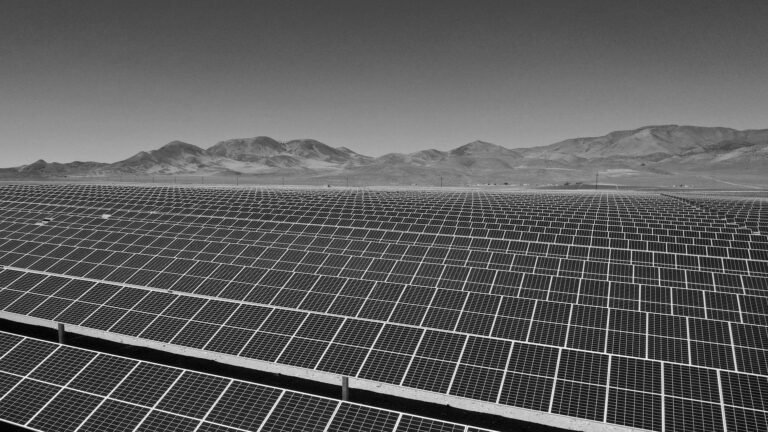
Energy Transition in Bangladesh 2026: Legal Framework, Power Projects and Carbon Markets
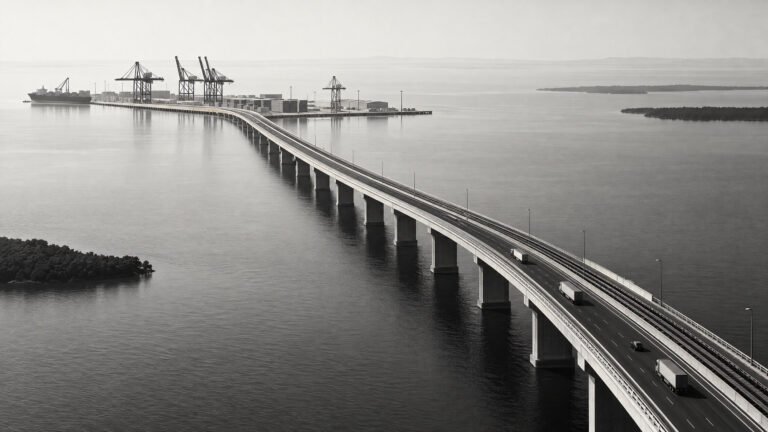
PPP Projects in Bangladesh: a legal and commercial guide

Infrastructure Projects in Bangladesh: G2G, PPP and Project Development Law

Energy Company Registration in Bangladesh: 2026 Guide

Land Acquisition in Bangladesh: 2026 Guide

Environmental Compliance in Bangladesh 2026: ECC Renewal, ETPs, Inspections and Penalties
Invest Bangladesh Act, 2026: The Industrial-Area Investment Framework
ICSID Investment Arbitration in Bangladesh 2026: Treaties, Cases and Investor Protection

Foreign Loan Approval in Bangladesh 2026: Invest Bangladesh, Bangladesh Bank and the Scrutiny Committee

Bank Guarantees in Bangladesh: A Practical 2026 Guide
All insights →
01What energy lawyers in Bangladesh do
Energy lawyers in Bangladesh advise on the contracts, approvals and disputes that sit behind power plants, gas fields, LNG terminals, transmission lines, ports and other large infrastructure. The work is commercial and regulatory at once: a single solar project may involve a tender, a power purchase agreement with the state offtaker, an implementation agreement with government, land arrangements, environmental clearance, a generation licence, foreign currency loans and an EPC contract with an overseas contractor.
Clients include independent power producers, international developers, utilities, EPC contractors, equipment suppliers, fuel suppliers, commercial lenders and development finance institutions. Because the state is usually the counterparty, and often the regulator and the financier as well, energy lawyers in Bangladesh must understand how government decisions are made and recorded, not only what the documents say.
02The sector's institutions and regulators
Policy for the sector is set by the Ministry of Power, Energy and Mineral Resources through its Power Division and Energy and Mineral Resources Division. The Bangladesh Energy Regulatory Commission (BERC), established under the Bangladesh Energy Regulatory Commission Act 2003, issues licences and has a role in tariff setting. The Bangladesh Power Development Board acts as the principal single buyer of electricity, and Petrobangla and its subsidiaries dominate gas exploration, production and distribution.
Other bodies matter at the project level. The Sustainable and Renewable Energy Development Authority promotes renewables, the Department of Environment issues environmental clearance, and Invest Bangladesh (formerly BIDA and BEZA), which began operating in August 2026, now handles investment registration, economic zones and public-private partnerships. Bangladesh Bank controls foreign exchange, and the National Board of Revenue (NBR) administers the tax and customs regime. Energy lawyers in Bangladesh map these touchpoints at the start of every project.
03Recent policy changes energy lawyers in Bangladesh are tracking
The sector has changed significantly since 2024. The special-provisions law that allowed power and energy contracts to be awarded without competitive tender was repealed in late 2024, and a number of legacy contracts have been reviewed by government. New capacity is expected to be procured through competitive processes, and renewable energy policy has been revised to encourage private solar and other clean generation.
Institutional reform has followed. The Invest Bangladesh Act 2026 merged the former investment, economic zone and PPP agencies into a single authority, so approval routes and forms differ from those described in older guidance. Developers should treat any summary of the law, including this one, as a starting point and confirm the current position with specialist counsel before committing to a bid or a contract structure.
04Licensing and project approvals
A generation project typically needs a generation licence from BERC, environmental clearance from the Department of Environment, land rights, grid connection consent from the transmission utility and, depending on location, approvals from local and sectoral authorities. Foreign-owned project companies also register with Invest Bangladesh and obtain the usual corporate, tax and VAT registrations. Petroleum, gas and LPG activities carry their own licences and safety approvals.
Approvals are often sequential, and one delayed consent can hold back financial close. Lenders will usually make each permit a condition precedent, so a realistic approvals plan is part of the financing timetable. Energy lawyers in Bangladesh prepare permit matrices, track renewal dates and advise on conditions attached to approvals, since breach of a condition can expose a project to suspension or penalties under the Environment Conservation Act 1995 and other legislation.
05Power purchase and implementation agreements
The power purchase agreement is the commercial heart of most generation projects. It sets capacity and energy payments, dispatch rules, metering, indexation, penalties for underperformance and the consequences of default. The implementation agreement with government usually addresses support undertakings, change in law, political force majeure, buy-out on termination and the dispute resolution forum.
Bankability turns on details: whether payments are in or linked to foreign currency, what payment security is provided, how delays by the offtaker are compensated and whether termination payments cover outstanding debt. Payment arrears by state counterparties have been a recurring concern in recent years, so energy lawyers in Bangladesh pay close attention to late payment interest, escrow or letter of credit support and the practical route to enforcement. They also check that PPA definitions match those in the implementation agreement and finance documents, since inconsistent drafting is a common source of later disputes.
06Public-private partnerships and procurement
Public-private partnerships are governed by the Bangladesh Public-Private Partnership Act 2015 and related rules and guidelines, now administered through Invest Bangladesh following the 2026 merger of the former PPP Authority. Projects may be solicited through competitive tender, and government-to-government arrangements have also been used for large infrastructure. Each route carries different procedural requirements and different risks of later challenge.
Projects procured by ministries and state entities outside the PPP framework are subject to the Public Procurement Act 2006 and its rules, which govern tender procedure, evaluation, complaints and review. Bidders should read tender documents carefully, raise clarifications in time and preserve their right to complain. Energy lawyers in Bangladesh can review bid submissions, joint venture and consortium agreements, and draft concession terms that allocate construction, demand and political risk sensibly. Early advice on eligibility and consortium structure often avoids disqualification at evaluation.
07Gas, LNG and fuel supply
Bangladesh relies increasingly on imported LNG and fuel to supplement declining domestic gas production. Long-term LNG sale and purchase agreements, spot cargo purchases, floating storage and regasification arrangements and onshore terminal projects all raise questions of pricing, take-or-pay, delivery risk, force majeure and dispute resolution, often against the background of foreign exchange constraints.
Upstream, Petrobangla contracts with international oil companies under production sharing arrangements, and service contractors supply drilling, seismic and field services. Downstream, LPG import, bottling and distribution require separate licences and safety approvals. Energy lawyers in Bangladesh help suppliers and buyers negotiate these contracts and secure the regulatory and banking approvals needed to make and receive payments in foreign currency.
08Financing energy and infrastructure projects
Project finance in Bangladesh usually combines local currency loans from domestic banks with foreign currency debt from international lenders, export credit agencies and multilateral or bilateral development institutions. Foreign borrowing requires approval under the foreign exchange framework, and the approval process was revised in 2026, involving Invest Bangladesh, Bangladesh Bank and a scrutiny committee for foreign loans.
Lenders take security over project land, plant, accounts, insurances and contract receivables, and they rely on direct agreements with the offtaker and government to obtain step-in rights. Mortgages and charges must be stamped and registered correctly, and some security over state-related assets may require consent. Energy lawyers in Bangladesh prepare the local security documents and legal opinions that let international lenders close with confidence.
09Construction, EPC and operations contracts
Most projects are built under EPC or design-build contracts, often based on FIDIC forms with project-specific amendments, and operated under operation and maintenance agreements. Key issues include completion dates, performance guarantees, liquidated damages, variation procedures, payment mechanics, insurance and the interface between EPC obligations and the PPA. Gaps between these contracts can leave the project company exposed, so energy lawyers in Bangladesh review the whole contract set together, aligning liability caps, delay damages and force majeure relief with what the offtaker and lenders will accept.
Customs and VAT treatment of imported plant, withholding on payments to foreign contractors and permanent establishment risk under the Income Tax Act 2023 should be addressed in the contract price and tax clauses. Contractors also need clarity on work permits for expatriate staff and compliance with the Bangladesh Labour Act 2006 and health and safety requirements on site. Energy lawyers in Bangladesh should also consider how disputes between the contractor, operator and project company will be resolved, and whether those procedures fit with the dispute clauses in the PPA.
10Land, environment and community issues
Land is one of the most common sources of delay. Government projects may acquire land under the Acquisition and Requisition of Immovable Property Act 2017, while private developers usually purchase or lease land and must verify title carefully. Compensation disputes, informal occupants and inaccurate records can all affect the construction programme and, later, the security available to lenders. Energy lawyers in Bangladesh therefore commission title searches early and structure land arrangements around what can be registered and mortgaged.
Environmental and social obligations are increasingly important, particularly where lenders apply international performance standards. Projects need environmental clearance, may require impact assessments and must comply with conditions on emissions, effluent and resettlement. Energy lawyers in Bangladesh work with technical consultants to make sure environmental and social commitments are realistic, documented and reflected in the finance documents.
11Disputes, arbitration and investor protection
Disputes in the sector typically concern late payment by state offtakers, tariff and indexation calculations, delay and variation claims under construction contracts, calls on performance security and termination. Many project contracts provide for arbitration, sometimes seated in Dhaka under the Arbitration Act 2001 and sometimes abroad under institutional rules. Bangladesh is a party to the New York Convention, which supports enforcement of foreign awards.
Foreign investors may also have protection under bilateral investment treaties and, because Bangladesh is a member of ICSID, may be able to bring treaty claims in appropriate cases. Bringing a claim against a state counterparty requires careful attention to notice requirements, limitation and the political context. Energy lawyers in Bangladesh should also consider at the investment stage whether the holding structure benefits from a treaty. TRW's dispute resolution practice, which The Legal 500 Asia Pacific ranks for dispute resolution in Bangladesh, works alongside our projects team on these matters.
12Working with energy lawyers in Bangladesh
When instructing energy lawyers in Bangladesh, sponsors and lenders should look for a team that understands both the transaction documents and how state counterparties behave in practice. Ask how the team keeps up with policy changes, who will prepare the local legal opinions, and how litigators are involved when contracts are drafted so that dispute clauses and notice provisions work when needed.
At TRW & Co, transactional and finance work is led by Barrister Tahmidur Rahman, with Barrister Remura Meheruba Mahbub advising on foreign investment and arbitration and Adv Syed Wahid leading litigation. We work with counsel in the UK, US, UAE, China, India and Singapore, and we aim to give clear written advice that project boards and credit committees can act on.
FAQ
Can a foreign company own a power project in Bangladesh?
When should a developer instruct energy lawyers in Bangladesh?
Is BERC approval needed for every energy project?
How are payment disputes with state offtakers resolved?
What do energy lawyers in Bangladesh advise lenders on?
Does the Invest Bangladesh merger affect existing approvals?
Can a contractor stop a bank guarantee being encashed?
How do I instruct TRW’s energy lawyers in Bangladesh?
Ready to move with confidence?
Speak with our energy lawyers in Bangladesh about your matter, in Dhaka or across borders.
Book a consultation →