
Labour court case in Bangladesh: the full journey, step by step
A labour court case in Bangladesh usually begins as an individual grievance under section 33 of the Bangladesh Labour Act 2006: the worker writes to the employer within thirty days, the employer must inquire and decide within thirty days, and the worker then has thirty days to complain to the Labour Court.
The Labour Court, chaired by a District Judge or Additional District Judge with an employers' and a workers' member, can order reinstatement with back wages or reduce a punishment. Appeals go to the Labour Appellate Tribunal within thirty days, and its decision is final, subject only to the High Court Division's limited writ jurisdiction.
- Where it starts
- A written grievance to the employer by registered post; then a complaint to the Labour Court with territorial…
- Main law
- Bangladesh Labour Act 2006 (ss.23-27, 33, 213-222, 329), as amended up to the Bangladesh Labour (Amendment) Act 2026 (Act No. 43…
- Typical duration
- 2 months for the grievance stage; 1-3 years in the Labour Court despite the 60-day statutory target; 1-2 years more on…
- Who can file
- A worker within the meaning of the Act, including one who has been laid off, retrenched, discharged, dismissed, removed…
Labour court case in Bangladesh: walk through every stage
Press next, use your arrow keys or tap a court on the map. The gold marker shows where your case is, and the green trail shows the route it has taken. For the immersive version, play it full screen.
Read every step as text
 Step 1 · Grievance to the employer
Check eligibility and the clock
The first question is whether the person is a worker under section 2(65); a person given managerial, administrative or supervisory charge in writing is treated as part of the employer and falls outside it. The second is what happened and when the worker came to know of it, because every later deadline runs from that date. Section 33 covers any grievance under Chapter II, including lay-off, retrenchment, discharge, dismissal and removal.
A plain termination by notice under section 26 cannot be challenged under section 33 unless it is alleged to be for trade union activity or made with ulterior motive, or the worker was denied the section 26 benefits.
Where: Worker's lawyer or trade union adviser · Time: A few days · Law: s.2(49)(b) and (65) Bangladesh Labour Act 2006; s.33(1) and (9) Bangladesh Labour Act 2006; s.26 Bangladesh Labour Act 2006 · Documents: Appointment letter, ID card and payslips, Termination, dismissal or show-cause letters, Service book
Tip: Write down the date you received the termination letter. Losing track of it is the most common reason cases fail.
 Step 2 · Grievance to the employer
Send the written grievance
Under section 33(1), the worker must send the grievance in writing to the employer by registered post within thirty days of learning of the cause. If the employer receives it directly and acknowledges receipt in writing, registered post is not needed. The letter should identify the worker, describe the action complained of, explain why it was wrong, for example because no proper inquiry was held under section 24, and state the remedy sought, such as reinstatement with back wages or payment of dues. Keep the postal receipt and acknowledgement card.
Where: Employer's office · Time: Within 30 days of learning of the cause · Law: s.33(1) Bangladesh Labour Act 2006; s.24 Bangladesh Labour Act 2006 · Documents: Grievance letter, Registered post receipt, Acknowledgement card or signed receipt
Tip: The thirty days are applied strictly. Send the grievance early rather than waiting for informal talks to finish.
 Step 3 · Grievance to the employer
Employer's inquiry and hearing
Once the grievance arrives, the employer has thirty days under section 33(2) to inquire into it, give the worker an opportunity to be heard, and communicate a written decision. The worker should attend any hearing, bring documents, and ask for the decision in writing. If the employer reverses the action or pays what is owed, the matter can end here. If the employer does nothing within thirty days, or decides against the worker, the way to the Labour Court opens. A record of the hearing, or of the employer's silence, becomes evidence later.
Where: Employer's office · Time: Up to 30 days · Law: s.33(2) Bangladesh Labour Act 2006 · Documents: Notice of hearing, Employer's written decision, Worker's notes of the hearing
 Step 4 · Grievance to the employer
Consider other routes for money claims
Not every workplace claim needs the section 33 route. Under section 213, a worker, an employer, a collective bargaining agent and, since the 2026 amendment, a trade union may apply to the Labour Court to enforce any right under the Act, an award, a settlement, an agreement or a recognised practice. In a 2026 writ judgment the High Court Division upheld individual workers' use of section 213 to enforce vested pension rights. The lawyer decides which route fits the facts, because the forms, time limits and remedies differ.
Where: Worker's lawyer or trade union adviser · Time: 1-2 weeks · Law: s.213 Bangladesh Labour Act 2006 (as amended 2026); Writ Petition No. 2536 of 2024 (HCD, 03.03.2026) · Documents: Calculation of unpaid dues, Settlement or award relied on, Service rules or pension rules
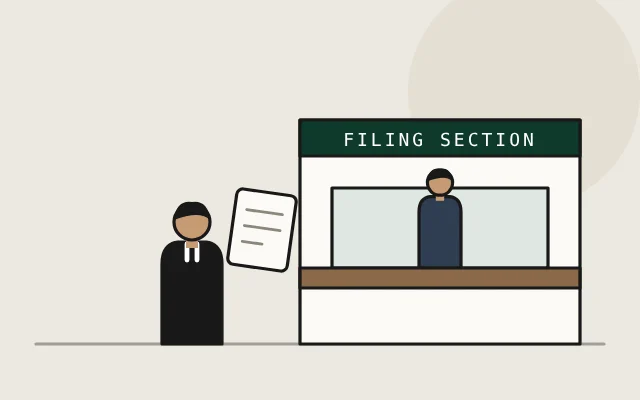 Step 5 · Complaint and reply
File the complaint in the Labour Court
If the employer fails to decide within thirty days, or the worker is dissatisfied with the decision, the worker may file a written complaint in the Labour Court within thirty days of the end of the employer's period or of the employer's decision, under section 33(3). This is the formal start of a labour court case in Bangladesh. The complaint must be in the prescribed form and state the parties, a short statement of the cause, the relief sought, the provision relied on, the date the dispute arose and why the court has jurisdiction.
No court fee is payable.
Where: Labour Court · Time: Within 30 days of the employer's deadline or decision · Law: s.33(3) and (7) Bangladesh Labour Act 2006; s.219 Bangladesh Labour Act 2006; s.220 Bangladesh Labour Act 2006 · Documents: Complaint in the prescribed form, Copy of the grievance and postal receipt, Employer's decision, if any, Authorisation of representative
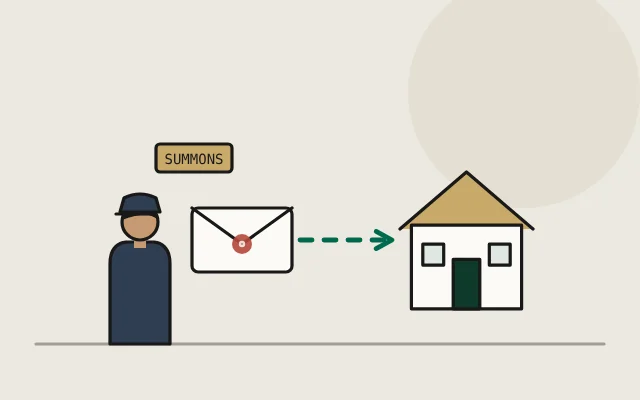 Step 6 · Complaint and reply
Notice and the employer's written reply
The Labour Court serves the employer through a process server, special messenger or registered post, directing a written reply or objection within not more than ten days of filing, as section 216(3) requires. The court may extend this by up to seven days in total, with reasons recorded. If the employer files nothing within that time, the case proceeds to an ex parte hearing under section 216(5). Employers usually reply that the worker was lawfully dismissed after inquiry, that the grievance was out of time, or that the person is not a worker.
Where: Labour Court · Time: 10-17 days in law; often 1-3 months in practice · Law: s.216(3)-(5) Bangladesh Labour Act 2006; s.33(4) Bangladesh Labour Act 2006 · Documents: Notice to the opposite party, Written statement or objection, Service return
 Step 7 · Complaint and reply
Who hears the case
Each Labour Court has a Chairman, appointed by the Government from serving District Judges or Additional District Judges, and two members, one representing employers and one representing workers, chosen from lists published in the Gazette. For trying offences and for wage and compensation matters under Chapters X and XII, the Chairman sits alone. Members advise, may give written opinions, and the judgment must record their views. The Labour Court is subordinate to the Labour Appellate Tribunal, which supervises it and can transfer cases between Labour Courts.
Where: Labour Court · Time: Fixed at constitution · Law: s.214(3), (3A), (4), (6)-(9) and (13) Bangladesh Labour Act 2006; s.218(14)-(15) Bangladesh Labour Act 2006 · Documents: Gazette lists of members
- Step 8 · Trial
Hearings and adjournments
For matters other than offences, section 216(1) makes the Labour Court a civil court with the powers of the Code of Civil Procedure, including summoning witnesses, ordering documents, issuing commissions and passing interim orders to protect the case. Adjournments are capped by law: no more than seven days in total on one party's request, or ten days if both sides ask. If the worker is absent on a hearing date, the case is dismissed, but the court can restore it on application within three months.
If the employer is absent, the case is heard ex parte.
Where: Labour Court · Time: Several months · Law: s.216(1) and (6)-(8) Bangladesh Labour Act 2006 · Documents: Hearing notices, Adjournment petitions, Restoration application, if needed
 Step 9 · Trial
Evidence on the dismissal
In most dismissal cases, the key question is whether the employer followed section 24 before punishing misconduct. That means a written charge, at least seven days to reply, a hearing, an inquiry by a committee with equal employer and worker representatives completed within sixty days, and approval of the dismissal by the employer or manager. The worker testifies and produces appointment and termination papers. The employer produces the show-cause notice, the reply, the inquiry report and any approval. Both sides cross-examine.
Gaps in the employer's file, such as a missing hearing record, often decide the case.
Where: Labour Court · Time: 3-12 months · Law: ss.23-24 Bangladesh Labour Act 2006; s.216(1)(a)-(c) Bangladesh Labour Act 2006 · Documents: Charge sheet and reply, Inquiry report and minutes, Attendance and wage records, Witness statements
 Step 10 · Trial
Settlement at any stage
Many cases settle once evidence begins. If all parties apply to withdraw the case, the Labour Court may allow it at any stage after hearing both sides, provided it is satisfied that the dispute has been settled. A written settlement should state the amount, the payment dates, how service benefits are treated and whether any reference letter or release is given. Under section 222(2), a settlement reached by agreement binds its parties, and section 329 allows money due under a settlement to be recovered through the Labour Court if the employer later defaults.
Where: Labour Court · Time: Any time before judgment · Law: s.216(10) Bangladesh Labour Act 2006; s.222 Bangladesh Labour Act 2006; s.329 Bangladesh Labour Act 2006 · Documents: Settlement agreement, Joint withdrawal application
 Step 11 · Judgment and recovery
Judgment
The Labour Court must deliver its judgment in writing in open court and give each party a copy. By section 216(12) and (13), judgment is due within sixty days of filing, extendable by ninety days for recorded reasons, although in Dhaka a labour court case in Bangladesh often takes longer than this target. The judgment must record the members' opinions. Under section 33(4), the court makes whatever order is just in the circumstances. Collect a certified copy promptly, because the time for appeal is short.
Where: Labour Court · Time: 60 days in law, plus up to 90; often 1-3 years in practice · Law: s.216(11)-(13) Bangladesh Labour Act 2006; s.214(3A) and (11) Bangladesh Labour Act 2006 · Documents: Judgment and order, Certified copy
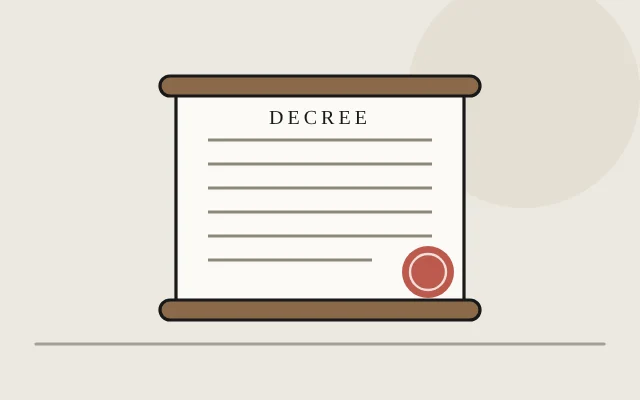 Step 12 · Judgment and recovery
What the court can order
Under section 33(5), the Labour Court may, among other remedies, direct reinstatement of the worker with or without back wages, and may convert an order of dismissal, removal or discharge into one of the lesser punishments listed in section 23(2). Where reinstatement is not appropriate, courts commonly order the benefits and compensation the Act provides for the type of termination, for example under sections 20, 23 or 26. The 2026 amendment also revised the compensation for workers who resign under section 27(4), which can matter where a resignation is disputed.
Where: Labour Court · Time: With the judgment · Law: s.33(5) Bangladesh Labour Act 2006; s.23(2) Bangladesh Labour Act 2006; s.27(4) Bangladesh Labour Act 2006 (substituted 2026) · Documents: Calculation of back wages and benefits, Order of reinstatement or payment
 Step 13 · Judgment and recovery
Recovering the money
If the employer does not pay what the Labour Court or Tribunal ordered, the worker applies to the Labour Court under section 329. The court can recover the money as a public demand, by attachment and sale of movable property, then of immovable property, or as if it were a money decree of a civil court, whichever the worker chooses. The application must normally be made within one year of the money becoming due, although the court can accept a late application for sufficient cause. The Act gives recovery of workers' dues the highest priority.
Where: Labour Court · Time: Within 1 year; recovery 3-12 months · Law: s.329 Bangladesh Labour Act 2006; Public Demands Recovery Act 1913 · Documents: Application under s.329, Certified copy of the judgment, Statement of amounts due
 Step 14 · Judgment and recovery
Reinstatement in practice
Where reinstatement is ordered and the employer does not appeal within thirty days, the worker should report for duty in writing and keep proof. An employer who refuses to comply can face further proceedings in the Labour Court, and back wages keep running as the order directs. The award or decision binds the parties and the employer's successors under section 222(1). If the employer appeals, ask the Tribunal promptly about interim arrangements, because an appeal can take a year or more to decide.
Where: Employer's office · Time: 1-3 months · Law: s.222(1) Bangladesh Labour Act 2006; s.33(5) Bangladesh Labour Act 2006 · Documents: Joining letter, Proof of delivery, Employer's response
- Step 15 · Judgment and recovery
Retaliation and inspector-led claims
The 2026 amendment added protections around the labour court. Under new section 319A, inspectors must keep the source of a complaint confidential, and a worker who reasonably believes the employer is victimising him for complaining to an inspector can raise that grievance in the Labour Court. Inspectors of the Department of Inspection for Factories and Establishments can also order compensation for certain violations under section 317(4)(b) and, if the order is ignored, file a complaint in the Labour Court. These routes can run alongside an individual section 33 case.
Where: Labour Court · Time: Varies · Law: s.319A Bangladesh Labour Act 2006 (inserted 2026); s.317(4)(b) Bangladesh Labour Act 2006 (substituted 2026); s.319(5) Bangladesh Labour Act 2006 · Documents: Complaint to inspector, Inspector's order, Evidence of retaliation
What if…? How the labour court case in Bangladesh can change course
Choose a scenario. The map animates the route up the hierarchy and, where a case is sent back, down to the lower court and up again.
What if a party appeals the Labour Court's order?
- 1Labour Appellate Tribunal
Appeal to the Labour Appellate Tribunal
Any person aggrieved by a Labour Court order under section 33 may appeal to the Labour Appellate Tribunal within thirty days of the order, under section 33(6). The general appeal period in section 217 is sixty days, but the shorter section 33 period should be treated as controlling. No court fee is payable. The Tribunal is chaired by a serving or retired Supreme Court judge and may sit in benches.
Within 30 dayss.33(6) and (7) Bangladesh Labour Act 2006s.217 Bangladesh Labour Act 2006s.218(1)-(6) Bangladesh Labour Act 2006 - 2Labour Appellate Tribunal
Hearing like a first appeal
The Tribunal follows, as far as possible, the procedure of a civil appellate court hearing an appeal from an original decree, so it can review both facts and law. It may confirm, vary or set aside the Labour Court's order. Judgment is due within sixty days of the appeal, extendable by ninety days. Its decision on a section 33 appeal is declared final.
60-150 days in law; often 1-2 yearss.218(7), (10), (11) and (11A) Bangladesh Labour Act 2006
Where it ends up: The Tribunal's decision is final and the case returns to the Labour Court for recovery or reinstatement.
Is there a civil revision against Labour Court orders?
- 1Labour Appellate Tribunal
Revision is replaced by the Tribunal's supervision
Civil revision under section 115 of the Code is designed for civil courts subordinate to the District Judge or High Court Division, and the Act provides no revision against a Labour Court's interim orders. Instead, every Labour Court is subordinate to the Labour Appellate Tribunal, which has superintendence and control over all Labour Courts and can transfer a case on its own motion or on application. A party aggrieved by a serious interim error raises it before the Tribunal, or in the final appeal.
1-3 monthss.214(13) Bangladesh Labour Act 2006s.218(14) and (15) Bangladesh Labour Act 2006
Where it ends up: Interim complaints are handled by the Tribunal's supervision rather than by revision.
Can the Labour Court reopen its own decision?
- 1Labour Court
Restoration and setting aside ex parte orders
The Act's built-in second look is limited. A worker whose case was dismissed for absence can apply within three months to have the dismissal set aside, and the court can set aside an ex parte decision under section 216(1)(e). A fresh case on the same cause is not barred after dismissal for default if filed after three months and not otherwise barred. The Act has no express review of a contested judgment, so the safe remedy against a wrong decision is the thirty-day appeal.
Within 3 monthss.216(1)(e)-(f), (7) and (9) Bangladesh Labour Act 2006
Where it ends up: The same Labour Court restores the case or rehears it after an ex parte order.
Can a point of law be referred to a higher court?
- 1Labour Appellate Tribunal
No reference; questions go up on appeal
The reference procedure in section 113 and Order XLVI of the Code lets subordinate civil courts refer doubtful points of law to the High Court Division, but the Labour Act places Labour Courts under the Labour Appellate Tribunal, not under that procedure, and creates no reference for individual grievances. Government references of collective industrial disputes are a different process. In a section 33 case, a doubtful legal point is decided by the Labour Court and corrected, if needed, by the Tribunal on appeal.
With the appeals.214(13) Bangladesh Labour Act 2006s.33(6) Bangladesh Labour Act 2006
Where it ends up: Legal questions are resolved through the Tribunal appeal instead of a reference.
What if the Tribunal sends the case back?
- 1Labour Appellate Tribunal
Remand for rehearing
Section 218(10) allows the Tribunal, on appeal, to confirm, modify, vary or set aside the Labour Court's judgment, or to send the case back to the Labour Court for rehearing. Remand by the Labour Appellate Tribunal is typical where the Labour Court refused to allow evidence, failed to record the members' opinions, or decided on a preliminary point without hearing the merits.
On judgments.218(10) Bangladesh Labour Act 2006 - 2Labour Court
Rehearing in the Labour Court
The Labour Court restores the case and rehears it on the points the Tribunal identified, taking further evidence where directed. The statutory sixty-day target for judgment still applies to the rehearing, and the court must follow the Tribunal's findings on law. The Tribunal may also transfer the rehearing to a different Labour Court.
3-12 monthss.216(12)-(13) Bangladesh Labour Act 2006s.218(14) Bangladesh Labour Act 2006 - 3Labour Appellate Tribunal
Back up on a fresh appeal
The new judgment is a fresh order under section 33, so a party who is still aggrieved can appeal to the Tribunal again within thirty days. The Tribunal then decides that appeal finally. The case may therefore travel up and down twice before the worker's remedy finally becomes enforceable in the Labour Court.
30 days to appeal; 1-2 yearss.33(6) Bangladesh Labour Act 2006
Where it ends up: The case ends with the Tribunal's final decision after the rehearing.
Can the case go beyond the Tribunal?
- 1High Court Division
Writ petition under Article 102
The Labour Appellate Tribunal's decision is final under the Act, so there is no further statutory appeal. A party can still file a writ petition in the High Court Division under Article 102 of the Constitution, but the court asks only whether the Tribunal acted without jurisdiction, in breach of natural justice or with an error of law apparent on the record. It does not reweigh evidence. In 2026 the High Court Division discharged an employer's writ and upheld the Labour Court and Tribunal.
File promptly; 1-2 yearsArticle 102 Constitution of BangladeshWrit Petition No. 2536 of 2024 (HCD, 03.03.2026) - 2Appellate Division of the Supreme Court
Leave to the Appellate Division
Against the High Court Division's writ judgment, a party can file a civil petition for leave to appeal under Article 103, normally within sixty days. If leave is granted, the Appellate Division hears the appeal and its decision binds all courts. A stay of the Tribunal's order must be sought separately at each level.
60 days to file; 1-3 yearsArticle 103 Constitution of BangladeshSupreme Court of Bangladesh (Appellate Division) Rules 1988
Where it ends up: The Appellate Division's decision ends the case, and recovery or reinstatement follows in the Labour Court.
How the labour court case in Bangladesh moves up the court hierarchy
A labour court case in Bangladesh does not go through the ordinary civil courts or the Civil Courts Act value thresholds. The Labour Court is a special court of first instance, chaired by a District Judge or Additional District Judge, with exclusive jurisdiction over disputes under the Act and no pecuniary limit. Above it sits a single Labour Appellate Tribunal for the whole country, chaired by a serving or retired Supreme Court judge. On a section 33 appeal it rehears facts and law, follows first-appeal procedure, can remand, and its decision is declared final.
There is no second appeal and no civil revision. The High Court Division can intervene only through its writ jurisdiction under Article 102, on jurisdiction, natural justice or clear errors of law, not on the evidence. The Appellate Division hears the matter only if it grants leave under Article 103.
- Appellate DivisionAppellate Division of the Supreme Court
- High Court DivisionHigh Court Division
- Appellate levelLabour Appellate Tribunal
- First instanceLabour Court
- Start · outside courtWorker's lawyer or trade union adviser · Employer's office
Where your case is heard
Addresses are for Dhaka. Every district has equivalent courts at its own district judgeship.
Supreme Court of Bangladesh (Appellate Division and High Court Division)
Supreme Court of Bangladesh, Shahbag, Ramna, Dhaka-1000Hears appeals, revisions, references, writ petitions under Article 102, company matters and death references (High Court Division), and appeals by leave from the High Court Division (Appellate Division).
Both Divisions sit in the Supreme Court complex; many High Court Division benches sit in the Annex Building. Check the daily cause list for the bench and court room. Postal contact is the Registrar General, Supreme Court of Bangladesh, Ramna, Dhaka-1000.
Labour Appellate Tribunal
43 Kakrail, 4 Anjuman Mufidul Islam Road, Dhaka-1000Hears appeals against judgments and orders of the Labour Courts under section 217 of the Bangladesh Labour Act 2006.
Single national tribunal in Dhaka. The official contact is the Registrar, Labour Appellate Tribunal (phone 02-9361851).
Labour Courts, Dhaka (First, Second and Third Labour Courts)
Dhaka (exact address not confirmed)Tries individual and collective labour disputes, wage and compensation claims and offences under the Bangladesh Labour Act 2006.
The 2022 Ministry of Labour gazette (on the Labour Appellate Tribunal site) confirms the First Labour Court, Dhaka and sets each Dhaka labour court's territorial jurisdiction by police station, but no official street address was found. Labour Courts also sit in Chattogram, Khulna, Rajshahi, Narayanganj, Gazipur, Cumilla and other centres.
Worker's lawyer or trade union adviser
Where this happens depends on your district or the office concerned. Ask us for the exact courtroom and address.
Employer's office
Where this happens depends on your district or the office concerned. Ask us for the exact courtroom and address.
How long each stage takes
These are indicative ranges based on typical Dhaka practice. Adjournments, case backlogs and appeals can stretch them.
Documents checklist and key terms
Tick off what you have. Your ticks stay saved in this browser. Bring the list to your first meeting with your lawyer.
- Worker
- A person, including an apprentice, employed for wages in skilled, unskilled, manual, technical, business development or clerical work, other than a person given managerial, administrative or supervisory charge in writing (s.2(65) read with s.2(49)(b)).
- Grievance
- A worker's written complaint to the employer under s.33(1), the mandatory first step before the Labour Court.
- Labour Court
- The special court under s.214, chaired by a District Judge or Additional District Judge with two advisory members.
- Labour Appellate Tribunal
- The national appellate body under s.218 whose decision on a s.33 appeal is final.
- Reinstatement
- An order restoring the worker to the job, with or without back wages, under s.33(5).
- Back wages
- Wages for the period the worker was kept out of work, which the court may order with reinstatement.
- Termination simpliciter
- Ending employment by notice or pay in lieu under s.26, which s.33 does not cover unless victimisation or denial of benefits is alleged.
- Public demand
- A sum recoverable through the certificate procedure of the Public Demands Recovery Act 1913, one of the s.329 recovery options.
Labour court case in Bangladesh: common questions
What are the time limits for a labour court case in Bangladesh?
Do I have to write to my employer before going to court?
Who decides the case?
Does it cost anything to file?
Can the court order my employer to take me back?
How long does a labour court case in Bangladesh take?
Can I appeal if I lose?
What changed in the 2025-26 amendments?
Law and sources
- Bangladesh Labour Act 2006 (consolidated), Laws of Bangladesh
- Bangladesh Labour (Amendment) Act 2026 (Act No. 43 of 2026), Laws of Bangladesh
- Sylhet Gas Fields Ltd v Chairman, Labour Appellate Tribunal, Writ Petition No. 2536 of 2024 (HCD, 03.03.2026)
- Dhaka Tribune: National Parliament passes labour bill (April 2026)
- The Business Standard: Gazette on labour law changes (November 2025)
- Department of Inspection for Factories and Establishments
- Supreme Court of Bangladesh
This Case Journey is a general guide to procedure in Bangladesh as of October 2026. It is not legal advice. Procedure, fees and time limits change, and every case turns on its own facts. Timelines are indicative. Speak to a lawyer about your own matter.
Run this case from outside Bangladesh
You can usually start and run this case without travelling. You sign a power of attorney abroad, the Bangladesh High Commission or Embassy attests it, and your attorney and lawyer act for you in Dhaka. Some steps, such as giving evidence in person, may still need you or a commission. See how a case runs through a power of attorney →
Want to know where your case stands?
Book a consultation. A TRW lawyer will place your matter on this map, explain the next step and the realistic timeline, and tell you what to prepare.