
Case journeys: see how your case moves through Bangladesh’s courts
TRW Case Journeys are interactive, step-by-step maps of real case types in Bangladesh. Each one shows where a case starts, which court or office hears it, every stage with the law behind it, the documents you need, how long it usually takes, and what happens on appeal, revision, review, reference and remand.
- Covers
- Civil, family, land, criminal, commercial, admiralty and Supreme Court matters
- Built from
- The statutes, rules and Supreme Court practice
- Shows
- Stages, courts, addresses, timelines, documents
- Updated
- October 2026
Find your case
Divorce case process in Bangladesh
The divorce case process in Bangladesh depends on who ends the marriage and how: a Muslim husband's talaq, a wife's delegated talaq-e-tafweez or a…
Recovery of possession suit in Bangladesh
A recovery of possession suit in Bangladesh takes one of two forms: a summary suit under section 9 of the Specific Relief Act 1877, filed within six…
Writ petition process in Bangladesh
The writ petition process in Bangladesh begins in the High Court Division under Article 102 of the Constitution, which can quash unlawful acts of…
Pre-emption case in Bangladesh
A pre-emption case in Bangladesh lets a co-sharer buy back a share of jointly held land that another co-sharer has sold to an outsider, by applying…
Money suit in Bangladesh
A money suit in Bangladesh is a civil claim for a debt, an unpaid price or damages, filed in the civil court whose pecuniary limit covers the amount…
Artha Rin case process in Bangladesh
The Artha Rin case process in Bangladesh is the special route banks and financial institutions use to recover defaulted loans under the Artha Rin…
NI Act case process in Bangladesh
The NI Act case process in Bangladesh is the criminal route for a bounced cheque under section 138 of the Negotiable Instruments Act 1881. It runs on…
Bail process in Bangladesh
The bail process in Bangladesh runs from the police station to the Magistrate, then the Sessions Judge, the High Court Division and finally the…
Land survey tribunal case in Bangladesh
A land survey tribunal case in Bangladesh is the suit under section 145A of the State Acquisition and Tenancy Act 1950 to correct a wrong entry in…

Partition suit in Bangladesh
A partition suit in Bangladesh is a civil suit in which one co-sharer asks the court to declare every co-owner's share in joint property and divide…
Declaration of title suit in Bangladesh
A declaration of title suit in Bangladesh asks a civil court to declare under section 42 of the Specific Relief Act 1877 that you own a piece of…
Permanent injunction suit in Bangladesh
A permanent injunction suit in Bangladesh asks a civil court to forbid the defendant, for good, from interfering with your land or other right, under…

Specific performance suit in Bangladesh
A specific performance suit in Bangladesh is how a buyer forces a seller who signed a contract for sale of land (a bainanama) but then refused to…
Cancellation of deed suit in Bangladesh
A cancellation of deed suit in Bangladesh asks a civil court to declare a forged, fraudulent or otherwise void or voidable registered deed invalid…
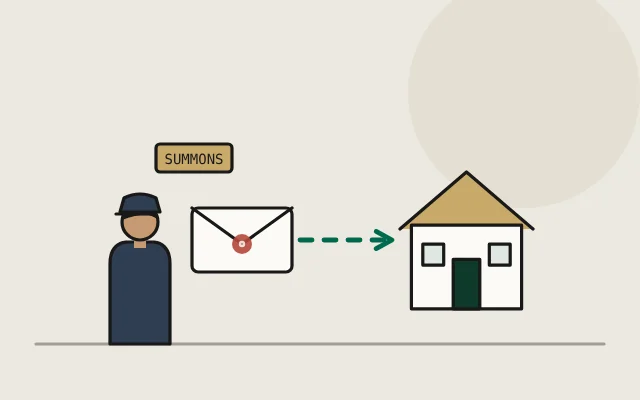
Child custody case in Bangladesh
A child custody case in Bangladesh is heard by the Family Court under the Family Courts Act 2023, which for this purpose acts as the District Court…
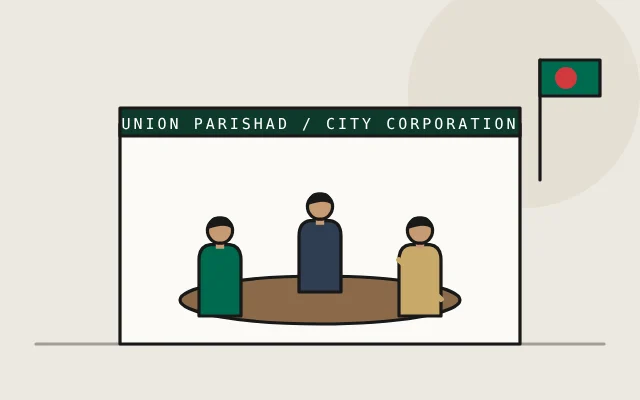
Dower and maintenance case in Bangladesh
A dower and maintenance case in Bangladesh is a wife's suit in the Family Court to recover unpaid dower (denmohor) and maintenance for herself and…
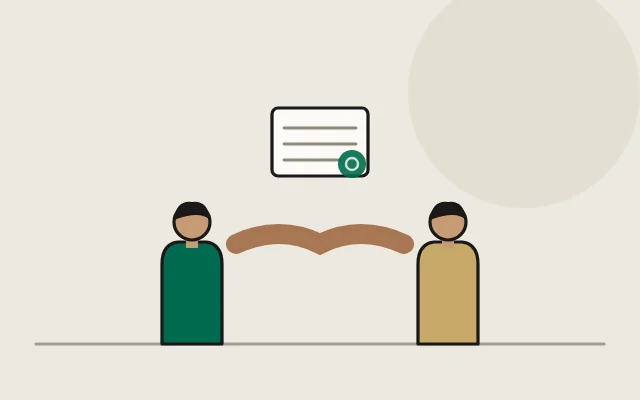
Conjugal rights case in Bangladesh
A restitution of conjugal rights case in Bangladesh is a suit in the Family Court by a spouse asking the court to order the other spouse, who has…
Probate case in Bangladesh
A probate case in Bangladesh is a petition by the executor named in a will asking the District Judge, or a District Delegate, to certify the will as…
Succession certificate process in Bangladesh
The succession certificate process in Bangladesh is the court procedure under Part X of the Succession Act 1925 by which the heirs of a deceased…
Tenant eviction case in Bangladesh
A tenant eviction case in Bangladesh is a civil suit by a landlord to recover possession of a house, flat or shop from a tenant. The Premises Rent…
Execution of decree in Bangladesh
Execution of decree in Bangladesh is the stage at which a winning party, the decree-holder, asks the court to turn a paper decree into money…
Arbitration award enforcement in Bangladesh
Arbitration award enforcement in Bangladesh runs under the Arbitration Act 2001: once the sixty-day window to set an award aside has closed, or a…
Company winding up case in Bangladesh
A company winding up case in Bangladesh is a petition to the High Court Division under Part V of the Companies Act 1994 asking the Court to end a…
Labour court case in Bangladesh
A labour court case in Bangladesh usually begins as an individual grievance under section 33 of the Bangladesh Labour Act 2006: the worker writes to…
Consumer complaint process in Bangladesh
The consumer complaint process in Bangladesh runs under the Consumer Rights Protection Act 2009 along three tracks. A consumer can complain in…
Defamation case in Bangladesh
A defamation case in Bangladesh usually begins as a private complaint (a CR case) under sections 499 and 500 of the Penal Code, filed by the person…
CR case process in Bangladesh
The CR case process in Bangladesh is the route by which a victim takes a criminal allegation straight to a Magistrate by a petition of complaint…
Criminal case process in Bangladesh
The criminal case process in Bangladesh for a police case (a GR case) begins with an FIR at the police station under section 154 of the Code of…
Anticipatory bail process in Bangladesh
The anticipatory bail process in Bangladesh allows a person who fears arrest in a criminal case to appear in person before the High Court Division…
Nari o Shishu case process in Bangladesh
The Nari o Shishu case process in Bangladesh is the special procedure under the Nari o Shishu Nirjatan Daman Ain 2000 for rape, dowry violence…
Dowry case process in Bangladesh
The dowry case process in Bangladesh starts with an FIR at the police station or a complaint petition before a Magistrate under the Dowry Prohibition…
Cyber tribunal case process in Bangladesh
The cyber tribunal case process in Bangladesh now runs under the Cyber Protection Act 2026, which re-enacted the Cyber Protection Ordinance 2025 with…

Narcotics case process in Bangladesh
The narcotics case process in Bangladesh begins with a raid or arrest by the Department of Narcotics Control, police, RAB, BGB or Coast Guard…
Section 145 CrPC case in Bangladesh
A section 145 CrPC case in Bangladesh is a summary proceeding before an Executive Magistrate to keep the peace where a dispute over land, water…
Land mutation case in Bangladesh
A land mutation case in Bangladesh (namjari o jamabhag) is the process by which the Assistant Commissioner (Land) corrects the record of rights after…
Vested property return case in Bangladesh
A vested property return case in Bangladesh is an application under the Arpita Sampatti Prattarpan Ain 2001 asking the Vested Property Return…
Income tax appeal process in Bangladesh
The income tax appeal process in Bangladesh runs under Part 20 of the Income Tax Act 2023. It starts when the Deputy Commissioner of Taxes issues an…
VAT appeal process in Bangladesh
The VAT appeal process in Bangladesh is set out in Chapter XII of the Value Added Tax and Supplementary Duty Act 2012. A taxpayer challenges a demand…
Customs appeal process in Bangladesh
The customs appeal process in Bangladesh is governed by Chapter XXVI of the Customs Act 2023. It challenges an adjudication order demanding duty…
Administrative tribunal case in Bangladesh
An administrative tribunal case in Bangladesh is an application by a government or statutory-body employee, serving, retired or dismissed, to the…
Election petition process in Bangladesh
The election petition process in Bangladesh is the only way to challenge the result of a parliamentary election: a defeated candidate presents a…
Habeas corpus process in Bangladesh
The habeas corpus process in Bangladesh lets anyone ask the High Court Division to have a detained person brought before it and released if the…
Contempt of court case in Bangladesh
A contempt of court case in Bangladesh is most often brought when a person or government office ignores an order of the High Court Division, and the…
Trademark infringement case in Bangladesh
A trademark infringement case in Bangladesh is a civil suit by the owner of a registered trademark, often combined with a claim for passing off, to…
Motor accident compensation
A motor accident compensation claim in Bangladesh usually runs on three tracks at once: a fixed payment from the Financial Assistance Fund run by a…
Anti-corruption case process in Bangladesh
The anti-corruption case process in Bangladesh begins inside the Anti-Corruption Commission, which alone can inquire into, investigate and prosecute…
Money laundering case process in Bangladesh
The money laundering case process in Bangladesh usually starts with a suspicious transaction report to the Bangladesh Financial Intelligence Unit…
Domestic violence case in Bangladesh
A domestic violence case in Bangladesh under the Domestic Violence (Prevention and Protection) Act 2010 is a fast civil-style application to a…
Human trafficking case process in Bangladesh
The human trafficking case process in Bangladesh is now governed by the Prevention and Suppression of Human Trafficking and Smuggling of Migrants Act…
Land acquisition compensation
A land acquisition compensation case in Bangladesh runs under the Acquisition and Requisition of Immovable Property Act 2017. The Deputy Commissioner…
Ship arrest in Bangladesh
A ship arrest in Bangladesh is obtained from the High Court Division sitting as the Admiralty Court under the Admiralty Court Act 2000, by filing an…
Cargo claim in Bangladesh
A cargo claim in Bangladesh for goods lost, damaged or short-landed on a sea voyage is usually brought in the High Court Division as an admiralty…
Ship collision claim in Bangladesh
A ship collision claim in Bangladesh runs on two tracks: an official inquiry into the casualty by the Department of Shipping or a court of inquiry…
Seafarer wage claim in Bangladesh
A seafarer wage claim in Bangladesh is governed mainly by the Bangladesh Merchant Shipping Ordinance 1983, which gives the master and crew a maritime…
Ship mortgage enforcement in Bangladesh
The route for ship mortgage enforcement in Bangladesh runs through the High Court Division, because section 43 of the Bangladesh Merchant Shipping…
Marine insurance claim in Bangladesh
A marine insurance claim in Bangladesh starts with prompt notice of loss to the insurer and the carrier, a survey by a surveyor licensed under the…
Court-ordered AGM in Bangladesh
A court-ordered AGM in Bangladesh is an annual general meeting that the High Court Division calls, or directs the company to call, because the…
Shareholder oppression case in Bangladesh
A minority shareholder oppression case in Bangladesh is an application to the High Court Division under section 233 of the Companies Act 1994 by…
Share register rectification in Bangladesh
Share register rectification in Bangladesh is an application to the High Court Division under section 43 of the Companies Act 1994 to correct a…
Company merger approval in Bangladesh
Company merger approval in Bangladesh is obtained by a scheme of amalgamation or arrangement sanctioned by the High Court Division under sections 228…
Reduction of share capital in Bangladesh
A reduction of share capital in Bangladesh needs two things: a special resolution of the shareholders under section 59 of the Companies Act 1994, and…
Interim measures in aid of arbitration
Interim measures in aid of arbitration in Bangladesh are granted under section 7A of the Arbitration Act 2001, which lets a party ask a court to…
Setting aside international arbitral award
Applications for setting aside international arbitral award decisions made in Bangladesh go straight to the High Court Division under section 42(2)…
Trademark rectification in High Court
A trademark rectification in High Court proceedings asks the High Court Division to remove, cancel or vary an entry in the trademark register under…
Quashing criminal proceedings in Bangladesh
Quashing criminal proceedings in Bangladesh is done by the High Court Division under section 561A of the Code of Criminal Procedure, which preserves…
Criminal revision in High Court
A criminal revision in High Court is the way to ask the High Court Division to correct an illegal, improper or incorrect order of a criminal court…
Criminal appeal in High Court
A criminal appeal in High Court is the convict's right to have a conviction by a Sessions Judge, a Joint Sessions Judge who imposed more than five…
Appeal against acquittal in Bangladesh
An appeal against acquittal in Bangladesh lets the Government, and in complaint cases the complainant, ask a higher court to reverse an order…
Death reference in Bangladesh
A death reference in Bangladesh is the mandatory submission of every death sentence passed by a Sessions Judge or a tribunal to the High Court…
Bail in High Court Division
An application for bail in High Court Division is made under section 498 of the Code of Criminal Procedure 1898 when a Magistrate and the Sessions…
Criminal case transfer in Bangladesh
A criminal case transfer in Bangladesh moves a pending inquiry, trial or appeal from one criminal court to another because a fair trial cannot be…
Civil revision in High Court
A civil revision in High Court is an application under section 115 of the Code of Civil Procedure asking the High Court Division to call for the…
First appeal in High Court
A first appeal in High Court is the appeal as of right under section 96 of the Code of Civil Procedure against a decree of a Joint District Judge in…
Civil case transfer in Bangladesh
A civil case transfer in Bangladesh moves a pending suit, appeal or other civil proceeding from one court to another under section 24 of the Code of…
Public interest litigation in Bangladesh
The public interest litigation in Bangladesh uses the writ jurisdiction of the High Court Division under Article 102 of the Constitution to remedy a…
Travel ban writ in Bangladesh
A travel ban writ in Bangladesh is a petition to the High Court Division under Article 102 of the Constitution to declare a departure restriction…
Bank account freeze writ in Bangladesh
A bank account freeze writ in Bangladesh asks the High Court Division, under Article 102 of the Constitution, to set aside a freeze imposed on an…
Tender dispute writ in Bangladesh
A tender dispute writ in Bangladesh is a petition to the High Court Division under Article 102 of the Constitution against an unlawful decision in a…
Land acquisition writ in Bangladesh
A land acquisition writ in Bangladesh is a petition to the High Court Division under Article 102 of the Constitution challenging compulsory…
Statutory body service writ in Bangladesh
A statutory body service writ in Bangladesh is a petition to the High Court Division under Article 102 of the Constitution by an employee of a…
RAJUK demolition writ in Bangladesh
A RAJUK demolition writ in Bangladesh is the High Court Division challenge an owner or occupier brings when RAJUK, or another development authority…
Utility disconnection writ in Bangladesh
A utility disconnection writ in Bangladesh is the High Court Division challenge brought when an electricity, gas or water supplier such as DESCO…
Leave to appeal in Appellate Division
Seeking leave to appeal in Appellate Division proceedings is how most parties challenge a judgment of the High Court Division, because Article 103(3)…
Review petition in Appellate Division
A review petition in Appellate Division practice asks the Supreme Court's highest Division to reconsider its own judgment or order under Article 105…
Child abduction case in Bangladesh
A cross-border child abduction case in Bangladesh arises when one parent brings a child to Bangladesh, or takes a child out of it, without the other…
Heirship certificate in Bangladesh
The inheritance and heirship certificate in Bangladesh journey begins when a family registers a death and asks the Union Parishad, Pourashava or City…
Foreign judgment enforcement in Bangladesh
Foreign judgment enforcement in Bangladesh follows one of two routes under the Code of Civil Procedure 1908. A money decree of a superior court of a…
Case from abroad power of attorney
A case from abroad power of attorney lets a Bangladeshi or foreign national living overseas start or defend a case in Bangladesh through a trusted…
No journey matches that search. Try another word, or ask a lawyer.
Pick a court to see which cases pass through it
Tap a level of the Bangladesh court system. The journeys that use it are listed here and filtered above.
From the thana to the Appellate Division
Cases start at a police station, a government office or a court of first instance. They climb through the appellate level to the High Court Division and, with leave, to the Appellate Division. Choose any box on the map.
Appeal, revision, review, reference and remand
Every journey shows which of these applies to that case type and where it goes.
Appeal
A higher court rehears the case. A first appeal can re-examine facts and law; a second appeal to the High Court Division is limited to law (s.96 and s.100 CPC).
Revision
A higher court checks whether a lower court acted without jurisdiction or with material irregularity, usually where no appeal lies (s.115 CPC; ss.435-439A CrPC).
Review
The same court reconsiders its own decision for an error apparent on the record or new evidence (s.114, Order 47 CPC; Article 105 for the Appellate Division).
Reference
A lower court or tribunal sends a question of law up for an answer and then decides the case in line with it (s.113, Order 46 CPC; tax references; death references under s.374 CrPC).
Remand
An appeal court sends the case back down for a fresh trial or a finding on an issue (Order 41 rules 23-25 CPC). The case can later come back up on appeal again.
How the court process in Bangladesh is arranged
Every one of our case journeys follows the same structure. At the top is the Supreme Court of Bangladesh, which Article 94 of the Constitution divides into two parts: the Appellate Division and the High Court Division. Below it sit the subordinate courts and tribunals in each district, and below them the places where most matters actually begin: a police station, a government office, a bank, a Union Parishad or a lawyer's chamber.
Civil courts
Civil suits such as money suits, partition, declaration of title, injunctions and recovery of possession start in the courts set up under the Civil Courts Act 1887. These are the Assistant Judge, the Senior Assistant Judge and the Joint District Judge. Which of them hears a suit depends on its subject and its value. Appeals go to the District Judge or an Additional District Judge, and in higher-value cases straight to the High Court Division. Family Courts, presided over by Assistant Judges, hear divorce-related claims, dower, maintenance and custody, and appeals from them go to the District Judge.
Criminal courts
A criminal case usually starts at a police station with a first information report, or before a Magistrate with a petition of complaint. Magistrates take cognizance, deal with bail and remand, and try less serious offences. Serious offences are sent to the Court of Session. In Dhaka and other metropolitan areas these are the Metropolitan Magistrates and the Metropolitan Sessions Judge. Appeals and revisions go to the Sessions Judge or the High Court Division, depending on the court and the sentence.
Special courts and tribunals
Many case types skip the ordinary courts altogether and go to a specialised forum, for example:
- the Artha Rin Adalat for bank loan recovery;
- the Nari o Shishu Nirjatan Daman Tribunal for offences against women and children;
- the Cyber Tribunal;
- Special Judges for corruption and money laundering;
- Labour Courts;
- the Land Survey Tribunal;
- the Administrative Tribunal for government servants.
Most of these have their own appellate tribunal, with a final route to the Supreme Court. Tax, VAT and customs disputes run through departmental appeals and an appellate tribunal before a question of law reaches the High Court Division.
The Supreme Court at the top
The High Court Division hears appeals, revisions and references from the courts below. It also has its own original jurisdiction under Article 102 of the Constitution to issue writs against public authorities. The Appellate Division hears appeals from the High Court Division under Article 103. In most cases a party must first obtain leave to appeal. Under Article 105 the Appellate Division can review its own judgments, and under Article 111 its decisions bind every court below.
Why the route matters
Choosing the wrong forum, missing a limitation period or filing an appeal where only a revision lies can end a case before it starts. That is why each journey shows the exact route, with the section, order or rule behind every step and an indicative timeline drawn from Dhaka practice. Use them to understand where a matter stands and what comes next. Then speak to a lawyer about the facts of your own case.
The law behind every journey
Every case journey is built from the primary texts. The main sources are:
- the Constitution of Bangladesh, Articles 94 to 116;
- the Civil Courts Act 1887;
- the Code of Civil Procedure 1908;
- the Code of Criminal Procedure 1898;
- the special statutes for each tribunal;
- judgments of the Supreme Court of Bangladesh.
Each case journey lists its own sources at the end of the page.
Case journeys: common questions
What are TRW case journeys?
Are the case journeys legal advice?
How do I find the right journey for my case?
What is the difference between an appeal and a revision?
What does remand mean in Bangladesh courts?
How long does a case take in Bangladesh?
Do the court addresses apply outside Dhaka?
Can I print a case journey?
Case Journeys are general guides to procedure in Bangladesh as of October 2026, not legal advice. Every case turns on its own facts.
Not sure which journey is yours?
Tell us what happened. A TRW lawyer will identify the right forum, map your next steps and give you a realistic timeline.