
Environmental Compliance & Environmental Law in Bangladesh
Environmental compliance advice for factories, developers, energy and infrastructure projects, lenders and investors in Bangladesh: we handle Environmental Clearance Certificates, EIA approvals, effluent and waste obligations, Department of Environment inspections, enforcement notices and Environment Court proceedings, and support buyer and lender ESG requirements.

- Assess the position
- Plan the response
- Engage the regulator
- Monitor and maintain
How environmental compliance is regulated in Bangladesh
Environmental compliance in Bangladesh starts with the Bangladesh Environment Conservation Act 1995 and the Environment Conservation Rules 2023, which replaced the long-standing 1997 Rules. Together they classify industrial units and projects by environmental risk, require an Environmental Clearance Certificate from the Department of Environment before operation, and set binding standards for effluent, air emissions, noise and the handling of waste. We advise manufacturers, developers, infrastructure sponsors, lenders and investors on these obligations through our regulatory practice in Bangladesh, from the first site clearance application to enforcement proceedings and the environmental terms of finance, sale and supply contracts.
The category of an industry or project drives almost everything. Under the 2023 Rules, activities are grouped by risk into green, yellow, orange and red categories, and the higher the category, the more is required: site clearance, an initial environmental examination, a full environmental impact assessment, an environmental management plan and public consultation may all apply. The category also affects the validity period of the clearance and the documents needed on renewal. Misclassifying a project, or expanding production without updating the clearance, is a frequent environmental compliance failure and cause of enforcement action and of delays in bank financing.
Operating requirements are equally important. Many factories, particularly in textiles, dyeing, washing, tanning, chemicals and pharmaceuticals, must run effluent treatment plants that work continuously and meet discharge standards. Hazardous, medical, electronic and solid waste are subject to specific rules on storage, transport and disposal, and the Bangladesh Water Act 2013 governs abstraction and the protection of water resources. Inspectors from the Department of Environment can take samples, issue notices, impose compensation for environmental damage and order closure or disconnection of utilities. Keeping monitoring records, laboratory reports and maintenance logs up to date is the practical core of environmental compliance.
Enforcement can move quickly and without much warning. The Department may issue show cause notices, assess compensation for pollution, refuse renewal or cancel a clearance, and mobile courts can impose on-the-spot penalties. Serious cases may go before the Environment Courts established under the Environment Court Act 2010, and decisions may be challenged by appeal or, in appropriate cases, by writ petition in the High Court Division.
Our regulatory lawyers work with the firm's dispute resolution team to respond to notices, negotiate corrective action plans and defend clients in hearings, while keeping operations running wherever the law and the facts permit.
Commercial pressure now matches regulatory pressure. International buyers, especially in the garment sector, require environmental audits and chemical management programmes, lenders and development finance institutions apply their own performance standards, and investors expect reliable environmental due diligence before acquiring a business. Projects approved through Invest Bangladesh or located in BEPZA zones must still satisfy environmental requirements, sometimes through the agency's one-stop service. We help clients build environmental compliance into contracts, transactions and governance, so that clearances, buyer audits, financing covenants and disclosures tell a consistent story and do not expose the business to avoidable penalties or reputational damage.
Core workstreams
Four clear stages
- 01Assess the position
- 02Plan the response
- 03Engage the regulator
- 04Monitor and maintain
Talk to a partner
Consultations in Dhaka or by video. Scope, team and fees are agreed in writing first.
Book →What our environmental compliance work covers

Clearances and EIA approvals
- Assess the position
- Plan the response
- Engage the regulator
- Monitor and maintain
Renewals and operating compliance
- Assess the position
- Plan the response
- Engage the regulator
- Monitor and maintain
Waste and hazardous materials
- Assess the position
- Plan the response
- Engage the regulator
- Monitor and maintain
Inspections and enforcement
- Assess the position
- Plan the response
- Engage the regulator
- Monitor and maintain
Transactions and due diligence
- Assess the position
- Plan the response
- Engage the regulator
- Monitor and maintain
Buyer, lender and ESG programmes
- Assess the position
- Plan the response
- Engage the regulator
- Monitor and maintain
Clearances and EIA approvals
We advise on the correct category for new and expanding projects, prepare and file applications for site clearance and Environmental Clearance Certificates, and coordinate initial environmental examinations, impact assessments and environmental management plans with technical consultants. We track queries from the Department of Environment, attend meetings, respond to requests for further information and keep the approval timetable aligned with construction, financing and commissioning milestones.
Renewals and operating compliance
We manage ECC renewals and modifications when production capacity, products, location or processes change, and review conditions attached to clearances. We prepare compliance calendars, check monitoring and laboratory records, and advise on effluent treatment plant operation, emissions, noise, waste handling and chemical storage, so that renewal applications are supported by evidence rather than assurances that inspectors may question. Regular environmental compliance reviews also reveal problems before an inspector or buyer does.
Waste and hazardous materials
We advise on obligations for hazardous, medical, electronic and solid waste, including registration of generators, storage, contracts with licensed transporters and recyclers, and import or export of regulated materials. We also review chemical management systems used for buyer compliance and advise on extended producer responsibility arrangements, take-back schemes and the documentary records needed to show lawful disposal. Poor waste records are a common environmental compliance weakness that is simple to fix.
Inspections and enforcement
When inspectors visit, notices arrive or a mobile court is convened, we advise on immediate steps, prepare written responses and evidence, and represent clients in hearings before the Department of Environment. We negotiate corrective action plans and timetables, challenge disproportionate compensation assessments, and pursue appeals and Environment Court defence where needed, while working to avoid closure or utility disconnection. Our priority is to protect operations and restore environmental compliance quickly and credibly.
Transactions and due diligence
We carry out environmental due diligence for acquisitions, joint ventures, financings and leases, reviewing clearances, conditions, monitoring records, enforcement history and contamination risks. We translate findings into practical deal protections such as conditions, warranties, indemnities, price adjustments and post-closing remediation plans, and advise lenders and investors on environmental covenants and reporting obligations they can realistically monitor over the life of the loan or investment, including periodic environmental compliance certificates.
Buyer, lender and ESG programmes
We help exporters, manufacturers and project companies align legal compliance with buyer codes of conduct, lender performance standards and sustainability reporting. Our work includes reviewing audit findings, preparing policies and grievance mechanisms, drafting supplier contract clauses, and checking public statements and reports so that claims about environmental performance are accurate, supported by evidence and unlikely to attract greenwashing complaints. We also prepare management for investor questions on environmental compliance.
Partner-led, on every matter.
Trade, Competition & Regulation matters at TRW are led by partners, supported by associates, with one responsible lawyer from first advice to final outcome.
Meet the firm →



01Does every factory need an Environmental Clearance Certificate?
Most industrial units and many projects need an Environmental Clearance Certificate from the Department of Environment before they begin operation, and the requirements depend on the category assigned under the Environment Conservation Rules 2023. Lower-risk activities follow a simpler process, while orange and red category projects usually need site clearance, environmental assessment documents and a management plan first. Some activities have sector-specific rules as well. Operating without a valid certificate exposes the business to compensation demands and closure. We confirm the category, the documents required, the likely conditions and a realistic timetable before you invest heavily in construction or equipment.
02How long does an ECC application take?
Timing depends on the category, the quality of the documents and the workload of the relevant office. Green category clearances can be relatively quick, while red category projects requiring an environmental impact assessment take considerably longer because terms of reference, assessment reports and site visits must be approved in sequence. Delays often follow incomplete applications, inconsistent land or layout documents, or missing approvals from other authorities. We prepare complete filings, coordinate closely with consultants and follow up with officials regularly, so that the environmental compliance timetable fits your construction and financing schedule as closely as possible.
03What happens if our ECC has expired?
An expired certificate leaves the business operating without a key approval, which can lead to compensation assessments, refusal of other licences, difficulty with banks and, in serious cases, closure orders. Renewal should be applied for before expiry, supported by current monitoring reports, laboratory results and evidence that conditions have been met. Where renewal is late, the Department may impose conditions or assess compensation before granting it. We prepare renewal applications, address outstanding compliance issues and, where necessary, negotiate with officials so that operations can continue while environmental compliance gaps are corrected in an agreed timeframe.
04What are our obligations for effluent treatment plants?
Units that generate liquid effluent, especially in textiles, dyeing, washing, tanning and chemicals, are generally required to install and operate an effluent treatment plant that meets the discharge standards in the Rules. The plant must run whenever production runs, with proper chemical dosing, maintenance and records. Inspectors may take samples and compare them with standards, and some sites are subject to online monitoring. Running an ETP only during inspections is a serious violation and is often detected. We review design approvals, operating records and contracts with operators, and advise on practical environmental compliance improvements before regulators or buyers raise concerns.
05Can the Department of Environment close our factory for poor environmental compliance?
Yes, in serious cases. The Environment Conservation Act 1995 gives the Department of Environment wide powers, including issuing directions, assessing compensation for environmental damage, and ordering closure, disconnection of utilities or other corrective measures. Mobile courts can also impose penalties on the spot under relevant laws. Orders should be challenged promptly where they are disproportionate or procedurally unfair, using appeal routes and, where justified, writ proceedings. We act quickly to engage with officials, propose corrective action plans and protect the client's legal position, aiming to restore operations as soon as environmental compliance is demonstrated to the regulator.
06How should environmental compliance be handled in an acquisition?
Buyers should review clearances and their conditions, monitoring and laboratory records, ETP performance, waste contracts, enforcement history, complaints and any contamination risk on the land. The findings should feed into the price, conditions precedent, warranties, indemnities and post-closing action plans. Sellers benefit from preparing a clean environmental compliance data room in advance and resolving obvious gaps before marketing the business. Where licences must be transferred or updated after closing, the timetable matters and should be agreed. We carry out targeted environmental due diligence and draft deal protections that reflect the real risks rather than generic boilerplate.
07Do buyer audits replace legal environmental compliance?
No. Buyer audits, certification schemes and chemical management programmes are valuable and often stricter in some areas, but they are not a substitute for compliance with Bangladeshi law. A factory can pass a buyer audit and still lack a renewed clearance, a required approval for expansion or proper hazardous waste records. Equally, buyers increasingly ask for evidence of legal compliance during their audits. We help companies map legal requirements against buyer standards and certifications, close gaps on both sides and prepare documents that satisfy regulators, auditors and customers at the same time, avoiding duplicated effort.
08What is the role of the Environment Court?
Environment Courts, established under the Environment Court Act 2010, hear certain criminal and civil matters arising under environmental laws, including offences and claims for compensation. Cases may follow a complaint by the Department of Environment or, in some circumstances, by affected persons. Appeals lie to the Environment Appeal Court and then to higher courts. Proceedings can result in fines, imprisonment, compensation and orders to stop harmful activities. We defend businesses and their officers in these proceedings, assess whether settlement or corrective action can resolve the case, and pursue appeals where decisions are wrong in law or fact.
From first call to resolution.
- 01
Assess the position
We review the project or facility, its category, clearances, conditions, monitoring records, waste arrangements and any notices, and identify the legal obligations that apply and the most urgent environmental compliance risks to address first, with an indication of cost.
- 02
Plan the response
We agree a practical, prioritised plan covering applications, renewals, corrective works, records and responsibilities, coordinating with engineers, laboratories and consultants, and set a realistic timetable that reflects regulatory deadlines, commercial priorities and any buyer or lender requirements.
- 03
Engage the regulator
We prepare and file applications or responses, attend meetings and hearings with the Department of Environment and other agencies, negotiate conditions or corrective action timetables, and keep a clear written record of every commitment made, so that later inspections can be answered with confidence.
- 04
Monitor and maintain
We set up compliance calendars, internal checklists and review cycles, update documents when operations change, and advise on audits, disclosures and transactions, so that environmental compliance is maintained between inspections rather than rebuilt in a hurry before each one.

“Demonstrates an extraordinary command over both domestic litigation and international arbitration.”
The Legal 500 Asia Pacific, Bangladesh: Dispute resolution, client feedback
Related reading.
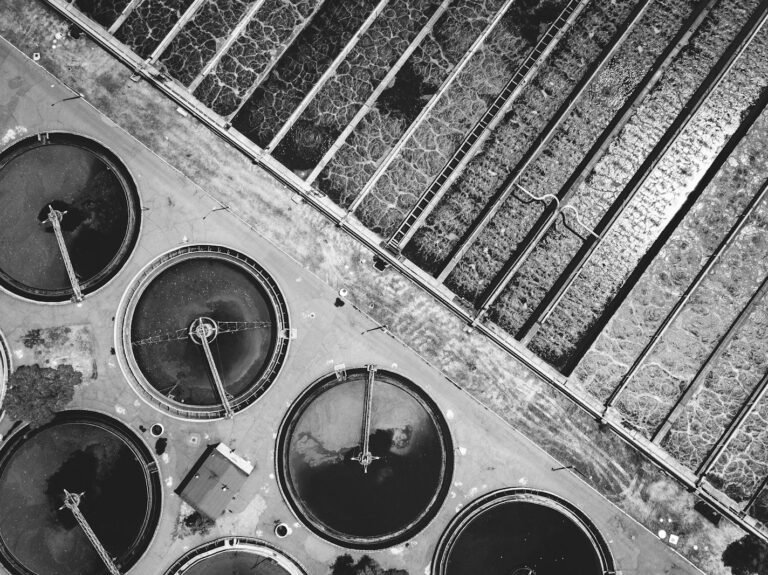
Environmental Compliance in Bangladesh 2026: ECC Renewal, ETPs, Inspections and Penalties

Bangladesh Environment Conservation Act 1995: Key Provisions Explained

Environmental Impact Assessment in Bangladesh: 2026 Guide

Environmental Law in Bangladesh 2026: Acts, Clearance, Courts and New Rules
All insights →
What does environmental compliance mean for a Bangladeshi business?
What changed with the Environment Conservation Rules 2023?
Who is responsible for environmental compliance in a company?
Do projects in economic zones or EPZs need environmental clearance?
Can neighbours or community groups bring environmental complaints?
How much does non-compliance cost?
Do we need legal advice or only an environmental consultant?
Can TRW support foreign investors on environmental compliance?
Keep your operations clean and compliant
Speak with the partners about environmental compliance in Bangladesh or across borders.
Book a consultation →











