
CR case process in Bangladesh: how a complaint case moves from petition to judgment and appeal
The CR case process in Bangladesh is the route by which a victim takes a criminal allegation straight to a Magistrate by a petition of complaint under section 200 of the Code of Criminal Procedure, instead of going through a police FIR. The Magistrate examines the complainant on oath and may order an inquiry before deciding whether to dismiss the complaint or issue process.
This journey follows each step through trial, judgment, appeal, revision, quashing and the Appellate Division.
- Where it starts
- Court of the Chief Metropolitan Magistrate in Dhaka city, or the Chief Judicial Magistrate's court in a district, at…
- Main law
- Code of Criminal Procedure 1898 ss.4(1)(h), 156(3), 190, 200-205C, 241A-250, 265A-265L, 339C, 342, 345, 374, 408-423, 435-439A…
- Typical duration
- Indicative 6-18 months from filing to issue of process; 1-4 years for trial before a Magistrate and 2-6 years before a…
- Who can file
- Any person with knowledge of an offence may complain, but for offences such as defamation, breach of contract and…
CR case process in Bangladesh: walk through every stage
Press next, use your arrow keys or tap a court on the map. The gold marker shows where your case is, and the green trail shows the route it has taken. For the immersive version, play it full screen.
Read every step as text
 Step 1 · Before filing
Decide whether a CR case is the right route
A complaint case (CR case) is the right choice when the police will not record an FIR, when the offence is non-cognizable, or when the allegation is against police officers or other powerful people. It is also used where the law allows cognizance only on a complaint, as with defamation or offences against marriage under sections 198-199 CrPC. The lawyer identifies the exact Penal Code sections, checks whether a special law sends the case to a tribunal instead, and works out which Magistrate has territorial jurisdiction.
The rule is that a case is filed where the offence or any part of it happened.
Where: Lawyer's chamber · Time: 1-2 weeks · Law: s.4(1)(h) CrPC 1898 (complaint); ss.177-180 CrPC 1898 (place of inquiry); ss.198-199 CrPC 1898 · Documents: Written account of events, Any GD entry or police refusal, Supporting documents
Tip: Check whether the offence falls under a special law (for example Nari o Shishu, cheque dishonour or a cyber offence); filing in the wrong forum wastes months.
 Step 2 · Before filing
Draft the petition of complaint and witness list
The petition states the facts in date order. For each accused it says what that person did, which offence it amounts to, where it happened, who saw it and what documents prove it. Vague, general allegations against a whole family are a common reason for later quashing. The complainant also prepares a list of prosecution witnesses, because no summons or warrant can issue until that list is on file. Original documents should be kept safe, and certified or photocopies annexed. The petition is verified and signed by the complainant.
Where: Lawyer's chamber · Time: 1 week · Law: s.200 CrPC 1898; s.204(1A) CrPC 1898 · Documents: Petition of complaint, List of prosecution witnesses, Annexed documents, Vakalatnama
Tip: Name only people against whom you have specific evidence; the Appellate Division regularly quashes omnibus allegations.
 Step 3 · Complaint, oath and inquiry
File the petition before the Magistrate
The complainant appears in person and files the petition at the CR registry of the Chief Metropolitan Magistrate's court in Dhaka, or the Chief Judicial Magistrate's court in a district. The petition is placed before the cognizance Magistrate on the same day. The Magistrate takes cognizance on the complaint under section 190(1)(a), and the matter is registered with a CR case number. If the Magistrate is not competent to take cognizance, the written complaint is returned for presentation to the proper court (s.201). At this stage the accused has no right to be heard.
Where: Chief Metropolitan Magistrate Court, Dhaka · Time: Same day · Law: s.190(1)(a) CrPC 1898; s.201 CrPC 1898 · Documents: Petition of complaint, Court fee stamp, Complainant's National ID
Tip: Arrive early with the complainant in person; a complaint cannot be presented through an agent except where the law allows (for example for a company or with leave under s.198).
 Step 4 · Complaint, oath and inquiry
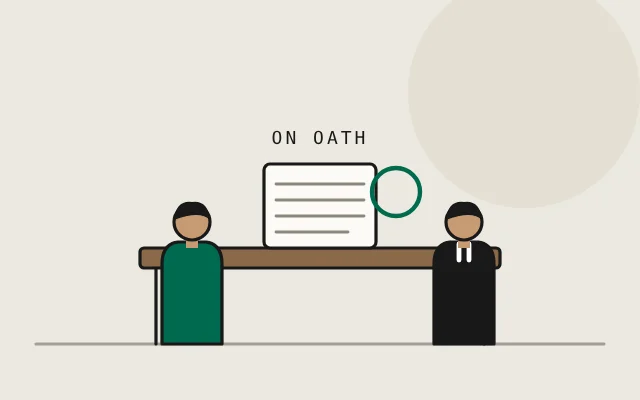
Examination of the complainant on oath
The Magistrate must examine the complainant on oath at once, together with any witnesses present whom he considers necessary. The substance of what they say is written down and signed by them and by the Magistrate. This is the heart of the CR case process in Bangladesh, because the Magistrate later decides on this statement and any inquiry report. There is no examination where a court or a public servant acting officially makes a written complaint. The complainant should repeat the key facts in the petition consistently.
Where: Chief Metropolitan Magistrate Court, Dhaka · Time: Same day · Law: s.200 CrPC 1898 and proviso (aa) · Documents: Record of s.200 statement
Tip: Contradictions between the petition and the s.200 statement are often used later to quash the case; read the petition again before the hearing.
 Step 5 · Complaint, oath and inquiry
Magistrate's first order: inquiry, investigation or FIR
After the oath, the Magistrate makes the most important choice in the CR case process in Bangladesh. He can issue process straight away if the complaint is clear. He can postpone process and inquire himself, or direct an inquiry or investigation by a subordinate Magistrate, a police officer, an agency such as the PBI or CID, or another person (s.202). Or he can send the petition to the officer in charge of the police station to be recorded as an FIR and investigated under section 156(3). Once that happens, the case becomes a police case.
If the offence is triable only by a Court of Session, the inquiring Magistrate must examine all the complainant's witnesses on oath.
Where: Chief Metropolitan Magistrate Court, Dhaka · Time: Same day to 2 weeks · Law: s.202(1), (2A) CrPC 1898; s.156(3) CrPC 1898 · Documents: Order sheet, Forwarding order to inquiry officer or police
Tip: If you want the police to investigate and arrest, ask for a s.156(3) direction; if you want to control the case yourself, ask for a judicial inquiry.
 Step 6 · Complaint, oath and inquiry
Inquiry or investigation and the report
The inquiry officer visits the scene, records statements from the complainant's witnesses and from local people, examines documents and submits a report to the court. A person who is neither a Magistrate nor a police officer conducting a s.202 inquiry has all the powers of an officer in charge of a police station except arrest without warrant. A judicial inquiry by a Magistrate records witness statements in court. The report may support the complaint, or it may say that the allegation is false or a civil dispute.
Reports are frequently delayed, and the court fixes dates for their receipt.
Where: Police station / investigating agency (PBI, CID) · Time: 1-6 months · Law: s.202(1)-(2) CrPC 1898 · Documents: Witness statements, Seizure lists or documents collected, Inquiry or investigation report
Tip: Give the inquiry officer a written list of witnesses with phone numbers and bring them on the inquiry date.
 Step 7 · Complaint, oath and inquiry
Naraji petition against an adverse report
If the report goes against the complainant, the complainant can file a naraji (objection) petition setting out why the report is wrong. Common grounds are that key witnesses were never examined, that the inquiry officer was biased, or that documents were ignored. The Magistrate hears the objection. He may accept the report, order a fresh inquiry by another officer or a judicial inquiry, or take cognizance and issue process despite the report if the s.200 statement and other materials show a prima facie case. The Magistrate is not bound by the inquiry report.
Where: Chief Metropolitan Magistrate Court, Dhaka · Time: 1-3 months · Law: ss.202-204 CrPC 1898 · Documents: Naraji petition, Affidavits of witnesses not examined, Certified copy of the report
Tip: File the naraji promptly, with supporting affidavits; a bare objection without new material rarely succeeds.
 Step 8 · Process and appearance
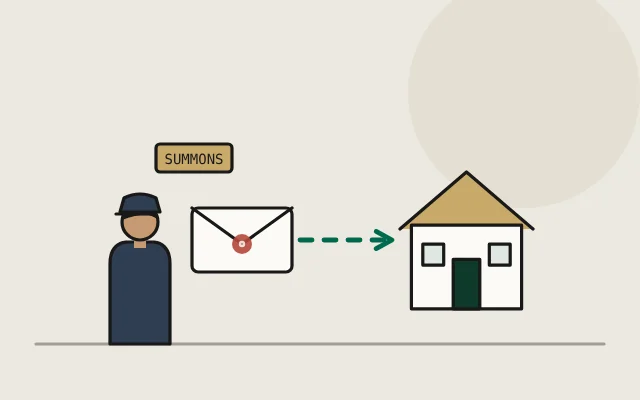
Dismissal under s.203 or process under s.204
The Magistrate now decides the fate of the complaint. If there is no sufficient ground for proceeding, he dismisses the complaint under section 203 and briefly records his reasons. If there is sufficient ground, he issues process under section 204, following the fourth column of the Second Schedule. That means a summons for summons cases, and for warrant cases a warrant or, if he thinks fit, a summons. A copy of the complaint accompanies the process. The complainant must pay process fees within a reasonable time, or the complaint may be dismissed.
Where: Chief Metropolitan Magistrate Court, Dhaka · Time: 1-3 months after the report · Law: s.203 CrPC 1898; s.204(1)-(3) CrPC 1898; Second Schedule CrPC · Documents: Order of dismissal or issue of process, Summons or warrant, Process fee receipt
Tip: A dismissal under s.203 is not an acquittal; it can be challenged in revision and, in exceptional cases, a fresh complaint is possible.
 Step 9 · Process and appearance
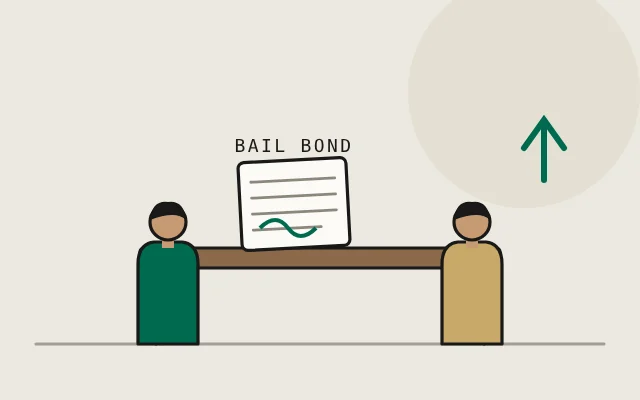
Appearance of the accused and bail
The accused appears on summons or is produced after arrest on a warrant. For bailable offences, bail is a right under section 496. For non-bailable offences, the Magistrate considers bail under section 497, which restricts bail where there are reasonable grounds to believe the accused committed an offence punishable with death or imprisonment for life. Women, children under sixteen and sick or infirm people may still be released. Courts may impose conditions, and bonds can now be submitted online where permitted. The complainant must keep attending.
If the complainant is absent, the Magistrate may acquit under section 247.
Where: Chief Metropolitan Magistrate Court, Dhaka · Time: 1 hearing; then dates every 1-2 months · Law: ss.496-498 CrPC 1898; s.499(3) CrPC 1898; s.247 CrPC 1898 · Documents: Bail petition, Bail bond and surety papers, Vakalatnama
Tip: An accused expecting a warrant often applies for anticipatory bail in the High Court Division before appearing; see the anticipatory bail journey.
- Step 10 · Process and appearance
Transfer for trial or sending to the Sessions Court
If the offence is triable by a Magistrate, the Chief Metropolitan Magistrate transfers the case to a Metropolitan Magistrate for trial. If it is triable only by a Court of Session (for example murder, culpable homicide or dacoity), the Magistrate sends the case to the Court of Session under section 205C and sends the record and evidence there. The Sessions Judge may try it himself or transfer it to an Additional or Joint Sessions Judge.
Compoundable offences can be settled at any time, and since 2025 the court can refer the parties to the Legal Aid Officer to settle.
Where: Chief Metropolitan Magistrate Court, Dhaka · Time: 1-3 months · Law: s.192 CrPC 1898; s.205C CrPC 1898; s.345(1)-(2), (8) CrPC 1898 · Documents: Transfer order, Record sent under s.205C
Tip: Ask for certified copies of the s.200 statement and inquiry evidence before transfer; the defence uses them in cross-examination.
- Step 11 · Trial and judgment
Discharge hearing and framing of charge
Before a Magistrate, the court considers the record, hears both sides and must discharge the accused under section 241A if the charge is groundless. Otherwise it frames a formal charge under section 242 and asks whether the accused pleads guilty. Before a Sessions Court, the complainant's lawyer opens the case and the court considers discharge under section 265C, then frames charge under section 265D. The Appellate Division expects an accused to use this discharge stage before going to the High Court Division to quash the proceedings.
Where: Chief Metropolitan Magistrate Court, Dhaka · Time: 2-6 months after appearance · Law: ss.241A-243 CrPC 1898; ss.265A-265E CrPC 1898 · Documents: Discharge application, Charge framed by the court
Tip: A focused discharge application, tied to the documents on record, is often the cheapest way to end a weak complaint case.
 Step 12 · Trial and judgment
Prosecution evidence and cross-examination
In a complaint case the complainant's own lawyer conducts the prosecution before the Magistrate. Before a Court of Session, a Public Prosecutor conducts it, with the complainant's lawyer assisting. The complainant and witnesses give evidence, documents are proved and the defence cross-examines. Witnesses may be compelled to attend by summons or warrant, and the court can order expenses to be deposited for defence witnesses. The trial time limits are 180 days for a Magistrate and 360 days for a Sessions Court from receipt for trial, but adjournments often stretch this stage.
Where: Chief Metropolitan Magistrate Court, Dhaka · Time: 6-24 months · Law: s.244 CrPC 1898; ss.265A, 265F CrPC 1898; s.339C(1)-(2) CrPC 1898 · Documents: Witness summons, Exhibited documents, Deposition sheets
Tip: Keep a file of every witness's prior statement; inconsistencies are the main weapon in cross-examination.
 Step 13 · Trial and judgment
Examination of the accused and defence evidence
After the prosecution closes, the court questions the accused under section 342 about each piece of evidence against him, so that he can explain it. The accused is not on oath and his answers are not evidence for the complainant, but the court can take them into account. The defence may then call witnesses and produce documents. Where a Sessions Court finds no evidence that the accused committed the offence, it can acquit at this stage under section 265H. Both sides then argue the case.
Where: Chief Metropolitan Magistrate Court, Dhaka · Time: 2-6 months · Law: s.342 CrPC 1898; ss.265G-265J CrPC 1898 · Documents: Record of s.342 examination, Defence documents, Written arguments (optional)
Tip: Every incriminating circumstance must be put to the accused under s.342; if it is not, the conviction is vulnerable on appeal.
 Step 14 · Trial and judgment
Judgment, sentence and compensation
The court gives a reasoned judgment, either acquittal or conviction and sentence. If the court acquits and finds the accusation false and frivolous or vexatious, section 250, as amended with effect from 10 August 2025, now obliges a Magistrate to make the complainant show cause and pay compensation of up to Tk 50,000 to the accused. On conviction, the court may order part of any fine to be paid to the victim as compensation under section 545.
If a Sessions Court passes a death sentence, the case must go to the High Court Division for confirmation.
Where: Chief Metropolitan Magistrate Court, Dhaka · Time: 1-2 months after arguments · Law: ss.245, 265H, 265K CrPC 1898; s.250 CrPC 1898 (as amended by Act XI of 2026); s.545 CrPC 1898; s.374 CrPC 1898 · Documents: Judgment and order, Certified copy application
Tip: Apply for the certified copy at once; limitation for appeal runs from the date of sentence, and the time to obtain the copy is excluded only if you applied promptly.
 Step 15 · After judgment
Carrying out the sentence or acquittal
A convicted accused who is not on bail is sent to jail with a conviction warrant. On an appealable sentence, the court may grant bail so that the accused can appeal. Fines are recovered under sections 386-389 CrPC, and default sentences run if a fine is unpaid. An acquitted accused is released and the bail bond cancelled. Compensation ordered under section 250 is paid once the appeal period has passed, and a complainant who defaults can face simple imprisonment of up to 30 days.
This is the last step of the first-instance CR case process in Bangladesh. Everything after it is a challenge in a higher court.
Where: Chief Metropolitan Magistrate Court, Dhaka · Time: Same day to 1 month · Law: ss.386-389 CrPC 1898; s.426 CrPC 1898; s.250(2A), (3)-(4) CrPC 1898 · Documents: Conviction warrant or release order, Fine receipt, Bail order pending appeal
Tip: If the sentence is short, apply for bail and suspension of sentence the same day so the appeal is not overtaken by the sentence itself.
What if…? How the CR case process in Bangladesh can change course
Choose a scenario. The map animates the route up the hierarchy and, where a case is sent back, down to the lower court and up again.
What if the convicted accused or the complainant appeals?
- 1Metropolitan Sessions Judge's Court, Dhaka
Appeal from a Magistrate to the Sessions Judge
A person convicted by a Metropolitan or first-class Judicial Magistrate appeals to the Sessions Judge within 30 days of the sentence. No appeal lies where the only sentence is a fine of Tk 5,000 or less. In a complaint case, the complainant may appeal an acquittal to the Sessions Judge within 60 days, but only on an error of law that has caused a failure of justice. The appellate court rehears facts and law on the record.
6-18 monthss.408 CrPC 1898s.413 CrPC 1898s.417(2)-(3) CrPC 1898Art.154 Limitation Act 1908 - 2High Court Division
Appeal from the Sessions Court to the High Court Division
If the case was tried by a Sessions Judge or Additional Sessions Judge, or a Joint Sessions Judge passed more than five years' imprisonment, the appeal goes to the High Court Division within 60 days. The complainant's appeal against an acquittal by a Sessions Court also goes to the High Court Division within 60 days. The High Court Division can reverse, alter or reduce the sentence, or order a retrial.
2-6 yearsss.408(a), 410 CrPC 1898s.417(2)(a) CrPC 1898s.423 CrPC 1898Art.155 Limitation Act 1908
Where it ends up: The appellate court's judgment replaces the trial result, subject to revision or leave to the Appellate Division.
What if the Magistrate dismisses the complaint under s.203?
- 1Metropolitan Sessions Judge's Court, Dhaka
Criminal revision before the Sessions Judge
The complainant files a criminal revision before the Sessions Judge. The argument is that the Magistrate ignored the s.200 statement, relied on a flawed report, or gave no proper reasons. The Sessions Judge examines the legality and propriety of the dismissal. He can direct a further inquiry, and the same remedy is open to an accused who challenges the order issuing process. A party's revision decided by the Sessions Judge is final for that party.
4-12 monthsss.435, 436, 439A CrPC 1898 - 2High Court Division
Section 561A in the High Court Division
Because a second revision is barred, a party still aggrieved goes to the High Court Division under section 561A. That power is used to prevent abuse of process or secure the ends of justice, for example where the complaint discloses no offence or is a disguised civil dispute. The Appellate Division has held that available remedies, such as discharge under s.241A, should normally be used first.
6-24 monthss.561A CrPC 1898Mohammad Amir Ali Mostafa v Shah Md. Nurul Alam (AD, Crl. Appeal 38 of 2010)
Where it ends up: The dismissal is upheld, or the complaint is revived and goes back to the Magistrate.
Can the trial court review its own judgment?
- 1Chief Metropolitan Magistrate Court, Dhaka
Review barred in criminal courts below
Once a criminal court has signed its judgment, it cannot alter or review it, except to correct a clerical error (section 369 CrPC). The High Court Division likewise cannot review its own criminal judgments, and section 561A cannot be used as a disguised review. Any mistake must be corrected by appeal or revision before a higher forum, which is why the appeal deadlines matter so much.
Not applicables.369 CrPC 1898 - 2Appellate Division of the Supreme Court
Article 105 review in the Appellate Division
Only the Appellate Division can review its own criminal judgment, under Article 105 of the Constitution, and the only ground is an error apparent on the face of the record. The review petition must be filed within 30 days of the judgment through the Advocate-on-Record who appeared in the original hearing. A second review is not entertained.
3-12 monthsArt.105 ConstitutionOrder XXVI rr.1-8 Supreme Court (Appellate Division) Rules 1988
Where it ends up: Review is exceptional; for most parties the final word is the appellate or leave decision.
What if a complaint case ends in a death sentence?
- 1Metropolitan Sessions Judge's Court, Dhaka
Sessions Court sends a death reference
A complaint case for an offence triable by a Sessions Court can end in a death sentence, for example a murder complaint that the police refused to record as an FIR. The sentence cannot be carried out until the High Court Division confirms it. The Sessions Judge therefore sends the entire record to the High Court Division as a death reference. The convicted person may also file an appeal or a jail appeal within seven days.
Immediately after sentences.374 CrPC 1898Art.150 Limitation Act 1908 - 2High Court Division
High Court Division confirms, alters or orders retrial
A Division Bench of the High Court Division hears the death reference together with any appeal or jail appeal. It reappraises all the evidence on the record and may confirm the sentence, pass another sentence, acquit, or direct further inquiry, additional evidence or a new trial. If a new trial is ordered, the case returns to the Sessions Court and comes back up after the fresh judgment.
3-8 yearsss.375-377 CrPC 1898s.376 CrPC 1898
Where it ends up: The death sentence is confirmed or commuted by the High Court Division, or the case is sent back to the Sessions Court for retrial.
What if the revisional court sends the complaint back for further inquiry?
- 1Metropolitan Sessions Judge's Court, Dhaka
Order for further inquiry
On revision against a s.203 dismissal, the Sessions Judge may set the dismissal aside. He can then direct the Chief Metropolitan Magistrate, personally or through a subordinate Magistrate, to make a further inquiry into the complaint (section 436). The order usually identifies what was missed, such as witnesses never examined or documents never considered, and the record goes back down.
Order on revisions.436 CrPC 1898s.439A CrPC 1898 - 2Chief Metropolitan Magistrate Court, Dhaka
Fresh inquiry and fresh decision
The Magistrate conducts or orders the further inquiry and examines the witnesses who were missed the first time. He then decides again whether to dismiss the complaint under s.203 or to issue process under s.204. The complainant must produce witnesses promptly and keep them available, because a second dismissal on the same ground is rarely disturbed by a higher court.
2-6 monthsss.202-204 CrPC 1898 - 3Metropolitan Sessions Judge's Court, Dhaka
Back up in revision
If process is now issued, the accused may challenge it in revision before the Sessions Judge on legal grounds, for example that no offence is disclosed. If the complaint is dismissed again, the complainant can do the same. The case can therefore move down and up more than once before the trial even begins, which is a common source of delay in complaint cases.
4-12 monthsss.435, 439A CrPC 1898
Where it ends up: The complaint returns to the Magistrate for a fresh inquiry and may come back up to the Sessions Judge in revision.
How does a CR case reach the Appellate Division?
- 1Appellate Division of the Supreme Court
Criminal petition for leave to appeal
A party aggrieved by a High Court Division decision in an appeal, revision or s.561A matter files a criminal petition for leave to appeal within 30 days. The Government has 60 days to challenge an acquittal. Appeal lies as of right only where the High Court Division has confirmed or imposed a death sentence or life imprisonment, or has certified a constitutional question. If leave is granted, the appeal is heard and the Appellate Division's decision is final.
1-3 yearsArt.103(2)-(3) ConstitutionOrder XXIV r.2 Supreme Court (Appellate Division) Rules 1988
Where it ends up: The Appellate Division gives the final decision, binding on every court.
How the CR case process in Bangladesh moves up the court hierarchy
The CR case process in Bangladesh starts at the Magistrate tier. In Dhaka city the complaint goes to the Chief Metropolitan Magistrate. Elsewhere it goes to the Chief Judicial Magistrate. The seriousness of the offence, as shown in the Second Schedule, decides the trial court. Offences a Magistrate can try stay with a Metropolitan or Judicial Magistrate. Offences triable only by a Court of Session are sent up under section 205C to the Sessions Judge (the Metropolitan Sessions Judge in Dhaka), and he may pass them to an Additional or Joint Sessions Judge.
Appeals follow the trial court. A Magistrate's conviction goes to the Sessions Judge, and a Sessions Court's conviction goes to the High Court Division. A Joint Sessions Judge's sentence of more than five years also goes to the High Court Division. Appeals rehear facts and law on the record. Revision, available from the Sessions Judge or the High Court Division, is limited to legality, correctness and propriety. The High Court Division's inherent power under s.561A is a last resort. The Appellate Division hears appeals mainly by leave.
- Appellate DivisionAppellate Division of the Supreme Court
- High Court DivisionHigh Court Division
- Appellate levelMetropolitan Sessions Judge's Court, Dhaka
- First instanceChief Metropolitan Magistrate Court, Dhaka
- Start · outside courtLawyer's chamber · Police station / investigating agency (PBI, CID)
Where your case is heard
Addresses are for Dhaka. Every district has equivalent courts at its own district judgeship.
Supreme Court of Bangladesh (Appellate Division and High Court Division)
Supreme Court of Bangladesh, Shahbag, Ramna, Dhaka-1000Hears appeals, revisions, references, writ petitions under Article 102, company matters and death references (High Court Division), and appeals by leave from the High Court Division (Appellate Division).
Both Divisions sit in the Supreme Court complex; many High Court Division benches sit in the Annex Building. Check the daily cause list for the bench and court room. Postal contact is the Registrar General, Supreme Court of Bangladesh, Ramna, Dhaka-1000.
Court of the Metropolitan Sessions Judge, Dhaka
40-45 Johnson Road, Dhaka-1100Tries sessions-triable offences from Dhaka metropolitan police stations and hears criminal appeals and revisions from Metropolitan Magistrates; Additional and Joint Metropolitan Sessions Judges also sit as Metropolitan Special Tribunals.
The Metropolitan Sessions Judge sits on the 2nd floor of the main building; Additional and Joint Metropolitan Sessions Judge courts are in the main building and the tin-shed building in the same compound. The Metropolitan Sessions Judge, Dhaka also holds the post of Senior Special Judge, Dhaka. Help line published by the court: 01335-145002.
Chief Metropolitan Magistrate Court, Dhaka
19 Johnson Road, Dhaka-1100Takes cognisance of and tries criminal cases arising in Dhaka Metropolitan Police areas (Metropolitan Magistrate courts), hears bail, remand and FIR/complaint matters, and sends sessions-triable cases to the Metropolitan Sessions Judge.
Metropolitan Magistrate courts are spread over the CMM court main building (floors 2-9) and the CJM court building (courts 29-37 on the 8th and 9th floors). Check the court number on the cause list. Each metropolitan city (Chattogram, Khulna, Rajshahi, Sylhet, Barishal, Rangpur, Gazipur) has its own CMM court.
Lawyer's chamber
Where this happens depends on your district or the office concerned. Ask us for the exact courtroom and address.
Dhaka Metropolitan Police (DMP) Headquarters
36 Minto Road, DhakaHeadquarters of the Dhaka Metropolitan Police; FIRs are lodged at the local police station, not here.
Emergency: 999. For a case, go to the police station with jurisdiction over the place of occurrence.
How long each stage takes
These are indicative ranges based on typical Dhaka practice. Adjournments, case backlogs and appeals can stretch them.
Documents checklist and key terms
Tick off what you have. Your ticks stay saved in this browser. Bring the list to your first meeting with your lawyer.
- CR case
- A complaint register case, started by a petition of complaint to a Magistrate rather than by a police FIR.
- GR case
- A general register case, started by an FIR at a police station and investigated by police.
- Cognizance
- The Magistrate formally taking judicial notice of an offence on a complaint, which starts the s.200 procedure.
- Section 202 inquiry
- An inquiry or investigation ordered by the Magistrate before issuing process, to test whether the complaint is true.
- Naraji petition
- The complainant's written objection to an inquiry or police report that recommends dropping the case.
- Process
- A summons or warrant issued under section 204 to bring the accused before the court.
- Section 561A
- The High Court Division's inherent power to quash proceedings to prevent abuse of process or secure the ends of justice.
- Death reference
- The record sent by a Sessions Court to the High Court Division for confirmation of a death sentence under section 374.
CR case process in Bangladesh: common questions
What is the difference between a CR case and a GR case?
Do I have to go to court in person?
How long does the CR case process in Bangladesh take?
Can the Magistrate send my complaint to the police?
My complaint was dismissed. What now?
Can the accused be arrested in a CR case?
Can a CR case be settled?
What if the CR case is false?
Law and sources
- The Code of Criminal Procedure, 1898 (as amended by Act XI of 2026)
- The Penal Code, 1860
- The Limitation Act, 1908
- The Constitution of the People's Republic of Bangladesh
- Mohammad Amir Ali Mostafa v Shah Md. Nurul Alam, Appellate Division, Criminal Appeal No.38 of 2010 (CR case, s.241A before s.561A)
- Iman Ali v Most. Shimu Begum, High Court Division, Criminal Revision No.1493 of 2023 (CR case inquiry)
- Code of Criminal Procedure (Amendment) Act, 2026 (Act No. XI of 2026)
This Case Journey is a general guide to procedure in Bangladesh as of October 2026. It is not legal advice. Procedure, fees and time limits change, and every case turns on its own facts. Timelines are indicative. Speak to a lawyer about your own matter.
Run this case from outside Bangladesh
You can usually start and run this case without travelling. You sign a power of attorney abroad, the Bangladesh High Commission or Embassy attests it, and your attorney and lawyer act for you in Dhaka. Some steps, such as giving evidence in person, may still need you or a commission. See how a case runs through a power of attorney →
Want to know where your case stands?
Book a consultation. A TRW lawyer will place your matter on this map, explain the next step and the realistic timeline, and tell you what to prepare.