
TRW Insight / Immigration & Visa
US business immigration changed more in 2026 than in any year for a decade: a wage-weighted H-1B lottery, a $100,000 H-1B fee tied up in the courts, and proposals to overhaul PERM, end deference on extensions and tighten EB-5. This tracker explains what is final, what is only proposed, and what founders, employers and professionals should do now.
US immigration changes in 2026: the big picture
For founders, employers and skilled professionals, US immigration changes in 2026 fall into three groups. Some are already law, such as the wage-weighted H-1B selection rule. Some are executive actions under legal challenge, such as the $100,000 H-1B payment. And several are proposed rules that could reshape green card sponsorship and visa extensions in 2027. Planning well means knowing which is which.
This tracker complements TRW's detailed visa guides, including H-1B, EB-5, EB-2 NIW, EB-1A and employment-based green card categories. It focuses on what changed and what it means.
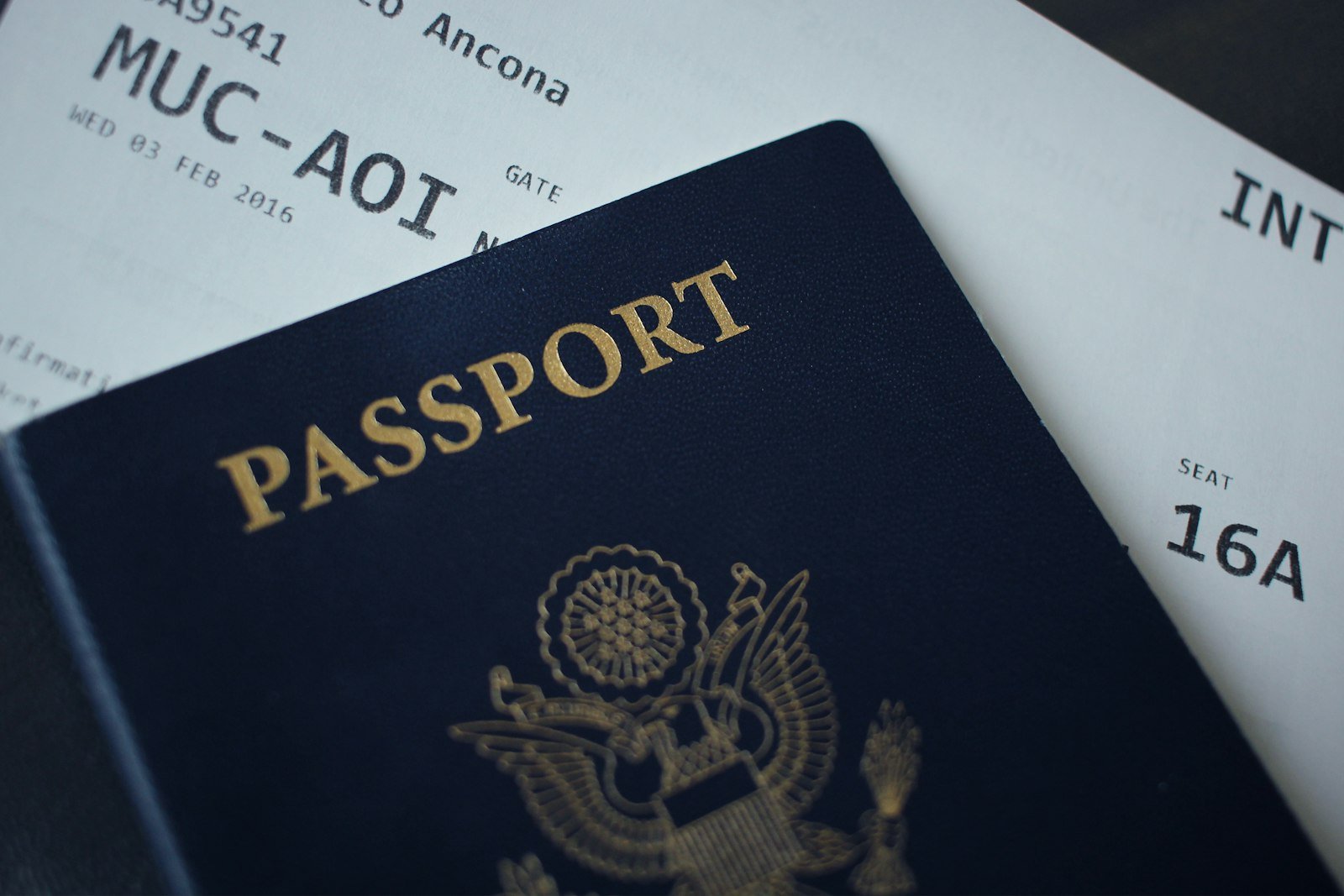
Summary: The FY2027 H-1B lottery was the first run under wage-weighted selection, and the cap was reached. The $100,000 H-1B payment has been vacated by a federal court and is not currently enforced, although the President extended it to September 2027 and DHS has proposed a separate $103,265 fee rule. The Department of Labor has proposed to abolish Schedule A and replace newspaper advertising in PERM, USCIS has proposed to end deference to prior approvals on I-129 extensions, and DHS has proposed EB-5 integrity rules. None of the proposals is final yet.
Key point: Proposed rules do not change today's requirements. Cases filed now follow current rules, but employers with green card, extension or EB-5 plans should consider filing before final rules take effect.
At a glance
Weighted lottery
Final rule effective 27 February 2026 favours higher wage levels in H-1B selection.
$100,000 fee blocked
Vacated by a federal court; stay denied on appeal; extended by proclamation to September 2027.
PERM overhaul proposed
Schedule A would end; comments due 16 January 2027.
Deference proposal
USCIS would re-examine eligibility on every I-129 extension.
O-1A for founders
A company the founder owns can petition, with no cap or lottery.
Table of Contents
Status tracker: final, blocked or proposed
| Change | Status | Who is affected |
|---|---|---|
| H-1B weighted selection | Final, in effect | Cap-subject H-1B employers and workers |
| $100,000 H-1B payment | Vacated and enjoined; government appealing | New H-1B petitions for workers abroad |
| $103,265 H-1B cap petition fee | Proposed; comments closed 24 September 2026 | Cap-subject H-1B petitions |
| Higher prevailing wage levels | Proposed March 2026 | H-1B, E-3, H-1B1 and PERM employers |
| PERM overhaul and end of Schedule A | Proposed 17 November 2026 | Green card sponsors, nurses, physical therapists |
| End of deference on I-129 extensions | Proposed 14 October 2026 | H-1B, L-1, O-1, E and TN extensions |
| EB-5 Reform and Integrity Act rule | Proposed 2 July 2026 | EB-5 investors and regional centres |
H-1B weighted selection and the FY2027 cap
The FY2027 lottery was the first run under a DHS rule, effective 27 February 2026, that weights selection by wage level.[1] Registrations at higher OEWS wage levels received more entries. USCIS confirmed on 17 July 2026 that it had received enough petitions to fill both the 65,000 regular cap and the 20,000 advanced-degree exemption, so there will be no second selection round.[2] Properly submitted registrations fell by 38.5%, which USCIS linked to reduced incentives for mass, low-wage registrations.[3] Employers planning FY2028 registrations should model where each role sits on the wage scale, since that now drives selection odds.
The $100,000 H-1B payment
A September 2025 proclamation imposed a one-time $100,000 payment on new H-1B petitions for workers who would be approved through consular processing abroad; extensions, changes of status and changes of employer inside the US were not covered.[4] A Massachusetts federal court vacated the requirement in June 2026, and on 24 July 2026 the First Circuit refused to pause that ruling while the government appeals.[5] On 18 September 2026 the President extended the requirement through 21 September 2027, but it remains blocked by court orders.[6] Separately, DHS has proposed a $103,265 fee for certain cap-subject petitions; the comment period closed on 24 September 2026 and no final rule has issued.[7]

PERM and Schedule A proposals
On 17 November 2026 the Department of Labor proposed the largest PERM changes in nearly twenty years. The proposal would replace print newspaper advertising with at least ninety days of online and in-person recruitment and would eliminate Schedule A, so employers of nurses and physical therapists would need to complete full PERM; comments are due on 16 January 2027.[8] It would also bar PERM filings for two years after qualifying layoffs and expand duties towards affected US workers.[9] Applications filed before a final rule takes effect would be decided under current rules.[10] An earlier March 2026 proposal would raise the prevailing wage percentiles used for H-1B, E-3, H-1B1 and PERM.[11]
Ending deference on I-129 extensions
Since 2004, USCIS has generally deferred to earlier approvals of the same petitioner and beneficiary on the same facts. A proposed rule published on 14 October 2026 would delete the regulation that codified this deference.[12] DHS estimates that about 30% of I-129 filings are currently eligible for deference and projects thousands of additional requests for evidence each year.[13] Employers should prepare extension filings as if they were new petitions, with full current evidence.
EB-5 integrity rules
On 2 July 2026 DHS proposed a rule to implement the EB-5 Reform and Integrity Act of 2022, signed on 15 March 2022.[14] The proposal addresses national security and fraud screening, targeted employment areas, regional centre obligations and automatic revocation of petitions. Investors should check project compliance and the source and path of funds carefully. TRW's EB-5 investor visa guide covers investment amounts and the process, and its guides on outward remittance from Bangladesh and foreign exchange regulations explain how Bangladeshi investors can move funds lawfully.
O-1A: the founder's route
A January 2025 USCIS policy update confirmed that a company owned by the beneficiary, such as a corporation or LLC, may file an O-1A petition.[15] The O-1A has no annual cap and no lottery, making it the main route for founders with strong records: funding from reputable investors, press coverage, patents, judging, high salary or critical roles. The company should have governance that can genuinely direct the founder's work, such as a board. With the proposed end of deference, O-1A extensions will also need fresh evidence.
What to do now
- File PERM and Schedule A cases before any final rule if they are ready.
- Treat extensions as new petitions and gather complete evidence.
- Re-plan H-1B strategy around wage levels, and consider O-1A, L-1 or E-2 alternatives.
- Keep travel and consular plans flexible while the H-1B fee litigation continues.
- Audit EB-5 projects and fund trails against the proposed integrity rules.
- Align corporate structure with immigration plans. See TRW's guide to outgrowing your LLC.
Working with TRW and US counsel
TRW advises founders, families and employers from Bangladesh and other markets on immigration strategy, documents, funds and corporate structuring, and coordinates US petitions with US-licensed immigration attorneys. This article is general information and does not create a lawyer-client relationship.
Frequently asked questions
Do employers have to pay the $100,000 H-1B fee now?
No. As at November 2026 the payment is blocked by court orders, although the government is appealing and has extended the proclamation.[6]
Is Schedule A gone?
Not yet. Its elimination is proposed; current rules apply until a final rule takes effect.[8]
How does the weighted H-1B lottery work?
Registrations get more entries at higher OEWS wage levels, improving selection chances for higher-paid roles.[1]
Can my own startup sponsor my O-1A?
Yes, a company you own can be the petitioner, provided it can genuinely employ and direct you.[15]
Will my H-1B extension be harder?
If the deference proposal is finalised, USCIS will re-examine eligibility on extensions, so expect more requests for evidence.[13]
Source register
Primary legal and regulatory sources
Materials checked on 27 November 2026. Immigration rules are changing quickly; confirm current status before acting.
- Ogletree — USCIS completes FY2027 H-1B lottery
- National Law Review — USCIS reaches FY2027 H-1B cap
- Staffing Industry Analysts — USCIS reaches FY2027 H-1B cap
- Ogletree — $100,000 H-1B fee on hold while appeal proceeds
- National Law Review — First Circuit denies stay
- Columbia ISSO — New H-1B proclamation and court orders
- Ogletree — Court blocks agency implementation of the $100,000 fee
- Ogletree — DOL proposes PERM changes
- Wolfsdorf Rosenthal — DOL proposes major PERM overhaul
- VisaServe — Proposed PERM rule explained
- Federal Register — Improving wage protections (proposed rule, 27 March 2026)
- VisaServe — Deference to prior approvals may end
- AILA — USCIS NPRM on removing deference (91 FR 65119)
- Federal Register — EB-5 Reform and Integrity Act proposed rule
- USCIS Policy Manual — Volume 2, Part M, Chapter 4 (O-1 eligibility)
Related TRW assistance
Move from information to a defined next step
Read our guide to US immigration from Bangladesh or contact TRW about your visa strategy.











