

Employment Litigation & Workforce Disputes in Bangladesh
Employment litigation and workforce dispute resolution in Bangladesh: we represent employers and senior executives in labour courts, the Labour Appellate Tribunal, civil courts, arbitration and the High Court Division, on dismissals, wages, benefits, industrial disputes, restrictive covenants and workplace investigations, with settlement always in view.

- Early case assessment
- Strategy and evidence
- Hearings and negotiation
- Judgment, appeal and lessons
How employment litigation works in Bangladesh
Employment litigation in Bangladesh runs on several tracks, and choosing the right one is the first strategic decision. Workers covered by the Bangladesh Labour Act 2006 bring claims about dismissal, wages, benefits and unfair labour practices before the labour courts, with appeals to the Labour Appellate Tribunal. Senior managers and executives outside the statutory definition of worker usually sue in the civil courts or arbitrate under their contracts. Public sector and regulatory issues may reach the High Court Division through writ petitions. Our dispute resolution lawyers map these routes at the outset of every matter.
Labour court proceedings have their own procedure and short time limits. A worker who has been dismissed, discharged or otherwise aggrieved is generally expected to raise a written grievance with the employer first, and then file in the labour court within the period the law allows. The court can order reinstatement with or without back wages, payment of benefits and compensation. Inspectors can also prosecute employers for breaches of the Act. Because the procedure is technical, a case often turns on whether the employer followed the correct steps for charge, inquiry and decision, rather than on the underlying merits alone.
Collective disputes follow a different path. Trade unions and collective bargaining agents can raise industrial disputes through a charter of demands, which moves to negotiation, conciliation by the labour authorities and, if unresolved, arbitration, a strike or lockout, or a labour court reference, subject to the conditions the law imposes. Factories in export processing zones follow the Bangladesh EPZ Labour Act 2019 and its separate institutions. We advise employers on each stage, prepare negotiating positions and settlement terms, and act quickly if action threatens production, shipments, buyer relationships or the safety of people on site.
Executive disputes are often higher in value and more personal. They involve contractual notice and severance, bonuses and share awards, allegations of misconduct, restrictive covenants, confidential information and reputation. Remedies include damages, declarations and injunctions under the Specific Relief Act 1877, and arbitration where the contract provides for it. Barrister Tahmidur Rahman and Barrister Remura Meheruba Mahbub advise on executive and cross-border matters, including arbitration, and Adv Syed Wahid, our founding partner, leads our employment litigation in the labour courts and the Supreme Court. The Legal 500 Asia Pacific ranks the firm for dispute resolution in Bangladesh.
Not every dispute should be litigated. Many are better resolved through a well-documented settlement, mediation or a negotiated exit, and the Legal Aid Services (Amendment) Act 2026 is introducing mandatory pre-case mediation for certain disputes as it rolls out by district. Our approach is to assess the strength of each side's position early, estimate realistic outcomes and costs, and recommend the route that best protects the client's business and reputation. Where litigation is needed, we prepare thoroughly. Our employment and private client team supports this work with day-to-day employment advice. Employment litigation is a last resort.
Core workstreams
Four clear stages
- 01Early case assessment
- 02Strategy and evidence
- 03Hearings and negotiation
- 04Judgment, appeal and lessons
Talk to a partner
Consultations in Dhaka or by video. Scope, team and fees are agreed in writing first.
Book →Our employment litigation and dispute work

Labour court claims
- Early case assessment
- Strategy and evidence
- Hearings and negotiation
- Judgment, appeal and lessons
Appeals and writ proceedings
- Early case assessment
- Strategy and evidence
- Hearings and negotiation
- Judgment, appeal and lessons
Executive and contract disputes
- Early case assessment
- Strategy and evidence
- Hearings and negotiation
- Judgment, appeal and lessons
Industrial and collective disputes
- Early case assessment
- Strategy and evidence
- Hearings and negotiation
- Judgment, appeal and lessons
Workplace investigations
- Early case assessment
- Strategy and evidence
- Hearings and negotiation
- Judgment, appeal and lessons
Restrictive covenants and confidential data
- Early case assessment
- Strategy and evidence
- Hearings and negotiation
- Judgment, appeal and lessons
Labour court claims
We defend employers in labour court cases on dismissal, retrenchment, unpaid wages, overtime, gratuity, provident fund, Workers' Participation Fund and other benefits, and claims of unfair labour practice. We review the disciplinary record early, identify procedural weaknesses, prepare witnesses and documentary evidence, and assess settlement value at each stage, so management can make informed decisions rather than react to each hearing date. Our employment litigation team also tracks related cases brought by other workers at the same site.
Appeals and writ proceedings
We handle appeals before the Labour Appellate Tribunal and writ petitions, revisions and appeals in the High Court Division and Appellate Division, including stay applications against reinstatement orders or penalties. Appellate employment litigation demands precise legal argument and a clean record from the lower court, so we often advise on how to preserve points for appeal while the original case is still running. We also advise on enforcement once a final decision is made. Time limits for appeals and stay applications differ by forum, so the route and date are confirmed immediately after any order.
Executive and contract disputes
We act for companies and senior executives in disputes about termination, notice, severance, bonuses, share and incentive awards, and alleged misconduct. These cases usually proceed in the civil courts or arbitration. We prepare claims and defences, seek urgent injunctions where needed, and negotiate exit agreements with clear releases, confidentiality and non-disparagement terms that reduce the risk of later proceedings. Executive employment litigation is often resolved through negotiated terms. Exit terms can also cover handover duties, return of company property and the wording of any reference.
Industrial and collective disputes
We advise on charters of demands, collective bargaining, conciliation, strikes, lockouts, go-slows and unrest, including in export manufacturing where buyer deadlines are at stake. We prepare negotiating strategy, attend conciliation meetings, draft settlement agreements and, where necessary, bring or defend proceedings. Our goal is a durable settlement that restores normal operations while protecting the employer's legal position and relationships. Collective disputes can become employment litigation quickly, so early advice matters.
Workplace investigations
We conduct or supervise internal investigations into misconduct, harassment, fraud and whistleblowing complaints, ensuring that the process is fair, well documented and consistent with the Labour Act, company policies and the Personal Data Protection Act 2026. A sound investigation is often the strongest defence in later employment litigation, and it helps management take decisions that can be explained to regulators and buyers. Findings are reported clearly to the board. Interviews are handled with sensitivity.
Restrictive covenants and confidential data
When a senior employee leaves for a competitor or takes confidential information, we act quickly to secure evidence, send warning letters and seek injunctions to protect trade secrets and client relationships. Bangladeshi law limits post-employment non-compete clauses, so we focus on enforceable protections such as confidentiality, garden leave and non-solicitation, and on the evidence needed to obtain urgent relief from the court. Speed is often decisive in this kind of employment litigation.
Partner-led, on every matter.
Private Client & Employment matters at TRW are led by partners, supported by associates, with one responsible lawyer from first advice to final outcome.
Meet the firm →



01Which court hears employment litigation in Bangladesh?
It depends on who the claimant is and what the claim is about. Workers within the Labour Act bring individual and collective claims before the labour courts, with appeals to the Labour Appellate Tribunal. Managers and executives outside the statutory definition usually go to the civil courts or to arbitration if their contract provides for it. Workers in export processing zones use the separate EPZ institutions. Constitutional and regulatory issues may go to the High Court Division by writ. Choosing the wrong forum can waste months, so we confirm jurisdiction before anything is filed or answered.
02How long does employment litigation take in the labour courts?
Timing varies considerably with the court's workload, the complexity of the claim, the number of witnesses and the availability of the parties. The Labour Act sets target periods for disposal, but in practice many cases take longer, and appeals and writ proceedings add further time. Interim applications, such as stays of reinstatement orders, can be decided more quickly. Because delay has a real cost for both sides, we keep settlement options under review throughout and give clients realistic timing estimates that are updated as the case progresses. Interim relief can change the dynamics.
03Can a labour court order reinstatement of a dismissed worker?
Yes. If the court finds that a dismissal or other termination was unlawful, for example because the employer did not issue a proper charge, hold a fair inquiry or follow the statutory procedure, it can order reinstatement, with or without back wages, or award compensation instead. Reinstatement orders can be stayed pending appeal in appropriate cases. Employers should therefore treat procedure as seriously as substance. We review disciplinary files at the outset, including the charge, inquiry notes and the employee's reply, identify defects that can still be cured, and advise whether to defend, settle or offer an alternative remedy.
04What should an employer do when a legal notice arrives?
Act promptly but carefully. Preserve all relevant documents and electronic records, including emails, attendance data and CCTV, and avoid any step that could look like retaliation against the employee. Check time limits for responding, avoid admissions in the first reply, and route communications through one point of contact. A measured reply can often resolve the matter or narrow the issues before employment litigation starts. We review the notice, assess the claim, draft the response and, where appropriate, open settlement discussions on a without prejudice basis to protect the company's position.
05Can senior executives bring employment litigation in Bangladesh?
Yes, but usually not in the labour courts. Executives and managers employed mainly in managerial or administrative roles generally fall outside the Labour Act's definition of worker, so they sue for breach of contract in the civil courts or arbitrate if the contract requires it. Claims may cover notice pay, contractual severance, bonuses, share awards and reputational harm. The precise duties of the role matter more than the job title. We act for companies and for executives in these cases, and frequently negotiate exits that avoid litigation altogether. Notice, bonus and covenant clauses usually shape the claim.
06How are Workers' Participation Fund disputes resolved?
Disputes about the Workers' Participation Fund, such as whether a company is covered, how net profit is calculated, or whether distributions were made correctly, have become a significant category of employment litigation. They may be raised in the labour courts, through the inspectorate, or in writ proceedings challenging regulatory decisions, and some sectors have argued about whether the scheme applies to them at all. We review financial statements, trust deeds and payment records, advise on exposure, and defend or settle claims, often with board members and auditors involved. Companies should confirm whether the fund applies and reconcile payments.
07Is mediation required before employment litigation?
Labour disputes already involve conciliation stages, particularly for collective disputes, and many individual cases settle through negotiation. The Legal Aid Services (Amendment) Act 2026 introduces mandatory pre-case mediation for certain categories of dispute, being rolled out district by district, so whether it applies depends on the claim and the location. Even where it is not required, early mediation can save cost and preserve relationships. We advise on when mediation makes sense, prepare clients for sessions and draft settlement terms that are binding and complete. A mediation statement setting out the facts, documents and realistic settlement range makes sessions more productive.
08How can we reduce the risk of future workforce disputes?
Most disputes start with a gap in process: an unclear contract, an undocumented warning, an inquiry that did not allow the worker to respond, or a final settlement calculated incorrectly. Training managers, updating service rules, keeping complete records and having a working grievance procedure all reduce risk. Lessons from each case should feed back into policy. We review completed cases with clients to identify patterns, and support our litigation work with compliance advice so the problem does not recur at another site or team. An annual audit of contracts, warnings and grievance logs is a practical start.
From first call to resolution.
- 01
Early case assessment
We review the claim, the contract or service rules, the disciplinary file and payment records, confirm the forum and time limits, and give a frank view of the strengths, weaknesses, likely outcome and cost of the dispute. Employment litigation risk is assessed candidly.
- 02
Strategy and evidence
We agree a strategy, which may combine defence with settlement, collect documents and witness statements, preserve electronic evidence, and prepare the pleadings or written response required by the court, tribunal or arbitrator. Employment litigation evidence is gathered early.
- 03
Hearings and negotiation
We represent you at hearings, conciliation and mediation, cross-examine witnesses, argue interim applications, and pursue settlement discussions in parallel whenever a negotiated outcome would better serve your interests. You remain in control of every decision. After each hearing you receive a short note of what happened, what was ordered and the next steps.
- 04
Judgment, appeal and lessons
We advise on the judgment, enforcement or appeal options and stay applications, then review the case with you to identify policy or process changes that will reduce the chance of similar disputes in future. Employment litigation outcomes inform future policy. Costs recovery is also considered.

“Demonstrates an extraordinary command over both domestic litigation and international arbitration.”
The Legal 500 Asia Pacific, Bangladesh: Dispute resolution, client feedback
Related reading.
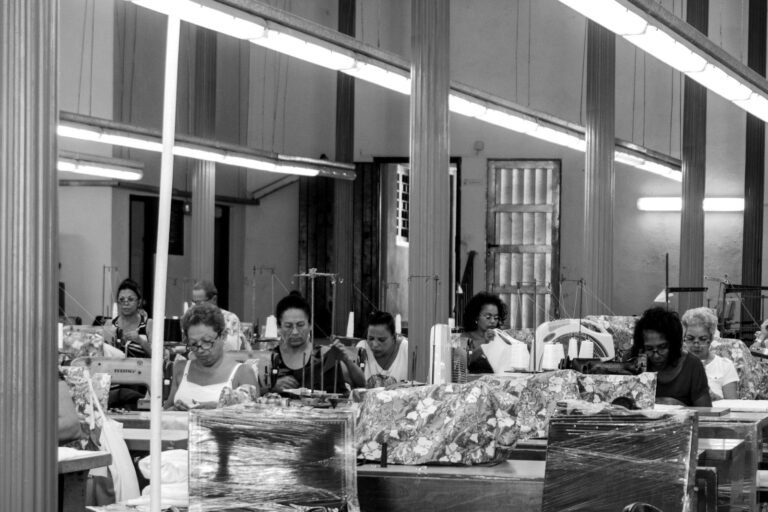
Labour Court in Bangladesh: How to File a Labour Case and What to Expect

Wrongful Dismissal in Bangladesh: Employee Remedies and Compensation in 2026

Trade Union Law in Bangladesh 2026: Registration, Bargaining, Strikes and Legal Aid
Terminating Employees in Bangladesh: Process, Records and Risk Controls in 2026
All insights →
Do you act for employees as well as employers?
What does employment litigation cost?
Can a reinstatement order be stayed?
What evidence matters most in a dismissal case?
Are settlements of labour disputes binding?
Can a foreign parent company be drawn into a dispute?
How quickly can you act in urgent cases?
How do we instruct you on a dispute?
Resolve workforce disputes with a clear strategy
Speak with the partners about Employment litigation in Bangladesh or across borders.
Book a consultation →











