
TRW Insight / Bangladesh
Cargo held at a Bangladeshi port is usually caught by several holds at once: the carrier's lien, the port's charges and Customs. Knowing which hold applies, who ranks first and how to release it decides cost and speed.
Shipping line lien on cargo Bangladesh: the 2026 position
A shipping line lien on cargo Bangladesh importers run into is rarely a single right. When a container sits at Chattogram, Mongla or an inland container depot and nobody will release it, the hold usually comes from several directions at once: the carrier keeps back the delivery order until freight and local charges are paid, the port authority will not let the box out of its gate until its rent and charges are settled, Customs will not out-pass the goods until duty is paid or a dispute is resolved, and sometimes an unpaid seller has told the line not to deliver. Each hold has a different legal source, a different creditor and a different route to release.
This guide explains how those holds fit together in 2026. It covers the carrier's possessory lien for freight, the contractual liens written into bills of lading, the statutory liens and priority rules in the Chattogram Port Authority Act 2022 and the Customs Act 2023, how a lien is exercised and released in practice, and how disputes over release, security and auction are resolved. It is written for foreign exporters, shipping lines, freight forwarders, insurers and Bangladeshi importers who need to know who decides, in what order, and what to do this week.
Shipping line lien on cargo Bangladesh, step by step.
Shipping line liens on cargo in Bangladesh
A carrier may keep the goods it carried until the freight due on them is paid.
Possessory lienThe Admiralty Court confirmed in December 2025 that this lien arises by operation of law, not contract.
Bill of lading lien clauses can cover other charges and give the carrier a power of sale.
Section 171A general lien for debts on earlier shipments needs express contractual words under the Contract Act 1872.
At Chattogram the freight lien survives landing only if the port is notified at or before discharge.
Section 27The port then releases the goods only after payment and the carrier's notice that the lien is discharged.
The port holds goods for its own charges, and Customs holds them until duty is paid.
Release needs three things: the delivery order, the Customs out-pass and payment of port charges.
Pay, pay under written protest, or give security, then dispute the charges in the right forum.
Section 72Money paid under coercion, including an excessive charge demanded for delivery, must be repaid.
Unpaid goods can be auctioned by the port after two months, or sold by Customs.
2 monthsIn a Customs sale, freight is paid before duty only if notice of the charges was given to the custodian.
Map every hold, give or demand notice early, and secure rather than litigate when cargo is urgent.
The numbers and rules that matter.
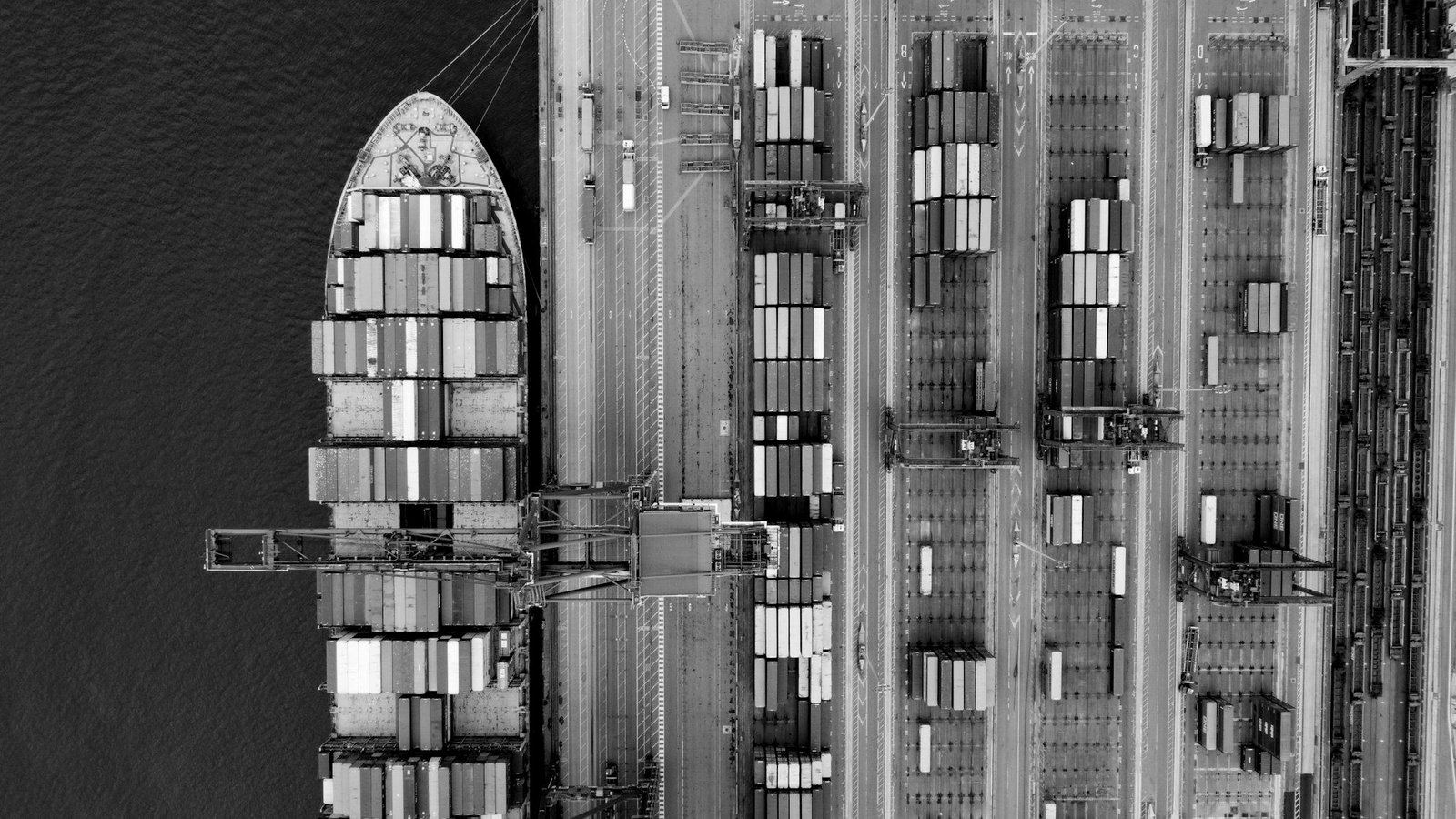
Summary: A carrier in Bangladesh can lawfully keep cargo until the freight due on it is paid, and a bill of lading can extend that lien to other charges and give a power of sale. At the port, the carrier's lien survives discharge only if the master or agent gives written notice to the port authority, and Customs will hold goods carried into its custody on a written lien notice. The port and Customs have their own statutory holds and powers of sale, and the order in which sale proceeds are paid depends on who sells. Disputed charges can be paid under protest or secured, then fought in the Admiralty Court, the Commercial Court or arbitration.
Key point: Notice is everything. Under section 27 of the Chattogram Port Authority Act 2022, a shipowner's lien for freight, primage or general average continues after landing only if the owner or master notifies the port authority at or before discharge, and under section 237 of the Customs Act 2023 freight is paid out of a Customs auction ahead of duties only if notice of the charges was given to the custodian.
At a glance
Carrier's lien
A carrier may keep the goods it has carried until the freight due on them is paid; the lien depends on possession.
Contractual lien
Bill of lading clauses can extend the lien to detention and other charges and add a power of sale.
Port lien
The port authority has a statutory lien for its rent and charges and can auction goods to recover them.
Customs hold
No dutiable goods leave without payment, and Customs can hold, sell or stop clearance of goods for unpaid dues.
Release routes
Payment, payment under protest, security or a court or tribunal order; failing all of these, sale.
Table of Contents
Who can hold cargo at a Bangladeshi port
Before deciding how to fight or enforce a hold, identify every party that is in a position to stop delivery. In a typical containerised import into Chattogram, release requires three things: the carrier's delivery order, the Customs out-pass and payment of port charges.
The High Court Division has described this sequence by reference to the Regulations for Working of Chittagong Port (Cargo and Container) 2001: the importer's clearing agent completes Customs formalities, then submits the out-passed documents together with the shipping agent's delivery order to the port's one stop service centre, where port charges are collected before delivery is given.[10] Any one of those parties can therefore block release, and any shipping line lien on cargo Bangladesh law recognises operates alongside the port's and Customs' own holds rather than in place of them.
Shipping line and local agent
Issues the delivery order and may withhold it until freight and contractual charges are paid.
Chattogram and Mongla port authorities
Hold a statutory lien for port charges, record notified freight liens and may auction goods for unpaid dues.
Custom houses and customs stations
Assess and collect duty, out-pass goods, hold goods on lien notices and sell uncleared goods.
Off-dock depots and container yards
Keep cargo and containers in custody and release them only on Customs out-pass and delivery order.
Letter of credit issuing bank
Often named as consignee; endorses the bill of lading once the importer pays or secures it.
Unpaid foreign seller
May stop goods in transit on the buyer's insolvency by giving notice to the carrier.
The practical consequence is that paying one creditor does not free the cargo. An importer that pays the line but not the port, or pays Customs but has no delivery order, still has no goods. The Court made exactly this point in a writ case where the importer had paid the letter of credit value and the duties but could not show a Customs out-pass and the agent's delivery order to the port: payment of duty, on its own, did not entitle the importer to delivery.[10]
Shipping line lien on cargo Bangladesh: the legal basis
The law on a shipping line lien on cargo Bangladesh courts apply comes from three layers: the general law of bailment and the common law of carriage, the terms of the bill of lading, and the port and Customs statutes that decide what happens once goods leave the ship's possession.
The carrier's possessory lien for freight
The Admiralty Court confirmed in December 2025 that, at common law, a shipowner has a lien on the goods it has carried for the freight due on them; the lien arises by operation of law, not contract, and entitles the shipowner to retain the goods in its possession until the freight is paid.[11] The statutory analogue is section 170 of the Contract Act 1872, under which a bailee who has rendered a service involving labour or skill in respect of the goods may, absent a contract to the contrary, retain them until paid for that service.[4]
Three limits follow from the nature of the right. It is a particular lien: it secures the freight on those goods, not other debts. It is possessory: once the carrier, or someone holding for it, gives up the goods without reserving the lien, it is gone. And it secures freight that is due on delivery, so where freight was genuinely prepaid there is nothing left for the lien to secure.
What the lien does not give: a power of sale
A bare lien is a right to retain, not a right to sell. If the cargo owner simply walks away, a carrier with only a common law lien is left holding goods that cost money to store. That is why the power of sale in practice comes from two other places: an express clause in the bill of lading, and the statutory sale powers of the port authority and Customs discussed below.
Contractual liens in bills of lading
The contract is where a shipping line lien on cargo Bangladesh traders encounter gets most of its reach. Almost every liner bill of lading contains a lien clause, and the clause is usually wider than the common law.
BIMCO's standard liner form, CONLINEBILL 2016, is a useful benchmark. Its freight clause treats freight as fully earned on loading and payable by the merchant on demand, and its lien clause gives the carrier a lien on all cargo for any amount due under the contract and the costs of recovering it, together with a right to sell the cargo privately or by auction to satisfy those claims.[12] Carriers' own forms often go further, adding container detention, terminal handling, storage and other local charges.
General liens need express words
Some lien clauses try to secure not only charges on the shipment in question but any balance the merchant owes the carrier on earlier shipments. Bangladeshi law allows this only on clear wording. Section 171 of the Contract Act gives a general lien for a balance of account to bankers, factors, wharfingers, advocates and policy-brokers, and provides that no other person may retain goods as security for such a balance unless there is an express contract to that effect.[4] A carrier relying on a general lien must therefore point to express words in the contract that binds the person whose goods it is holding.
Charterparty liens incorporated into the bill
In bulk and break-bulk trades the bill of lading often incorporates a charterparty. In its judgment of 10 December 2025 in Admiralty Suit No. 40 of 2014, the Admiralty Court held that general words of incorporation in a bill issued under a chain of voyage charters brought in the head charter's lien clause, so the receiver was bound to pay freight at the head charter rate and was decreed to pay the balance.[11] The same judgment drew a limit: applying The Miramar, it refused to make the receiver personally liable for charterparty demurrage, which lay against the head charterer, and that claim failed in Dhaka because the head charterer had no residence or business in Bangladesh.[11]
The Court distinguished the Appellate Division's decision reported at 47 DLR (AD) 31, where a time charter was neither incorporated nor mentioned in the bill and it would have been unjust to saddle the consignee with its terms.[11] The wording of the bill, and the type of charter behind it, therefore decide whether a charterparty lien reaches the receiver.
House bills, master bills and the double-lien problem
Many shipments into Bangladesh move under a forwarder's house bill backed by the ocean carrier's master bill. The importer pays freight to the forwarder; the forwarder is supposed to pay the main line operator. If it does not, the main line operator may assert its own lien for unpaid master-bill freight even though the importer has paid in full.
The importer's contract is with the forwarder, not the line, so its remedy against the line is limited and its real claim is against the forwarder. A writ case decided by the High Court Division in 2012 arose from goods shipped under house bills marked freight prepaid and held at a private off-dock depot amid a freight dispute between overseas parties; the importer obtained no writ relief and was left to its remedies under the Sale of Goods Act.[10] Cargo interests should check, before shipment, who will pay the master-bill freight and how that payment will be evidenced.

Who must pay before the cargo is released
Shipper, consignee and endorsee
Under section 1 of the Bills of Lading Act 1856, every consignee named in a bill and every endorsee to whom property in the goods passes by reason of the consignment or endorsement takes over the rights of suit and becomes subject to the same liabilities as if the bill's contract had been made with it.[5] Section 2 preserves the carrier's right to claim freight from the original shipper or owner.[5] In practice the carrier can look to both: the shipper under the original contract, and the consignee or endorsee who has taken over the bill.
When the letter of credit bank is consignee
Imports into Bangladesh under letters of credit are commonly consigned to the order of the issuing bank. The bank endorses the bill to the importer once it is paid or the importer's liability is secured, and the line releases against that endorsed original. Because liability under section 1 attaches where property passes by reason of the consignment or endorsement, a bank that holds the bill only as security is not the natural target for freight; the carrier's practical leverage is the cargo itself and the importer who needs it.[5]
Where the importer has not paid the bank, the bank's refusal to endorse is a separate hold, and the line cannot cure it by releasing to the importer without the bank's endorsement or consent.
Freight prepaid and freight collect
The bill's freight notation matters. On a freight collect bill the lien secures the ocean freight itself, and the consignee must pay it to obtain the delivery order. On a freight prepaid bill the lien for ocean freight is normally spent, and a carrier that issued a prepaid bill without being paid will struggle to assert a freight lien against a consignee or bank that took the bill on that basis. Local charges payable at destination, such as detention and terminal handling, are a different matter and are secured only if the bill or the line's tariff, incorporated into the contract, says so. Our guide to container detention charges in Bangladesh explains how those charges are calculated and contested.
The port authority's lien and priority
Once cargo is landed, the port statutes govern. The Chittagong Port Authority Ordinance 1976 has been repealed and replaced by the Chattogram Port Authority Act 2022 (Act No. 8 of 2022), and Mongla is governed by the Mongla Port Authority Act 2022 (Act No. 7 of 2022), which contains parallel provisions on the authority's lien, the shipowner's lien for freight and recovery of charges by auction.[2] [3]
The port's own statutory lien
Section 26 of the 2022 Act gives the port authority a lien on goods for the rent, fines, tolls, rates, fees, charges and other dues levied on them until they are paid in full, and allows it to seize or detain the goods. A further lien attaches to goods stored in its buildings, warehouses, land or storage yards for unpaid charges arising from their use. Port dues fall due immediately on discharge and must in any event be paid before goods leave the protected area.[2] Unpaid dues are also recoverable as public demands under the Public Demands Recovery Act 1913.[2]
Notice keeps the carrier's lien alive after landing
The single most important provision for a shipping line lien on cargo Bangladesh law provides at the port is section 27. If the owner or master of a vessel gives notice to the port authority, at or before landing goods at a dock or pier, that freight, primage or general average is unpaid on them, the lien continues on the goods after landing and is discharged only when the cargo owner pays.
The authority then permits removal only after payment and on receiving a further notice from the owner or master that the lien has been discharged. Until then the goods stay in the authority's warehouse or shed, or, with Customs consent, in another warehouse at the cargo owner's risk and cost.[2]
The predecessor provision, section 22 of the 1976 Ordinance, was argued in the 2012 writ case, where the importer contended that no notice had been given and the cargo therefore landed free of any lien.[10] The lesson for carriers has not changed: a lien that is not notified at or before discharge is exposed to exactly that argument.
Priority between the port and the carrier
Section 26(4) ranks the port authority's liens and claims for tolls, rates, fees and charges ahead of all other liens and claims, except freight, primage or general average due to the vessel, or other government dues.[2] A properly notified freight lien therefore sits ahead of the port's own charges. Detention, terminal handling and other contractual charges are not on that list, so a carrier claiming them is in a weaker position against the port than it is for freight.
Customs holds and the order of payment
Customs is not a lien-holder in the private-law sense, but its statutory powers operate as the strongest hold of all. The Customs Act 2023 (Act No. 57 of 2023) provides that dutiable goods may not be removed for home consumption without payment of duties and taxes.[1] Where any duties, taxes or penalties are unpaid, Customs may stop clearance of any goods belonging to the defaulter, and may detain and sell goods belonging to that person which are under Customs control.[1] Our overview of the Customs Act 2023 explains the assessment and appeal process that sits behind these powers.
Lien notices to Customs
Section 74 deals with goods not unloaded within the time allowed, which may be taken to the customs house. If the master or agent gives written notice that the goods remain subject to a lien for freight, primage, general average, demurrage, container detention charges, dead-freight, terminal handling charges, container service charges or other charges, the appropriate officer must hold them until he receives written notice that the charges have been paid.[1] The list is wider than the port statute and expressly includes container detention.
Goods handed over to the Government
Imported goods that are not cleared may be handed over to the Government, and goods are deemed handed over if they are not released within the period after unloading fixed by the National Board of Revenue, or any extension, because examination could not be done for a reason attributable to the importer, mandatory documents were not submitted, or duties and taxes or a guarantee were not paid or furnished.[1] Such goods may then be sold, destroyed or otherwise disposed of after notice to the owner, or newspaper notice if the owner cannot be traced.[1]
Who is paid first from a Customs sale
Section 237 sets the order for applying the proceeds of goods, other than confiscated goods, sold under the Act: first the expenses of sale; then freight or other charges payable on the goods, if notice of those charges has been given to the person holding the goods in custody; then customs duties, other taxes and Government dues; and then the charges of the custodian. Any balance goes to the owner if claimed within three years of the sale or if sufficient cause is shown.[1] Freight therefore ranks above duty, but only if notice was given. A carrier that never notified the custodian drops out of the waterfall.
The unpaid seller's hold
A separate hold arises when the foreign seller, not the carrier, wants the goods kept back. Under the Sale of Goods Act 1930, an unpaid seller who has parted with possession may stop the goods in transit if the buyer becomes insolvent, resuming possession and keeping them until paid.[6] Goods remain in transit from delivery to the carrier until the buyer or its agent takes delivery, and the seller exercises the right either by taking possession or by notice to the carrier or other bailee in possession.[6] Where property has not passed, the unpaid seller also has a right of withholding delivery co-extensive with its lien and stoppage rights.[10]
For a carrier, a seller's stop instruction creates a dilemma: deliver to the bill holder and risk a claim by the seller, or hold and risk a claim by the holder. The safe course is to check who holds the original bills, whether property has passed and whether the stated ground, usually insolvency, is real, and to ask the party instructing a hold for an indemnity or security.
Exercising lien or stoppage does not by itself rescind the sale, but after notice of intention to resell the seller may resell if the buyer does not pay within a reasonable time.[6] Exporters facing a non-paying buyer should read this alongside our guide on what to do when a bill of lading dispute arises.
How a shipping line lien on cargo Bangladesh ports recognise is exercised
A carrier rarely sits on cargo in a physical sense once it is discharged at Chattogram; the port or a private off-dock depot holds it. The lien is exercised through documents and notices instead.
Withholding the delivery order
The shipping agent's delivery order is the practical key. The port will not deliver without it, so withholding the delivery order until freight and agreed charges are paid is how most liens are enforced day to day.[10] The line should state clearly, in writing, what it claims, on which bill, and under which clause. A hold for charges the contract does not cover is not a lien; it is a refusal to deliver, and it exposes the line to a damages claim and to a claim for repayment of anything extracted under pressure.
Notices to the port and Customs
The second step is the statutory notice. A carrier that wants its lien to survive discharge and to rank in any sale should give written notice to the port authority under section 27 of the 2022 Act at or before landing, and written notice to Customs and the custodian of the goods so that it is captured by sections 74 and 237 of the Customs Act.[1] [2] Copies of each notice, with proof of delivery, are the evidence that will decide any later priority fight.
What carriers should avoid
- Releasing and then trying to re-assert: once the goods are delivered without a reserved lien, the possessory right is lost.
- Holding for another shipment's debts without express general lien wording that binds the cargo owner.[4]
- Holding against the wrong party: a lien for the forwarder's unpaid master-bill freight is hard to justify against a consignee that has paid under a prepaid house bill.
- Silent holds: no written demand, no notice to the port, and no figure, which invites an injunction and a damages claim.
How the lien is released
Release of a shipping line lien on cargo Bangladesh importers dispute comes about in one of four ways: payment, payment under protest, security, or an order of a court or tribunal. The sequence below reflects how we approach a held consignment for either side.
Identify every hold
List the carrier's demand, port charges, Customs status and any bank or seller instruction, because each needs its own release.
Read the bill of lading
Check the lien clause, freight notation, any incorporated tariff or charterparty, and the law and dispute resolution clause.
Check the lien notices
Confirm whether notice was given to the port authority at or before discharge, and to Customs and the custodian.
Separate agreed and disputed sums
Pay undisputed freight and port charges promptly so that storage costs stop growing.
Protest or secure the rest
Protest in writing before paying disputed items, or offer a bank guarantee or letter of undertaking instead.
Clear the three gates
Obtain the delivery order, complete Customs assessment and out-pass, and pay port charges before delivery.
Choose the forum
Use the Admiralty Court, a Commercial Court or arbitration, depending on the claim and the bill's dispute clause.
Watch the sale clock
Track deemed handover and port auction dates so that rights to the goods or the proceeds are not lost.
Paying under protest and recovering the excess
Where the cargo is urgent and the charges are disputed, the usual commercial answer is to pay, expressly under protest, and recover later. Section 72 of the Contract Act requires a person to whom money is paid under coercion to repay it, and its illustration is close to the point: where a railway company refuses to deliver goods to the consignee except on payment of an illegal charge for their carriage, the consignee who pays may recover so much of the charge as was illegally excessive.[4] The protest should be in writing before payment, identify each disputed item and reserve the right to recover.
Security instead of payment
Where the amount is large, the alternative is security: a bank guarantee, a cash deposit with an agreed escrow holder, or a P&I club or insurer's letter of undertaking, in exchange for release and an agreed route for deciding the dispute. Security should be for the disputed sum plus a realistic allowance for interest and costs, not the carrier's opening figure. For Customs dues, the Customs Act itself recognises cash deposits, bank guarantees and bonds as forms of guarantee.[1]
Disputes over release, security and auction
Choosing the forum
The Admiralty Court, which is the High Court Division sitting in admiralty, has jurisdiction over claims for loss of or damage to goods carried in a ship and any claim arising out of an agreement relating to the carriage of goods in a ship.[7] That covers both a carrier's claim for freight and charges and a cargo owner's claim for wrongful detention. Its jurisdiction may be exercised in personam in all cases, subject to the Act's limits on claims against defendants with no residence, business or other qualifying connection in Bangladesh, and where it orders a sale it can decide questions of title and priority to the proceeds.[7]
Where the real dispute is about money, offering security before filing usually narrows the case to quantum and removes the pressure of mounting port rent. Our guide to the Admiralty Court Act covers procedure.
The Commercial Courts Act 2026 (Act No. 23 of 2026), deemed in force from 1 January 2026, lists import and export of goods and carriage of goods among commercial disputes, but excludes matters within the High Court Division's original jurisdiction. Where no urgent interim relief is sought, a plaintiff must follow any pre-suit mediation process prescribed by rules.[8]
If the bill contains an arbitration clause and the arbitration is seated in Bangladesh, the Arbitration Act 2001 lets the court, or the High Court Division in an international commercial arbitration, order interim custody, sale or other protective measures over goods that are the subject of the arbitration agreement; for a foreign-seated arbitration the Act applies only its enforcement provisions.[9] We compare the options in commercial court versus arbitration in Bangladesh and in our note on maritime arbitration.
Writ petitions against the port or Customs
A writ petition is the right tool only where a public body has acted unlawfully, for example by refusing release after all lawful dues are paid and documents produced. It is a poor tool for a private freight dispute. In the 2012 case the High Court Division discharged the rule because the importer held only a forwarder's house bill and had not produced the Customs out-pass and agent's delivery order to the port, and left the importer to its contractual remedies.[10] Litigation also has a cost to the cargo itself: in August 2026 it was reported that over 600 pending court cases were blocking release or disposal of several thousand containers.[14]
When the cargo goes to auction
If no one pays, the goods are eventually sold. The port authority may auction goods to recover both port dues and the shipowner's dues if they remain unpaid two months after discharge, after fifteen days' written notice in two national dailies and on the authority's notice board; perishable goods may be sold after twenty-four hours.[2]
Notice must also go to the owner or agent by post and by phone, message or email where the address is known, but failure to give it does not defeat a good faith purchaser's title.[2] For unclaimed goods whose owner cannot be traced or ignores a removal notice, the authority may auction after forty-five days in its custody, or Customs may move them to its own premises.[2]
In practice most sales at Chattogram are run by Customs through its e-auction platform. In July 2026 Chattogram Customs announced e-auctions of 168 uncleared containers, split between a regular and a special auction, the special auction with no reserve value, with bidders required to upload a security deposit of at least 10 per cent of the bid.[13] As of 30 June 2026, 9,330 TEUs of long-staying containers occupied about 22 per cent of the port's yard capacity.[14] Our guide to the customs auction process in Bangladesh explains notices, bidding and how to stop or influence a sale.
Claiming from the proceeds
The same rule decides whether a shipping line lien on cargo Bangladesh Customs later sells produces any money for the line. A carrier that wants to be paid from a Customs sale must have given notice of its charges to the custodian; the cargo owner may claim any balance within three years.[1] Where a sale takes place while an adjudication, appeal or court case is pending, the proceeds go to the Government treasury and are refunded, after deductions under section 237, if the goods are later found not liable to confiscation.[1]
Comparing the holds on cargo
The table summarises the main holds on imported cargo. On a phone, scroll it sideways.
| Hold | Legal basis | What it secures | How it is released | Power of sale |
|---|---|---|---|---|
| Carrier's freight lien | Common law; Contract Act 1872, s 170 | Freight due on the goods carried | Payment, payment under protest or security | None without contract or statute |
| Contractual lien | Bill of lading lien clause; s 171 for general liens | Charges named in the clause; earlier debts only with express words | Payment, security or court or tribunal order | Only if the clause gives one |
| Port authority lien | Chattogram Port Authority Act 2022, s 26 | Port rent, tolls, rates, fees and other dues | Payment of port charges | Auction under ss 28, 31 and 32 |
| Notified freight lien at the port | Chattogram Port Authority Act 2022, s 27 | Freight, primage and general average | Payment and the carrier's discharge notice | Port auction recovers shipowner dues |
| Customs hold | Customs Act 2023, ss 74, 94 and 238 | Duties, taxes, penalties and noted lien charges | Assessment, payment or guarantee, out-pass | Sale with proceeds applied under s 237 |
| Unpaid seller's stoppage | Sale of Goods Act 1930, ss 50 to 52 | The price, on the buyer's insolvency | Payment or tender of the price | Resale after notice under s 54 |
The interaction matters more than any single row. A properly notified freight lien ranks ahead of the port's charges and, in a Customs sale, ahead of duty; contractual charges such as detention rank lower and depend on wording and notice. Cargo interests should map every hold before paying anyone, and carriers should check that their notices are in place before relying on a shipping line lien on cargo Bangladesh ports will honour. For a wider view of the disputes in this area see our page on demurrage and detention claims in Bangladesh.
Shipping line lien on cargo Bangladesh mistakes to avoid
For carriers and their agents:
- Failing to give written lien notice to the port authority at or before discharge, and to Customs and the custodian.
- Claiming charges that the bill of lading or incorporated tariff does not cover, or claiming a general lien without express words.
- Releasing against copies, indemnities or bank letters that do not match the bill's consignee and endorsement chain.
- Letting a dispute run until the goods are deemed handed over to the Government, which shifts control of any sale to Customs.
For importers, exporters and insurers:
- Paying disputed charges without a written protest, which weakens any later repayment claim under section 72.[4]
- Assuming that paying duty or the line frees the cargo, when port charges and the Customs out-pass are separate gates.
- Ignoring the risk that a forwarder has not paid master-bill freight on a house bill shipment.
- Litigating without offering security, when security would have released the cargo and left only money in dispute.
What to watch in 2026
Three developments matter for anyone dealing with a shipping line lien on cargo Bangladesh ports enforce. First, the Commercial Courts Act 2026 gives carriage and import disputes outside the Admiralty Court's reach a specialised forum, with pre-suit mediation where no urgent relief is needed.[8] Second, Customs is selling long-staying cargo through regular and special e-auctions, so a lien-holder that waits risks finding the goods already sold.[13] Third, the Admiralty Court's December 2025 judgment shows a willingness to give effect to charterparty lien clauses incorporated into bills of lading for freight, while refusing to extend the receiver's liability to charterparty demurrage, which makes the wording of the bill, and the charter behind it, decisive.[11]
TRW's maritime, shipping and admiralty practice acts for carriers, forwarders, insurers and cargo owners on lien notices, release against security, admiralty claims and auction disputes. If cargo is held this week, contact TRW with the bill of lading, the delivery order demand and the port and Customs status.
Test yourself
Frequently asked questions
Can a shipping line refuse to release cargo in Bangladesh until freight is paid?
Yes. A carrier has a lien on goods it has carried for the freight due on them, which arises by operation of law and allows it to retain the goods until paid. In practice the line enforces it by withholding the delivery order.[11]
Can the line hold cargo for container detention and other local charges?
Only if the bill of lading, or a tariff incorporated into it, gives a lien for those charges. Under section 74 of the Customs Act 2023, Customs will hold goods carried into its custody on a written lien notice that may expressly cover container detention, terminal handling and similar charges.[1] [12]
Can a carrier hold this shipment for money owed on an earlier one?
Only under an express contractual general lien. Section 171 of the Contract Act allows a general lien for a balance of account to listed persons only, and to others only by express contract.[4]
Does the carrier's lien survive once cargo is discharged into the port?
At Chattogram it does if the owner or master gives the port authority notice of unpaid freight, primage or general average at or before landing. The port then releases only after payment and a further notice discharging the lien.[2]
Who is paid first if Customs auctions the cargo?
Sale expenses first, then freight and other charges if notice was given to the custodian, then duties, taxes and Government dues, then the custodian's charges. The owner may claim any balance within three years.[1]
Does the port authority rank ahead of the shipping line?
The port's liens for its tolls, rates, fees and charges rank ahead of all other liens and claims except freight, primage or general average due to the vessel and other Government dues.[2]
When can the port authority auction goods for unpaid charges?
If port and shipowner dues remain unpaid two months after discharge, after fifteen days' notice in two national dailies and on the notice board. Perishable goods may be sold after twenty-four hours.[2]
Can an importer pay disputed charges and claim them back?
Yes. Section 72 of the Contract Act requires repayment of money paid under coercion, including an illegally excessive charge demanded by a carrier as the price of delivery. Pay under written protest and keep the evidence.[4]
Can a foreign seller stop the line delivering to the buyer?
Which court hears a dispute over a withheld cargo?
Source register
Primary legal and regulatory sources
Materials checked on 17 November 2026. Confirm the current official text before relying on any provision.
- Customs Act 2023 (Act No. 57 of 2023), ss 41, 74, 94, 237 and 238, Authentic English Text published by SRO No. 441-Law/2025 of 9 November 2025: National Board of Revenue
- Chattogram Port Authority Act 2022 (Act No. 8 of 2022), ss 24, 26, 27, 28, 31 and 32: Laws of Bangladesh (Bangla text)
- Mongla Port Authority Act 2022 (Act No. 7 of 2022), ss 25, 26, 27 and 31: Laws of Bangladesh (Bangla text)
- Contract Act 1872 (Act No. IX of 1872), ss 72, 170 and 171: Laws of Bangladesh
- Bills of Lading Act 1856 (Act No. IX of 1856), ss 1 and 2: Laws of Bangladesh
- Sale of Goods Act 1930 (Act No. III of 1930), ss 50 to 54: Laws of Bangladesh
- Admiralty Court Act 2000 (Act No. 43 of 2000), ss 3, 4 and 5: Laws of Bangladesh (Bangla text)
- Commercial Courts Act 2026 (Act No. 23 of 2026), ss 1, 2 and 7: Laws of Bangladesh (Bangla text)
- Arbitration Act 2001 (Act No. I of 2001), ss 3 and 7A, English text hosted by the Bangladesh International Arbitration Centre
- High Court Division, Writ Petition No. 2640 of 2011 (judgment of 16 October 2012)
- High Court Division (Admiralty), Admiralty Suit No. 40 of 2014 (judgment of 10 December 2025)
- BIMCO CONLINEBILL 2016 liner bill of lading, clauses 10 and 11 (teaching copy, University of Piraeus)
- The Business Standard, 8 July 2026: Ctg customs to auction 168 containers online amid missing cargo row with port authority
- Hellenic Shipping News (from The Business Standard), 4 August 2026: Cargo logjam for years eating up 40% of Ctg Port's capacity
Related TRW assistance
Move from information to a defined next step
TRW acts for shipping lines, forwarders, insurers, exporters and importers on lien notices, withheld delivery orders, release against security, admiralty and commercial claims and Customs or port auctions. Explore our maritime, shipping and admiralty practice or contact TRW to have a held consignment reviewed this week.











