
TRW Insight / Bangladesh
Cargo refused, misdirected or unpaid for can often be shipped back out of Bangladesh without paying duty, but only with Customs permission, an amended cargo declaration, the LC bank's consent and a plan for port and carrier charges, all before the goods are deemed handed over to the Government.
Re-export cargo from Bangladesh: how the 2026 rules work
The decision to re-export cargo from Bangladesh is usually made under pressure. A buyer has walked away, the LC documents have been refused, the goods turn out not to be importable, or a container has simply arrived at the wrong port. While the parties argue, the cargo sits at Chattogram, Mongla, Payra or an inland container depot, port rent climbs, the shipping line's detention clock runs and Customs counts down to the day the goods are treated as handed over to the Government.
Returning the cargo is possible, and often the best commercial outcome, but only if the right permissions are in place before that deadline. This guide explains when Customs allows re-export under the Customs Act 2023, how the cargo declaration and consignee can be changed under the 2025 pre-arrival processing rules, why the LC bank's consent is decisive where it is named as consignee, what the exercise costs, which time limits matter and the practical sequence at the port that gets a container back on a vessel.
Re-export cargo from Bangladesh, step by step.
Re-exporting cargo that has arrived in Bangladesh
Imported goods stay under customs control until released, handed over to the Government or exported again.
Section 47 of the Customs Act 2023 keeps landed cargo under customs control, so nothing leaves the port without permission.
The Commissioner can allow duty-free re-export of misdirected or unclaimed cargo under customs custody.
Section 150Other cases need the Board's prior approval under section 150(2), and the applicant pays the custody expenses.
Changing the consignee or writing off a returning consignment needs a Form-Ga application and supporting no-objection letters.
Tk 2,000Rule 10 of the Pre-Arrival Processing Rules 2025 sets a 24-hour window from registration and treats a change of consignee BIN as a serious amendment.
Where the LC bank is consignee or holds the bill of lading, its no-objection unlocks the cargo.
Lien bank NOCA bank that refused the documents should endorse the bill of lading back or issue a no-objection letter to the carrier and Customs.
Port rent starts after four free days, alongside carrier detention, return freight and customs custody expenses.
4 free daysAt Chattogram, daily rent starts at USD 6 for a 20-foot container and rises to USD 24 by the third week.
Goods not released within the period the Board sets are deemed handed over to the Government and sold.
Customs auctionSale proceeds go first to sale costs, freight, duties and custodian charges; any surplus must be claimed within three years.
Decide within days, align Customs, the carrier and the bank, and ship before the deemed handover date.
The numbers and rules that matter.
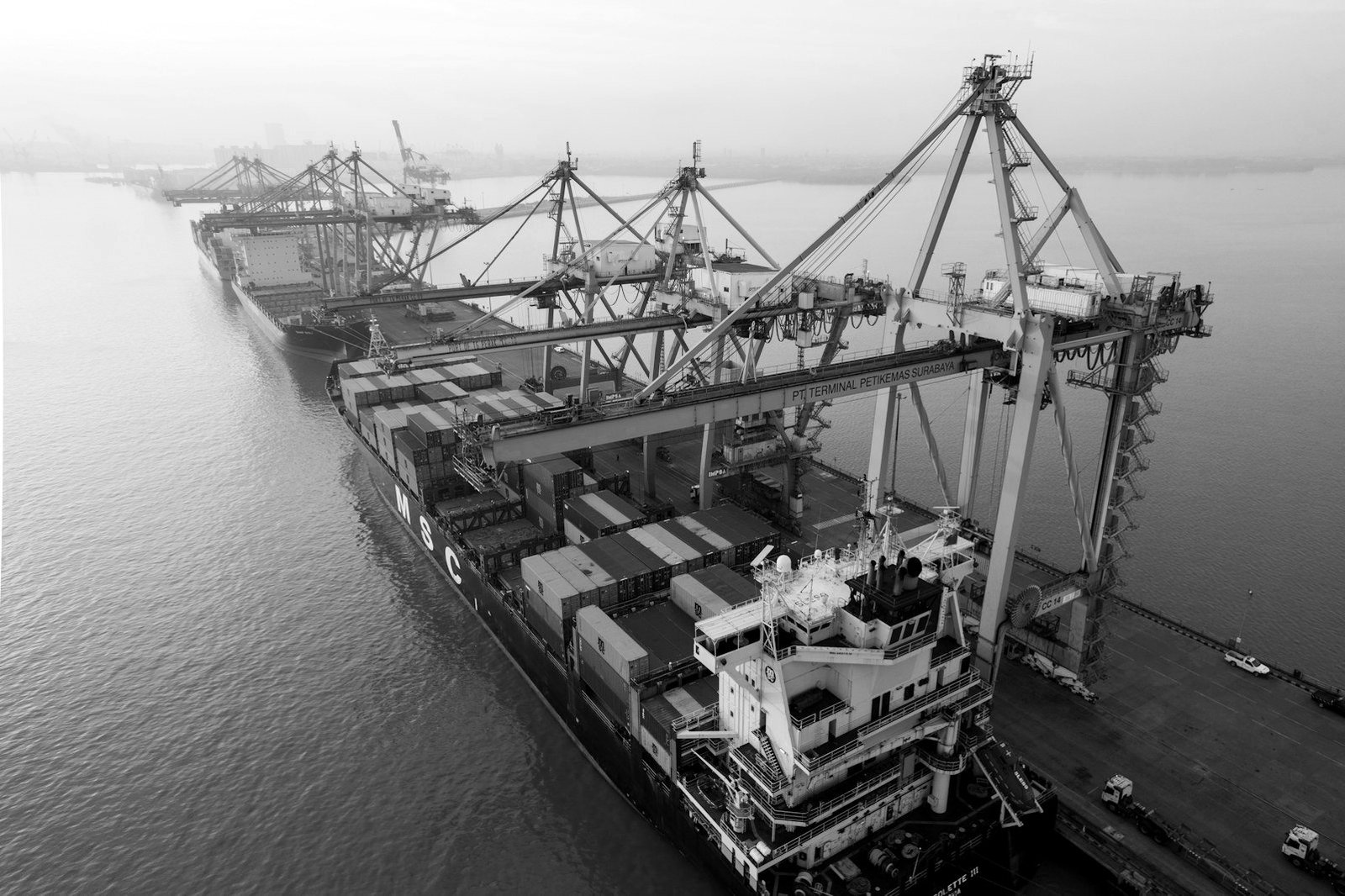
Summary: Imported goods stay under customs control until they are released, handed over to the Government or exported. Section 150 of the Customs Act 2023 lets the Commissioner of Customs allow duty-free re-export of misdirected or unclaimed cargo, and other cases with the Board's prior approval. Changing the cargo declaration or consignee needs a formal application, a fee and no-objection letters from the shipping agent and the lien bank. Speed matters: uncleared goods are deemed handed over to the Government after the period the Board fixes, and are then sold.
Key point: Where an LC bank is named as consignee or holds the bill of lading to its order, nothing moves without it. The Pre-Arrival Processing Rules 2025 require the concerned lien bank's no-objection letter with every substantive application to amend the cargo declaration, including a change of importer or a write-off of a consignment that is going back.
At a glance
Legal basis
Section 150 of the Customs Act 2023 governs frustrated cargo and other re-exports, under customs custody and without payment of duty.
Manifest changes
Cargo declaration amendments follow Rule 10 of the Pre-Arrival Processing Rules 2025: Form-Ga, a Tk 2,000 fee and supporting no-objection letters.
Bank consent
The lien bank's no-objection is required for substantive amendments, and an LC bank named as consignee controls the bill of lading.
Costs
Port rent after four free days, carrier detention and return freight, customs custody expenses and agency fees all fall on someone.
Deadline
Goods not released within the period the Board sets are deemed handed over to the Government and can be auctioned.
Table of Contents
When can you re-export cargo from Bangladesh?
Every consignment that enters Bangladesh is under the control of Customs from entry until it is released for home consumption or handed over or surrendered to the Government.[1] Re-export is the third way out: the goods leave the country again without ever being cleared. The Customs Act 2023, which replaced the Customs Act 1969 and took effect on 6 June 2024, provides the framework.[1] [3] Its authentic English text was published by SRO No. 441-Law/2025 on 9 November 2025, and that is the version cited here.[1]
In practice, the request to re-export cargo from Bangladesh arises in five recurring situations:
- The consignee refuses to take delivery because the market has moved, the goods are said to be defective or the buyer cannot pay.
- The LC documents are refused as discrepant, the applicant will not waive, and the seller wants its goods back rather than a fire sale in Chattogram.
- The cargo was misdirected, discharged at the wrong port, or shipped to a consignee who cannot be traced.
- The goods cannot lawfully be imported in their current form, for example because a licence, permit or standards certificate cannot be obtained.
- The seller resells the goods to a buyer in another country while they are still afloat or in the port.
Re-export, transshipment and remain-on-board distinguished
Three different procedures are often confused. Transshipment moves goods declared for transshipment from an importing vessel to an exporting vessel within the same customs port without duty, and the cargo declaration itself serves as the declaration.[1] Cargo that remains on board is never landed for Bangladesh at all. Re-export, in the sense used in this guide, concerns goods that were manifested for delivery in Bangladesh, were discharged, and now need to leave again. That is the hardest of the three, because the cargo declaration names a Bangladeshi consignee and the system expects a bill of entry for home consumption.
Why the first week decides the outcome
The importer must ordinarily lodge its declaration of goods within 5 working days of unloading.[1] Port storage is free only for a short period, and goods that are not released within the period the Board fixes are deemed handed over to the Government.[1] Once that happens, the decision on what becomes of the cargo passes to Customs. A seller or carrier who wants to re-export cargo from Bangladesh therefore needs a plan, and the necessary consents, within days rather than months.
The legal basis: section 150 of the Customs Act 2023
Section 150 carries the heading "Frustrated cargo" and is the centrepiece of any re-export.[1] It carries forward section 138 of the 1969 Act in almost the same words, so the case law and practice built up under the old law remain a useful guide. One change matters: the old section 138(1A) allowed Board-approved re-export only "in exceptional case", while section 150(2) now applies to goods brought in for any other reason.[1] [4]
Frustrated cargo: misdirection or an untraceable consignee
Under section 150(1), where goods are brought into a customs station by reason of inadvertence, mis-direction or the untraceability of the consignee, the Commissioner of Customs may, on application by the person in charge of the carrying conveyance or by the consignor, and subject to rules, allow the goods to be exported without payment of import or export duty. The condition is that the goods have remained, and are exported, under the custody of a customs officer.[1]
The Frustrated Cargo Export Rules 1984, made under the old Act, define frustrated cargo as goods imported by inadvertence or misdirection, or where the consignee is untraceable and the consignor wishes to have them reshipped, and require the master, the consignor or their authorised agent to apply in writing to the Commissioner for permission.[4] Rules made under the 1969 Act continue in force so far as they are consistent with the 2023 Act, until repealed or replaced.[1]
Every other case: the Board's prior approval
Section 150(2) covers goods brought into a customs station for any other reason. Here the Commissioner may allow re-exportation without payment of duty only with the prior approval of the Board.[1] A consignee who simply refuses delivery, or an importer who discovers the goods cannot be imported, will usually fall into this second category, which means a file that travels from the Custom House to the National Board of Revenue and back. Build that into the timetable from day one.
Custody, duties and expenses
Using section 150 to re-export cargo from Bangladesh is duty-free, but it is not cost-free. All expenses of keeping the goods in customs custody fall on the applicant.[1] Because duty is not paid, the goods must not leave customs control between discharge and loading, and the stuffing, sealing and movement of containers will be supervised. Any attempt to clear part of a consignment while re-exporting the rest needs to be discussed with Customs at the outset, because it will change the declarations and the examination plan.
What the High Court Division has said
In a judgment of 26 November 2024 in Writ Petition No. 315 of 2023, a refund claim over an imported scrap vessel decided under section 138 of the 1969 Act, the High Court Division read the frustrated cargo provision as allowing the consignor, on application to the Commissioner and with permission from the Board, to re-export goods without paying duty.[4]
Customs had refused the importer's refund on the basis that the vessel had left without the re-export procedure being followed, which it said required a Bangladesh Bank certificate, a Ministry of Commerce no-objection and NBR permission. The court found that no re-export application had been made, that the importer had played no part in the vessel's departure, that the re-export provisions therefore did not apply to it, and ordered the duty refunded.[4] The case is a useful indication of the approvals Customs looks for when goods leave again, and of the importance of a documented application to the Commissioner.
Changing the cargo declaration or the consignee
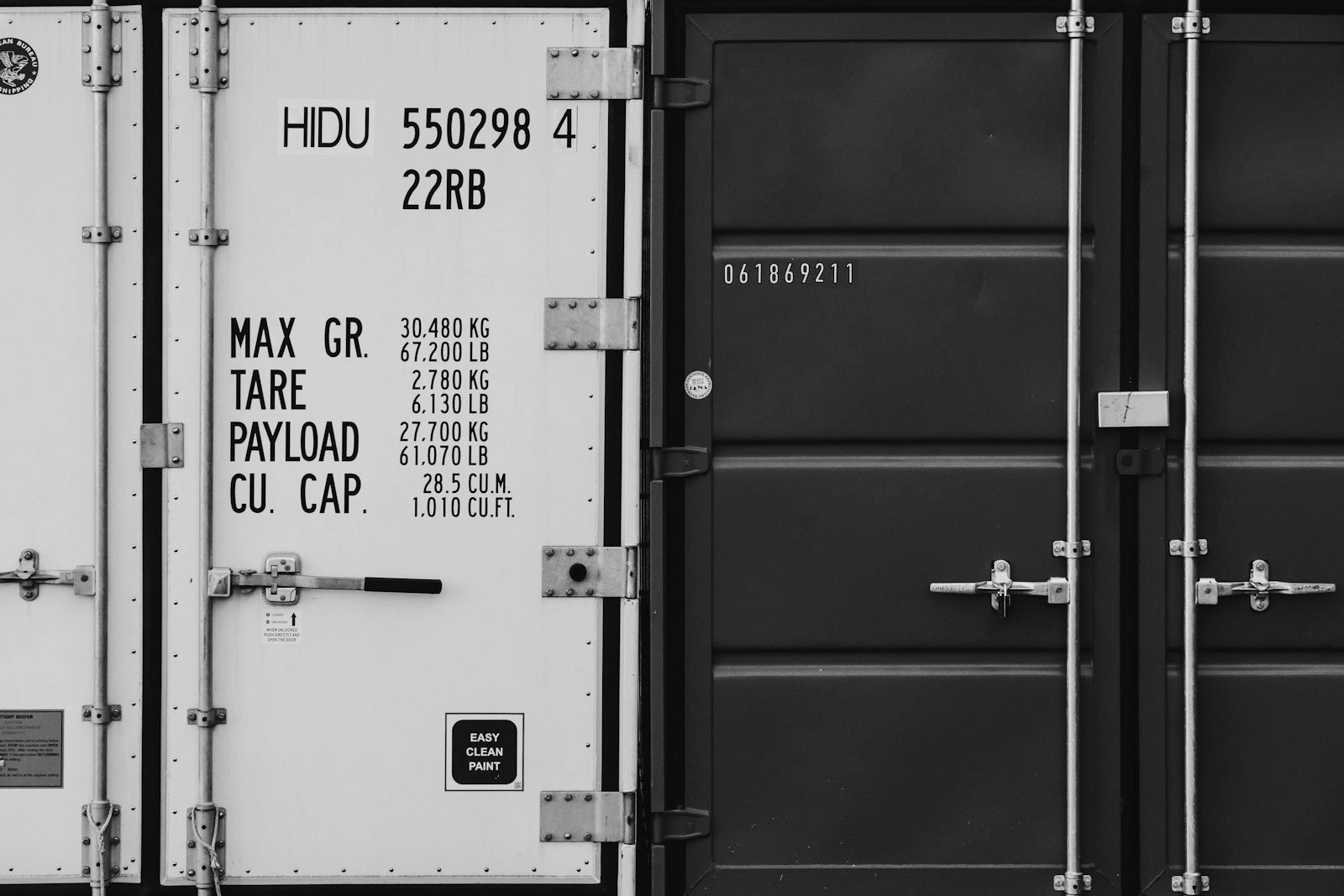
To re-export cargo from Bangladesh, the electronic record must usually be changed first. The cargo declaration filed by the carrier or its agent, still widely called the import general manifest, names the consignee and the destination of each bill of lading. Until it reflects the new reality, Customs systems will treat the goods as awaiting clearance by the original consignee.
Cargo declaration and declaration of goods
Two different documents are involved. The cargo declaration is lodged by the person in charge of the conveyance, or the owner, operator or agent, and lists all goods brought into Bangladesh.[1] The declaration of goods, the bill of entry, is lodged by the importer.[1] Section 48(2) allows the appropriate officer to permit correction of the cargo declaration or a supplementary declaration, but not once the person has been told the goods will be examined, the matter has been established to be false, permission to remove the goods has been granted, or a declaration of goods has already been submitted.[1]
Rule 10 of the Pre-Arrival Processing Rules 2025
The detailed procedure is in the Conveyance and Cargo Declaration Filing and Pre-Arrival Processing Rules 2025, issued as SRO No. 230-Ain/2025 on 29 May 2025 under section 263 of the Act, read with sections 48 and 84(2).[2] Rule 10 provides that an application to amend a cargo declaration or file a supplementary one must be made within 24 hours of registration of the cargo declaration, in Form-Ga, to the Commissioner or the head of the customs station, with a fee of Tk 2,000 paid by A-challan.[2]
The window is short, so the carrier's agent should be briefed as soon as a re-export is in prospect. In every case, section 48(2) of the Act bars correction once one of its exceptions applies.[1]
The Rules divide errors into two classes. Clerical errors, such as a swapped notify party and consignee, a wrong package code or a transposed seal number, are decided at Assistant or Deputy Commissioner level without penalty. Serious errors are decided by the head of the customs station and go to adjudication. The serious list expressly includes a change to the notify party or consignee BIN, a bill of lading write-off for remain-on-board or transshipment cargo or for a consignment going back, a change of place of unloading or destination, and a change of value or description.[2]
Physical examination and adjudication
An application to correct a serious error triggers 100% physical examination of the consignment and assessment after due enquiry into value, origin and classification, although the Commissioner may relax the examination requirement for recorded reasons.[2] Errors in the cargo declaration can also attract penalties under the Act's penalty table, which reaches Tk 2 lakh for some failures.[1] A carrier asked to write off a line for return to origin should therefore expect questions about why the cargo was manifested for Bangladesh in the first place.
Changing the importer or consignee
Where the importer's name is to change, Rule 10(8) requires a no-objection letter from the importer named in the cargo declaration and a consent letter from the importer to be substituted. Customs must also check whether either of them has clearance suspended, a goods declaration pending for more than a month, or Government dues under recovery, and must resolve those matters first.[2] Every substantive amendment application must also carry no-objection letters from the shipping agent or freight forwarder and from the concerned lien bank; for imports paid outside an LC, Customs will check compliance with the Import Policy Order.[2]
If a bill of entry has already been lodged
Once the original consignee has lodged a declaration of goods, the cargo declaration can no longer be corrected under section 48(2).[1] The bill of entry must first be withdrawn. Section 86(3) allows the Commissioner, if authenticity is substantiated, to permit withdrawal for recorded reasons.[1] A consignee that has filed and then lost interest is therefore an essential participant: its written cooperation is the quickest route to unlocking the record.
When the LC bank is consignee: getting the bank's consent
For goods imported under a documentary credit, the bill of lading is commonly made out to the order of the issuing bank, or the bank is named as consignee with the importer as notify party. That arrangement gives the bank security over the goods until it is paid. It also means that the bank, not the buyer, controls any attempt to re-export cargo from Bangladesh.
Why the bank holds the key
Under section 1 of the Bills of Lading Act 1856, every consignee named in a bill of lading, and every endorsee to whom property passes by reason of the consignment or endorsement, takes the rights of suit and the liabilities under the contract of carriage as if it had made that contract itself.[5] A shipping line will not release, re-route or reship cargo against the wishes of the holder of an order bill. In Customs, the lien bank's no-objection letter is a formal requirement for the amendments that a re-export needs.[2] See our analysis of bill of lading disputes in Bangladesh for the wider rules on delivery and title.
Documents refused under the LC
Under UCP 600, a bank that refuses a presentation must send a single notice stating each discrepancy and whether it is holding the documents pending instructions, holding them until the applicant waives, returning them, or acting on instructions already received, no later than the close of the fifth banking day following presentation.[6]
Bangladesh Bank's consolidated import circular of 13 August 2026 requires banks to follow the prevailing UCP for import LCs and the latest URC for collections. Where the drawee dishonours the bill and the shipper or its local agent finds another buyer in Bangladesh, the bank may remit payment only with Bangladesh Bank's prior permission and once Customs has released the goods against a bill of entry, which is the usual alternative that sellers weigh against re-export.[8]
Suppose a supplier in Vietnam ships two containers of fabric to Chattogram under a sight LC. The issuing bank refuses the documents for a late shipment date and the applicant declines to waive. The bank has not paid, so it has no interest in keeping the goods, but the bill of lading is still made out to its order. The supplier's bank should ask the issuing bank, as lien bank, to endorse the bill of lading back to the shipper, or to issue a no-objection letter to the carrier's local agent and to Customs, and to return the full set of documents. Without that step, the carrier and Customs will not act.
Documentary collections
Where goods move on collection terms rather than under an LC, the ICC Uniform Rules for Collections (URC 522) say that goods should not be dispatched to, or consigned to the order of, a bank without that bank's prior agreement, that banks have no obligation to take action in respect of the goods, and that charges for protecting goods fall on the party that sent the collection.[7] A Bangladeshi collecting bank that never agreed to be consignee may be slow to sign anything. Exporters should avoid consigning goods to a bank on collection terms unless the bank has agreed in advance.
Where the bank has paid: closing the import file
If the LC has been honoured and the importer now wants to send the goods back, for example for replacement, the bank's concerns change. Bangladesh Bank requires the importer to submit an authenticated bill of entry within four months of remittance; an importer that fails to do so is barred from opening new LCs without Bangladesh Bank's prior permission. Applications to extend the four months for genuine difficulties, such as problems clearing goods already landed, go to Bangladesh Bank through the bank.[8]
Re-exported goods never produce a bill of entry for home consumption, so the paid amount must be dealt with in another way. The circular allows an importer to receive the unmatched amount in foreign currency from the same supplier through the banking channel where goods were not received, and the bank then reports the refund against the import record.[8] Our guide to letters of credit in Bangladesh covers the LC mechanics in more detail.

Import policy and other regulatory approvals
Customs permission is not always the only approval needed to re-export cargo from Bangladesh. The Import Policy Order, made by the Ministry of Commerce, sets the conditions on which goods may be imported and returned. The Import Policy Order 2026-29, issued in August 2026, replaced the 2021-24 order and loosened the rules on imports outside letters of credit.[10]
Successive orders have dealt specifically with returning imported goods. The 2015-2018 order, for example, required the Chief Controller of Imports and Exports to issue a clearance certificate for re-export of defective fabric and accessories accepted back by the supplier, subject to no objection from the concerned lien bank and Customs, and required import control approval to return defective goods replaced under warranty.[9] The current order should be checked for the equivalent provisions before an application is filed; for imports paid outside an LC, the 2025 Rules also require Customs to verify Import Policy Order compliance when deciding an amendment application.[2]
Some goods cannot leave the port the way they came. Hazardous cargo, perishable goods and items under investigation may be subject to separate directions, and once goods have been handed over to the Government, animals and perishable goods may be sold at any time with an appropriate officer's permission.[1] If the cargo is the subject of an investigation, a show cause notice or a court order, resolve that first; re-export will not be authorised around it.
What it costs to re-export cargo from Bangladesh
The legal permissions are only half the problem. The other half is the bill, which grows every day the container stays in the yard. The main heads are set out below, followed by a comparison table.
Port rent
At Chattogram, imported containers ordinarily get four days of free storage after unloading. After that, daily rent starts at USD 6 for a 20-foot container and USD 12 for a 40-foot container and rises to USD 24 and USD 48 by the third week.[12] A fourfold penal rent on imported FCL containers, which would take those rates to USD 96 and USD 192 a day, has been suspended under successive Chittagong Port Authority circulars, most recently reported in May 2026, so the current circular must be checked.[12] The port's general tariff was revised from 16 September 2025, with increases of up to 50% and the first revision in 39 years.[11]
Shipping line charges
The carrier will look to the merchant for container detention once the free days on the bill of lading expire, for terminal handling at both ends, and for freight on the return leg, which is a new carriage unless the original contract provides otherwise. Lines commonly require these charges to be settled, or secured, before they agree to re-book the box. Our analysis of demurrage and detention claims in Bangladesh explains how those charges are calculated and challenged.
Customs and agency costs
Section 150 makes the applicant bear the expenses of customs custody.[1] Each application to amend the cargo declaration carries a Tk 2,000 fee, and a serious amendment can lead to adjudication and a penalty.[2] Add the C&F agent's fees, any examination and re-stuffing costs, survey fees if quality is disputed, and bank charges on the LC or collection.
Who ultimately pays
Between seller and buyer, the answer turns on the sale contract and the reason the cargo is going back. A buyer that wrongfully refused delivery is exposed to a claim for compensation for loss caused by its breach under section 73 of the Contract Act 1872, which can include the return costs.[14] A seller that shipped non-conforming goods will normally carry them. The shipping line, meanwhile, will usually pursue whichever party the bill of lading makes liable, regardless of who is at fault under the sale.
| Cost | Charged by | Basis | Usually borne by | How to limit it |
|---|---|---|---|---|
| Port rent | Port authority | Port tariff; four free days, then escalating daily rent | The party that takes the decision, as the contract allocates | Decide within days; check penal rent notices |
| Container detention | Shipping line | Bill of lading and line tariff | The merchant liable under the bill of lading | Agree a cap before re-booking |
| Return freight and handling | Shipping line | New booking or bill of lading terms | Seller, or a buyer in breach | Allocate in writing before shipment |
| Customs custody expenses | Customs | Customs Act 2023, s 150 | The applicant | Apply early and keep one custody period |
| Amendment fee and penalties | Customs | Pre-Arrival Processing Rules 2025, r 10; penalty table | Carrier or agent filing the declaration | File accurately; separate clerical from serious errors |
| Bank and agency charges | LC bank, C&F agent | LC terms, URC 522, agency contract | As agreed; the sender of a collection for goods protection | Fix fees and instructions upfront |
Agree in writing, before any money is spent, who is advancing each cost and on what basis it will be recovered. Many re-export plans fail because no party will fund the first payment of port rent.
Time limits that matter
Anyone planning to re-export cargo from Bangladesh faces several clocks running at once, each controlled by a different institution.
- Cargo declaration amendment: application within 24 hours of registration of the cargo declaration under Rule 10(1) of the 2025 Rules.[2]
- Declaration of goods: ordinarily within 5 working days of unloading under section 84(1).[1]
- Port rent: four free days for imported containers at Chattogram, after which port rent escalates in stages.[12]
- Deemed handover: goods not released within the period after unloading that the Board decides, or any extra time the appropriate officer allows, are deemed handed over to the Government where the delay is down to the importer, missing documents or unpaid duty.[1]
- LC refusal notice: no later than the close of the fifth banking day following presentation.[6]
- Bangladesh Bank reporting: bill of entry within four months of remittance, failing which the importer cannot open new LCs without permission.[8]
- Auction surplus: any balance of sale proceeds is paid to the owner only if claimed within 3 years of the sale, or on sufficient cause.[1]
The deemed handover rule is the one that ends the re-export option in practice. The NBR clarified its procedures on uncleared, seized and confiscated goods in Standing Order 43/Customs/2026, issued on 17 August 2026.[13] Confirm the current period with the Custom House on the day the vessel discharges, and diary it.
Practical steps at the port
The sequence below reflects how a well-run plan to re-export cargo from Bangladesh usually proceeds at Chattogram, Mongla or an inland container depot. Several steps run in parallel, and the order of consents matters more than the order of filings.
Fix the dates
Record the discharge date, the free days for port storage and container use, and the deemed handover period confirmed by the Custom House.
Stop a stray bill of entry
Ask the named consignee not to lodge a declaration of goods it will not pursue, or to apply to withdraw one already filed.
Choose the legal route
Decide whether the case is frustrated cargo under section 150(1) or needs the Board's prior approval under section 150(2).
Collect the consents
Obtain no-objection letters from the named importer, the lien bank and the shipping agent, plus the supplier's written instructions.
Amend the cargo declaration
File Form-Ga with the Tk 2,000 fee for the change of consignee or write-off, and prepare for examination and adjudication.
Apply to the Commissioner
Lodge the written re-export application with the bill of lading, invoice, bank letters and any import policy clearance.
Settle or secure charges
Pay or secure port rent, detention, return freight and customs custody expenses so the port and the line release the box.
Load under supervision and close out
Move, seal and load the container under customs custody, then close the bank's import file and pursue any recovery claim.
Keep one file with every no-objection letter, application, challan and order in date order. When something goes wrong at the gate, the officer will ask for that file.
Who does what
Each institution controls a different part of the process, and none of them will act on another's behalf.
Custom House at the port or ICD
Decides re-export applications under section 150, amends cargo declarations and supervises custody until loading.
National Board of Revenue
Gives prior approval for re-export outside frustrated cargo cases and issues standing orders on uncleared goods.
Chittagong, Mongla or Payra Port Authority
Holds landed cargo and charges port rent and handling under its tariff until the container leaves.
Shipping line and local agent
Files and amends the cargo declaration, issues no-objection letters, re-books the container and charges detention.
LC issuing or lien bank
As consignee or holder of the order bill of lading, its endorsement and no-objection unlock the cargo.
C&F agent
Lodges applications and documents, attends examination and moves the container under customs supervision.
Where the parties are abroad, a Bangladesh lawyer can coordinate the consents, deal with the Custom House on the section 150 application and keep the carrier and the bank aligned. That is usually cheaper than a fortnight of port rent.
If re-export fails: auction, claims and disputes
If the deadline passes without release or re-export, goods handed over to the Government may be sold, destroyed or otherwise disposed of on the orders of the appropriate officer after notice to the owner, or by newspaper notice if the owner cannot be traced.[1] Sale is by public auction, tender or private offer, and the proceeds are applied first to the expenses of sale, then to freight and other charges notified to the custodian, then to duties and taxes, and then to the custodian's charges, with any balance paid to the owner.[1] In a falling market there is often nothing left. Our guide to uncleared cargo in Bangladesh explains that process in detail.
The disputes that follow depend on who lost what. A seller whose buyer refused the goods may claim damages under the sale contract, in the forum the contract chooses. Claims against the carrier arising from the contract of carriage, or for loss of or damage to the goods, can be brought in the admiralty jurisdiction of the High Court Division, as our guide to the Admiralty Court Act in Bangladesh explains. Where the buyer is the problem, read our analysis of what happens when a consignee refuses delivery in Bangladesh before choosing between re-export, resale in Bangladesh and a claim.
Mistakes to avoid
- Letting the consignee file a bill of entry it will not pursue. It blocks correction of the cargo declaration until the bill of entry is withdrawn.
- Forgetting the bank. Without the lien bank's no-objection letter, the amendment application is incomplete and the carrier will not act on an order bill.
- Treating section 150(2) as routine. Cases outside misdirection and untraceable consignees need the Board's prior approval, which takes time.
- Ignoring the import policy. If the Import Policy Order requires a clearance for return of goods, Customs will ask for it.
- Arguing about costs while the clock runs. Port rent, detention and the deemed handover period do not pause for negotiation.
- Leaving the bank's import file open. A paid import that is re-exported without a supplier refund leaves the importer facing Bangladesh Bank reporting consequences.
To re-export cargo from Bangladesh successfully, the seller, buyer, carrier and bank must act together within days of discharge. TRW's maritime, shipping and admiralty practice advises foreign exporters, shipping lines, forwarders, insurers and Bangladeshi importers on returning, releasing and recovering cargo held at Bangladeshi ports, and on the claims that follow.
Test yourself
Frequently asked questions
Can cargo that has arrived in Bangladesh be sent back to the origin port?
Yes, if Customs permits it before the goods are released or handed over to the Government. Section 150 of the Customs Act 2023 lets the Commissioner allow duty-free re-export of misdirected or unclaimed cargo, and other cases with the Board's prior approval, under customs custody.[1]
Who can apply to re-export frustrated cargo?
Is duty payable when cargo is re-exported?
Not if Customs allows re-export under section 150, provided the goods remain and are exported under customs custody. The applicant bears the custody expenses.[1]
How do I change the consignee on the manifest in Bangladesh?
Apply in Form-Ga under Rule 10 of the Pre-Arrival Processing Rules 2025 with the Tk 2,000 fee, a no-objection letter from the named importer, a consent letter from the new importer, and no-objection letters from the shipping agent and the lien bank. A change of consignee BIN is a serious amendment that goes to adjudication.[2]
Is there a deadline for amending the cargo declaration?
Do I need the LC bank's consent to re-export?
What happens to the import payment if paid goods are re-exported?
No bill of entry will be produced, so the importer should arrange a foreign currency refund from the supplier through the banking channel. Without a bill of entry within four months of remittance, the importer cannot open new LCs without Bangladesh Bank's permission.[8]
How much port rent will I pay while arranging re-export?
At Chattogram, imported containers get four free days, after which rent starts at USD 6 a day for a 20-foot box and USD 12 for a 40-foot box, rising to USD 24 and USD 48 by the third week. Check whether the fourfold penal rent is still suspended.[12]
What if the deadline passes before re-export is approved?
Goods not released within the period the Board sets are deemed handed over to the Government and may be sold by auction, tender or private offer, with the proceeds applied to costs, freight, duties and custodian charges first.[1]
Who pays the cost of sending cargo back?
Source register
Primary legal and regulatory sources
Materials checked on 17 November 2026. Confirm the current official text before relying on any provision.
- Customs Act 2023 (Act No. 57 of 2023), authentic English text, SRO No. 441-Law/2025 dated 9 November 2025, ss 47, 48, 84, 86, 94, 136, 150 and 237 and penalty table: National Board of Revenue
- Conveyance and Cargo Declaration Filing and Pre-Arrival Processing Rules 2025, SRO No. 230-Ain/2025/52/Customs dated 29 May 2025, rule 10 (Bangla): National Board of Revenue
- The Financial Express, 1 June 2024: Businesses allowed to release goods sans customs assessment (new Customs Act to be effective from June 06)
- High Court Division, Writ Petition No. 315 of 2023, PHP Ship Breaking & Re-cycling Industries Ltd v National Board of Revenue and others (judgment of 26 November 2024), quoting Customs Act 1969, s 138 and Frustrated Cargo Export Rules 1984, rr 2 and 3
- Bills of Lading Act 1856 (Act No. IX of 1856), s 1: Laws of Bangladesh
- ICC Uniform Customs and Practice for Documentary Credits, UCP 600, Articles 14 and 16 (text reproduced)
- Union Bank of India, Export Bills for Collection / URC 522, para 3.6.1 (documents vs goods, following URC 522 Article 10)
- Bangladesh Bank, FEPD-1 Circular No. 30 (13 August 2026): Consolidated circular on foreign exchange regulations, import transactions, Part-A para 3 and Part-B paras 9, 14, 15 and 16
- Ministry of Commerce, Import Policy Order 2015-2018, paragraph 14 (re-export and return of imported goods), via FAOLEX
- The Financial Express, 25 August 2026: Govt issues new import policy for 2026-29
- The Financial Express, 16 September 2025: Chittagong port tariffs increased by up to 50pc
- The Financial Express, 3 May 2026: Ctg port extends suspension of four-times penal rent
- The Financial Express, 5 October 2026: When cargo stops moving (NBR Standing Order 43/Customs/2026 of 17 August 2026)
- Contract Act 1872 (Act No. IX of 1872), s 73: Laws of Bangladesh
Related TRW assistance
Move from information to a defined next step
TRW advises foreign exporters, shipping lines, freight forwarders, insurers and Bangladeshi importers on re-export applications, cargo declaration amendments, bank consents and the recovery of port and carrier costs. Explore our maritime, shipping and admiralty practice and customs and trade compliance practice, or contact our lawyers in Dhaka before the deemed handover date passes.











