
TRW Insight / Bangladesh
Abandoning cargo in Bangladesh is a Customs procedure, not a decision to stop paying. A formal handover under the Customs Act 2023 ends the goods, but freight, detention and port charges survive, so the order in which you act decides who pays.
Cargo abandonment Bangladesh: the 2026 position
Cargo abandonment Bangladesh law recognises is a formal act, not a decision to stop answering the shipping line's emails. When an importer, a bank or a foreign seller decides that a consignment sitting at Chattogram, Mongla, Payra or an inland container depot is worth less than the cost of clearing it, the Customs Act 2023 provides a route to hand the goods over to the Government. Used properly, that route caps the bleeding. Used carelessly, or replaced by silence, it leaves port rent, container detention, freight and even duty exposure running against whoever the creditors can reach.
This guide explains who can abandon cargo in Bangladesh (the importer of record, the holder of the bill of lading, the notify party and the foreign shipper all stand in different positions), how the Customs handover procedure works, how the carrier and the port protect their charges, and what happens to duties, demurrage, detention and the container itself. It closes with a comparison of the three real options: clear, re-export or abandon, and the steps that keep an abandonment clean.
Cargo abandonment Bangladesh, step by step.
How cargo is formally abandoned in Bangladesh
Compare clearing, re-exporting and abandoning, counting the port rent, detention and freight that survive the goods.
Abandonment ends the cargo, not the contracts. A cheap-looking handover can leave the shipper and consignee facing the carrier's bill months later.
Only the importer, such as the consignee or a person with ownership or possession rights, or the custodian can hand goods over.
Section 2(3)A notify party without the bill of lading or the bank's release has nothing to surrender.
Apply for handover under section 94(1) and ask to withdraw any goods declaration already filed.
Section 94(1)The appropriate officer's prior written approval is what turns a request into a handover.
Carriers must give the custodian notice of freight and charges, or those charges are not paid from sale proceeds.
Section 237(2)(b)Chittagong port holds a priority lien for its charges and may auction unclaimed goods 45 days after custody where notice fails.
45 daysThe Chittagong Port Authority Act 2022 also allows sale for unpaid dues after two months, on 15 days' notice in two national dailies.
Customs sells, destroys or disposes of the goods after notice, now mostly through numbered e-auctions.
Proceeds pay sale costs, notified freight and charges, duties and then custodian charges. Any surplus can be claimed within three years.
Abandonment does not stop detention, so secure unstuffing and return of the line's container.
The port statute treats containers as goods, and old empty containers have appeared in customs auction lots.
Abandon formally and in writing, with the bank, line and port aligned, or silence will decide for you.
The numbers and rules that matter.
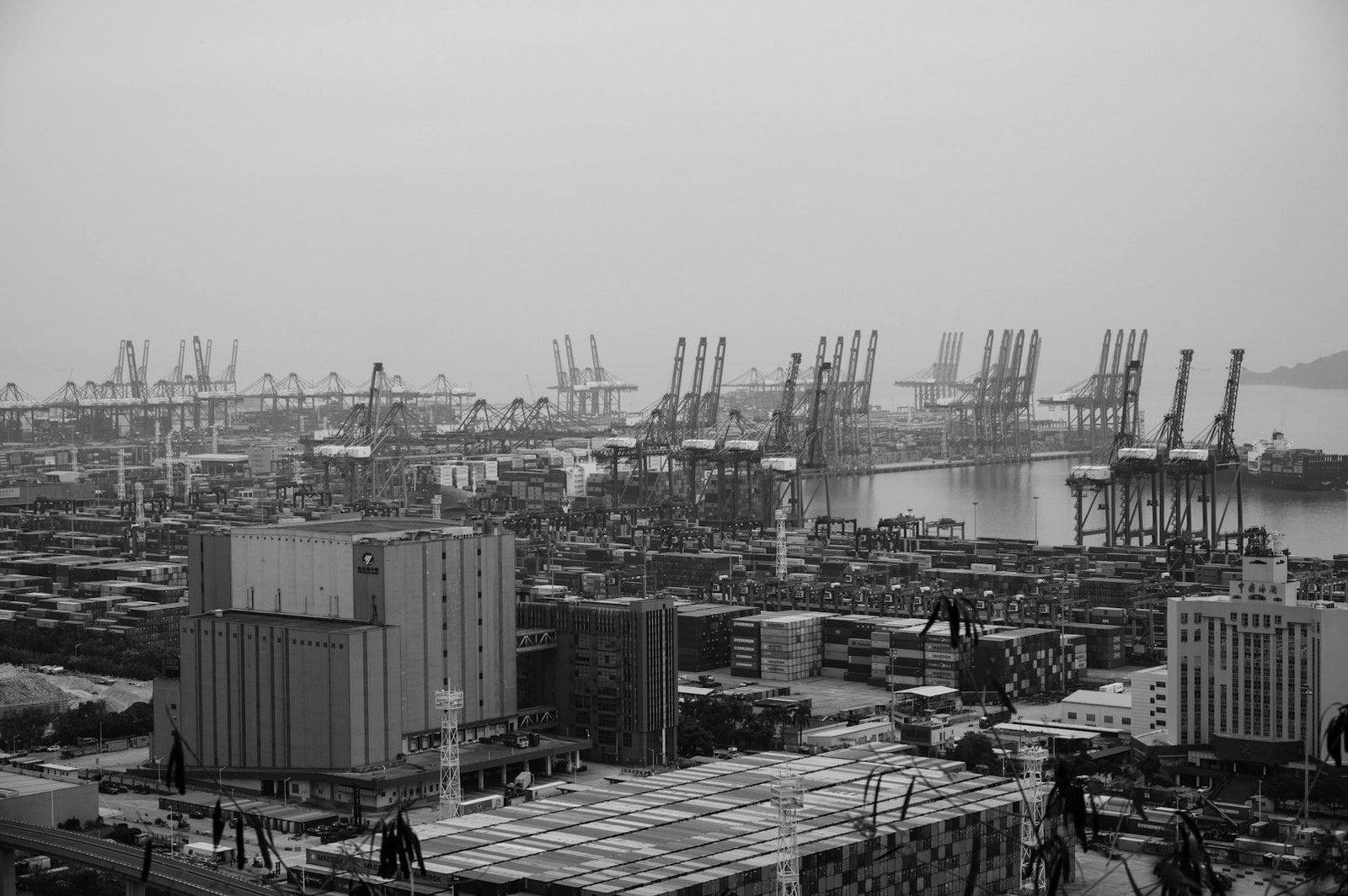
Summary: Under section 94 of the Customs Act 2023, uncleared imported goods may be handed over to the Government by the importer or the custodian with the prior approval of the appropriate officer, and goods are deemed handed over if they are not released within the period the Board fixes because of the importer's default. Customs then sells, destroys or otherwise disposes of them after notice, and section 237 applies the sale proceeds first to sale expenses, then to notified freight and charges, then to duties, then to the custodian. Abandonment ends the cargo, not the contracts: detention and freight claims under the bill of lading survive, and the port has its own statutory lien and sale powers.
Key point: Abandoning cargo to Customs does not by itself release anyone from the shipping line. The carrier's container detention, freight and other charges arise under the bill of lading, and the Bills of Lading Act 1856 preserves the carrier's right to claim freight from the original shipper. Before handing over, settle or at least fix the line's charges and secure the return of its container.
At a glance
Formal handover
Section 94(1) of the Customs Act 2023 lets the importer or custodian hand uncleared goods to the Government with prior approval.
Deemed handover
Goods not released within the Board's period because of the importer's default are treated as handed over and can be sold.
Sale proceeds
Section 237 pays sale costs, notified freight and charges, duties and custodian charges in that order; any surplus is claimable for three years.
Port lien
The Chittagong Port Authority Act 2022 gives the port a lien for its charges and its own powers to sell unclaimed goods.
Contracts survive
Detention, freight and sale-contract claims continue after the goods are gone, often against the shipper and the consignee.
Table of Contents
What cargo abandonment Bangladesh law actually recognises
The Customs Act 2023 does not use "abandonment" as the name of a procedure for imports. It speaks of goods being "handed over or surrendered to the Government". Section 47(2) provides that imported goods remain under customs control from their entry into Bangladesh until they are released for home consumption or handed over or surrendered to the Government.[1] That sentence frames the whole subject. Until one of those events happens, the goods are in a legal holding pattern, and every day in that pattern costs someone money.
Section 94 then provides two routes out. Under section 94(1), where imported goods are not cleared for home consumption, they are handed over to the Government by the importer or, as the case may be, the custodian, with the prior approval of the appropriate officer. Under section 94(2), substituted by the Finance Act 2024, goods are deemed to have been handed over if they are not released within the period after unloading fixed by the Board, or any extra time the appropriate officer allows, because examination could not be done owing to the importer, mandatory documents were not submitted, or duties, taxes or a related guarantee were not paid.[1]
Three ways cargo ends up abandoned
In practice, cargo abandonment Bangladesh traders encounter falls into three patterns. The first is an approved handover under section 94(1), the only route that gives the importer a documented end point. The second is deemed handover under section 94(2), where the importer simply fails to act and the law treats the goods as surrendered. The third is the port's own route: the Chittagong Port Authority Act 2022 allows the port to sell goods to recover its dues and to deal with unclaimed goods after statutory periods.[2] The legal effect on the goods is similar in each case. The effect on the people who owe money is not.
Why importers walk away
Reporting on a 2025 National Board of Revenue special order identified the usual reasons: a fall in local market prices, failure to submit original documents or obtain clearance permits, and reluctance to pay fines for discrepancies in import documents.[10] Other causes include disputed valuation or ownership, another regulator withholding clearance, deterioration of the goods and court orders restraining disposal.[14] Each cause points to a different solution, and some of them, such as a valuation dispute, are better fought than abandoned.
Who can abandon cargo: consignee, bill of lading holder or notify party
The first question in any cargo abandonment Bangladesh matter is whether the person proposing to abandon has the standing to do it. Section 94(1) names the importer, the exporter and the custodian.[1] It does not name the carrier, the freight forwarder or the notify party as such. Everything therefore turns on who counts as the "importer".
The importer of record
Section 2(3) defines "importer" as any person by whom or on whose behalf goods are imported, and it includes a consignee or a person having ownership, a right of possession or an interest in the goods between importation and the end of customs formalities.[1] The definition is wide. It catches the named consignee, a buyer to whom property has passed and, arguably, a lender with a security interest. What it does not do is turn every name on the bill of lading into someone who can give the goods away.
The holder of the bill of lading and the issuing bank
For letter of credit imports, the bill of lading is commonly made out to the order of the issuing bank, with the applicant shown as notify party. Under the Bills of Lading Act 1856, every consignee named in a bill and every endorsee to whom property passes acquires the rights of suit under the contract of carriage and becomes subject to the same liabilities as if the contract had been made with him.[3] A bank that holds an order bill controls delivery, and an applicant who has not obtained the endorsed bill, or the bank's release, is in a weak position to tell Customs that it is the person entitled to surrender the goods.
Banks deal with documents and not with goods,[9] and an issuing bank will rarely want to hand cargo to the Government itself, but it should not be left out. The cleanest abandonment by an LC applicant is supported by the bank's written no-objection or endorsement, so that Customs, the line and the port all see a single, consistent instruction from the party that controls the title document.
The notify party
A notify party is exactly that: the person the carrier tells when the ship arrives. Being named in that box confers no title and no right to delivery. A notify party that is also the buyer may be the importer in the section 2(3) sense through ownership or a right to possession, but that status comes from the sale contract and the documents, not from the notify box. Where the notify party has neither the bill nor the bank's release, its "abandonment letter" may be a useful commercial signal, but it is not an effective surrender of someone else's goods.
The foreign seller and shipper
A foreign exporter that has not been paid may still have rights in the goods. The Sale of Goods Act 1930 gives an unpaid seller who has parted with possession a right to stop goods in transit when the buyer becomes insolvent. Transit continues where the buyer rejects the goods and the carrier stays in possession, even if the seller has refused to take them back, and the right is exercised by taking possession or by notice to the carrier.[4] A seller that has stopped goods may resell them on notice and recover its loss from the buyer.[4] Those rights are often more valuable than letting the buyer abandon the cargo to auction.
Suppose a supplier in Vietnam ships fabric on a documentary collection, the Bangladeshi buyer declines to pay and the documents come back unpaid. The supplier still holds the bill of lading. It can instruct the line, find a new buyer, seek re-export or, as a last resort, consider abandonment itself. Our guide to a consignee who refuses delivery in Bangladesh deals with that sequence in more detail.
The carrier and the custodian
The carrier cannot abandon the cargo to Customs on the merchant's behalf, but it is not powerless. Under section 150(1), where goods arrive through inadvertence, misdirection or because the consignee cannot be traced, the Commissioner may, on application by the person in charge of the conveyance or by the consignor, allow export without payment of duties, provided the goods remain in and leave under customs custody.[1] The custodian, at Chattogram usually the port, is itself named in section 94(1) as a person who may hand goods over.[1]
Cargo abandonment Bangladesh procedure: the Customs handover
There is no single published form for cargo abandonment Bangladesh custom houses all accept, and practice differs between them. The statutory structure, however, is clear, and a well-prepared application follows it.
Before or after the goods declaration
The importer must submit the goods declaration in the manner prescribed after arrival of the goods or within five working days of unloading.[1] If no declaration has been filed, the handover application stands on its own. If a declaration has already been lodged, the importer should also ask for it to be withdrawn: section 86(3) allows the Commissioner, recording reasonable cause, to permit withdrawal of a submitted goods declaration.[1] Leaving a live declaration on the system while asking Customs to take the goods invites a duty demand on one file and a disposal order on another.
The application and the approval
The application under section 94(1) should identify the consignment by bill of lading, container numbers, manifest particulars and any goods declaration number. It should explain the applicant's standing (consignee, endorsee or owner), attach the original or endorsed bill or the bank's release, state the reason for the handover and confirm that the applicant gives up all claims to the goods. The appropriate officer's prior approval is what turns a request into a handover.[1] Until that approval is in writing, assume nothing has changed.
What Customs will check first
Customs will want to know whether the goods are subject to any investigation, seizure, adjudication or court order, whether they are restricted or prohibited, and whether they are hazardous or perishable. Goods under investigation are not simply disposed of: section 94(5) provides that where goods are sold subject to adjudication, appeal or a court decision, the proceeds go to the Government treasury and are refunded, after deduction of dues, if the goods are later found not liable to confiscation.[1] An application that discloses a pending dispute openly is more likely to be dealt with than one that hopes nobody notices.
Deemed handover: the period fixed by the Board
Under the 2023 Act, the deadline that triggers deemed handover is the period the Board fixes after unloading, extendable by the appropriate officer.[1] Bangladesh Customs' published auction procedure, written for the Customs Act 1969, set 30 days from unloading at a customs port, land customs station or inland container depot and 21 days at a customs airport, with power to extend.[7] Treat any deadline as a warning, not a grace period, and confirm the current Board order with the custom house before relying on it.
Notice and disposal
Goods handed over to the Government are sold, destroyed or otherwise disposed of by order of an appropriate officer after due notice to the owner if the address can be ascertained, or by newspaper notice if it cannot. Animals and perishable goods may be sold at any time with permission, and arms, ammunition, military stores and hazardous goods are disposed of with Government approval as the Board directs.[1] Section 237 adds that goods other than confiscated goods are sold after due notice by public auction, tender or private offer, or in any other manner with the owner's written consent.[1]
How auctions run in 2026
The National Board of Revenue has spent two years trying to speed up disposal. A special order reported in May 2025 allowed e-auctions and spot auctions, lots without a reserve price (subject to mandatory legal verification), direct sale of urgent goods such as sugar, lentils and soybean oil to the Trading Corporation of Bangladesh, and sale to interested institutions after two failed auctions. Until then, non-perishable goods were hard to sell at a first auction below a reserve value set at 60 per cent of the import price plus tax.[10]
A later NBR Standing Order, 43/Customs/2026, dated 17 August 2026, is reported to have further clarified procedures for uncleared, seized and confiscated goods, including an additional route under which eligible goods in listed categories may be sold to Bangladesh Machine Tools Factory before auction at not less than 60 per cent of the reserve price, subject to conditions.[14] Obtain the order itself from the custom house before relying on it.
Chattogram Custom House now sells through numbered e-auctions. In July 2026 it offered 168 containers in two e-auctions, one of them a special e-auction with no reserved value; bidders had to upload a security deposit of at least 10 per cent of the bid and inspect the goods physically.[11] In August 2026 it announced 442 containers in two further auctions on the portal auction.bdcustoms.gov.bd, including 86 old empty containers.[12] The mechanics of bidding, reserve values and buyer clearance are covered in our guide to customs auctions in Bangladesh.
The carrier's position when cargo is abandoned
For a shipping line, cargo abandonment Bangladesh style usually means a full container sitting in a port yard for months, earning nothing and blocking equipment. The line's legal tools come from three places: the bill of lading, the Customs Act and the port statute.
Lien notices and the order of payment
Section 74(2) of the Customs Act 2023 provides that where goods are taken into customs charge under that section and the master or agent has given written notice that they are subject to a lien for freight, primage, general average, demurrage, container detention, dead-freight, terminal handling or other charges, the officer holds the goods until notified that the charges are paid.[1] More important in practice is section 237(2)(b): when goods are sold, freight and other charges are paid from the proceeds only if notice of those charges has been given to the person holding the goods in custody.[1] A line that has not served notice on the custodian ranks behind duties and may receive nothing.
The port statute recognises the same idea. Under section 27 of the Chittagong Port Authority Act 2022, if the shipowner or master notifies the port at or before landing that freight, primage or general average is unpaid, the owner's lien continues until paid, the goods stay in the port's warehouse or shed, and they are released only on notice that the lien is discharged.[2] Serve both notices early, in writing, and keep proof of receipt.
Detention and freight survive the goods
Container detention is a contractual charge under the bill of lading and the carrier's tariff. Abandoning the cargo does not cancel it. The Bills of Lading Act 1856 makes a consignee or endorsee to whom property passes subject to the liabilities under the bill as if the contract had been made with him, and expressly preserves any right to claim freight against the original shipper or owner.[3] Liner bills commonly define the "merchant" to include the shipper, consignee and holder and make them jointly liable. For a foreign exporter, the practical result is that an abandoned box in Chattogram can produce a detention invoice in its home country months later.
Mitigation and the size of the claim
A detention claim is still a claim for loss caused by breach of contract. Section 73 of the Contract Act 1872 allows compensation only for loss that naturally arose in the usual course of things from the breach, or that the parties knew was likely to result from it, and not for remote or indirect loss.[5] A line that knew the consignee had abandoned the goods, and did nothing to recover its container through Customs, the port or a re-export application, should expect a mitigation argument to be made against an open-ended daily rate. Our guide to demurrage and detention claims in Bangladesh covers free time, tariffs and defences.
Where carriers sue
Claims arising out of an agreement relating to the carriage of goods in a ship fall within the jurisdiction of the High Court Division as Admiralty Court under section 3(2)(h) of the Admiralty Court Act 2000.[6] Many bills of lading also contain foreign jurisdiction or arbitration clauses, which affect where a line can pursue a shipper abroad. The bill of lading disputes guide explains how those clauses are treated.
The port's position: lien, rent and sale
The Chittagong Port Authority Act 2022 (Act No. 8 of 2022) replaced the 1976 Ordinance and gives the port a strong statutory position.[2] Mongla, Payra and private inland container depots operate under their own statutes, tariffs and licences, so check the equivalent rules where the cargo actually sits.
A statutory lien with priority
Under section 26, the port has a lien on goods for rent, penalties, tolls, rates, fees and other charges levied under the Act until they are paid in full, and may seize or detain the goods. Charges become payable immediately after discharge and before removal. The port's lien ranks ahead of any other lien or claim except freight, primage, general average and other Government dues.[2] In other words, abandoning the cargo does not make the port wait behind the importer's other creditors.
The port's own sale powers
Section 28 allows the port, if its dues and the shipowner's dues remain unpaid two months after discharge, to sell the goods by auction after 15 days' written notice in two national dailies and on its notice board; perishable goods may be sold after 24 hours. Where the owner's address is known, notice must also go by post, telephone, message or email, although failure to notify does not defeat a bona fide purchaser's title.[2]
Section 31 deals with unclaimed goods. The port gives notice to remove them once 30 days have passed since they came under its control, or 45 days if all charges have been paid. Where the owner is unknown, cannot be served or does not comply, the port may sell the goods by public auction 45 days after taking custody, and if that is not possible Customs may move them to its own premises.[2] In practice, uncleared import cargo at Chattogram is auctioned by the Custom House, and the port has repeatedly pressed Customs to remove auctionable cargo.[13]
Rent and the scale of the backlog
Storage rent is fixed by the port's own tariff, which the Authority issues by gazette notification with the Government's prior approval under section 22 of the 2022 Act.[2] It accrues by the day in slabs that rise the longer a container stays,[13] so for low-value cargo the rent can overtake the value of the goods within months. Check the current tariff with the port or terminal operator before pricing any option.
As of 30 June 2026, 9,330 TEUs of long-staying cargo occupied about 22 per cent of the yard; around 5,630 containers were legally eligible for auction as of December 2025, 1,098 were auctioned between January 2025 and 15 July 2026, and more than 600 related cases were pending in court.[13]
What happens to duties, demurrage, detention and the container
The single most useful thing an importer, seller or carrier can do is separate the five liabilities that cargo abandonment Bangladesh disputes tend to merge. They have different creditors, different legal bases and different fates once the goods are surrendered.
Customs duties and taxes
Duties on goods cleared for home consumption are collected before removal: section 94(4) provides that dutiable goods shall not be removed for home consumption without payment of duties and taxes.[1] After a handover, that burden falls on the auction buyer, and the proceeds are applied to duties and taxes under section 237(2)(c).[1] The Act does not expressly say that an importer who hands over before assessment must make good any shortfall. The position is different where duty has already been assessed and notified: section 32 makes duties payable within ten days of notification, with simple interest at one per cent a month on late payment, capped at 24 months.[1]
Customs also has broad recovery tools. Section 238 allows it to stop clearance of other goods belonging to a person owing duties, penalties or other dues, to detain and sell that person's other goods under customs control, and to require a bank to freeze that person's accounts.[1] Abandonment also does not cure an offence. If the reason for walking away is a misdeclaration that Customs has already detected, expect adjudication to continue whether or not the goods are surrendered.
Port rent
Port charges are secured by the port's statutory lien and paid from sale proceeds as custodian charges under section 237(2)(d), after duties.[1] [2] Where proceeds fall short, the port may pursue the balance by the procedure the 2022 Act provides.[2] For long-staying cargo, the arithmetic is often hopeless: rent can exceed the value of the goods well before any auction.
Container detention and freight
Detention and unpaid freight remain contractual debts. They are paid from proceeds only to the extent notice was given to the custodian, and only after sale expenses.[1] Any balance is pursued against the shipper, consignee or holder under the bill of lading.[3] Detention usually keeps running until the line has its box back, which is why a negotiated release of the container matters as much as the handover itself.
The container itself
The container is the line's property, but the port statute defines "goods" to include containers, so port charges and the port's lien can attach to the box as well as to its contents.[2] Auction lots have included old empty containers.[12] Shipping agents lose container rent income on boxes stuck with abandoned cargo.[10] A line should identify its containers to Customs and the port in writing, ask for unstuffing into a shed so the box can be released, and object promptly if an empty is listed for sale.
The bank and the foreign exchange record
For LC and other banked imports, authorised dealers match import payments against bills of entry and must ensure that bills of entry are submitted within the stipulated time and reported to Bangladesh Bank.[8] An abandoned consignment produces no bill of entry. The importer's bank will therefore want an explanation and supporting Customs records, and the importer should give it the approved handover order rather than leaving an unexplained overdue entry against its name.
| Option | Legal basis | Duties | Port rent and detention | Main risk |
|---|---|---|---|---|
| Clear and sell | Customs Act 2023, Chapters XII and XIII | Paid by importer; abatement possible for damage (s 28) | Paid to release goods and container | Sale value below total cost |
| Re-export | Customs Act 2023, s 150 | Not charged if export is allowed | Payable up to departure; custody costs on applicant | Needs carrier, destination and customs approval |
| Formal handover | Customs Act 2023, s 94(1) | Collected from auction buyer and proceeds (s 237) | Port lien and detention claim survive | Shortfalls pursued under contracts |
| Deemed handover | Customs Act 2023, s 94(2) | As above; assessed duty may still be demanded | Accrue until disposal | No control over timing or creditors |
| Seller's stoppage | Sale of Goods Act 1930, ss 50 to 54 | Depends on next step | Seller must deal with the carrier | Available only on buyer's insolvency |
Abandon, clear or re-export: weighing the risks
Cargo abandonment Bangladesh importers choose in a hurry is often the most expensive option. Before deciding, price the three alternatives side by side, including the charges that survive the goods.
Clearing and selling locally
If the goods still have value above duty, rent and detention, clearing and selling them is usually best, even at a loss. Where goods were damaged before or during landing, or after landing by accident before examination, section 28 allows an abatement of duty in proportion to the loss in value, and goods damaged or lost by accident or force majeure before clearance may qualify for remission or refund.[1] A disputed valuation or classification can be challenged rather than abandoned. Our overview of the Customs Act 2023 explains the appeal route.
Re-export
Re-export preserves value for the seller. Section 150 of the Customs Act 2023 allows frustrated cargo, brought in by inadvertence, misdirection or because the consignee cannot be traced, to be exported without duty on application by the carrier or consignor, and allows re-export for other reasons with prior Board approval. Goods must stay under customs custody and the applicant bears the custody costs.[1] Re-export needs the carrier's cooperation, a buyer or destination, and payment of port and line charges up to departure. It is rarely quick, but it keeps the seller's goods and its claim against the buyer intact.
Formal abandonment
Formal abandonment makes sense where the goods are worth less than the charges, cannot lawfully be cleared, or have deteriorated. Its advantages are certainty and a documented end point. Its risks are that freight, detention and port shortfalls survive; that any surplus after sale is small and slow, claimable only within three years of the sale or later on sufficient cause; and that a seller who lets the buyer abandon may lose goods it could have resold.[1] [4]
Doing nothing
Silence is the worst choice. The goods will eventually be deemed handed over, but charges accrue throughout, the creditors decide who to pursue, and the importer loses the chance to negotiate a capped settlement or recover any surplus.[1] Long-staying cargo and auction-eligible cargo are not the same thing, so a consignment can sit for years without being sold if it is tied up in a dispute or investigation.[14]
Step-by-step: a cargo abandonment Bangladesh checklist
The sequence below reflects how we approach a formal handover for importers, sellers and carriers. It is designed to end the matter, not merely the cargo.
Price every option
Compare clearing, re-export and abandonment against duty, port rent, detention, freight and the realistic value of the goods.
Confirm who holds title
Identify the consignee, the bill of lading holder and any bank whose release is needed before anyone surrenders the goods.
Fix the carrier's charges
Agree or cap freight and detention, and arrange unstuffing and return of the container alongside the handover.
Check for holds
Ask Customs whether the consignment is under investigation, adjudication, a court order or an import restriction.
Apply under section 94(1)
File a written handover application with the bill or bank release, and seek withdrawal of any goods declaration.
Serve and record notices
Carriers and the port serve lien and charge notices on the custodian and keep proof of service.
Obtain the approval order
Get the appropriate officer's written approval and copy it to the bank, the shipping line and the port.
Track the sale and surplus
Monitor the auction and claim any surplus under section 237 within three years of the sale.
Two points apply throughout. Put every instruction in writing to the line, the port and Customs at the same time, and never let a limitation date or contractual time bar under the bill of lading or the sale contract pass while the cargo question is being resolved.
Who does what in an abandonment
Several bodies have a hand in any cargo abandonment Bangladesh outcome, and each has its own interests and its own paperwork.
Custom houses at Chattogram, Mongla and ICDs
Approve handovers under section 94, dispose of goods and run numbered e-auctions.
Chittagong Port Authority
Custodian with a statutory lien for rent and charges and its own sale powers.
Shipping line and local agent
Holds freight and detention claims under the bill of lading and owns the container.
LC issuing bank and authorised dealer
Controls order bills and matches import payments against bills of entry.
Foreign shipper
May stop goods in transit, resell, seek re-export or pursue the buyer for the price.
High Court Division (Admiralty)
Hears claims arising out of agreements for the carriage of goods in a ship.
Cargo abandonment Bangladesh mistakes to avoid
- Letting the notify party "abandon": without the bill of lading or the bank's release, its letter surrenders nothing.
- Leaving a goods declaration live: seek withdrawal under section 86(3) alongside the handover.
- Carriers failing to serve notice: unnotified freight and charges are not paid from proceeds under section 237(2)(b).
- Forgetting the container: negotiate unstuffing and release of the box, or detention runs on.
- Ignoring the sale contract: an unpaid seller's stoppage and resale rights may be worth more than any auction surplus.
- Leaving the bank in the dark: give the authorised dealer the approved handover order.
- Abandoning to escape a misdeclaration: adjudication can proceed whether or not the goods are surrendered.
For carriers, insurers and exporters facing a stranded consignment, our maritime, shipping and admiralty practice works alongside customs specialists to fix the charges, recover the container and decide between clearing, re-exporting and abandoning. Admiralty enforcement options are explained in our guide to the Admiralty Court Act. If you have cargo at risk this week, contact TRW.
Test yourself
Frequently asked questions
Can an importer formally abandon cargo in Bangladesh?
Yes. Section 94(1) of the Customs Act 2023 allows uncleared imported goods to be handed over to the Government by the importer or the custodian with the prior approval of the appropriate officer. Customs then disposes of the goods after notice.[1]
Can the notify party abandon the goods?
What happens if nobody clears the cargo?
Goods not released within the period fixed by the Board because of the importer's default are deemed handed over under section 94(2) and may be sold, destroyed or otherwise disposed of after notice.[1]
How are auction proceeds shared?
Under section 237, proceeds pay sale expenses, then freight and charges notified to the custodian, then duties and taxes, then the custodian's charges. Any balance goes to the owner if claimed within three years of the sale or later on sufficient cause.[1]
Does abandoning cargo cancel container detention?
Does the Chittagong Port Authority have a lien on abandoned cargo?
Yes. Section 26 of the Chittagong Port Authority Act 2022 gives the port a lien for its charges, ranking ahead of other claims except freight, primage, general average and Government dues, and the Act defines goods to include containers.[2]
When can the port sell unclaimed goods itself?
Under section 31, the port may auction unclaimed goods 45 days after taking custody where the owner is unknown, cannot be served or fails to comply. Under section 28 it may sell for unpaid dues after two months, on 15 days' notice in two national dailies.[2]
Can the shipping line re-export abandoned cargo?
Section 150 lets the person in charge of the conveyance or the consignor apply to export frustrated cargo duty-free where the consignee cannot be traced, and allows other re-exports with Board approval, under customs custody at the applicant's cost.[1]
Does an importer owe duty on abandoned goods?
Duties are collected from the auction buyer and the sale proceeds. Where duty has already been assessed and notified, section 32 makes it payable within ten days with interest on late payment, and section 238 gives Customs wide recovery powers.[1]
What can an unpaid foreign seller do instead of letting the buyer abandon?
Under the Sale of Goods Act 1930, an unpaid seller may stop goods in transit on the buyer's insolvency, including where the buyer rejects them and the carrier keeps possession, and may resell on notice and claim its loss.[4]
Source register
Primary legal and regulatory sources
Materials checked on 17 November 2026. Confirm the current official text before relying on any provision.
- Customs Act 2023 (Act No. 57 of 2023), ss 2(3), 28, 32, 47, 74, 84, 86, 94 (s 94(2) as substituted by the Finance Act 2024), 150, 237 and 238, Authentic English Text, SRO No. 441-Law/2025, National Board of Revenue
- Chittagong Port Authority Act 2022 (Act No. 8 of 2022), ss 2(11), 22, 24, 26, 27, 28, 31 and 32: Laws of Bangladesh (Bangla text)
- Bills of Lading Act 1856 (Act No. IX of 1856), ss 1 and 2: Laws of Bangladesh
- Sale of Goods Act 1930 (Act No. III of 1930), ss 50 to 54: Laws of Bangladesh
- Contract Act 1872 (Act No. IX of 1872), s 73: Laws of Bangladesh
- Admiralty Court Act 2000 (Act No. 43 of 2000), s 3(2)(h): Laws of Bangladesh (Bangla text)
- Bangladesh Customs, National Board of Revenue: Auction procedure (Customs Act 1969 basis)
- Bangladesh Bank, FE Circular No. 12 (11 March 2019): Collection of bill of entry against import through land ports, hosted on the Bangladesh Trade Portal
- ICC Uniform Customs and Practice for Documentary Credits, UCP 600, Article 5 (text reproduced in a Letters of Credit treatise appendix)
- The Daily Star, 15 May 2025: NBR moves to speed up auction of abandoned goods
- The Business Standard, 8 July 2026: Ctg customs to auction 168 containers online amid missing cargo row with port authority
- UNB, 24 August 2026: Ctg Customs House to organise electronic auction for uncleared goods
- Hellenic Shipping News (The Business Standard report), 4 August 2026: Cargo logjam for years eating up 40% of Ctg Port's capacity
- The Financial Express (opinion), 5 October 2026: When cargo stops moving (reports NBR Standing Order 43/Customs/2026)
Related TRW assistance
Move from information to a defined next step
TRW acts for shipping lines, foreign exporters, insurers, banks and Bangladeshi importers on stranded and abandoned cargo, from Customs handover applications and lien notices to re-export, container recovery and detention claims. Explore our maritime, shipping and admiralty practice or contact TRW in Dhaka to have a consignment reviewed this week.











