
TRW Insight / Bangladesh
Uncleared cargo in Bangladesh is deemed handed over to the Government and sold, now mostly by e-auction under a new August 2026 NBR standing order. Owners, carriers and banks can still clear, withdraw or protect their position, but only if they act before the sale order.
Customs auction Bangladesh: how uncleared goods reach the auction block
A customs auction Bangladesh importers and foreign shippers dread is rarely sudden. It ends a statutory sequence that starts when landed cargo is not cleared: the goods are treated as handed over to the Government, the owner gets a short notice to clear them, the lot is examined, priced and catalogued, and it is then sold, increasingly through the National Board of Revenue's e-auction platform. Each step rests on the Customs Act 2023 and a new NBR standing order of August 2026, and each is a point at which the owner, carrier or bank can still act.
This guide explains when uncleared, abandoned and seized goods become auctionable, the notices Customs must give, how the reserve value is fixed, who may bid, how sale proceeds are applied, whether the owner or shipper can claim any surplus, and how to stop or shape a sale. It is written for foreign exporters, shipping lines, forwarders, insurers and importers with cargo stuck at Chattogram, Mongla, Payra, Dhaka airport or an inland container depot.
Customs auction Bangladesh, step by step.
How Bangladesh Customs auctions uncleared, abandoned and seized goods
Customs auctionGoods not released within the NBR-fixed period after unloading are deemed handed over to the Government.
Section 94(2)Bangladesh Customs' procedure under the 1969 Act described the window as 30 days at seaports and 21 days at customs airports, extendable by the appropriate officer.
Customs gives the importer or agent seven working days to clear or export before disposal.
7 working daysThe notice may go by post, courier, email, newspaper or digital channels. Goods still uncleared then undergo full physical examination.
The reserve value is assessable value plus duties and taxes, less depreciation for older cargo.
10% a year, max 80%Special orders for backlog cargo at Chattogram and Dhaka airport have removed the reserve value altogether.
Registered bidders inspect the goods and bid online, depositing 5 per cent of the reserve value per lot.
5% depositBidders need a trade licence, VAT registration, TIN and proof of tax return filing. In an e-auction the first auction is final.
The buyer pays within seven working days of the sale order or forfeits the deposit.
7 working daysVAT and advance income tax are added to the price, and delivery must be taken within three working days of the delivery order.
Proceeds pay sale costs, notified freight charges, Government duties and custodian charges, in that order.
Section 237Any balance goes to the owner who applies within three years of the sale or shows sufficient cause for the delay.
Apply to clear before the sale order; once a lot is catalogued, the Commissioner can withdraw it.
Orders under section 94 cannot be appealed to the Tribunal, so a High Court Division writ is the main judicial route.
Act when the seven-working-day notice arrives: clear, re-export or protect your charges before the lot is catalogued.
The numbers and rules that matter.
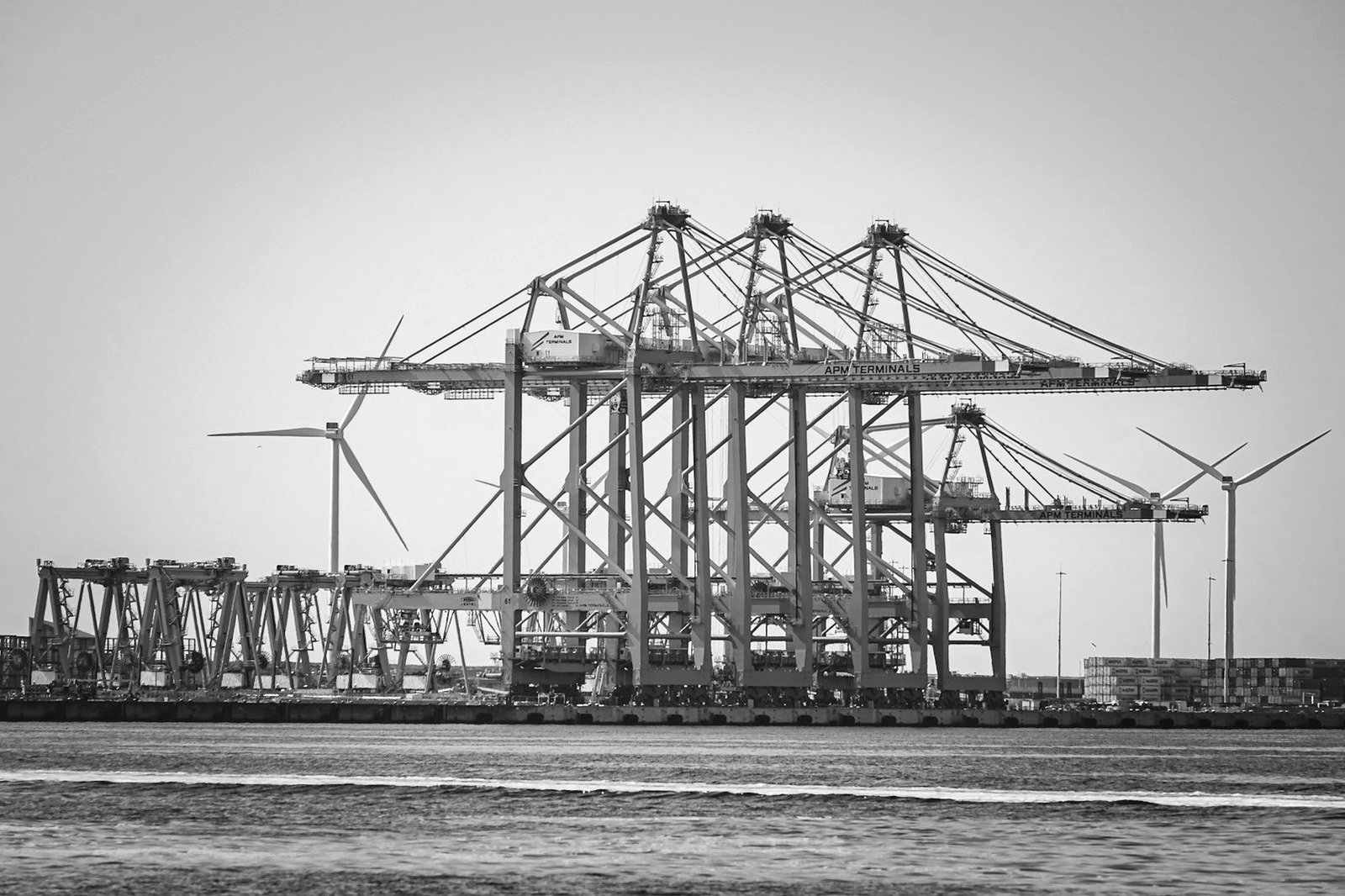
Summary: Imported goods that are not cleared within the period fixed by the NBR, or that the importer hands over, are treated as handed over to the Government under section 94 of the Customs Act 2023 and can be sold after notice to the owner. Standing Order No. 43/Customs/2026 now governs the process: a seven-working-day notice to clear, examination and cataloguing, a reserve value based on assessable value plus duties less depreciation, and sale by e-auction. Proceeds pay sale costs, notified freight and carrier charges, Government duties and custodian charges in that order; any balance goes to the owner if claimed within three years.
Key point: The owner can still take the goods back after the lot has been catalogued for auction. Under the 2026 standing order, an importer who applies after cataloguing but before the sale order is issued can, with the Commissioner's approval, have the lot withdrawn from the catalogue and released subject to adjudication.
At a glance
Trigger
Goods not released within the NBR-fixed period after unloading are deemed handed over to the Government under section 94(2).
Notice
The importer, exporter or agent gets seven working days to clear or export before disposal, with newspaper notice where no address is known.
Reserve value
Assessable value plus duties and taxes, depreciated at 10 per cent a year after the first year, capped at 80 per cent.
Proceeds
Sale costs, notified freight and carrier charges, Government duties, then custodian charges; the owner takes any balance.
Stopping a sale
Apply to clear before the sale order, seek withdrawal of the lot, or obtain a High Court Division stay by writ petition.
Table of Contents
Customs auction Bangladesh: the legal framework in 2026
The statutory source of every customs auction Bangladesh ports hold is the Customs Act 2023 (Act No. 57 of 2023), which replaced the Customs Act 1969. The NBR published its authentic English text by SRO No. 441-Law/2025 dated 9 November 2025.[1] Four provisions do most of the work: section 94 on goods handed over to the Government and their disposal; section 237 on the method of sale and the application of sale proceeds; section 192 on perishable seized goods; and section 173(4), which allows Customs to sell seized goods while court proceedings are pending, after preserving samples.[1]
The 2026 standing order
The detailed procedure sits in Standing Order No. 43/Customs/2026, dated 17 August 2026 and issued under sections 94, 237 and 266 of the Act. It governs the disposal of uncleared goods and goods seized for alleged smuggling or other breaches, repealed Standing Order No. 91/Customs/2025/123 of 2 July 2025 and took effect immediately; where it conflicts with the Act or rules, they prevail.[2] Perishable goods follow the Perishable Goods Speedy Release and Disposal Rules 2021, as amended in 2024, with the standing order filling any gaps.[2]
The order defines "auction" primarily as the live e-auction introduced by the NBR, with open, spot or tender auctions as fallbacks.[2] The NBR also issues special orders for particular backlogs, which can relax the pricing rules. For any specific lot, read three documents together: the Act, the current standing order and any special order cited in the auction notice.
Three routes into an auction
Goods reach the auction branch by three routes, and the route matters for the owner's rights. Uncleared goods are deemed handed over once the clearance window expires. Abandoned goods are handed over voluntarily by the importer, exporter or custodian with the prior approval of the appropriate officer under section 94(1).[1] Seized goods are held because Customs or another agency alleges smuggling or another offence; if they are later confiscated, they vest in the Government under section 206 and the owner has no claim to surplus proceeds.[1] Our companion guide on cargo abandonment in Bangladesh explains how a voluntary handover is made and what it costs.
When goods become auctionable
Deemed handover under section 94(2)
Section 94(2), substituted by the Finance Act 2024, treats goods as handed over to the Government if they are not released, or not loaded for export, within the period after unloading that the NBR decides, or within any extra time the appropriate officer approves. The deeming applies where examination could not be carried out because of the importer or exporter, where mandatory documents were not submitted, or where duties and taxes, or a guarantee for them, were not paid or furnished.[1] The Act itself does not fix the number of days; the Board does.
Bangladesh Customs' published auction procedure, written under the 1969 Act, describes the window as 30 days from unloading at a seaport, land customs station or customs inland container depot, and 21 days at a customs airport, extendable by the appropriate officer.[4] Reporting in 2024 still described a 30-day redemption window.[13] Treat 30 days as the working assumption at Chattogram, but confirm the current Board order and any written extension for the consignment, because an extension moves the trigger.
Goods that can be sold at any time
Animals and perishable goods may be sold at any time with the permission of an appropriate officer. Arms, ammunition, military stores and hazardous goods may be sold or otherwise disposed of with Government approval, at the time, place and manner the Board directs.[1] Where seized goods are perishable or liable to rapid deterioration, section 192(4) requires the Commissioner to have them sold immediately under section 237, with the proceeds held pending adjudication.[1]
How lots are identified
Under the 2026 standing order, the port authority must send Customs the list and documents of uncleared consignments within five working days after the statutory clearance period ends, and the auction committee may also work from a list generated in ASYCUDA World.[2] Lots are to be prepared every month, and each customs house reports its auction and destruction activity to the NBR by the 15th of each month.[2] A consignment does not sit quietly once the window closes; it enters a monthly pipeline that ends in a customs auction Bangladesh buyers can bid on. Our guide to uncleared cargo in Bangladesh covers the earlier stage, before the deeming takes effect.
The port authority's separate sale power
The Chattogram Port Authority has its own statutory power. Section 28 of the Chattogram Port Authority Act 2022 allows it to auction goods for port and shipowner dues unpaid two months after discharge, on 15 days' written notice in two national dailies and on its notice board; section 32 allows sale of goods in its custody to recover unpaid rent and charges.[11] In practice, uncleared imports under customs control are auctioned by Customs, and section 94(4) of the Customs Act bars removal of dutiable goods for home consumption without payment of duties and taxes.[1]
Notices the owner must receive
The statutory minimum
Section 94(3) allows goods handed over to the Government to be sold, destroyed or otherwise disposed of only after due notice to the owner, if the owner's address can be ascertained, or by newspaper notice if it cannot. Section 237(1) repeats the requirement of due notice for any sale of goods other than confiscated goods.[1]
The seven-working-day notice to clear
The 2026 standing order makes the notice concrete. Before disposal, Customs must serve the importer, exporter or nominated agent with a notice giving seven working days to clear or export the goods; for seized goods, a claimant gets seven working days to establish the claim. The notice may go by post, courier, email, newspaper, digital channels or, in some cases, the office notice board.[2] If the goods are still not cleared within the notice period, they are put through 100 per cent physical examination and processed for auction.[2]
For courier consignments, the courier company must notify the owner; where the address is unknown, notice goes on the customs notice board and in a newspaper.[2] The practical problem is that the notice usually goes to the importer of record or the clearing and forwarding agent named in the bill of entry. A foreign shipper whose buyer has disappeared often learns of a customs auction Bangladesh officials are preparing only from the shipping line. Shippers holding original bills of lading should write to the custom house early, identify themselves as parties with title, and ask to be copied on any notice.
Public notice of the sale
Once lots are catalogued, the auction notice must be published at least seven working days before the sale in at least one national and one local daily, and on the NBR's and the office's websites, giving the auction date, catalogue details and inspection dates. Inspection must be at least three working days before the auction, and the final list is published two days before it.[2]
Disposal without auction: who takes the goods first
Not every lot reaches the bidding stage. The 2026 standing order requires certain goods to be transferred or sold to designated bodies before any auction.[2]
- Bangladesh Machine Tools Factory: goods in a long annexed list, including foodstuffs, chemicals, yarn, fabrics, machinery, appliances, vehicles and import containers, may be sold to BMTF at not less than 60 per cent of the reserve value.
- Trading Corporation of Bangladesh: perishable staples such as sugar, salt, lentils and soybean oil go to TCB at a Board-fixed price if TCB wants them.
- Bangladesh Bank: precious metals, jewellery and foreign currency are deposited with the central bank.
- Bangladesh Parjatan Corporation: liquor and foreign cigarettes are sold at a price fixed by Customs, failing which they are destroyed.
- Specialised agencies: restricted, prohibited or deteriorated goods that cannot be auctioned may be handed over free for destruction or neutralisation.
Unsold goods may also be sold to a government institution at the price it offers, and expired hazardous chemicals certified as usable may be sold to genuine industrial users.[2] Prohibited, expired or unsaleable goods go to a multi-agency destruction committee.[2] For an owner, the BMTF channel matters most: a sale at 60 per cent of reserve value is a disposal that may never be publicly advertised.
Reserve value: how a customs auction Bangladesh lot is priced
The definition
The reserve value is defined in the standing order as the assessable value of the goods plus applicable duties and taxes, after applicable depreciation. Assessable value means the customs value under section 27 of the Act read with the Customs Valuation (Determination of Value of Imported Goods) Rules 2000.[2] The reserve value therefore starts from the same figure Customs would have used to assess duty at clearance.
Depreciation
From the second year after import, the reserve value is reduced by straight-line depreciation of 10 per cent a year, up to a maximum of 80 per cent. Notwithstanding that formula, the Commissioner may approve any amount of depreciation having regard to the quality of the goods and the time since import.[2] Cargo that has sat in a yard for six or seven years can now be priced at a fraction of its landed value, which makes a sale more likely and a surplus for the owner less likely.
How bids are judged
In an e-auction, the first auction is treated as final. The software prepares the comparative statement, and the auction committee identifies the highest acceptable bidder, meaning the highest bidder who has met the auction conditions, and recommends approval to the Commissioner without delay. The order states no minimum percentage of the reserve value for e-auctions.[2]
Where an e-auction cannot be held, the committee applies a three-round rule. In the first auction, the highest acceptable bid of at least 60 per cent of the reserve value is recommended. In the second, a bid higher than the best first-round bid is accepted. In the third, the highest acceptable bid is accepted whatever it is, and lots still unsold may be combined into mega-lots.[2]
Why the 60 per cent rule mattered
The 60 per cent threshold was a long-running cause of failed sales. In 2023, The Business Standard reported that sales had to reach at least 60 per cent of the reserved value and that one rice mill machine had been auctioned at least 20 times between 2018 and 2022 and remained unsold.[7] In May 2025, The Daily Star described the threshold, then 60 per cent of import price plus tax, as the reason for repeated failed auctions.[6]
Auctions with no reserve value
Special orders now routinely remove the reserve value for backlog cargo. In May 2025, the NBR issued a special order for abandoned imports at sea and land ports that set no reserve requirement and allowed goods unsold after two auctions to be sold by public offer.[6] Chattogram's 2026 special e-auctions were held under Special Order No. 82/2025/Customs with no reserved value.[5] [8]
At Dhaka airport, Special Order No. 26/2026/Customs dated 10 June 2026 provided for e-auction without reserve value of cargo congesting the air freight and express units, and the resulting notice awarded each lot to the highest bidder irrespective of the reserved price.[3] [9] If a lot is in a special auction, the owner should assume it can sell for any price the market offers.
How the e-auction works in practice
Registration, inspection and bidding
Bidders register and submit bids on the customs e-auction portal at auction.bdcustoms.gov.bd.[5] The goods are sold as they are, where they are, and bidders may inspect them physically during the published inspection window before bidding.[9] During a live e-auction, bidders can see only the quoted prices of up to five bidders and may revise their own bid more than once while the auction is open.[2] The August 2026 Chattogram notices allowed about three weeks for bids.[5]
Security deposit
Under the 2026 standing order, a bidder in an e-auction must deposit a refundable security of 5 per cent of the reserve value for each lot by e-payment into an account set by the Commissioner; in other auctions the same 5 per cent is paid by pay order, e-payment or another verifiable instrument with the tender.[2] Auctions announced under the repealed 2025 order took a different approach: the NBR's 24 August 2026 press release on Chattogram's e-auctions, which still cited Standing Order No. 91/Customs/2025/123, required a scanned deposit of at least 10 per cent of the proposed bid.[5] Read the specific notice; it states which order governs the auction.
Approval, payment and delivery
The Commissioner must decide on the committee's recommendation within three working days, and the sale order must issue within three working days of approval, extendable by two.[2] The buyer then has seven working days from publication of the sale order on the custom house website to pay the price with VAT and income tax at source; the template sale order provides for VAT at 15 per cent and advance income tax at 10 per cent.[2] A delivery order follows within three working days of payment, and the goods must be taken within three working days of the delivery order, subject to extensions by a Joint or Additional Commissioner.[2]
If the buyer fails to take delivery, the sale approval is cancelled, the deposit is forfeited and the lot is re-catalogued for a fresh auction.[2] Where delivery depends on Import Policy Order conditions, such as a permit or chemical test, the catalogue must say so, the recommendation must record that release is conditional, and the buyer bears the cost of compliance.[2] Recent notices have required winning bidders to comply with the Import Policy Order 2021-2024.[5]
Sanctions for interference
A participant who obstructs an auction, gives false information, submits forged documents, fails to pay the deposit on time or intimidates other bidders is to be blacklisted once the conduct is proved, and criminal proceedings may follow.[2] Allegations that bidder syndicates offered low prices without buying, and that some bidders secured delivery orders but never paid, were a recurring complaint before the e-auction reforms.[7]
Who may bid
The 2026 standing order sets objective eligibility criteria for anyone who wants to buy at a customs auction Bangladesh custom houses advertise. A firm must hold an up-to-date trade licence, VAT registration, TIN certificate and proof of filing its latest income tax return. An individual needs a national identity card, TIN certificate and proof of return filing. The requirements can be relaxed for government institutions.[2]
Two further limits apply. Conditionally importable goods, including industrial raw materials, are to be auctioned to manufacturers or to suppliers under contract with manufacturers. Goods imported by foreign missions, diplomats or other privileged persons can be auctioned only after the relevant ministry or pass-book authority has been informed.[2] The order does not expressly exclude the original importer from bidding, but an importer who still wants the goods is usually better served by the release route described below.
A foreign shipper cannot practically bid in its own name, because the eligibility documents are Bangladeshi registrations. A shipper that wants to recover value from cargo heading for a customs auction Bangladesh buyers will compete for should line up a local buyer with the right licences, or arrange a substitute consignee and clearance before the sale order issues.
The order in which sale proceeds are applied
Section 237(2) of the Customs Act 2023 fixes a strict order of priority for the sale proceeds of every customs auction Bangladesh custom houses hold.[1]
- Expenses of the sale, which the standing order explains include the auctioneer's commission.
- Freight or other charges payable in respect of the goods, but only if notice of those charges has been given to the person holding the goods in custody. The standing order describes these as charges such as ship, vehicle and container rent, if any.
- Customs duties, other taxes and dues payable to the Government on the goods.
- Charges due to the custodian, such as the port authority or the off-dock or inland container depot holding the goods.
Section 237(3) then provides that any balance is paid to the owner of the goods, provided the owner applies within three years of the sale or shows sufficient cause for not doing so.[1] The standing order repeats this sequence and adds that the balance may be paid to the owner on application.[2]
What the ranking means for carriers and custodians
For shipping lines, the second rank is valuable but conditional: a carrier that has not given the custodian written notice of its freight, detention or other charges does not rank ahead of Customs for them. Section 74(2) separately requires Customs to hold goods that were not unloaded within the time allowed and have been carried to the custom house under section 74(1), where the master or agent has notified a lien for freight, demurrage, container detention, terminal handling and similar charges, until told the charges are paid.[1] A written notice of charges, quoting bill of lading and container numbers, should be routine for any carrier with cargo that is not moving.
Custodians rank last before the owner. Because the reserve value can be depreciated heavily and special auctions have no reserve at all, sale prices often do not cover duties, leaving little or nothing for port rent. The Chattogram Port Authority has said that more than 9,000 TEUs of auctionable containers occupy up to 22 per cent of its yard capacity and has put its storage rent losses over three decades at Tk 8,000 crore to Tk 10,000 crore.[8] Our guide to demurrage and detention claims in Bangladesh explains how carriers and ports pursue the shortfall.
| Route | Legal basis | Notice | How sold | Owner's money |
|---|---|---|---|---|
| Uncleared goods | Customs Act 2023, ss 94(2) and 237 | Due notice; 7 working days to clear | Mainly e-auction after full examination | Balance under s 237(3) if claimed within 3 years |
| Abandoned goods | Customs Act 2023, ss 94(1) and 237 | Due notice to the owner | Auction or other disposal | Balance under s 237(3), if any |
| Perishable goods | s 94(3) proviso; Perishable Goods Rules 2021 | Officer's permission | Sold at any time, often open auction | Balance under s 237(3), if any |
| Seized goods pending a case | ss 94(5), 173(4) and 192 | 7 working days for a claimant | Sale with samples kept; proceeds held | Refund if not liable to confiscation |
| Confiscated goods | s 206 | After adjudication | Vest in the Government | None |
Seized, confiscated and warehoused goods
Different rules apply where the goods are under adjudication. If goods are sold while adjudication, appeal, revision or a court decision is pending, the sale proceeds go to the Government treasury; if the goods are later found not liable to confiscation, the owner receives a refund after deduction of dues, taxes and duties under section 237.[1] Section 192(5) gives the same refund for perishable seized goods sold early.[1]
Confiscated goods, by contrast, are excluded from section 237(1) and vest in the Government under section 206, so there is no surplus to claim.[1]
Can the owner or shipper claim the surplus?
Yes, in principle, but only an "owner" can claim it and only within the three-year window. The Act does not define "owner" for this purpose. Its definition of "importer" includes the consignee and any person having ownership, right of possession or an interest in the goods between importation and the end of customs formalities, which is a reasonable guide to who Customs will regard as entitled.[1]
In practice, entitlement follows the documents. Where goods were shipped under a letter of credit and the bill of lading is made out to the order of the issuing bank, Customs will usually look to the bank, and the importer will need the bank's release. Where a foreign seller shipped on documents-against-payment terms and the buyer never took up the documents, the seller may still hold the original bill of lading and the property in the goods under ordinary sale-of-goods principles, and can present those documents as proof of ownership. An insurer that has paid a total loss and taken an assignment can stand in the assured's place.
A claim to the surplus from a customs auction Bangladesh officials have completed should include the original or certified bill of lading, the commercial invoice, any bank letter releasing its interest, proof of authority and a short statement of how title arose. Payment to a foreign claimant must pass through a Bangladeshi bank, so involve the remitting bank early. Realistically, after sale costs, carrier charges, duties and custodian charges, the surplus on ordinary cargo is often small; it is worth pursuing for high-value goods sold early, before heavy depreciation.
How to stop or influence a customs auction Bangladesh sale
Clear the goods before the sale order
The most effective step is still to clear the goods. Under the 2026 standing order, an importer or exporter who applies to clear before each auction notice is issued is to be allowed to clear within a set time, subject to adjudication. After the consignment has been catalogued but before the sale order is issued, the importer can still apply; with the Commissioner's approval, the lot is withdrawn from the catalogue and released, again subject to adjudication.[2]
Where the delay was unintentional, for example because a no-objection certificate or permit required by the Import Policy Order was late, the Commissioner or the adjudicating officer may release the goods without adjudication.[2] Even after a sale order, if the buyer fails to take delivery and the lot returns to auction, the importer can again apply for release under the same procedure.[2]
For seized goods, a claimant who establishes the claim within the seven-working-day notice period can obtain release on payment of all duties, taxes and dues together with any penalty and fine imposed under the Act.[2] Where an order for confiscation is made, section 205 allows the officer to give the owner the option of paying a fine in lieu of confiscation, except for goods whose import is prohibited.[1]
Re-export instead of sale
Section 150 allows the Commissioner, on application by the carrier or the consignor, to permit the export without duty of goods brought in by inadvertence, misdirection or because the consignee cannot be traced, provided they stay and leave under customs custody. In other cases, re-export without duty requires the Board's prior approval.[1] A shipper whose buyer has vanished should apply before the goods reach the auction catalogue.
Suspension by the Commissioner, the NBR or a court
The Commissioner may suspend an auction, giving reasons, because of natural disaster, special circumstances or another unavoidable cause, and an auction is to be suspended where a court or the NBR has issued a specific prohibition.[2] The Act gives no appeal to the Commissioner (Appeal) or to the Customs, Excise and VAT Appellate Tribunal against decisions or orders under section 94, because sections 220 and 226 expressly exclude them.[1]
That leaves a writ petition under article 102 of the Constitution as the main judicial route. In one Chattogram case, the High Court Division stayed the auction of imported vehicles and directed their release on payment of duties, taxes and charges within five working days; the vehicles were released and the rule was later discharged as infructuous in August 2025.[12] See our guide to writ petitions in Bangladesh for how interim stays are obtained.
A writ is strongest where Customs has skipped a mandatory step, such as notice to an ascertainable owner, or refuses without reason to entertain an application to clear. It is weakest where the owner simply cannot pay. Arrange funds or a bank guarantee before filing, because the petitioner will need to show willingness to pay what is lawfully due.
Influencing the sale when it will go ahead
Where the goods will be sold, the owner, carrier and bank can still shape the outcome. Check the catalogue description, because an inaccurate description depresses bids. Ask the auction branch to record Import Policy Order conditions correctly, so the lot is saleable. Lodge carrier charges in writing so that they rank under section 237(2)(b). Where the lot is in the BMTF list, ask whether a pre-auction sale is proposed and at what price. Keep a record of every application and response; it is the evidence a writ court will want.
Fix the trigger date
Confirm the unloading date, the Board's clearance period and any written extension, and diarise when the goods are deemed handed over.
Get on the notice list
Write to the custom house identifying your title or interest and ask to be copied on the seven-working-day notice to clear.
Decide the exit
Compare duties, port rent and carrier charges with the cargo's value and choose between clearing, re-exporting or letting the goods go.
Apply before the sale order
Apply to clear before the auction notice or, once the lot is catalogued, ask the Commissioner to withdraw it for release.
Lodge charges in writing
Carriers should give the custodian written notice of freight, detention and other charges so they rank under section 237(2).
Check the catalogue
Verify the lot description and Import Policy Order conditions, and ask whether a pre-auction transfer to BMTF is proposed.
Consider a writ
If a mandatory step was skipped, seek a High Court Division stay with funds or a bank guarantee ready.
Claim the balance
Apply for any surplus with title documents within three years of the sale.
Who decides what
A customs auction Bangladesh owners face involves several decision-makers, each with a defined role under the 2026 standing order.[2]
Commissioner of Customs
Approves auction recommendations within three working days, may suspend a sale and approves withdrawal of lots for release.
Auction committee
Chaired by an Additional or Joint Commissioner; identifies the highest acceptable bidder for each lot.
National Board of Revenue
Issues standing and special orders, introduced the e-auction system and its operating procedure, and receives monthly auction reports.
Port authority or depot
Holds the goods, sends lists of uncleared consignments within five working days and ranks fourth for its charges.
BMTF, TCB and other bodies
Take listed goods by transfer or sale before any public auction.
High Court Division
Hears writ petitions under article 102 and can stay an auction or direct release.
Inventory teams examine each lot in the presence of a port representative, and the custodian's representative helps arrange bidders' inspection of the goods.[2] Reporting on the 2026 dispute between Chattogram Customs and the port over missing high-risk containers described the port authority as the legal custodian of imported cargo stored inside the port.[8]

What to watch in 2026
The scale of the backlog explains the urgency. The Daily Star reported in May 2025 that about 2 lakh tonnes of goods in 9,644 containers had been abandoned at Chattogram between 2013 and 2024.[6] In August 2026, Chattogram Customs announced the sale of 442 containers in 210 lots, including 86 old empty containers, with goods reported to be worth about Tk 9,000 crore and occupying about 18 per cent of the port's capacity.[5] [10]
Three trends matter. First, the 2026 standing order and the special orders favour speed over price: depreciation, no-reserve auctions and pre-auction transfers all push stored cargo out faster. Second, e-auction is now the default, which makes bidding more transparent and informal negotiation harder. Third, the time to act is when the seven-working-day notice to clear arrives, not when the lot is advertised.
If you have cargo heading toward a customs auction Bangladesh authorities are preparing, the earliest decisions carry the most weight: whether to clear, re-export or abandon, how to protect a carrier's or bank's position, and whether a writ is justified. For the wider framework, see our guide to the Customs Act 2023 and our maritime, shipping and admiralty practice, or contact TRW.
Test yourself
Frequently asked questions
When does uncleared cargo become auctionable in Bangladesh?
What notice must Customs give before an auction?
How is the reserve value fixed?
It is the assessable value plus applicable duties and taxes, less depreciation of 10 per cent a year from the second year after import, up to 80 per cent. The Commissioner may approve further depreciation.[2]
Can goods be sold below the reserve value?
Who can bid at a customs e-auction?
Firms with a current trade licence, VAT registration, TIN and proof of tax return filing, and individuals with a national identity card, TIN and return proof. Conditionally importable goods can go only to manufacturers or their contracted suppliers.[2]
How much security deposit does a bidder pay?
In what order are auction proceeds applied?
Section 237(2) applies them to sale expenses, then notified freight and other charges, then customs duties and Government dues, then the custodian's charges. Any balance goes to the owner.[1]
How long does the owner have to claim the surplus?
Three years from the sale, or longer if the owner shows sufficient cause for the delay, under section 237(3). Confiscated goods produce no surplus for the owner.[1]
Can an importer stop an auction by clearing the goods?
Yes. An application before the sale order is issued can lead to release subject to adjudication; once the lot is catalogued, the Commissioner must first approve its withdrawal from the catalogue.[2]
Source register
Primary legal and regulatory sources
Materials checked on 17 November 2026. Confirm the current official text before relying on any provision.
- Customs Act 2023 (Act No. 57 of 2023), Authentic English Text, SRO No. 441-Law/2025, National Board of Revenue
- National Board of Revenue, Standing Order No. 43/Customs/2026 (17 August 2026) on disposal of uncleared and seized goods
- National Board of Revenue, Customs general orders (Standing Order No. 43/Customs/2026; Special Order No. 26/2026/Customs)
- Bangladesh Customs, Auction procedure
- National Board of Revenue press release, 24 August 2026: Custom House Chattogram E-Auction No. 09/2026 and Special E-Auction No. 10/2026
- The Daily Star, 15 May 2025: NBR moves to speed up auction of abandoned goods
- The Business Standard, 11 June 2023: Ctg port's auction woes, why customs' goods fail to find buyers
- The Business Standard, 8 July 2026: Ctg customs to auction 168 containers online amid missing cargo row with port authority
- The Financial Express, 18 June 2026: Dhaka Customs issues e-auction notice for airport-stored goods
- The Daily Star Bangla, 24 August 2026: Chattogram Customs to auction Tk 9,000 crore of goods lying at the port
- Chattogram Port Authority Act 2022 (Act No. 8 of 2022), ss 28 and 32, Laws of Bangladesh
- High Court Division, Writ Petition No. 666 of 2012, judgment of 20 August 2025 (auction stayed and release directed)
- The Business Standard, 18 April 2024: Around 9,000 auctionable containers pile up at Ctg port over two decades
Related TRW assistance
Move from information to a defined next step
TRW advises foreign exporters, shipping lines, insurers, banks and importers on uncleared and auctioned cargo, from release and re-export applications to surplus claims and writ petitions to stop a sale. Explore our maritime, shipping and admiralty practice and customs and trade compliance practice, or contact TRW to discuss your matter.











