
TRW Insight / Admiralty, Maritime & Shipping
Bangladesh secured a vast maritime area through international litigation and rewrote its maritime zones law in 2021. With an offshore oil and gas bidding round open in 2026, the legal framework for the blue economy now matters to energy companies, fishing operators, cable investors and shipowners. This guide explains the maritime zones, the 2021 amendments, enforcement powers and the investment opportunities.
Maritime zones and blue economy law in Bangladesh
Maritime zones and blue economy law in Bangladesh define who may fish, drill, lay cables, build and navigate in the Bay of Bengal, and on what terms. After the boundary judgments of 2012 and 2014 settled disputes with Myanmar and India, Parliament overhauled the Territorial Waters and Maritime Zones Act 1974 in 2021. In 2026 the government opened an offshore bidding round, turning the framework from theory into deal terms.

Summary: The Territorial Waters and Maritime Zones (Amendment) Act 2021 inserted 35 new sections into the 1974 Act, defining the blue economy, internal waters, maritime zones and a maritime tribunal, and giving Bangladesh criminal and civil jurisdiction over foreign vessels in its waters. Marine pollution can attract up to three years' imprisonment or fines of Tk 2 crore to Tk 5 crore. The Marine Fisheries Act 2020 governs fishing licences. The Offshore Bidding Round 2026 offers 26 blocks under a revised Model Production Sharing Contract.
Key point: Any project in Bangladesh's seas, from a fishing licence to a deepwater well, now sits under a modern zones statute with real penalties. Permits, environmental compliance and the right regulator should be mapped at the outset.
At a glance
2021 overhaul
35 new sections added to the 1974 Act.
Blue economy defined
Alongside maritime tribunal, dumping and artificial islands.
Tk 5 crore
Maximum pollution fine, with up to three years' prison.
26 offshore blocks
11 shallow and 15 deepwater in the 2026 round.
Model PSC 2026
Revised contract terms for international oil companies.
Table of Contents
Bangladesh's maritime zones
| Zone | Extent under UNCLOS | Bangladesh's rights |
|---|---|---|
| Internal waters | Landward of the baseline, including ports and river mouths | Full sovereignty |
| Territorial sea | Up to 12 nautical miles | Sovereignty, subject to innocent passage |
| Contiguous zone | Up to 24 nautical miles | Customs, fiscal, immigration and sanitary control |
| Exclusive economic zone | Up to 200 nautical miles | Sovereign rights over living and non-living resources |
| Continental shelf | Natural prolongation, as delimited | Sovereign rights over seabed resources |
Following the boundary cases with Myanmar and India, Bangladesh gained an additional 118,113 square kilometres of sea area, according to the government's account when it modernised fisheries law.[1]
The 2021 amendments
Parliament passed the Territorial Waters and Maritime Zones (Amendment) Act 2021 on 28 November 2021, amending the 1974 Act.[2] It inserted new definitions including artificial island, continental margin, dumping of wastes, internal waters, maritime zones, maritime tribunal and blue economy.[3] Thirty-five new sections were added, including criminal and civil jurisdiction over foreign vessels and submarines entering Bangladesh's maritime boundary.[4] Academic commentary notes that implementing rules are still needed for monitoring and enforcement.[5]
Enforcement and penalties
The amended Act provides up to three years' imprisonment, a fine of Tk 2 crore to Tk 5 crore, or both, for maritime pollution.[6] It also strengthens penalties for sea robbery and trespass and covers offences in the exclusive economic zone, continental shelf and contiguous zone.[4] The Navy, Coast Guard and Department of Shipping share enforcement. Shipowners whose vessels are detained or charged need rapid advice on bail, security and the competent tribunal. See TRW's environmental litigation guide.
Fisheries
The Marine Fisheries Act 2020 replaced the 1983 ordinance and provides up to three years' imprisonment or a Tk 5 crore fine, or both, for illegal fishing by foreign nationals in Bangladesh's waters.[7] Fishing vessels need licences, and vessel design and gear are regulated. See TRW's marine fishing vessel licensing practice.
Offshore energy: the 2026 bidding round
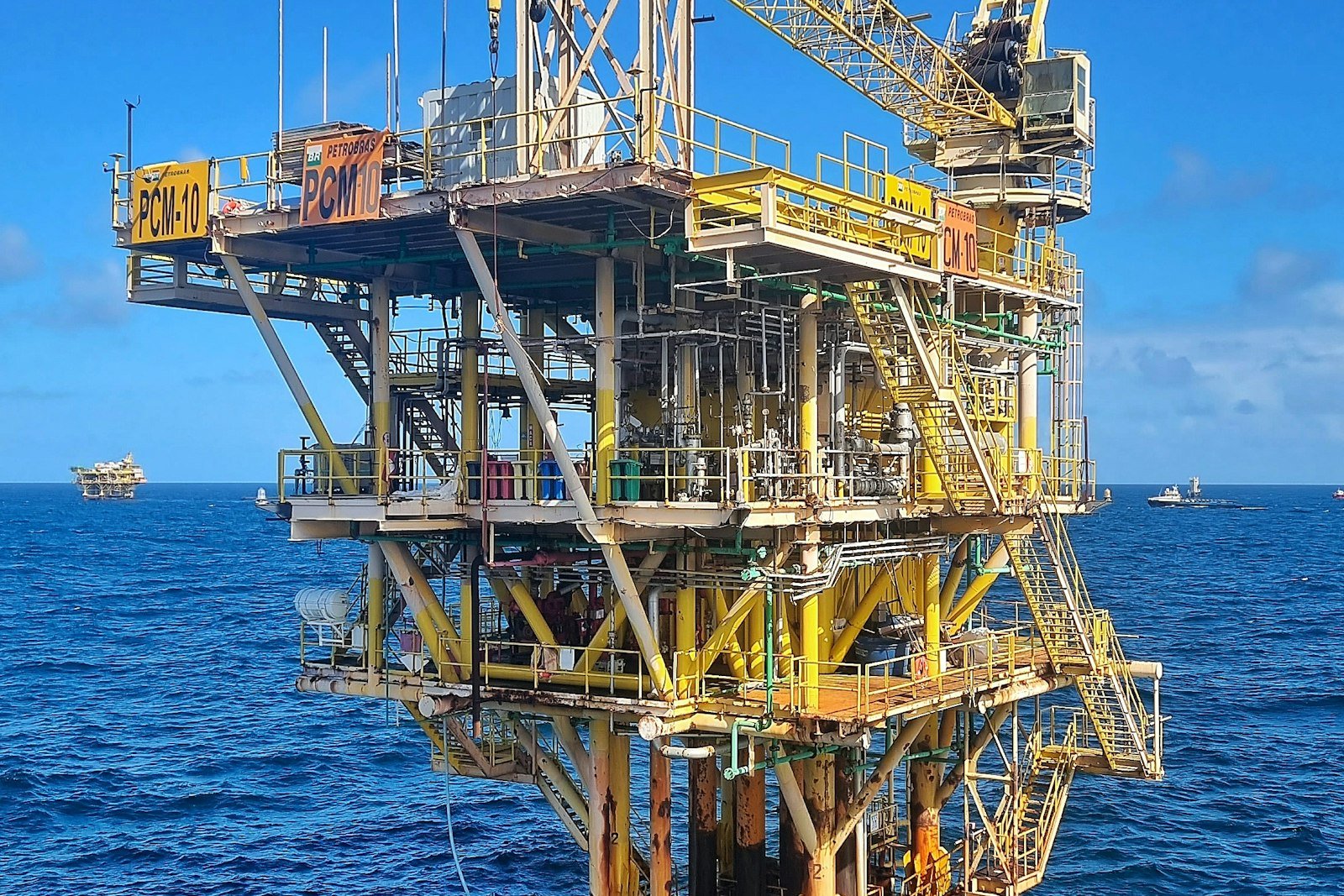
Bangladesh launched an offshore bidding round on 24 May 2026, offering 26 blocks, 11 in shallow water and 15 in deepwater areas of the Bay of Bengal, with a bid deadline of 30 November.[8] Successful bidders will sign the Bangladesh Offshore Model Production Sharing Contract 2026.[9] The government has since said it will cut data package prices and extend the bid deadline.[10] Bidders should review fiscal terms, gas pricing and export rights, local content, environmental obligations, decommissioning and dispute resolution, and how the 2021 zones law applies to installations and vessels serving them.
Cables, ports and other blue economy sectors
- Submarine cables: landing stations and cable routes need telecom and maritime approvals. See submarine cable licensing.
- Ports and terminals: see Chattogram port tariffs and concessions.
- Shipping and shipbuilding: see shipping law and ship finance.
- Ship recycling: see ship recycling law.
Investor checklist
- Confirm which zone the project sits in and the competent regulators.
- Map licences: energy, fisheries, telecom, environment and shipping.
- Assess pollution liability and insurance under the 2021 Act.
- Review contract terms, including the Model PSC 2026, for stabilisation and arbitration.
- Plan support vessel registration, crew and port arrangements.
TRW's Admiralty, Maritime & Shipping Department advises investors and operators across Bangladesh's blue economy.
Frequently asked questions
What did the 2021 maritime zones law change?
It added 35 sections to the 1974 Act, new definitions including the blue economy, jurisdiction over foreign vessels, and higher pollution penalties.[4]
What is the penalty for marine pollution in Bangladesh?
Up to three years' imprisonment, a fine of Tk 2 crore to Tk 5 crore, or both.[6]
How many offshore blocks are on offer in 2026?
26 blocks: 11 shallow-water and 15 deepwater.[8]
Can foreign vessels fish in Bangladesh's waters?
Only with authorisation; illegal fishing by foreign nationals carries prison terms and fines of up to Tk 5 crore.[7]
Which contract governs offshore exploration?
The Bangladesh Offshore Model Production Sharing Contract 2026.[9]
Source register
Primary legal and regulatory sources
Materials checked on 27 November 2026. Confirm the current official text before relying on any provision.
- BSS — Marine Fisheries Bill 2020 passed
- BSS — Territorial Waters and Maritime Zones (Amendment) Act 2021 passed
- The Daily Star — Reviewing the new Territorial Waters and Maritime Zones Act
- The Financial Express — Safeguards endorsed for tapping blue economy
- BSMR Maritime University — UNCLOS and Bangladesh's domestic law
- The Business Standard — Maritime boundary law amended
- The Daily Star — Marine Fisheries Bill 2020 passed
- S&P Global — Bangladesh invites IOCs to bid for 26 offshore blocks
- UNB — Offshore Bidding Round 2026 launched
- The Financial Express — Data package rates cut, bid deadline extended
Related TRW assistance
Move from information to a defined next step
Explore TRW's Admiralty, Maritime & Shipping Department or contact our blue economy team.











