
TRW Insight / Admiralty, Maritime & Shipping
Chattogram port has seen its first major tariff overhaul in four decades, court challenges over that hike, and new concessions handing terminals to global operators. This guide explains the legal position on port charges, terminal concessions and congestion costs, and what shipping lines, importers, exporters and investors can do.
Chattogram port tariffs and terminal concessions: what changed
Chattogram port tariffs and terminal concessions now sit at the centre of Bangladesh's trade costs. Chattogram handles the great majority of the country's sea trade, so a change in port charges or terminal operator reaches every importer, exporter, shipping line and freight forwarder. Since 2025 three changes have reshaped the port: a steep tariff increase, litigation challenging it, and a shift to private operators at key terminals.
This guide covers the tariff revision and the court cases, what the hike means in practice, the NCT and Laldia concessions, congestion and demurrage disputes, the port's liability for cargo, and practical steps for port users and investors.
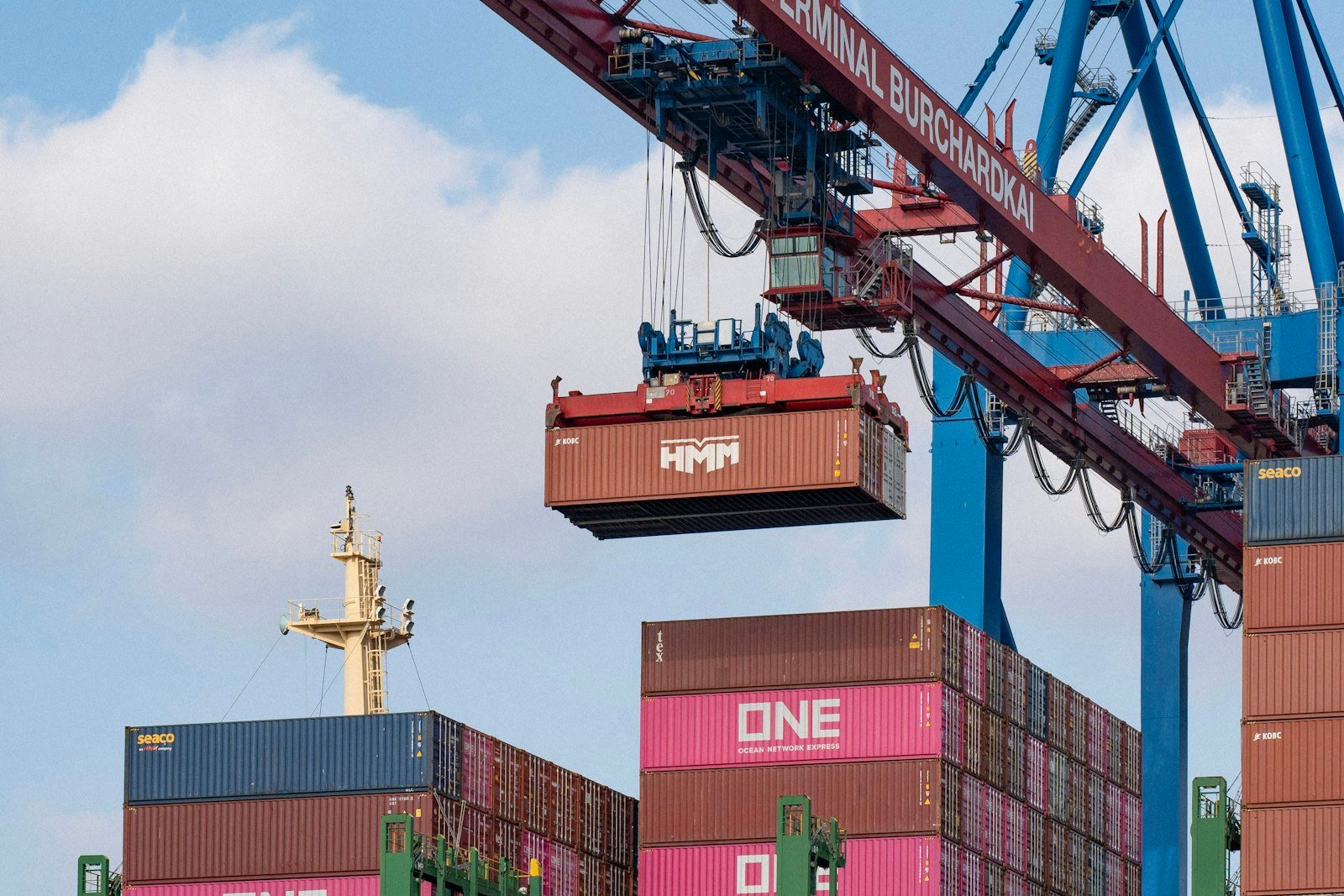
Summary: The Chittagong Port Authority raised service charges by an average of 41% by a September 2025 gazette, and began enforcing the new tariff on 15 October 2025. Port users challenged it by legal notice and writ petitions; the High Court stayed the increase for a month in November 2025 and later lifted the stay. Shipping agents report that real costs for cargo vessels rose far more than 41%. In parallel, the port signed a 30-year concession with APM Terminals for Laldia and, in October 2026, a 15-year concession with DP World for the New Mooring Container Terminal.
Key point: Port charges are set by statutory instrument, so they can be challenged in judicial review on grounds of authority and procedure, but the challenge must be quick and well evidenced. Commercial contracts should already allocate the risk of tariff changes.
At a glance
41% average hike
First major tariff review in almost four decades.
86% to 139%
Real cost increase for cargo vessels, according to shipping agents.
Writ challenges
Stay granted in November 2025, later lifted.
NCT to DP World
15-year concession signed on 8 October 2026.
Laldia to APMT
30-year concession for a new container terminal.
Table of Contents
The 2025 tariff revision
In the first major tariff review in almost four decades, the Chittagong Port Authority raised service charges by 41% through a gazette notification.[1] The authority began enforcing the new tariff structure on 15 October 2025, despite objections from business and transport groups.[2] The port's position is that 41% is an average across services, with some charges rising more and some less.[3]
The court challenges
Two challenges reached the High Court Division:
- Shipping association writ. On a petition by the Bangladesh Container Shipping Association, the court issued a rule asking why SRO No. 364-Law/2025, which introduced the tariff, should not be declared illegal and beyond authority.[4]
- Maritime lawyers' writ. After a legal notice went unanswered, a maritime law society filed a writ, and on 9 November 2025 the court stayed the increase for one month and issued a rule; the state said it would appeal.[5] The High Court later lifted that stay, clearing the way for collection.[6]
The rules remain the vehicle for the legal arguments: whether the authority followed its statutory procedure, whether government approval was properly obtained, and whether the increase was reasonable and consulted on.
What the hike means in practice
An internal shipping agents' report found that costs for cargo vessels rose by 86% to 139%, largely because dollar-linked compulsory charges such as tug hire and pilotage multiplied.[3] Those costs flow into freight, surcharges and landed cost. Contracts that fix freight or delivered prices without a change-in-law or port-cost clause leave one party carrying the increase.
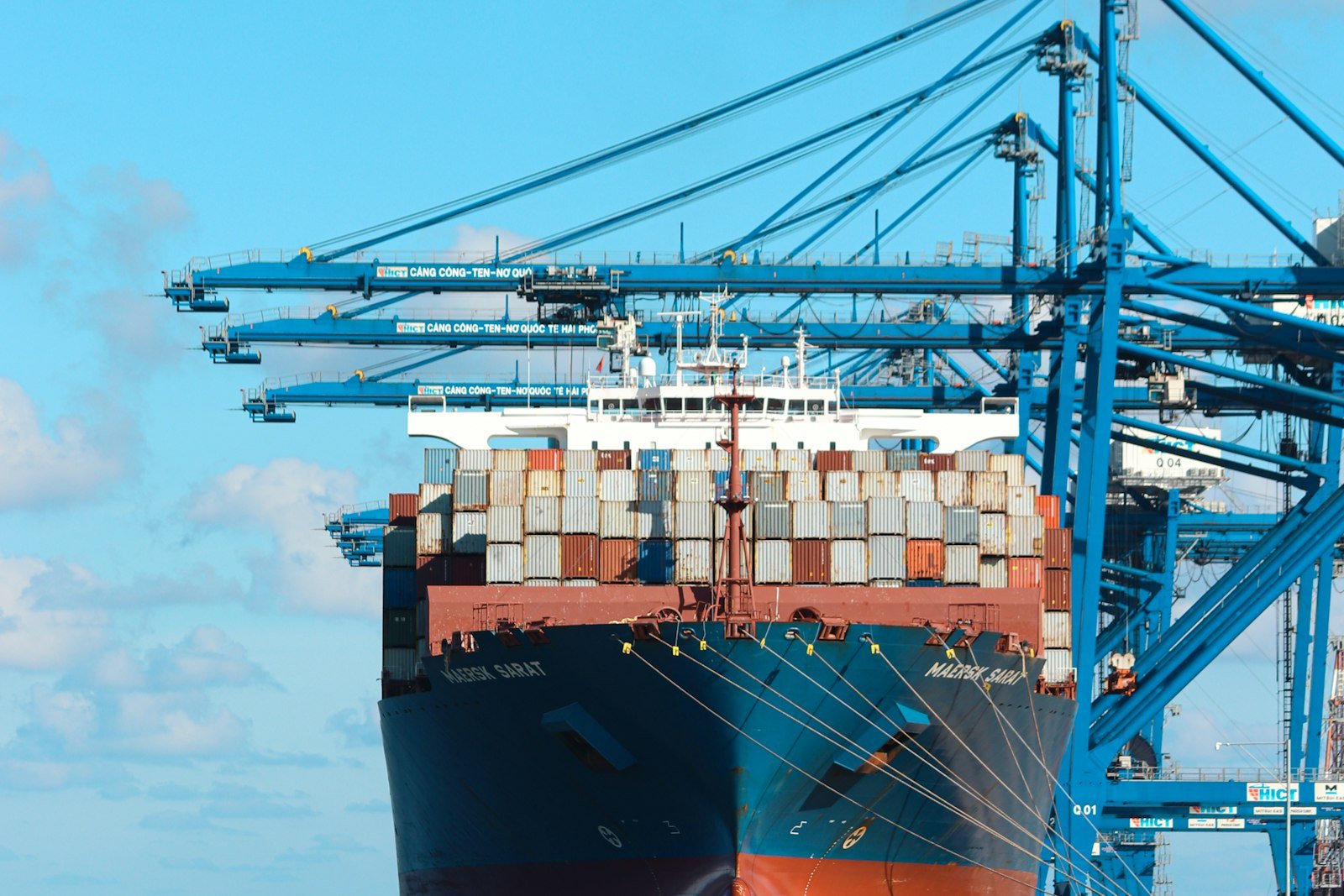
Terminal concessions: NCT, Laldia and Bay Terminal
| Terminal | Operator and term | Notes |
|---|---|---|
| New Mooring Container Terminal (NCT) | DP World, 15 years, signed 8 October 2026 | Port authority keeps ownership; upfront payment and investment commitments |
| Laldia Container Terminal | APM Terminals, 30 years, extendable | Greenfield terminal developed with a local partner |
| Patenga Container Terminal | Red Sea Gateway Terminal, 22 years | First foreign operator at a Bangladeshi port, from December 2023 |
| Bay Terminal | Marine infrastructure financed by the World Bank | Terminals planned for global operators |
DP World will operate, maintain and modernise NCT and its overflow yard while the port authority retains ownership; the deal includes about Tk600 crore upfront and more than Tk1,000 crore of investment over ten years.[7] NCT handles around 44% of the port's container traffic.[8] The Laldia concession with APM Terminals and a local partner grants a 30-year operational term, extendable based on performance.[9] For the transaction side, see TRW's ports and logistics projects guide and ports and terminals practice.
Congestion, demurrage and detention
When yards fill and vessels wait at anchorage, three cost streams grow: vessel demurrage under charterparties, container detention charged by lines, and port storage rent. Disputes typically turn on laytime clauses, free-time terms, force majeure and whether delay was caused by the receiver, the line or the port. See TRW's guides to demurrage and detention claims, container detention charges and shipping line liens on cargo.
Port liability for cargo
Once cargo is discharged into port custody, losses fall outside the Hague Rules period. Claims against the port or terminal operator depend on the port's statutory regime, its published conditions and, for concessioned terminals, the operator's terms. Uncleared and abandoned cargo is subject to customs auction rules. See uncleared cargo and cargo abandonment.
Steps for port users and investors
- Review contracts for port-cost, change-in-law and surcharge clauses.
- Track invoices against the new tariff schedule and dispute errors promptly.
- Consider collective challenges through trade associations, which carry more weight.
- Negotiate free-time and detention terms with lines before congestion peaks.
- For concession investors, diligence tariff-setting rights, termination and step-in.
TRW's Admiralty, Maritime & Shipping Department advises port users, lines and investors on tariffs, concessions and congestion disputes.
Frequently asked questions
How much did Chattogram port tariffs increase?
By an average of 41% across services, though agents report far higher real increases for some vessel costs.[3]
Is the tariff hike suspended?
No. A one-month stay granted in November 2025 was later lifted, although the rules challenging the tariff remain for decision.[6]
Who operates the New Mooring Container Terminal?
DP World, under a 15-year concession signed on 8 October 2026, with the port authority retaining ownership.[7]
Can I recover detention charges caused by port congestion?
It depends on the free-time terms, the cause of the delay and any force majeure clause; disputes are often negotiable with evidence.
Are port storage losses covered by the Hague Rules?
No. The Rules cover loading to discharge; port custody is governed by the port's own regime and contracts.
Source register
Primary legal and regulatory sources
Materials checked on 27 November 2026. Confirm the current official text before relying on any provision.
- The Daily Star — Ctg port hikes service charges by 41%
- The Business Standard — Chattogram Port enforces new tariff
- Hellenic Shipping News / TBS — 41% tariff hike nearly double in reality
- The Business Standard — High Court rule on CPA tariff schedule
- The Daily Ittefaq — HC stays Chittagong Port Authority's tariff hike
- The Financial Express — High Court revokes stay on port charges
- The Business Standard — DP World gets 15-year NCT concession
- Arab News — DP World to operate major Chattogram terminal
- Port Technology — Bangladesh confirms Laldia terminal project
Related TRW assistance
Move from information to a defined next step
Explore TRW's Admiralty, Maritime & Shipping Department or contact our ports team.











