
TRW Insight / Bangladesh
Bangladesh's criminal justice system still runs on the Penal Code, the CrPC and the Evidence Act, but 2025 ordinances and 2026 Acts have rewritten arrest, remand, investigation and the special laws. Knowing the procedure is now as important as knowing the offence.
Criminal law Bangladesh: the 2026 framework
Criminal law Bangladesh courts apply in 2026 still rests on three Victorian statutes: the Penal Code 1860, the Code of Criminal Procedure 1898 and the Evidence Act 1872. What has changed is the layer built on top of them. Between 2022 and 2026 the evidence rules were opened to digital records, the interim government rewrote arrest, remand and investigation procedure by ordinance, and the elected Parliament turned most of those ordinances into Acts in April 2026. Anyone who is arrested, accused, defrauded or assaulted now deals with a system that is old in structure but newly strict about process.
This guide is the TRW hub for the subject. It explains the difference between substantive and procedural criminal law, how a case starts through a First Information Report, a General Diary entry or a complaint petition, what the police may and may not do on arrest and remand, how bail works, which court tries which case, how appeals, revision and quashment under section 561A operate, and where the special statutes and tribunals fit, from the Nari o Shishu law to the new cyber legislation and the Anti-Corruption Commission. It ends with the practical role a criminal law firm plays for accused persons, victims and companies.

Summary: Criminal law in Bangladesh defines offences in the Penal Code 1860, governs investigation, arrest, bail, trial and appeal through the Code of Criminal Procedure 1898, and controls proof through the Evidence Act 1872, amended in 2022 to admit digital records. Special statutes add their own offences, tribunals and time limits. The Code of Criminal Procedure (Amendment) Act 2026 now makes arrest memos, family notification, lawyer access and a 15-day cap on police remand part of the Code itself.
Key point: The 2025 procedural reforms are no longer temporary ordinances. Parliament passed the Code of Criminal Procedure (Amendment) Bill on 7 April 2026, and it was gazetted as Act No. 11 of 2026 on 10 April 2026, inserting sections 46A to 46E on arrest safeguards and new sections 167A, 173A and 173B on shown arrest and investigation. Defence lawyers should test every arrest and remand against these provisions from the first hearing.
At a glance
Penal Code 1860
Defines the core offences, general exceptions, abetment, conspiracy and punishments across 23 chapters.
CrPC 1898
Sets the machinery: police powers, FIR and complaint, arrest, remand, bail, trial, appeal, revision and inherent powers.
Evidence Act 1872
Governs relevance and proof; the 2022 amendment added special provisions for digital records and forensic opinion.
2026 Acts
Parliament converted the 2025 CrPC, cyber and Nari o Shishu ordinances into Acts of 2026.
Special laws
Women and children repression, cyber offences, corruption, terrorism and narcotics each run on their own statute and forum.
Table of Contents
How criminal law Bangladesh is structured: substantive and procedural law
Every criminal case turns on two questions. The first is substantive: has the person done something the law defines as an offence, with the required mental element, and without a recognised defence? The second is procedural: has the State followed the rules for investigating, charging, detaining, trying and sentencing that person? A strong prosecution can fail on the second question as surely as on the first, and a weak complaint can survive for years if no one tests the procedure.
Substantive criminal law
Substantive law tells you what is prohibited and how it is punished. The Penal Code 1860 (Act No. XLV of 1860) is the general code, and dozens of special statutes add offences of their own, such as the Women and Children Repression Prevention Act 2000, the narcotics, anti-terrorism and money laundering laws, and the cyber legislation.[1] Where a special statute defines an offence and creates a special forum, it usually prevails over the general law for that offence.
Procedural criminal law
Procedural law tells you how the system reaches a verdict. The Code of Criminal Procedure 1898 (Act No. V of 1898) is the default rulebook for every court and police officer unless a special law displaces it.[2] It covers the constitution of criminal courts, arrest, information to the police and investigation, complaints to magistrates, charge, trial, judgment, appeals, reference and revision, and bail. Special statutes frequently borrow it wholesale and then modify specific steps, such as time limits for investigation or trial.
The law of evidence
The Evidence Act 1872 (Act No. I of 1872) sits between the two. It decides which facts are relevant, who must prove them and how documents, confessions and expert opinion are admitted.[3] In criminal law Bangladesh practice it is where many cases are won or lost, because an offence that cannot be proved by admissible evidence does not result in a conviction, however plausible the allegation.
The Penal Code 1860: offences, liability and defences
The Penal Code is organised in 23 chapters, running from introduction and general explanations through punishments, general exceptions, abetment and criminal conspiracy, to specific offence groups and, finally, attempts in section 511.[1] Understanding the structure is the fastest way to read any charge sheet, because the general chapters apply to every specific offence.
General principles that apply to every offence
Chapter II contains the general explanations, including section 34 on acts done by several persons in furtherance of a common intention, which is the basis on which co-accused are frequently charged together.[1] Chapter IV sets out the general exceptions, such as mistake of fact, accident, infancy, unsoundness of mind and the right of private defence. Chapter V on abetment and Chapter VA on criminal conspiracy extend liability to those who instigate, aid or agree to an offence without physically committing it.
The main offence groups
The chapters most often seen in practice are offences against the State and public tranquillity (Chapters VI and VIII), offences by or relating to public servants (Chapter IX), false evidence and offences against public justice (Chapter XI), offences affecting the human body, including murder under section 302 and rape under sections 375 and 376 (Chapter XVI), offences against property, including criminal breach of trust under section 406 and cheating under section 420 (Chapter XVII), offences relating to documents (Chapter XVIII), defamation under sections 499 and 500 (Chapter XXI), and criminal intimidation under section 506 (Chapter XXII).[1]
Why the Penal Code still matters when a special law applies
Special laws rarely stand alone. Complaints commonly combine a special-law offence with Penal Code sections for conspiracy, abetment, forgery or intimidation. Commercial disputes in particular are often recast as cheating or criminal breach of trust, which raises a recurring question of criminal law Bangladesh courts must answer early: is this genuinely a crime, or a civil claim dressed up as one? That question is central to quashment, discussed below.
The Code of Criminal Procedure 1898 and the 2025–2026 reforms
The Code of Criminal Procedure is the operating system of criminal law Bangladesh practitioners use every day. Its structure has not changed since 1898, but its content has been amended repeatedly, most significantly in 2025 and 2026.
From ordinance to Act
The interim government issued the Code of Criminal Procedure (Amendment) Ordinance 2025 and the Code of Criminal Procedure (Second Amendment) Ordinance 2025.[7] After the February 2026 election, a special parliamentary committee reviewed 133 interim-government ordinances and recommended approving 98 unchanged and 15 with amendments. Parliament passed the Code of Criminal Procedure (Amendment) Bill by voice vote on 7 April 2026.[8] It became the Code of Criminal Procedure (Amendment) Act 2026, Act No. 11 of 2026, dated 10 April 2026.[5] [9]
What the 2026 Act changes
The Act amends section 32, inserts new sections 46A to 46E, amends sections 51 and 54, inserts sections 54A and 67A, amends sections 69, 70 and 167, inserts section 167A, inserts sections 173A and 173B, inserts section 264A, amends a series of later provisions including sections 345, 498 and 540A, and repeals sections 390 to 395.[5] Those repealed sections dealt with the execution of whipping, and the 2025 reforms were reported as abolishing whipping as a punishment.[6]
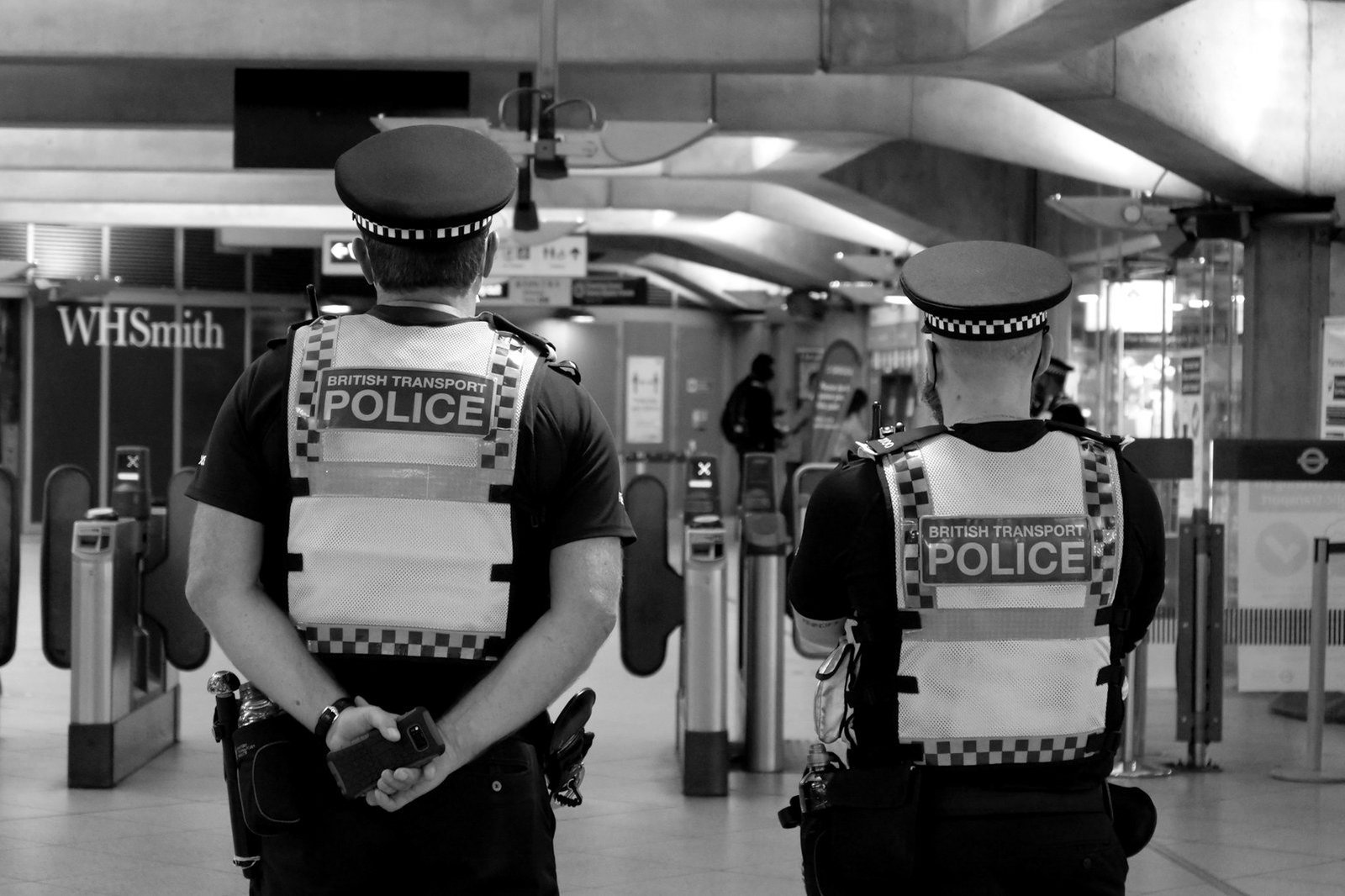
- Arrest safeguards (sections 46A to 46E): visible identification, a written and witnessed arrest memorandum, contact with relatives and a lawyer, and medical examination of an injured or ill detainee.[6]
- Warrantless arrest (section 54): tightened, drawing on the Appellate Division's 2016 guidelines in Bangladesh v BLAST.[6]
- Remand (section 167): no more than 15 days in police custody in total, with medical examination before and after police custody.[6] [7]
- Shown arrest (section 167A): a magistrate may consider an application to show a person arrested in another case only if the accused is produced with supporting documents and heard.[6]
- Investigation (sections 173A and 173B): senior officers may call for an interim investigation report, and the final report is due within 60 working days, with limited extensions.[6] [7]
- Magistrates' fines (section 32): up to Tk 5 lakh for first-class, Tk 3 lakh for second-class and Tk 2 lakh for third-class magistrates.[7]
The Daily Star's analysis also reports provisions for digital summons, online bail bonds and the protection of victims and witnesses.[6] Because the bdlaws page for the 2026 Act shows the structure but not every operative sentence, check the gazetted text before relying on an exact time limit in court.
The Evidence Act 1872 and the 2022 digital evidence amendment
For most of its history the Evidence Act said little about electronic material. Parliament passed the Evidence (Amendment) Bill 2022 on 3 November 2022, allowing courts to admit digital records such as audio, video, CCTV footage and mobile phone records, and allowing either side to produce them.[4] The current text contains section 65A (special provisions relating to digital records), section 65B (admissibility of digital records), section 45A (opinion on physical or forensic evidence) and a series of provisions on digital signatures and digital communications.[3]
Forensic examination and tampering
The 2022 amendment allows a court to order forensic examination of digital evidence where it considers this necessary or where a party disputes authenticity, and submitting false or manipulated evidence is punishable.[4] In practice this makes the chain of custody of phones, hard drives and CCTV recordings a live issue in almost every serious case. Defence counsel should ask early how a device was seized, who extracted the data and whether a hash or forensic report exists.
Protection of rape complainants
The same amendment stopped questions about a rape victim's general immoral character or previous sexual behaviour being asked in cross-examination unless the court permits them in the interests of justice.[4] This was one of the most important changes to criminal law Bangladesh women's rights groups had campaigned for, and it shapes how both sides prepare for trial in sexual offence cases.
Confessions and police statements
Section 164 of the Code of Criminal Procedure governs the recording of statements and confessions by a magistrate, while section 161 covers the examination of witnesses by police.[2] A confession is only as strong as the procedure behind it. Retractions, allegations of torture during remand and gaps in the magistrate's certificate are routine grounds of challenge, and the new medical-examination requirements around remand give the defence fresh material to test them.
Starting a criminal case: FIR, GD and complaint petitions
There are three doors into the criminal justice system, and choosing the right one decides who controls the case.
First Information Report for cognizable offences
For a cognizable offence, meaning one for which the police may arrest without a warrant as listed in Schedule II to the Code, information given to the officer in charge of a police station is reduced to writing, read over, signed and entered in a book under section 154.[2] That entry is the First Information Report. Section 156 then empowers the police to investigate a cognizable case without a magistrate's order. The FIR fixes the informant's account early, so accuracy matters more than length: names, time, place and the core acts alleged.
General Diary entries and non-cognizable cases
For a non-cognizable offence, section 155 requires the officer to enter the substance of the information and refer the informant to the magistrate; the police cannot investigate without a magistrate's order.[2] In practice this is recorded as a General Diary entry, which is also used to record lost documents, threats and other incidents that may later become relevant. Under the 2026 reforms every arrest must also be recorded in the local station's general diary, even where an officer from another station makes it.[8]
Complaint petitions before a magistrate
Where the police refuse to record a case, or the complainant prefers judicial supervision, a complaint may be filed directly before a magistrate, who takes cognizance under section 190.[2] Under section 200 the magistrate examines the complainant on oath. Under section 202 the magistrate may postpone process and direct an inquiry or investigation. The complaint may be dismissed under section 203 or process issued under section 204.[2]
Choosing between police and court
An FIR brings police resources but hands control of the investigation to the State. A complaint petition keeps the complainant closer to the case and is the usual route for cheque, defamation and commercial fraud matters, but it moves only as fast as the court's diary. Where the police submit a final report recommending no prosecution, the informant may file a no-confidence (naraji) petition asking the magistrate to reject it and order further investigation or take cognizance directly.
Arrest, remand and the rights of the accused
Arrest is where criminal law Bangladesh citizens experience most directly, and it is where the 2026 reforms bite hardest.
Arrest without warrant
Section 54 allows police to arrest without a warrant in defined situations.[2] In BLAST v Bangladesh, decided by the High Court Division on 7 April 2003 in Writ Petition No. 3806 of 1998, the court issued fifteen guidelines on sections 54 and 167, including that officers must identify themselves, record the reasons for arrest, inform relatives and allow access to a lawyer, and that remand applications must state reasons.[13] The Appellate Division endorsed safeguards in 2016, and the 2025–2026 reforms now write many of them into the Code.[6]
The arrest memo and the 12-hour rule
Police must now carry clearly visible identity cards, inform the arrested person's family within 12 hours, and allow the arrestee to consult a lawyer or meet relatives, preferably within 12 hours.[8] Each arrest needs at least one witness, a family member or respected local resident, and if none is available the memo must say why. The register must record the reason for arrest, the complainant, the relative or friend informed and the officer holding the arrestee.[8] Missing or defective memos are now an immediate point to raise at the first production before the magistrate.
Production and remand under section 167
Where investigation cannot be completed within 24 hours, the police must produce the accused before a magistrate and forward the case diary under section 167.[2] The magistrate may authorise detention in police custody only for stated reasons, and following the 2025 reforms police custody cannot exceed 15 days in total in a case; any further detention is judicial custody.[6] Medical examination before and after police custody lets the magistrate check for signs of ill-treatment. A defence lawyer's job at the remand hearing is to make the magistrate engage with the forwarding report, the arrest memo and the necessity of interrogation.
Release where evidence is deficient
Section 169 already allowed release where the investigating officer finds the evidence deficient.[2] Section 173A, added in 2025, provides for an interim investigation report before the final report.[7] An interim report that finds the evidence thin is a natural basis for an early application for release or discharge. For people named in large multi-accused cases, this is often the most realistic early exit.
Bail under the Code of Criminal Procedure
Bail is the most urgent question in most criminal law Bangladesh instructions. Chapter XXXIX of the Code deals with it in three core sections.[2]
Bailable offences: section 496
For a bailable offence, a person who is arrested or appears and is prepared to give bail must be released on bail.[2] The question is the amount and form of the bond, not whether bail is available.
Non-bailable offences: section 497
For a non-bailable offence, bail is discretionary. A person must not be released if there are reasonable grounds for believing that he has committed an offence punishable with death or imprisonment for life, but the court may release a person under sixteen, a woman, or a sick or infirm person even in that situation.[2] Factors that move courts in practice include the strength of the evidence, the role attributed to the accused, the time already spent in custody, risk of absconding and the progress of the investigation or trial.
Superior court bail: section 498
Section 498 gives the High Court Division and the Court of Session power to direct bail or reduce excessive bail.[2] This is the basis of anticipatory bail, sought before arrest by a person who has been named in a case, and of applications after a magistrate has refused bail. The 2026 Act also amends sections 498 and 499.[5] For a detailed treatment of strategy, see our guides to bail law and criminal defence in Bangladesh and criminal defence and bail procedures.

Criminal courts and how a trial runs
Section 6 of the Code divides criminal courts into Courts of Session and Courts of Magistrates.[2] Since the separation of the judiciary from the executive, criminal trials are conducted by judicial magistrates, while executive magistrates exercise executive functions such as maintaining order and running mobile courts.
Magistrates and Sessions Courts
Magistrates' courts try the bulk of offences carrying lower sentences, take cognizance, hear remand and bail applications and supervise investigations. Serious offences are triable by the Court of Session, presided over by Sessions Judges, Additional Sessions Judges and Joint Sessions Judges, after the case is sent up from the magistrate. Schedule II to the Code indicates which court can try each Penal Code offence, and special statutes designate their own tribunals.[2]
Charge, discharge and trial
Before charge is framed, the accused can seek discharge: section 241A for trials before magistrates and section 265C for trials before a Court of Session.[2] If charge is framed, the prosecution leads its witnesses, the accused is examined, the defence may call evidence and the court delivers judgment. Section 345 lists offences that may be compounded by the victim, sometimes with the court's permission, and section 540A allows parts of an inquiry or trial to proceed in the accused's absence in defined cases.[2] Section 403 bars a second trial for the same offence after conviction or acquittal.
Summary trials after the 2026 Act
New section 264A allows summary trials for scheduled offences to be held at any place within the court's jurisdiction, with judgment capable of being pronounced in the same session.[6] The change responds to longstanding criticism that summary justice in the field was left to executive rather than judicial officers.
Appeals, revision and quashment under section 561A
A conviction or an adverse order is rarely the end of the matter. The Code provides several routes, and choosing the right one at the right time is a core skill in criminal law Bangladesh appellate practice.
Appeals
Chapter XXXI governs appeals. Section 410 provides for appeal from a sentence of a Court of Session to the High Court Division, section 417 allows the Government to appeal against acquittal, and section 423 sets out the appellate court's powers.[2] Appeals from magistrates' convictions generally go to the Sessions Judge. A death sentence passed by a Court of Session must be confirmed by the High Court Division before it can be executed. Further appeal to the Appellate Division lies with leave.
Revision
Revision corrects jurisdictional or legal error in orders that are not appealable, such as orders framing charge or refusing discharge. Section 435 lets superior courts call for records, section 439 confers the High Court Division's revisional powers and section 439A confers those of the Sessions Judge.[2]
Quashment under section 561A
Section 561A preserves the High Court Division's inherent power to make orders to prevent abuse of the process of any court or otherwise to secure the ends of justice. In Hasina Akhter v Amena Begum (17 October 2022) the Appellate Division summarised the grounds for quashing a proceeding: the facts alleged disclose no offence, the proceeding is barred by law, the court lacks jurisdiction, there is no legal evidence, or quashing is required in the ends of justice.[12] The same judgment warned that the truth of allegations is for trial and that the High Court Division may not usurp the trial court's role once evidence is being taken.[12]
The lesson is timing. Quashment is strongest where a civil dispute has been dressed up as cheating or breach of trust, where a statutory bar applies, or where the complaint discloses no offence on its face. It is weakest after witnesses have been examined. Our section 561A criminal quashment practice handles these applications.
Special statutes and tribunals in criminal law Bangladesh
A large share of serious prosecutions in criminal law Bangladesh now runs under special laws rather than the Penal Code. Each brings its own definitions, time limits and forum, and many were rewritten in 2025 and confirmed by Parliament in 2026.[9]
Magistrates' courts
Take cognizance, hear remand and bail, and try offences with lower sentences.
Courts of Session
Try serious offences sent up by magistrates and hear many appeals and revisions.
Nari o Shishu tribunals
Try offences under the Women and Children Repression Prevention Act 2000, now including a child rape tribunal.
Anti-Corruption Commission
Investigates and prosecutes corruption offences under the Anti-Corruption Commission Act 2004.
High Court Division
Hears appeals, revisions, bail under section 498 and quashment under section 561A.
Appellate Division
Final court of appeal, with leave, and author of binding guidelines on arrest and quashment.
Women and children repression: the Nari o Shishu law
The Women and Children Repression Prevention Act 2000 (Nari o Shishu Nirjatan Daman Ain) is tried by dedicated tribunals.[12] The Women and Children Repression Prevention (Amendment) Ordinance 2025, approved on 20 March 2025, cut the investigation period for rape cases from 30 to 15 days and the trial period from 180 to 90 days, created a special tribunal for child rape cases and allowed trials to proceed on medical certificates and circumstantial evidence without waiting for a DNA report.[11]
The ordinance also made the definition of rape gender-neutral and recognised forced oral or anal acts against boys under sixteen as rape.[7] Parliament enacted the Women and Children Repression Prevention (Amendment) Act 2026, Act No. 85 of 2026, on 10 April 2026.[9]
Cyber offences: from the 2023 Act to the 2026 Act
The Cyber Security Ordinance 2025, gazetted on 21 May 2025, repealed the Cyber Security Act 2023, omitted the offences in sections 21, 24 to 29, 31 and 34 of that Act, covering speech about the Liberation War and national symbols, offensive or false information, defamation and related matters, and annulled pending cases and penalties under those sections.[10] It added offences covering online sexual harassment of women and children, online gambling and crimes committed using artificial intelligence, and made most offences bailable.[7] [10]
Parliament then enacted the cyber law as the Cyber Suraksha Act 2026, rendered in English as the Cyber Security or Cyber Protection Act, Act No. 81 of 2026 dated 10 April 2026, followed by an amending Act, Act No. 99 of 2026, on 1 July 2026.[9]
Corruption: the Anti-Corruption Commission
Corruption offences are investigated and prosecuted by the Anti-Corruption Commission under the Anti-Corruption Commission Act 2004. The interim government's ACC (Amendment) Ordinance 2025 was not converted into law, and in April 2026 it was reported to be lapsing, which points back to the 2004 Act's structure. The chairman and two commissioners resigned on 3 March 2026, after which the Commission could not approve new cases, charge sheets, asset seizures or travel-ban requests until it was reconstituted.[14] Anyone facing an ACC notice should check the current composition and procedure before responding.
Other special laws enacted in 2026
The 2026 statute book also includes the Anti-Terrorism (Amendment) Act 2026 (Act No. 28), the International Crimes (Tribunals) (Amendment) Act 2026 (Act No. 13), the Prevention and Suppression of Human Trafficking and Migrant Smuggling Act 2026 (Act No. 55), the Negotiable Instruments (Amendment) Act 2026 (Act No. 65), the Gambling Prevention Act 2026 (Act No. 98), the Narcotics Control (Amendment) Act 2026 (Act No. 101) and the Enforced Disappearance Prevention and Remedy Act 2026 (Act No. 107, 8 September 2026).[9] Each must be read with the Code of Criminal Procedure. See our analysis of the 2025 International Crimes Tribunal amendments and of cheque dishonour in Bangladesh.
The table below compares the main statutes. On a phone, scroll it sideways.
| Statute | Type | Main role | 2025–2026 change |
|---|---|---|---|
| Penal Code 1860 | Substantive | Defines general offences, exceptions and punishments | Structure unchanged |
| Code of Criminal Procedure 1898 | Procedural | Arrest, investigation, bail, trial, appeal | Act No. 11 of 2026: arrest safeguards, 15-day remand cap, investigation timelines |
| Evidence Act 1872 | Evidence | Relevance, burden and modes of proof | 2022 amendment admits digital records |
| Women and Children Repression Prevention Act 2000 | Special | Rape, dowry violence, trafficking of women and children | 2025 ordinance; Act No. 85 of 2026 |
| Cyber legislation | Special | Hacking, online harassment, cyber terrorism | 2023 Act repealed; Act No. 81 and No. 99 of 2026 |
| Anti-Corruption Commission Act 2004 | Special | Corruption investigation and prosecution | 2025 amendment ordinance not enacted |

Step-by-step: how a criminal case moves in Bangladesh
Every case has its own path, but the sequence below is how criminal law Bangladesh procedure typically unfolds for an accused person, and how we plan each stage.
Secure the record
Obtain the FIR, GD entry or complaint petition, the arrest memo and any seizure list as soon as possible.
Check the arrest
Test the arrest against sections 46A to 46E and 54: identification, witness, family notice within 12 hours and lawyer access.
Oppose remand
At first production, challenge the forwarding report and the need for police custody, which is now capped at 15 days in total.
Apply for bail
Seek bail before the magistrate, then the Sessions Court or the High Court Division under section 498 if refused.
Track the investigation
Follow the interim and final police reports and the 60-working-day timeline, and seek release or discharge if evidence is thin.
Consider quashment
Where no offence is disclosed or a legal bar applies, move the High Court Division under section 561A before trial evidence begins.
Defend the trial
Seek discharge before charge, then test the evidence, especially digital records and confessions, through cross-examination.
Appeal or revise
Use appeal, revision or a further application to the Appellate Division promptly, within the applicable limitation period.
For complainants the same map applies in reverse: record the case properly, protect evidence, follow the investigation, oppose an inadequate final report and support the prosecution at trial.
Key criminal law topics and resources
The subject is wide, and most criminal law Bangladesh queries fall into a handful of recurring topics. Each has its own TRW guide or will be covered by one.
- Bail and anticipatory bail: sections 496 to 498 of the Code, and the practice of the Sessions Courts and the High Court Division.
- Arrest and remand: sections 46A to 46E, 54, 167 and 167A after the 2026 Act.
- Quashment: section 561A and the Appellate Division's grounds.
- Cheque dishonour: the Negotiable Instruments Act 1881 as amended in 2026.
- Women and children cases: the Nari o Shishu tribunals and their time limits.
- Cyber offences: the 2026 cyber legislation and its narrower offence list.
- Corruption and money laundering: ACC notices, asset statements and interim seizures.
Where to find the law
The official consolidated texts of the Penal Code, the Code of Criminal Procedure and the Evidence Act are published on the Laws of Bangladesh portal of the Legislative and Parliamentary Affairs Division.[1] [2] [3] The Division also publishes the list of Acts passed each year, which is the quickest way to confirm whether an ordinance became law.[9] Judgments of the High Court Division and Appellate Division are published on the Supreme Court website.[12] Those who cannot afford a lawyer may apply for government legal aid, a scheme now governed by the Legal Aid Services (Amendment) Act 2026, Act No. 45 of 2026.[9]
The role of a criminal law firm in Bangladesh
In criminal law Bangladesh matters, good representation is mostly about early decisions. The first 48 hours after an arrest or a complaint often decide whether a client spends weeks in custody, whether evidence is preserved and whether a case is contained or spreads.
For accused persons
A defence firm attends the first production, checks the arrest memo and forwarding report, opposes remand, applies for bail at the right level, seeks discharge where the interim report is weak and, where appropriate, moves the High Court Division under section 498 or 561A. At trial it tests the chain of custody of digital evidence, cross-examines on the procedural record and prepares a sentencing case if needed.
For victims and complainants
For victims, the work is to frame the FIR or complaint accurately, choose the correct statute and forum, push investigators within the new 60-working-day timeline, oppose a final report that ignores the evidence through a naraji petition, and use the protections for victims and witnesses introduced in 2025.[6]
For companies and directors
Companies face criminal exposure through cheque dishonour, alleged fraud by or against employees, regulatory offences, cyber incidents and corruption investigations. A criminal law firm coordinates internal investigation, preserves privilege where possible, manages contact with police or the ACC and keeps any parallel civil or arbitration strategy aligned. Our guide to data protection law in Bangladesh covers the overlapping data obligations after a cyber incident.
Choosing a criminal law firm
Look for lawyers who appear regularly before the relevant magistrates' courts, Sessions Courts and the High Court Division, who can explain the procedural options in writing, and who are candid about timing and risk. In criminal law Bangladesh practice, a lawyer who promises an outcome is a warning sign; one who explains the next three procedural steps is not.
What to watch in criminal law Bangladesh in 2026 and beyond
Three issues will shape practice over the next year. First, implementation of the arrest and remand safeguards: the text is now in the Code, and the question is whether magistrates enforce it at first production. Second, the cyber legislation, which was amended within three months of enactment and remains politically contested.[9] Third, the institutional future of the Anti-Corruption Commission and the procedure it follows.
Anyone facing arrest, a complaint or an investigation should take advice before giving any statement, and keep a copy of every document served. If you need help with a pending case, contact TRW.
Frequently asked questions
What are the main sources of criminal law in Bangladesh?
Criminal law Bangladesh courts apply comes mainly from three codes. The Penal Code 1860 defines offences, the Code of Criminal Procedure 1898 governs investigation, arrest, bail, trial and appeal, and the Evidence Act 1872 governs proof. Special statutes add offences and tribunals for women and children, cyber, corruption, terrorism and narcotics cases.[1] [2] [3]
What is the difference between substantive and procedural criminal law?
Substantive law, mainly the Penal Code and special statutes, defines what is an offence and its punishment. Procedural law, mainly the Code of Criminal Procedure, sets out how the police and courts investigate, detain, try and sentence.
What changed in the Code of Criminal Procedure in 2025 and 2026?
The 2025 ordinances, enacted as the Code of Criminal Procedure (Amendment) Act 2026 (Act No. 11 of 2026), added arrest safeguards in sections 46A to 46E, tightened section 54, capped police remand at 15 days in total, regulated shown arrest and introduced interim and time-limited investigation reports.[5] [6]
Must police tell my family when I am arrested?
Yes. Under the 2026 reforms police must inform the family within 12 hours and allow the arrested person to consult a lawyer or meet relatives, preferably within 12 hours.[8]
How is an FIR different from a GD or a complaint case?
An FIR under section 154 records information about a cognizable offence and triggers police investigation. A GD entry records non-cognizable information or other incidents. A complaint petition is filed directly before a magistrate, who examines the complainant under section 200.[2]
Can I get bail for a non-bailable offence?
Yes, at the court's discretion under section 497, although bail is restricted where there are reasonable grounds to believe the accused committed an offence punishable with death or life imprisonment. The High Court Division and Court of Session may also grant bail under section 498.[2]
Is digital evidence admissible in Bangladesh criminal trials?
When can a criminal case be quashed under section 561A?
The Appellate Division has identified five grounds: no offence disclosed, a legal bar, lack of jurisdiction, no legal evidence, or the ends of justice. Quashment is rarely available once trial evidence is being taken.[12]
Which law now governs cyber offences?
How long do rape investigations and trials take under the Nari o Shishu law?
Source register
Primary legal and regulatory sources
Materials checked on 20 October 2026. Confirm the current official text before relying on any provision.
- The Penal Code, 1860 (Act No. XLV of 1860) — Laws of Bangladesh
- The Code of Criminal Procedure, 1898 (Act No. V of 1898) — Laws of Bangladesh
- The Evidence Act, 1872 (Act No. I of 1872) — Laws of Bangladesh
- UNB, 3 November 2022 — Parliament passes law allowing digital evidence in court trials
- Code of Criminal Procedure (Amendment) Act, 2026 (Act No. 11 of 2026) — Laws of Bangladesh
- The Daily Star, August 2025 — Analysing the 2025 amendments to the CrPC
- The Daily Star — Key legislative reforms of 2025 in Bangladesh
- The Daily Star, 8 April 2026 — Families must be told within 12 hours of arrest
- Legislative and Parliamentary Affairs Division — Acts enacted in 2026
- Prothom Alo English, May 2025 — Govt issues gazette of Cyber Security Ordinance
- Arab News, 20 March 2025 — Bangladesh passes new women and child protection law
- Supreme Court of Bangladesh, Appellate Division — Hasina Akhter v Amena Begum (17 October 2022)
- BLAST — Guidelines on sections 54 and 167 CrPC (Writ Petition No. 3806 of 1998)
- The Business Standard, 10 April 2026 — ACC grounds to a halt as govt waits for ordinance to elapse
Related TRW assistance
Move from information to a defined next step
TRW acts for accused persons, victims and companies in bail, remand, quashment, trial and appeal work, and in ACC, cyber and Nari o Shishu matters. Explore our section 561A criminal quashment practice or contact TRW to discuss your case.