
Acid crime case in Bangladesh: the full journey, step by step
An acid crime case in Bangladesh is prosecuted under the Acid Aparadh Daman Ain 2002 (Acid Crime Control Act 2002) before a special Acid Crime Control Tribunal presided over by a District or Sessions Judge. Causing death, total or partial loss of sight or hearing, or disfigurement of the face, breast or sexual organs with acid is punishable with death or life imprisonment.
The Act sets tight limits: 30 days for investigation and 90 days for trial, strict bail rules, and an appeal to the High Court Division within 60 days. A companion law, the Acid Niyantran Ain 2002, controls the sale of acid and provides for victims' treatment, rehabilitation and legal aid.
- Where it starts
- A government hospital or recognised health centre for treatment and a medical certificate, and the police station for…
- Main law
- Acid Aparadh Daman Ain 2002 (Act 2 of 2002) ss.4-29; Acid Niyantran Ain 2002 (Act 1 of 2002) ss.10, 13-15, 36, 43; Code of…
- Typical duration
- By statute: investigation 30 days (extendable by up to 15 days twice, then 15 days by another officer) and trial 90…
- Who can file
- The victim, a family member or anyone with knowledge can lodge an FIR. If the police refuse, a complaint can go…
Acid crime case in Bangladesh: walk through every stage
Press next, use your arrow keys or tap a court on the map. The gold marker shows where your case is, and the green trail shows the route it has taken. For the immersive version, play it full screen.
Read every step as text
 Step 1 · Immediate aftermath
Emergency treatment and medical certificate
The first priority is treatment, ideally at a burn unit. The victim of an acid crime case in Bangladesh can be examined at a government hospital, a private hospital recognised by the Government for this purpose, or a health centre run by a voluntary organisation. The duty doctor must carry out the medical examination very quickly and give the victim a certificate. If the doctor fails to do so, the Tribunal can direct action against them for neglect of duty. The certificate and later treatment records become core evidence of the injury and its category.
Where: Government hospital, burn unit or recognised health centre · Time: Same day · Law: s.29(1)-(3) Acid Aparadh Daman Ain 2002 · Documents: Medical certificate, Hospital admission and treatment records, Photographs of injuries
Tip: Ask the hospital for the medical certificate before discharge and keep several certified copies. Losing it delays the FIR and the investigation.
 Step 2 · Immediate aftermath
Lodge the FIR
A family member or anyone with knowledge lodges an FIR at the police station. All offences under the Act are cognisable, non-compoundable and non-bailable, so the police must record the case and can arrest without a warrant. The Act punishes causing death by acid with death or life rigorous imprisonment and a fine of up to Tk 1 lakh. Destroying sight or hearing wholly or partly, or disfiguring the face, breast or sexual organs, carries the same punishment. Injury to any other part of the body carries 7 to 14 years.
Throwing or attempting to throw acid, even without harm, carries 3 to 7 years. Abettors face the same punishment.
Where: Police station and investigating officer · Time: Same day · Law: ss.4-7 Acid Aparadh Daman Ain 2002; s.14 Acid Aparadh Daman Ain 2002; s.154 CrPC · Documents: Written FIR, Medical certificate, Names and addresses of witnesses
Tip: Describe exactly which body parts were injured. The punishment band under s.5 depends on it.
 Step 3 · Immediate aftermath
Statement recorded on the spot
If an investigating or arresting officer thinks a witness's account should be recorded at once for a quick trial, they can ask a first-class Magistrate to record it. The Magistrate may do so at the scene or another suitable place, including a hospital bed, and sends it directly to the investigating officer to be filed with the report. If the witness later dies, cannot testify or cannot be found, the Tribunal may admit the statement as evidence, but cannot convict on it alone. Confessions by arrested accused are recorded separately under s.164.
Where: Chief Metropolitan Magistrate's Courts, Dhaka (statements and remand) · Time: 1-7 days · Law: s.19(1)-(3) Acid Aparadh Daman Ain 2002; s.164 CrPC · Documents: Statement recorded under s.19, Confession under s.164 CrPC, if any
Tip: Where the victim is badly injured, ask the investigating officer to request a Magistrate's recorded statement without delay.
 Step 4 · Investigation
The 30-day investigation
The investigation must be completed within 30 days from receipt of information about the offence, or from a Magistrate's order to investigate. If that is impossible, the officer can show special cause to the Tribunal, which may extend the time by up to 15 days. If the investigation is still incomplete, the Tribunal may order completion or further investigation within another 15 days. After that, it may order another officer to finish within 15 days and mark the first officer's failure as inefficiency for disciplinary action.
The Tribunal can also order a change of investigating officer on application.
Where: Police station and investigating officer · Time: 30-75 days by statute · Law: s.11(1)-(5) Acid Aparadh Daman Ain 2002 · Documents: Case diary, Extension applications, Tribunal orders
Tip: The general 60-working-day CrPC limit does not displace these shorter special limits. Victims can ask the Tribunal to enforce them.
 Step 5 · Investigation
Forensic and documentary evidence
The investigating officer seizes containers, clothing and other traces, and sends samples to the chemical examiner. Reports by a government doctor, chemical examiner, blood examiner, handwriting or fingerprint expert can be used as evidence if the expert has since died or cannot be produced without unreasonable delay or expense. A conviction cannot rest on such a report alone. Because acid sale is licensed, records of who sold the acid can link the accused to the attack, and unlicensed dealing is itself an offence.
Where: Police station and investigating officer · Time: Within the investigation period · Law: s.20 Acid Aparadh Daman Ain 2002; s.36 Acid Niyantran Ain 2002 · Documents: Seizure list, Chemical examiner's report, Medical reports, Acid sale records
Tip: Ask the officer to trace where the acid was bought. Seller records are often the strongest link to a planned attack.
 Step 6 · Cognisance and bail
Police report and cognisance
The Tribunal takes cognisance on a written report by a police officer not below Sub-Inspector rank, or a person authorised by the Government. If the police refused to accept the case, the Tribunal can take a complaint directly. It can also proceed against someone the report did not charge, giving reasons, or treat a named accused as a witness. If the investigating officer deliberately shielded anyone or ignored evidence, the Tribunal can direct disciplinary action. The case is filed in the Tribunal for the area where the offence happened.
Where: Acid Aparadh Daman Tribunal, Dhaka · Time: 1-2 months · Law: s.24(1)-(4) Acid Aparadh Daman Ain 2002; s.12 Acid Aparadh Daman Ain 2002; s.13 Acid Aparadh Daman Ain 2002 · Documents: Police report (charge sheet), Complaint, if police refused, Naraji (objection) petition, if any
Tip: If the charge sheet drops an attacker, file an objection promptly and ask the Tribunal to use its power under s.24(3).
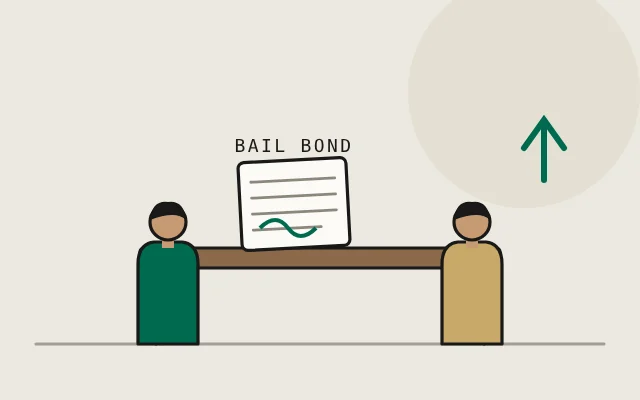 Step 7 · Cognisance and bail
Strict bail rules
Bail in an acid crime case in Bangladesh is restricted. The accused cannot be released unless the State or complainant has had a chance to be heard. Bail must also be refused if the Tribunal is satisfied there are reasonable grounds for believing the accused guilty. For an accused who is not a woman, a child or physically disabled, bail is refused unless the Tribunal is satisfied that release will not hinder justice.
Once the investigation report is in, the Tribunal or appellate court may grant bail, with reasons, to someone it believes was not involved.
Where: Acid Aparadh Daman Tribunal, Dhaka · Time: 1-4 weeks per application · Law: s.15(1)-(2) Acid Aparadh Daman Ain 2002; s.14 Acid Aparadh Daman Ain 2002 · Documents: Bail petition, Investigation report, Medical or other grounds
Tip: Complainants should attend every bail hearing. The law gives them a right to be heard before any release.
 Step 8 · Trial in the Tribunal
The Acid Aparadh Daman Tribunal
Only the Acid Aparadh Daman Tribunal can try offences under the Act. Each Tribunal has one judge appointed by the Government from among District or Sessions Judges, including Additional judges, and the Government can give the role to a judge in addition to their other duties. The Tribunal is deemed a Court of Session with all its powers, and the CrPC applies unless the Act provides otherwise. The person conducting the complainant's case is treated as a public prosecutor.
Connected offences under other laws can be tried together, and accused children are dealt with under the children's law.
Where: Acid Aparadh Daman Tribunal, Dhaka · Time: Charge usually within 1-3 months of cognisance · Law: s.16(1) Acid Aparadh Daman Ain 2002; ss.22-23 Acid Aparadh Daman Ain 2002; s.25 Acid Aparadh Daman Ain 2002; s.17 Acid Aparadh Daman Ain 2002 · Documents: Charge, Case record
Tip: Check which Tribunal has been notified for the district. In many places the judge also sits on another special tribunal, so listing days matter.
- Step 9 · Trial in the Tribunal
Continuous trial within 90 days
Once hearing begins, it must continue on every working day until finished, and the Tribunal must complete the trial within 90 days of receiving the record. If the judge is transferred, the successor continues from the same stage without retaking evidence, unless justice requires it. In cases of death, injury or throwing acid, the Tribunal may on application record the victim's or a witness's evidence in camera. Summonses for witnesses go to the officer in charge of the relevant police station, who is responsible for producing them.
The Tribunal can also order a person into safe custody outside jail during the case.
Where: Acid Aparadh Daman Tribunal, Dhaka · Time: 90 days by statute; often 1-3 years in practice · Law: s.16(2)-(5) Acid Aparadh Daman Ain 2002; s.21 Acid Aparadh Daman Ain 2002; s.28 Acid Aparadh Daman Ain 2002 · Documents: Witness summonses, Depositions, In-camera application
Tip: Apply for in-camera testimony early if the victim is distressed or fears the accused's supporters in court.
 Step 10 · Trial in the Tribunal
Absconding accused
If the Tribunal has reason to believe that an accused is absconding to avoid arrest or trial, and there is no prospect of immediate arrest, it may publish an order in at least two Bangla daily newspapers directing them to appear within a period of no more than 15 days. If they do not appear, the Tribunal may try them in their absence. An accused who appears or is brought in, or is bailed, and then absconds can be tried in absence for reasons recorded, without a fresh newspaper notice.
Where: Acid Aparadh Daman Tribunal, Dhaka · Time: 15-30 days · Law: s.18(1)-(2) Acid Aparadh Daman Ain 2002 · Documents: Newspaper publication, Order for trial in absence
Tip: A defendant on bail who misses dates risks a trial in absence. Keep in touch with your lawyer about every date.
 Step 11 · Judgment, compensation and support
Judgment and sentence
After arguments, the Tribunal convicts or acquits each accused and passes sentence within the bands set by ss.4 to 7. If it imposes death, the record must be sent at once to the High Court Division under s.374 of the CrPC, and the sentence cannot be carried out without that Division's approval. A certified copy of the judgment should be obtained immediately, because the appeal period starts from the date of the judgment, order or sentence.
Where: Acid Aparadh Daman Tribunal, Dhaka · Time: Usually 2-6 weeks after arguments · Law: ss.4-7 Acid Aparadh Daman Ain 2002; s.27 Acid Aparadh Daman Ain 2002; s.374 CrPC · Documents: Judgment, Certified copy, Death reference record, if applicable
Tip: Apply for the certified copy on the day of judgment so that the 60-day appeal period is not wasted.
 Step 12 · Judgment, compensation and support
Fines paid to the victim
Fines under the Act are not kept by the State. They are recovered from the convict, from their existing property, or from the estate they leave if they die, and paid to the injured person or, after death, to their heirs. The Tribunal can direct the district Collector to list the convict's movable or immovable property and attach and auction it, or auction it directly, and deposit the proceeds with the Tribunal for payment to the victim.
Where: Acid Aparadh Daman Tribunal, Dhaka · Time: Months to years · Law: s.9 Acid Aparadh Daman Ain 2002; s.10 Acid Aparadh Daman Ain 2002 · Documents: Fine order, Direction to the Collector, Auction and deposit records
Tip: Victims should follow up with the Tribunal and the Collector's office. Recovery rarely happens without persistent requests.
 Step 13 · Judgment, compensation and support
False cases are punishable
Because the punishments are so severe, the Act also protects against abuse. Anyone who files or causes a case to be filed under the Act, knowing there is no just or lawful ground and intending to harm the accused, faces up to seven years' rigorous imprisonment and a fine. The Tribunal can take up such a complaint on a written application. Defence lawyers use this provision where an acid allegation is plainly fabricated, for example to pressure the other side in a land or family dispute.
Where: Victim's or defence lawyer's chamber · Time: After acquittal, months · Law: s.8(1)-(2) Acid Aparadh Daman Ain 2002 · Documents: Written complaint under s.8, Judgment of acquittal
Tip: A complaint for a false case is strongest after an acquittal that records the allegation as untrue.
 Step 14 · Judgment, compensation and support
Treatment, rehabilitation and legal aid
The Acid Niyantran Ain 2002 adds a support system. It creates a National Acid Control Council with a fund for treatment, rehabilitation and legal aid. It allows the Government to set up rehabilitation centres, and lets the Upazila Nirbahi Officer or Deputy Commissioner arrange urgent treatment for a victim. Victims, or someone for them, can apply to the District Acid Control Committee for legal aid. Families are expected to report acid injuries to the UNO or Deputy Commissioner. Non-governmental organisations such as the Acid Survivors Foundation also provide medical, legal and psychosocial support.
Where: District Acid Control Committee, Deputy Commissioner's Office, Dhaka · Time: Weeks · Law: s.10 Acid Niyantran Ain 2002; ss.13-15 Acid Niyantran Ain 2002; s.43 Acid Niyantran Ain 2002 · Documents: Legal aid application, Medical records, Proof of identity
Tip: Apply for legal aid early, before the charge sheet. A dedicated lawyer for the victim can watch the investigation and object if it is weak.
Walk through it from your side
Pick your side. The step-by-step journey above and the full-screen player will then show what you do at every stage.
Informant / victim
You want a full investigation, a fair trial and, if guilt is proved, conviction, with any fine paid to you or the heirs. The prosecution must prove who threw the acid and the exact injury, because the injury decides the punishment band. Your biggest risk is weak early evidence: a delayed FIR, a missing medical certificate or a vague description of the injuries.
Emergency treatment and medical certificate
You get the victim to a burn unit or government or recognised hospital at once, ask for the medical examination to be done quickly and collect the medical certificate before discharge. Keep several certified copies and all treatment records.
Watch outIf the doctor fails to examine or give a certificate, the Tribunal can direct action against them; report it.
Lodge the FIR
You lodge the FIR at the police station, describing exactly which body parts were injured, who attacked and any known motive. The offence is cognisable and non-compoundable, so the police must record it.
Watch outDescribe injuries precisely; the punishment band under s.5 depends on them.
Statement recorded on the spot
If the victim is badly injured, you ask the investigating officer to request a first-class Magistrate to record their statement at the hospital without delay.
Watch outA recorded statement can be used if the witness later dies or cannot testify, but cannot convict on its own.
The 30-day investigation
You keep in touch with the investigating officer and, if the 30-day limit is passing without progress, ask the Tribunal through your lawyer to enforce the timetable or change the officer.
Watch outThe Tribunal can order another officer to finish and mark the first officer's failure as inefficiency.
Forensic and documentary evidence
You ask the officer to seize containers and clothing, send samples to the chemical examiner and trace where the acid was bought, since sale is licensed and seller records can link the attacker.
Watch outExpert reports alone cannot found a conviction, so other evidence matters.
Police report and cognisance
You obtain the police report. If an attacker has been dropped, your lawyer files an objection asking the Tribunal to take cognisance against them under s.24(3). If the police refused to take the case, you complain directly to the Tribunal.
Watch outRaise objections promptly, before charges are framed.
Strict bail rules
You or your lawyer attend every bail hearing and tell the Tribunal about any threats or risk of absconding. The law gives you a right to be heard before any release.
Watch outMissing a bail hearing can mean bail is granted without your side being heard.
The Acid Aparadh Daman Tribunal
You check which Tribunal has been notified for the district and its listing days, and make sure your lawyer, who is treated as a public prosecutor, is ready for charge framing.
Watch outIn many places the judge also sits on another tribunal, so dates can be far apart.
Continuous trial within 90 days
You attend every date, make sure your witnesses are ready and, if the victim is distressed or afraid, apply early for in-camera testimony. Witness summonses go through the officer in charge, so keep the police informed of addresses.
Watch outThe hearing runs on consecutive working days, so unprepared witnesses may be lost.
Absconding accused
If an accused is absconding, you ask the prosecutor to seek a newspaper order requiring them to appear, so the trial can proceed in their absence if they do not.
Judgment and sentence
You attend the judgment and obtain a certified copy. If the result or sentence seems wrong, you discuss an appeal with your lawyer, as any aggrieved party can appeal.
Watch outThe 60-day appeal period runs from the date of the judgment.
Fines paid to the victim
You follow up with the Tribunal and the Collector's office for recovery of any fine, which is paid to the victim or the heirs, and keep records of every request.
Watch outRecovery rarely happens without persistent follow-up.
False cases are punishable
You make sure the facts you report are accurate and complete, and that people are named only on genuine grounds.
Watch outKnowingly filing a false case under the Act is punishable with up to seven years' rigorous imprisonment.
Treatment, rehabilitation and legal aid
You apply to the District Acid Control Committee for legal aid and ask the UNO or Deputy Commissioner for help with urgent treatment and rehabilitation. NGOs such as the Acid Survivors Foundation can also help.
Watch outApply for legal aid early, so a lawyer can watch the investigation from the start.
Accused
You want an acquittal, or at least a conviction and sentence that match what the evidence actually proves, and bail if the strict test can be met. You must test the identification, the medical and chemical evidence and the investigation's gaps. Your biggest risk is the strict bail law combined with a fast trial, and missing the 60-day appeal limit to the High Court Division.
Emergency treatment and medical certificate
If you learn you are suspected, you instruct a criminal defence lawyer at once and preserve evidence of where you were, such as phone records, CCTV or witnesses.
Watch outDo not approach the victim or family; it can be treated as intimidation and will damage bail.
Lodge the FIR
If arrested, you ask to contact your lawyer and family, give no statement without advice, and note the time of arrest and production before the Magistrate.
Watch outAll offences under the Act are non-bailable; bail is decided under the strict test in s.15.
Statement recorded on the spot
Your lawyer notes any statement recorded under s.19 and prepares to test it at trial. If asked to make a confession under s.164, you take legal advice first and make no statement under pressure.
Watch outA confession must be voluntary; report any coercion to the Magistrate at once.
The 30-day investigation
Your lawyer monitors the investigation and can give the investigating officer evidence that points away from you, such as alibi proof or names of other witnesses.
Watch outDelay beyond the statutory limits can support a bail application.
Forensic and documentary evidence
Your lawyer checks how the samples were seized, sealed and sent, and whether the expert reports and seller records really link you to the attack.
Watch outBreaks in the chain of custody are a legitimate ground to challenge forensic evidence.
Police report and cognisance
Your lawyer obtains the police report and statements, checks whether the evidence supports the charge against you and prepares to argue at charge stage. Where the evidence shows you were a witness rather than a participant, your lawyer raises s.12.
Watch outThe Tribunal can add accused not named in the report, so do not assume the case is limited to it.
Strict bail rules
Your lawyer applies for bail, addressing the s.15 test, any special circumstances such as age, sex or disability, and, after the investigation, any material showing you were not involved. If refused, you can apply to the High Court Division.
Watch outBail is refused if the Tribunal finds reasonable grounds to believe you guilty.
The Acid Aparadh Daman Tribunal
Your lawyer prepares the arguments at charge framing, checks whether any connected offence is properly before the Tribunal, and raises the children's law if you were a child at the time.
Continuous trial within 90 days
Your lawyer cross-examines on identification, the medical category of injury and forensic evidence, and calls defence witnesses. You attend every date.
Watch outAdjournments are hard to get once the hearing starts; be ready from the first day.
Absconding accused
You attend every date and keep in touch with your lawyer about each hearing, especially if you are on bail.
Watch outIf you abscond after appearing or being bailed, you can be tried in your absence without a fresh newspaper notice.
Judgment and sentence
If convicted, you apply for the certified copy on the day of judgment and instruct your lawyer to appeal to the High Court Division, with an application for bail pending appeal where suitable.
Watch outThe appeal must be filed within 60 days of the judgment, order or sentence.
Fines paid to the victim
If a fine is imposed, you take advice on paying it or on challenging it in your appeal, and check that any attachment of property follows the proper procedure.
Watch outFines can be recovered from your property, and from your estate after death.
False cases are punishable
If the case was plainly fabricated, your lawyer can consider a complaint under s.8, usually after an acquittal that records the allegation as untrue, or a s.561A application in the High Court Division.
Watch outA s.8 complaint needs proof that the case was filed knowing there was no just ground and to cause harm.
Treatment, rehabilitation and legal aid
If you cannot afford a lawyer, you apply for state legal aid through the district legal aid office so that your defence is properly prepared.
What if…? How the acid crime case in Bangladesh can change course
Choose a scenario. The map animates the route up the hierarchy and, where a case is sent back, down to the lower court and up again.
What if a party appeals the Tribunal's judgment?
- 1High Court Division
Appeal to the High Court Division within 60 days
Any party aggrieved by an order, judgment or sentence of the Tribunal may appeal to the High Court Division within 60 days. That includes the convict, the State and the complainant against an acquittal. There is no intermediate appeal, because the Tribunal is a Court of Session. A Division Bench rehears facts and law on the record and may acquit, alter the conviction or sentence, or order a retrial.
1-4 yearss.26 Acid Aparadh Daman Ain 2002s.22(2) Acid Aparadh Daman Ain 2002s.423 CrPC - 2High Court Division
Bail pending appeal
A convict can ask the High Court Division to suspend the sentence and grant bail pending appeal. The Act's s.15 restrictions apply to the appellate court as well, so the State and complainant must be heard.
1-3 monthss.15 Acid Aparadh Daman Ain 2002s.426 CrPC
Where it ends up: The High Court Division confirms, alters or sets aside the Tribunal's decision.
What if a party challenges an interim order?
- 1High Court Division
Appeal, revision or s.561A
The appeal under s.26 covers any order of the Tribunal, not just final judgments, so interim orders such as taking cognisance or refusing further investigation may be appealable. Where an appeal lies and is not brought, revision by that party is barred under the CrPC. An application under s.561A remains available to quash proceedings that are an abuse of process, for example a plainly fabricated case.
3-12 monthss.26 Acid Aparadh Daman Ain 2002ss.435, 439 and 439(5) CrPCs.561A CrPC - 2Acid Aparadh Daman Tribunal, Dhaka
Proceedings continue meanwhile
Unless the High Court Division stays the trial, the Tribunal carries on. A stay holds up the trial and makes the 90-day target harder to meet, so both sides should press for early disposal.
Variables.16(3) Acid Aparadh Daman Ain 2002
Where it ends up: The interim order is upheld, set aside or the proceeding quashed.
Can the Tribunal review its judgment?
- 1Acid Aparadh Daman Tribunal, Dhaka
No review in the Tribunal
Once the Tribunal signs its judgment, it cannot alter or review it except to correct a clerical error, because the CrPC applies where the Act is silent. Mistakes must be corrected on appeal within 60 days.
Not applicables.369 CrPCs.22(1) Acid Aparadh Daman Ain 2002 - 2Appellate Division of the Supreme Court
Article 105 review in the Appellate Division
After the Appellate Division decides an appeal or leave petition, a party may seek review under Article 105 within 30 days, only for an error apparent on the face of the record.
3-12 monthsArticle 105 ConstitutionOrder XXVI Supreme Court (Appellate Division) Rules 1988
Where it ends up: Only the Appellate Division can review its own decision.
What happens after a death sentence?
- 1High Court Division
Death sentence sent for approval
The Tribunal must send the record to the High Court Division at once under s.374, and the death sentence cannot be carried out without that Division's approval. The reference is heard with any appeal or jail appeal. The Bench re-examines all the evidence, including medical reports, and may confirm, commute, acquit or order a retrial.
2-6 yearss.27 Acid Aparadh Daman Ain 2002ss.374-376 CrPC - 2Appellate Division of the Supreme Court
Appeal as of right
If the High Court Division confirms the death sentence, or itself imposes death or life imprisonment, the convict can appeal to the Appellate Division as of right, usually within 30 days.
1-4 yearsArticle 103(2)(b) Constitution
Where it ends up: The death sentence is confirmed, commuted or set aside, subject to the Appellate Division.
What if the High Court Division orders a retrial?
- 1High Court Division
Judgment set aside and case remanded
If the trial was defective, for example because the medical certificate or the chemical examiner's report was not properly proved, or incriminating evidence was not put to the accused, the High Court Division can set the judgment aside and send the case back for retrial.
Within the appeals.423(1)(b) CrPCs.376(b) CrPC - 2Acid Aparadh Daman Tribunal, Dhaka
Retrial in the Tribunal
The Tribunal follows the directions, takes the missing evidence and gives a new judgment, hearing the case on consecutive working days as the Act requires.
3-12 monthss.16(2) Acid Aparadh Daman Ain 2002 - 3High Court Division
Fresh appeal
The new judgment can be appealed again within 60 days, and a fresh death sentence needs a fresh reference.
1-3 yearss.26 Acid Aparadh Daman Ain 2002s.27 Acid Aparadh Daman Ain 2002
Where it ends up: After the retrial, the case climbs back to the High Court Division.
What if the Tribunal refuses bail?
- 1High Court Division
Bail application in the High Court Division
An accused refused bail can apply to the High Court Division. The court applies the same strict test in s.15, hears the State and the complainant, and may issue a Rule, grant interim bail or refuse. Delay in investigation or trial beyond the statutory limits is a common argument.
1-6 monthss.15 Acid Aparadh Daman Ain 2002s.498 CrPC - 2Acid Aparadh Daman Tribunal, Dhaka
Bail bond before the Tribunal
If bail is granted, the bond and sureties are executed before the Tribunal, which may impose reasonable conditions to prevent absconding, and the jail is told to release the accused.
1-7 dayss.498(2) CrPC (inserted 2026)ss.499-500 CrPC
Where it ends up: The accused stays in custody or is released on conditions while the trial continues.
How does the case reach the Appellate Division?
- 1Appellate Division of the Supreme Court
Leave to appeal
Outside death and life cases, the losing side files a criminal petition for leave to appeal, usually within 30 days, or 60 days for the Government against an acquittal. A convict must normally surrender before the petition is heard.
1-3 yearsArticle 103 ConstitutionOrders XXIII and XXIV Supreme Court (Appellate Division) Rules 1988 - 2Appellate Division of the Supreme Court
Final judgment
The Appellate Division's decision ends the case, subject only to an Article 105 review and, in death cases, a mercy petition to the President.
1-2 yearsArticle 111 ConstitutionArticle 49 Constitution
Where it ends up: The Appellate Division's judgment is final.
How the acid crime case in Bangladesh moves up the court hierarchy
An acid crime case in Bangladesh has a short ladder. Magistrates play only a supporting role, recording statements and dealing with early custody. The trial court is the Acid Aparadh Daman Tribunal, whose single judge is a District or Sessions Judge or an Additional judge. The Tribunal is deemed a Court of Session, so there is no intermediate appeal. The seriousness of the injury decides the punishment band, but not the forum, because every offence under the Act goes to the Tribunal.
Any party aggrieved by the Tribunal's order, judgment or sentence appeals straight to the High Court Division within 60 days. That court rehears facts and law, also hears death sentences sent for approval, and can order a retrial. The Appellate Division sits at the top. It hears appeals as of right where the High Court Division confirms or imposes death or life imprisonment, and other matters only by leave.
- Appellate DivisionAppellate Division of the Supreme Court
- High Court DivisionHigh Court Division
- First instanceChief Metropolitan Magistrate's Courts, Dhaka (statements and remand) · Acid Aparadh Daman Tribunal, Dhaka
- Start · outside courtGovernment hospital, burn unit or recognised health centre · Police station and investigating officer · District Acid Control Committee, Deputy Commissioner's Office, Dhaka · Victim's or defence lawyer's chamber
Where your case is heard
Addresses are for Dhaka. Every district has equivalent courts at its own district judgeship.
Supreme Court of Bangladesh (Appellate Division and High Court Division)
Supreme Court of Bangladesh, Shahbag, Ramna, Dhaka-1000Hears appeals, revisions, references, writ petitions under Article 102, company matters and death references (High Court Division), and appeals by leave from the High Court Division (Appellate Division).
Both Divisions sit in the Supreme Court complex; many High Court Division benches sit in the Annex Building. Check the daily cause list for the bench and court room. Postal contact is the Registrar General, Supreme Court of Bangladesh, Ramna, Dhaka-1000.
Chief Metropolitan Magistrate Court, Dhaka
19 Johnson Road, Dhaka-1100Takes cognisance of and tries criminal cases arising in Dhaka Metropolitan Police areas (Metropolitan Magistrate courts), hears bail, remand and FIR/complaint matters, and sends sessions-triable cases to the Metropolitan Sessions Judge.
Metropolitan Magistrate courts are spread over the CMM court main building (floors 2-9) and the CJM court building (courts 29-37 on the 8th and 9th floors). Check the court number on the cause list. Each metropolitan city (Chattogram, Khulna, Rajshahi, Sylhet, Barishal, Rangpur, Gazipur) has its own CMM court.
Acid Crime Control Tribunal (Acid Aparadh Daman Tribunal), Dhaka
Dhaka (exact address not confirmed)Tries offences under the Acid Crime Control Act 2002 (Acid Aparadh Daman Ain 2002). Under section 23 of that Act the tribunal is presided over by a judge of District or Sessions Judge rank, and the work may be given as an additional charge to another judge.
Address could not be confirmed from an official source. In Dhaka the tribunal may sit as an additional charge of another court, so check which judge holds the charge and the court room with the court office before visiting.
Government hospital, burn unit or recognised health centre
Where this happens depends on your district or the office concerned. Ask us for the exact courtroom and address.
Police station and investigating officer
Where this happens depends on your district or the office concerned. Ask us for the exact courtroom and address.
Office of the Deputy Commissioner (District Magistrate), Dhaka
Dhaka (exact address not confirmed)District administration: land revenue and record-correction appeals, certificate cases, acquisition, executive magistracy and mobile courts for Dhaka district.
The official street address could not be read from dhaka.gov.bd (its contact pages did not load); the judiciary portal confirms office phone 02-223389786. Confirm the address before visiting. Every district has a Deputy Commissioner's office at the district headquarters.
Victim's or defence lawyer's chamber
Where this happens depends on your district or the office concerned. Ask us for the exact courtroom and address.
How long each stage takes
These are indicative ranges based on typical Dhaka practice. Adjournments, case backlogs and appeals can stretch them.
Documents checklist and key terms
Tick off what you have. Your ticks stay saved in this browser. Bring the list to your first meeting with your lawyer.
- Acid
- Under the Acid Aparadh Daman Ain, any burning, corrosive or poisonous substance.
- Acid Aparadh Daman Tribunal
- The special tribunal of a District or Sessions Judge that alone tries offences under the 2002 Act.
- Non-compoundable
- An offence that cannot be settled by compromise between the parties.
- In-camera testimony
- Evidence taken in a closed room, without the public, under s.16(5).
- Trial in absence
- Trial of an absconding accused after newspaper notice under s.18.
- Death reference
- Sending a death sentence to the High Court Division for approval before it can be carried out.
- District Acid Control Committee
- The district body under the Acid Niyantran Ain that handles legal aid and local control of acid.
Acid crime case in Bangladesh: common questions
What punishment applies in an acid crime case in Bangladesh?
Can an acid case be settled by compromise?
How long should the investigation take?
Is bail possible in an acid crime case in Bangladesh?
Where is the appeal filed and when?
Does the victim receive the fine?
What support is available to acid survivors?
What are common mistakes in an acid crime case in Bangladesh?
Law and sources
- Acid Aparadh Daman Ain 2002 (Acid Crime Control Act, Act 2 of 2002), Laws of Bangladesh mirror
- Acid Aparadh Daman Ain 2002, Bangladesh Laws (Legislative and Parliamentary Affairs Division)
- Acid Niyantran Ain 2002 (Acid Control Act, Act 1 of 2002), Laws of Bangladesh mirror
- Code of Criminal Procedure 1898, Laws of Bangladesh mirror
- Code of Criminal Procedure (Amendment) Act 2026, Laws of Bangladesh mirror
- Constitution of the People's Republic of Bangladesh, Bangladesh Laws
- Supreme Court of Bangladesh
This Case Journey is a general guide to procedure in Bangladesh as of October 2026. It is not legal advice. Procedure, fees and time limits change, and every case turns on its own facts. Timelines are indicative. Speak to a lawyer about your own matter.
Run this case from outside Bangladesh
You can usually start and run this case without travelling. You sign a power of attorney abroad, the Bangladesh High Commission or Embassy attests it, and your attorney and lawyer act for you in Dhaka. Some steps, such as giving evidence in person, may still need you or a commission. See how a case runs through a power of attorney →
Want to know where your case stands?
Book a consultation. A TRW lawyer will place your matter on this map, explain the next step and the realistic timeline, and tell you what to prepare.











