
TRW Insight / Bangladesh
Factory setup in Bangladesh: plan incorporation, environmental, fire, labour, tax and trade compliance with this 2026 guide
Factory setup: a 2026 approvals framework
A manufacturing project gains momentum when its site, process, investment trail and approval workstreams are planned as one controlled programme.
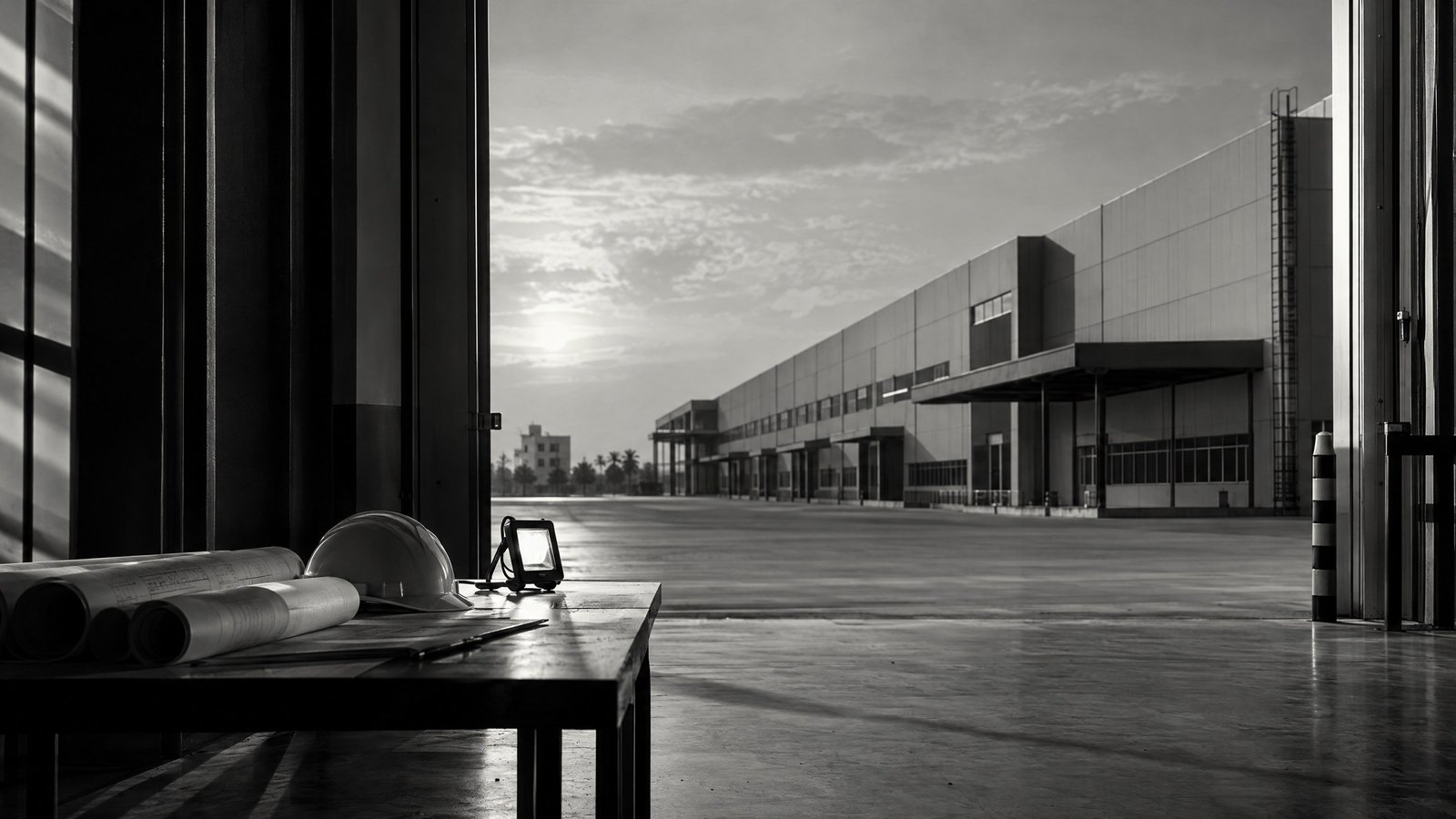
Factory setup in Bangladesh is not a single registration exercise. It is a coordinated programme of corporate formation, investment and foreign-exchange planning, site and construction approvals, environmental licensing, life safety, labour compliance, tax registration and—where relevant—trade permissions. The correct sequence depends on the proposed location, sector, process, ownership and whether the business will import, export or employ expatriates.
This guide explains the principal regulatory workstreams for a new manufacturing facility as at 18 October 2026. It is designed to help decision-makers build a reliable approvals map before committing to a site, layout or equipment package. It does not assume that every licence applies to every facility. A factory in a private industrial estate, an economic zone, an export processing zone and an existing leased building can each follow materially different administrative routes.
Contents
Start with the operating model and location
The first legal question is not “which licence comes first?” It is where and how will the factory operate? Confirm the activity, manufacturing process, product range, capacity, inputs, waste streams, utilities demand, ownership structure and intended domestic/export sales before treating a plot or a warehouse as suitable. Those facts drive the environmental category, the content of the building and fire file, the labour and safety design, and the import/export route.
For an industrial project outside a specialised zone, the current Invest Bangladesh FAQ describes registration and approval services for domestic, wholly foreign-owned and joint-venture manufacturing projects. It also makes an important distinction: manufacturing and service industries can register, while Invest Bangladesh registration is not required for commercial and trading activities. That distinction should be assessed against the actual operating model rather than the label used in a business plan. [1]
A site in an economic zone or export processing zone may change the investor’s interface. The Bangladesh Economic Zones Authority one-stop-service list includes investment registration and clearance, RJSC services, trade licensing, land-use planning, occupancy and commercial-operation services, building permits, and a range of Department of Environment services. [12] The Bangladesh Export Processing Zones Authority also operates its own online service channels. [13] These platforms can organise interactions, but they do not remove the need to confirm the applicable substantive requirements, project conditions and documentary evidence.
A useful location comparison therefore asks more than whether land is available. It should cover:
- the landlord’s title or zone allotment, permitted industrial use and site boundaries;
- the competent planning or development authority for the particular site;
- space for production, storage, welfare facilities, access, fire systems and pollution-control infrastructure;
- confirmed—not assumed—power, gas, water, drainage, telecoms and logistics capacity;
- whether the proposed process requires a dedicated effluent-treatment, sewage-treatment, air-emission or waste-management solution; and
- the authority that will handle investment registration, construction, occupancy and operational permissions.
This is diligence, not a replacement for engineering design. The investment decision should retain flexibility to change a process or layout if an environmental, fire, building or labour review identifies a conflict. A lease or land document should be tested for its ability to support the intended approvals, site access, utilities and construction programme. Where the project is in Dhaka’s planning jurisdiction, RAJUK’s official laws and rules page is a useful starting point; elsewhere, the relevant local or sectoral planning authority needs to be identified for that location. [15]
Form the operating vehicle and core registrations
For many greenfield projects, a Bangladesh private limited company is the operating vehicle. The incorporation steps and filing requirements should be determined from the chosen ownership and governance model, not copied from a generic checklist. The Registrar of Joint Stock Companies and Firms (RJSC) official portal links to the Companies Act 1994, prescribed downloads, fees and FAQs. [2]
Invest Bangladesh’s current incorporation overview describes a practical sequence: name clearance through RJSC/OSS, a temporary bank account and capital deposit evidence, constitutional documents and incorporation filings, followed by the incorporation certificate and specified corporate documents. It then lists income-tax registration, trade licensing and VAT registration; the FAQ also states that import and export registration certificates are required where the company undertakes those activities. [1]
Three planning points are particularly important.
Corporate documents should match the factory plan
The memorandum and articles, shareholder arrangements, board authorities, director appointments and banking mandates should all be checked against the real project. A mismatch between the stated business objects, ownership evidence, address and subsequent licence applications can generate avoidable requests for clarification. The project should preserve a controlled set of core corporate records for use across bank, investment, tax, fire, labour and trade filings.
A trade licence is local, not a generic national certificate
Trade licences are issued by the relevant City Corporation, Paurashava or Union Parishad. The availability of selected city services on OSS does not displace the jurisdictional question. The authority and the address must be verified for the precise factory location. [1] The address in the trade-licence application should be consistent with the incorporation record, lease or title document, approved plans and other applications where the regulator requires that consistency.
Tax and VAT registration should be ready before commercial activity
The National Board of Revenue provides official e-services for e-TIN and VAT/eBIN. [5] Invest Bangladesh’s industry VAT checklist identifies a mix of supporting materials that may include the trade licence, TIN, incorporation details, company constitutional documents, bank statement, investment registration letter and information about machinery, products and sales locations. [1] That is a strong reason to develop one evidence pack rather than re-creating inconsistent files for each authority. Registration alone is not the entire tax and VAT compliance programme; accounting, invoicing, return and recordkeeping obligations should be scoped with current tax advice before operations begin.
Foreign investment and funding: preserve the evidence trail
Foreign ownership, cross-border equity subscriptions, imported capital equipment, shareholder funding, foreign loans and later profit or sale-proceeds remittances raise foreign-exchange questions alongside ordinary company law. Bangladesh Bank’s Foreign Exchange Investment Department (FEID) states that it oversees capital-account transactions including foreign direct investment, foreign-currency debt finance, profit and dividend repatriation, share-sale proceeds, debt financing and disinvestment funds. [4]
Bangladesh Bank’s foreign-investment guidance says foreign investors may invest in industrial enterprises other than sectors reserved under the Industrial Policy in force, and an industrial venture may be locally collaborative or wholly foreign-owned. It also says that no Bangladesh Bank permission is needed to establish such ventures where the entrepreneurs use their own funds, while registration with the relevant investment authority may be obtained to access government facilities and institutional support. For EPZs and EZs, the guidance directs registration to BEPZA and BEZA respectively. [3]
The same guidance grants general permission, subject to stated conditions, for issuing shares to non-residents against eligible foreign investment. Among other matters, it addresses capital-issue permission, banking-channel remittance, encashment into taka in most cases, and capital equipment contributed as foreign investment. It requires reporting through the authorised dealer to Bangladesh Bank within 14 days after the share issue, with specified supporting documents. [3]
For a factory project, these rules have practical consequences. The finance team should agree the intended capital path before money or equipment moves: equity subscription, capital machinery contribution, shareholder loan, third-party debt, deferred payment or a combination. It should identify the authorised dealer early and retain remittance messages, encashment certificates, board and corporate approvals, customs documents and the investment-registration record in a controlled folder. The right treatment of a transaction can depend on its precise facts. Do not assume that a commercial payment, equipment import or shareholder advance can be re-characterised later without consequences.
Invest Bangladesh also notes that approval may be relevant for foreign-currency borrowing, buyer’s credit or supplier’s credit for capital goods for a new, replacement or expansion project, and warns that the stated approval route is not for a loan used exclusively as working capital. [1] Because banking practice and foreign-exchange circulars can change, the financing structure and documentary route should be reconfirmed with the authorised dealer and current Bangladesh Bank material immediately before execution.
Make the site and building approval-ready
A factory layout should be treated as a compliance document. It needs to be usable for operations, but it also needs to support the particular site’s land-use, building, fire, environmental, labour and utilities approvals. The responsible planning/development authority will vary by location. In RAJUK’s jurisdiction, its official laws and rules material is the appropriate initial reference point; a project outside that jurisdiction should not presume RAJUK is the approving authority. [15]
Before civil works or a major fit-out, align the design package around a single controlled plan set. It should distinguish production, storage, hazardous material areas, utilities, loading, waste handling, welfare areas, exits and fire systems. It should also identify the pollution-control plant and drainage route contemplated by the environmental application. Changes to equipment, production flow, capacity or materials can affect not only throughput but also the safety and environmental case.
A project in a BEZA-administered zone should review its zone workflow rather than assuming a general-land sequence. The BEZA OSS lists land-use planning, occupancy certificates, commercial operation, partial-use approval, building-design changes, intermediate and final inspection, and building permits among its services. [12] The appropriate question is whether a specific proposed work is covered by a valid approval and whether its conditions are satisfied—not merely whether an online service name appears on a portal.
For an existing building, the starting point is different but no easier. Confirm the lawful use, existing approvals, structural and services capacity, occupancy position, access, fire design, machinery loads and whether the factory’s actual process can be accommodated. Reusing a building does not automatically carry forward all project-specific approvals, and a lease should not be treated as evidence that the manufacturing use is authorised.
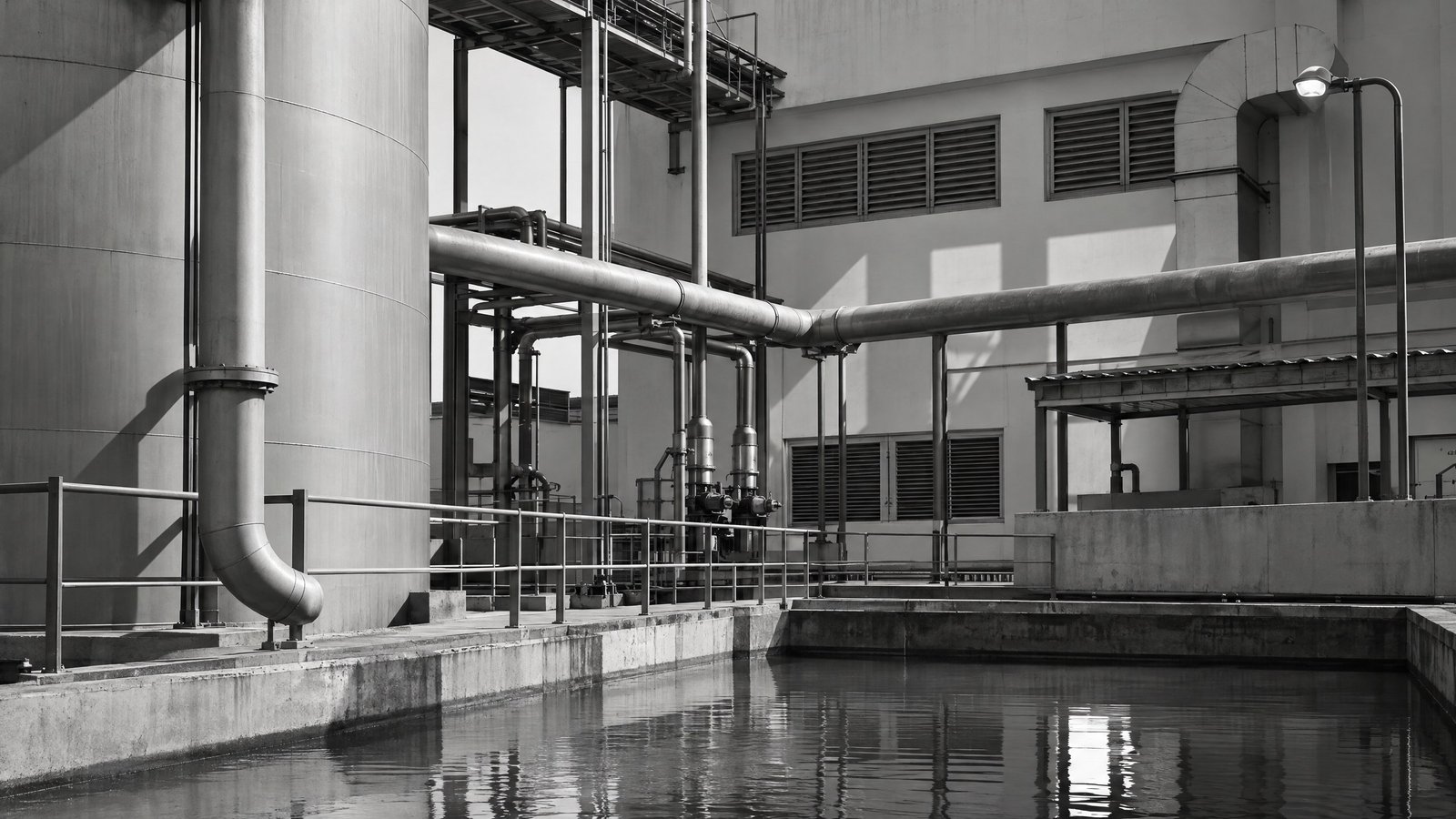
Treat environmental clearance as a design input
Environmental clearance is central to factory establishment, not an end-stage administrative formality. The Department of Environment publishes the Environmental Conservation Rules, 2023 and supporting industrial forms, including applications for environmental clearance and its renewal. [7] Its online ECC service is active and provides application guidance, account creation and certificate verification. [8]
Invest Bangladesh states that an investor must secure an Environmental Clearance Certificate (ECC) from the Department of Environment before setting up a factory. Its current FAQ identifies four categories: Green, Orange A, Orange B and Red. It also describes a process involving online application, document verification, inspection, and—in Orange B and Red cases—an Environmental Clearance Committee meeting before a decision. [1]
The required file is inherently project-specific. The same FAQ lists potential materials including a feasibility study, initial environmental examination, process-flow diagram, layout showing the effluent treatment plant, designs, environmental management plan, impact assessment, local-authority NOC, relocation and rehabilitation outline, and an emergency plan to minimise pollution and adverse impact. [1] The list should be used as a prompt, not as a substitute for determining the forms, supporting studies and category requirements then in force.
What to settle before equipment procurement
The environmental team, architect, process engineer and procurement team should agree the information that will govern the application: production capacity, raw materials and chemicals, water source and demand, emissions, noise, liquid effluent, solid and hazardous waste, drainage, treatment technology, monitoring points and emergency response arrangements. A vendor’s technical proposal should be tested against the description submitted to the Department of Environment. If it changes the process or control system, assess whether the clearance file must change too.
For a project in an economic zone, the current BEZA OSS service list separately identifies terms-of-reference/EIA, category-specific ECC issuance and ECC renewal services, including for water-treatment, sewage-treatment and central-effluent-treatment facilities. [12] This is useful evidence that the environmental workstream can involve more than the principal factory certificate. The project should verify which service applies to the facility and whether zone infrastructure changes the individual factory’s evidence requirements.
ECC conditions, category classifications, forms, fees, validity and renewal practice are all items to recheck immediately before filing. They should be reflected in operating procedures, vendor warranties and commissioning acceptance criteria rather than placed in a post-opening compliance folder.
Fire safety and factory licensing are separate workstreams
Fire-safety planning should begin with the site and building design and continue through installation, inspection, corrective work and operation. The Fire Service and Civil Defence (FSCD) maintains official e-fire-licence, fire-and-safety and online NOC channels. Its website also provides current materials for fire-safety plans, effectiveness certificates, fire licences and fire reports. [9]
Invest Bangladesh describes a fire licence as an obligatory permit for factories under the Fire Prevention and Fire Fighting Act, 2003. Its official FAQ outlines an NOC application, document submission, FSCD inspection, demand note, correction of identified non-compliance, reinspection and online certificate collection. It lists items such as the trade licence, incorporation papers, tax identification, tenancy evidence and layout plans authorised by RAJUK or the City Corporation. [1]
In practice, the project should coordinate its fire plan with the building and operating layout. It should also avoid assuming that a building-level document, a fire-safety-plan NOC and an operational fire licence are interchangeable. The exact document and sequence depend on the property, work and FSCD process. Confirm the current FSCD checklist and portal workflow for the particular location and project.
Factory/establishment licensing is a different compliance stream. DIFE’s Labour Inspection Management Application (LIMA) explains that its factory/establishment database module allows factory layout plans and online licence applications. Its other modules include labour-inspection planning and follow-up, occupational safety and health records, accident and occupational-disease notifications, and remediation tracking. [10] The statutory framework includes the Bangladesh Labour Act, 2006 as amended in 2018, published by DIFE. [11]
That is why drawings should not be finalised in isolation. The operational layout, machinery configuration, access and welfare facilities should be capable of supporting the DIFE licensing file and future labour inspection. Licence conditions, licence renewal requirements and inspection practice can change; take the current LIMA forms and DIFE guidance from the live system at the point of application.
Build labour and operational compliance into commissioning
A factory becomes compliant through systems as well as certificates. Before recruiting at scale or beginning production, the operator should have a working implementation plan for employment documentation, attendance and wage administration, hours and overtime controls, leave, grievance and disciplinary processes, occupational safety and health management, training, incident reporting, and statutory records. The applicable detail is driven by the Labour Act, the Labour Rules, the industry and the workforce profile. [11]
LIMA’s occupational-safety-and-health module covers safety-committee information, OSH specialists, and notifications of occupational accidents and diseases. [10] This reinforces a practical point: a company should build ownership, reporting and records into the start-up team rather than regard safety as a construction handover item.
A commissioning plan can usefully identify a responsible owner for each recurring obligation: licence monitoring, environmental monitoring and renewal, fire drills and maintenance, payroll and employment records, factory inspection responses, waste-management evidence, utility compliance and corporate/tax filings. Management should retain a simple compliance calendar linked to the actual licence conditions and issue dates. It should also give contractors a structured handover requirement for as-built drawings, system tests, operating manuals, training and maintenance records.
If the factory expects expatriate staff for installation, technical services or senior roles, visa and work-permit planning should begin early. Invest Bangladesh lists visa recommendations and work permits among its services, and its FAQ says the employer must submit the work-permit application with the appropriate visa and documents within 15 days of the expatriate’s arrival. [1] That is a statutory-process deadline, not a project timetable; confirm the current requirements before travel and mobilisation.
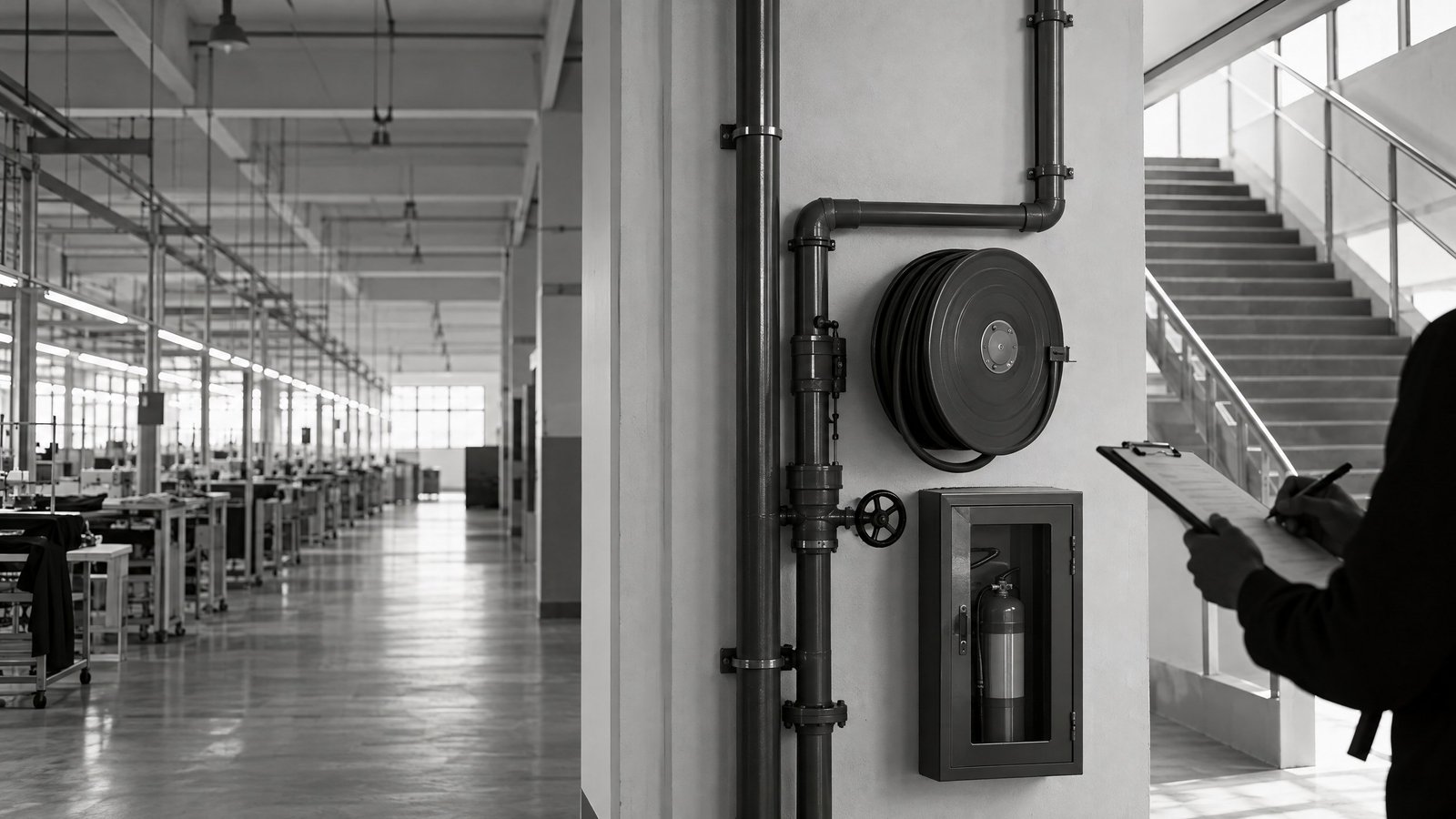
Plan imports, exports and equipment-specific approvals
Importing machinery or raw materials and exporting finished goods adds another layer of planning. The CCI&E online licensing system is the official platform for IRC/ERC-related services. Its live notices address renewal, online document uploads and industrial IRC regularisation, and direct users to the BanglaBiz integrated licensing portal. [6] Invest Bangladesh’s company-formation FAQ states that IRC and ERC are required where a company engages in import and export. [1]
The project should align the import plan with its funding and ownership evidence. This is especially important where capital machinery is being treated as foreign investment, because Bangladesh Bank’s guidance links the share issue against capital machinery to customs clearance and prescribed import documents. [3] Product classification, customs, bonds, incentives and export requirements should be addressed by specialists on the actual product, inputs and supply chain; no general article can substitute for a transaction-specific customs analysis.
Some equipment creates its own regulatory workstream. A factory proposing to use a boiler should engage the Office of the Chief Inspector of Boilers early. The office publishes the Boiler Act, 2022 and has online boiler-status and certificate-verification services. [14] The boiler package, siting, registration, inspection, operator competence and safety arrangements should be included in the project schedule, not appended after installation. Other regulated operations or sector licences may apply depending on the product and process.
Do not treat incentives as automatic. Invest Bangladesh states that eligibility can depend on the type and location of the undertaking and expressly notes that incentives are subject to change through Finance Acts and statutory regulatory orders. [1] Confirm the live tax, customs, zone and sector rules before price, funding or customer commitments are made.
A practical critical path
The critical path is a coordination tool, not a statutory list or guaranteed approval sequence. It can be used to organise the project as follows:
- Define the project. Fix the proposed business activity, ownership, capacity, production process, materials, utilities, waste streams, domestic/export model and site alternatives.
- Screen the site and authority route. Conduct title/allotment, use, access, utilities, zone and planning-authority diligence. Identify whether the project is on general land, in an economic zone or in an export processing zone.
- Create the corporate and funding architecture. Prepare incorporation, governance and bank documents. For foreign funding, agree the authorised-dealer route and evidence trail before funds or machinery are transferred.
- Run concept design with regulators in mind. Coordinate a controlled layout, building/fire concept and environmental description. Do not let procurement lock in a process that the clearance package cannot support.
- Apply through the appropriate live portals. Use the relevant RJSC, Invest Bangladesh/BIDA OSS, zone, Department of Environment, FSCD, DIFE/LIMA, NBR and CCI&E channels as applicable. Preserve submission receipts, versions and regulator correspondence.
- Build, inspect and commission against the file. Test that installed equipment, pollution controls, fire systems, layout and operational procedures match approved documents and licence conditions. Close corrective actions before routine production.
- Move into managed compliance. Maintain a licence register, renewal calendar, corporate records, tax/VAT controls, OSH and employment records, monitoring data, maintenance logs and evidence for imports/exports.
This approach avoids a common planning mistake: treating incorporation as the start and “all other licences” as an afterthought. The most consequential dependencies are often between the real process design, building/fire design, environmental evidence, investment/funding history and the permissions needed to operate.

Factory setup checklist
Use this as a non-prescriptive review list. It should be tailored to the factory, site and sector with current professional advice.
- [ ] Document the manufacturing process, capacity, materials, chemicals, utilities, emissions, effluent, waste and sales model.
- [ ] Confirm the site’s ownership/allotment, permitted use, authority jurisdiction, access and utility capacity.
- [ ] Decide whether general-land, economic-zone or export-processing-zone processes apply.
- [ ] Establish the company and maintain a controlled corporate-record pack for RJSC, bank and licence applications.
- [ ] Obtain the locally relevant trade licence, tax identification and VAT registration as applicable.
- [ ] Map foreign equity, equipment contribution, debt and payment routes with the authorised dealer before funds move.
- [ ] Identify the correct investment-registration/clearance route and, where relevant, visa and work-permit pathway.
- [ ] Prepare the environmental baseline, process-flow, layout, treatment design and supporting studies needed for the current DoE category and application.
- [ ] Coordinate the site, building, fire and factory-layout documents; do not rely on inconsistent copies.
- [ ] Confirm FSCD fire-safety-plan/NOC, fire-licence and inspection requirements for the actual building and use.
- [ ] Submit the DIFE/LIMA factory or establishment licence application and prepare labour/OSH operating records.
- [ ] Identify IRC/ERC, customs, boiler and product/sector approvals triggered by the actual operations.
- [ ] Before launch, establish a register of approvals, conditions, renewal dates, evidence owners and escalation routes.
Frequently asked questions
Do all factories need an environmental clearance certificate in Bangladesh?
Invest Bangladesh states that an investor must secure an ECC from the Department of Environment before setting up a factory. The documentation and route depend on the project’s category—Green, Orange A, Orange B or Red—and the current rules and forms. Confirm the category and file requirements for the specific process with the Department of Environment before relying on a generic checklist. [1] [7]
Is BIDA or Invest Bangladesh registration the same as company incorporation?
No. Company incorporation is an RJSC process under the Companies Act framework, while Invest Bangladesh provides registration and approval services for eligible private industrial projects and related facilitation. The current official incorporation overview separately lists RJSC incorporation, TIN, trade licence and VAT registration. [1] [2]
Is a fire licence the same as a DIFE factory licence?
No. FSCD fire processes and the DIFE factory/establishment licensing route are distinct. FSCD maintains fire-safety-plan, NOC and fire-licence services, while DIFE’s LIMA portal supports online factory-layout and licence applications alongside labour-inspection and OSH functions. A project needs to understand both workstreams as they apply to its site and operation. [9] [10]
Can a foreign investor own a Bangladesh factory?
Bangladesh Bank’s published guidance says foreign investors may invest in industrial enterprises other than reserved sectors under the Industrial Policy in force, including through wholly foreign-owned or collaborative ventures. The structure, funding and sector must still be tested against current investment, corporate, foreign-exchange and sector rules. [3]
When should foreign-equity documentation be prepared?
Before funds or capital machinery move. Bangladesh Bank’s guidance imposes conditions around share issuance to non-residents, banking-channel funds, encashment, capital-machinery evidence and reporting through the authorised dealer. Building the evidence file retrospectively creates avoidable risk. [3]
Do IRC and ERC matter if the factory will import machinery or export goods?
Yes, these certificates should be considered early. Invest Bangladesh states that import and export registration certificates are required if a company engages in export and import, and CCI&E operates the official online licensing platform. The exact certificate and customs implications depend on the activity and transaction. [1] [6]
Discuss a Bangladesh factory project with TRW
TRW can help project sponsors turn a proposed factory into a structured legal and regulatory workplan: corporate and investment documentation, site and contract diligence, approvals mapping, environmental and operational compliance coordination, and trade/foreign-exchange issue spotting. To start a general discussion, contact TRW with a high-level description of the sector, proposed location and project stage. Please do not send confidential drawings, commercial terms, personal data or other sensitive documents until appropriate engagement and confidentiality arrangements are in place.
Source register
Primary legal and regulatory sources
Source materials were checked on 18 October 2026. Statutory interpretation should be confirmed against current official texts and the facts of the matter.
- Invest Bangladesh frequently asked questions
- RJSC official portal
- Bangladesh Bank foreign investment in Bangladesh guidance
- Bangladesh Bank Foreign Exchange Investment Department
- National Board of Revenue Bangladesh
- CCI&E online licensing management system
- Department of Environment Environmental Conservation Rules 2023
- Department of Environment environmental clearance service
- Fire Service and Civil Defence Bangladesh
- DIFE Labour Inspection Management Application
- DIFE Bangladesh Labour Act 2006 as amended in 2018
- Bangladesh Economic Zones Authority OSS service list
- Bangladesh Export Processing Zones Authority
- Office of the Chief Inspector of Boilers Boiler Act 2022
- RAJUK laws and rules
Related TRW assistance
Move from information to a defined next step
Explore TRW practice areas or contact TRW to discuss the current facts and applicable requirements.