
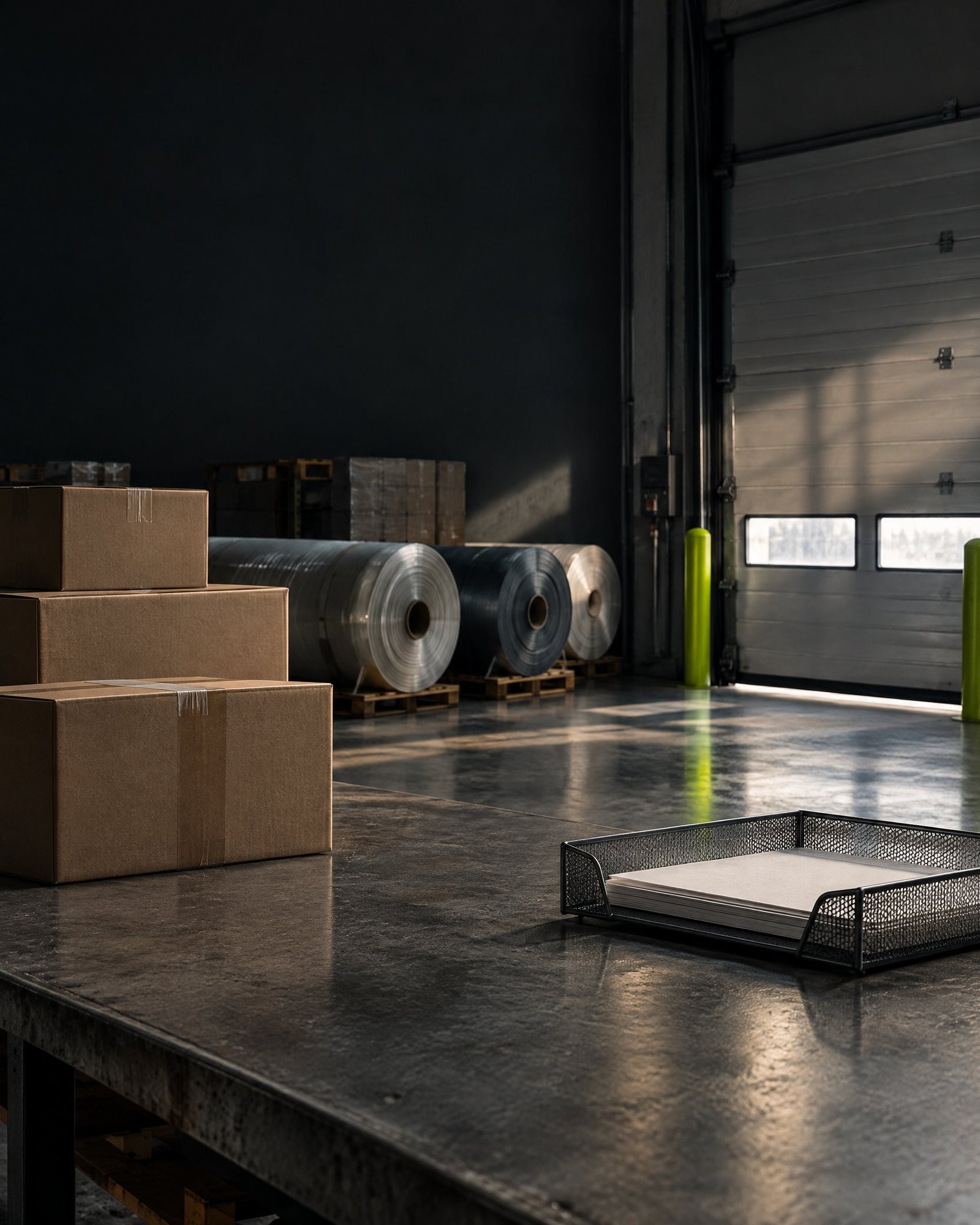
Bonded Warehouse Licensing and Entitlements in Bangladesh
Legal support for garment exporters, textile mills and deemed exporters on bonded warehouse licensing in Bangladesh, from new licences, entitlement and utilisation declarations to renewals, bond audits, show cause notices, suspension, penalty proceedings and appeals before customs authorities and the Appellate Tribunal.

- Review the position
- Prepare the case
- Engage the authorities
- Strengthen compliance
How we support bonded warehouse licence holders
The bonded warehouse system is the backbone of Bangladesh's export manufacturing. It allows export-oriented garment, textile, accessories, packaging, leather and other manufacturers to import raw materials without paying customs duty and taxes upfront, provided the goods are used for export production and properly accounted for. The benefit is significant, and so is the compliance burden. We advise manufacturers, deemed exporters, buying groups and investors on obtaining and keeping licences, managing entitlements and dealing with audits and enforcement, as part of our regulatory practice in Bangladesh. Buyers and lenders increasingly ask to see evidence of that compliance.
Licensing and supervision are carried out by the customs bond commissionerates in Dhaka and Chattogram under the National Board of Revenue, within the framework of the Customs Act 2023 and the rules, orders and procedures issued under it. A licence is granted on conditions covering premises, security, record keeping, bonds and bank guarantees, and is subject to renewal. The quantity of duty-free inputs a factory may import is controlled through entitlement, linked to export orders and input-output coefficients, with utilisation declarations or permissions issued through the relevant trade bodies and customs systems for each export contract.
Most bonded warehouse problems come from records rather than intent. Gaps between import data, consumption, wastage, stock and exports, unrecorded transfers between units, mismatched coefficients and delays in closing utilisation declarations can all appear in an annual audit as unaccounted goods. The result may be a demand for duty and taxes, penalties, suspension of the licence and blocked imports at the very time production needs them. We review records, explain discrepancies, negotiate with the bond commissionerate and challenge unjustified demands, so that a factory can continue operating while the issues are resolved. Early review usually narrows the dispute.
Enforcement can be serious. Allegations that duty-free goods have been sold in the local market, known as leakage, may lead to seizure, licence cancellation and criminal proceedings, and investigators may examine directors, banks and buyers. Adv Syed Wahid, our founding partner, leads litigation and enforcement defence, while Barrister Tahmidur Rahman and Barrister Remura Meheruba Mahbub advise on corporate structuring, financing and investor issues. We represent clients before the commissionerate, the Commissioner (Appeals), the Customs, Excise and VAT Appellate Tribunal and the High Court Division through our dispute resolution practice. Speed and accurate records are critical.
Bonded warehouse rules also matter in transactions and reorganisations. When a factory is bought, merged, relocated or restructured, its licence, outstanding bonds, entitlement balances and audit history move with it or must be closed out properly. Factories moving into economic zones, which are now administered by Invest Bangladesh following the 2026 merger, or into BEPZA zones, which remain separate, must manage the change of duty regime carefully. We carry out bonded warehouse due diligence for buyers and lenders and plan transitions so that the licence history does not become a hidden liability. Early planning avoids costly surprises.
Core workstreams
Four clear stages
- 01Review the position
- 02Prepare the case
- 03Engage the authorities
- 04Strengthen compliance
Talk to a partner
Consultations in Dhaka or by video. Scope, team and fees are agreed in writing first.
Book →What we cover on bonded warehouse matters

New licences and renewals
- Review the position
- Prepare the case
- Engage the authorities
- Strengthen compliance
Entitlement and utilisation
- Review the position
- Prepare the case
- Engage the authorities
- Strengthen compliance
Annual audits and reconciliation
- Review the position
- Prepare the case
- Engage the authorities
- Strengthen compliance
Show cause notices and penalties
- Review the position
- Prepare the case
- Engage the authorities
- Strengthen compliance
Appeals and court proceedings
- Review the position
- Prepare the case
- Engage the authorities
- Strengthen compliance
Transactions and restructuring
- Review the position
- Prepare the case
- Engage the authorities
- Strengthen compliance
New licences and renewals
We prepare applications for new bonded warehouse licences, checking eligibility, premises and storage requirements, corporate documents, export registration, membership certificates and security arrangements before filing. We then manage queries and inspections by the bond commissionerate. For existing licensees, we track renewal dates, prepare renewal files, and resolve audit or arrears issues that could otherwise delay renewal or trigger a suspension. Bonded warehouse conditions are explained to staff.
Entitlement and utilisation
We advise on entitlement calculations, input-output coefficients, wastage allowances and the utilisation declaration or permission process for each export contract. Where entitlement is disputed or too low for actual production, we prepare technical and legal submissions supporting a revision. We also help factories reconcile utilisation documents with imports, consumption and shipments so that the annual bonded warehouse audit runs smoothly. Revision requests are tracked to decision.
Annual audits and reconciliation
Before and during the annual audit, we review the factory's import, stock, production and export records, identify discrepancies and prepare explanations supported by evidence. Where the commissionerate proposes a demand, we respond in writing, attend hearings and negotiate on calculation, wastage and documentary issues. The aim is to close the audit with no unjustified liability and no damage to the licence. Bonded warehouse records are organised for inspectors.
Show cause notices and penalties
We respond to show cause notices alleging misuse, leakage, unauthorised transfer or record failures, scrutinising the legal basis, the evidence and the limitation position. We present the factory's case at personal hearings, seek release of seized goods and blocked consignments, and negotiate payment arrangements where some liability is accepted. We also advise directors on their personal exposure and on any parallel criminal investigation. Replies are filed on time.
Appeals and court proceedings
Where an adverse adjudication order is issued, we file appeals before the Commissioner (Appeals) or the Customs, Excise and VAT Appellate Tribunal within the statutory time limits, including applications to stay recovery. Where there is a jurisdictional error or breach of natural justice, we consider writ petitions in the High Court Division. We also defend criminal prosecutions linked to bonded warehouse allegations. Deposits and stays are handled promptly.
Transactions and restructuring
We carry out due diligence on licences, bonds, bank guarantees, entitlement balances, audit history and pending cases when factories are bought, leased or financed. We advise on transferring or surrendering licences, closing out bonds, relocating to economic zones or BEPZA areas, and the warranties and indemnities that should protect a buyer against historic customs liabilities after completion. Bonded warehouse history is reported clearly. Advance planning of bond close-out and guarantee release helps avoid unexpected costs when a factory is sold or relocated.
Partner-led, on every matter.
Trade, Competition & Regulation matters at TRW are led by partners, supported by associates, with one responsible lawyer from first advice to final outcome.
Meet the firm →



01Who is eligible for a bonded warehouse licence in Bangladesh?
Bonded warehouse licences are mainly available to export-oriented manufacturers and to deemed exporters who supply inputs, such as accessories and packaging, to export-oriented industries. Applicants usually need a registered company, an export registration certificate, membership of the relevant trade association, a trade licence, tax and VAT registration, suitable premises with secure storage, and the ability to provide bonds and guarantees. Specific criteria depend on the sector and current rules. We assess eligibility before application, identify gaps in documents or premises, and prepare a complete file for the bond commissionerate. Incomplete files are a common cause of delay.
02How is bonded warehouse entitlement calculated?
Entitlement is the quantity of duty-free inputs a licensee may import, determined by reference to export orders, production capacity and input-output coefficients that reflect how much raw material is needed per unit of finished goods, with allowances for wastage. For garments, utilisation declarations are issued through the relevant trade bodies for each export contract, while other sectors use utilisation permissions. Errors in coefficients or wastage rates can cause shortfalls or audit discrepancies. We review the basis of entitlement and help factories apply for revisions supported by technical evidence. Keep technical data and past declarations on file to support revisions.
03What happens during a bonded warehouse annual audit?
The bond commissionerate checks whether duty-free imports during the period have been used for export production, by comparing imports, entitlement, consumption, wastage, stock and exports against utilisation documents and records. Officers may physically verify stock. Any unexplained difference may be treated as goods released into the local market, leading to a demand for duty, taxes and penalties. Reconcile imports, consumption and stock regularly so discrepancies surface before officers find them. We review records in advance, help resolve gaps, attend audit meetings and respond to findings before they become formal demands or a basis for suspending the licence.
04Can a bonded warehouse licence be suspended without a hearing?
The authorities can take urgent steps, such as blocking imports or suspending facilities, where they suspect serious misuse, but adjudication of liabilities and cancellation of a licence generally require notice and an opportunity to be heard. The precise procedure depends on the Customs Act 2023, the rules and the facts. Suspension can stop production quickly, so the response must be immediate. We seek urgent hearings, present evidence, propose safeguards and, where the action is plainly unlawful, consider appeals or writ proceedings to restore the licence. Stock and utilisation records produced promptly are usually the strongest answer to alleged misuse.
05Can bonded goods be transferred to another factory?
Transfers of bonded raw materials between licensees, units or subcontractors are possible in some circumstances, but they must be authorised and documented under the applicable procedures. Unauthorised transfers are one of the most common causes of audit discrepancies and leakage allegations. Subcontracting arrangements need particular care. We advise on the permissions required, the documents that must accompany each transfer and the contractual terms between principal and subcontractor, so that both factories can account for the goods at their next bonded warehouse audit. Records must travel with goods. Subcontract terms should also cover liability for shortages.
06How should we respond to a show cause notice for unaccounted goods?
Read the notice carefully, note the reply deadline and gather all relevant records: import documents, utilisation declarations, stock registers, production and wastage data, export documents and bank records. Do not reply without checking calculations, because demands are often based on assumptions that can be corrected. We analyse the legal basis and the arithmetic, prepare a written reply with evidence, request a personal hearing, and where appropriate negotiate the amount or payment terms. A well-prepared reply often reduces or removes the bonded warehouse liability. Ask for any working papers behind the figures, as these show how the demand was calculated.
07What are the time limits for appealing a customs adjudication order?
Appeal deadlines are set by the Customs Act 2023 and are short, and some appeals require a deposit of part of the demanded amount unless waived or reduced. Missing a deadline can leave the order final and enforceable. Appeals typically go to the Commissioner (Appeals) or to the Customs, Excise and VAT Appellate Tribunal, with further routes to the High Court Division on questions of law. We calculate the applicable deadline as soon as an order is received and prepare the appeal and any stay application promptly. Keep the order and proof of the date it was received.
08What bonded warehouse issues should a buyer check before acquiring a factory?
A buyer should check whether the licence is valid and renewed, whether bonds and bank guarantees are in place, whether annual audits are closed, whether any demands, show cause notices or appeals are pending, and whether entitlement balances and stock match the records. Criminal cases involving directors or alleged leakage should also be identified. In an asset purchase, the licence may not transfer automatically. We carry out this review, report risks clearly and draft conditions, warranties and indemnities covering historic customs liabilities in the purchase documents. Ask the seller for recent audit reports and customs correspondence early.
From first call to resolution.
- 01
Review the position
We review the licence, entitlement, audit history, records and any notices, and give a clear assessment of the bonded warehouse risks, deadlines and options for the factory. Urgent risks are flagged first.
- 02
Prepare the case
We reconcile records, gather supporting evidence, prepare applications, replies or appeals, and agree a strategy with management, including how to keep imports and production moving during the process. Evidence is indexed for hearings. Where oral evidence is needed, we brief factory managers and accountants on what to expect at hearings.
- 03
Engage the authorities
We file submissions, attend audits and hearings, negotiate with the bond commissionerate on calculations and conditions, and pursue appeals or court proceedings where an order cannot be accepted. We keep management informed of each hearing outcome and any further documents the authorities request.
- 04
Strengthen compliance
After the matter is resolved, we help the factory improve record keeping, transfer procedures and internal controls, so that future audits are smoother and the risk of further disputes is reduced. Bonded warehouse training can be provided.

“Demonstrates an extraordinary command over both domestic litigation and international arbitration.”
The Legal 500 Asia Pacific, Bangladesh: Dispute resolution, client feedback
Related reading.
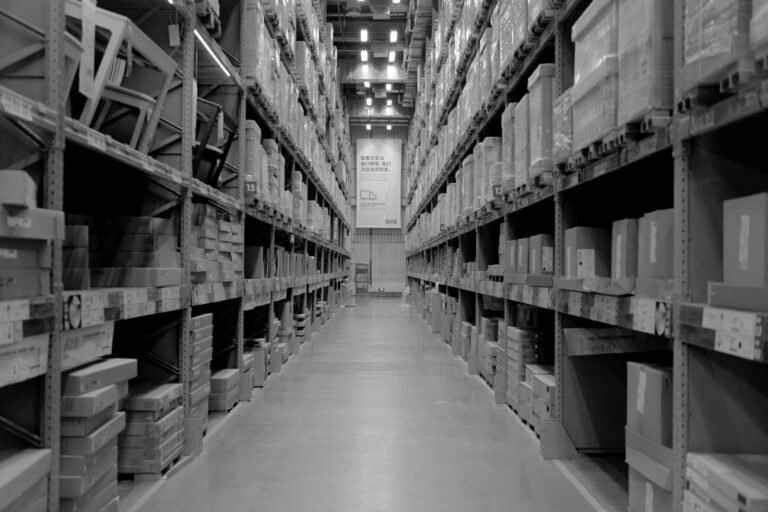
Bonded Warehouse in Bangladesh 2026: Licences, General Bond, Audits and Reforms
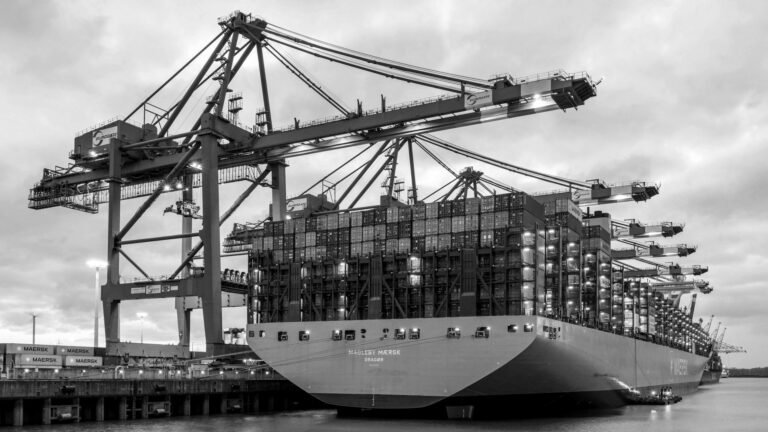
Customs Law and Procedures in Bangladesh 2026: Clearance, Duties, Penalties and Appeals
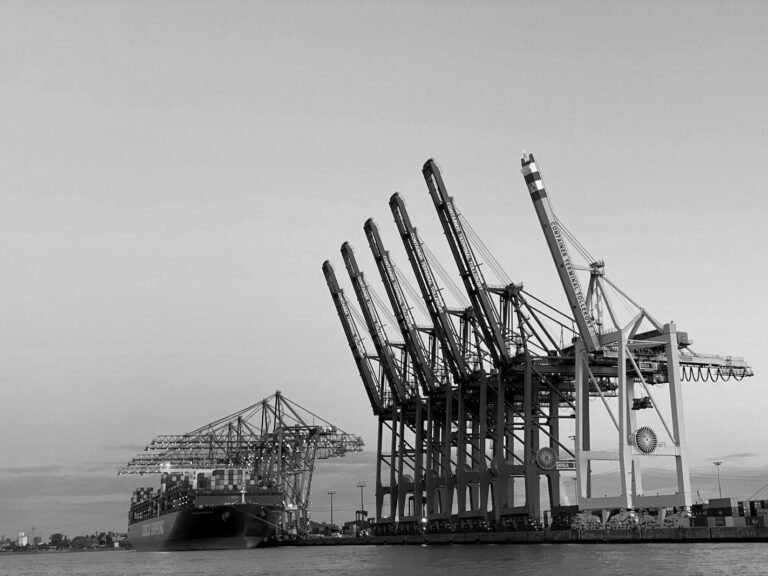
HS Code Disputes in Bangladesh 2026: Tariff Classification, Rulings, Appeals and Indenting Registration

Export Law in Bangladesh: Legal Guide for Exporters in 2026
All insights →
Which authority issues bonded warehouse licences?
Do deemed exporters need a bonded warehouse licence?
Can a bonded warehouse licence be transferred on a sale?
What is leakage and why is it treated seriously?
Does automation change how audits work?
Will LDC graduation affect bonded warehouse benefits?
Can a factory pay a demand and still appeal?
How do we instruct TRW on a bonded warehouse matter?
Protect your licence and your export pipeline
Speak with the partners about Bonded warehouse in Bangladesh or across borders.
Book a consultation →











