
Natural Resources Projects and Assets in Bangladesh
Legal advice on natural resources projects and assets in Bangladesh, including minerals, coal, hard rock, sand and silica, forests, water and offshore resources, for investors, operators, contractors, lenders, insurers and buyers who need clear rights, workable approvals and defensible community and environmental positions.

- Confirm the right
- Assess the constraints
- Structure and document
- Operate and defend
The natural resources framework in Bangladesh
In Bangladesh, most valuable natural resources belong to the state, and private parties gain access through leases, licences, contracts and joint arrangements with public bodies. That makes the legal basis of a resource right, and the conditions attached to it, the central question in any natural resources investment. Land, environment, community, tax and revenue rules then sit on top of that grant. We advise investors, operators, contractors, lenders and buyers on securing, using and transferring those rights, working within our real estate and projects practice in Bangladesh and alongside our regulatory and disputes teams where a project requires it.
Minerals other than petroleum are governed mainly by the Mines and Minerals Act 1992 and the rules made under it, administered by the Bureau of Mineral Development under the Energy and Mineral Resources Division. Exploration licences, mining leases and quarry leases carry obligations on work programmes, royalties, reporting, safety and closure. State companies within the Petrobangla group operate the country's main coal and hard rock mines. Petroleum is handled under a separate statutory regime, through production sharing contracts. Sand and soil extraction is regulated under its own law, with district administrations central to allocation and enforcement.
Environmental and social rules shape almost every natural resources project. The Environment Conservation Act 1995 and the current environment conservation rules require clearance, and larger extraction projects typically need environmental impact assessment and management plans. Forest land, protected areas, wetlands and ecologically critical areas carry extra restrictions, and the High Court Division has been active in environmental cases, including on stone quarrying and sand extraction. Projects in the Chittagong Hill Tracts must respect the distinct land administration and the rights of indigenous communities there. We assess these constraints early, because they often decide whether a natural resources project is viable.
Bangladesh also has significant marine resources. The maritime boundary cases with Myanmar in 2012 and India in 2014 settled large areas of the Bay of Bengal, opening the way for offshore petroleum exploration, fisheries and wider blue economy activity. Offshore projects involve the territorial waters and maritime zones legislation, licensing of vessels and activities, environmental controls and, for hydrocarbons, production sharing contracts with Petrobangla. Water use, including industrial groundwater and river works, is governed by the Water Act 2013. We explain how these overlapping regimes apply to a particular site or concession, and what approvals each stage needs.
Natural resources disputes are common and can be costly: royalty and revenue claims, lease cancellations, overlapping claims to land, environmental enforcement, community objections, contractor claims and partner disputes. Barrister Tahmidur Rahman and Barrister Remura Meheruba Mahbub advise on investment structuring and international arbitration, while Adv Syed Wahid leads our litigation work in the Bangladesh courts, including writ proceedings. Investors from abroad can also rely on our work with counsel in the UK, US, UAE, China, India and Singapore. If you are assessing a resource asset or facing a dispute, please contact our Dhaka office for an initial discussion.
Core workstreams
Four clear stages
- 01Confirm the right
- 02Assess the constraints
- 03Structure and document
- 04Operate and defend
Talk to a partner
Consultations in Dhaka or by video. Scope, team and fees are agreed in writing first.
Book →Our natural resources work

Resource rights and concessions
- Confirm the right
- Assess the constraints
- Structure and document
- Operate and defend
Environmental and social approvals
- Confirm the right
- Assess the constraints
- Structure and document
- Operate and defend
Land, access and community issues
- Confirm the right
- Assess the constraints
- Structure and document
- Operate and defend
Contracts, offtake and logistics
- Confirm the right
- Assess the constraints
- Structure and document
- Operate and defend
Transactions and financing
- Confirm the right
- Assess the constraints
- Structure and document
- Operate and defend
Regulatory enforcement and disputes
- Confirm the right
- Assess the constraints
- Structure and document
- Operate and defend
Resource rights and concessions
We advise on obtaining, renewing and amending exploration licences, mining and quarry leases, sand and soil allocations and related contracts with the Bureau of Mineral Development, district administrations and state companies. We review the legal basis of each right, its term and conditions, royalties and fees, transfer restrictions and cancellation grounds, so that investors know exactly what they hold and what could put it at risk.
Environmental and social approvals
We manage the legal side of environmental clearance, impact assessments, management plans and renewals with the Department of Environment, and advise on forest, wildlife, wetland and protected area restrictions. Where development finance institutions are involved, we align Bangladesh requirements with international environmental and social standards, covering consultation, resettlement, livelihood restoration and grievance mechanisms for affected communities, documented in a way lenders and auditors can verify.
Land, access and community issues
Resource projects need land for operations, access roads, processing and storage. We review title, khas land and acquisition issues, negotiate leases and access agreements, and advise on compensation and resettlement. In the Chittagong Hill Tracts and other sensitive areas, we advise on the distinct land framework and the rights of indigenous and local communities, which must be respected for any natural resources project to proceed lawfully.
Contracts, offtake and logistics
We draft and negotiate mining services, contract mining, EPC, processing, offtake, transport and storage agreements, together with joint venture and shareholders' agreements between private investors, local partners and state entities. We focus on pricing mechanisms, quality specifications, volume commitments, force majeure, change in law, termination, and dispute resolution clauses that will actually work against Bangladesh counterparties, including state entities, in practice.
Transactions and financing
We act on acquisitions and disposals of natural resources assets and companies, providing due diligence on licences, leases, approvals, land, environmental liabilities, labour and litigation. For lenders and borrowers, we advise on security over leases, equipment and receivables, consents from licensing authorities, foreign exchange approvals and the tax position, including withholding on interest paid to non-resident lenders, now 10% under the Finance Act 2026.
Regulatory enforcement and disputes
We respond to show cause notices, lease cancellation proceedings, royalty demands and environmental enforcement, and represent clients in writ petitions, civil suits and public interest litigation in the High Court Division and on appeal. For international contracts and investment protection claims, we coordinate with arbitration counsel on strategy and handle recognition and enforcement of awards before the Bangladesh courts against local counterparties.
Partner-led, on every matter.
Projects & Real Estate matters at TRW are led by partners, supported by associates, with one responsible lawyer from first advice to final outcome.
Meet the firm →



01Who legally owns natural resources such as minerals, coal and sand in Bangladesh?
Mineral resources and petroleum are generally vested in the state, regardless of who owns the surface land. Private parties obtain rights to explore or extract them through licences, leases or contracts granted under the relevant law, such as the Mines and Minerals Act 1992 for minerals other than petroleum, or production sharing contracts for oil and gas. Sand and soil extraction is regulated separately, largely through district administrations. Surface landowners may be entitled to compensation, but they do not usually own the minerals. We confirm the legal basis of any natural resources right before an investor relies on it.
02Can a foreign company obtain a mining or quarry lease or other natural resources rights in Bangladesh?
Foreign participation in natural resources is possible, but the route depends on the resource, the licensing authority and current policy. Some opportunities arise through tenders or joint arrangements with state companies, while others are offered to local entities, in which a foreign investor may participate through a Bangladesh company. Investors also need investment registration with Invest Bangladesh, foreign exchange compliance, environmental approvals and land access. Policy on particular minerals, especially coal, can be politically sensitive and may change. We assess the available route for the specific project and identify approvals and restrictions before significant money is spent.
03What environmental approvals do natural resources projects need?
Most extraction and processing projects need environmental clearance from the Department of Environment, and larger or more sensitive projects usually require an initial environmental examination, a full environmental impact assessment and an environmental management plan. Approvals carry conditions that must be monitored and reported, and they are renewed periodically. Projects near forests, rivers, wetlands, protected areas or ecologically critical areas face extra restrictions and may be prohibited outright. Lenders and development finance institutions often require compliance with international standards as well. We help plan the approval route for natural resources projects, prepare the legal submissions and keep compliance properly documented.
04Why do courts in Bangladesh often intervene in sand and stone extraction and other natural resources activity?
Unregulated sand and stone extraction has caused serious riverbank erosion, damage to infrastructure and environmental harm, and the High Court Division has responded to public interest litigation by issuing directions, restricting extraction in particular areas and requiring authorities to enforce the law. As a result, even a valid allocation can be affected by later court orders or administrative action. Investors, lenders and operators should check for pending cases, court directions and local enforcement history before committing. We review these risks, advise on practical compliance steps, and represent clients in proceedings that affect their natural resources operations.
05How are royalties and fees for natural resources calculated, collected and disputed?
Royalties, lease rents and other charges are set by the applicable law, rules, government orders and the terms of the specific lease or contract, and they vary between minerals, sand, quarry products and petroleum. They may be based on volume, value or fixed amounts, and are collected by the licensing authority or state company concerned. Disputes often arise over measurement, valuation, arrears and penalties for late payment. Tax and VAT apply in addition. We review the basis of any royalty demand, help clients keep records that support their calculations, and challenge demands that lack a proper legal or factual basis.
06What due diligence should a buyer do before acquiring a natural resources company or asset in Bangladesh?
A buyer should confirm that the company holds valid resource rights, that they are transferable or survive a change of control, and that renewal conditions have been met. Diligence should cover royalty and tax compliance, environmental approvals and any enforcement history, land title and access, community grievances, labour and safety records, contracts with state entities and offtakers, and pending litigation or public interest cases. Rehabilitation and closure obligations can create significant hidden liabilities for a new owner. We prepare focused diligence reports and translate findings into warranties, indemnities, conditions precedent and price adjustments in the sale agreement.
07Can a natural resources lease be cancelled by the government?
Leases and licences typically contain conditions, and the authority may cancel or suspend them for serious breaches such as non-payment, failure to carry out work programmes, unauthorised extraction, transfer without consent or environmental violations. Cancellation must follow the law and principles of natural justice, which usually means notice and an opportunity to respond. Where an authority acts unlawfully, judicial review in the High Court Division may be available, and investment treaty protection may be relevant for foreign investors. We help clients respond to notices promptly with evidence of compliance and, where necessary, challenge unlawful cancellations in court.
08How do offshore natural resources fit within Bangladesh's maritime zones?
After the 2012 and 2014 maritime boundary decisions, Bangladesh has clearly defined territorial waters, an exclusive economic zone and continental shelf in the Bay of Bengal. Rights to explore and exploit resources there are controlled by the state through licensing and contracts, with Petrobangla responsible for petroleum production sharing contracts and exploration rounds and other bodies handling fisheries and marine activities. Offshore projects also raise vessel registration, port, customs, immigration, environmental and safety issues. We advise on the legal framework for offshore natural resources activity and coordinate with maritime and energy specialists where projects require it.
From first call to resolution.
- 01
Confirm the right
We identify the precise legal basis of the resource right, the authority that grants it, its term, conditions, royalties and transfer rules, and check whether the right is valid, current, properly recorded and free of challenge or competing claims.
- 02
Assess the constraints
We review environmental, land, forest, water, community and court-ordered restrictions that affect the site, its access routes and nearby communities, and identify the approvals needed for each stage of exploration, extraction, processing, storage, transport and eventual site closure.
- 03
Structure and document
We advise on the most suitable investment structure, negotiate leases, joint ventures, services, offtake and financing documents, and carefully align obligations with the regulatory conditions so that compliance is realistic, measurable and properly budgeted from the start of the project.
- 04
Operate and defend
During operations, we handle renewals, regulatory reporting, royalty questions, community issues and enforcement, and represent clients in court or arbitration if their natural resources rights are challenged by authorities, local communities or competitors, or a contract dispute arises.

“Demonstrates an extraordinary command over both domestic litigation and international arbitration.”
The Legal 500 Asia Pacific, Bangladesh: Dispute resolution, client feedback
Related reading.

Waste Management Law in Bangladesh: Waste Rules, Wildlife, Forests and Natural Resources in 2026

Environmental Impact Assessment in Bangladesh: 2026 Guide

Indigenous Peoples’ Rights in Bangladesh 2026: Constitution, Hill Tracts, Land and Refugee Status
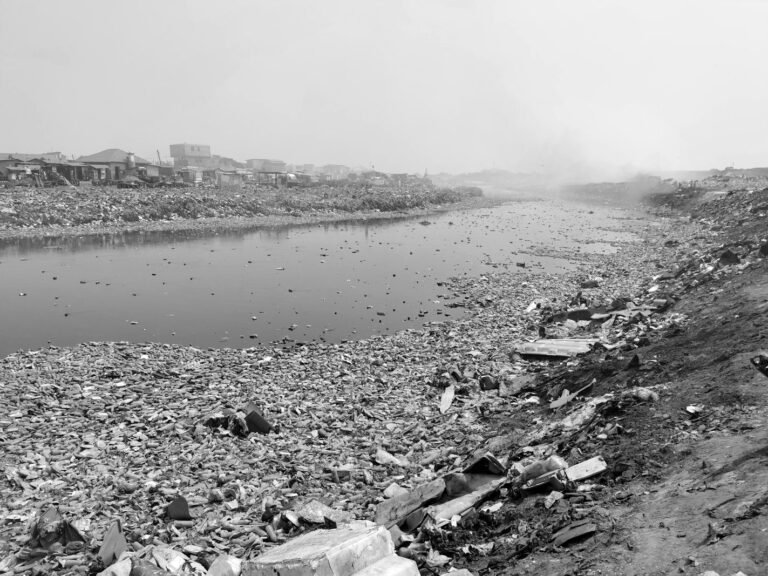
Environmental Litigation in Bangladesh 2026: Rights, Complaints, Courts and Landmark Cases
All insights →
Which authority regulates mining and quarrying in Bangladesh?
Is coal mining currently permitted in Bangladesh?
Do landowners receive compensation for natural resources extraction on or under their land?
What happens at the end of a mining or quarry lease?
Can natural resources rights be used as security for a loan?
Are there special rules for natural resources in the Chittagong Hill Tracts?
How are groundwater and river water use regulated for natural resources and industrial projects?
Can TRW represent clients in natural resources disputes and regulatory enforcement cases?
Secure your resource rights on solid legal ground
Speak with the partners about Natural resources in Bangladesh or across borders.
Book a consultation →











