
Government and Sovereign Matters in Bangladesh
Advice and representation on government and sovereign matters in Bangladesh: disputes with ministries, regulators and state-owned enterprises, public contracts and procurement, writ petitions, statutory notices, arbitration with state parties, investment treaty protection and sovereign immunity, for foreign investors, contractors, lenders and public bodies.

- Identify the public actor
- Engage and preserve
- Choose the forum
- Resolve and implement
How we handle government and sovereign matters
Doing business in Bangladesh often means dealing with the state. Power purchasers, utilities, port and transport authorities, ministries, city corporations and state-owned banks are among the country's largest counterparties, and regulators control licences, approvals and tariffs. When a relationship with a government body breaks down, the legal rules differ from those in ordinary commercial disputes: special notice requirements, public law remedies, budget processes and questions of immunity all come into play. We advise private parties dealing with the government and public bodies on these matters as part of our dispute resolution practice in Bangladesh.
Public law is often the first tool. Under Article 102 of the Constitution, the High Court Division can review the actions of persons performing functions in connection with the affairs of the Republic, including ministries, regulators and many statutory bodies. Writ petitions are used to challenge unlawful licence cancellations, arbitrary tender decisions, unfair regulatory measures and failures to act. At the same time, the court will consider whether an alternative remedy, such as a statutory appeal or an arbitration clause, should be pursued first, so the route needs careful assessment and, where justified, an interim stay.
Contract claims against the state follow their own rules. Suits against the government generally require prior written notice under the Code of Civil Procedure, and limitation, authority to contract and budget approval can all become issues. Many public contracts, particularly in energy, infrastructure and procurement, provide for arbitration under the Arbitration Act 2001 or international rules. Public procurement decisions can be challenged through the complaint and review panel process. The government also recovers certain public dues through certificate proceedings, which have their own objection and appeal routes. Each pathway has different deadlines, evidence requirements and enforcement prospects.
Institutional change matters too. Under the Invest Bangladesh Act 2026, the former investment, economic zones and public-private partnership authorities were merged into Invest Bangladesh, which has operated since 23 August 2026. Investors with approvals, incentives or project agreements issued by the predecessor bodies may need advice on how those arrangements carry over and which office now exercises the relevant powers. Elections in February 2026 also brought an elected government with its own policy priorities. We monitor these developments and help clients engage constructively with the government while protecting their legal rights, starting by confirming which office now holds their approvals.
Some matters reach the international plane. Foreign investors may have protection under bilateral investment treaties that Bangladesh has signed, and international arbitration against the state or state entities may be available. Foreign states and their entities in Bangladesh raise questions of immunity, and the Code of Civil Procedure restricts suits against foreign states without the consent of the government. Our partners advise on international arbitration and investment protection alongside local counsel abroad. Where these issues touch regulatory approvals and compliance, we work with our regulatory lawyers in Bangladesh on a joined-up strategy for the client.
Core workstreams
Four clear stages
- 01Identify the public actor
- 02Engage and preserve
- 03Choose the forum
- 04Resolve and implement
Talk to a partner
Consultations in Dhaka or by video. Scope, team and fees are agreed in writing first.
Book →What we handle for clients dealing with the state

Disputes with ministries and regulators
- Identify the public actor
- Engage and preserve
- Choose the forum
- Resolve and implement
Public contracts and state-owned enterprises
- Identify the public actor
- Engage and preserve
- Choose the forum
- Resolve and implement
Procurement complaints and review
- Identify the public actor
- Engage and preserve
- Choose the forum
- Resolve and implement
Writ petitions and public law remedies
- Identify the public actor
- Engage and preserve
- Choose the forum
- Resolve and implement
Arbitration with state parties
- Identify the public actor
- Engage and preserve
- Choose the forum
- Resolve and implement
Investment treaties and sovereign immunity
- Identify the public actor
- Engage and preserve
- Choose the forum
- Resolve and implement
Disputes with ministries and regulators
We advise companies whose licences, approvals, tariffs or permits are affected by decisions of ministries, divisions, regulators and statutory authorities. We assess whether the decision can be reversed through representation, statutory appeal, writ petition or negotiation, and we prepare submissions that explain the client's position clearly. The goal is a lawful outcome that preserves the long-term relationship with the government where possible. Timing and tone both matter in this work.
Public contracts and state-owned enterprises
We act on disputes under construction, supply, service, energy and concession contracts with ministries, utilities and state-owned enterprises, including delayed payments, variations, extensions of time, termination and liquidated damages. We review authority to contract, budget approvals and notice requirements, and advise on claims, settlement and arbitration, so that contractors and suppliers can recover what they are owed from public counterparties. Payment security is reviewed at the outset.
Procurement complaints and review
Tender decisions by procuring entities can be challenged through the public procurement complaint process and the review panel, and in some cases by writ. We act for bidders on disqualification, evaluation, award and debarment decisions, and advise procuring entities on defending challenges. Procurement deadlines are short, so we work quickly to preserve the bidder's rights and present the strongest grounds available. Debarment risk is assessed separately. Written complaints should set out the specific rule breached and the relief sought, with the tender documents attached.
Writ petitions and public law remedies
We bring and defend writ petitions in the High Court Division challenging unlawful, unreasonable or procedurally unfair action by public bodies, and seek interim stays where the client's business is at immediate risk. We also act for public bodies and state-owned enterprises responding to writs. Our work extends to appeals in the Appellate Division where the case raises important questions of public law. Maintainability is always tested first.
Arbitration with state parties
Many government contracts in Bangladesh provide for arbitration, domestically or abroad. We act for private parties and state entities in arbitrations under the Arbitration Act 2001, BIAC, ICC, SIAC and UNCITRAL rules, and advise on interim measures, challenges to awards and enforcement. We also advise on the particular issues that arise in enforcing awards against state entities and their assets. Identifying the state entity's reachable assets and any immunity arguments before the award helps shape the enforcement plan.
Investment treaties and sovereign immunity
We advise foreign investors on protection available under Bangladesh's bilateral investment treaties, including how to structure investments, preserve treaty rights and give notice of disputes. We also advise on immunity questions involving foreign states, embassies and international organisations in Bangladesh, and on the separate legal status of state-owned enterprises, working with international counsel where proceedings take place abroad. Treaty notice periods are tracked carefully.
Partner-led, on every matter.
Disputes & Arbitration matters at TRW are led by partners, supported by associates, with one responsible lawyer from first advice to final outcome.
Meet the firm →



01Can we sue the government of Bangladesh in the civil courts?
Yes. Civil suits can be brought against the government, but the Code of Civil Procedure generally requires a written notice to be served before the suit is filed, with a waiting period before proceedings begin, except where urgent relief is sought with the court's leave. The notice must be properly addressed and describe the claim and relief clearly. Defects can delay or defeat a claim. We prepare and serve these notices, use the waiting period to explore settlement, and advise whether a civil suit, arbitration or a writ petition is the more effective route in the circumstances.
02When is a writ petition the right way to challenge a government decision?
A writ petition under Article 102 of the Constitution is appropriate where a public body has acted without lawful authority, in breach of procedure, unreasonably or in violation of fundamental rights, and where no equally effective alternative remedy exists. Purely contractual disputes with the government are often better pursued through suit or arbitration, although writs have been allowed where the state's action has a strong public law element. We assess maintainability carefully, because a dismissed writ costs time, and we combine the petition with interim relief where the client's operations are at immediate risk.
03How do we recover delayed payments from a state-owned enterprise?
Start by looking at the contract and the payment process. Many delays arise from missing certifications, budget releases or approvals rather than outright refusal. We review the payment provisions, notices and correspondence, then escalate within the enterprise and the supervising ministry with a clear statement of the amount due and the contractual basis. If payment is still withheld, the contract's dispute resolution clause, often arbitration, determines the next step. Enforcement against state entities can be complex, so we consider recovery prospects early and look for negotiated solutions that the government side can actually approve.
04What happened to approvals issued by BIDA, BEZA or the PPP Authority?
Under the Invest Bangladesh Act 2026, the former Bangladesh Investment Development Authority, Bangladesh Economic Zones Authority and Public-Private Partnership Authority were merged into Invest Bangladesh, which began operating on 23 August 2026. Approvals, registrations and agreements issued by the predecessor bodies need to be reviewed against the transitional provisions to confirm their continuing effect and which office now administers them. BEPZA and the Hi-Tech Park Authority remain separate. We advise investors on these questions and on engaging with Invest Bangladesh and other government agencies to resolve any uncertainty. Early review avoids disputes later.
05Can a foreign investor bring a treaty claim against Bangladesh?
Possibly. Bangladesh has signed bilateral investment treaties with a number of countries, and many provide for international arbitration of disputes between an investor of one state and the other state. Whether a claim is available depends on the investor's nationality and structure, the definition of investment, the conduct complained of and any procedural preconditions such as notice and cooling-off periods. Treaty claims are a serious step with diplomatic and commercial consequences. We advise on treaty protection, structuring and early engagement with the government, working with international arbitration counsel where proceedings are contemplated.
06Can a foreign state or embassy be sued in Bangladesh?
The Code of Civil Procedure restricts suits against foreign states, generally requiring the consent of the government of Bangladesh before such a suit is filed, and customary international law on immunity also applies. Diplomatic missions and international organisations may have additional protections under treaties and legislation. Commercial claims against foreign state entities with separate legal personality may be treated differently. We advise claimants and foreign state entities on these immunity questions, on the consent process and on alternative routes such as negotiation, arbitration or proceedings in another jurisdiction where that is more realistic.
07How does the government recover public dues from businesses?
Certain amounts claimed by the government and public bodies, including some dues of state-owned banks and authorities, can be recovered through certificate proceedings under the Public Demands Recovery Act 1913. These proceedings allow recovery without an ordinary suit, but the person against whom the certificate is issued can object, and decisions can be challenged on appeal and, in some cases, by writ. The time allowed for objections or appeals is limited, so record the date of receipt. We advise businesses on objections and challenges, and public bodies on using the procedure correctly, so that recovery stands up to scrutiny.
08Do you act for government bodies as well as private parties?
Yes. We advise ministries, statutory authorities and state-owned enterprises on contracts, procurement, disputes, arbitration and public law, and we act for private investors, contractors, lenders and suppliers dealing with the state. Before accepting any instruction, we check carefully for conflicts. Acting on both sides gives us practical insight into how government decision-making works, which approvals are realistic and how disputes can be resolved in a way that both the public body and the private party can implement within their legal and budgetary constraints. That insight helps clients frame proposals a public body can realistically approve.
From first call to resolution.
- 01
Identify the public actor
We first confirm the legal status, powers and decision-makers of the public body involved, review the contract, licence or decision in issue, and identify notice requirements, time limits and any applicable immunity.
- 02
Engage and preserve
We prepare representations, statutory notices and protective filings, preserve the client's rights under the contract or treaty, and open structured dialogue with the relevant ministry, authority or enterprise. Time-bound notices are served in the form the contract or treaty requires, with proof of delivery kept on file.
- 03
Choose the forum
We select the most effective route, whether writ petition, civil suit, procurement review, arbitration or treaty proceedings, and seek interim relief where the client's business is at immediate risk. Costs and timing are explained.
- 04
Resolve and implement
We pursue a judgment, award or negotiated settlement, then follow through on approvals, budget releases and enforcement, so that the outcome is actually implemented by the public body concerned. We remain involved until then.

“Demonstrates an extraordinary command over both domestic litigation and international arbitration.”
The Legal 500 Asia Pacific, Bangladesh: Dispute resolution, client feedback
Related reading.
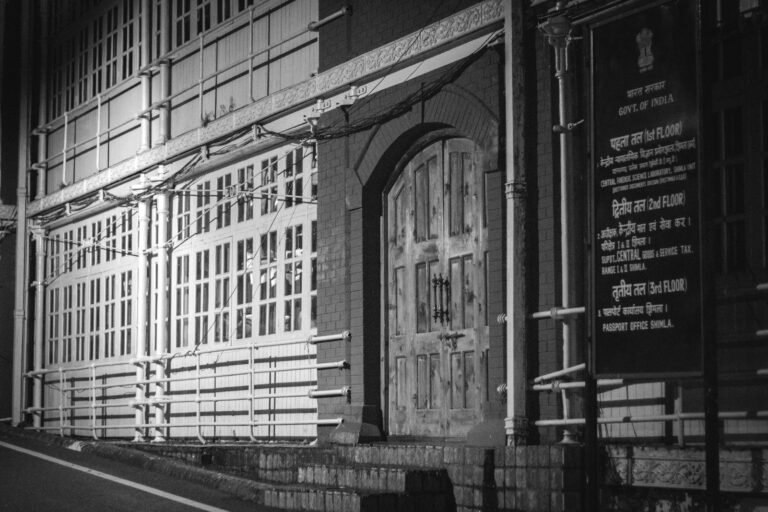
Administrative Law in Bangladesh 2026: Challenging Government Decisions, Tribunals, Ordinances and Writs
ICSID Investment Arbitration in Bangladesh 2026: Treaties, Cases and Investor Protection

Procurement Complaints and Review Panel Appeals in Bangladesh (2026): Tiers, Deadlines, Fees and Grounds

Public Demands Recovery Act Bangladesh: Certificate Cases, Objections, Appeals and Group Companies
All insights →
What are government and sovereign matters?
Is a notice always required before suing the government?
Are state-owned enterprises treated as the government?
Can arbitral awards be enforced against state entities in Bangladesh?
How long do disputes with public bodies take?
Do you work with foreign counsel on sovereign matters?
Can public bodies settle disputes with private parties?
How do we start a matter involving the government with TRW & Co?
Talk to us about your dispute with the state
Speak with the partners about government in Bangladesh or across borders.
Book a consultation →











