
Explosive substances case in Bangladesh: the full journey, step by step
An explosive substances case in Bangladesh is a prosecution under the Explosive Substances Act 1908 for causing an explosion, attempting or conspiring to cause one, or making or keeping explosives with intent or in suspicious circumstances. These offences are tried by a Special Tribunal under the Special Powers Act 1974, with strict bail rules, a 30-day appeal to the High Court Division and mandatory confirmation of any death sentence.
Where the explosion was meant to spread terror, the same facts can instead be charged under the Anti-Terrorism Act 2009.
- Where it starts
- Scene of the blast or recovery, then the police station where the FIR is recorded; first production before the Chief…
- Main law
- Explosive Substances Act 1908 ss.2-6A (as amended 1987 and 2002); Special Powers Act 1974 ss.26-34B and Schedule; Anti-Terrorism…
- Typical duration
- Investigation: 15 to 60 working days by law, often much longer. Special Tribunal trial: about 2 to 6 years in Dhaka.…
- Who can file
- The case is started by the police, RAB or another agency after a blast or recovery; the State prosecutes
Explosive substances case in Bangladesh: walk through every stage
Press next, use your arrow keys or tap a court on the map. The gold marker shows where your case is, and the green trail shows the route it has taken. For the immersive version, play it full screen.
Read every step as text
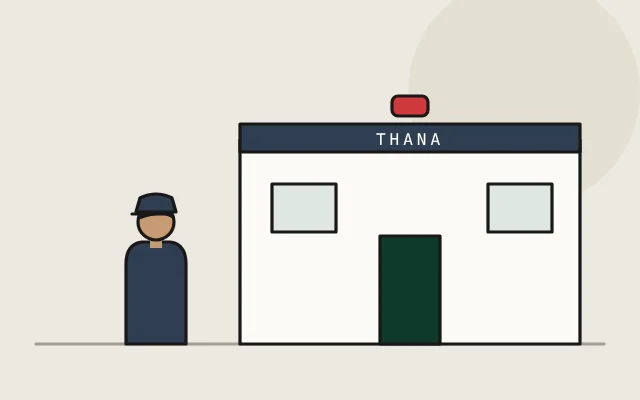 Step 1 · Blast or recovery and FIR
Blast, recovery and arrest
Cases begin either with an explosion, such as a crude bomb or cocktail thrown during unrest, or with the recovery of explosives or bomb-making materials during a search. The police secure the scene and call a bomb disposal team to make any device safe. Offences triable by a Special Tribunal are cognizable, so suspects can be arrested without a warrant. 'Explosive substance' is defined widely and includes materials for making explosives and any apparatus or part used, or intended to be used, to cause an explosion.
Where: Police station or counter-terrorism unit · Time: Hours · Law: s.2 Explosive Substances Act 1908; s.32(a) Special Powers Act 1974; s.54 CrPC · Documents: Arrest memo, Scene photographs
Tip: Family members should record the time, place and agency of arrest. Long gaps before production in court are a frequent issue in these cases.
 Step 2 · Blast or recovery and FIR
Seizure list and samples
The officer prepares a seizure list describing every item recovered, such as devices, splinters, powders, wires, containers and batteries, where each was found and from whom, signed by independent witnesses. Live explosives are often destroyed for safety after samples are taken and the destruction is recorded. Samples and fragments are sealed and sent for expert examination. In an explosive substances case in Bangladesh the seizure list and the chain of custody of the samples are central, because the substance itself may no longer exist by the time of trial.
Where: Police station or counter-terrorism unit · Time: During the search · Law: s.103 CrPC; s.2 Explosive Substances Act 1908 · Documents: Seizure list, Destruction record, Sealed samples
Tip: Ask for the destruction record and photographs. If the device was destroyed without samples or photographs, the prosecution may struggle to prove what it was.
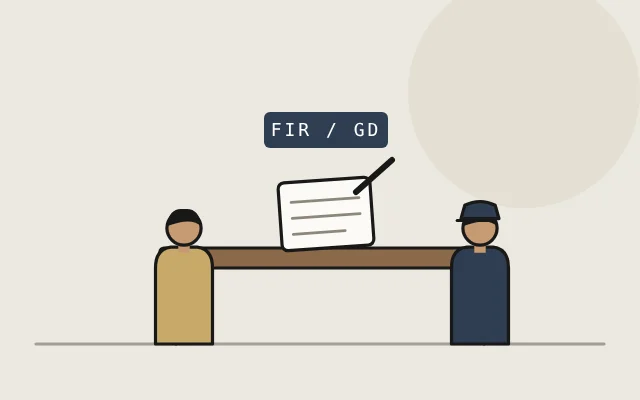 Step 3 · Blast or recovery and FIR
FIR and choosing the offence
The FIR names the accused and the offence. Section 3 covers causing an explosion likely to endanger life or cause serious injury or damage; s.3A causing an explosion to commit or enable another offence; s.4 attempting or conspiring to cause such an explosion, or making or possessing explosives with that intent; s.5 making, exploding or possessing explosives in suspicious circumstances; and s.6 anyone who funds, supplies, shelters or otherwise abets these offences. Penal Code offences such as murder or hurt are often added where people were injured.
Where: Police station or counter-terrorism unit · Time: Same day · Law: s.3 Explosive Substances Act 1908; s.3A Explosive Substances Act 1908; s.4 Explosive Substances Act 1908; s.5 Explosive Substances Act 1908; s.6 Explosive Substances Act 1908; s.154 CrPC · Documents: FIR, Seizure list, Injury reports, if any
Tip: Obtain a certified copy of the FIR quickly. The section cited decides the minimum sentence and much of the bail argument.
 Step 4 · Blast or recovery and FIR
Check the Anti-Terrorism Act overlap
Using or possessing explosives to create panic and endanger the integrity, security or sovereignty of Bangladesh, or to coerce the Government, is a 'terrorist activity' under the Anti-Terrorism Act 2009. If the police treat the case that way, it follows a different route: Government sanction is needed before cognizance, the case goes to an Anti-Terrorism Special Tribunal where one exists, and the Act's own bail, remand and trial deadlines apply. Many cases combine both Acts. Knowing early which route applies shapes every later step of an explosive substances case in Bangladesh.
Where: Lawyer's chamber · Time: 1-3 days · Law: s.6(1)(a) Anti-Terrorism Act 2009; s.40 Anti-Terrorism Act 2009; s.28 Anti-Terrorism Act 2009 · Documents: FIR, Forwarding report
Tip: If the FIR adds Anti-Terrorism Act charges, check later whether the Government's sanction was actually obtained before cognizance.
 Step 5 · Custody and bail
Production, remand and confessions
The accused must be produced before a Magistrate within 24 hours, and the arrest report is copied to the Government. Police commonly seek remand to identify suppliers and associates. Since the CrPC (Amendment) Act 2026, in force from 10 August 2025, police custody cannot exceed fifteen days in total. Confessions recorded by a Magistrate under s.164 are frequent in these cases, and their voluntariness is often challenged at trial. The defence should oppose remand, ask for a medical examination if there are injuries and apply for bail.
Where: Chief Metropolitan Magistrate Court, Dhaka · Time: Within 24 hours of arrest · Law: s.61 CrPC; s.167 CrPC (as amended 2026); s.164 CrPC; s.33 Special Powers Act 1974 · Documents: Forwarding report, Remand petition, Medical report
Tip: If a confession was made after remand, record the dates carefully. A confession following long police custody can be retracted and attacked at trial.
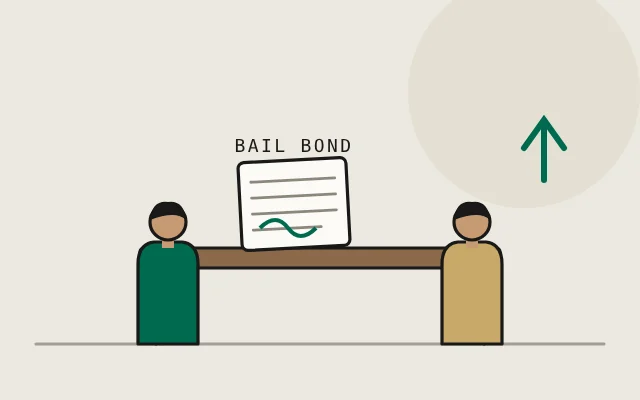 Step 6 · Custody and bail
Bail under the strict s.32 test
Explosive Substances Act offences are triable by a Special Tribunal, so s.32 of the Special Powers Act applies: no one accused may be released unless the prosecution has been heard and, if it objects, the court is satisfied there are reasonable grounds to believe the accused is not guilty. Magistrates seldom grant bail. Most applications end up in the High Court Division, which looks at the evidence linking the accused to the device, the time already spent in custody, delays in investigation and trial, age and health.
Where: Chief Metropolitan Magistrate Court, Dhaka · Time: Weeks to many months · Law: s.32(c) Special Powers Act 1974; s.497 CrPC; s.498 CrPC · Documents: Bail petition, FIR and seizure list, Medical papers if ill
Tip: Show concrete weaknesses, such as no recovery from the accused personally, no independent witness, or an expert report that does not confirm an explosive.
 Step 7 · Investigation
Investigation within fixed limits
The Explosive Substances Act sets its own investigation time limits. If the accused was caught at the time, the investigation must be completed within 15 working days of arrest; otherwise within 60 working days of the information or a Magistrate's order to investigate. The officer can take 7 working days more by recording reasons, and the controlling officer or Magistrate can then transfer it to another officer, who has 7 or 30 working days. Unjustified delay is recorded as inefficiency. In practice, complex cases often run far beyond these limits.
Where: Police station or counter-terrorism unit · Time: 15-60 working days by law; often longer · Law: s.6A(1)-(6) Explosive Substances Act 1908; s.161 CrPC · Documents: Case diary, Witness statements
Tip: Missed deadlines do not end the case, but they are a strong bail argument. Keep a list of hearing dates when no report was filed.
 Step 8 · Investigation
Expert examination of the substance
Samples, fragments and residues are sent to an explosives expert or forensic laboratory, for example the Department of Explosives or a police forensic unit, to identify the substance and confirm that it is explosive. Unlike the Arms Act, the Explosive Substances Act has no provision dispensing with expert evidence, so the expert report is usually essential. The report should link the samples to the seizure list by seal numbers. Without proof that the item was actually an explosive substance, most charges under the Act fail.
Where: Explosives expert or forensic laboratory · Time: 1-6 months · Law: s.2 Explosive Substances Act 1908; s.45 Evidence Act 1872 · Documents: Sample forwarding memo, Expert report
Tip: Compare the seal numbers on the forwarding memo with the seizure list. A break in the chain of custody undermines the expert report.
- Step 9 · Investigation
Charge sheet: no sanction needed
At the end of the investigation the officer files a charge sheet or a final report. Under the Explosive Substances Act there is no longer any requirement for Government or District Magistrate consent before prosecution; the old consent provision, s.7, was omitted in 1987. A Special Tribunal can, however, take cognizance only on a written report by a police officer of at least Sub-Inspector rank. If Anti-Terrorism Act charges are included, the Government's sanction is still required for those charges before any court takes cognizance.
Where: Chief Metropolitan Magistrate Court, Dhaka · Time: 1-3 months · Law: s.173 CrPC; s.27(1) Special Powers Act 1974; s.40(2) Anti-Terrorism Act 2009 · Documents: Charge sheet, Expert report, Witness list
Tip: Check the charge sheet for accused added late without new evidence. These are common in cases arising from political unrest.
 Step 10 · Special Tribunal trial
Trial before the Special Tribunal
Explosive Substances Act offences are listed in the Schedule to the Special Powers Act 1974, so they are tried only by a Special Tribunal. Every Sessions Judge, Additional Sessions Judge and Joint Sessions Judge is a Special Tribunal for their division. The Tribunal takes cognizance directly, has the powers of a Court of Session, and can pass any lawful sentence. Adjournments are allowed only where necessary in the interests of justice, absconding accused can be tried in their absence after newspaper notice, and a new judge need not rehear witnesses already examined.
Where: Special Tribunal (Sessions, Additional or Joint Sessions Judge) · Time: 1-4 weeks to allocate · Law: s.26 Special Powers Act 1974; s.27(1)-(6) Special Powers Act 1974; s.29 Special Powers Act 1974; s.31 Special Powers Act 1974 · Documents: Transfer order, Case record
Tip: Cases arising from the same incident are sometimes split between tribunals. Track every connected case number.
 Step 11 · Special Tribunal trial
Discharge or framing of charge
The Act requires the Tribunal to follow the CrPC procedure for summary trial of summons cases, so it hears both sides on the police report under the Magistrate-trial provisions. If the charge is groundless, it discharges the accused; otherwise it frames a formal charge stating the section, the device or substance and the date and place. For s.4, the charge must allege intent to endanger life or cause serious injury or damage, or a conspiracy to do so. For s.5, it must describe the suspicious circumstances relied on.
The accused pleads guilty or not guilty, and the case is fixed for evidence.
Where: Special Tribunal (Sessions, Additional or Joint Sessions Judge) · Time: 1-3 months · Law: s.27(4) Special Powers Act 1974; s.29 Special Powers Act 1974; s.241A CrPC; s.242 CrPC; s.262 CrPC · Documents: Discharge petition, Charge
Tip: Argue for discharge where nothing links the accused to the substance other than a co-accused's retracted confession.
 Step 12 · Special Tribunal trial
Prosecution evidence
The prosecution calls the recovering officers, seizure-list witnesses, the bomb disposal officer, the expert, doctors where people were injured, and the investigating officer, and proves any confession. Under s.5, once the prosecution shows that the accused made, exploded or knowingly possessed explosives in circumstances raising a reasonable suspicion, the accused must show a lawful object to avoid conviction. For ss.3 and 4, the prosecution must prove the specific intent or likely danger. Witnesses who fail to appear are the main cause of delay.
Where: Special Tribunal (Sessions, Additional or Joint Sessions Judge) · Time: 1-4 years in practice · Law: s.244 CrPC; s.5 Explosive Substances Act 1908; s.4 Explosive Substances Act 1908; s.24 Evidence Act 1872 · Documents: Exhibits and fragments, Expert report, Confession, if any
Tip: Test whether the confession was recorded with the safeguards of s.164 and whether it is corroborated. Uncorroborated retracted confessions carry little weight against others.
- Step 13 · Special Tribunal trial
Examination of the accused and defence
After the prosecution closes, the Tribunal questions the accused under s.342. The defence may call witnesses or produce documents, for example a licence under the Explosives Act 1884 for quarrying or industrial use, which can show a lawful object under s.5. Arguments follow on possession, intent, the identity of the substance and the reliability of any confession, and the Tribunal then records an acquittal or a conviction.
Where: Special Tribunal (Sessions, Additional or Joint Sessions Judge) · Time: 1-3 months · Law: s.342 CrPC; s.244 CrPC; s.245 CrPC; Explosives Act 1884 · Documents: Defence evidence, Licences or business records, if any, Written arguments
Tip: A lawful-use defence must be proved with documents such as licences, purchase records and site records, not just asserted.
 Step 14 · Judgment and after
Judgment and sentence
The Tribunal gives a reasoned judgment. Causing a dangerous explosion under s.3 carries death, imprisonment for life, or five to ten years. An explosion to commit another offence under s.3A carries three to seven years. Attempts, conspiracies and possession with intent under s.4 carry three to twenty years. Suspicious making or possession under s.5 carries two to fourteen years, and abettors face the same punishment as the principal. The Government can remit, suspend or commute a Special Tribunal sentence. This ends the first-instance stage of an explosive substances case in Bangladesh.
Where: Special Tribunal (Sessions, Additional or Joint Sessions Judge) · Time: 1-4 weeks after arguments · Law: s.3 Explosive Substances Act 1908; s.3A Explosive Substances Act 1908; s.4 Explosive Substances Act 1908; s.5 Explosive Substances Act 1908; s.6 Explosive Substances Act 1908; s.30A Special Powers Act 1974 · Documents: Judgment, Certified copy application
Tip: Apply for the certified copy on the day of judgment. The 30-day appeal period runs from delivery.
Walk through it from your side
Pick your side. The step-by-step journey above and the full-screen player will then show what you do at every stage.
Informant / victim
You want those responsible identified and convicted, and a reliable record of what happened and who was harmed. The prosecution must prove what the substance was, who made, used or held it, and the intent or suspicious circumstances each section requires. Its biggest risk is a weak chain of custody, an untested substance or a confession that does not stand up at trial.
Blast, recovery and arrest
If you were injured or your property damaged, you get medical treatment first and keep all medical papers and photographs. Police officers secure the scene, call the bomb disposal team and record who was present and what was found.
Watch outKeep hospital records and receipts; they later prove the harm caused.
Seizure list and samples
The officer prepares a full seizure list of devices, fragments, powders and materials, with independent witnesses, and takes and seals samples before any destruction for safety, recording the destruction with photographs.
Watch outDestroying a device without keeping samples or photographs can leave the prosecution unable to prove what it was.
FIR and choosing the offence
If you are a victim, you give the police a clear statement of what you saw and the harm you suffered, naming anyone you can identify. The FIR cites the appropriate section, and Penal Code offences such as hurt or murder are added where people were injured.
Watch outNaming people you did not actually see can damage your credibility at trial.
Check the Anti-Terrorism Act overlap
The police decide whether the facts show only Explosive Substances Act offences or terrorist activity under the Anti-Terrorism Act 2009. If Anti-Terrorism Act charges are added, the Government's sanction is needed before cognizance, and the case may go to an Anti-Terrorism Special Tribunal.
Production, remand and confessions
The police produce the accused within 24 hours, send a copy of the arrest report to the Government and seek remand only on specific grounds. Any confession must be recorded by a Magistrate under s.164 with the statutory safeguards.
Watch outPolice remand is capped at 15 days in total; a confession after long custody is open to attack.
Bail under the strict s.32 test
The Public Prosecutor opposes bail, pointing to the evidence linking the accused to the device or substance. Under s.32 Special Powers Act, the court cannot grant bail over the prosecution's objection unless it finds reasonable grounds to believe the accused is not guilty. Victims can tell the PP about any threats.
Investigation within fixed limits
The investigating officer completes the investigation within the s.6A limits: 15 working days if the accused was caught at the scene, 60 working days otherwise, with 7 more on recorded reasons, and reports any delay to the controlling officer and Magistrate.
Watch outUnjustified delay is recorded as inefficiency and helps the defence on bail.
Expert examination of the substance
The investigating officer sends sealed samples to an explosives expert or forensic laboratory with a forwarding memo matching the seizure list seal numbers, and follows up for the report, which is usually essential to prove an explosive substance.
Watch outWithout an expert report confirming an explosive substance, most charges under the Act fail.
Charge sheet: no sanction needed
The investigating officer files the charge sheet with the seizure list, expert report and statements. No Government consent is needed for Explosive Substances Act charges, but sanction must be obtained for any Anti-Terrorism Act charges before cognizance.
Trial before the Special Tribunal
The Public Prosecutor prepares the witness list and ensures connected cases from the same incident are tracked. The Tribunal can proceed against absconding accused in their absence after the required newspaper publication.
Discharge or framing of charge
The Public Prosecutor asks the Tribunal to frame a charge stating the section, the device or substance and the date and place, including the specific intent for s.4 or the suspicious circumstances for s.5.
Prosecution evidence
If you are a victim, you give evidence about what you saw and the injuries or damage caused, supported by medical papers. The prosecution also calls officers, seizure witnesses, the bomb disposal officer, the expert and doctors, and proves any confession.
Watch outFailing to appear when summoned is the main cause of delay and can weaken the case.
Examination of the accused and defence
The Public Prosecutor answers any lawful-use defence by testing licences and records, and argues that intent and possession are proved. Victims may wait for the result; ask the PP when judgment is expected.
Judgment and sentence
You hear the judgment. If the accused is acquitted, the Public Prosecutor considers with the Government whether to appeal to the High Court Division within thirty days. A death sentence goes automatically to the High Court Division for confirmation.
Watch outThe 30-day appeal period applies to the State as well.
Accused
You want bail and, at trial, an acquittal if the prosecution cannot link you to a proven explosive substance or prove the required intent. Defence work focuses on the seizure list, the expert report, the chain of custody, any confession and, under s.5, showing a lawful object. Your biggest risk is long custody under the strict s.32 Special Powers Act bail test and heavy minimum sentences.
Blast, recovery and arrest
If you or a family member is arrested, the family records the time, place, agency and officers involved and contacts a criminal lawyer immediately. Ask for the grounds of arrest and where the person is being held.
Watch outLong gaps between arrest and production in court are common; note them precisely.
Seizure list and samples
Your lawyer obtains the seizure list and asks for the destruction record, photographs and sample details. The family gathers evidence of who controlled the place of recovery and whether anyone else had access.
Watch outNote whether the seizure witnesses were genuinely independent and actually present.
FIR and choosing the offence
Your lawyer obtains a certified copy of the FIR and checks which sections are cited, since s.3, s.3A, s.4 and s.5 carry very different minimum sentences. Gather any licences or business records if you handle explosives lawfully.
Watch outThe section cited drives the bail argument from the start; challenge an inflated section early.
Check the Anti-Terrorism Act overlap
Your lawyer checks whether Anti-Terrorism Act charges have been added and, if so, follows whether the Government's sanction is obtained before cognizance. The route affects bail, remand and trial deadlines.
Watch outCognizance of Anti-Terrorism Act charges without prior Government sanction is a ground for challenge.
Production, remand and confessions
Your lawyer opposes remand, asks for a medical examination if there are injuries and applies for bail. If you are taken before a Magistrate to record a confession, remember it must be voluntary; tell the Magistrate if you have been pressured.
Watch outRecord the dates of remand and any confession carefully; they matter if the confession is later retracted.
Bail under the strict s.32 test
Your lawyer applies for bail and, if refused below, in the High Court Division, pointing to concrete weaknesses: nothing recovered from you personally, no independent witness, no expert confirmation of an explosive, delay, age, health and time in custody.
Watch outGeneric hardship arguments rarely succeed under the s.32 test.
Investigation within fixed limits
Your lawyer keeps a list of hearing dates when no police report was filed and raises missed s.6A deadlines in bail applications. You can give the investigating officer documents supporting your account.
Watch outMissed deadlines do not end the case by themselves.
Expert examination of the substance
Your lawyer compares the seal numbers on the forwarding memo with the seizure list and studies what the expert report actually confirms. Where it is weak or missing, the defence relies on that gap at bail, discharge and trial.
Watch outA break in the chain of custody can undermine the expert report entirely.
Charge sheet: no sanction needed
Your lawyer checks the charge sheet for accused added late without new evidence and for any Anti-Terrorism Act charges taken up without sanction. If a final report is filed in your favour, keep a certified copy.
Watch outAccused added late without fresh evidence are a common feature of unrest-related cases; raise it at discharge.
Trial before the Special Tribunal
Your lawyer notes the Special Tribunal number and tracks every connected case from the same incident, since they are sometimes split between tribunals. You attend every date to keep your bail.
Watch outAbsconding after release on bail allows the Tribunal to try you in your absence.
Discharge or framing of charge
Your lawyer applies for discharge where nothing links you to the substance except a co-accused's retracted confession, or where no explosive was ever confirmed. If a charge is framed, you plead and the case goes to evidence.
Watch outIf discharge is refused, consider a prompt revision in the High Court Division.
Prosecution evidence
Your lawyer cross-examines on the chain of custody, the expert's findings, the independence of witnesses and whether any confession was voluntary and recorded with s.164 safeguards. Under s.5, prepare to show a lawful object if the prosecution raises reasonable suspicion.
Watch outAn uncorroborated retracted confession carries little weight against a co-accused; press this point.
Examination of the accused and defence
You answer the Tribunal's questions under s.342 and, with your lawyer, produce documents such as an Explosives Act 1884 licence, purchase records or site records to show a lawful object. Arguments focus on possession, intent, the substance's identity and any confession.
Watch outA lawful-use defence must be proved with documents, not simply asserted.
Judgment and sentence
You apply for the certified copy on the day of judgment. If convicted, your lawyer files an appeal to the High Court Division within 30 days and seeks bail or suspension of sentence. If a death sentence is passed, file your own appeal alongside the automatic confirmation reference.
Watch outThirty days is shorter than the usual 60 days for High Court Division appeals.
What if…? How the explosive substances case in Bangladesh can change course
Choose a scenario. The map animates the route up the hierarchy and, where a case is sent back, down to the lower court and up again.
What if the convicted person appeals?
- 1High Court Division
Appeal to the High Court Division within 30 days
An appeal from any order, judgment or sentence of a Special Tribunal lies to the High Court Division within thirty days. The same 30-day period applies to appeals from an Anti-Terrorism Special Tribunal. The appeal is a full rehearing on facts and law, and bail or suspension of sentence pending appeal is sought by separate application.
2-6 yearss.30(1) Special Powers Act 1974s.31(1) Anti-Terrorism Act 2009s.426 CrPC - 2High Court Division
Appeal decided
The High Court Division can acquit, reduce the sentence, alter the conviction to a lesser section, or order a retrial. Its judgment is sent to the Tribunal, which carries it out.
1-3 months after hearings.423 CrPCs.425 CrPC
Where it ends up: The High Court Division's judgment replaces the Tribunal's, and a further challenge lies only by leave to the Appellate Division.
What if a party challenges a charge, bail refusal or interim order?
- 1High Court Division
Revision in the High Court Division
Interim orders of a Special Tribunal, such as framing a charge or refusing discharge, are challenged by criminal revision in the High Court Division, since the Tribunal has Court of Session powers.
6-24 monthss.439 CrPCs.29 Special Powers Act 1974 - 2High Court Division
Quashing and High Court bail
The High Court Division can quash proceedings that are an abuse of process, for example where the charge sheet discloses no evidence of an explosive substance at all, or where Anti-Terrorism Act charges were taken into cognizance without the Government's sanction. It also hears most bail applications in these cases.
1-12 monthss.561A CrPCs.498 CrPCs.40(2) Anti-Terrorism Act 2009
Where it ends up: The trial continues under the corrected order, or ends if the proceedings are quashed.
Can the Special Tribunal review its own judgment?
- 1Special Tribunal (Sessions, Additional or Joint Sessions Judge)
No review by the Tribunal
Once a Special Tribunal has signed its judgment, it cannot alter or review it except to correct a clerical error. A party who thinks it is wrong must appeal within thirty days, and a review petition does not stop time running.
Not applicables.369 CrPCs.29 Special Powers Act 1974 - 2Appellate Division of the Supreme Court
Review in the Appellate Division
Only the Appellate Division can review its own judgment, and in criminal matters only for an error apparent on the face of the record. The petition must be filed within thirty days, and in death cases it is often the last judicial step before a mercy petition.
3-12 monthsArticle 105 ConstitutionOrder XXVI rules 1-2 Supreme Court (Appellate Division) Rules 1988
Where it ends up: Errors are corrected on appeal; review exists only at the Appellate Division.
What happens after a death sentence?
- 1High Court Division
Death sentence sent for confirmation
Section 3 allows a death sentence where an explosion endangered life. If a Special Tribunal passes a death sentence, the proceedings must be submitted at once to the High Court Division, and the sentence cannot be carried out unless that Division confirms it. The convict's own appeal is heard with the reference.
2-6 yearss.30(2) Special Powers Act 1974s.3 Explosive Substances Act 1908s.374 CrPC - 2High Court Division
Confirmation judgment
The High Court Division reassesses all the evidence and may confirm the sentence, commute it, acquit, or order further inquiry or retrial. Its decision is certified to the Tribunal, which issues the necessary warrant or amends its record.
1-3 months after hearings.376 CrPCs.377 CrPCs.381 CrPC
Where it ends up: The death sentence is confirmed, commuted or set aside, and the case can go to the Appellate Division.
What if the appeal court orders a retrial?
- 1High Court Division
Conviction set aside and case sent back
If the High Court Division finds a serious defect, such as an expert report admitted without proof, a confession used without examining its voluntariness, or the accused not questioned under s.342, it can set aside the conviction and send the case back for retrial from a stated stage.
Within the appeals.423(1)(b) CrPCs.537 CrPC - 2Special Tribunal (Sessions, Additional or Joint Sessions Judge)
Retrial before the Special Tribunal
The Tribunal repeats only the stages ordered, relying on evidence already recorded for the rest, then hears arguments and delivers a fresh judgment.
6-18 monthss.31 Special Powers Act 1974s.423 CrPC - 3High Court Division
Back up on appeal
The losing side can appeal the new judgment within thirty days, and any new death sentence again goes to the High Court Division for confirmation. Asking the appeal court to take missing evidence itself under s.428 CrPC can avoid a second remand.
2-5 yearss.30 Special Powers Act 1974s.428 CrPC
Where it ends up: After the retrial, the case returns to the High Court Division on a fresh appeal or reference.
How does the case reach the Appellate Division?
- 1Appellate Division of the Supreme Court
Appeal or leave to appeal
Where the High Court Division confirms a death sentence, or itself imposes death or life imprisonment, the convict can appeal to the Appellate Division as of right. In other cases a criminal petition for leave to appeal must be filed, normally within thirty days.
1-3 yearsArticle 103(2)-(3) ConstitutionOrder XXIV rule 2 Supreme Court (Appellate Division) Rules 1988 - 2Appellate Division of the Supreme Court
Final decision
The Appellate Division's judgment binds all lower courts. After it, a person sentenced to death can still petition the President for mercy under Article 49 of the Constitution.
1-2 yearsArticle 111 ConstitutionArticle 49 Constitution
Where it ends up: The Appellate Division's decision is final, subject only to review under Article 105 and the President's prerogative of mercy.
How the explosive substances case in Bangladesh moves up the court hierarchy
An explosive substances case in Bangladesh bypasses the Magistrate courts for trial. Magistrates deal only with first production, remand, confessions and early bail. Offences under the Explosive Substances Act 1908 are listed in the Schedule to the Special Powers Act 1974 and are tried exclusively by a Special Tribunal, which is any Sessions, Additional Sessions or Joint Sessions Judge acting in that role, with Court of Session powers.
Where the explosion is alleged to be a terrorist act, the case may instead be tried under the Anti-Terrorism Act 2009 by an Anti-Terrorism Special Tribunal, after Government sanction. There is no value or quantity threshold; the section charged sets the sentence. Appeals from either tribunal go straight to the High Court Division within thirty days, as a full rehearing on facts and law, and every death sentence must be confirmed there. Interim orders are revised by the High Court Division.
The Appellate Division hears appeals as of right where the High Court Division confirms a death sentence or itself imposes death or life imprisonment, and others by leave.
- Appellate DivisionAppellate Division of the Supreme Court
- High Court DivisionHigh Court Division
- First instanceChief Metropolitan Magistrate Court, Dhaka · Special Tribunal (Sessions, Additional or Joint Sessions Judge) · Anti-Terrorism Special Tribunal, Dhaka
- Start · outside courtLawyer's chamber · Police station or counter-terrorism unit · Explosives expert or forensic laboratory
Where your case is heard
Addresses are for Dhaka. Every district has equivalent courts at its own district judgeship.
Supreme Court of Bangladesh (Appellate Division and High Court Division)
Supreme Court of Bangladesh, Shahbag, Ramna, Dhaka-1000Hears appeals, revisions, references, writ petitions under Article 102, company matters and death references (High Court Division), and appeals by leave from the High Court Division (Appellate Division).
Both Divisions sit in the Supreme Court complex; many High Court Division benches sit in the Annex Building. Check the daily cause list for the bench and court room. Postal contact is the Registrar General, Supreme Court of Bangladesh, Ramna, Dhaka-1000.
Chief Metropolitan Magistrate Court, Dhaka
19 Johnson Road, Dhaka-1100Takes cognisance of and tries criminal cases arising in Dhaka Metropolitan Police areas (Metropolitan Magistrate courts), hears bail, remand and FIR/complaint matters, and sends sessions-triable cases to the Metropolitan Sessions Judge.
Metropolitan Magistrate courts are spread over the CMM court main building (floors 2-9) and the CJM court building (courts 29-37 on the 8th and 9th floors). Check the court number on the cause list. Each metropolitan city (Chattogram, Khulna, Rajshahi, Sylhet, Barishal, Rangpur, Gazipur) has its own CMM court.
Court of the Metropolitan Sessions Judge, Dhaka
40-45 Johnson Road, Dhaka-1100Tries sessions-triable offences from Dhaka metropolitan police stations and hears criminal appeals and revisions from Metropolitan Magistrates; Additional and Joint Metropolitan Sessions Judges also sit as Metropolitan Special Tribunals.
The Metropolitan Sessions Judge sits on the 2nd floor of the main building; Additional and Joint Metropolitan Sessions Judge courts are in the main building and the tin-shed building in the same compound. The Metropolitan Sessions Judge, Dhaka also holds the post of Senior Special Judge, Dhaka. Help line published by the court: 01335-145002.
Anti-Terrorism Special Tribunal, Dhaka
Dhaka (exact address not confirmed)Tries offences under the Anti-Terrorism Act 2009 and other cases assigned to it by law, with a judge of Sessions Judge rank.
Address could not be confirmed from an official source. Check the tribunal's court room in the cause list or with the Dhaka court office before visiting.
Lawyer's chamber
Where this happens depends on your district or the office concerned. Ask us for the exact courtroom and address.
Dhaka Metropolitan Police (DMP) Headquarters
36 Minto Road, DhakaHeadquarters of the Dhaka Metropolitan Police; FIRs are lodged at the local police station, not here.
Emergency: 999. For a case, go to the police station with jurisdiction over the place of occurrence.
Department of Explosives (Chief Inspector of Explosives), Dhaka
Dhaka (exact address not confirmed)Licenses the manufacture, storage, transport, import and sale of explosives and other dangerous substances under the Explosives Act 1884 and related rules, and inspects licensed premises and investigates accidents involving them.
Address could not be confirmed from an official source. Check the current address before visiting.
How long each stage takes
These are indicative ranges based on typical Dhaka practice. Adjournments, case backlogs and appeals can stretch them.
Documents checklist and key terms
Tick off what you have. Your ticks stay saved in this browser. Bring the list to your first meeting with your lawyer.
- Explosive substance
- Under s.2, any explosive and also materials for making one, and any apparatus or part used or intended to cause an explosion.
- Special Tribunal
- A Sessions, Additional or Joint Sessions Judge sitting under s.26 of the Special Powers Act 1974 to try scheduled offences.
- Anti-Terrorism Special Tribunal
- A tribunal set up under s.28 of the Anti-Terrorism Act 2009 to try terrorism offences only.
- Lawful object (s.5)
- A legitimate purpose, such as licensed quarrying, that the accused must show to answer a charge of suspicious possession.
- Sanction
- Government permission to prosecute; not needed under the Explosive Substances Act since 1987, but required for Anti-Terrorism Act charges.
- Section 164 confession
- A confession recorded by a Magistrate with statutory safeguards; often later retracted and challenged.
- Death reference
- The mandatory submission of a death sentence to the High Court Division for confirmation.
Explosive substances case in Bangladesh: common questions
What offences does the Explosive Substances Act cover?
Which court tries an explosive substances case in Bangladesh?
Is Government or District Magistrate consent needed to prosecute?
Can I get bail in an explosive substances case in Bangladesh?
What are the possible sentences?
What does the accused have to prove under section 5?
What is the appeal deadline?
What mistakes do families make in an explosive substances case in Bangladesh?
Law and sources
- Explosive Substances Act 1908, Laws of Bangladesh mirror
- Explosive Substances Act 1908, Bangladesh Laws
- Special Powers Act 1974, Laws of Bangladesh mirror
- Anti-Terrorism Act 2009, Laws of Bangladesh mirror
- Anti-Terrorism (Amendment) Act 2026 (Act 28 of 2026)
- Code of Criminal Procedure 1898, Bangladesh Laws
- Code of Criminal Procedure (Amendment) Act 2026
- Supreme Court of Bangladesh
This Case Journey is a general guide to procedure in Bangladesh as of October 2026. It is not legal advice. Procedure, fees and time limits change, and every case turns on its own facts. Timelines are indicative. Speak to a lawyer about your own matter.
Run this case from outside Bangladesh
You can usually start and run this case without travelling. You sign a power of attorney abroad, the Bangladesh High Commission or Embassy attests it, and your attorney and lawyer act for you in Dhaka. Some steps, such as giving evidence in person, may still need you or a commission. See how a case runs through a power of attorney →
Want to know where your case stands?
Book a consultation. A TRW lawyer will place your matter on this map, explain the next step and the realistic timeline, and tell you what to prepare.











