

Submarine Cable Landing-Station Licensing in Bangladesh
Legal advice for cable consortia, landing-station operators, telecom investors and hyperscale network buyers on submarine cable projects in Bangladesh, covering BTRC licensing, landing rights, coastal and security clearances, capacity contracts, ownership changes, foreign investment and the disputes that can arise across a system's long operating life.

- Define the project
- Structure and document
- Obtain approvals
- Operate and resolve
Submarine cable landing and licensing in Bangladesh
Submarine cable capacity carries most of Bangladesh's international internet and data traffic, and the country's growing demand for bandwidth has made new landings and stations a strategic priority. For many years connectivity depended on state-owned landing stations at Cox's Bazar and Kuakata, linked to international consortium systems. Private operators have since been licensed to provide cable connectivity, and new submarine cable systems and terrestrial links continue to be planned. We advise investors, operators and consortium members on these projects as part of our technology and telecoms practice, together with our regulatory lawyers in Bangladesh.
The core framework is the Bangladesh Telecommunication Act 2001, under which the Bangladesh Telecommunication Regulatory Commission (BTRC) issues licences, and the Posts and Telecommunications Division sets policy. Licensing guidelines for international connectivity have historically distinguished between international terrestrial cable, international internet gateway, international gateway and landing-station roles, each with its own obligations on ownership, revenue sharing, security and interconnection. The licensing regime has been under review since 2025, with reforms aimed at consolidating categories and changing how international connectivity is licensed. We therefore check the current BTRC instruments for each project, rather than relying on an older licence model.
A landing station sits at the meeting point of several legal regimes. The marine route crosses Bangladesh's territorial sea and exclusive economic zone, where the law of the sea and domestic maritime and security clearances apply. The beach manhole and onshore station need land rights, building approvals and environmental clearance from the Department of Environment, particularly in sensitive coastal areas. Cable ships need port, customs and coast guard permissions, and security agencies watch critical infrastructure closely. Each submarine cable project therefore needs a single, coordinated approvals plan, with clear responsibility allocated between the consortium, the landing party and contractors.
Commercial documents matter as much as licences. Consortium construction and maintenance agreements, landing party agreements, capacity purchase agreements, indefeasible rights of use, backhaul and colocation contracts, and maintenance zone arrangements all allocate cost, risk and control over decades. Foreign investors must also consider ownership limits that apply to certain licence categories, investment registration through Invest Bangladesh, which replaced BIDA from 23 August 2026, and foreign exchange rules for capacity payments and dividends. The Finance Act 2026 cut withholding on interest paid to non-residents to 10 percent, which affects financing. We align the licence, contracts, tax and investment filings.
Disputes on submarine cable systems often concern capacity pricing, outages and repair costs, landing party performance, licence conditions, revenue sharing and interconnection, as well as damage to cables by fishing or anchoring vessels. Barrister Tahmidur Rahman advises on transactions, finance and international arbitration, Barrister Remura Meheruba Mahbub on corporate and foreign investment questions, and Adv Syed Wahid on litigation, including writ proceedings against regulatory decisions. We also work with counsel in Singapore, the UAE, India and the UK on foreign-law consortium agreements. To discuss a landing, a licence or a dispute, please contact our Dhaka office.
Core workstreams
Four clear stages
- 01Define the project
- 02Structure and document
- 03Obtain approvals
- 04Operate and resolve
Talk to a partner
Consultations in Dhaka or by video. Scope, team and fees are agreed in writing first.
Book →Our submarine cable and landing-station services

Licensing strategy and applications
- Define the project
- Structure and document
- Obtain approvals
- Operate and resolve
Landing rights and site approvals
- Define the project
- Structure and document
- Obtain approvals
- Operate and resolve
Marine route and security clearances
- Define the project
- Structure and document
- Obtain approvals
- Operate and resolve
Consortium and capacity contracts
- Define the project
- Structure and document
- Obtain approvals
- Operate and resolve
Investment, ownership and finance
- Define the project
- Structure and document
- Obtain approvals
- Operate and resolve
Regulatory compliance and disputes
- Define the project
- Structure and document
- Obtain approvals
- Operate and resolve
Licensing strategy and applications
We identify which BTRC licence or authorisation each party needs, whether that is the landing station operator, the capacity seller, a gateway operator or a backhaul provider, and prepare applications and supporting documents. We advise on eligibility, ownership restrictions, fees, revenue sharing and security conditions, and respond to BTRC and ministry queries so that the licence reflects the actual project structure, the planned services and the commercial model agreed with consortium partners.
Landing rights and site approvals
We advise on acquiring or leasing coastal land for the beach manhole and landing station, building approvals, environmental clearance, and access rights for construction and maintenance. We coordinate with surveyors and engineers on route and site documents, and help clients manage local authority, forest, coastal zone and community issues that can delay construction if they are not identified and addressed early in the programme, well before the cable ship is booked.
Marine route and security clearances
We map the clearances needed for the marine route across the territorial sea and exclusive economic zone, including permissions from maritime, defence and security authorities, port and customs requirements for cable ships, and arrangements for crew and equipment. We also advise on protection zones, notices to mariners and the legal tools that are available when fishing or anchoring activity damages a submarine cable, including evidence gathering and claims against vessel owners.
Consortium and capacity contracts
We review and negotiate construction and maintenance agreements, landing party agreements, capacity purchase agreements, indefeasible rights of use, colocation and backhaul contracts. We focus on how cost sharing, restoration obligations, outage remedies, termination, governing law and dispute resolution interact with Bangladesh licence conditions, so that contractual promises do not conflict with what the operator is legally permitted to do under its licence or with mandatory Bangladesh law.
Investment, ownership and finance
We advise foreign and domestic investors on company formation, investment registration, permitted shareholding, changes of control, and project and vendor finance for submarine cable infrastructure. We address foreign exchange approvals for capacity payments, loan repayments and dividends, withholding tax, security over licences and equipment, and the regulatory consents usually needed before a share transfer or financing can complete, and we coordinate those consents with lenders, vendors and consortium partners.
Regulatory compliance and disputes
We help operators meet ongoing licence obligations such as reporting, revenue sharing, lawful interception, quality of service and data protection, including duties under the Personal Data Protection Act 2026 where personal data is processed. Where disputes arise with regulators, consortium partners, customers or contractors, we act in negotiation, arbitration, and proceedings before the High Court Division, coordinating with foreign counsel when needed, and always with an eye on protecting the licence and the submarine cable relationship.
Partner-led, on every matter.
Trade, Competition & Regulation matters at TRW are led by partners, supported by associates, with one responsible lawyer from first advice to final outcome.
Meet the firm →



01Which licence is needed to operate a submarine cable landing station in Bangladesh?
The answer depends on the role the operator will perform and the current BTRC licensing framework. Historically, landing station and international connectivity activities were licensed under specific categories, with separate licences for international terrestrial cable, internet gateways and international gateways. Reforms since 2025 aim to restructure these categories, so a project designed around an older model may need to be reassessed. We review the current guidelines, map each party's activity against them, and advise whether one licence, several licences or a partnership with an existing licensee is the most practical route for the submarine cable project and its investors.
02Can a foreign company own a submarine cable landing station in Bangladesh?
Foreign participation is possible in many telecom activities, but certain licence categories have historically required local ownership or limited foreign shareholding, and conditions can change with new licensing guidelines. In practice, foreign companies often participate as consortium members, capacity investors, technology partners or minority shareholders, rather than as the licensed landing party. Investment registration with Invest Bangladesh and foreign exchange approvals for capital and returns also apply. We check the current ownership rules for the relevant category and design a structure that respects them while protecting the foreign investor's economic, information and governance rights.
03What clearances are needed beyond the BTRC licence?
A typical project also needs land rights for the beach manhole and station, building and local authority approvals, environmental clearance, permissions for survey and cable laying in the territorial sea and exclusive economic zone, security clearances, and port, customs and immigration arrangements for cable ships and crew. Equipment imports may need additional approvals and customs treatment. Some approvals can only be applied for once others are granted, so sequencing matters. We prepare an approvals map at the start and coordinate submissions so that the marine campaign is not delayed by a missing onshore permit or an expired clearance.
04How long does submarine cable licensing take in Bangladesh?
Timing varies with the licence category, the completeness of the application, policy reviews, security vetting and coordination between ministries and agencies. Projects that also require land acquisition, environmental clearance or foreign investment approvals take longer overall. Because policy has been changing since 2025, an application can also be affected by new guidelines issued during review. We help clients build realistic timelines, prepare complete documents and follow up with each authority, but we do not promise dates that depend on regulatory discretion or government policy decisions outside the applicant's control, and we explain where the realistic risks of delay lie.
05What happens when a submarine cable is damaged near Bangladesh?
When a fault occurs, the consortium's maintenance arrangements usually govern repair, with a repair ship mobilised under a maintenance zone agreement. The operator must notify BTRC and affected customers, manage traffic rerouting, and obtain any permissions needed for the repair vessel to operate in Bangladeshi waters. Contracts determine who bears repair costs and whether service credits apply to customers. If a vessel's anchor or fishing gear caused the damage, there may be a claim against the vessel owner, possibly through the Admiralty Court. We advise on notification, contractual remedies, insurance and recovery against those responsible.
06Do submarine cable capacity contracts need regulatory approval in Bangladesh?
Capacity sales and indefeasible rights of use may be subject to tariff, revenue sharing, reporting or approval requirements depending on the licence held by the seller and the nature of the buyer. Sales to foreign buyers, regional transit arrangements and pricing below published tariffs can raise particular questions. Payments in foreign currency must comply with Bangladesh Bank rules, and tax treatment of long-term rights of use needs careful analysis. We review capacity contracts against the operator's licence conditions and current BTRC directions before signature, so that the agreement is enforceable and does not trigger regulatory objection.
07How does a change of ownership affect a submarine cable licence?
Licences commonly require BTRC approval before a transfer of shares above certain thresholds, a change of control or an assignment of the licence. Completing a transaction without consent can lead to penalties, suspension or cancellation. Investors should also check consortium agreements, which often restrict transfers of membership or capacity, and financing documents that may require lender consent. We plan the approvals as part of the transaction timetable, prepare regulatory submissions and draft conditions precedent and long-stop dates that reflect realistic review periods, so that both buyer and seller are protected if review takes longer than expected.
08Can a regulatory decision on a submarine cable licence be challenged?
Yes. Many concerns can be resolved through early engagement with BTRC, written representations and review requests, which should be the first step. Where a decision to refuse, suspend or cancel a licence, or to impose a penalty or new condition, is unlawful, procedurally unfair or unreasonable, the operator may challenge it through a writ petition in the High Court Division, and interim relief may be available in some cases. Contractual disputes with consortium partners may go to arbitration under the consortium agreement. We assess the options, weigh the commercial relationship with the regulator and represent clients in each forum.
From first call to resolution.
- 01
Define the project
We map the system, the landing party, capacity holders and investors, and identify every licence, clearance and contract the submarine cable project needs in Bangladesh, highlighting ownership limits, security sensitivities and policy changes that affect the structure.
- 02
Structure and document
We design the ownership and contract structure, prepare licence applications, and negotiate landing party, capacity, land and construction agreements so that commercial terms match the regulatory permissions being sought from each authority and the realistic timetable for them.
- 03
Obtain approvals
We file with BTRC and other authorities, coordinate environmental, land, marine and security clearances, answer queries promptly, and adjust the plan if guidelines change during review, keeping investors, lenders and consortium partners informed throughout the review.
- 04
Operate and resolve
After the landing, we support licence compliance, capacity sales, ownership changes, repair incidents and disputes, so the station operates within its licence conditions and the system remains commercially viable over its full operating life of many years, including upgrades and new submarine cable capacity.

“Demonstrates an extraordinary command over both domestic litigation and international arbitration.”
The Legal 500 Asia Pacific, Bangladesh: Dispute resolution, client feedback
Related reading.
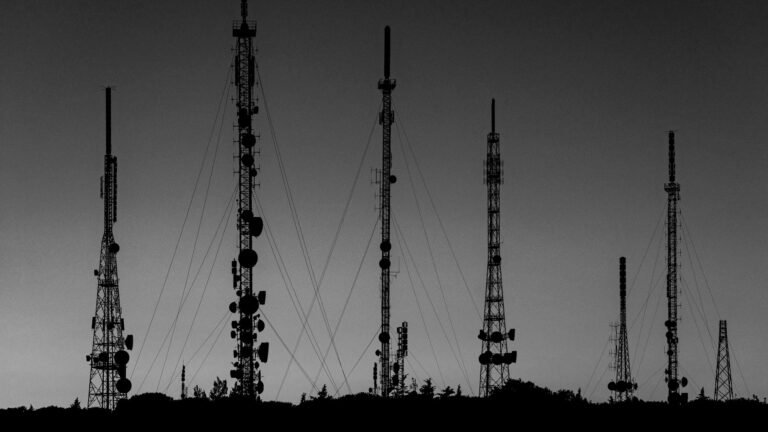
Telecommunications Law in Bangladesh: BTRC Licensing and Regulation in 2026

Foreign Investment Law in Bangladesh 2026: Statutes, Sector Caps, Treaties and Repatriation
Invest Bangladesh Act, 2026: The Industrial-Area Investment Framework
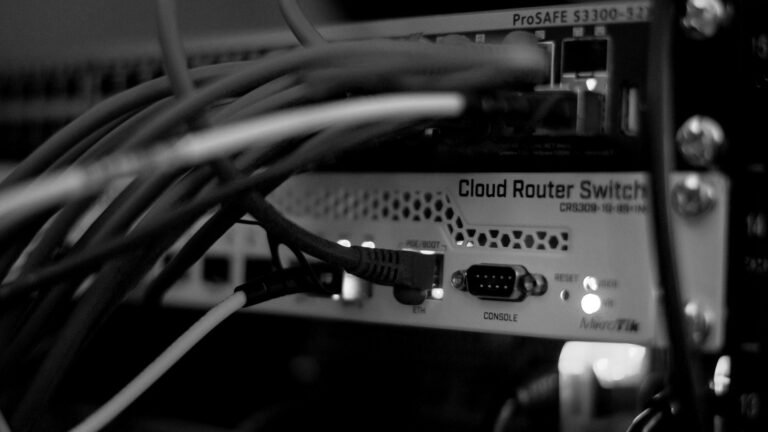
Cyber Law Compliance in Bangladesh 2026: A Business Checklist under the Cyber Security Act
All insights →
Who regulates submarine cable landing stations in Bangladesh?
Is a submarine cable landing affected by the 2025 telecom licensing reforms?
What is a landing party agreement?
Does data protection law apply to submarine cable operators?
How are submarine cable capacity payments taxed?
Can a foreign consortium member enforce an arbitration award in Bangladesh?
What protects a submarine cable from damage in Bangladeshi waters?
How can TRW help with a submarine cable project?
Plan your cable landing with legal clarity
Speak with the partners about submarine cable in Bangladesh or across borders.
Book a consultation →











