
Trade Finance and Letters of Credit in Bangladesh
We advise banks, importers, exporters, garment manufacturers, commodity traders and foreign suppliers on trade finance in Bangladesh: letters of credit, back-to-back and usance structures, guarantees and standby credits, export proceeds, Bangladesh Bank foreign exchange rules, discrepancies, fraud and payment disputes.

- Review the position
- Plan the strategy
- Act and negotiate
- Resolve and improve
Trade finance and letters of credit in Bangladesh
Bangladesh's economy runs on cross-border trade. Garment exporters import fabric and accessories against back-to-back letters of credit, food and fuel importers depend on bank credit lines to pay foreign suppliers, and commodity, steel and machinery buyers rely on documentary credits, guarantees and supplier finance. Trade finance is therefore one of the most practical areas of banking law in the country, and problems with documents, payment or foreign exchange quickly become commercial crises. We advise on these matters as part of our corporate and finance practice in Bangladesh, for banks and for their customers.
Letters of credit issued by Bangladeshi banks normally incorporate the ICC's Uniform Customs and Practice for Documentary Credits (UCP 600), with practice guided by the International Standard Banking Practice publication and, for electronic documents, the eUCP. Under UCP 600 banks deal with documents, not goods, and a complying presentation must be honoured regardless of disputes in the underlying sale contract. This principle of independence protects the beneficiary, but it also means importers must specify the required documents carefully, and exporters must prepare them precisely, because a single discrepancy can delay payment or allow a bank to refuse the presentation.
Every trade finance transaction in Bangladesh also sits within the foreign exchange framework. The Foreign Exchange Regulation Act 1947 and Bangladesh Bank's guidelines and circulars set rules for opening import LCs, margin requirements, deferred and usance payments, back-to-back arrangements for export-oriented industries, repatriation of export proceeds within the permitted period and reporting through authorised dealer banks. Rules change frequently in response to reserve pressures and policy decisions, so contracts and credit lines should be checked against the current circulars rather than past practice, especially for usance payable at sight structures and deferred payment terms. Older templates may no longer comply.
Trade finance also attracts close scrutiny for fraud and money laundering. Over- and under-invoicing, fictitious shipments, forged bills of lading and misuse of back-to-back facilities have led to criminal investigations, bank losses and regulatory action. Banks and their customers must handle sanctions screening, the Bangladesh Financial Intelligence Unit's reporting expectations and know-your-customer checks. When fraud is suspected, the remedies available, including the narrow fraud exception that may justify an injunction against payment under a credit, require fast, carefully evidenced action before the bank's payment obligation becomes final. Good trade finance controls reduce this risk.
We help clients structure trade finance facilities, negotiate LC terms and supplier contracts, review guarantees and standby letters of credit, and resolve discrepancy, non-payment and fraud disputes through negotiation, ICC expert procedures, Bangladeshi courts or arbitration. Our dispute resolution team acts in LC injunction applications, Artha Rin Adalat suits and criminal complaints connected with trade transactions. We work with counsel in the UK, Singapore, the UAE, India and China, where many counterparties are based. To discuss a live problem, contact our Dhaka office. Early contact, with the LC and bank correspondence to hand, helps us advise early.
Core workstreams
Four clear stages
- 01Review the position
- 02Plan the strategy
- 03Act and negotiate
- 04Resolve and improve
Talk to a partner
Consultations in Dhaka or by video. Scope, team and fees are agreed in writing first.
Book →How we help with trade finance and documentary credits

Facility structuring and documentation
- Review the position
- Plan the strategy
- Act and negotiate
- Resolve and improve
LC terms and sales contracts
- Review the position
- Plan the strategy
- Act and negotiate
- Resolve and improve
Back-to-back and export finance
- Review the position
- Plan the strategy
- Act and negotiate
- Resolve and improve
Guarantees and standby credits
- Review the position
- Plan the strategy
- Act and negotiate
- Resolve and improve
Discrepancies and payment disputes
- Review the position
- Plan the strategy
- Act and negotiate
- Resolve and improve
Fraud, compliance and investigations
- Review the position
- Plan the strategy
- Act and negotiate
- Resolve and improve
Facility structuring and documentation
We draft and review trade finance facility agreements, LC opening applications, trust receipts, hypothecation of goods, guarantees and security documents for banks and borrowers. We align terms with Bangladesh Bank rules on margins, usance and deferred payment, and with the borrower's actual trade cycle, so that facilities can be used when shipments need to be paid rather than renegotiated in a hurry. Clear trade finance terms reduce later disputes.
LC terms and sales contracts
We advise importers and exporters on the documents a letter of credit should require, the wording of conditions, expiry and presentation periods, Incoterms, inspection certificates and the link between the sales contract and the credit. Getting this right before the LC is issued avoids many discrepancies and gives the buyer appropriate protection without making the credit unworkable for the supplier. We also review draft amendments before they are accepted, since an unnoticed change can alter the buyer's protection.
Back-to-back and export finance
For export-oriented garment, textile and leather manufacturers we advise on back-to-back LCs, master LCs and export contracts, bonded warehouse links, pre-shipment and post-shipment finance, export bill discounting and repatriation of export proceeds. We also deal with buyers' cancellations, delayed payments and chargebacks, and the effect these have on the manufacturer's obligations to its own suppliers and banks. Each trade finance limit should match the export order book and the buyer's payment terms.
Guarantees and standby credits
We draft and review demand guarantees, performance bonds, advance payment guarantees and standby letters of credit governed by URDG 758, ISP98 or bespoke terms, and counter-guarantees issued by foreign banks. We advise beneficiaries on making compliant demands and applicants on challenging abusive calls, including injunction applications in the Bangladeshi courts where the facts support fraud. We also review counter-guarantee terms. Expiry and reduction clauses also matter.
Discrepancies and payment disputes
When a bank refuses documents or delays payment, we review the presentation against UCP 600 and ISBP, assess whether the refusal notice was timely and valid, and prepare responses to the issuing, confirming or nominated bank. Where negotiation does not resolve the issue, we consider ICC DOCDEX, litigation in Bangladesh or abroad, or arbitration under the underlying contract. We also advise on preserving rights. Strict deadlines apply to every response.
Fraud, compliance and investigations
We advise banks and companies on suspected trade-based fraud, forged documents and invoice manipulation, including internal reviews, asset preservation, reporting obligations and engagement with Bangladesh Bank, the Anti-Corruption Commission, BFIU or the police. We also review trade finance compliance policies, sanctions screening procedures and customer due diligence for importers and exporters with complex supply chains. Strong compliance protects banks and customers alike.
Partner-led, on every matter.
Corporate & Finance matters at TRW are led by partners, supported by associates, with one responsible lawyer from first advice to final outcome.
Meet the firm →


01Our bank refused payment under a letter of credit because of discrepancies. What can we do?
First, check whether the refusal notice was sent within five banking days following the day of presentation, stated that the bank refuses to honour, listed every discrepancy and said what the bank is doing with the documents, as UCP 600 requires. If the notice was late or defective, the bank may be precluded from claiming the documents do not comply. Next, assess whether each discrepancy is genuine under international standard banking practice. We prepare a reasoned response, explore whether the applicant will waive discrepancies, and advise on escalation or proceedings if the trade finance bank still refuses.
02Can a Bangladeshi court stop payment under a letter of credit or bank guarantee?
Only in narrow circumstances. Bangladeshi courts, like most trading jurisdictions, recognise that a letter of credit or demand guarantee is independent of the underlying contract, so a dispute about quality, delay or price is not normally a reason to stop payment. An injunction may be granted where there is clear evidence of established fraud known to the bank, or where irretrievable injustice would follow. Applications must be made quickly and supported by strong evidence. We assess the facts urgently and advise whether an application has realistic prospects. Bank correspondence and evidence of fraud should be gathered before filing.
03What Bangladesh Bank rules apply when we open an import letter of credit?
Import LCs must be opened through an authorised dealer bank in line with the Import Policy Order, the Foreign Exchange Regulation Act 1947 and Bangladesh Bank's foreign exchange guidelines and circulars. These cover matters such as permitted goods, LC margins for different categories, limits on deferred and usance payments, documentation, reporting and the bank's due diligence on pricing. Bangladesh Bank revises these rules frequently, particularly when reserves are under pressure. We review the current requirements for the transaction and help importers and their trade finance banks structure the credit to comply. Trade finance terms must reflect them.
04How do back-to-back letters of credit work for garment exporters in Bangladesh?
An exporter that receives a master export LC or contract from a foreign buyer can ask its bank to open back-to-back import LCs to buy fabric, yarn and accessories, using the export proceeds as the source of repayment. Bangladesh Bank sets rules on eligibility, value limits, usance periods and the bonded warehouse treatment of imported inputs. Problems arise when the foreign buyer delays, cancels or reduces an order, leaving the manufacturer liable on back-to-back LCs. We advise on contract terms, trade finance facility limits and negotiations with banks and buyers when orders change. Clear trade finance records help.
05What happens if export proceeds are not repatriated to Bangladesh on time?
Exporters must ensure that export proceeds are repatriated to Bangladesh through their bank within the period permitted under Bangladesh Bank rules, and banks monitor outstanding export bills. If proceeds are overdue, the exporter may face restrictions on new facilities, reporting to Bangladesh Bank and, in serious cases, investigation for possible capital flight. Legitimate reasons, such as buyer insolvency or a dispute, should be documented and reported. We help exporters gather evidence, communicate with their bank and pursue recovery against the foreign buyer through negotiation, collection or arbitration. Shipping documents, bank advices and buyer correspondence should be kept to explain delay.
06How can importers protect themselves against fraud in trade finance transactions?
Practical safeguards start before the LC is opened: verify the supplier, check pricing against the market, require independent inspection certificates and original transport documents from reputable carriers, and avoid documents that the beneficiary can issue alone. Banks should screen vessels, ports and counterparties for sanctions and red flags. If fraud is suspected after shipment, act immediately to preserve evidence, notify the bank and consider urgent legal action before the credit is honoured. We advise on contract and LC drafting, fraud investigations, injunction applications and criminal complaints when trade documents are forged or goods never shipped.
07Can a foreign supplier rely on trade finance from a Bangladeshi bank, such as a letter of credit?
A letter of credit is a binding undertaking of the issuing bank, and Bangladeshi banks issue many credits subject to UCP 600. Suppliers worried about country or bank risk can ask for the credit to be confirmed by an international bank, or use insurance, forfaiting or other risk mitigation. During periods of foreign currency shortage, payments under usance credits may be delayed even if documents comply. We advise foreign suppliers and confirming banks on payment delays and recovery options against Bangladeshi issuing banks and applicants. Usance tenors and payment dates should be agreed before the credit is opened.
08How are disputes between a bank and its customer over trade finance facilities resolved?
Banks and financial institutions recovering money from customers in Bangladesh usually sue in the Artha Rin Adalat, which has specific jurisdiction over loan recovery claims, including forced loans arising when a bank pays under an LC the customer cannot fund. Customers may dispute charges, interest or document handling. Disputes with foreign banks or counterparties may be resolved in foreign courts or by arbitration, depending on the contract. We represent banks and customers in these disputes, and in negotiated rescheduling where that is the more sensible commercial route. Facility letters, LC applications and account statements should be collected first.
From first call to resolution.
- 01
Review the position
We review the facility, LC or guarantee, the underlying contract, the documents presented and the correspondence, identify deadlines under UCP 600 or other rules, and advise on immediate steps to protect payment rights or prevent loss. Where a payment or presentation date is close, we deal with it first and leave wider questions for later.
- 02
Plan the strategy
We advise on the strongest route, whether amending documents, negotiating a waiver, responding to a refusal, seeking an injunction or preparing a claim, and explain the likely timing, costs and the risks each route carries. We confirm instructions in writing.
- 03
Act and negotiate
We prepare notices, responses and applications, engage with issuing, confirming and nominated banks, counterparties and regulators, and keep the trade finance relationship workable wherever possible while protecting the client's legal position. Every notice and response is sent within its deadline, with a written record of what each bank has said.
- 04
Resolve and improve
Once the issue is resolved by payment, settlement, judgment or award, we help update facility terms, LC templates, contracts and compliance procedures so that similar problems are less likely in future transactions. We also record what went wrong and agree who will check the revised templates before the next transaction.

“Demonstrates an extraordinary command over both domestic litigation and international arbitration.”
The Legal 500 Asia Pacific, Bangladesh: Dispute resolution, client feedback
Related reading.
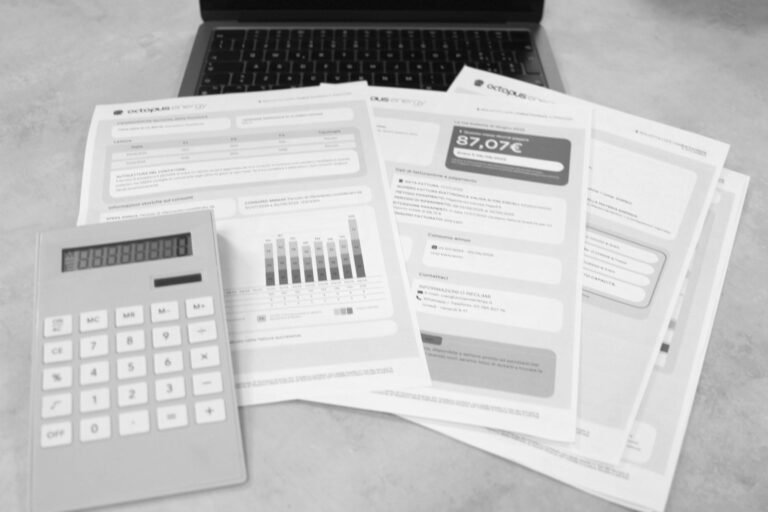
Letter of Credit in Bangladesh: Opening, Types, UCP 600, Recovery and Stopping Payment in 2026
Letter of Credit Disputes in Bangladesh: Legal Remedies for Importers and Exporters (2026)

Trade Finance in Bangladesh 2026: Export Proceeds, Commodity and Metals Trading
LC Fraud in Bangladesh 2026: Criminal Liability, Asset Tracing and Joint Agency Inquiries
All insights →
What is trade finance?
What is UCP 600?
What is the difference between a sight and a usance LC?
Is a letter of credit safer than a telegraphic transfer?
Can a Bangladeshi company borrow trade finance from a foreign bank?
What is a standby letter of credit?
How quickly must we act if we suspect LC fraud?
How do we start a trade finance matter with TRW?
Protect your trade payments and documents
Speak with the partners about trade finance in Bangladesh or across borders.
Book a consultation →











