
Project & Infrastructure Finance in Bangladesh
Infrastructure finance advice for sponsors, lenders, export credit agencies and contractors on power, renewable energy, ports, transport, water and industrial projects in Bangladesh: bankability of project contracts, foreign loan approvals, security packages, PPP interfaces and financial close, with continued support during construction and operation.

- Assess the project
- Prepare for lenders
- Negotiate and close
- Support the project
How infrastructure finance works for Bangladesh projects
Bangladesh needs large investment in power generation, renewable energy, transmission, ports, roads, bridges, water and industrial infrastructure, and much of it is funded through limited recourse or structured debt. Our infrastructure finance practice advises sponsors, commercial lenders, development finance institutions, export credit agencies, contractors and public counterparties on how projects with a Bangladesh asset are structured, documented and financed. We focus on bankability: whether the revenue stream, risk allocation, security and approvals will satisfy lenders, and whether the project can actually reach financial close on the promised timetable. Risk allocation is tested against the project and lender group.
Bankability starts with the project contracts. A power project relies on its power purchase agreement, implementation agreement and any government guarantee, a port or road project on its concession, and every project on its land rights, EPC contract, operation and maintenance arrangements and fuel or input supply. Lenders will test termination payments, change in law, force majeure, currency convertibility, tariff adjustment and dispute resolution. Earlier power contracts have been under public review since 2024, which has made lenders more attentive to contract robustness and to the approvals behind each document. We review those contracts from a lender's angle first.
Public-private partnership projects now sit within a changed institutional structure. The PPP Authority, BIDA and BEZA were merged into Invest Bangladesh under the Invest Bangladesh Act 2026, and the new body has operated since 23 August 2026. Projects in the PPP pipeline, economic zone projects and foreign-invested projects therefore deal with Invest Bangladesh on approvals, while BEPZA and the Hi-Tech Park Authority remain separate. We help sponsors and lenders understand which approvals carried over, what transitional questions remain, and how they affect conditions precedent in the finance documents. Infrastructure finance timetables should allow for this.
Foreign currency debt raises regulatory and tax questions. Foreign borrowing by the project company generally needs approval through the route involving Invest Bangladesh and Bangladesh Bank, and offshore accounts, hedging and payments to lenders need their own permissions. Withholding tax on interest paid to non-residents is now 10% under the Finance Act 2026, and tax incentives may apply to certain infrastructure sectors. The security package typically covers land rights, plant, project accounts, receivables, insurances, shares and project contracts, with direct agreements giving lenders step-in rights. Our corporate and finance practice coordinates these elements.
The infrastructure finance team is led by Barrister Tahmidur Rahman, whose practice covers transactions, finance, investment and international arbitration, with Barrister Remura Meheruba Mahbub advising on arbitration, banking and foreign investment. We work with lenders' and sponsors' counsel in the UK, US, UAE, China, India and Singapore, providing Bangladesh law advice, due diligence and opinions inside wider international teams. When construction or offtake disputes arise, our dispute resolution practice advises on claims, dispute boards and arbitration. To discuss a project, contact our Dhaka office with an outline. Infrastructure finance needs early planning, so contact us early.
Core workstreams
Four clear stages
- 01Assess the project
- 02Prepare for lenders
- 03Negotiate and close
- 04Support the project
Talk to a partner
Consultations in Dhaka or by video. Scope, team and fees are agreed in writing first.
Book →What we do on project and infrastructure finance

Bankability review
- Assess the project
- Prepare for lenders
- Negotiate and close
- Support the project
Finance documents
- Assess the project
- Prepare for lenders
- Negotiate and close
- Support the project
Approvals and regulatory interface
- Assess the project
- Prepare for lenders
- Negotiate and close
- Support the project
Security and direct agreements
- Assess the project
- Prepare for lenders
- Negotiate and close
- Support the project
Due diligence and opinions
- Assess the project
- Prepare for lenders
- Negotiate and close
- Support the project
Construction, refinancing and disputes
- Assess the project
- Prepare for lenders
- Negotiate and close
- Support the project
Bankability review
We review power purchase agreements, implementation agreements, concessions, land leases, EPC and O&M contracts, fuel and supply agreements and government support documents from the lenders' perspective. We report on termination and compensation, change in law, force majeure, tariff mechanics, currency risk, step-in rights and dispute resolution, and propose practical amendments that sponsors can negotiate with the public counterparty before financing begins. Bankability issues are ranked by importance so that negotiating effort goes where it matters most.
Finance documents
We advise on common terms agreements, facility agreements, ECA and DFI loan documents, intercreditor agreements, accounts agreements, hedging documents and equity contribution agreements, adapting international structures to Bangladesh law. We make sure the Bangladesh conditions precedent, representations and covenants reflect what can actually be delivered locally, and that approval conditions are reflected accurately. Infrastructure finance documents from other markets are adapted carefully rather than copied, with local steps clearly built in.
Approvals and regulatory interface
We identify and help obtain the approvals that infrastructure finance depends on: investment registration with Invest Bangladesh or BEPZA, foreign borrowing approval, offshore and escrow account permissions, tariff approvals from the energy regulator where relevant, environmental clearance and sector licences. We track conditions attached to each approval and how they affect drawdown and the security. Approval timelines are built into the infrastructure finance timetable from day one. Any change to an approval or condition is reported to the financing team as soon as it arises.
Security and direct agreements
We draft and perfect Bangladesh security over leasehold land, buildings, plant, project accounts, receivables, insurance proceeds and shares, and negotiate direct agreements with offtakers, contracting authorities and contractors. We handle stamping, registration with the sub-registry and RJSC, and the role of onshore security agents, so that lenders hold a security package they can enforce. Consents from public landlords are planned early, because they often take the longest to obtain. Perfection is confirmed in writing.
Due diligence and opinions
We carry out legal due diligence on the project company, sponsors, land rights, permits, project contracts and litigation, and report in a format that lenders' technical, insurance and model advisers can use. We deliver Bangladesh law opinions on capacity, enforceability, choice of law, security, stamp duty and recognition of foreign judgments and arbitral awards at financial close. Findings are presented clearly, with recommended solutions rather than lists of problems. Opinions are drafted to match the lenders' requirements and the final form of the finance documents.
Construction, refinancing and disputes
After financial close we advise on drawdown conditions, variations, delay and cost overrun claims, insurance claims, waivers and amendments. We support refinancing, bond or sukuk take-outs and sell-downs of lender participations, and act in disputes under EPC contracts, offtake agreements and concessions, including dispute board proceedings, arbitration and enforcement in Bangladesh. Our aim throughout is to protect the project and the lenders' security while issues are resolved. We keep a clear record of notices, instructions and decisions so that claims can be proved later.
Partner-led, on every matter.
Corporate & Finance matters at TRW are led by partners, supported by associates, with one responsible lawyer from first advice to final outcome.
Meet the firm →



01What makes a Bangladesh project bankable for infrastructure finance?
Lenders look for a reliable revenue stream from a creditworthy offtaker or concession, clear and enforceable project contracts, secure land rights, a fixed-price and date-certain construction contract with a capable contractor, adequate insurance, the necessary approvals and a security package they can enforce. Termination payments, currency convertibility, change in law protection and international arbitration are especially important for foreign lenders. Government support, such as guarantees or letters of comfort, can be decisive. We review each element early and tell sponsors which points will cause difficulty in infrastructure finance negotiations. Early review lets sponsors fix gaps before lenders' advisers do.
02How has the creation of Invest Bangladesh affected PPP projects?
Under the Invest Bangladesh Act 2026, the PPP Authority was merged with BIDA and BEZA into Invest Bangladesh, which has operated since 23 August 2026. PPP projects in the pipeline now deal with the new body, alongside the relevant line ministries and contracting authorities. Many practical questions concern transitional arrangements: how earlier approvals, procurement steps and viability gap funding decisions carry over, and which forms and procedures now apply. We review each project's approval history and help sponsors and lenders update conditions precedent and representations to reflect the new structure accurately, which gives lenders certainty about the counterparty.
03Do foreign lenders need approval to lend to a Bangladesh project company?
Generally yes. A foreign currency loan to a Bangladeshi project company normally needs approval through the foreign borrowing route involving Invest Bangladesh and Bangladesh Bank, which will review the lender, amount, pricing, tenor and tenor. Export credit agency and multilateral loans follow the same broad framework, although some government-backed projects follow different routes. Offshore accounts and hedging may need separate permissions. We prepare applications, align the finance documents with the approval, and plan the timetable so that approval does not delay financial close. Infrastructure finance timetables depend on it. File as soon as the main terms are settled.
04What security do infrastructure finance lenders usually take in Bangladesh?
Lenders typically take a mortgage or charge over the project company's interest in land, which is often leasehold from a public authority and may need its consent, hypothecation of plant, equipment and receivables, charges over project accounts, assignment of project contracts and insurance proceeds, and a pledge of the sponsors' shares. Direct agreements with the offtaker, contracting authority and EPC contractor give lenders notice and step-in rights. Security is registered and filed with the RJSC. We design the package with the lenders' counsel so that it is complete and enforceable. A missing consent or registration can weaken the security.
05How are currency and convertibility risks handled?
Many Bangladesh infrastructure projects earn revenue in taka but borrow in foreign currency, so lenders look for tariff indexation to foreign currency, government assurances on convertibility and transfer, and access to foreign exchange through the banking system. Pressure on foreign reserves in recent years has made these points more sensitive. Political risk insurance and multilateral participation can reduce risk. Hedging options in the local market are limited. We review the contractual and regulatory protections available for the project and how they are reflected in the finance documents and the approval. Infrastructure finance lenders weigh these points heavily.
06Can Islamic finance or sukuk be used for infrastructure finance?
Yes. Islamic banks in Bangladesh provide substantial project and corporate finance, and Shariah-compliant structures such as ijarah, musharakah and istisna can be used for construction and operation phases. The government has issued sukuk to fund infrastructure, and corporate sukuk can be issued under the securities rules with BSEC approval. Islamic tranches can sit alongside conventional debt under a common intercreditor framework. We advise on structuring, Shariah and regulatory approvals, documentation and how Islamic and conventional lenders share security and enforcement rights. Infrastructure finance in Islamic form is growing steadily. Structures must be agreed early.
07What role do export credit agencies and multilaterals play?
Export credit agencies support loans linked to equipment and services from their home countries, and multilateral and bilateral development banks provide long-tenor loans, guarantees and political risk cover. Their participation often makes commercial lenders more comfortable and can improve pricing and tenor. Each brings its own policies on environment, social standards, procurement and sanctions, which affect project documents and conditions precedent. We act as Bangladesh counsel in ECA and DFI-backed infrastructure finance, aligning local law steps with the agencies' requirements and timetables. Their policies shape the documents significantly. We coordinate closely with agency counsel.
08What happens if construction is delayed or a project contract is disputed?
Delays and disputes are common in large projects. The finance documents set out what lenders can require, including cure periods, revised schedules, additional equity and, in serious cases, step-in or enforcement. The EPC contract and concession decide claims for extension of time, delay damages and compensation, often through dispute boards and arbitration. Early legal input preserves claims and lender support. We advise sponsors and lenders on rights under each document, negotiate waivers and amendments, and act in dispute proceedings while keeping the financing intact. Notify lenders and counterparties in line with the contract deadlines. Records must be kept carefully.
From first call to resolution.
- 01
Assess the project
We review the project concept, sponsors, site, revenue arrangements, key contracts and approvals already obtained, and identify the main bankability, regulatory and security issues lenders are likely to raise. We then agree a realistic infrastructure finance timetable with the sponsors. Issues are ranked by their effect on the timetable and on lender appetite.
- 02
Prepare for lenders
We advise on amendments to project contracts, plan approvals and land steps, carry out legal due diligence, and help sponsors prepare an information package that answers lenders' questions before they ask them. This saves time and builds lender confidence.
- 03
Negotiate and close
We negotiate or review the finance and security documents, obtain foreign borrowing and account approvals, coordinate signing, stamping and registrations, and deliver Bangladesh law opinions for financial close. Conditions are tracked to completion in a shared checklist so that signing and first drawdown are not delayed.
- 04
Support the project
During construction and operation we advise on drawdowns, variations, claims, waivers, refinancing and disputes, keeping the security package and approvals current and helping the project reach and sustain commercial operation. Our support continues for the life of the loan. We also keep lenders informed of covenant tests and reporting dates.

“Demonstrates an extraordinary command over both domestic litigation and international arbitration.”
The Legal 500 Asia Pacific, Bangladesh: Dispute resolution, client feedback
Related reading.
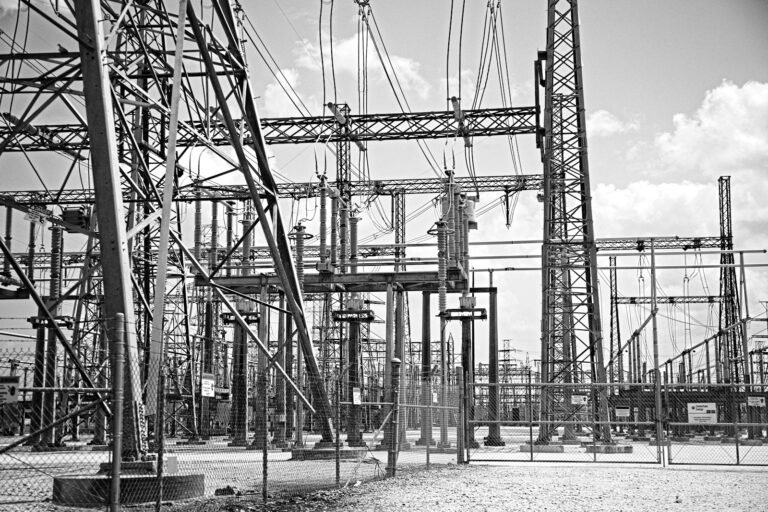
Project Finance in Bangladesh: Legal Structure and Key Agreements (2026)

Infrastructure Projects in Bangladesh: G2G, PPP and Project Development Law
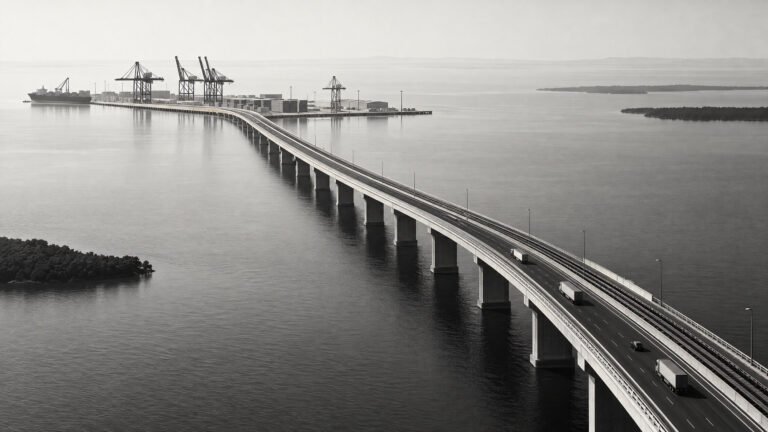
PPP Projects in Bangladesh: a legal and commercial guide

EPC Contracts in Bangladesh (2026): FIDIC, O&M, G2G Projects and Contractor Debarment
All insights →
What is infrastructure finance?
Which sectors use project finance in Bangladesh?
Is a government guarantee needed for infrastructure finance?
How long does it take to reach financial close?
Can renewable energy projects be financed in Bangladesh?
How are infrastructure finance disputes usually resolved?
Do you advise public authorities as well as private parties?
How do we start an infrastructure finance matter with TRW?
Take your Bangladesh project to financial close
Speak with the partners about Infrastructure finance in Bangladesh or across borders.
Book a consultation →











