
Anti-terrorism case in Bangladesh: the full journey, step by step
An anti-terrorism case in Bangladesh is a prosecution under the Anti-Terrorism Act 2009, as amended in 2012, 2013 and 2026, for terrorist activity, terrorist financing, or membership of or support for a banned entity.
The police must inform the District Magistrate when the case is lodged, no court can take cognizance without the Government's sanction, bail is tightly restricted, and the trial takes place before an Anti-Terrorism Special Tribunal or a Sessions Judge. Appeals from a Special Tribunal lie to the High Court Division within 30 days, and death sentences need its confirmation.
- Where it starts
- Police station or counter-terrorism unit where the case is lodged, with notice to the District Magistrate; first…
- Main law
- Anti-Terrorism Act 2009 (Act 16 of 2009), as amended by Acts 6 of 2012, 22 of 2013 and 28 of 2026 (which re-enacted the…
- Typical duration
- Investigation: 60 to 120 days by law, often longer. Tribunal trial: 6 to 12 months by law, often 2 to 6 years in…
- Who can file
- The case is lodged by the police or another law-enforcement agency; the State prosecutes through a public prosecutor…
Anti-terrorism case in Bangladesh: walk through every stage
Press next, use your arrow keys or tap a court on the map. The gold marker shows where your case is, and the green trail shows the route it has taken. For the immersive version, play it full screen.
Read every step as text
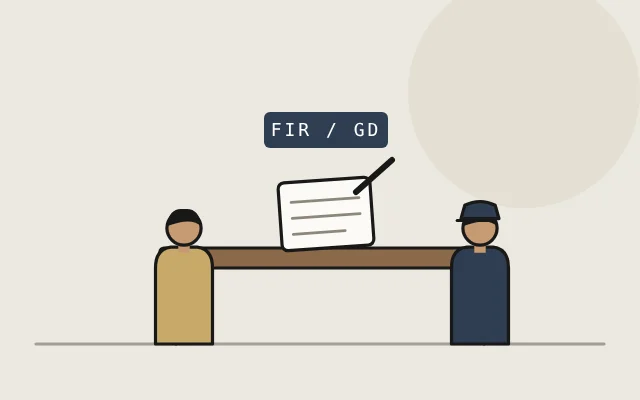 Step 1 · Case lodged and arrest
Case lodged with notice to the District Magistrate
All offences under the Anti-Terrorism Act 2009 are cognizable and non-bailable. When an offence is committed, the police officer must lodge the case and start the investigation, informing the District Magistrate immediately. The Act covers terrorist activity, such as killing, injuring, abducting or damaging property to spread panic and coerce the Government or endanger national integrity, security or sovereignty, or using explosives or firearms for those ends. It also covers terrorist financing, membership of a banned entity, supporting a banned entity, conspiracy, attempt, abetment, instigation and harbouring.
Where: Police station or counter-terrorism unit · Time: Same day · Law: s.39(1)-(2) Anti-Terrorism Act 2009; s.40(1) Anti-Terrorism Act 2009; ss.6-14 Anti-Terrorism Act 2009; s.154 CrPC · Documents: FIR, Notice to the District Magistrate
Tip: Obtain a certified copy of the FIR quickly. The sections cited, especially s.6 versus s.8 or s.9, drive bail, sentence and how hard the case will be.
 Step 2 · Case lodged and arrest
Arrest, search and seizure
Arrests usually follow raids by counter-terrorism units or intelligence-led operations. Searches and seizures follow the CrPC, and seizure lists should be signed by independent witnesses. Phones and computers are seized for their messages and files. The Act makes conversations, still images and videos from Facebook, Skype, Twitter or any other internet medium used by a terrorist person or entity admissible in evidence when produced by the police or a law-enforcement agency, notwithstanding the Evidence Act. Leaflets, books and digital material are often listed as evidence of support for a banned entity.
Where: Police station or counter-terrorism unit · Time: Hours · Law: s.21(3) Anti-Terrorism Act 2009; s.103 CrPC; s.54 CrPC · Documents: Arrest memo, Seizure list, Device list
Tip: Note the exact time and place of arrest. Production in court long after the arrest time is a recurring issue and should be raised immediately.
 Step 3 · Custody, statements and bail
Production and remand
The accused must be produced before a Magistrate within 24 hours. The Act lets the investigating officer seek police remand, but the total cannot exceed ten days, with a further five days only if the officer satisfies the Magistrate that more evidence may be obtained. The general CrPC cap of fifteen days in total, introduced by the CrPC (Amendment) Act 2026 with effect from 10 August 2025, points the same way. The Magistrate should examine the case diary before allowing any remand. The defence should oppose remand, seek a medical examination and request lawyer access.
Where: Chief Metropolitan Magistrate Court, Dhaka · Time: Within 24 hours of arrest · Law: s.26(1)-(2) Anti-Terrorism Act 2009; s.167 CrPC (as amended 2026); s.61 CrPC; Article 33 Constitution · Documents: Forwarding report, Remand petition, Medical report
Tip: Keep a running count of remand days across all cases. Remand beyond the statutory total can be challenged in the High Court Division.
 Step 4 · Custody, statements and bail
Witness statements and confessions
The Act allows witnesses who can write to give their statements to the police or a Magistrate in their own handwriting, signed by them. When a Magistrate records a confession from an accused who is able and willing to write, the Magistrate must allow the accused to write it in their own hand. Confessions are often central in an anti-terrorism case in Bangladesh, and are frequently retracted later. The defence should check the time spent on remand before the confession and whether the Magistrate followed the s.164 safeguards.
Where: Chief Metropolitan Magistrate Court, Dhaka · Time: During investigation · Law: s.21(1)-(2) Anti-Terrorism Act 2009; s.22 Anti-Terrorism Act 2009; s.23 Anti-Terrorism Act 2009; s.164 CrPC · Documents: Handwritten statements, Confession and Magistrate's certificate
Tip: If a confession is retracted, file the retraction petition promptly and in writing. Late retractions carry less weight.
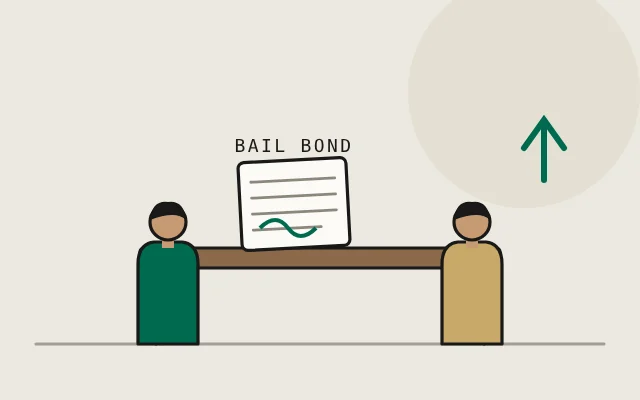 Step 5 · Custody, statements and bail
Bail under the strict s.32 test
Bail is the hardest stage. No Magistrate or judge may release a person accused under the Act unless the State has been heard and the court is satisfied, for reasons it records in writing, that there are reasonable grounds to believe the accused may not be found guilty. Magistrates rarely grant bail, so most applications go to the Tribunal and then the High Court Division. Courts look at the strength of the evidence actually linking the accused, the time in custody, delays and the accused's age and health.
Where: Chief Metropolitan Magistrate Court, Dhaka · Time: Months to years · Law: s.32 Anti-Terrorism Act 2009; s.39(2) Anti-Terrorism Act 2009; s.497 CrPC; s.498 CrPC · Documents: Bail petition, FIR and charge sheet, Medical papers if ill, Surety NIDs
Tip: Show what the evidence does not prove, for example that leaflets or online posts do not show membership of a banned entity. General hardship rarely persuades.
 Step 6 · Investigation, freezing and sanction
Investigation within fixed limits
The investigation must be completed within sixty days of the FIR. The officer can extend it by up to thirty days by recording reasons in the case diary, and by another thirty days with the written approval of the Superintendent of Police or, in a metropolitan area, the Deputy Commissioner of Police. These limits do not apply where evidence must be collected from abroad. A late police report is not barred where the offender could not be identified or an expert report was outside the officer's control.
Unexplained delay exposes the officer to a negligence charge.
Where: Police station or counter-terrorism unit · Time: 60-120 days by law; often longer · Law: s.24(1)-(4) Anti-Terrorism Act 2009; s.25 Anti-Terrorism Act 2009 · Documents: Case diary, Extension orders
Tip: Track the extension orders. Investigation that runs past 120 days without a lawful extension supports bail.
 Step 7 · Investigation, freezing and sanction
Freezing bank accounts
Bangladesh Bank, acting through the Bangladesh Financial Intelligence Unit (BFIU), can order a bank or other reporting organisation to suspend or freeze transactions in an account for up to 30 days where there are reasonable grounds to suspect a link to terrorist activity. It can extend the freeze by 30 days at a time, up to six months. Investigators can see bank records with an order of a court or the Special Tribunal, or with Bangladesh Bank's approval. Reporting organisations must report suspicious transactions and take preventive measures.
Where: Bangladesh Financial Intelligence Unit · Time: 30 days to 6 months · Law: s.15(1)(b) Anti-Terrorism Act 2009; s.15(5) Anti-Terrorism Act 2009; s.15(7) Anti-Terrorism Act 2009; s.16 Anti-Terrorism Act 2009 · Documents: Freeze order, Bank statements, Suspicious transaction reports
Tip: A family member whose account is frozen should gather documents showing the lawful source of the money and apply promptly for release.
- Step 8 · Investigation, freezing and sanction
Seizure or attachment of terrorist property
If the investigating officer believes property is proceeds of terrorism, the officer must apply in writing to the District Magistrate of the district where it lies for permission to seize it, or to attach it where seizure is impractical. Mixed property can be seized up to the tainted value, or in full if that cannot be measured. The Government must be informed within 48 hours and must approve or cancel the order within 60 working days, after giving the owner a chance to be heard. The order lasts until the police report is filed.
Where: Police station or counter-terrorism unit · Time: Up to 60 working days for approval · Law: s.23A(1)-(4) Anti-Terrorism Act 2009 · Documents: Seizure or attachment order, Owner's written reply
Tip: Use the hearing before Government approval. Purchase deeds, tax returns and bank records are the best answer to a proceeds-of-terrorism claim.
 Step 9 · Investigation, freezing and sanction
Government sanction
No court can take cognizance of any offence under the Anti-Terrorism Act without the Government's prior sanction. After the investigation, the police send the charge sheet and papers through the Ministry of Home Affairs, which decides whether to sanction prosecution. The sanction order should show that the papers were considered. Without a valid sanction, cognizance is defective, and this can be raised before the Tribunal or the High Court Division. A final report, if the allegation is not supported, ends the case unless the court orders further investigation.
Where: Ministry of Home Affairs (sanction and banning) · Time: 1-6 months · Law: s.40(2) Anti-Terrorism Act 2009; s.173 CrPC · Documents: Charge sheet, Sanction order
Tip: Ask for a copy of the sanction order. Check its date against the date of cognizance and whether it covers every accused and section.
 Step 10 · Tribunal trial
Which court tries the case
The Government can set up Anti-Terrorism Special Tribunals by gazette notification, each with a Sessions Judge or Additional Sessions Judge appointed in consultation with the Supreme Court. A tribunal can have jurisdiction over the whole country or one or more sessions divisions, and tries only Anti-Terrorism Act cases. Until a tribunal is set up, or where cases are not transferred to it, the Sessions Judge or an Additional Sessions Judge tries them. Before evidence closes, the Government can transfer a case between a Sessions court and a tribunal for reasonable cause.
Where: Anti-Terrorism Special Tribunal, Dhaka (or Sessions Judge) · Time: 1-4 weeks · Law: s.27(1)-(3) Anti-Terrorism Act 2009; s.28(1)-(6) Anti-Terrorism Act 2009; s.41 Anti-Terrorism Act 2009 · Documents: Gazette notification, Transfer order
Tip: Check whether a transfer order under s.41 was made before evidence closed. A late transfer can be challenged.
 Step 11 · Tribunal trial
Cognizance and framing of charge
The Tribunal takes cognizance only on the written report of a police officer of at least Sub-Inspector rank and with the Government's sanction. It follows the Sessions trial procedure in Chapter XXIII of the CrPC so far as consistent with the Act, and has all the powers of a Court of Session. It hears both sides and either discharges the accused for lack of sufficient ground or frames a charge. On application or on its own motion, it can direct further investigation and set a time for the report.
Where: Anti-Terrorism Special Tribunal, Dhaka (or Sessions Judge) · Time: 1-3 months · Law: s.29(1)-(2) Anti-Terrorism Act 2009; s.29(6) Anti-Terrorism Act 2009; s.30 Anti-Terrorism Act 2009; s.265C CrPC; s.265D CrPC · Documents: Discharge petition, Charge
Tip: At discharge stage, separate each accused's role. Charge sheets often group many accused without individual evidence.
 Step 12 · Tribunal trial
Trial deadlines and trial in absence
The Tribunal must finish the trial within six months of framing the charge. It can extend that by three months with recorded reasons, and then by three months more after informing the High Court Division and the Government. It must not adjourn without recorded reasons unless justice requires it. An absconding accused can be tried in absence after an order published in two Bengali dailies, and one who absconds after appearing or after bail is tried in absence without that notice. A new judge need not rehear witnesses already examined.
Where: Anti-Terrorism Special Tribunal, Dhaka (or Sessions Judge) · Time: 6-12 months by law; often years · Law: s.33(1)-(3) Anti-Terrorism Act 2009; s.29(3)-(5) Anti-Terrorism Act 2009; s.28(5) Anti-Terrorism Act 2009 · Documents: Order sheets, Newspaper publication order
Tip: An accused tried in absence should surrender and seek to participate as soon as possible, before the evidence closes.
 Step 13 · Tribunal trial
Evidence and defence
The prosecution calls the raiding officers, seizure witnesses, the Magistrate who recorded any confession, forensic and digital experts and the investigating officer, and produces devices and online material. The defence cross-examines on the arrest, the confession, the chain of custody and whether online content was really authored by the accused. After the prosecution closes, the accused is examined under s.342 and may call defence witnesses. In an anti-terrorism case in Bangladesh, the court must assess each accused's role separately, especially where many are charged together.
Where: Anti-Terrorism Special Tribunal, Dhaka (or Sessions Judge) · Time: 1-4 years in practice · Law: s.21(3) Anti-Terrorism Act 2009; s.265F CrPC; s.342 CrPC; s.265H CrPC · Documents: Exhibits and devices, Confession, Digital forensic reports
Tip: Challenge attribution of online material: shared devices, hacked accounts and screenshots without forensic support are common weaknesses.
 Step 14 · Judgment and confiscation
Judgment, sentence and confiscation
Sentences depend on the offence. Killing, grievous injury, detention or abduction as terrorist activity carries death or life imprisonment; most other terrorist activity carries life or four to fourteen years. Terrorist financing carries four to twenty years. Membership of a banned entity carries up to six months or a fine, and supporting one two to seven years. Conspiracy, attempt and abetment carry fractions of the main penalty. The court can confiscate property it finds derived from terrorism after a show-cause notice, but must return any share belonging to innocent third parties.
Where: Anti-Terrorism Special Tribunal, Dhaka (or Sessions Judge) · Time: 1-4 weeks after arguments · Law: s.6(2)-(4) Anti-Terrorism Act 2009; s.7 Anti-Terrorism Act 2009; s.8 Anti-Terrorism Act 2009; s.9(3) Anti-Terrorism Act 2009; ss.10-12 Anti-Terrorism Act 2009; ss.35-36 Anti-Terrorism Act 2009 · Documents: Judgment, Show-cause notice and reply, Confiscation order
Tip: Apply for the certified copy immediately. Both the 30-day criminal appeal and the one-month confiscation appeal run from the order.
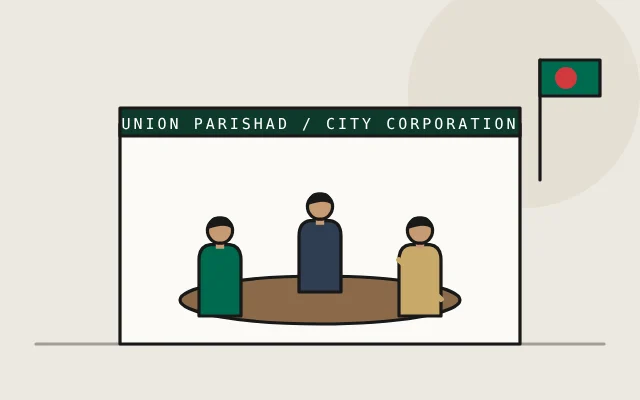 Step 15 · Banning and listing
Banned entities and listed persons
Separately from any trial, the Government can, on reasonable grounds that a person or entity is involved in terrorist activity, list the person, ban and list the entity, or since 2025 ban all of an entity's activities, by gazette notification. Banned entities appear in the Act's schedule. The Government must then close offices, freeze accounts and property, restrict members' travel abroad, seize publicity material, and prohibit press statements, online and social media campaigns, processions, meetings, press conferences and public speeches by or for the entity. These powers were re-enacted by Act 28 of 2026.
Where: Ministry of Home Affairs (sanction and banning) · Time: Immediate on notification · Law: s.18(1)-(2) Anti-Terrorism Act 2009 (as amended 2026); s.20(1)-(3) Anti-Terrorism Act 2009 (as amended 2026); s.20A Anti-Terrorism Act 2009 · Documents: Gazette notification, Freeze and closure orders
Tip: Members and supporters should take advice before attending any event or posting online about a banned entity, because supporting it is a separate offence under s.9.
Walk through it from your side
Pick your side. The step-by-step journey above and the full-screen player will then show what you do at every stage.
State / prosecution
The prosecution wants to prove the specific offence charged against each accused, with lawful evidence obtained within the Act's time limits and with valid Government sanction. It must link each person individually to the acts, money or entity alleged. Its biggest risk is defective procedure, such as missing sanction, excessive remand or a confession that fails the s.164 safeguards, and grouping many accused without individual evidence.
Case lodged with notice to the District Magistrate
The police lodge the case, inform the District Magistrate immediately and start the investigation, citing the specific sections that fit the facts. Victims of an attack give their statements and medical records to the police.
Watch outCiting s.6 where the facts show at most s.8 or s.9 invites early challenge.
Arrest, search and seizure
The raiding team conducts the search under the CrPC with independent seizure witnesses, lists every device and document seized, and preserves digital material so that online content can later be attributed to a particular person.
Watch outSeizure lists signed only by officers or police sources are open to attack.
Production and remand
The investigating officer applies to the Magistrate for remand with specific grounds shown in the case diary. Under the Act remand cannot exceed ten days in total, with five more only on showing that further evidence may be obtained.
Watch outRemand beyond the statutory total risks evidence being excluded and orders being set aside.
Witness statements and confessions
The police and Magistrate record witness statements, in the witness's own handwriting where they can write. Any confession is recorded by a Magistrate under s.164 with the safeguards, and in the accused's own hand if they are able and willing to write.
Bail under the strict s.32 test
The Public Prosecutor opposes bail and points to the evidence against the particular accused. Under s.32, the court cannot release the accused unless the State has been heard and the court records reasons for believing the accused may not be found guilty.
Investigation within fixed limits
The investigating officer completes the investigation within 60 days, extending it by up to 30 days with reasons in the case diary and 30 more with the written approval of the Superintendent of Police or Deputy Commissioner of Police.
Watch outUnexplained delay can expose the officer to a negligence charge.
Freezing bank accounts
The BFIU, acting for Bangladesh Bank, can order a bank to freeze an account for up to 30 days on reasonable suspicion of a terrorist link, extending it 30 days at a time to six months. Investigators obtain bank records by court order or with Bangladesh Bank's approval.
Seizure or attachment of terrorist property
If the investigating officer believes property is proceeds of terrorism, the officer applies in writing to the District Magistrate for permission to seize or attach it. The Government must be informed within 48 hours and decide within 60 working days after hearing the owner.
Government sanction
The police send the charge sheet and papers to the Government, which considers them and decides whether to sanction prosecution for each accused and section. The sanction order should show the papers were considered.
Watch outCognizance without valid prior sanction is a defect that can sink the prosecution.
Which court tries the case
The case goes to the Anti-Terrorism Special Tribunal with jurisdiction or, where no tribunal has it, the Sessions Judge. The Government can transfer a case between a Sessions court and a tribunal for reasonable cause before evidence closes.
Cognizance and framing of charge
The Public Prosecutor asks the Tribunal to frame charges on the police report and sanction, setting out each accused's role. The PP can ask for further investigation if gaps emerge.
Trial deadlines and trial in absence
The Public Prosecutor works to the six-month trial deadline from charge framing, with the permitted extensions, ensures witnesses attend and seeks trial in absence against absconding accused after the required newspaper notice.
Watch outRepeated adjournments for prosecution witnesses waste the statutory time and support bail.
Evidence and defence
The prosecution calls the raiding officers, seizure witnesses, the Magistrate who recorded any confession, forensic and digital experts and the investigating officer, and produces devices and online material. Victims give evidence of what happened to them.
Judgment, sentence and confiscation
The Public Prosecutor asks for confiscation of property found to be derived from terrorism, after a show-cause notice. If an accused is acquitted, the State considers whether to appeal within the time allowed.
Banned entities and listed persons
The Government lists persons or bans entities, or bans all of an entity's activities, by gazette notification on reasonable grounds of involvement in terrorist activity, and then enforces the consequences set out in s.20.
Accused
You want release on bail, a fair trial that looks at your own role and, if the evidence does not prove it, an acquittal; and the return of frozen or seized property. You must challenge weak attribution, unlawful procedure and missing sanction promptly. Your biggest risk is long custody under the strict s.32 bail test, and creating new evidence, for example by posting in support of a banned entity.
Case lodged with notice to the District Magistrate
If you learn that a case names you or a relative, you contact a criminal lawyer at once and obtain a certified copy of the FIR. Your lawyer checks which sections are alleged, since s.6, s.8 and s.9 differ greatly in sentence and bail prospects.
Watch outDo not post, share or comment online about a banned entity while the case is pending.
Arrest, search and seizure
The family records the exact time and place of arrest and which agency made it. Your lawyer obtains the seizure list and notes which devices were taken and who else had access to them.
Watch outProduction in court long after the arrest time should be raised immediately before the Magistrate.
Production and remand
Your lawyer opposes remand, asks for a medical examination and lawyer access, and keeps a running count of remand days across all cases against you. Any remand beyond the statutory total can be challenged in the High Court Division.
Watch outKeep the count yourself; remand in connected cases is easy to lose track of.
Witness statements and confessions
If you are produced to make a confession, remember it must be voluntary; you can tell the Magistrate about any pressure or ill-treatment. If you made a confession you wish to withdraw, your lawyer files a written retraction petition promptly.
Watch outLate retractions carry much less weight; note the dates of remand and confession.
Bail under the strict s.32 test
Your lawyer applies for bail first in the lower court and, if refused, in the High Court Division, showing what the evidence does not prove, for example that leaflets or posts do not show membership, and stressing time in custody, delay, age and health.
Watch outGeneral hardship rarely persuades under s.32; focus on gaps in the evidence against you.
Investigation within fixed limits
Your lawyer tracks the extension orders and raises any investigation running past 120 days without a lawful extension in bail applications. You can give the officer documents supporting your account.
Watch outThese limits do not apply where evidence must be collected from abroad; check whether that has been claimed.
Freezing bank accounts
If your account or a relative's is frozen, you gather documents showing the lawful source of the money, such as salary records, business accounts and tax returns, and your lawyer applies promptly for release.
Watch outA freeze can run for six months; delay in objecting makes release harder.
Seizure or attachment of terrorist property
You use the hearing before the Government's decision, producing purchase deeds, tax returns and bank records that show the property's lawful origin. If the property is mixed, show which part is untainted.
Watch outMissing the hearing can mean the seizure is approved without your evidence being considered.
Government sanction
Your lawyer obtains a copy of the sanction order and checks its date against the date of cognizance, and whether it covers every accused and every section. If a final report is filed in your favour, keep a certified copy.
Watch outRaise any missing or defective sanction at the earliest opportunity, before the Tribunal or by quashing in the High Court Division.
Which court tries the case
Your lawyer confirms which court has the case and checks any transfer order, since a transfer under s.41 must be made before evidence closes. Note the court and case number and attend every date.
Watch outA transfer made after evidence closed can be challenged.
Cognizance and framing of charge
Your lawyer applies for discharge, separating your role from the others in the charge sheet and showing where the evidence against you individually is lacking. If a charge is framed, you plead and the case proceeds to trial.
Watch outIf discharge is refused, consider prompt revision in the High Court Division.
Trial deadlines and trial in absence
You attend every date. If you were tried in absence, you surrender through your lawyer and seek to participate as soon as possible, before the evidence closes. Your lawyer keeps track of the trial deadline and the extensions recorded.
Watch outAbsconding after appearing or after bail lets the Tribunal try you in absence without newspaper notice.
Evidence and defence
Your lawyer cross-examines on the arrest, the confession, the chain of custody and whether online content was really authored by you. You answer the court's questions under s.342 and may call defence witnesses. Insist that the court assess your role separately.
Watch outScreenshots without forensic support, shared devices and hacked accounts are common weaknesses; prepare specifics.
Judgment, sentence and confiscation
You apply for the certified copy immediately. If convicted, your lawyer files an appeal to the High Court Division within 30 days from a Special Tribunal, and a separate appeal against any confiscation order within one month. Innocent third parties should claim their share of confiscated property.
Watch outThe 30-day criminal appeal and one-month confiscation appeal run separately; diarise both.
Banned entities and listed persons
If your organisation is banned or you are listed, you take advice before attending any event or posting online about it, and consider applying to the Government for review within thirty days, then appealing to the High Court Division if review is refused.
Watch outSupporting a banned entity is a separate offence under s.9, so be careful with any public activity.
What if…? How the anti-terrorism case in Bangladesh can change course
Choose a scenario. The map animates the route up the hierarchy and, where a case is sent back, down to the lower court and up again.
What if the convicted person appeals?
- 1High Court Division
Appeal to the High Court Division within 30 days
An appeal against any order, judgment or sentence of an Anti-Terrorism Special Tribunal lies to the High Court Division within thirty days. Where a Sessions Judge tried the case under s.27, the appeal also goes to the High Court Division, but under the CrPC and within the ordinary 60-day period of the Limitation Act. The appeal is a full rehearing on facts and law, and bail pending appeal is sought separately.
2-6 yearss.31(1) Anti-Terrorism Act 2009s.410 CrPCs.426 CrPCArticle 155 Limitation Act 1908 - 2High Court Division
Appeal against confiscation
A person aggrieved by a confiscation order under s.35 can appeal to the High Court Division within one month of receiving it. If the order is set aside, or the person is acquitted, the property must be returned, or its value paid with reasonable interest if it cannot be returned.
1-3 yearss.37(1)-(2) Anti-Terrorism Act 2009
Where it ends up: The High Court Division's judgment replaces the Tribunal's, and a further challenge lies only to the Appellate Division.
What if a party challenges cognizance, a charge or an interim order?
- 1High Court Division
Revision in the High Court Division
Interim orders of the Tribunal, such as framing a charge, refusing discharge or allowing a late transfer, are challenged by criminal revision in the High Court Division, because the Tribunal has Court of Session powers.
6-24 monthss.439 CrPCs.30(1) Anti-Terrorism Act 2009 - 2High Court Division
Quashing for missing sanction or abuse
The High Court Division can quash proceedings that are an abuse of process, for example where cognizance was taken without the Government's sanction or the facts alleged disclose no offence under the Act. It also hears most bail applications in these cases.
1-12 monthss.561A CrPCs.40(2) Anti-Terrorism Act 2009s.498 CrPC
Where it ends up: The trial continues under the corrected order, or ends if the proceedings are quashed.
Can the Tribunal review its own judgment?
- 1Anti-Terrorism Special Tribunal, Dhaka (or Sessions Judge)
No review by the Tribunal
Once the Tribunal has signed its judgment, it cannot alter or review it except to correct a clerical error. A party who thinks it is wrong must appeal within thirty days. A review petition does not stop the appeal period running.
Not applicables.369 CrPCs.30(1) Anti-Terrorism Act 2009 - 2Appellate Division of the Supreme Court
Review in the Appellate Division
Only the Appellate Division can review its own judgment, and in criminal matters only for an error apparent on the face of the record. The petition must be filed within thirty days. In death cases it is usually the last judicial step before a mercy petition.
3-12 monthsArticle 105 ConstitutionOrder XXVI rules 1-2 Supreme Court (Appellate Division) Rules 1988
Where it ends up: Errors are corrected on appeal; review exists only at the Appellate Division.
What happens after a death sentence?
- 1High Court Division
Death sentence sent for confirmation
If a Special Tribunal passes a death sentence, the proceedings must be sent at once to the High Court Division, and the sentence cannot be carried out until that Division confirms it. A Bench re-examines all the evidence and hears the convict's appeal together with the reference.
2-6 yearss.31(2) Anti-Terrorism Act 2009s.374 CrPCs.376 CrPC - 2High Court Division
Confirmation judgment
The High Court Division may confirm the sentence, commute it, acquit, or order further inquiry or retrial. Its order is certified to the Tribunal, which then acts on it.
1-3 months after hearings.377 CrPCs.381 CrPC
Where it ends up: The death sentence is confirmed, commuted or set aside, and the case can go to the Appellate Division.
What if the High Court Division orders a retrial?
- 1High Court Division
Conviction set aside and case sent back
If the High Court Division finds a serious defect, such as a confession admitted without testing voluntariness, an accused tried in absence without the required notice, or no individual assessment of each accused's role, it can set aside the conviction and send the case back for retrial from a stated stage.
Within the appeals.423(1)(b) CrPCs.29(4) Anti-Terrorism Act 2009s.537 CrPC - 2Anti-Terrorism Special Tribunal, Dhaka (or Sessions Judge)
Retrial before the Tribunal
The Tribunal repeats only the stages ordered, acting on evidence already recorded for the rest, and then delivers a fresh judgment within the Act's trial time limits as far as possible.
6-18 monthss.28(5) Anti-Terrorism Act 2009s.33 Anti-Terrorism Act 2009 - 3High Court Division
Back up on appeal
The losing side can appeal again within thirty days, and any new death sentence returns for confirmation. Asking the appeal court to take missing evidence itself under s.428 CrPC can avoid a second remand.
2-5 yearss.31 Anti-Terrorism Act 2009s.428 CrPC
Where it ends up: After the retrial, the case returns to the High Court Division on a fresh appeal or reference.
What if your organisation is banned or you are listed?
- 1Ministry of Home Affairs (sanction and banning)
Review by the Government
A person or entity aggrieved by a listing or banning order can apply in writing to the Government for review within thirty days of the order. The Government must hear the applicant and decide within ninety days, through a three-member Review Committee.
Up to 90 dayss.19(1) Anti-Terrorism Act 2009s.19(3) Anti-Terrorism Act 2009 - 2High Court Division
Appeal to the High Court Division
If the review is rejected, the person or entity can appeal to the High Court Division within thirty days of the rejection. A further challenge lies to the Appellate Division by leave. Constitutional challenges to the banning power itself are brought by writ under Article 102.
1-3 yearss.19(2) Anti-Terrorism Act 2009Article 102 ConstitutionArticle 103 Constitution
Where it ends up: The listing or ban stays, is modified, or is lifted by the Government or the courts.
How does the case reach the Appellate Division?
- 1Appellate Division of the Supreme Court
Appeal or leave to appeal
Where the High Court Division confirms a death sentence, or itself imposes death or life imprisonment, the convict can appeal as of right. Otherwise a criminal petition for leave to appeal must be filed, normally within thirty days. The State can also seek leave against an acquittal.
1-3 yearsArticle 103(2)-(3) ConstitutionOrder XXIV rule 2 Supreme Court (Appellate Division) Rules 1988 - 2Appellate Division of the Supreme Court
Final decision
The Appellate Division's judgment binds all courts below. A person sentenced to death can then petition the President for mercy under Article 49 of the Constitution.
1-2 yearsArticle 111 ConstitutionArticle 49 Constitution
Where it ends up: The Appellate Division's decision is final, subject only to review under Article 105 and the President's prerogative of mercy.
How the anti-terrorism case in Bangladesh moves up the court hierarchy
An anti-terrorism case in Bangladesh moves through a short but strictly controlled ladder. Magistrates handle only first production, remand, confessions and early bail. No court can take cognizance until the Government sanctions the prosecution. Trial is before an Anti-Terrorism Special Tribunal, presided over by a Sessions or Additional Sessions Judge appointed in consultation with the Supreme Court, or, where no tribunal has the case, before the Sessions Judge or an Additional Sessions Judge. There is no value threshold; the offence charged sets the sentence, which can reach death.
Appeals from the Tribunal go straight to the High Court Division within thirty days, as a full rehearing on facts and law, and every death sentence must be confirmed there. Confiscation orders have their own one-month appeal, and listing or banning orders go first to Government review and then to the High Court Division. The Appellate Division hears appeals as of right where the High Court Division confirms a death sentence or itself imposes death or life imprisonment, and others by leave.
- Appellate DivisionAppellate Division of the Supreme Court
- High Court DivisionHigh Court Division
- First instanceChief Metropolitan Magistrate Court, Dhaka · Anti-Terrorism Special Tribunal, Dhaka (or Sessions Judge)
- Start · outside courtLawyer's chamber · Police station or counter-terrorism unit · Bangladesh Financial Intelligence Unit · Ministry of Home Affairs (sanction and banning)
Where your case is heard
Addresses are for Dhaka. Every district has equivalent courts at its own district judgeship.
Supreme Court of Bangladesh (Appellate Division and High Court Division)
Supreme Court of Bangladesh, Shahbag, Ramna, Dhaka-1000Hears appeals, revisions, references, writ petitions under Article 102, company matters and death references (High Court Division), and appeals by leave from the High Court Division (Appellate Division).
Both Divisions sit in the Supreme Court complex; many High Court Division benches sit in the Annex Building. Check the daily cause list for the bench and court room. Postal contact is the Registrar General, Supreme Court of Bangladesh, Ramna, Dhaka-1000.
Chief Metropolitan Magistrate Court, Dhaka
19 Johnson Road, Dhaka-1100Takes cognisance of and tries criminal cases arising in Dhaka Metropolitan Police areas (Metropolitan Magistrate courts), hears bail, remand and FIR/complaint matters, and sends sessions-triable cases to the Metropolitan Sessions Judge.
Metropolitan Magistrate courts are spread over the CMM court main building (floors 2-9) and the CJM court building (courts 29-37 on the 8th and 9th floors). Check the court number on the cause list. Each metropolitan city (Chattogram, Khulna, Rajshahi, Sylhet, Barishal, Rangpur, Gazipur) has its own CMM court.
Anti-Terrorism Special Tribunal, Dhaka
Dhaka (exact address not confirmed)Tries offences under the Anti-Terrorism Act 2009 and other cases assigned to it by law, with a judge of Sessions Judge rank.
Address could not be confirmed from an official source. Check the tribunal's court room in the cause list or with the Dhaka court office before visiting.
Lawyer's chamber
Where this happens depends on your district or the office concerned. Ask us for the exact courtroom and address.
Dhaka Metropolitan Police (DMP) Headquarters
36 Minto Road, DhakaHeadquarters of the Dhaka Metropolitan Police; FIRs are lodged at the local police station, not here.
Emergency: 999. For a case, go to the police station with jurisdiction over the place of occurrence.
Bangladesh Financial Intelligence Unit (BFIU)
Bangladesh Bank Head Office, Motijheel Commercial Area, Dhaka-1000Receives suspicious transaction reports, freezes accounts and shares financial intelligence under the Money Laundering Prevention Act 2012 and the Anti-Terrorism Act 2009.
BFIU operates from Bangladesh Bank's head office; bfiu.org.bd and bb.org.bd could not be fetched, so the address is from secondary sources only.
Ministry of Home Affairs, Dhaka
Building No. 8, Bangladesh Secretariat, Dhaka-1000Oversees the police and other law-enforcement agencies. In criminal matters it processes recommendations to withdraw prosecutions, mercy petitions, detention orders under the Special Powers Act 1974 and extradition requests.
The Ministry has two divisions, the Public Security Division and the Security Services Division; the right one depends on the matter. The Secretariat is a restricted area and the public generally needs a pass to enter, so most applications are sent by post or through the office concerned (for example the jail authority for a mercy petition).
How long each stage takes
These are indicative ranges based on typical Dhaka practice. Adjournments, case backlogs and appeals can stretch them.
Documents checklist and key terms
Tick off what you have. Your ticks stay saved in this browser. Bring the list to your first meeting with your lawyer.
- Terrorist activity
- Under s.6, acts such as killing, injuring, abducting or destroying property to create panic and coerce the Government or endanger Bangladesh's integrity, security or sovereignty.
- Anti-Terrorism Special Tribunal
- A tribunal set up under s.28, presided over by a Sessions or Additional Sessions Judge, that tries only Anti-Terrorism Act cases.
- Sanction
- The Government's prior permission under s.40(2), without which no court can take cognizance.
- Banned entity
- An organisation banned and listed in the schedule under s.18, or whose activities are banned, with the consequences in s.20.
- BFIU
- The Bangladesh Financial Intelligence Unit, which exercises Bangladesh Bank's powers under the Act, including account freezes.
- Proceeds of terrorism
- Property derived from terrorist activity, which can be seized, attached and confiscated under ss.23A and 34-36.
- Review Committee
- The three-member committee that decides review applications against listing or banning orders under s.19.
Anti-terrorism case in Bangladesh: common questions
What counts as an offence in an anti-terrorism case in Bangladesh?
Is Government sanction needed to prosecute?
How long can police keep the accused on remand?
Can I get bail in an anti-terrorism case in Bangladesh?
Which court tries the case and how quickly?
Can my bank account be frozen?
What can a banned organisation or listed person do?
What mistakes do families make in an anti-terrorism case in Bangladesh?
Law and sources
- Anti-Terrorism Act 2009 (Act 16 of 2009), consolidated text, Laws of Bangladesh mirror
- Anti-Terrorism (Amendment) Act 2026 (Act 28 of 2026)
- Anti-Terrorism (Amendment) Ordinance 2025 (Ordinance 21 of 2025)
- Anti-Terrorism Act 2009, Bangladesh Laws
- Code of Criminal Procedure 1898, Bangladesh Laws
- Code of Criminal Procedure (Amendment) Act 2026
- Bangladesh Financial Intelligence Unit
- Supreme Court of Bangladesh
This Case Journey is a general guide to procedure in Bangladesh as of October 2026. It is not legal advice. Procedure, fees and time limits change, and every case turns on its own facts. Timelines are indicative. Speak to a lawyer about your own matter.
Run this case from outside Bangladesh
You can usually start and run this case without travelling. You sign a power of attorney abroad, the Bangladesh High Commission or Embassy attests it, and your attorney and lawyer act for you in Dhaka. Some steps, such as giving evidence in person, may still need you or a commission. See how a case runs through a power of attorney →
Want to know where your case stands?
Book a consultation. A TRW lawyer will place your matter on this map, explain the next step and the realistic timeline, and tell you what to prepare.











