
Road accident criminal case in Bangladesh: the full journey, step by step
A road accident criminal case in Bangladesh is usually brought under section 105 of the Road Transport Act 2018, which punishes reckless or negligent driving that causes death or serious injury with up to five years' imprisonment, a fine of up to Tk 5 lakh, or both, and overrides the lighter Penal Code section 304B.
The case starts with an FIR at the police station where the crash happened, the driver can be arrested without warrant, and the offence is non-bailable and cannot be compromised. A Judicial or Metropolitan Magistrate normally tries the case, appeals go to the Sessions Judge, and compensation is claimed separately from the Financial Assistance Fund and by civil suit.
- Where it starts
- Police station with jurisdiction over the accident site (FIR); then the Chief Metropolitan or Chief Judicial…
- Main law
- Road Transport Act 2018 (Act 47 of 2018) ss.11, 52-62, 66, 75, 95, 98, 103, 105, 110, 114, 115, 117 and 119; Penal Code 1860…
- Typical duration
- Investigation: 60 working days under the CrPC, often longer. Magistrate trial: about 1-3 years. Sessions appeal: 6-24…
- Who can file
- The injured person or, after a death, a family member lodges the FIR; police can also start the case themselves; the…
Road accident criminal case in Bangladesh: walk through every stage
Press next, use your arrow keys or tap a court on the map. The gold marker shows where your case is, and the green trail shows the route it has taken. For the immersive version, play it full screen.
Read every step as text
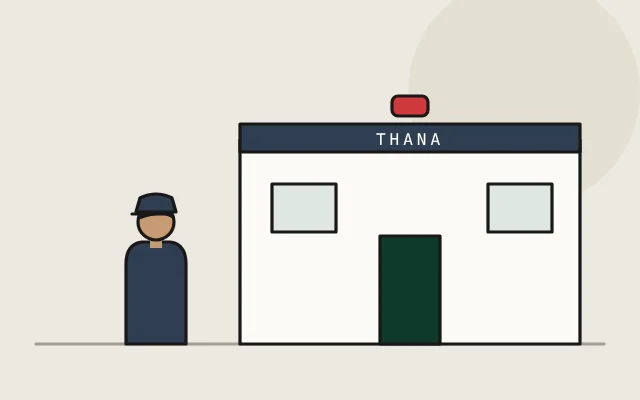 Step 1 · At the scene and the first 48 hours
Duties at the scene
After any road accident, the driver and conductor must immediately inform the nearest police station, and where needed the fire service or a hospital, and arrange for the injured to be taken for treatment as quickly as possible. Failing to do so is itself an offence, with up to one month's imprisonment or a Tk 20,000 fine and one penalty point off the driver's licence. Bystanders and passengers must not damage the vehicle or attack the driver or conductor; mob violence is a separate offence.
A uniformed police officer in whose presence one of the main accident offences is committed can arrest the driver on the spot without warrant.
Where: Police station (officer in charge and investigating officer) · Time: Immediately · Law: s.62(1)-(2) Road Transport Act 2018; ss.95, 103 and 119 Road Transport Act 2018; s.110(1)-(3) Road Transport Act 2018 · Documents: Photos of the scene and vehicles, Names and phone numbers of witnesses, Vehicle registration number
Tip: Photograph the vehicles, skid marks and road signs before anything is moved, and note any nearby CCTV cameras.
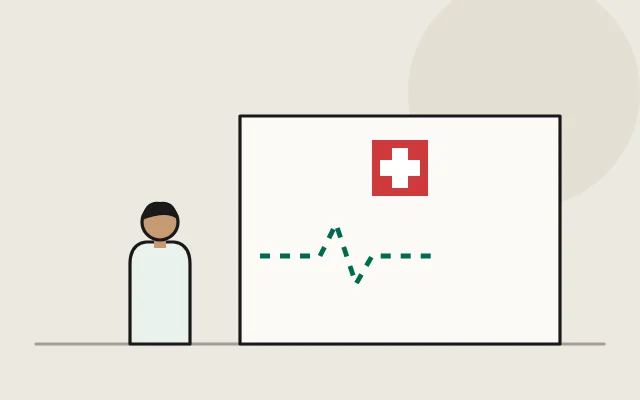 Step 2 · At the scene and the first 48 hours
Inquest, post-mortem and injury records
If someone dies, the police hold an inquest and send the body for post-mortem examination, which records the cause of death and the injuries. For an injured victim, the hospital's admission records and an injury certificate from a government doctor show whether the injury is serious, which matters because section 105 applies to death or serious injury. Families should obtain copies of the post-mortem report, death certificate and medical papers, as every later stage of a road accident criminal case in Bangladesh depends on them.
Where: Police station (officer in charge and investigating officer) · Time: 1-7 days; post-mortem report may take weeks · Law: s.174 CrPC; s.105 Road Transport Act 2018 · Documents: Inquest report, Post-mortem report, Death certificate, Injury certificate and treatment records
Tip: If the family wants a post-mortem waived for religious reasons, take legal advice first; without it, proving the cause of death becomes much harder.
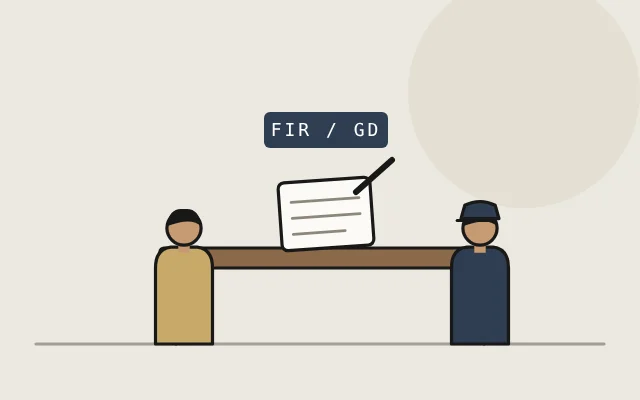 Step 3 · FIR, arrest and investigation
Lodge the FIR
A victim or family member lodges an FIR at the police station where the accident happened. The usual charge is section 105 of the Road Transport Act: reckless or negligent driving causing death or serious injury, punishable with up to five years, a fine of up to Tk 5 lakh, or both, notwithstanding section 304B of the Penal Code. Dangerous driving through over-speeding, risky overtaking, overloading or loss of control that causes loss of life or property is also an offence under section 98.
If there is evidence the driver hit the victim deliberately, the FIR should allege murder under section 302 of the Penal Code.
Where: Police station (officer in charge and investigating officer) · Time: As soon as possible after the accident · Law: ss.98 and 105 Road Transport Act 2018; ss.279, 304B, 337, 338 and 302 Penal Code 1860; s.154 CrPC · Documents: Written FIR, Copy of medical or post-mortem papers, Vehicle number and description
Tip: Describe exactly how the vehicle was driven, such as speed, overtaking or using a phone; the facts, not the label, decide which section applies.
 Step 4 · FIR, arrest and investigation
Vehicle, licence and fitness checks
The police seize the vehicle and check the driver's licence, the registration, fitness certificate, tax token and route permit, usually confirming them with BRTA records, and commonly ask a BRTA motor vehicle inspector to examine the vehicle's mechanical condition. Driving without a valid licence and driving an unfit vehicle are separate offences under the Act, each with up to six months' imprisonment or a Tk 25,000 fine. These findings often decide whether the owner, as well as the driver, is drawn into the case.
Where: BRTA (motor vehicle inspector, licence records, Trustee Board of the Financial Assistance Fund) · Time: 1-4 weeks · Law: ss.66 and 75 Road Transport Act 2018; s.115(1) Road Transport Act 2018 · Documents: Seizure list, Driving licence copy, Registration and fitness certificates, Inspection report
Tip: Ask the investigating officer to obtain the vehicle's BRTA history; expired fitness or a fake licence strengthens the case considerably.
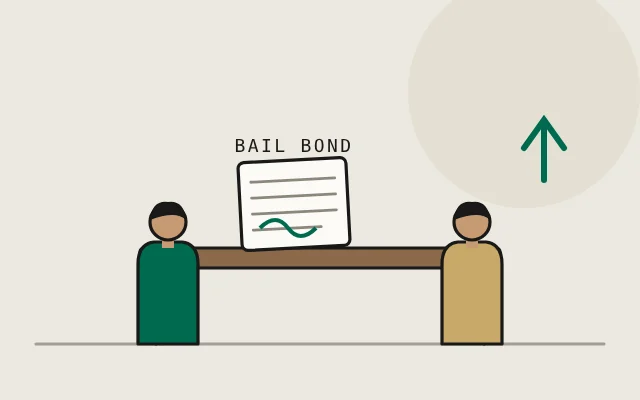 Step 5 · FIR, arrest and investigation
Production and bail of the driver
An arrested driver must be produced before a Magistrate within 24 hours. Offences under sections 98 and 105 are non-bailable, so bail is at the court's discretion, and Magistrates weigh the seriousness of the injuries, the driver's record, whether he fled the scene and the risk of absconding. Since the 2026 CrPC amendments, courts may attach conditions to bail. The victim's family may oppose bail, and if the Magistrate refuses, the driver can apply to the Sessions Judge.
Where: Chief Metropolitan or Chief Judicial Magistrate's Court · Time: Within 24 hours of arrest; Sessions bail in 1-4 weeks · Law: s.117(1)(b) Road Transport Act 2018; ss.61, 497 and 498 CrPC · Documents: Forwarding report, Bail application, Complainant's objection
Tip: A driver who stayed at the scene and helped the injured should show this in the bail application; it counts strongly against flight risk.
 Step 6 · FIR, arrest and investigation
Investigation and police report
The investigating officer records statements from witnesses, passengers and the doctor, collects CCTV and any GPS or tracker data, prepares a sketch map, and obtains the inspection and medical reports. Under the 2026 CrPC amendments, the investigation should be completed within 60 working days of the information unless the Magistrate extends it. The officer then files a charge sheet naming the accused, or a final report if he finds no offence or cannot identify the driver.
Where: Police station (officer in charge and investigating officer) · Time: 60 working days, often longer · Law: s.173B CrPC (inserted by Act XI of 2026); s.173 CrPC; s.114(1) Road Transport Act 2018 · Documents: Witness statements, Sketch map, CCTV and tracker data, Charge sheet or final report
Tip: CCTV is often overwritten within days, so ask the investigating officer, in writing, to collect it immediately.
 Step 7 · FIR, arrest and investigation
Release of the seized vehicle
A vehicle seized after an accident is usually held as case property, and the court can release it to the owner on a bond to produce it at trial. Where a vehicle has instead been sent to a dumping yard for a breach of the Act, the owner applies within two months to the court if a mobile court is involved, or otherwise to the Superintendent of Police, Deputy Commissioner of Police or equivalent officer, who decides after reviewing documents and hearing the owner.
If no application is made in time, the vehicle may, with court permission, be given to a public body or auctioned.
Where: Police station (officer in charge and investigating officer) · Time: Apply promptly; within 2 months for a dumping-yard vehicle · Law: s.115(2)-(4) Road Transport Act 2018; s.516A CrPC · Documents: Release application, Ownership and registration papers, Bond to produce the vehicle
Tip: Owners should apply promptly; a vehicle in a dumping yard that is not claimed within two months risks auction.
 Step 8 · Cognizance and charge
Cognizance or objection to the report
On a charge sheet, the Magistrate takes cognizance of the offences and issues process. If the police file a final report, for example claiming the driver could not be traced or the victim was at fault, the complainant can file a naraji petition objecting to it. The Magistrate may then reject the report and take cognizance, order further investigation by the police or another agency, or hold a judicial inquiry. This is a key moment in a road accident criminal case in Bangladesh, because many cases end quietly with a final report.
Where: Chief Metropolitan or Chief Judicial Magistrate's Court · Time: 1-3 months after the report · Law: s.190 CrPC; ss.173 and 202 CrPC · Documents: Charge sheet or final report, Naraji petition, Order of cognizance
Tip: Ask the court for notice of the date fixed to consider the police report so the family can attend and object.
 Step 9 · Cognizance and charge
Framing the charge
The Magistrate hears both sides on whether there is ground to proceed and either discharges the accused or frames a charge, which the driver is asked to plead to. Offences under sections 98 and 105 are tried in the Magistrate courts in practice, because their maximum punishment falls within a first-class or Metropolitan Magistrate's trial jurisdiction. If murder or culpable homicide is charged, the Magistrate sends the case to the Sessions court instead.
Where: Chief Metropolitan or Chief Judicial Magistrate's Court · Time: 1-6 months · Law: s.114(1) Road Transport Act 2018; ss.241A-242 CrPC (Magistrate trials); ss.29 and 205C CrPC · Documents: Charge, Copies of police papers supplied to the accused
Tip: The defence should check that the charge identifies the specific section; a vague charge is a common ground of appeal.
 Step 10 · Trial and judgment
Trial evidence
The prosecution calls the complainant, eyewitnesses, the doctor who examined the victim or performed the post-mortem, the BRTA inspector and the investigating officer. The defence cross-examines and may argue sudden mechanical failure, the victim's own conduct, poor road conditions or mistaken identity of the driver. Offences under sections 98 and 105 cannot be compounded, so the family cannot simply withdraw the case, although only listed minor offences, such as driving without a licence, can be settled before an authorised official.
Where: Chief Metropolitan or Chief Judicial Magistrate's Court · Time: 6-30 months · Law: s.117(1)(c) and (2) Road Transport Act 2018; s.345 CrPC; ss.244-245 CrPC · Documents: Witness summonses, Medical and post-mortem reports, Inspection report, CCTV evidence
Tip: Witnesses lose interest over time. Keep their contact details current and make sure they receive summonses.
 Step 11 · Trial and judgment
Judgment, sentence and compensation from the fine
If the driver is convicted under section 105, the Magistrate can impose up to five years' imprisonment, a fine of up to Tk 5 lakh, or both, so a fine-only sentence is legally possible. Under section 98 the maximum is three years, a fine of up to Tk 3 lakh, or both, and the court may order all or part of the fine to be paid to the victim. Under the CrPC, the court may also order compensation out of any fine.
The judgment closes the trial stage of the road accident criminal case in Bangladesh.
Where: Chief Metropolitan or Chief Judicial Magistrate's Court · Time: Judgment day · Law: ss.98 and 105 Road Transport Act 2018; s.545 CrPC · Documents: Certified copy of judgment, Sentence and fine order
Tip: The family should ask the court at sentencing to direct part of any fine to them as compensation.
 Step 12 · Licence, compensation and civil claims
Penalty points and licence action
Every regular driving licence carries 12 points, which are deducted for offences under the Act or rules, taking into account matters such as reckless and dangerous driving, over-speeding, running red lights and drink or drug driving. The detailed scheme for deducting points and its consequences for the licence are set by rules. A conviction, or even a fixed penalty, can therefore affect the driver's licence separately from any sentence. Professional drivers and transport owners should track deductions with BRTA.
Where: BRTA (motor vehicle inspector, licence records, Trustee Board of the Financial Assistance Fund) · Time: After conviction or penalty · Law: s.11(1)-(3) Road Transport Act 2018; s.95 Road Transport Act 2018; Road Transport Rules 2022 · Documents: Driving licence, Record of penalty points, Court judgment
Tip: Transport companies should check drivers' point balances before assigning them to long-distance routes.
 Step 13 · Licence, compensation and civil claims
Claim from the Financial Assistance Fund
Separately from the criminal case, the injured person or the heirs of a deceased victim can claim from the Financial Assistance Fund run by a Trustee Board at BRTA. The fund pays set minimum amounts for death and serious injury under the Road Transport Rules 2022, after an inquiry, and the decision can be reviewed by the Board, appealed to the Government and finally referred to an arbitrator. The claim does not depend on the driver being convicted. The motor accident compensation journey explains this route step by step.
Where: BRTA (motor vehicle inspector, licence records, Trustee Board of the Financial Assistance Fund) · Time: 2-12 months · Law: ss.52-59 and 61 Road Transport Act 2018; rr.149-150 Road Transport Rules 2022 · Documents: Application form, Post-mortem or medical report, FIR copy, Heirship documents
Tip: Lodge the fund claim early and in parallel; do not wait for the criminal trial to end.
 Step 14 · Licence, compensation and civil claims
Civil claim for full damages
Criminal compensation and fund payments are usually far smaller than the real loss of a breadwinner. The family can also sue the driver and owner, and claim against any insurer, in the civil courts for damages in negligence and under the Fatal Accidents Act 1855. A conviction is strong, though not conclusive, evidence of negligence in that suit. The criminal case and the civil suit run independently, and neither has to wait for the other.
Where: Victim's family and lawyer's chamber · Time: Civil suit 2-5 years · Law: Fatal Accidents Act 1855; s.52 Road Transport Act 2018 · Documents: Copy of FIR and charge sheet, Judgment if available, Income proof of the deceased, Heirship documents
Tip: Check limitation for the civil suit early; the criminal case does not stop that clock.
Walk through it from your side
Pick your side. The step-by-step journey above and the full-screen player will then show what you do at every stage.
Informant / victim
You want the driver held to account and fair compensation for the death or injury. The prosecution must show that the accused was driving and that reckless or negligent driving caused the death or serious injury. Your biggest risk is losing early evidence, such as CCTV, witnesses and the post-mortem, and letting a final report close the case unchallenged.
Duties at the scene
If you are at the scene, call the police and get the injured to hospital first. Photograph the vehicles, skid marks and road signs, note the vehicle number and nearby CCTV cameras, and take witnesses' names and phone numbers.
Watch outDo not join or encourage any attack on the vehicle or crew; mob violence is a separate offence.
Inquest, post-mortem and injury records
The family attends the inquest and makes sure the post-mortem is done. Collect copies of the inquest and post-mortem reports, death certificate, and for an injured victim, hospital records and an injury certificate from a government doctor.
Watch outIf you want a post-mortem waived for religious reasons, take legal advice first; it is key evidence of the cause of death.
Lodge the FIR
You lodge an FIR at the police station where the accident happened, describing exactly how the vehicle was driven: speed, overtaking, phone use, loss of control. Attach the medical or post-mortem papers and the vehicle details.
Watch outState the facts, not just the legal label; the facts decide whether s.98, s.105 or the Penal Code applies.
Vehicle, licence and fitness checks
Ask the investigating officer, in writing, to obtain the vehicle's BRTA history and the driver's licence record, and to have a motor vehicle inspector examine the vehicle.
Watch outExpired fitness or a fake licence strengthens the case; ask for these checks early.
Production and bail of the driver
You may oppose bail, with the Public Prosecutor, giving specific reasons, such as the driver fleeing the scene, earlier offences or a risk of absconding. You can also ask for bail conditions.
Watch outGeneral opposition carries little weight; give the court specific facts.
Investigation and police report
You give your statement, name witnesses and ask the investigating officer, in writing, to collect CCTV and any tracker data immediately. The investigation should finish within 60 working days unless the Magistrate extends it.
Watch outCCTV is often overwritten within days; ask at once.
Release of the seized vehicle
This step mainly concerns the owner. You can ask the court to make sure the vehicle is kept available, or inspected, before it is released if its condition is still in issue.
Watch outAsk for any inspection before the vehicle is released and repaired.
Cognizance or objection to the report
If the police file a final report, for example claiming the driver could not be traced or the victim was at fault, you file a naraji petition setting out the evidence that was ignored. Ask the court for notice of the date fixed to consider the report.
Watch outMany accident cases end quietly with a final report; attend and object.
Framing the charge
You attend the charge hearing with the prosecutor. Check that the charge names the right section and reflects the facts, such as death or serious injury.
Watch outA wrongly framed charge is a common ground of appeal later; raise it now.
Trial evidence
You give evidence and help the prosecution keep witnesses informed so they attend, including the doctor, eyewitnesses and the BRTA inspector. Ss.98 and 105 cannot be compounded, so you cannot simply withdraw the case.
Watch outWitnesses lose interest over time; keep their contact details current.
Judgment, sentence and compensation from the fine
Attend the judgment and apply for the certified copy. At sentencing, ask the court to direct part of any fine to you as compensation. If the driver is acquitted, discuss with your lawyer and the prosecutor whether the State will appeal, or whether revision is available.
Watch outIn a police case you have no appeal of your own against acquittal; act quickly on the other routes.
Penalty points and licence action
This step mainly affects the driver's licence. You can inform BRTA of the conviction and ask about action on the licence where the driver keeps driving professionally.
Watch outLicence action runs separately from the criminal sentence.
Claim from the Financial Assistance Fund
The injured person or the heirs claim from the Financial Assistance Fund at BRTA with the application form, post-mortem or medical report, FIR copy and heirship documents. The claim does not depend on a conviction, so file it early.
Watch outDo not wait for the criminal trial to end before claiming.
Civil claim for full damages
The family can sue the driver, owner and insurer in the civil courts for full damages, with proof of the deceased's income and heirship. A conviction is strong, though not conclusive, evidence of negligence.
Watch outCheck limitation for the civil suit early; the criminal case does not stop the clock.
Accused driver
You want bail, a fair investigation and, if the evidence allows, discharge or acquittal, or a proportionate sentence. You can challenge identification, the cause of the accident, the vehicle's condition and the victim's own conduct. Your biggest risk is that offences under sections 98 and 105 are non-bailable and cannot be compromised, so a private settlement does not end the case.
Duties at the scene
You must immediately inform the nearest police station, and the fire service or hospital where needed, and help get the injured treated. Stay at the scene if it is safe, cooperate with the police and keep your licence and vehicle papers ready.
Watch outFailing to report and help is itself an offence, and leaving the scene will weigh heavily against you at bail.
Inquest, post-mortem and injury records
Your lawyer obtains copies of the post-mortem or injury reports as they become available and checks what they say about the injuries and their cause. Consider whether the injury qualifies as serious, since s.105 applies only to death or serious injury.
Watch outDo not contact the victim's family to influence what they tell the police or the doctors.
Lodge the FIR
Once an FIR is lodged, you instruct a lawyer, get a copy and note the sections charged. Write down your own account of the journey and the accident while it is fresh, with any witnesses who support you.
Watch outIf murder is alleged, the case goes to the Sessions court; take advice at once.
Vehicle, licence and fitness checks
You produce your licence, registration, fitness certificate, tax token and route permit. If you believe a mechanical failure caused the accident, ask for the vehicle to be inspected before repairs are made.
Watch outDriving without a valid licence or an unfit vehicle are separate offences, though compoundable.
Production and bail of the driver
If arrested, you must be produced before a Magistrate within 24 hours. Your lawyer applies for bail, showing that you stayed at the scene and helped, your clean record, your fixed address and your willingness to accept conditions. If refused, you can apply to the Sessions Judge.
Watch outOffences under ss.98 and 105 are non-bailable, so prepare a strong first application.
Investigation and police report
You give the investigating officer your statement and point to evidence that supports you, such as dashcam or tracker data, road conditions or witnesses. Your lawyer keeps track of what is collected.
Watch outInconsistent accounts to the police and in court damage credibility; keep to the facts.
Release of the seized vehicle
If you or your employer own the vehicle, apply promptly to the court for its release on a bond to produce it at trial, with ownership and registration papers. If it was sent to a dumping yard, apply within two months.
Watch outAn unclaimed dumping-yard vehicle can be auctioned after two months.
Cognizance or objection to the report
If the police file a final report in your favour, your lawyer asks the court to accept it and answers any naraji petition. If a charge sheet is filed, prepare for the charge hearing.
Watch outThe Magistrate can reject a final report and take cognizance or order further investigation.
Framing the charge
Your lawyer argues for discharge if the papers do not show a case, or that the charge is vague or names the wrong section. You then plead to the charge.
Watch outCheck that the charge identifies the specific section and the particulars of negligence alleged.
Trial evidence
Your lawyer cross-examines the prosecution witnesses and presents your defence, such as sudden mechanical failure, the victim's own conduct, road conditions or mistaken identity of the driver. Bring your own witnesses and any technical evidence.
Watch outA private settlement will not end the case, but payment may be considered on bail or sentence.
Judgment, sentence and compensation from the fine
Attend the judgment with your lawyer and apply for the certified copy. If convicted, you can appeal to the Sessions Judge within 30 days and ask for the sentence to be suspended pending appeal.
Watch outDiary the 30-day appeal period from the date of sentence.
Penalty points and licence action
A conviction or fixed penalty can reduce the 12 points on your licence, separately from any sentence. Check your point balance with BRTA and keep a record, especially if you drive professionally.
Watch outLosing points can affect your licence under the Rules; track deductions.
Claim from the Financial Assistance Fund
The Fund claim is made by the victim's side and does not depend on your conviction. You or the owner may be asked for information about the vehicle and the accident; respond accurately.
Watch outFund payments do not end the criminal case against you.
Civil claim for full damages
You and the owner may be sued for damages in the civil courts. Notify the insurer at once and take advice on your defence, which can rely on the same evidence as in the criminal case.
Watch outAn unchallenged conviction will be used against you in the civil suit, so consider any appeal carefully.
What if…? How the road accident criminal case in Bangladesh can change course
Choose a scenario. The map animates the route up the hierarchy and, where a case is sent back, down to the lower court and up again.
What if the driver is convicted or acquitted?
- 1Sessions Judge's Court (Metropolitan Sessions Judge in Dhaka city)
Appeal to the Sessions Judge
A convicted driver appeals to the Sessions Judge, or the Metropolitan Sessions Judge, within 30 days of the sentence. The Government may direct an appeal against an acquittal to the Sessions court, with six months. In a case started on a complaint petition, the complainant may appeal an acquittal involving an error of law within 60 days, and any complainant may appeal against an inadequate sentence within 60 days of conviction. The Sessions court rehears facts and law and can suspend the sentence pending appeal.
File within 30 days (convicted driver); decision 6-24 monthsss.408, 417 and 417A CrPCs.426 CrPCArticles 154 and 157 Limitation Act 1908
Where it ends up: The Sessions court confirms, alters or reverses the Magistrate's judgment.
Can the Sessions court decision be challenged?
- 1High Court Division
Criminal revision in the High Court Division
There is no second appeal. The losing side files a criminal revision in the High Court Division against the Sessions court's appellate judgment. A family unhappy with an acquittal in a police case, where it has no appeal of its own, can seek revision before the Sessions Judge or the High Court Division, or ask the State to appeal. A Sessions Judge's decision on a person's revision application is final for that person, leaving only section 561A.
Rule within weeks; disposal 1-3 yearsss.435, 439 and 439A CrPCs.561A CrPC
Where it ends up: The High Court Division upholds, alters or sets aside the decision, or orders a retrial.
Can the court review its own judgment?
- 1Appellate Division of the Supreme Court
Review only in the Appellate Division
A criminal court cannot review a signed judgment except to correct a clerical error, so the Magistrate, Sessions Judge and High Court Division cannot reopen the case on review. Only the Appellate Division can review its own judgment, under Article 105, for an error apparent on the face of the record, within 30 days.
File within 30 days of the Appellate Division judgments.369 CrPCArticle 105 Constitution of Bangladesh
Where it ends up: The Appellate Division's judgment stands unless an error apparent on the record is shown.
What if the appeal court orders a retrial?
- 1Sessions Judge's Court (Metropolitan Sessions Judge in Dhaka city)
Judgment set aside and retrial ordered
If, for example, the post-mortem doctor was never examined or the charge named the wrong section, the Sessions court may set aside the judgment and order a retrial by the Magistrate from a stated stage, instead of acquitting or convicting itself.
At the end of the appeals.423(1)(a) and (b) CrPC - 2Chief Metropolitan or Chief Judicial Magistrate's Court
Retrial before the Magistrate
The Magistrate takes the missing evidence or reframes the charge as directed and gives a fresh judgment, keeping evidence already properly recorded.
3-12 monthss.105 Road Transport Act 2018ss.241A-245 CrPC - 3Sessions Judge's Court (Metropolitan Sessions Judge in Dhaka city)
Fresh appeal
The new judgment can again be appealed to the Sessions Judge within 30 days, and from there taken to the High Court Division in revision.
6-24 monthss.408 CrPC
Where it ends up: After retrial the case climbs back to the Sessions court and may reach the High Court Division.
Can the case reach the Appellate Division?
- 1Appellate Division of the Supreme Court
Criminal petition for leave to appeal
After the High Court Division decides the revision, the losing party can file a criminal petition for leave to appeal, usually within 30 days. Leave is granted only on substantial questions of law, such as the relationship between section 105 and the Penal Code, so most accident cases end earlier.
File within 30 days; 1-3 yearsArticle 103 Constitution of BangladeshSupreme Court of Bangladesh (Appellate Division) Rules 1988
Where it ends up: The Appellate Division refuses leave or decides the appeal finally.
What if the driver is charged with murder?
- 1Sessions Judge's Court (Metropolitan Sessions Judge in Dhaka city)
Trial in the Sessions court
Where evidence shows the driver deliberately ran a person down, the charge is murder or culpable homicide, which only the Sessions court can try. The Magistrate sends the case there, and the full Sessions trial procedure applies.
1-4 yearsss.302 and 304 Penal Code 1860s.205C CrPC - 2High Court Division
Death reference and appeal
If the Sessions court imposes a death sentence, it must send the record to the High Court Division for confirmation, heard together with the driver's appeal. Other convictions are appealed to the High Court Division within 60 days.
2-5 yearsss.374 and 410 CrPCArticle 155 Limitation Act 1908
Where it ends up: The High Court Division confirms, alters or sets aside the conviction and any death sentence.
Can the family settle with the driver or owner?
- 1High Court Division
Limits on compromise
Offences under sections 98 and 105 are not on the Act's list of compoundable offences, so a private settlement does not end the case, though a payment may be considered on bail or sentence. The High Court Division has occasionally quashed proceedings under section 561A after genuine settlements, but this is exceptional and should not be assumed. Fund claims and civil damages remain available whatever happens in the criminal case.
Any stages.117(1)(c) Road Transport Act 2018s.345 CrPCs.561A CrPC
Where it ends up: The criminal case usually continues to judgment despite any settlement.
How the road accident criminal case in Bangladesh moves up the court hierarchy
A road accident criminal case in Bangladesh climbs the ordinary criminal ladder, with the forum fixed by the offence charged rather than by the loss suffered. The police station where the crash happened records the FIR and investigates. The Chief Metropolitan Magistrate's courts in Dhaka city, or the Chief Judicial Magistrate's courts elsewhere, take cognizance, and a Judicial or Metropolitan Magistrate normally tries charges under sections 98 and 105 of the Road Transport Act, which carry up to three and five years. Minor traffic offences can go to a mobile court.
Only a charge of murder or culpable homicide moves the trial up to the Sessions court. Appeals from the Magistrate go to the Sessions Judge, which rehears facts and law. There is no second appeal, so the next step is criminal revision in the High Court Division, limited to errors of law and serious misreading of evidence. The Appellate Division hears accident cases only with leave. Compensation runs on separate tracks: the BRTA Trustee Board and the civil courts.
- Appellate DivisionAppellate Division of the Supreme Court
- High Court DivisionHigh Court Division
- Appellate levelSessions Judge's Court (Metropolitan Sessions Judge in Dhaka city)
- First instanceChief Metropolitan or Chief Judicial Magistrate's Court
- Start · outside courtVictim's family and lawyer's chamber · Police station (officer in charge and investigating officer) · BRTA (motor vehicle inspector, licence records, Trustee Board of the Financial Assistance Fund)
Where your case is heard
Addresses are for Dhaka. Every district has equivalent courts at its own district judgeship.
Supreme Court of Bangladesh (Appellate Division and High Court Division)
Supreme Court of Bangladesh, Shahbag, Ramna, Dhaka-1000Hears appeals, revisions, references, writ petitions under Article 102, company matters and death references (High Court Division), and appeals by leave from the High Court Division (Appellate Division).
Both Divisions sit in the Supreme Court complex; many High Court Division benches sit in the Annex Building. Check the daily cause list for the bench and court room. Postal contact is the Registrar General, Supreme Court of Bangladesh, Ramna, Dhaka-1000.
Court of the Metropolitan Sessions Judge, Dhaka
40-45 Johnson Road, Dhaka-1100Tries sessions-triable offences from Dhaka metropolitan police stations and hears criminal appeals and revisions from Metropolitan Magistrates; Additional and Joint Metropolitan Sessions Judges also sit as Metropolitan Special Tribunals.
The Metropolitan Sessions Judge sits on the 2nd floor of the main building; Additional and Joint Metropolitan Sessions Judge courts are in the main building and the tin-shed building in the same compound. The Metropolitan Sessions Judge, Dhaka also holds the post of Senior Special Judge, Dhaka. Help line published by the court: 01335-145002.
Chief Metropolitan Magistrate Court, Dhaka
19 Johnson Road, Dhaka-1100Takes cognisance of and tries criminal cases arising in Dhaka Metropolitan Police areas (Metropolitan Magistrate courts), hears bail, remand and FIR/complaint matters, and sends sessions-triable cases to the Metropolitan Sessions Judge.
Metropolitan Magistrate courts are spread over the CMM court main building (floors 2-9) and the CJM court building (courts 29-37 on the 8th and 9th floors). Check the court number on the cause list. Each metropolitan city (Chattogram, Khulna, Rajshahi, Sylhet, Barishal, Rangpur, Gazipur) has its own CMM court.
Victim's family and lawyer's chamber
Where this happens depends on your district or the office concerned. Ask us for the exact courtroom and address.
Dhaka Metropolitan Police (DMP) Headquarters
36 Minto Road, DhakaHeadquarters of the Dhaka Metropolitan Police; FIRs are lodged at the local police station, not here.
Emergency: 999. For a case, go to the police station with jurisdiction over the place of occurrence.
Trustee Board, Financial Assistance Fund (Bangladesh Road Transport Authority)
BRTA head office, Banani, DhakaDecides applications for financial assistance (compensation) to people injured in road accidents, or the heirs of people killed, from the Financial Assistance Fund under the Road Transport Act 2018.
The Trustee Board is chaired by the BRTA chairman and works from BRTA. Applications must be made on the prescribed form within a short time from the accident under the Road Transport Rules 2022; confirm the current time limit. Applying to the Board does not stop a criminal case or a civil damages suit. Check the current address before visiting.
How long each stage takes
These are indicative ranges based on typical Dhaka practice. Adjournments, case backlogs and appeals can stretch them.
Documents checklist and key terms
Tick off what you have. Your ticks stay saved in this browser. Bring the list to your first meeting with your lawyer.
- Section 105
- The Road Transport Act offence of reckless or negligent driving causing death or serious injury: up to 5 years, a fine up to Tk 5 lakh, or both.
- Section 304B
- The older Penal Code offence of causing death by rash or negligent driving (up to 3 years), overridden for motor vehicle cases by s.105.
- Non-bailable
- An offence where bail is at the court's discretion rather than a right; ss.84, 98 and 105 of the Act are non-bailable.
- Compoundable
- An offence that can be settled between the parties; only the minor offences listed in s.117(1)(c) of the Act qualify.
- Final report
- A police report recommending that no one be tried, for example because the driver could not be identified.
- Naraji petition
- A complainant's written objection to a final report or a report that leaves out accused persons.
- Penalty points
- The 12 points allotted to each driving licence under s.11, deducted for offences.
- Financial Assistance Fund
- The fund under ss.53-61 of the Act, run by a Trustee Board at BRTA, which pays set compensation for road accident deaths and injuries.
Road accident criminal case in Bangladesh: common questions
Which law applies to a road accident criminal case in Bangladesh?
Has section 304B of the Penal Code been repealed?
Will the driver get bail?
Can the family withdraw the case after a settlement?
Can the vehicle owner be prosecuted?
How long does a road accident criminal case in Bangladesh take?
Is compensation paid through the criminal case?
What if the driver fled and cannot be identified?
Law and sources
- Road Transport Act 2018 (Act 47 of 2018), mirror text
- Road Transport Act 2018, Laws of Bangladesh
- Penal Code 1860 (ss.279, 304A, 304B, 337, 338), Laws of Bangladesh
- Code of Criminal Procedure 1898, as amended by Act XI of 2026 (Laws of Bangladesh)
- Code of Criminal Procedure (Amendment) Act 2026 (Act No. XI of 2026)
- Limitation Act 1908, First Schedule (Laws of Bangladesh)
- Constitution of the People's Republic of Bangladesh (Articles 103 and 105)
This Case Journey is a general guide to procedure in Bangladesh as of October 2026. It is not legal advice. Procedure, fees and time limits change, and every case turns on its own facts. Timelines are indicative. Speak to a lawyer about your own matter.
Run this case from outside Bangladesh
You can usually start and run this case without travelling. You sign a power of attorney abroad, the Bangladesh High Commission or Embassy attests it, and your attorney and lawyer act for you in Dhaka. Some steps, such as giving evidence in person, may still need you or a commission. See how a case runs through a power of attorney →
Want to know where your case stands?
Book a consultation. A TRW lawyer will place your matter on this map, explain the next step and the realistic timeline, and tell you what to prepare.











