
Fintech, Payments and PSP Licensing in Bangladesh
Advice on PSP licensing, payment system operator approvals and fintech regulation in Bangladesh for e-wallets, payment gateways, aggregators, mobile financial services, digital lenders and foreign payment companies: structuring, Bangladesh Bank applications, bank partnerships, foreign investment and ongoing compliance after launch, inspections and disputes.

- Model and perimeter review
- Application preparation
- Regulator engagement
- Launch and compliance
How PSP licensing and fintech regulation work in Bangladesh
Bangladesh has one of the most active digital payments markets in South Asia, built on mobile financial services, bank apps, card networks, payment gateways and a growing number of e-wallets. Every business that moves customer money needs to understand where it sits in Bangladesh Bank's regulatory perimeter. Our fintech practice advises start-ups, banks, telecom groups, e-commerce businesses and foreign payment companies on PSP licensing, payment system operator approvals, partnerships and compliance. We combine regulatory, corporate and technology expertise, and this work sits within our technology, IP and data practice in Bangladesh, alongside our banking and finance team.
The Payment and Settlement Systems Act 2024 gives Bangladesh Bank a modern statutory basis for licensing and supervising payment systems and payment service providers. Broadly, payment system operators run infrastructure such as switches, clearing systems and gateways that connect institutions, while payment service providers offer services such as e-wallets and payment initiation directly to users. Bangladesh Bank sets conditions on capital, ownership, governance, technology, safeguarding of customer funds, consumer protection and reporting, and issues licences with specific conditions attached. PSP licensing therefore requires a business that can show it is safe to hold and move public money.
Mobile financial services remain a separate and significant category, with their own regulations, typically led by banks or bank subsidiaries, and agent networks that bring services to rural areas. Digital banks are licensed under a separate Bangladesh Bank framework, and non-bank lenders, microfinance institutions and insurers have their own regulators. Many fintech models touch several of these regimes at once. A buy-now-pay-later product, for example, may involve payments, credit, consumer protection and data rules. We map each model against the full perimeter so that clients choose the right licence, partner with the right institution or redesign the product where needed.
Foreign payment companies face additional questions. Bangladesh Bank rules on ownership, foreign exchange, remittances and cross-border settlement, together with foreign investment registration through Invest Bangladesh, shape how an international business can enter. Some choose a local subsidiary seeking its own licence, others partner with a licensed bank or PSP, and some focus on inward remittances through approved channels. The Personal Data Protection Act 2026 and cyber security legislation add obligations on customer data and system security. We advise on the most practical entry route, prepare PSP licensing applications and negotiate partnership agreements regulators accept. Allow for regulatory review.
Barrister Tahmidur Rahman leads our transactions, finance and investment work, and Barrister Remura Meheruba Mahbub advises on banking, corporate and foreign investment matters, including fintech fundraising and joint ventures. We work with counsel in the UK, US, UAE, China, India and Singapore where groups operate across several markets. Beyond licensing, we support product launches, agent and merchant agreements, card and gateway contracts, regulatory inspections and disputes. To discuss PSP licensing, a partnership or a new product, contact our Dhaka office and we will arrange an initial review of your model. Early PSP licensing advice often shortens the overall timetable.
Core workstreams
Four clear stages
- 01Model and perimeter review
- 02Application preparation
- 03Regulator engagement
- 04Launch and compliance
Talk to a partner
Consultations in Dhaka or by video. Scope, team and fees are agreed in writing first.
Book →What we handle

Perimeter and licence strategy
- Model and perimeter review
- Application preparation
- Regulator engagement
- Launch and compliance
PSP licensing applications
- Model and perimeter review
- Application preparation
- Regulator engagement
- Launch and compliance
Bank and partner agreements
- Model and perimeter review
- Application preparation
- Regulator engagement
- Launch and compliance
Merchant, agent and user terms
- Model and perimeter review
- Application preparation
- Regulator engagement
- Launch and compliance
AML, data and cyber compliance
- Model and perimeter review
- Application preparation
- Regulator engagement
- Launch and compliance
Investment, M&A and disputes
- Model and perimeter review
- Application preparation
- Regulator engagement
- Launch and compliance
Perimeter and licence strategy
We analyse the product, money flows and customer journey to decide whether the business needs a PSP or PSO licence, falls under mobile financial services or digital bank rules, or can operate through a licensed partner. Our perimeter memos explain the reasoning, the risks of each route and the timeline, so that founders, boards and investors can make an informed decision before committing capital and launching. Each memo is updated as rules change.
PSP licensing applications
We prepare and manage PSP licensing and payment system operator applications to Bangladesh Bank, including corporate documents, business plans, governance and fit-and-proper information, technology and security descriptions, risk management frameworks and policies on safeguarding customer funds. We respond to regulator queries, attend meetings where appropriate and help clients satisfy licence conditions before launch and during the early months of operation. Strong PSP licensing files anticipate the regulator's likely questions.
Bank and partner agreements
Most payment models rely on banks for settlement, safeguarding accounts and card or account access. We draft and negotiate sponsorship, settlement, escrow, agency and white-label agreements between fintechs, banks, MFS providers and international payment networks. Key terms include responsibility for compliance, customer due diligence, fraud losses, chargebacks, data sharing, service levels, exclusivity, fees and exit arrangements when the relationship ends. Partner terms often decide PSP licensing outcomes in practice.
Merchant, agent and user terms
We prepare customer terms, merchant agreements, agent contracts and fee disclosures that reflect Bangladesh Bank requirements and consumer protection expectations. We advise on complaint handling, dispute resolution for failed or unauthorised transactions, transaction limits, dormant accounts and refunds, so that documents are clear for users and robust when tested by regulators, customers, merchants or agents in a dispute. Bangla versions are prepared where customers need them. Templates are updated when Bangladesh Bank issues new circulars or guidance.
AML, data and cyber compliance
Payment businesses must meet anti-money laundering and counter-terrorist financing obligations, including customer due diligence, transaction monitoring and suspicious transaction reporting to the BFIU. We help design compliance programmes, e-KYC journeys and sanctions screening, and advise on the Personal Data Protection Act 2026, cyber security legislation, incident reporting and the security expectations Bangladesh Bank applies to licensed payment businesses. Programmes are tested before launch and before inspections. Weaknesses found in testing are corrected and documented before applications or inspections.
Investment, M&A and disputes
We advise fintechs and investors on fundraising, foreign investment registration, share transfers requiring regulatory approval, joint ventures with banks or telecom groups, and acquisitions of licensed businesses. We also represent payment businesses in regulatory inspections, enforcement proceedings, disputes with partners and merchants, and customer claims, coordinating with our disputes team and foreign counsel where needed. PSP licensing conditions are built into every transaction timetable. Exit routes, such as share sales or buy-outs, are considered at the outset so that approvals are not a late surprise.
Partner-led, on every matter.
Technology, IP & Data matters at TRW are led by partners, supported by associates, with one responsible lawyer from first advice to final outcome.
Meet the firm →



01Which law governs PSP licensing and payment regulation in Bangladesh?
The Payment and Settlement Systems Act 2024 is the main statute. It empowers Bangladesh Bank to license, regulate and supervise payment systems, payment system operators and payment service providers, and to issue regulations, circulars and licence conditions. Other rules also apply depending on the model, including regulations on mobile financial services, foreign exchange rules, anti-money laundering law, the Personal Data Protection Act 2026 and cyber security legislation. Because Bangladesh Bank issues detailed requirements through circulars that change over time, we confirm the current position at the start of every PSP licensing project and track updates through the process.
02What is the difference between a PSO and a PSP licence in Bangladesh?
In general terms, a payment system operator runs infrastructure that connects banks and other institutions, such as switching networks, clearing arrangements or payment gateways used by multiple participants. A payment service provider offers payment services directly to customers or merchants, such as e-wallets, payment initiation or merchant acquiring. The distinction matters because the licence category, capital, governance and operational requirements differ. Some businesses perform both roles. We review the business model and its intended services to identify the correct category and avoid applying for a licence that does not fit the activities planned. Mixed models need careful analysis.
03How long does PSP licensing take in Bangladesh from application to launch?
There is no fixed timetable that applicants can rely on. The process usually involves preparing the application, responding to Bangladesh Bank queries, possibly receiving an in-principle approval with conditions, then completing technical, capital and governance requirements before final permission to operate. Timing depends on the quality of the application, the complexity of the model, ownership structure, the regulator's workload and policy priorities. Well-prepared applications with clear answers on safeguarding, technology and compliance tend to progress more smoothly. We help clients plan for each stage and set realistic expectations with investors and partners. Delays often stem from incomplete answers.
04Can a foreign company obtain a PSP licence or own a fintech business in Bangladesh?
Foreign investment in Bangladeshi fintech is possible, but ownership, control and licensing questions need careful planning. Bangladesh Bank considers the identity and standing of shareholders, the source of funds and the governance of applicants, and specific rules may affect foreign shareholdings in particular licence categories. Foreign exchange rules govern capital injection, fees and repatriation of profits, and investment must be registered with Invest Bangladesh. Some foreign groups partner with local banks or licensed providers instead. We advise on structures that work for both the regulator and the group, and on PSP licensing strategy for foreign-owned applicants.
05Do we need a licence to operate a payment gateway or merchant aggregator?
Usually some form of authorisation is required if the business collects or settles funds on behalf of merchants, connects to banking or card infrastructure, or holds customer money. Depending on the model, a gateway may need its own licence under the 2024 Act or may operate through a licensed bank or payment provider under a partnership arrangement. Technical service providers that never touch funds may sit outside the perimeter, but the line is narrow. We review flows of funds and data, because small design choices can change the licensing outcome. Control of funds before settlement often decides the outcome.
06How must customer funds be protected by a licensed PSP in Bangladesh?
Bangladesh Bank expects customer funds held by payment service providers to be kept separate from the provider's own money, typically in designated accounts with scheduled banks, and to be available to meet customer claims at all times. Rules also address reconciliation, use of funds, interest, record-keeping and what happens if the provider fails. Safeguarding is one of the most closely examined areas in PSP licensing and supervision. We help design safeguarding arrangements, draft trust or escrow account agreements with banks and prepare policies that satisfy both regulators and partner banks. Weak safeguarding often delays approval.
07Can a fintech offer lending or buy-now-pay-later products in Bangladesh legally?
Lending is regulated separately from payments. Banks and licensed financial institutions can lend, and digital banks operate under their own framework, but a payment provider generally cannot extend credit unless permitted. Many fintechs therefore partner with banks or finance companies, providing the technology and customer interface while the licensed lender provides credit. Such arrangements need clear allocation of regulatory responsibility, customer disclosures, data sharing and collections practices. We advise on structures that keep fintechs on the right side of lending and payment rules while delivering a seamless product to customers. PSP licensing alone does not permit lending.
08What ongoing obligations apply after PSP licensing is granted?
A licence brings continuing obligations. Licensed providers must comply with licence conditions, maintain capital and governance standards, file reports, safeguard funds, meet anti-money laundering and cyber security requirements, handle complaints and obtain approval before significant changes such as new products, changes of control or outsourcing of key functions. Bangladesh Bank may inspect and can impose penalties or restrictions for breaches. We provide ongoing regulatory support, compliance reviews, training and help with inspections, so that the value created through PSP licensing is not lost through later compliance failures. Yearly reviews catch drift from licence conditions. Records should be kept current.
From first call to resolution.
- 01
Model and perimeter review
We examine the product, money flows, customer journey, partners and ownership, then advise on whether PSP licensing, another licence or a partnership model is the right route, with an outline timeline and requirements.
- 02
Application preparation
We prepare the application package, including corporate documents, business plan, governance and fit-and-proper information, policies, safeguarding arrangements and technology descriptions, and coordinate input from founders, auditors and technical teams. Gaps are fixed before filing.
- 03
Regulator engagement
We submit the application, manage Bangladesh Bank queries and meetings, help satisfy in-principle conditions and negotiate partner agreements with banks, networks and vendors required before the business can launch. Each query is tracked to closure.
- 04
Launch and compliance
We support go-live with customer terms, merchant and agent agreements, compliance manuals and training, then provide ongoing advice on reporting, inspections, product changes, investment and disputes after launch. PSP licensing conditions are monitored throughout.

“Demonstrates an extraordinary command over both domestic litigation and international arbitration.”
The Legal 500 Asia Pacific, Bangladesh: Dispute resolution, client feedback
Related reading.
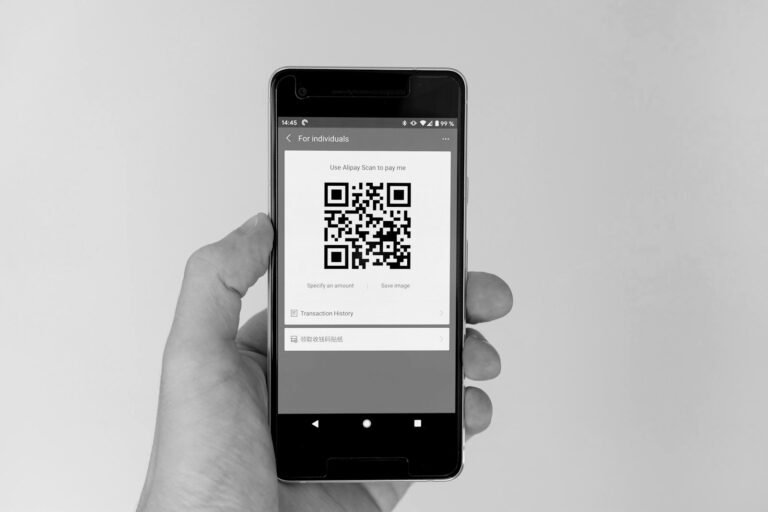
PSO and PSP Licence in Bangladesh 2026: Payment Licensing, E-Money, Digital Banks and the Financial Regulators

Bangladesh Bank Approval in 2026: Foreign Exchange, Circulars, CIB, Licensing and Reform

Startup Funding in Bangladesh 2026: Routes, Fundraising Laws and the Founder’s Compliance Checklist

Banking Law in Bangladesh: Statutes, Regulators and Key Legal Issues (2026)
All insights →
Is PSP licensing required to launch an e-wallet service in Bangladesh?
Can a non-bank company operate mobile financial services in Bangladesh?
Do cross-border remittance services need Bangladesh Bank approval to operate?
How much capital is needed for PSP licensing in Bangladesh?
Are cryptocurrencies allowed for payments or wallets in Bangladesh?
Can a licensed fintech use cloud services hosted abroad?
Do changes in shareholding of a licensed PSP need regulatory approval?
How do you charge for PSP licensing and fintech regulatory work?
Building a payments business? Start with the right licence
Speak with the partners about PSP licensing in Bangladesh or across borders.
Book a consultation →











