
Foreign Property Investment in Bangladesh
Legal advice on property investment in Bangladesh for foreign investors, funds and non-resident Bangladeshis, covering holding structures, title due diligence, acquisitions and leases, development approvals, foreign exchange records and a realistic route to income, refinancing or exit.

- Structure and screening
- Diligence and negotiation
- Funding and completion
- Ownership and exit
Foreign property investment in Bangladesh: structure before asset
Foreign property investment in Bangladesh succeeds or fails on two questions that are often asked too late: who can lawfully hold the asset, and is the title sound. Overseas investors, funds, developers and non-resident Bangladeshis all face the same fragmented land records, layered approvals and foreign exchange controls, though their routes differ. We advise on structuring, diligence, documentation and funding for commercial, industrial, residential and hospitality assets, as part of our corporate practice and alongside our real estate lawyers, so that the property investment can be held, financed and sold.
The holding structure usually comes first. Foreign individuals face practical and legal limits on acquiring land directly, so most foreign property investment is made through a Bangladeshi company, whether wholly owned or in a joint venture with a local partner. The company acquires or leases the asset in its own name, subject to land ceiling rules, sector restrictions and the terms of any industrial-area allotment. Non-resident Bangladeshis and dual nationals are in a different position and can usually hold property personally, but their funding and inheritance planning still need care.
Title diligence is the core of any property investment in Bangladesh. Ownership is traced through registered deeds under the Registration Act 1908 and the Transfer of Property Act 1882, survey records such as the CS, SA, RS and city survey khatians, mutation records and land development tax receipts. Records often conflict, inheritance shares may be unrecorded, and land may be affected by vested property claims, acquisition notices, khas land status or pending suits. We review the chain, inspect the land office and court records, and identify what must be cured before money is paid.
Approvals and funding come next. Development may require land-use clearance, building plan approval from RAJUK or the relevant city or local authority, environmental and fire safety approvals and utility connections. Assets in export processing zones or industrial areas are usually held on lease from BEPZA or Invest Bangladesh, which in August 2026 absorbed the former BEZA. Foreign capital must come in through an authorised dealer bank, with records that match the share allotment or loan, because those records later support income remittance, refinancing and the repatriation of sale proceeds under the foreign exchange rules.
Barrister Tahmidur Rahman and Barrister Remura Meheruba Mahbub advise on foreign investment, joint ventures and transaction finance, while Adv Syed Wahid leads the firm's litigation practice, including land and title disputes. We work with counsel in the UK, US, UAE, China, India and Singapore on offshore holding and financing documents. Our office is in Mohakhali DOHS, Dhaka, and investors can arrange an initial review of a proposed property investment through our Dhaka contact page. Early involvement usually costs far less than unwinding a defective purchase after completion, once the seller has been paid and the records have changed.
Core workstreams
Four clear stages
- 01Structure and screening
- 02Diligence and negotiation
- 03Funding and completion
- 04Ownership and exit
Talk to a partner
Consultations in Dhaka or by video. Scope, team and fees are agreed in writing first.
Book →How we support property investors

Holding structure and entry route
- Structure and screening
- Diligence and negotiation
- Funding and completion
- Ownership and exit
Title and site due diligence
- Structure and screening
- Diligence and negotiation
- Funding and completion
- Ownership and exit
Acquisition and lease documentation
- Structure and screening
- Diligence and negotiation
- Funding and completion
- Ownership and exit
Development and operating approvals
- Structure and screening
- Diligence and negotiation
- Funding and completion
- Ownership and exit
Funding, foreign exchange and tax
- Structure and screening
- Diligence and negotiation
- Funding and completion
- Ownership and exit
Management, disputes and exit
- Structure and screening
- Diligence and negotiation
- Funding and completion
- Ownership and exit
Holding structure and entry route
We assess whether the property investment should be made through a wholly owned subsidiary, a joint venture company, a share acquisition of an existing landholding company, a long lease or a development agreement. We consider ownership limits, land ceiling rules, tax on income and gains, financing needs and the likely exit, and recommend a structure that the investor's board, lenders and banks can work with in practice.
Title and site due diligence
We trace title through registered deeds, survey khatians, mutation and land development tax records, check for vested property, khas land, acquisition notices, mortgages and pending litigation, and review boundaries, access and permitted use. We report clearly on risks that can be cured before completion, risks that can be priced or covered by indemnity, and risks that should stop the property investment altogether.
Acquisition and lease documentation
We draft and negotiate sale agreements, conveyance deeds, leases, development and joint venture agreements, powers of attorney and escrow arrangements. We build in conditions precedent for title cures, approvals and funding, staged payments linked to registration, and remedies for defects. We also manage registration, stamp duty, source tax and the mutation that records the new owner after the transfer is complete. Each document is checked against the diligence findings.
Development and operating approvals
We map the approvals a property needs for its intended use, including land-use clearance, building plan permission from RAJUK or the local authority, environmental clearance, fire safety approval and utility connections. For assets in export processing zones or Invest Bangladesh industrial areas, we review allotment and lease terms, transfer restrictions and the conditions that affect development, subletting and future sale of the asset. These terms directly affect the value of a property investment.
Funding, foreign exchange and tax
We advise on bringing equity and shareholder loans into the holding company through an authorised dealer bank, documenting inflows so that rental income, dividends, loan repayments and sale proceeds can later be remitted. We review income tax, VAT on rent, withholding, stamp duty and gains tax, and coordinate with lenders taking mortgages over the property investment, including registration and priority of security.
Management, disputes and exit
After completion we advise on leasing the asset, managing tenants, renewing approvals and paying land development tax. Where disputes arise over title, possession, developers or co-owners, our litigation team acts in the civil courts and before land authorities. We also plan exits, whether by selling the asset, transferring the holding company shares or refinancing, with the tax and foreign exchange steps mapped in advance. Planning exit early protects the value of the property investment.
Partner-led, on every matter.
Corporate & Finance matters at TRW are led by partners, supported by associates, with one responsible lawyer from first advice to final outcome.
Meet the firm →



01Can a foreigner buy land or an apartment in Bangladesh in their own name?
Direct ownership by foreign individuals is difficult in practice and raises legal and foreign exchange questions, so we rarely recommend it. Most foreign property investment is made through a Bangladeshi company that the investor owns wholly or jointly, which can acquire land or apartments in its own name, subject to land ceiling rules and sector restrictions. Non-resident Bangladeshis and foreign nationals who also hold Bangladeshi citizenship can generally buy property personally. Because the rules and bank practice can change, we confirm the position for the investor's nationality, purpose and funding route before any agreement is signed.
02How do we check that a seller owns the property before a property investment?
We trace the chain of registered deeds back over several decades, compare it with the survey khatians and mutation records, and confirm that land development tax has been paid by the seller. We search for mortgages, attachment orders, acquisition notices, vested property listings and khas land status, and check the courts for pending suits. Where the seller inherited the land, we confirm that every heir has transferred their share. A site visit checks possession, boundaries and access. The result is a written title report for the property investment that grades each risk and lists the steps needed before completion.
03What taxes and fees apply when buying property in Bangladesh?
A purchase normally attracts stamp duty, registration fees, local government tax and advance source tax on the transfer, and some of these are calculated on the deed value or on government-set minimum values for the area. VAT may apply to apartments bought from developers. Rates and minimum values change through Finance Acts and government notifications, so we calculate the cost at the time of the transaction rather than rely on older tables. Ongoing costs include land development tax, holding tax and income tax on rent. These figures belong in the property investment model from the start.
04Can rental income and sale proceeds be sent abroad?
Where the asset is held by a Bangladeshi company with foreign shareholders, rental income is taxed in the company and can be distributed as dividends, which are remitted through the authorised dealer bank after withholding tax. Shareholder loans can be repaid in line with their approval terms. Sale proceeds received by the company can be returned through dividends, capital reduction or a sale of the shares, each with its own tax and Bangladesh Bank steps. Remittance is far smoother where the original inward funding was documented correctly, so we design the property investment's capital records with exit in mind.
05Is a long lease a sensible property investment alternative to buying land?
Often, yes. Long leases avoid some of the ownership questions that arise for foreign investors and can be easier to finance, and plots in export processing zones and Invest Bangladesh industrial areas are typically available only on lease. A lease for more than one year must be registered, with stamp duty based on term and rent. The key points are the term, renewal rights, permitted use, assignment and subletting, the landlord's title, and what happens on termination. We review the landlord's title as carefully as we would for a purchase, because a lease is only as good as that title.
06How are joint ventures with local landowners or developers structured?
Many developments in Bangladesh use agreements under which a landowner contributes land and a developer builds, with the finished units shared in agreed proportions. Foreign investors may participate as the developer, as a funder or through a joint venture company. These arrangements are a frequent source of disputes over delay, quality, allocation of units and powers of attorney. We draft clear milestones, approvals responsibilities, termination rights and dispute resolution clauses, and consider whether land should be transferred into the joint venture company. A well-structured property investment of this kind protects both sides if the project stalls.
07What approvals does a development property investment need before building?
That depends on the location and use. In Dhaka and other cities, land-use clearance and building plan permission are needed from RAJUK or the relevant development authority or city corporation, and larger or industrial projects need environmental clearance under the Bangladesh environmental laws. Fire safety approval, utility connections and, in some cases, height or aviation clearances may also be required. Occupancy may require a further certificate after construction. We build the approvals timetable into the property investment plan, because construction contracts, lender conditions and lease commitments should not run ahead of the permissions.
08What happens if a title dispute arises after we buy?
Title disputes are common in Bangladesh, and they can come from heirs, previous purchasers, government claims or occupiers. The remedy depends on the facts and may include a declaratory suit, a suit for possession, objections in survey or mutation proceedings, or claims against the seller under the sale agreement and title warranties. Some disputes may first need mediation as the Legal Aid Services (Amendment) Act 2026 rolls out. Our litigation team, led by Adv Syed Wahid, acts in these matters. Careful diligence and strong contractual protection remain the best defence for any property investment.
From first call to resolution.
- 01
Structure and screening
We confirm who can lawfully hold the asset, recommend a holding structure for the property investment, and run an initial screen of the title, location, approvals and price before the investor signs a term sheet or pays any deposit to the seller.
- 02
Diligence and negotiation
We complete the full title, survey, litigation and approvals review, report on risks and cures, and negotiate the sale agreement, lease or development agreement with conditions precedent, staged payments and warranties matched to the findings. Unresolved risks are priced or excluded.
- 03
Funding and completion
We coordinate the inward remittance through the authorised dealer bank, settle stamp duty and source tax, attend registration of the deed or lease, obtain mutation into the buyer's name and register any lender's mortgage. We then deliver a completion file.
- 04
Ownership and exit
We support leasing, approvals renewals, tax and land development tax payments and any disputes, and plan refinancing or exit by asset sale or share transfer, with tax and remittance steps mapped well before the sale is agreed. The file stays current throughout.

“Demonstrates an extraordinary command over both domestic litigation and international arbitration.”
The Legal 500 Asia Pacific, Bangladesh: Dispute resolution, client feedback
Related reading.
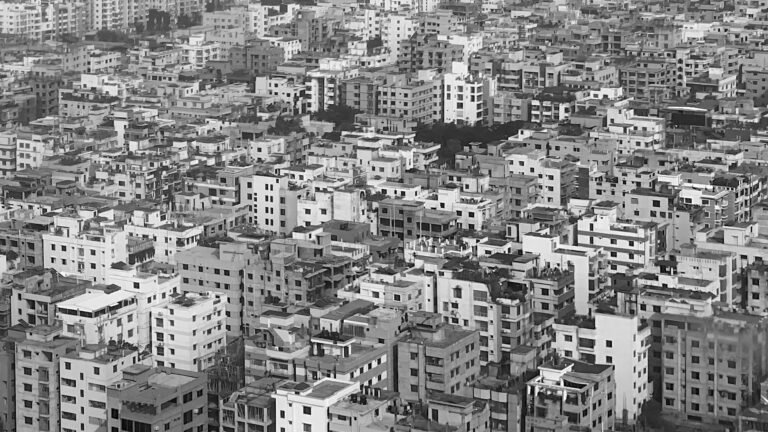
Foreign Investment in Bangladesh Real Estate: Ownership, Structures, Tax and Exit in 2026

Land Ownership Verification and Due Diligence in Bangladesh

Property Registration Fees in Bangladesh 2026: Stamp Duty, Source Tax, Local Tax and VAT with Worked Examples

Capital Repatriation in Bangladesh: Foreign-Exchange Controls in 2026
All insights →
Is property investment in Bangladesh open to foreign companies?
Can non-resident Bangladeshis buy property in Bangladesh?
What is mutation and why does it matter?
Can a property investment be financed by a Bangladeshi bank?
Are there restrictions on property near borders or in the Hill Tracts?
How long does a property purchase take in Bangladesh?
What is the most common mistake in foreign property investment?
Does a property investment need a separate Invest Bangladesh registration?
Protect your Bangladesh property investment from the start
Speak with the partners about Property investment in Bangladesh or across borders.
Book a consultation →











