
Speedy trial tribunal case in Bangladesh: the full journey, step by step
A speedy trial tribunal case in Bangladesh is a pending criminal case, usually murder, rape, firearms, explosives or narcotics, that the Government transfers by gazette notification to a Speedy Trial Tribunal (Druto Bichar Tribunal) under the Speedy Trial Tribunal Act 2002. The Tribunal, presided over by a District Judge-rank judge, must finish within 90 working days, extendable by 30 and then 15 more, or send the case back.
A separate law, the Law and Order Disruption Crimes (Speedy Trial) Act 2002, sends offences such as extortion and obstructing transport to Magistrate-level Speedy Trial Courts.
- Where it starts
- A case already pending in a Sessions court, special tribunal or Magistrate court, transferred by the Government's…
- Main law
- Speedy Trial Tribunal Act 2002 (Druto Bichar Tribunal Ain, Act 28 of 2002) ss.4-19; Law and Order Disruption Crimes (Speedy…
- Typical duration
- By statute the Tribunal has 90 working days from transfer, plus 30 and then a final 15 working days (135 in all).…
- Who can file
- The Government decides which cases to transfer. Victims' families, the police or the prosecution can ask for a…
Speedy trial tribunal case in Bangladesh: walk through every stage
Press next, use your arrow keys or tap a court on the map. The gold marker shows where your case is, and the green trail shows the route it has taken. For the immersive version, play it full screen.
Read every step as text
 Step 1 · Case and investigation
Know which speedy trial law applies
Two different 2002 laws use the words speedy trial. The Speedy Trial Tribunal Act 2002 creates Speedy Trial Tribunals, each with one judge of District Judge rank. They try only cases the Government transfers to them by gazette notification, and the Government may transfer pending cases of murder, rape, firearms, explosives and narcotics in the public interest at any stage. The Law and Order Disruption Crimes (Speedy Trial) Act 2002 is different. It creates Magistrate-level Speedy Trial Courts for specific offences such as extortion and obstructing transport.
Most of this journey follows a speedy trial tribunal case in Bangladesh, and the last phase covers the second law.
Where: Lawyer's chamber · Time: 1 day · Law: ss.4-6 Speedy Trial Tribunal Act 2002; s.8 Law and Order Disruption Crimes (Speedy Trial) Act 2002 · Documents: FIR copy, Charge sheet, if filed
Tip: Check the gazette notification itself. Media reports that a case 'will go to the speedy trial tribunal' do not move it until the notification issues.
 Step 2 · Case and investigation
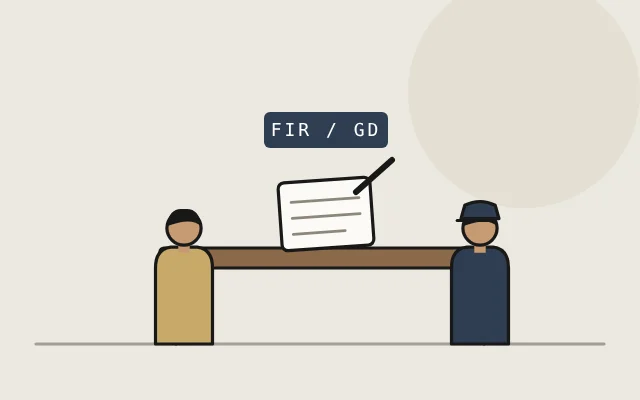
FIR and investigation
The case starts like any other police case. The FIR is recorded at the police station and the investigating officer collects evidence, records statements and arranges forensic and medical reports. The Speedy Trial Tribunal Act sets no special investigation deadline, so the ordinary CrPC rules apply. Since the CrPC (Amendment) Act 2026, an investigation must be completed within 60 working days from receipt of the information unless the Magistrate extends the time for reasons recorded. An officer who fails to finish can be replaced and the delay noted against them.
Where: Police station and investigating officer · Time: 2-6 months · Law: s.154 CrPC; s.173 CrPC; s.173B CrPC (inserted 2026) · Documents: FIR, Seizure lists, Post-mortem or medical reports, Forensic reports
Tip: Victims' families should keep copies of every report and press the investigating officer for a complete charge sheet. The Tribunal's speed depends on a ready case.
 Step 3 · Case and investigation
Arrest, remand and the charge sheet
Arrested accused are produced before a Magistrate, who decides on police remand and bail. Police remand is now capped at 15 days in total. When the investigation ends, the police report or charge sheet goes to the Magistrate, who takes cognisance. A case triable by a Court of Session is then sent to the Sessions Judge, while cases under special laws go to the relevant special tribunal. Until a transfer notification is issued, bail and every other step stay with these ordinary courts.
Where: Chief Metropolitan Magistrate's Courts, Dhaka (remand, cognisance, Speedy Trial Courts) · Time: 1-6 months · Law: s.167 CrPC; s.173 CrPC; s.190 CrPC; s.205C CrPC · Documents: Forwarding report, Remand application, Charge sheet, Bail petition
Tip: Defence counsel should seek copies of the charge sheet and statements early. After transfer the trial may move very fast.
 Step 4 · Transfer to the Tribunal
Application for transfer
Neither party can file a speedy trial tribunal case in Bangladesh directly. The decision belongs to the Government. In practice the victim's family, the police or the public prosecutor writes, usually through the Deputy Commissioner's office, to the Ministry of Home Affairs asking for a transfer, and high-profile cases are often announced by ministers. In January 2026, for example, the family in a Chattogram murder case had applied through the district administration and was still awaiting the Ministry's order. The Act limits transfers to murder, rape, firearms, explosives and narcotics cases.
Where: Ministry of Home Affairs (transfer notification) · Time: Weeks to months · Law: s.6 Speedy Trial Tribunal Act 2002 · Documents: Transfer application, Case summary, Charge sheet copy
Tip: Attach the charge sheet and a short note on why the public interest needs a quick trial, such as witness intimidation or public unrest.
 Step 5 · Transfer to the Tribunal
Gazette notification of transfer
If the Government agrees, it publishes a notification in the official Gazette transferring the named case from the Sessions court, special tribunal or Magistrate court to a particular Speedy Trial Tribunal. A Tribunal can try only cases transferred to it this way, and each Tribunal's local area is fixed by notification. The Act gives the accused no right to be heard before transfer, and the law overrides other laws. A challenge to the transfer itself would have to be by writ in the High Court Division.
Where: Ministry of Home Affairs (transfer notification) · Time: Days to weeks after the decision · Law: s.2 Speedy Trial Tribunal Act 2002; s.4(2) Speedy Trial Tribunal Act 2002; s.5 Speedy Trial Tribunal Act 2002; s.6 Speedy Trial Tribunal Act 2002 · Documents: Gazette notification, Transfer order on the record
Tip: Get a copy of the gazette. The 90-working-day clock runs from the date of transfer, so the date matters.
 Step 6 · Trial in the Tribunal
Record reaches the Tribunal
The original court sends the full record. The Tribunal picks up the trial at the stage it had reached, so a case transferred mid-trial does not start again. Evidence already recorded by the original court counts as the Tribunal's evidence and need not be taken again unless justice requires it. The Government appoints special public prosecutors for the Tribunals. The Tribunal is deemed a Court of Session and can impose any sentence the relevant law allows.
Where: Speedy Trial Tribunal (Druto Bichar Tribunal), Dhaka · Time: 1-3 weeks · Law: s.7 Speedy Trial Tribunal Act 2002; s.8 Speedy Trial Tribunal Act 2002; s.18 Speedy Trial Tribunal Act 2002 · Documents: Transferred case record, Depositions already recorded, Appointment of special PP
Tip: Check that all exhibits, including seized weapons or drug samples, arrived with the record. Missing exhibits cause delay.
 Step 7 · Trial in the Tribunal
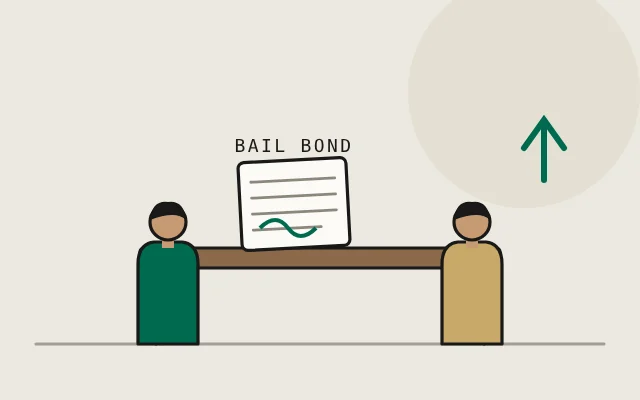
Bail in the Tribunal
Transfer does not change the bail rules. An application by an accused or convicted person is decided under the same provisions that would have applied in the court the case came from. For example, the bail restrictions of the Nari o Shishu law or the narcotics law continue to apply to a case transferred from those tribunals. Since the 2026 CrPC amendment, a court granting bail may also impose reasonable conditions to prevent absconding, and bail bonds may be submitted online where the court allows. Refused bail can be sought from the High Court Division.
Where: Speedy Trial Tribunal (Druto Bichar Tribunal), Dhaka · Time: 1-4 weeks · Law: s.9(3) Speedy Trial Tribunal Act 2002; s.497 CrPC; s.498 CrPC; s.499(3) CrPC (inserted 2026) · Documents: Bail petition, Medical or other grounds, Bail bond
Tip: Argue bail under the law of the original court, not general CrPC principles, where a special law imposes stricter tests.
 Step 8 · Trial in the Tribunal
Continuous trial and evidence
Once the trial starts, it must run without a break until it ends. An adjournment is allowed only if justice requires it, for no more than three working days, and never if it would make the deadline impossible. If the judge changes, the successor continues from the same stage without re-taking evidence, unless justice demands it. Connected offences can be tried together. Film, photographs and recordings made by police or others are admissible, but no one can be convicted on them alone. The CrPC applies where the Act is silent.
Where: Speedy Trial Tribunal (Druto Bichar Tribunal), Dhaka · Time: 1-4 months · Law: s.11 Speedy Trial Tribunal Act 2002; s.12 Speedy Trial Tribunal Act 2002; s.13 Speedy Trial Tribunal Act 2002; s.16 Speedy Trial Tribunal Act 2002; s.17 Speedy Trial Tribunal Act 2002 · Documents: Witness summonses, Video or audio evidence, Expert reports
Tip: Defence lawyers should have cross-examination ready from day one. A request to adjourn for preparation will usually be refused.
 Step 9 · Trial in the Tribunal
Summary procedure for lesser offences
The trial procedure depends on the maximum punishment. Where the offence is not punishable with death, life imprisonment or more than seven years, the Tribunal must try it summarily, following CrPC Chapter XXII as far as possible. That means shorter records and quicker disposal. Murder and most rape, explosives and serious narcotics charges carry heavier maximums, so they are tried under the fuller procedure the Act adopts from the CrPC. The accused still has the right to cross-examine every prosecution witness and to call defence evidence.
Where: Speedy Trial Tribunal (Druto Bichar Tribunal), Dhaka · Time: Within the statutory period · Law: s.9(1)-(2) Speedy Trial Tribunal Act 2002; Chapter XXII CrPC (ss.260-265) · Documents: Charge, Record of summary trial, if applicable
Tip: Check the maximum punishment for each charge, because it decides whether a summary trial is lawful.
 Step 10 · Deadlines and judgment
The 90 + 30 + 15 working-day deadline
A transferred case must be decided within 90 working days of transfer. If that is impossible for an unavoidable reason, the Tribunal records why and may take a further 30 working days, informing the Supreme Court in writing with a copy to the Government. If reasonable cause still prevents a decision, it may take a final 15 working days, again informing the Supreme Court. The full limit is therefore 135 working days, about six to seven calendar months. Each Tribunal also files a monthly return of its cases with the Supreme Court.
Where: Speedy Trial Tribunal (Druto Bichar Tribunal), Dhaka · Time: Up to 135 working days · Law: s.10(1)-(3) Speedy Trial Tribunal Act 2002; s.19 Speedy Trial Tribunal Act 2002 · Documents: Order recording reasons for extension, Letters to the Supreme Court, Monthly return
Tip: Keep your own count of working days from the transfer date. Both sides can use it to resist delay or to argue the case must go back.
 Step 11 · Deadlines and judgment
Return to the original court if time runs out
If the case is still undecided after the final extension, the Tribunal must record its reasons and send it back to the court it came from, informing the Supreme Court. The original court then continues from the stage reached, as if the case had never been transferred. It must give the case priority over all others, start it once any hearing already under way ends, and hear it continuously without adjournment except for recorded unavoidable reasons.
The Tribunal, the special public prosecutor and the police must each report the reasons for the failure within 30 days.
Where: Original trial court: Metropolitan Sessions Judge or special tribunal · Time: 1-2 weeks to return · Law: s.10(4)-(5) Speedy Trial Tribunal Act 2002; s.15 Speedy Trial Tribunal Act 2002 · Documents: Return order with reasons, Reports under s.15
Tip: A returned case keeps its priority. Remind the original court of s.10(5) if it is listed behind ordinary cases.
 Step 12 · Deadlines and judgment
Judgment and sentence
At the end of a speedy trial tribunal case in Bangladesh, the Tribunal convicts or acquits and, if it convicts, passes any sentence the relevant law allows, up to death for murder. Because the Tribunal is deemed a Court of Session, a death sentence cannot be carried out until the High Court Division confirms it, and the record is sent up as a death reference. The accused is entitled to a copy of the judgment. The time taken to obtain a certified copy is excluded from the 30-day appeal period.
Where: Speedy Trial Tribunal (Druto Bichar Tribunal), Dhaka · Time: Within the deadline · Law: s.7 Speedy Trial Tribunal Act 2002; s.14 Speedy Trial Tribunal Act 2002; s.374 CrPC; s.371 CrPC · Documents: Judgment, Certified copy, Death reference record, if applicable
Tip: Apply for the certified copy on the day of judgment. The appeal period is only 30 days.
- Step 13 · The other speedy trial law
Speedy Trial Courts for law-and-order offences
The Law and Order Disruption Crimes (Speedy Trial) Act 2002 covers extortion by threats or force, obstructing road, rail, water or air transport, deliberately damaging vehicles or property, snatching, creating terror by a show of force, obstructing tenders, and intimidating officials. The punishment is two to seven years' rigorous imprisonment and a fine, with possible compensation and confiscation. Offences are cognisable and tried only by Speedy Trial Courts, each with a specially empowered first-class Magistrate. A 2024 amendment removed the 22-year sunset clause, so the law remains in force.
Where: Chief Metropolitan Magistrate's Courts, Dhaka (remand, cognisance, Speedy Trial Courts) · Time: See next step · Law: ss.2, 4, 7, 8 and 9 Law and Order Disruption Crimes (Speedy Trial) Act 2002; s.12(3) Law and Order Disruption Crimes (Speedy Trial) Act 2002; Law and Order Disruption Crimes (Speedy Trial) (Amendment) Act 2024 (Act 1 of 2024) · Documents: Written police report or complaint, Seizure list
Tip: Filing a false case under this Act is itself punishable with two to five years' imprisonment. Make sure the facts fit the defined offences.
- Step 14 · The other speedy trial law
Speedy Trial Court procedure and deadlines
Trials are summary, under CrPC Chapter XXII. An accused caught red-handed must be produced within 24 hours, with a report filed within seven working days and the trial finished within 30 working days. Otherwise the report must be filed within seven working days of the offence and the trial finished within 60. An accused arrested later or who surrenders must also be tried within 30 working days. An absconding accused can be tried in absence after a newspaper notice. Bail is possible only after hearing the State, with reasons recorded.
The Speedy Trial Court is deemed a first-class Magistrate's court.
Where: Chief Metropolitan Magistrate's Courts, Dhaka (remand, cognisance, Speedy Trial Courts) · Time: 30-60 working days by statute · Law: s.10(1)-(4) Law and Order Disruption Crimes (Speedy Trial) Act 2002; s.11 Law and Order Disruption Crimes (Speedy Trial) Act 2002; s.12(2) Law and Order Disruption Crimes (Speedy Trial) Act 2002; s.13 Law and Order Disruption Crimes (Speedy Trial) Act 2002; s.264A CrPC (inserted 2026) · Documents: Police report, Newspaper notice, if absconding, Bail petition
Tip: Since 2026, s.264A CrPC lets a summary trial be completed in a single sitting where practicable, so be ready on the first date.
Walk through it from your side
Pick your side. The step-by-step journey above and the full-screen player will then show what you do at every stage.
Informant / victim
You want a fair trial finished quickly and, if the charge is proved, a lawful conviction and sentence. The prosecution must prove guilt beyond reasonable doubt with witnesses and documents, because recordings alone cannot convict in the Tribunal. Your biggest risk is an unready case: a weak charge sheet or missing witnesses can run out the 135 working days and send the case back to the original court.
Know which speedy trial law applies
With your lawyer, you work out which speedy trial law could apply: the Tribunal Act for transferred murder, rape, firearms, explosives or narcotics cases, or the Law and Order Disruption Crimes Act for offences such as extortion. Keep copies of every case paper.
Watch outA ministerial announcement does not move the case; only a gazette notification does.
FIR and investigation
You lodge the FIR with full details, give your statement to the investigating officer and hand over evidence, medical papers and witness details. Keep copies of every report and follow up on forensic results.
Watch outInvestigation must finish within 60 working days unless the Magistrate extends it; press for a complete charge sheet.
Arrest, remand and the charge sheet
You attend remand and bail hearings when notified and can tell the prosecutor about any threats from the accused. When the charge sheet is filed, you obtain a copy and check that it names the right people and offences.
Watch outIf the police report is incomplete or drops names, consult your lawyer promptly about a naraji (objection) petition.
Application for transfer
If you want a quick trial, you or your lawyer write, usually through the Deputy Commissioner's office, to the Ministry of Home Affairs asking for transfer, attaching the charge sheet and reasons such as witness intimidation or public unrest.
Watch outOnly murder, rape, firearms, explosives and narcotics cases can be transferred.
Gazette notification of transfer
You obtain a copy of the gazette notification and note the transfer date and the Tribunal named. Inform your witnesses that the trial may move quickly.
Watch outThe 90-working-day clock runs from the date of transfer.
Record reaches the Tribunal
You keep in touch with the special public prosecutor, confirm that all exhibits and earlier depositions arrived with the record, and make sure your witnesses' contact details are current.
Watch outMissing exhibits cause delay and can push the case past the deadline.
Bail in the Tribunal
Through the special public prosecutor, you can oppose bail and give the court facts about threats or the risk of absconding, and ask for conditions if bail is granted.
Watch outThe bail rules of the original court still apply, including any stricter special-law tests.
Continuous trial and evidence
You attend every date and make sure your witnesses are available on short notice. You give evidence clearly and stay for cross-examination.
Watch outAn adjournment of more than three working days is not allowed, so absent witnesses may simply be lost.
Summary procedure for lesser offences
You ask the prosecutor whether the charges are tried summarily or under the fuller procedure, and prepare your evidence accordingly.
The 90 + 30 + 15 working-day deadline
You keep your own count of working days from the transfer and ask the prosecutor to resist avoidable delay so that the case is decided in the Tribunal.
Watch outIf the 135 working days run out, the case goes back to the original court.
Return to the original court if time runs out
If the case is returned, you remind the original court that it must give the case priority and hear it continuously, and you keep your witnesses ready.
Watch outA returned case keeps its priority; raise s.10(5) if it is listed behind ordinary cases.
Judgment and sentence
You attend the judgment and obtain a copy. If you think an acquittal or sentence is wrong, you discuss with the prosecutor whether the State will appeal.
Watch outThe 30-day appeal period runs from the judgment, less the time to get the certified copy.
Speedy Trial Courts for law-and-order offences
For offences such as extortion, obstructing transport, snatching or damaging property, you lodge an FIR or a written complaint, and the case goes to a Speedy Trial Court with a specially empowered first-class Magistrate.
Watch outFiling a false case under this Act is punishable with two to five years' imprisonment.
Speedy Trial Court procedure and deadlines
You make sure the report or complaint is filed within seven working days and that you and your witnesses attend, as the trial must finish within 30 or 60 working days.
Watch outSince 2026 a summary trial can be completed in a single sitting, so be ready on the first date.
Accused
You want an acquittal, or a fair hearing of every defence point despite the speed, and bail while the case runs. You must be ready to cross-examine from the first day, because adjournments are capped at three working days. Your biggest risk is being caught unprepared by a fast trial and missing the 30-day appeal limit to the High Court Division.
Know which speedy trial law applies
You instruct a criminal defence lawyer early and check which speedy trial law could apply to the charges. Ask your lawyer to monitor the Gazette for any transfer notification.
Watch outA transferred case can move very fast, so preparation cannot wait for the transfer.
FIR and investigation
Your lawyer tracks the investigation, preserves evidence in your favour, such as alibi records, call data and witnesses, and ensures you exercise your rights if questioned.
Watch outDo not contact prosecution witnesses; it can be treated as intimidation and harm bail.
Arrest, remand and the charge sheet
Your lawyer opposes or limits police remand, applies for bail and obtains copies of the charge sheet and witness statements as soon as they are filed.
Watch outPolice custody cannot exceed 15 days in total in a case; raise any excess or ill-treatment with the Magistrate.
Application for transfer
You have no right to choose the forum, but your lawyer can follow the transfer request and, if the offence falls outside the five listed classes, prepare to challenge any notification.
Gazette notification of transfer
You obtain a copy of the gazette notification and check that the case is one the Act allows to be transferred. A challenge to the transfer itself would need a writ petition in the High Court Division.
Watch outThe Act gives no right to be heard before transfer, so act quickly if you have a legal objection.
Record reaches the Tribunal
Your lawyer inspects the transferred record, checks that earlier evidence was properly recorded and prepares cross-examination of the remaining witnesses.
Watch outEvidence already recorded counts in the Tribunal unless justice requires it to be retaken.
Bail in the Tribunal
Your lawyer applies for bail under the rules of the court the case came from, offering suitable conditions and sureties. If refused, you can apply to the High Court Division.
Watch outArguing general CrPC principles where a stricter special law applies will usually fail.
Continuous trial and evidence
Your lawyer has cross-examination ready from day one, files defence witness lists in time and challenges the authenticity and chain of custody of any recordings relied on.
Watch outA request to adjourn for preparation will usually be refused.
Summary procedure for lesser offences
Your lawyer checks the maximum punishment for each charge, because it decides whether a summary trial is lawful, and objects if the wrong procedure is used.
Watch outA summary trial of an offence punishable with more than seven years is open to challenge.
The 90 + 30 + 15 working-day deadline
Your lawyer keeps a working-day count and checks that each extension is supported by recorded reasons and notice to the Supreme Court.
Watch outNever cause delay yourself; deliberate delay can be held against you and does not end the case.
Return to the original court if time runs out
If the case is returned, your lawyer checks the stage reached and reviews bail, since the original court continues from that stage as if there had been no transfer.
Judgment and sentence
If convicted, you apply for a certified copy of the judgment on the same day and instruct your lawyer to prepare an appeal to the High Court Division, with a bail application if appropriate.
Watch outThe appeal must be filed within 30 days, excluding the time to obtain the certified copy.
Speedy Trial Courts for law-and-order offences
If accused under the Law and Order Disruption Crimes Act, you instruct a lawyer at once and check whether the facts really fit one of the defined offences.
Watch outOffences are cognisable and carry two to seven years' rigorous imprisonment and a fine.
Speedy Trial Court procedure and deadlines
You appear when summoned or surrender with your lawyer and apply for bail, which requires a hearing of the State and recorded reasons. Prepare your defence at once.
Watch outIf you abscond after a newspaper notice, the trial can go ahead in your absence.
What if…? How the speedy trial tribunal case in Bangladesh can change course
Choose a scenario. The map animates the route up the hierarchy and, where a case is sent back, down to the lower court and up again.
What if the convicted accused or the State appeals?
- 1High Court Division
Appeal to the High Court Division within 30 days
An appeal against the Tribunal's final judgment lies to the High Court Division within 30 days of the judgment. The time needed to get the certified copy is excluded. The appeal rehears facts and law on the record. The High Court Division can acquit, alter the conviction or sentence, or order a retrial. The State may appeal against an acquittal or seek enhancement under the CrPC.
1-4 yearss.14 Speedy Trial Tribunal Act 2002ss.417, 417A and 423 CrPC - 2High Court Division
Bail pending appeal
A convict sentenced to imprisonment can ask the High Court Division to suspend the sentence and grant bail while the appeal is pending, usually where the term is short or the appeal shows strong grounds.
1-3 monthss.426 CrPC
Where it ends up: The High Court Division confirms, alters or sets aside the Tribunal's judgment.
What if a party challenges an interim order?
- 1High Court Division
Revision or s.561A in the High Court Division
Because the Tribunal is deemed a Court of Session, revision against its interim orders lies to the High Court Division, not the Sessions Judge. Examples include framing a charge, refusing to recall a witness or allowing new evidence. An application under s.561A can be made to prevent abuse of process. The High Court Division may stay the trial, but stays eat into the statutory deadline.
3-12 monthss.7(1) Speedy Trial Tribunal Act 2002ss.435 and 439 CrPCs.561A CrPC - 2High Court Division
Challenging the transfer itself
The transfer notification is an executive act, not a court order. An accused who says it is unlawful, for example because the offence is not one of the five listed classes, would need a writ petition under Article 102.
3-12 monthss.6 Speedy Trial Tribunal Act 2002Article 102 Constitution
Where it ends up: Interim orders are corrected or upheld, and the trial resumes.
Can the Tribunal review its judgment?
- 1Speedy Trial Tribunal (Druto Bichar Tribunal), Dhaka
No review in the Tribunal
Once the Tribunal signs its judgment it cannot alter or review it, except to correct a clerical error, because the CrPC applies where the Act is silent. Errors must be corrected on appeal.
Not applicables.369 CrPCs.17 Speedy Trial Tribunal Act 2002 - 2Appellate Division of the Supreme Court
Review in the Appellate Division only
The Appellate Division can review its own judgment under Article 105, for an error apparent on the face of the record, by a petition filed within 30 days. In death cases this is usually the last judicial step.
3-12 monthsArticle 105 ConstitutionOrder XXVI Supreme Court (Appellate Division) Rules 1988
Where it ends up: Only the Appellate Division can review, and only its own decision.
What happens after a death sentence?
- 1High Court Division
Death reference for confirmation
A death sentence passed by the Tribunal must be submitted to the High Court Division under s.374 and cannot be executed without its confirmation. A Division Bench re-examines all the evidence with any appeal or jail appeal, and may confirm, commute, acquit or order a retrial.
2-6 yearss.374 CrPCs.376 CrPCs.7(1) Speedy Trial Tribunal Act 2002 - 2Appellate Division of the Supreme Court
Appeal as of right
If the High Court Division confirms the death sentence, or itself imposes death or life imprisonment, the convict can appeal to the Appellate Division as of right, usually within 30 days.
1-4 yearsArticle 103(2)(b) Constitution
Where it ends up: The death sentence is confirmed, commuted or set aside by the High Court Division, subject to the Appellate Division.
What if the High Court Division orders a retrial?
- 1High Court Division
Conviction set aside, retrial ordered
Speed sometimes costs fairness. If the trial was flawed, for example through a refused adjournment that denied a fair defence or a missing key witness, the High Court Division can set aside the judgment and order a retrial by a court of competent jurisdiction.
Within the appeals.423(1)(b) CrPCs.376(b) CrPC - 2Speedy Trial Tribunal (Druto Bichar Tribunal), Dhaka
Retrial
The retrial is held in the Tribunal or another court, as the High Court Division directs. The court follows its directions and gives a fresh judgment. The Act's deadlines are written for transferred cases, so the High Court Division usually sets its own timetable.
3-12 monthss.8 Speedy Trial Tribunal Act 2002s.423 CrPC - 3High Court Division
Back up on a fresh appeal
The new judgment can again be appealed to the High Court Division within 30 days, and a fresh death sentence needs a fresh reference.
1-3 yearss.14 Speedy Trial Tribunal Act 2002s.374 CrPC
Where it ends up: After the retrial, the case climbs again to the High Court Division.
How does the case reach the Appellate Division?
- 1Appellate Division of the Supreme Court
Leave or appeal as of right
Outside death and life cases, the losing side in the High Court Division files a criminal petition for leave to appeal, usually within 30 days, or 60 days for the Government against an acquittal. A convict must normally surrender before the petition is heard.
1-3 yearsArticle 103 ConstitutionOrders XXIII and XXIV Supreme Court (Appellate Division) Rules 1988 - 2Appellate Division of the Supreme Court
Final judgment
The Appellate Division's decision ends the case, subject only to an Article 105 review and, in death cases, a mercy petition to the President.
1-2 yearsArticle 111 ConstitutionArticle 49 Constitution
Where it ends up: The Appellate Division's judgment is final.
What about appeals from a Speedy Trial Court?
- 1Original trial court: Metropolitan Sessions Judge or special tribunal
Appeal to the Sessions court
Under the Law and Order Disruption Crimes Act, the appellate court for a Speedy Trial Court is the Court of Session with jurisdiction. The appeal follows CrPC rules and is usually filed within 30 days. The Sessions court can also grant bail pending appeal with recorded reasons.
6-18 monthss.12(2) Law and Order Disruption Crimes (Speedy Trial) Act 2002s.13 Law and Order Disruption Crimes (Speedy Trial) Act 2002Article 154 Limitation Act 1908 - 2High Court Division
Revision in the High Court Division
After the Sessions court's appellate judgment, a party can seek criminal revision in the High Court Division on points of law or serious irregularity.
6-24 monthss.439 CrPC
Where it ends up: The Sessions court decides the appeal, with limited review by the High Court Division.
How the speedy trial tribunal case in Bangladesh moves up the court hierarchy
A speedy trial tribunal case in Bangladesh begins in the ordinary system, with the police, a Magistrate and the Sessions court or special tribunal. It moves sideways when the Government transfers it by gazette notification to a Speedy Trial Tribunal. The Tribunal's judge is of District Judge rank, and the Tribunal is deemed a Court of Session, so there is no intermediate appeal. Every appeal from its final judgment goes straight to the High Court Division within 30 days, excluding the time to obtain a certified copy.
The High Court Division rehears facts and law, also hears death references, and can order a retrial. If the Tribunal cannot finish within 135 working days, the case returns to the original court, whose own appeal route then applies. The separate Speedy Trial Courts under the Law and Order Disruption Crimes Act sit at Magistrate level, with appeals to the Court of Session. The Appellate Division hears appeals as of right in death and life cases, and others by leave.
- Appellate DivisionAppellate Division of the Supreme Court
- High Court DivisionHigh Court Division
- Appellate levelOriginal trial court: Metropolitan Sessions Judge or special tribunal
- First instanceChief Metropolitan Magistrate's Courts, Dhaka (remand, cognisance, Speedy Trial Courts) · Speedy Trial Tribunal (Druto Bichar Tribunal), Dhaka
- Start · outside courtLawyer's chamber · Police station and investigating officer · Ministry of Home Affairs (transfer notification)
Where your case is heard
Addresses are for Dhaka. Every district has equivalent courts at its own district judgeship.
Supreme Court of Bangladesh (Appellate Division and High Court Division)
Supreme Court of Bangladesh, Shahbag, Ramna, Dhaka-1000Hears appeals, revisions, references, writ petitions under Article 102, company matters and death references (High Court Division), and appeals by leave from the High Court Division (Appellate Division).
Both Divisions sit in the Supreme Court complex; many High Court Division benches sit in the Annex Building. Check the daily cause list for the bench and court room. Postal contact is the Registrar General, Supreme Court of Bangladesh, Ramna, Dhaka-1000.
Court of the Metropolitan Sessions Judge, Dhaka
40-45 Johnson Road, Dhaka-1100Tries sessions-triable offences from Dhaka metropolitan police stations and hears criminal appeals and revisions from Metropolitan Magistrates; Additional and Joint Metropolitan Sessions Judges also sit as Metropolitan Special Tribunals.
The Metropolitan Sessions Judge sits on the 2nd floor of the main building; Additional and Joint Metropolitan Sessions Judge courts are in the main building and the tin-shed building in the same compound. The Metropolitan Sessions Judge, Dhaka also holds the post of Senior Special Judge, Dhaka. Help line published by the court: 01335-145002.
Chief Metropolitan Magistrate Court, Dhaka
19 Johnson Road, Dhaka-1100Takes cognisance of and tries criminal cases arising in Dhaka Metropolitan Police areas (Metropolitan Magistrate courts), hears bail, remand and FIR/complaint matters, and sends sessions-triable cases to the Metropolitan Sessions Judge.
Metropolitan Magistrate courts are spread over the CMM court main building (floors 2-9) and the CJM court building (courts 29-37 on the 8th and 9th floors). Check the court number on the cause list. Each metropolitan city (Chattogram, Khulna, Rajshahi, Sylhet, Barishal, Rangpur, Gazipur) has its own CMM court.
Speedy Trial Tribunals (Druto Bichar Tribunal), Dhaka
Dhaka (exact address not confirmed)Try cases that the Government transfers to them under the Speedy Trial Tribunal Act 2002 (Druto Bichar Tribunal Ain 2002), within the time limits that Act sets. Each tribunal is presided over by a judge of District Judge rank.
Address could not be confirmed from an official source. The Dhaka tribunals sit in the Dhaka court area; check the tribunal number and court room in the cause list or with the court office before visiting.
Lawyer's chamber
Where this happens depends on your district or the office concerned. Ask us for the exact courtroom and address.
Police station and investigating officer
Where this happens depends on your district or the office concerned. Ask us for the exact courtroom and address.
Ministry of Home Affairs (transfer notification)
Where this happens depends on your district or the office concerned. Ask us for the exact courtroom and address.
How long each stage takes
These are indicative ranges based on typical Dhaka practice. Adjournments, case backlogs and appeals can stretch them.
Documents checklist and key terms
Tick off what you have. Your ticks stay saved in this browser. Bring the list to your first meeting with your lawyer.
- Speedy Trial Tribunal
- Druto Bichar Tribunal under the 2002 Act, with one District Judge-rank judge, trying only cases the Government transfers.
- Speedy Trial Court
- Druto Bichar Adalat under the Law and Order Disruption Crimes Act 2002, presided over by a specially empowered first-class Magistrate.
- Gazette notification
- Official Government publication that transfers a named case to a Tribunal.
- Working day
- A day the court sits; weekends and public holidays are not counted in the 90, 30 and 15-day limits.
- Special public prosecutor
- A prosecutor appointed by the Government for the Speedy Trial Tribunals.
- Summary trial
- A shortened trial procedure under CrPC Chapter XXII for less serious offences.
- Death reference
- The mandatory submission of a death sentence to the High Court Division for confirmation under s.374 CrPC.
- Return of case
- Sending an unfinished case back to the original court after the final extension under s.10(4).
Speedy trial tribunal case in Bangladesh: common questions
Which cases go to a Speedy Trial Tribunal?
How long does a speedy trial tribunal case in Bangladesh take?
Is bail harder in a Speedy Trial Tribunal?
Where do I appeal against a speedy trial tribunal case in Bangladesh?
Is the Speedy Trial Tribunal the same as the Speedy Trial Court?
Is the Law and Order Disruption Crimes Act still in force?
Can video recordings convict someone?
What are common mistakes in a speedy trial tribunal case in Bangladesh?
Law and sources
- Speedy Trial Tribunal Act 2002 (Druto Bichar Tribunal Ain, Act 28 of 2002), Laws of Bangladesh mirror
- Law and Order Disruption Crimes (Speedy Trial) Act 2002 (Act 11 of 2002), Laws of Bangladesh mirror
- Law and Order Disruption Crimes (Speedy Trial) (Amendment) Act 2024 (Act 1 of 2024), Laws of Bangladesh mirror
- Code of Criminal Procedure 1898, Laws of Bangladesh mirror
- Code of Criminal Procedure (Amendment) Act 2026, Laws of Bangladesh mirror
- bdnews24: Alif murder case moves towards trial; transfer application pending with the Home Ministry (10 January 2026)
- Supreme Court of Bangladesh
This Case Journey is a general guide to procedure in Bangladesh as of October 2026. It is not legal advice. Procedure, fees and time limits change, and every case turns on its own facts. Timelines are indicative. Speak to a lawyer about your own matter.
Run this case from outside Bangladesh
You can usually start and run this case without travelling. You sign a power of attorney abroad, the Bangladesh High Commission or Embassy attests it, and your attorney and lawyer act for you in Dhaka. Some steps, such as giving evidence in person, may still need you or a commission. See how a case runs through a power of attorney →
Want to know where your case stands?
Book a consultation. A TRW lawyer will place your matter on this map, explain the next step and the realistic timeline, and tell you what to prepare.











