
Pornography case in Bangladesh: the full journey, step by step
A pornography case in Bangladesh is a criminal prosecution under the Pornography Control Act 2012 for producing, distributing or selling pornography, or for using intimate images to defame, blackmail or harass someone.
Offences are cognizable and non-bailable, investigation is time-limited, and the case is tried under the ordinary Code of Criminal Procedure: by a Magistrate for offences carrying up to five years, and by a Sessions court for production and child pornography. Online blackmail and revenge porn can also be charged under s.25 of the Cyber Protection Act 2026 before the Cyber Tribunal.
- Where it starts
- Police station or police cyber crime unit where the FIR is recorded, or a complaint before the Chief Metropolitan or…
- Main law
- Pornography Control Act 2012 (Act 9 of 2012) ss.4-13; Code of Criminal Procedure 1898 (as amended 2026) and its Second Schedule…
- Typical duration
- Investigation: 30 to 75 working days by law, often longer. Trial: about 1 to 3 years in Dhaka. Appeal: 1 to 4 years…
- Who can file
- The victim or any informant can lodge an FIR or complaint; the police can act on their own because offences are…
Pornography case in Bangladesh: walk through every stage
Press next, use your arrow keys or tap a court on the map. The gold marker shows where your case is, and the green trail shows the route it has taken. For the immersive version, play it full screen.
Read every step as text
 Step 1 · Evidence and takedown
Identify the offence and the right law
The Pornography Control Act 2012 bans producing, storing, marketing, carrying, supplying, buying, selling, possessing or displaying pornography. Section 8 sets out the offences: producing it or forcing or luring someone to take part (up to 7 years), using pornography to damage a person's reputation, extort money or cause mental torture (up to 5 years), supplying it through the internet or a mobile phone (up to 5 years), and child pornography (up to 10 years). Online blackmail, sextortion and revenge porn may also fall under s.25 of the Cyber Protection Act 2026.
Choosing the right charge affects bail, the court and the sentence.
Where: Lawyer's chamber · Time: 1-3 days · Law: s.2(c)-(d) Pornography Control Act 2012; s.4 Pornography Control Act 2012; s.8(1)-(7) Pornography Control Act 2012; s.25 Cyber Protection Act 2026 · Documents: Summary of events, Links and account names, Identity documents
Tip: Material kept for genuine religious purposes, and religious art and sculpture, are outside the Act under s.9. Most other sexually explicit material without artistic or educational value is covered.
 Step 2 · Evidence and takedown
Preserve the digital evidence
Before anything is deleted, the victim should save screenshots showing the content, the date and time, the web address and the account or phone number that posted or sent it, and keep the original messages on the device. Do not forward the material to others, as that can itself amount to distribution. Seized devices, soft and hard copies, memory and information stored electronically are admissible under the Act, and so is information held by BTRC, mobile operators and internet service providers in the normal course of business.
Investigators can request those records, so note the exact dates and numbers involved.
Where: Lawyer's chamber · Time: Immediately · Law: s.6(2)-(3) Pornography Control Act 2012; s.65B Evidence Act 1872 · Documents: Screenshots with URLs and timestamps, Original device, Chat or call records
Tip: Write down the profile link, not only the display name. Display names change; profile IDs and URLs are what platforms and investigators use.
 Step 3 · Evidence and takedown
Takedown and blocking
Removing the content quickly often matters more to a victim than the prosecution. Reports should be made at once to the platform through its own reporting tools, and the police cyber units can support the request. Under s.8 of the Cyber Protection Act 2026, the Director General of the National Cyber Protection Agency or law enforcement can also ask BTRC to have content removed or blocked on the grounds that section lists, such as threats to cyber security or public order, and BTRC then asks the technology company to act.
Any such removal must be approved by the Cyber Tribunal within three days, otherwise the content must be restored.
Where: Bangladesh Telecommunication Regulatory Commission · Time: Days to weeks · Law: s.8(1)-(4) Cyber Protection Act 2026 · Documents: Links to the content, Copy of the FIR or general diary, if filed
Tip: File the platform report and the police report in parallel. Waiting for the criminal case before seeking removal lets the material spread.
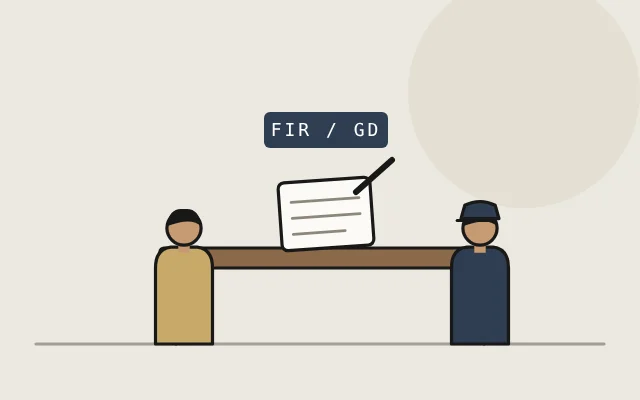 Step 4 · Case filing, arrest and bail
FIR or complaint
All offences under the Pornography Control Act are cognizable, so the police must record an FIR and can arrest without a warrant. The victim can go to the local police station or a police cyber crime unit, such as those run by the Dhaka Metropolitan Police and the CID. If the police refuse to record the case, the victim can file a complaint before the Chief Metropolitan Magistrate or Chief Judicial Magistrate, who examines the complainant and can order an investigation.
A knowingly false or harassing case is itself an offence under s.13, punishable with up to two years' imprisonment.
Where: Police station or police cyber crime unit · Time: Same day to 1 week · Law: s.10 Pornography Control Act 2012; s.154 CrPC; s.200 CrPC; s.13 Pornography Control Act 2012 · Documents: Written complaint, Evidence printouts, Device, if handed over
Tip: Keep the FIR factual and specific. Overstated allegations are exposed at trial and can expose the informant to a counter-case under s.13.
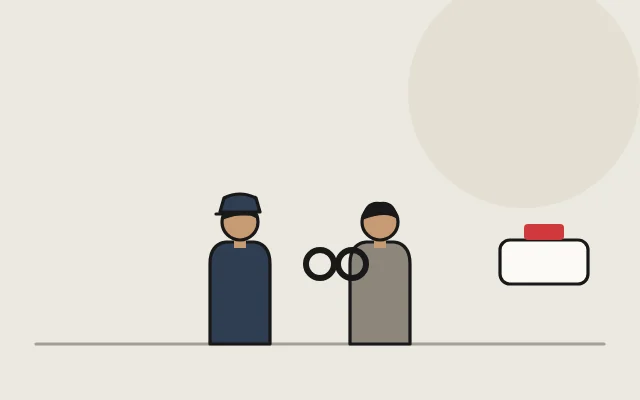 Step 5 · Case filing, arrest and bail
Search, seizure and arrest
A police officer of at least Sub-Inspector rank, or another person or authority empowered by the Government, can search a place to arrest a suspect or to recover pornography equipment, following the CrPC procedure. Equipment includes cameras, computers, phones, memory cards, discs and any electronic or digital device used to produce, store or display pornography. A seizure list is prepared in front of witnesses. Devices are sealed and sent for forensic examination. The suspect is told the grounds of arrest and must be produced before a Magistrate within 24 hours.
Where: Police station or police cyber crime unit · Time: Hours · Law: s.6(1) Pornography Control Act 2012; s.2(d) Pornography Control Act 2012; s.103 CrPC; s.61 CrPC · Documents: Seizure list, Arrest memo, Device hash or seal record
Tip: The defence should check that the seizure list records each device with its serial number and seal. Gaps in the chain of custody weaken digital evidence.
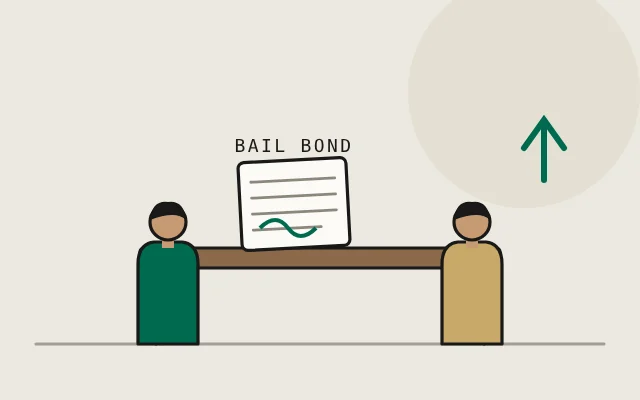 Step 6 · Case filing, arrest and bail
Production, remand and bail
At first production the police may ask for remand. Since the CrPC (Amendment) Act 2026, in force from 10 August 2025, police custody cannot exceed fifteen days in total. Pornography Control Act offences are non-bailable, so bail is discretionary under the CrPC. Courts weigh the evidence, the risk of the material being spread further and any contact with the victim. Women, the sick and those under 16 receive special consideration. For the lower-tier offences, courts may be more willing to grant bail once the devices have been seized.
Section 25 Cyber Protection Act offences are bailable, so a person charged only under that section is entitled to bail.
Where: Chief Metropolitan Magistrate Court, Dhaka · Time: 1 day to several months · Law: s.10 Pornography Control Act 2012; s.167 CrPC (as amended 2026); s.497 CrPC; s.46(2) Cyber Protection Act 2026 · Documents: Forwarding report, Bail petition, Seizure list
Tip: Offer concrete safeguards, such as surrendering devices and undertaking not to contact the victim. Courts look for assurance that the material will not spread.
 Step 7 · Investigation
Investigation within fixed limits
The investigation is carried out under the CrPC by an officer not below Sub-Inspector rank. It must be finished within 30 working days. If that is not possible for good reason, the Superintendent of Police or an equivalent officer can allow 15 more working days, and the court can allow a further 30. The officer records statements from the victim and witnesses, collects platform and operator records, and traces accounts, phone numbers and payments. Missing these limits does not end the case, but it supports bail and can be raised at every hearing.
Where: Police station or police cyber crime unit · Time: 30-75 working days by law · Law: s.5(1)-(3) Pornography Control Act 2012; s.161 CrPC · Documents: Case diary, Witness statements, Operator and platform records
Tip: Victims should give the investigating officer every account name and number at the start. Records requested late may already be deleted.
- Step 8 · Investigation
Digital forensics and expert opinion
Seized devices go to a police or other government digital forensic lab. The Act treats as expert evidence the opinion of a technical expert certified by the competent authority, of technical staff of government and statutory bodies, or of certified technical staff of licensed private firms. The forensic report usually shows where files were created, stored or sent, and links devices to accounts. In a pornography case in Bangladesh this report is often the decisive evidence, because it connects the accused to the material rather than relying on screenshots alone.
Where: Police station or police cyber crime unit · Time: 1-6 months · Law: s.7 Pornography Control Act 2012; s.45 Evidence Act 1872 · Documents: Forensic examination report, Extraction logs, Hash values
Tip: The defence can ask for the examiner to be called and cross-examined, and for an independent forensic opinion where the report is doubtful.
 Step 9 · Investigation
Police report and cognizance
At the end of the investigation the officer submits a charge sheet, or a final report if the allegation is not supported. The informant can file a naraji (objection) against a final report and ask for further investigation. The Chief Metropolitan Magistrate takes cognizance. Offences punishable with up to five years stay with the Magistrate courts. Offences under s.8(1) and s.8(6), which carry more than five years, are sent to the Sessions Judge for trial. If the accused was under 18 at the time, the child's case goes separately to the Children's Court.
Where: Chief Metropolitan Magistrate Court, Dhaka · Time: 1-3 months · Law: s.173 CrPC; s.190 CrPC; s.205C CrPC; s.15A Children Act 2013 · Documents: Charge sheet, Forensic report, Witness list
Tip: Check that the charge sheet names the right sub-section of s.8. The sub-section decides the sentence range and which court will try the case.
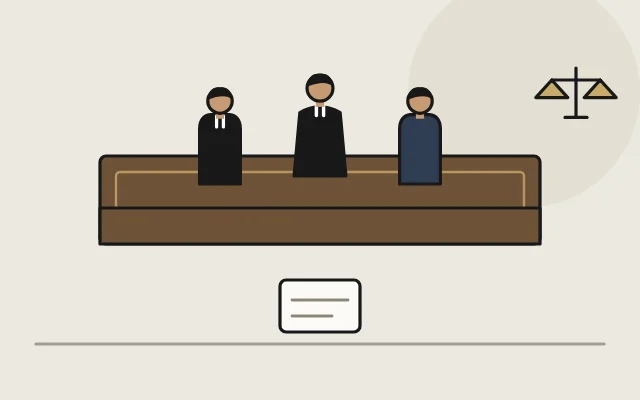 Step 10 · Trial
Which court tries the case
The Act says trials follow the Code of Criminal Procedure unless the Government gives a special court or tribunal power by gazette notification. Under the CrPC's Second Schedule, offences under other laws punishable with more than five years go to the Court of Session, and those carrying two to five years go to a Metropolitan Magistrate or Magistrate of the first class. So production and child pornography go to a Sessions court; reputation, extortion, online supply and public display offences go to a Magistrate.
Charges under the Cyber Protection Act 2026 can be tried only by the Cyber Tribunal.
Where: Sessions court trying the case (Metropolitan Sessions, Additional or Joint Sessions Judge) · Time: 2-6 weeks · Law: s.11 Pornography Control Act 2012; Second Schedule CrPC (offences against other laws); s.41(1) Cyber Protection Act 2026 · Documents: Transfer order, Case record
Tip: Ask whether any special court has been notified under s.11 for your district. Where the case also includes a Cyber Protection Act charge, confirm early which court will hear which charge.
 Step 11 · Trial
Discharge or framing of charge
Before trial the court hears both sides on the police report and documents. In a Sessions court the accused is discharged under s.265C if there is no sufficient ground; otherwise a charge is framed under s.265D. In a Magistrate's court the equivalent provisions are ss.241A and 242. The charge names the sub-section of s.8 and the facts relied on, for example the date of upload and the account used. The accused pleads guilty or not guilty. A careful discharge application is an important defence opportunity in a pornography case in Bangladesh.
Where: Sessions court trying the case (Metropolitan Sessions, Additional or Joint Sessions Judge) · Time: 1-3 months · Law: s.265C CrPC; s.265D CrPC; s.241A CrPC; s.242 CrPC · Documents: Discharge petition, Charge
Tip: Point to gaps such as no forensic link between the accused's device and the material, or screenshots that do not show who posted them.
 Step 12 · Trial
Prosecution evidence
The prosecution calls the victim, the informant, the seizure witnesses, the investigating officer and the forensic examiner, and produces the seized devices, printouts and records from operators or platforms. Electronic records must be proved in the manner the Evidence Act requires. The victim's evidence is often sensitive, and the defence and prosecution should ask the court to limit public exposure of the material itself. In practice delays come from witnesses failing to appear and from late forensic reports.
Where: Sessions court trying the case (Metropolitan Sessions, Additional or Joint Sessions Judge) · Time: 6-24 months in practice · Law: s.265F CrPC; s.6(2)-(3) Pornography Control Act 2012; s.7 Pornography Control Act 2012; s.65B Evidence Act 1872 · Documents: Exhibits and devices, Forensic report, Operator records
Tip: Victims should keep their original device and any backup until the trial ends. Defence lawyers should test whether the printouts match the forensic extraction.
- Step 13 · Trial
Examination of the accused and defence
After the prosecution closes, the court questions the accused under s.342 about the evidence against them. The defence may call witnesses or produce documents, for example to show that an account was hacked or shared, or that the accused did not control the device at the relevant time. In a Sessions court the accused can be acquitted at this stage under s.265H if there is no evidence. Arguments follow, usually focused on attribution: who actually created, sent or uploaded the material.
Where: Sessions court trying the case (Metropolitan Sessions, Additional or Joint Sessions Judge) · Time: 1-3 months · Law: s.342 CrPC; s.265H CrPC; s.265J CrPC · Documents: Defence evidence, Independent forensic opinion, if any, Written arguments
Tip: A hacking defence needs specifics, such as login alerts, password-reset emails or device logs, not a general denial.
 Step 14 · Judgment and after
Judgment and sentence
The court gives a reasoned judgment. On conviction, sentences follow s.8: up to 7 years' rigorous imprisonment and a fine of up to Tk 2 lakh for production, up to 5 years and Tk 2 lakh for reputation, extortion or online supply offences, up to 2 years and Tk 1 lakh for public display or sale, and up to 10 years and Tk 5 lakh for child pornography. Anyone directly involved or assisting faces the same punishment.
The court can order the seized devices to be disposed of and part of any fine to be paid to the victim.
Where: Sessions court trying the case (Metropolitan Sessions, Additional or Joint Sessions Judge) · Time: 1-4 weeks after arguments · Law: s.8(1)-(7) Pornography Control Act 2012; s.265K CrPC; s.517 CrPC; s.545 CrPC · Documents: Judgment, Certified copy application, Order on seized property
Tip: Apply for the certified copy on the day of judgment. The 30-day appeal period under s.12 runs from the date of the judgment.
 Step 15 · Judgment and after
False or harassing cases
The Act protects against misuse. An empowered officer who knowingly files a false or harassing case faces up to two years' rigorous imprisonment and a fine of up to Tk 1 lakh. If the court acquits the accused and records that the allegation was false, baseless and harassing, the person who filed the case also commits an offence with the same penalty. An acquitted person should ask the court to record such a finding where the evidence supports it, and can then pursue a complaint before the Magistrate.
Where: Chief Metropolitan Magistrate Court, Dhaka · Time: Months · Law: s.13(1)-(2) Pornography Control Act 2012; s.200 CrPC · Documents: Certified copy of the acquittal, Complaint petition
Tip: The finding that a case was false must appear in the acquittal judgment itself. Ask for it in the closing arguments.
Walk through it from your side
Pick your side. The step-by-step journey above and the full-screen player will then show what you do at every stage.
Informant / victim
You want the material removed quickly, the person responsible identified and prosecuted, and protection from further harm. You must help the police link a specific person or device to the content, using preserved messages, account details and dates. Your biggest risk is losing evidence by deleting messages or delaying the report, or weakening the case with exaggerated allegations.
Identify the offence and the right law
You explain to a lawyer exactly what was made, shared or threatened, by whom and through which platform. Your lawyer identifies the right sub-section of s.8 and whether s.25 of the Cyber Protection Act 2026 also applies, since that choice affects bail, the court and the sentence.
Watch outOverstating the facts to fit a heavier charge can backfire at trial and expose you to a false-case complaint under s.13.
Preserve the digital evidence
You take screenshots showing the content, date and time, web address and the posting account or phone number, and keep the original messages on your device. Write down profile links, not just display names, and keep a simple log of each incident.
Watch outNever forward the material to anyone, even to show what happened; forwarding can itself count as distribution.
Takedown and blocking
You report the content through the platform's own tools straight away and ask the police cyber unit to support the request. Keep the report reference numbers. Do not wait for the criminal case before seeking removal.
Watch outAny removal under s.8 Cyber Protection Act must be approved by the Cyber Tribunal within three days or the content is restored, so follow up.
FIR or complaint
You lodge the FIR at the police station or a police cyber unit, giving a clear, factual account with dates, account names, numbers and your preserved evidence. If the police refuse, your lawyer files a complaint before the Chief Metropolitan or Chief Judicial Magistrate.
Watch outKeep the FIR specific and accurate; a case later found false and harassing can lead to proceedings against the person who filed it.
Search, seizure and arrest
You tell the investigating officer which phones, computers or accounts were used and where they may be found, so the search can target the right devices. Ask for a copy of the seizure list if your own device is taken as evidence.
Production, remand and bail
The Public Prosecutor opposes bail for the State. You can tell the PP about any threats, continued posting or contact from the accused, so the court can refuse bail or impose conditions such as no contact and surrender of devices.
Investigation within fixed limits
You give the investigating officer every account name, phone number and payment detail at the start, and record your statement fully. Ask about progress if the 30 working-day limit and its extensions are passing without results.
Watch outRecords requested late from platforms or operators may already have been deleted.
Digital forensics and expert opinion
You make your device available for examination if asked, and keep any backup. Ask the investigating officer whether the forensic report has been requested and when it is expected, because it is often the decisive evidence.
Police report and cognizance
You check the police report. If the police file a final report saying the allegation is not supported, your lawyer can file a naraji (objection) petition and ask for further investigation or cognizance.
Watch outA naraji petition should be filed promptly once you learn of the final report.
Which court tries the case
You confirm with the PP which court will try each charge, especially if a Cyber Protection Act charge has been added, since only the Cyber Tribunal can try that. Keep your contact details updated so that witness summonses reach you.
Discharge or framing of charge
You attend, if needed, while the PP argues that the police report and documents disclose an offence. Speak to the PP about the facts on which the charge should be framed, such as dates of upload and accounts used.
Prosecution evidence
You give evidence when summoned, keeping your original device and any backup until the trial ends. You can ask the PP to request that the court limit public exposure of the material during your evidence.
Watch outMissing hearings when summoned is a common cause of delay and can weaken the prosecution.
Examination of the accused and defence
You wait while the court examines the accused and hears any defence evidence. Speak to the PP if you have material that answers a hacking or shared-account defence, such as messages showing who controlled the account.
Judgment and sentence
You hear the judgment. On conviction, the court may order part of any fine to be paid to you and the seized devices to be disposed of. If the accused is acquitted, discuss with the PP whether the State will appeal within 30 days.
Watch outThe 30-day appeal period runs from the date of judgment.
False or harassing cases
If the accused is acquitted and the court records that the case was false, baseless and harassing, you may face a complaint under s.13. Make sure your evidence and testimony are accurate from the start; a case honestly brought but not proved is not a false case.
Accused
You want a fair investigation, bail, and an acquittal or discharge if the prosecution cannot prove that you created, sent or uploaded the material. The prosecution must link you, not just an account or screenshot, to the content. Your biggest risk is time in custody, because Pornography Control Act offences are non-bailable, and any contact with the victim that looks like pressure.
Identify the offence and the right law
If you hear of an allegation, you take advice from a criminal lawyer at once. Your lawyer reviews which sub-section is likely to be alleged, whether the material is even within the Act's definition or exemptions, and the realistic court and bail position.
Watch outDo not delete accounts or wipe devices; that can look like destroying evidence.
Preserve the digital evidence
You keep your devices, accounts and any records showing who had access to them, such as shared passwords, login alerts or a lost-phone report. These may later support an argument that someone else posted the material.
Watch outAltering or deleting data after you learn of a complaint can be treated as tampering with evidence.
Takedown and blocking
If content you posted is being removed, you take advice before reacting. Do not re-upload or move material elsewhere. If you believe a removal or block is unlawful, your lawyer can consider whether to oppose approval before the Cyber Tribunal.
Watch outRe-posting removed material after a complaint is likely to be treated as a fresh offence.
FIR or complaint
If you learn an FIR names you, you obtain a copy through your lawyer and prepare your account and documents. Because the offences are cognizable and non-bailable, your lawyer advises on surrender and bail before the Magistrate, or anticipatory bail in the High Court Division where appropriate.
Watch outDo not contact the informant or victim to persuade them to withdraw; that can be treated as intimidation.
Search, seizure and arrest
If your home or devices are searched, you stay calm and ask for the officer's details and a copy of the seizure list. Your lawyer checks that each device is listed with its serial number and seal, and that you were produced before a Magistrate within 24 hours of arrest.
Watch outMissing serial numbers or seals on the seizure list are worth noting at once; they weaken the chain of custody.
Production, remand and bail
Your lawyer applies for bail, offering concrete safeguards: devices already seized, an undertaking not to contact the victim and a fixed address. Special consideration applies to women, the sick and those under 16. If you are charged only under s.25 Cyber Protection Act, bail is a right.
Watch outPolice remand is capped at 15 days in total; your lawyer should oppose remand that lacks specific grounds.
Investigation within fixed limits
Your lawyer tracks the investigation timetable: 30 working days, then up to 15 more with the Superintendent of Police's approval and up to 30 more with the court's. You can give the officer documents supporting your account, such as evidence that your account was hacked or shared.
Watch outMissed time limits do not end the case, but raise them at every bail hearing.
Digital forensics and expert opinion
Your lawyer studies the forensic report closely: what it actually links to your device, and what it does not. Where it is doubtful, you can ask for the examiner to be called for cross-examination or for an independent forensic opinion.
Watch outA report showing only that content existed, not who created or sent it, is a key point for the defence.
Police report and cognizance
Your lawyer checks which sub-section of s.8 the charge sheet relies on, since that decides the court and sentence range. If you were under 18 at the time, your lawyer insists that your case be sent separately to the Children's Court.
Watch outA wrongly chosen sub-section can send the case to a Sessions court unnecessarily; raise it early.
Which court tries the case
Your lawyer confirms the trial forum: a Magistrate for offences carrying up to five years, a Sessions court for production or child pornography, and the Cyber Tribunal for Cyber Protection Act charges. Ask whether any special court has been notified under s.11.
Watch outChallenge any obvious error of forum at the start; it is harder to cure later.
Discharge or framing of charge
Your lawyer files a discharge application pointing to gaps such as no forensic link between your device and the material, or screenshots that do not show who posted them. If a charge is framed, you plead and the trial begins.
Watch outDischarge is an important opportunity; if refused, consider revision promptly.
Prosecution evidence
Your lawyer cross-examines the victim, seizure witnesses, the investigating officer and the forensic examiner, testing whether printouts match the forensic extraction and whether electronic records are proved as the Evidence Act requires.
Watch outUnproved electronic records should be objected to when tendered, not only in final arguments.
Examination of the accused and defence
You answer the court's questions under s.342 and decide with your lawyer whether to call witnesses or produce documents. A hacking or shared-device defence needs specific proof, such as login alerts, password-reset emails or device logs.
Watch outA general denial without specifics rarely persuades a court on attribution.
Judgment and sentence
You hear the judgment and apply for the certified copy the same day. If convicted, your lawyer files an appeal within 30 days and applies for bail or suspension of sentence pending appeal. If acquitted, ask for the release of seized devices not needed as evidence.
Watch outThe 30 days under s.12 apply even to an appeal to the High Court Division, where the general period would be 60 days.
False or harassing cases
If you are acquitted, your lawyer asks the court to record in the judgment that the allegation was false, baseless and harassing, where the evidence supports it. With that finding, you can file a complaint before the Magistrate against the person who brought the case.
Watch outThe finding must appear in the acquittal judgment itself; ask for it in closing arguments.
What if…? How the pornography case in Bangladesh can change course
Choose a scenario. The map animates the route up the hierarchy and, where a case is sent back, down to the lower court and up again.
What if the losing side appeals?
- 1High Court Division
Appeal within 30 days
Anyone aggrieved by a judgment or order under the Act can appeal to the competent court within 30 days of the judgment. From a Sessions or Additional Sessions Judge, the appeal lies to the High Court Division. From a Joint Sessions Judge it normally lies to the Sessions Judge, unless the sentence exceeds five years. The appeal is a rehearing on facts and law, and bail pending appeal is sought separately.
1-4 yearss.12 Pornography Control Act 2012s.408 CrPCs.410 CrPCs.426 CrPC - 2Metropolitan Sessions Judge (appeal and revision)
Appeal from a Magistrate
Where a Magistrate convicted the accused, for example of online supply or of using images to extort or defame, the appeal lies to the Metropolitan Sessions Judge or Sessions Judge within the same 30 days. The Sessions Judge can acquit, reduce the sentence or order a retrial.
1-2 yearss.12 Pornography Control Act 2012s.408 CrPCs.423 CrPC
Where it ends up: The appeal court's judgment replaces the trial judgment, and a further challenge lies by revision or by leave to the Appellate Division.
What if a party challenges a charge, bail refusal or interim order?
- 1Metropolitan Sessions Judge (appeal and revision)
Revision before the Sessions Judge
Interim orders of a Magistrate, such as framing a charge or refusing discharge, can be challenged by criminal revision before the Sessions Judge. A party who chooses that route cannot then bring a second revision on the same order to the High Court Division.
3-12 monthss.435 CrPCs.439A CrPC - 2High Court Division
Revision or quashing in the High Court Division
Orders of a Sessions court can be revised by the High Court Division. A party can also apply to quash the proceedings for abuse of process, for example where the facts alleged do not disclose any offence under s.8, or where the Act has been used to settle a private dispute. The court may stay the trial meanwhile.
6-24 monthss.439 CrPCs.561A CrPC
Where it ends up: The trial resumes before the trial court, or ends if the proceedings are quashed.
Can the trial court review its own judgment?
- 1Sessions court trying the case (Metropolitan Sessions, Additional or Joint Sessions Judge)
No review by the trial court
Once a criminal court has signed its judgment, it cannot alter or review it except to correct a clerical error. A party who thinks the judgment is wrong must appeal within 30 days. A so-called review petition does not stop the appeal period running.
Not applicables.369 CrPC - 2Appellate Division of the Supreme Court
Review in the Appellate Division
Only the Appellate Division can review its own judgment, and in criminal matters only for an error apparent on the face of the record. The petition must be filed within thirty days. It is not a rehearing of the evidence.
3-12 monthsArticle 105 ConstitutionOrder XXVI rules 1-2 Supreme Court (Appellate Division) Rules 1988
Where it ends up: Errors are corrected on appeal; review exists only at the Appellate Division.
Is there a reference stage in a pornography case?
- 1Sessions court trying the case (Metropolitan Sessions, Additional or Joint Sessions Judge)
No death reference
A death reference to the High Court Division arises only where a Court of Session passes a death sentence. The maximum under the Pornography Control Act is ten years, for child pornography, so no reference can arise. A reference under s.113 CPC is a civil procedure and does not apply.
Not applicables.374 CrPCs.8(6) Pornography Control Act 2012 - 2High Court Division
What replaces it
High Court Division control comes through appeal, revision and quashing. Where a case raises a question about the validity or scope of the Act itself, it can be raised in those proceedings or, against a public authority's action, by writ under Article 102.
Within the appeal or revisions.410 CrPCs.561A CrPCArticle 102 Constitution
Where it ends up: There is no reference stage; the High Court Division acts through appeal, revision and quashing.
What if the appeal court orders a retrial?
- 1High Court Division
Conviction set aside and case sent back
If the High Court Division finds a serious defect, such as a forensic report admitted without proof, an electronic record not proved as the Evidence Act requires, or the accused not examined under s.342, it can set aside the conviction and send the case back for retrial from a stated stage.
Within the appeals.423(1)(b) CrPCs.537 CrPC - 2Sessions court trying the case (Metropolitan Sessions, Additional or Joint Sessions Judge)
Retrial before the trial court
The trial court repeats only the stages ordered, for example calling the forensic examiner, and then hears arguments and delivers a fresh judgment. The accused usually remains on the same bail or custody terms.
6-18 monthss.423 CrPCs.540 CrPC - 3High Court Division
Back up on appeal
The losing side can appeal the new judgment within 30 days. To avoid a second remand, the parties can ask the appeal court to take the missing evidence itself under s.428 CrPC.
1-3 yearss.12 Pornography Control Act 2012s.428 CrPC
Where it ends up: After the retrial, the case returns to the appeal court on a fresh appeal.
How does a pornography case reach the Appellate Division?
- 1Appellate Division of the Supreme Court
Criminal petition for leave to appeal
A party who loses in the High Court Division, on appeal, revision or quashing, can file a criminal petition for leave to appeal, normally within thirty days. The Appellate Division grants leave only where a substantial question of law or a serious miscarriage of justice is shown.
1-3 yearsArticle 103(3) ConstitutionOrder XXIV rule 2 Supreme Court (Appellate Division) Rules 1988 - 2Appellate Division of the Supreme Court
Final decision
If leave is granted, the appeal is heard on the points allowed and the Appellate Division's judgment binds all lower courts. If leave is refused, the High Court Division's decision stands.
1-2 yearsArticle 111 Constitution
Where it ends up: The Appellate Division's decision is final, subject only to review under Article 105.
How the pornography case in Bangladesh moves up the court hierarchy
The forum in a pornography case in Bangladesh depends on the maximum sentence, because the Pornography Control Act 2012 sends trials to the ordinary criminal courts unless the Government notifies a special court. The Chief Metropolitan or Chief Judicial Magistrate takes cognizance. Offences carrying up to five years, such as using images to defame or extort, online supply, public display and sale, are tried by a Magistrate. Production and child pornography, which carry seven and ten years, are sent to the Sessions Judge and tried by a Sessions, Additional or Joint Sessions Judge.
Charges under s.25 of the Cyber Protection Act 2026 go only to the Cyber Tribunal. Appeals must be filed within 30 days: from a Magistrate to the Sessions Judge, and from a Sessions court to the High Court Division, which rehears facts and law. Interim orders are challenged by revision, and abusive cases by quashing. The Appellate Division hears these cases only by leave.
- Appellate DivisionAppellate Division of the Supreme Court
- High Court DivisionHigh Court Division
- Appellate levelMetropolitan Sessions Judge (appeal and revision)
- First instanceChief Metropolitan Magistrate Court, Dhaka · Sessions court trying the case (Metropolitan Sessions, Additional or Joint Sessions Judge) · Cyber Tribunal, Dhaka
- Start · outside courtLawyer's chamber · Police station or police cyber crime unit · Bangladesh Telecommunication Regulatory Commission
Where your case is heard
Addresses are for Dhaka. Every district has equivalent courts at its own district judgeship.
Supreme Court of Bangladesh (Appellate Division and High Court Division)
Supreme Court of Bangladesh, Shahbag, Ramna, Dhaka-1000Hears appeals, revisions, references, writ petitions under Article 102, company matters and death references (High Court Division), and appeals by leave from the High Court Division (Appellate Division).
Both Divisions sit in the Supreme Court complex; many High Court Division benches sit in the Annex Building. Check the daily cause list for the bench and court room. Postal contact is the Registrar General, Supreme Court of Bangladesh, Ramna, Dhaka-1000.
Court of the Metropolitan Sessions Judge, Dhaka
40-45 Johnson Road, Dhaka-1100Tries sessions-triable offences from Dhaka metropolitan police stations and hears criminal appeals and revisions from Metropolitan Magistrates; Additional and Joint Metropolitan Sessions Judges also sit as Metropolitan Special Tribunals.
The Metropolitan Sessions Judge sits on the 2nd floor of the main building; Additional and Joint Metropolitan Sessions Judge courts are in the main building and the tin-shed building in the same compound. The Metropolitan Sessions Judge, Dhaka also holds the post of Senior Special Judge, Dhaka. Help line published by the court: 01335-145002.
Chief Metropolitan Magistrate Court, Dhaka
19 Johnson Road, Dhaka-1100Takes cognisance of and tries criminal cases arising in Dhaka Metropolitan Police areas (Metropolitan Magistrate courts), hears bail, remand and FIR/complaint matters, and sends sessions-triable cases to the Metropolitan Sessions Judge.
Metropolitan Magistrate courts are spread over the CMM court main building (floors 2-9) and the CJM court building (courts 29-37 on the 8th and 9th floors). Check the court number on the cause list. Each metropolitan city (Chattogram, Khulna, Rajshahi, Sylhet, Barishal, Rangpur, Gazipur) has its own CMM court.
Cyber Tribunal, Dhaka
Dhaka Judge Court premises, 16 Johnson Road, Sadarghat, DhakaTries offences under Bangladesh's cyber-security law (the Cyber Security Ordinance 2025, which replaced the Cyber Security Act 2023; check whether it has since been re-enacted as an Act) and pending ICT Act, Digital Security Act and Cyber Security Act cases.
Listed under the Dhaka District and Sessions Judgeship with a District and Sessions Judge presiding; exact building not published. Divisional cyber tribunals also exist outside Dhaka. Check the current cyber law before citing the governing statute.
Lawyer's chamber
Where this happens depends on your district or the office concerned. Ask us for the exact courtroom and address.
Dhaka Metropolitan Police (DMP) Headquarters
36 Minto Road, DhakaHeadquarters of the Dhaka Metropolitan Police; FIRs are lodged at the local police station, not here.
Emergency: 999. For a case, go to the police station with jurisdiction over the place of occurrence.
Bangladesh Telecommunication Regulatory Commission (BTRC), Dhaka
IEB Bhaban (5th, 6th and 7th floors), Ramna, Dhaka-1000Regulates telecommunications and internet service providers under the Bangladesh Telecommunication Act 2001, and can direct operators to block or remove unlawful online content when asked by the authorities.
In criminal matters involving online content, requests to BTRC are usually made through the police or the investigating agency. A new BTRC Bhaban is planned at Sher-e-Bangla Nagar, so check the current address before visiting.
How long each stage takes
These are indicative ranges based on typical Dhaka practice. Adjournments, case backlogs and appeals can stretch them.
Documents checklist and key terms
Tick off what you have. Your ticks stay saved in this browser. Bring the list to your first meeting with your lawyer.
- Pornography
- Under s.2(c), sexually arousing obscene material in film, video, image, graphics, books or other forms that has no artistic or educational value.
- Pornography equipment
- Cameras, computers, phones, discs and any electronic or digital device used to produce, store or display pornography.
- Cognizable and non-bailable
- The police can arrest without a warrant, and bail is at the court's discretion rather than a right.
- Revenge porn and sextortion
- Sharing or threatening to share intimate images to harm or coerce someone; an offence under s.25 Cyber Protection Act 2026.
- Takedown
- Removal or blocking of online content through the platform or, under s.8 Cyber Protection Act 2026, through BTRC with Cyber Tribunal approval.
- Naraji petition
- The informant's objection to a police final report, asking the court for further investigation or to take cognizance.
- Expert opinion (s.7)
- The opinion of a certified technical expert, admissible as evidence of how the offence was committed.
Pornography case in Bangladesh: common questions
What counts as an offence in a pornography case in Bangladesh?
Someone is threatening to post my private photos. What should I do?
Is bail available?
Which court will hear the case?
How long does the police investigation take?
Can the content be removed before the case ends?
What is the appeal deadline in a pornography case in Bangladesh?
What mistakes do people make in a pornography case in Bangladesh?
Law and sources
- Pornography Control Act 2012 (Act 9 of 2012), Laws of Bangladesh mirror
- Pornography Control Act 2012, Bangladesh Laws
- Cyber Protection Act 2026 (Act 81 of 2026), Laws of Bangladesh mirror
- Cyber Protection (Amendment) Act 2026 (Act 99 of 2026)
- Code of Criminal Procedure 1898, Bangladesh Laws
- Code of Criminal Procedure (Amendment) Act 2026
- Evidence Act 1872, Bangladesh Laws
- Bangladesh Telecommunication Regulatory Commission
- Supreme Court of Bangladesh
This Case Journey is a general guide to procedure in Bangladesh as of October 2026. It is not legal advice. Procedure, fees and time limits change, and every case turns on its own facts. Timelines are indicative. Speak to a lawyer about your own matter.
Run this case from outside Bangladesh
You can usually start and run this case without travelling. You sign a power of attorney abroad, the Bangladesh High Commission or Embassy attests it, and your attorney and lawyer act for you in Dhaka. Some steps, such as giving evidence in person, may still need you or a commission. See how a case runs through a power of attorney →
Want to know where your case stands?
Book a consultation. A TRW lawyer will place your matter on this map, explain the next step and the realistic timeline, and tell you what to prepare.











