
TRW Insight / Admiralty, Maritime & Shipping
Bangladesh still applies the 1924 Hague Rules through the Carriage of Goods by Sea Act 1925. That shapes every cargo claim: the carrier's duty of due diligence on seaworthiness, the long list of defences, the package limit and a strict one-year time bar. This guide explains how carrier liability works in practice for cargo owners, insurers, carriers and P&I correspondents.
Carrier liability and seaworthiness in Bangladesh
Carrier liability and seaworthiness in Bangladesh are governed by a statute almost a century old. The Carriage of Goods by Sea Act 1925 gives domestic effect to the Hague Rules, while many trading nations have moved to Hague-Visby or Hamburg terms. For cargo interests this means narrower recovery and tighter deadlines; for carriers it means generous defences, provided they can prove the vessel was made seaworthy with due diligence.
This guide covers when the Act applies, what seaworthiness means, the carrier's duties and defences, limitation, the one-year time bar, charterparty differences, inland and lighterage carriage, and how claims are run through the Admiralty Court.
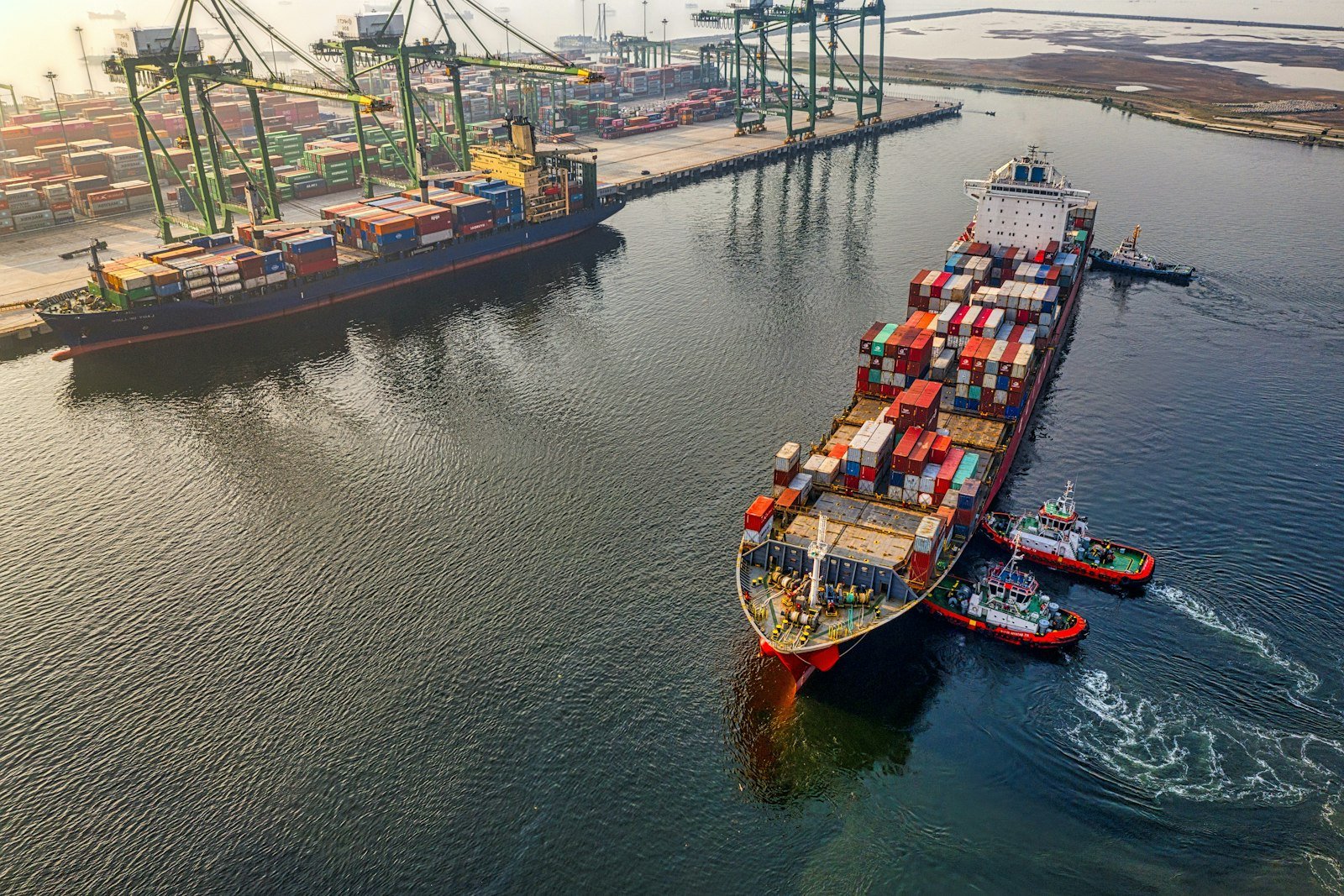
Summary: The 1925 Act applies the Hague Rules to outbound carriage from Bangladeshi ports and, through clauses paramount, to many inbound bills of lading. The carrier must exercise due diligence before and at the beginning of the voyage to make the ship seaworthy and cargoworthy, and must care properly for the cargo. It escapes liability for listed causes, including nautical fault and fire without actual fault, and can limit liability per package or unit. Suit must be brought within one year of delivery, and Bangladeshi courts treat that bar as extinguishing the claim.
Key point: Most cargo claims in Bangladesh are won or lost on two things: whether suit or an extension was secured within one year, and whether the carrier can prove due diligence on the specific defect that caused the loss.
At a glance
Hague Rules
Given effect by the Carriage of Goods by Sea Act 1925.
Due diligence
Seaworthiness duty applies before and at the start of the voyage.
17 defences
Including nautical fault, fire and perils of the sea.
Package limit
Unless value was declared and inserted in the bill of lading.
One year
From delivery, or the date goods should have been delivered.
Table of Contents
When the 1925 Act applies
The Carriage of Goods by Sea Act 1925 remains on the statute book in Bangladesh and gives domestic force to the Hague Rules.[1] By statute the Rules apply to carriage under bills of lading from ports in Bangladesh. Inbound cargo is usually governed by the bill of lading's clause paramount, which may incorporate the Hague or Hague-Visby Rules, so the terms of each bill matter. Comparative research notes that Bangladesh still relies on the original Hague Rules, which favour carriers more than later regimes.[2]
The Rules cover the period from loading to discharge. Losses before loading or after discharge, including many misdelivery and port storage claims, may fall under the contract, the law of bailment or port regulations instead. See TRW's guides to bill of lading disputes and uncleared cargo.
What seaworthiness means
A ship is seaworthy when it is fit in all respects to carry the particular cargo on the particular voyage and face its ordinary perils. That includes the hull and machinery, but also:
- Cargoworthiness: holds, tanks, reefer plant and hatch covers fit to receive and preserve the cargo.
- Manning: a competent, adequately trained and sufficient crew.
- Equipment and supplies: charts, navigational equipment, bunkers and stores.
- Documentation and systems: certificates and a functioning safety management system.
The carrier's duties
| Rule | Duty | Practical meaning |
|---|---|---|
| Art III r1 | Due diligence to make the ship seaworthy, manned, equipped and cargoworthy | Applies before and at the beginning of the voyage; not a continuing absolute duty |
| Art III r2 | Properly and carefully load, handle, stow, carry, keep, care for and discharge | Covers stowage, ventilation, temperature and handling throughout the voyage |
| Art III r3 | Issue a bill of lading on demand with marks, quantity and apparent condition | Clean bills are prima facie evidence of receipt in good order |
| Art IV r1 | Burden of proving due diligence on the carrier | Once unseaworthiness causing loss is shown, the carrier must prove diligence |
The carrier's defences
Article IV rule 2 lists seventeen exceptions. The most important in Bangladeshi disputes are:
- Nautical fault: act, neglect or default of the master or crew in the navigation or management of the ship, which often defeats claims arising from groundings and collisions.
- Fire: unless caused by the actual fault or privity of the carrier.
- Perils of the sea: extraordinary weather that could not be guarded against, not ordinary monsoon conditions.
- Inherent vice and insufficient packing: common in claims for perishables, bagged commodities and liquid bulk shortages.
- Catch-all exception: any other cause without the carrier's fault, where the carrier bears the burden of proof.
None of these defences helps a carrier whose failure to exercise due diligence on seaworthiness caused the loss, because the seaworthiness duty is overriding.
Limitation per package or unit
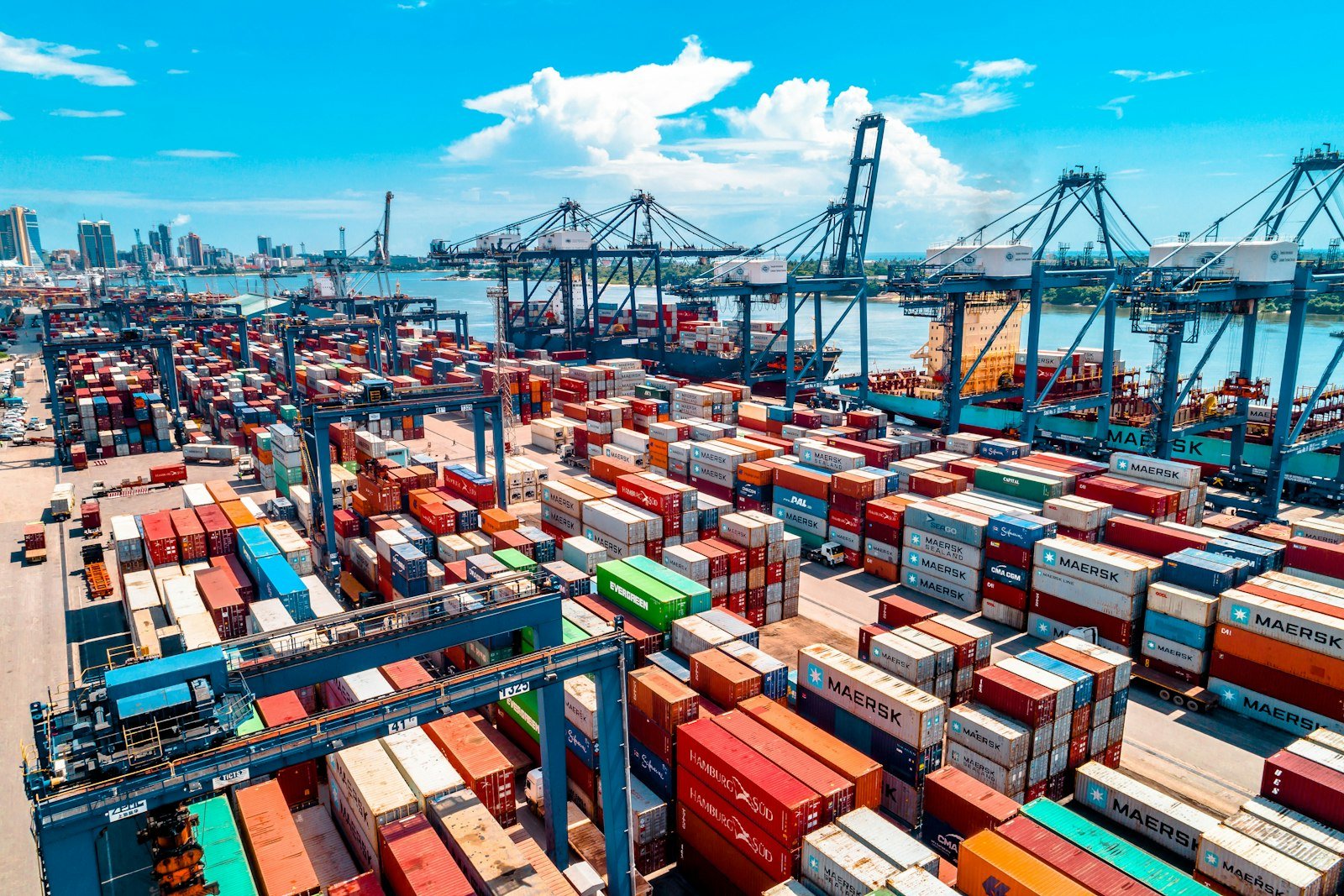
Unless the nature and value of the goods were declared before shipment and inserted in the bill of lading, the Hague Rules cap the carrier's liability per package or unit. How "package" is counted matters greatly for containerised cargo: listing individual cartons on the bill can multiply the limit. Shippers of high-value goods should declare value or insure fully. The carrier may agree a higher limit but cannot contract below the Rules.
The one-year time bar
Under Article III rule 6, the carrier and the ship are discharged from all liability unless suit is brought within one year of delivery or the date when goods should have been delivered.[3] In Albert David (Bangladesh) Ltd v Brestem Shipping, the High Court Division held that a suit filed after one year was barred.[4] The point continues to be argued on appeal in cargo cases.[5] Cargo interests should obtain a written time extension from the carrier or its P&I club, or issue proceedings, well before the anniversary. Notice of loss should be given on removal of the goods, or within three days if the damage is not apparent.
Charterparties and the absolute warranty
The Rules do not apply to charterparties by force of law. At common law a shipowner gives an absolute warranty of seaworthiness, but most charter forms incorporate the Hague Rules or set their own standard of due diligence. Bills of lading issued under a charter may still bring the Rules into play for third-party holders. See TRW's guide to charterparty disputes.
Inland and lighterage carriage
Much cargo reaches Bangladeshi consignees by lighter from the outer anchorage. Lighter vessels are generally governed by the Inland Shipping Ordinance 1976 and the lighterage contract, not the Hague Rules. Insurers have brought admiralty suits alleging that a lighter was unseaworthy and its crew incompetent.[6] Contracts for lighterage should allocate risk, insurance and claims procedure clearly.
Running a cargo claim
- Preserve evidence: joint surveys, tallies, draft surveys, temperature logs and photographs.
- Give notice to the carrier and local agent promptly.
- Secure the claim: seek security from the P&I club or arrest the vessel or a sister ship. See ship arrest in Bangladesh.
- Protect time: agree an extension or file suit before one year.
- Choose the forum: the Admiralty Court, or arbitration if the bill incorporates an arbitration clause. See the Admiralty Court Act and maritime arbitration.
- Coordinate with insurers on subrogation. See marine insurance claims.
TRW's cargo claim case journey walks through each stage, and our Admiralty, Maritime & Shipping Department acts for cargo interests, insurers, owners and P&I clubs.
Frequently asked questions
Does Bangladesh apply the Hague-Visby Rules?
No. The 1925 Act applies the original Hague Rules, although a bill of lading can contractually incorporate Hague-Visby terms.[1]
How long do I have to sue for cargo damage?
One year from delivery or the date the goods should have been delivered, unless extended by agreement.[3]
Is the carrier liable if the ship was unseaworthy?
Yes, if unseaworthiness caused the loss and the carrier cannot prove it exercised due diligence before and at the start of the voyage.
Does the nautical fault defence still apply?
Yes. Under the Hague Rules, loss caused by negligent navigation or management of the ship is excepted.
Do the Hague Rules cover lighter vessels?
Generally not; inland and lighterage carriage is governed by the Inland Shipping Ordinance and the lighterage contract.
Source register
Primary legal and regulatory sources
Materials checked on 27 November 2026. Confirm the current official text before relying on any provision.
- CMI database — Carriage of Goods by Sea Act 1925 gives effect to the Hague Rules in Bangladesh
- Comparative study — Carriage of goods by sea in Bangladesh and Türkiye
- Laws of Bangladesh — The Carriage of Goods by Sea Act, 1925
- CMI database — Albert David (Bangladesh) Ltd v Brestem Shipping, 34 DLR 362
- Supreme Court of Bangladesh — First Appeal No. 187 of 2000
- Supreme Court of Bangladesh — Admiralty Suit No. 6 of 2010
Related TRW assistance
Move from information to a defined next step
Explore TRW's Admiralty, Maritime & Shipping Department or contact our maritime team about a cargo claim.











