
TRW Insight / Writ series
Since 2020 the High Court Division has supervised nine directions against Dhaka's dust, vehicle smoke, brick kilns and waste. Compliance orders in 2025 show the case is still live, and local petitions force regulators to act against individual polluters.
Air pollution writ Dhaka: the legal basis
The best-known air pollution writ Dhaka has produced is the public interest petition filed by Human Rights and Peace for Bangladesh in 2019. Under it, the High Court Division issued nine directions in January 2020 covering construction dust, haulage, road works, black-smoke vehicles, illegal brick kilns, unlicensed tyre factories and market waste, and it has returned to them repeatedly, ordering full implementation within seven days in January 2025 and within three weeks in October 2025.
This guide explains the constitutional and statutory basis for air quality petitions, what the HRPB directions require, how compliance has been policed, how brick kiln and industrial cases work at local level, and what businesses and citizen groups should do when they find themselves on either side of a pollution claim.
Summary: Air quality litigation in Dhaka rests on the right to life, Article 18A and the Bangladesh Environment Conservation Act 1995. The HRPB petition produced nine continuing directions against dust, vehicle smoke, brick kilns and waste, and the High Court Division keeps the case alive through compliance orders. Individual petitions against specific kilns or factories usually succeed by forcing the Department of Environment to act.
Key point: The nine directions of 13 January 2020 remain in force. On 30 October 2025 the High Court Division ordered the Department of Environment, both Dhaka city corporations and other agencies to implement them fully within three weeks and file a compliance report.
At a glance
The petition
HRPB's public interest litigation; Rule issued on 29 January 2019.
Nine directions
Issued on 13 January 2020 against dust, smoke, kilns, tyre factories and waste.
Compliance orders
Seven-day order in January 2025; three-week order in October 2025.
Brick kilns
Local petitions push the Department of Environment to cancel clearances of unlawful kilns.
Legal basis
Articles 18A, 31, 32 and 102 and the Environment Conservation Act 1995.
Table of Contents
Air pollution writ Dhaka: the legal basis
A petition about air quality has three legal anchors. First, the Constitution: Article 18A requires the state to protect and improve the environment, and Articles 31 and 32 protect the right to life. Article 102 gives the High Court Division power to direct public authorities to perform the duties the law imposes on them.[1]
Second, standing. In Dr Mohiuddin Farooque v Bangladesh, decided on 25 July 1996, the Appellate Division held that any person with sufficient interest in a public wrong, other than an officious intervener or wayfarer, can seek judicial redress for public injury caused by breach of a public duty. In the same judgment, Justice B B Roy Choudhury held that the right to life under Articles 31 and 32 encompasses the protection of the environment and ecological balance free from pollution of air and water.[2] That ruling is why organisations such as HRPB and BELA can sue on behalf of Dhaka's residents.
Third, statute. The Bangladesh Environment Conservation Act 1995 gives the Department of Environment powers to control polluting activity, including the powers in sections 4 and 4A that the High Court Division ordered the Director General to use against the Hazaribagh tanneries.[4] The Environment Conservation Rules 2023, made under the 1995 Act and in force from 5 March 2023, replaced the 1997 Rules and classify industrial facilities into four categories by pollution potential.[8] Brick kilns are also regulated by the Brick Manufacturing and Brick Kiln Establishment (Control) Act 2013.[7]
Our overview of writ petitions in Bangladesh covers the jurisdiction generally, and our guide to air quality regulations in Bangladesh covers the regulatory standards in detail.
The earlier air quality cases
Dhaka's courts were dealing with air pollution long before 2019. In a 2002 decision reported as Dr Mohiuddin Farooque v Bangladesh (Ministry of Communication), 22 BLD (HCD) 345, petitioners showed that faulty, unfit vehicles were emitting hazardous smoke and noise, that many had no valid fitness certificate and that fuel was being adulterated. The respondents admitted the severity of the problem. The High Court Division held that they had "miserably failed" to implement the relevant laws and their own decisions, and ordered urgent preventive measures.[3]
Industrial pollution followed a similar path. In BELA's industrial pollution petition, Writ Petition No 891 of 1994 against 903 industries including the Hazaribagh tanneries, the court in 2001 directed the Director General of the Department of Environment to ensure that 'Red' category industries adopted pollution controls within a year, ordered relocation of the tanneries in 2009 and, in 2017, directed use of the statutory powers under sections 4 and 4A of the 1995 Act.[4] These cases set the pattern that the current air pollution writ Dhaka residents rely on follows: declare the duty, issue specific directions, and keep the matter under continuing supervision.
The HRPB petition and the nine directions
HRPB filed its public interest petition seeking effective measures to curb air pollution in Dhaka, and the court issued a Rule on 29 January 2019, also asking the authorities to form an expert committee and take preventive measures.[5] [6] On 13 January 2020 it issued nine specific directions.[6]
What the directions require
- Haulage: trucks and other vehicles carrying soil, sand or waste must be covered.
- Construction sites: sand, cement, stones and similar materials must be properly covered.
- Road watering: the city corporations must sprinkle water on roads regularly.
- Road works: authorities must ensure contractors comply with tender conditions when digging or carpeting roads.
- Black smoke: vehicles emitting black smoke must be seized.
- Old vehicles: vehicles beyond their permissible economic life must be restricted under the Road Transport Act.
- Brick kilns: illegal brick kilns must be closed.
- Tyre factories: tyre factories operating without environmental clearance must be shut.
- Market waste: markets and shops must store and dispose of daily waste in designated bags.
The directions were addressed to the Department of Environment, the Dhaka North and South city corporations and other agencies.[6] [5] They are practical, measurable and addressed to named bodies, which is what makes them enforceable.
Compliance orders in 2025
An air pollution writ Dhaka-wide is only as useful as its enforcement, and the court has had to return to the directions more than once.
The seven-day order of January 2025
On 12 January 2025 a bench of Justice Farah Mahbub and Justice Debashish Roy Chowdhury directed the authorities to take effective steps and implement the nine directions within seven days, with a report by 26 January. HRPB's counsel told the court that, despite some improvement by mid-2023, Dhaka had again topped global rankings for poor air quality because the directions had been only partially implemented.[5]
The three-week order of October 2025
On 30 October 2025, after HRPB filed a supplementary petition citing media reports of rising pollution and health risks, a bench of Justice Md Rezaul Hasan and Justice Urmi Rahman ordered full implementation within three weeks and a progress report, fixing the next hearing for 30 November 2025. The order was sent to the Department of Environment, both city corporations and other agencies.[6]
What the compliance cycle shows
For the petitioner, the continuing nature of the case is an advantage. A new problem, such as a fresh cluster of kilns or a road project without dust control, can be brought before the same bench by supplementary application rather than a new air pollution writ Dhaka residents would otherwise have to file from scratch.[6]
Two lessons follow. First, the directions remain live: they were issued in 2020 and were being enforced again five years later. Second, compliance comes in cycles: both 2025 orders, in January and late October, followed reports of worsening air. Anyone relying on the air pollution writ Dhaka litigation has produced should time evidence, such as air quality readings, photographs of uncovered sites and lists of operating kilns, to the period when the court is most receptive.[5] [6]
Brick kilns and local petitions
The HRPB directions single out illegal brick kilns for closure.[6] Outside the main petition, residents also bring targeted writ petitions against individual kilns.
How a kiln petition works
In Sayeda Shahin Ara Laily v Government of Bangladesh, residents in Cumilla complained that a brickfield breached the Environment Conservation Act 1995 and the Brick Manufacturing and Brick Kiln Establishment (Control) Act 2013. When the Rule was issued, the court directed the Department of Environment to dispose of the residents' representation within thirty days. The kiln's environmental clearance certificate, last extended to August 2024, was cancelled on 7 July 2025. On 19 November 2025 the court disposed of the Rule as having achieved its purpose, leaving the owner's appeal against cancellation to be decided by the ministry in accordance with law.[7]
The case illustrates a common pattern. The court does not itself close the kiln; it forces the regulator to decide. A representation to the Department of Environment and the Deputy Commissioner, served before filing, is what gives the court something to enforce.[7]
Vehicle emissions: from 2002 to the nine directions
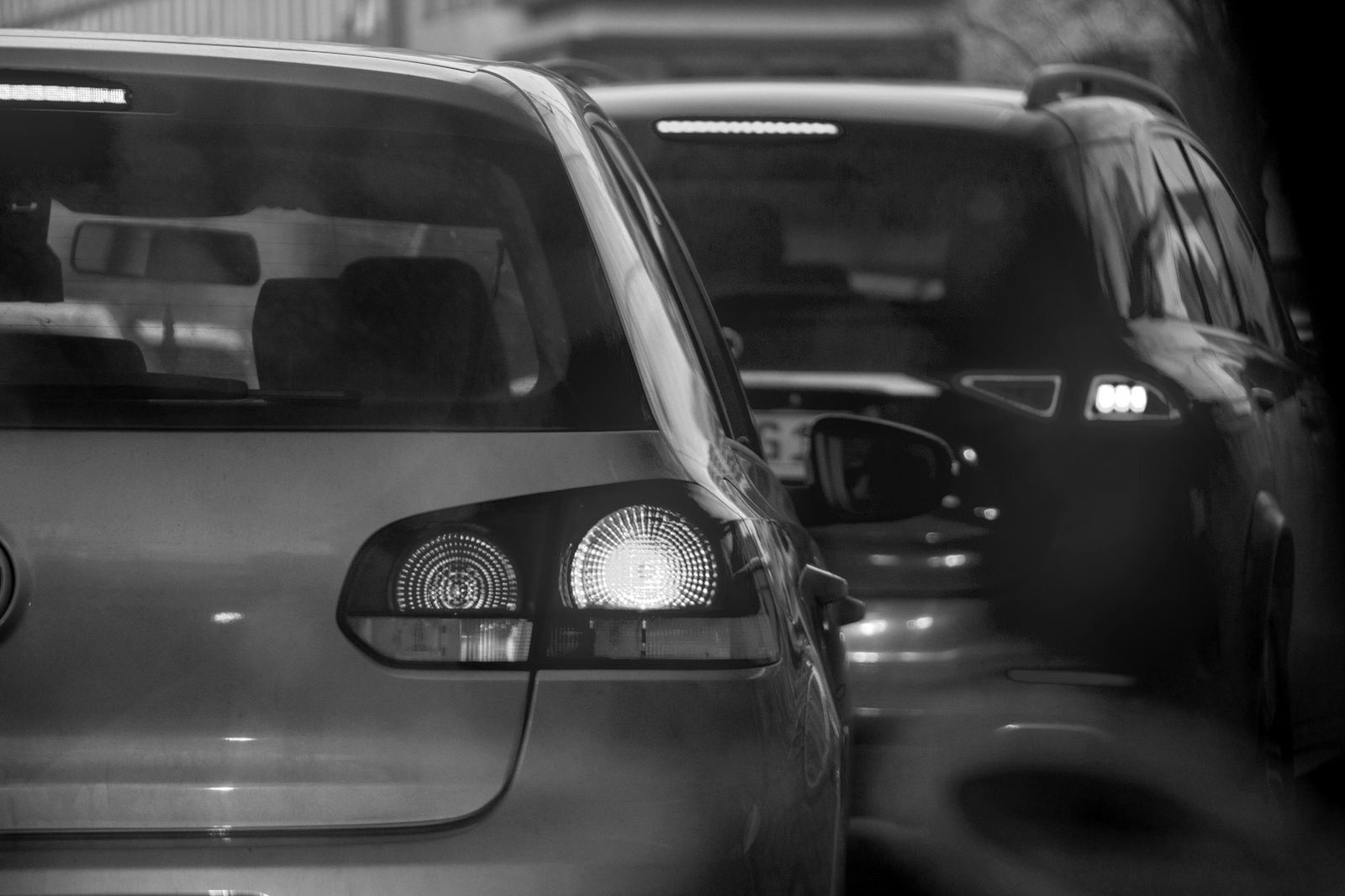
Vehicles were the first target of air quality litigation in the capital, and they remain central. The 2002 judgment recorded that many vehicles, including some belonging to the respondents, lacked fitness certificates, that fitness certificates had been wrongly awarded and that petroleum products were being adulterated. The court found that the authorities had failed to perform their statutory duties and ordered urgent preventive measures.[3]
Eighteen years later, two of the nine HRPB directions return to the same ground: seizing vehicles that emit black smoke and restricting vehicles that have exceeded their permissible life under the Road Transport Act.[6] For transport operators and fleet owners, the practical point is that roadworthiness and age limits are now enforced against a court direction as well as under the transport law, and a supplementary petition can name repeated failures by the licensing and enforcement agencies.
Industrial sources and environmental clearance
Factories are regulated through environmental clearance. The 2023 Rules classify industrial facilities into four categories according to pollution potential, replacing the 1997 Rules.[8] Under the earlier regime, the High Court Division in BELA's industrial pollution case directed the Department of Environment to ensure that 'Red' category industries under rule 7 of the 1997 Rules adopted adequate pollution controls within one year and reported compliance, and later ordered the Hazaribagh tanneries to relocate by 28 February 2010.[4]
The lesson for any air pollution writ Dhaka petitioners bring against an industrial source is to start with the clearance file: whether the unit holds a valid certificate, what conditions attach to it, and whether the regulator has inspected. The Cumilla brickfield case turned on exactly that question, and ended when the clearance was cancelled.[7]
Construction dust and urban works
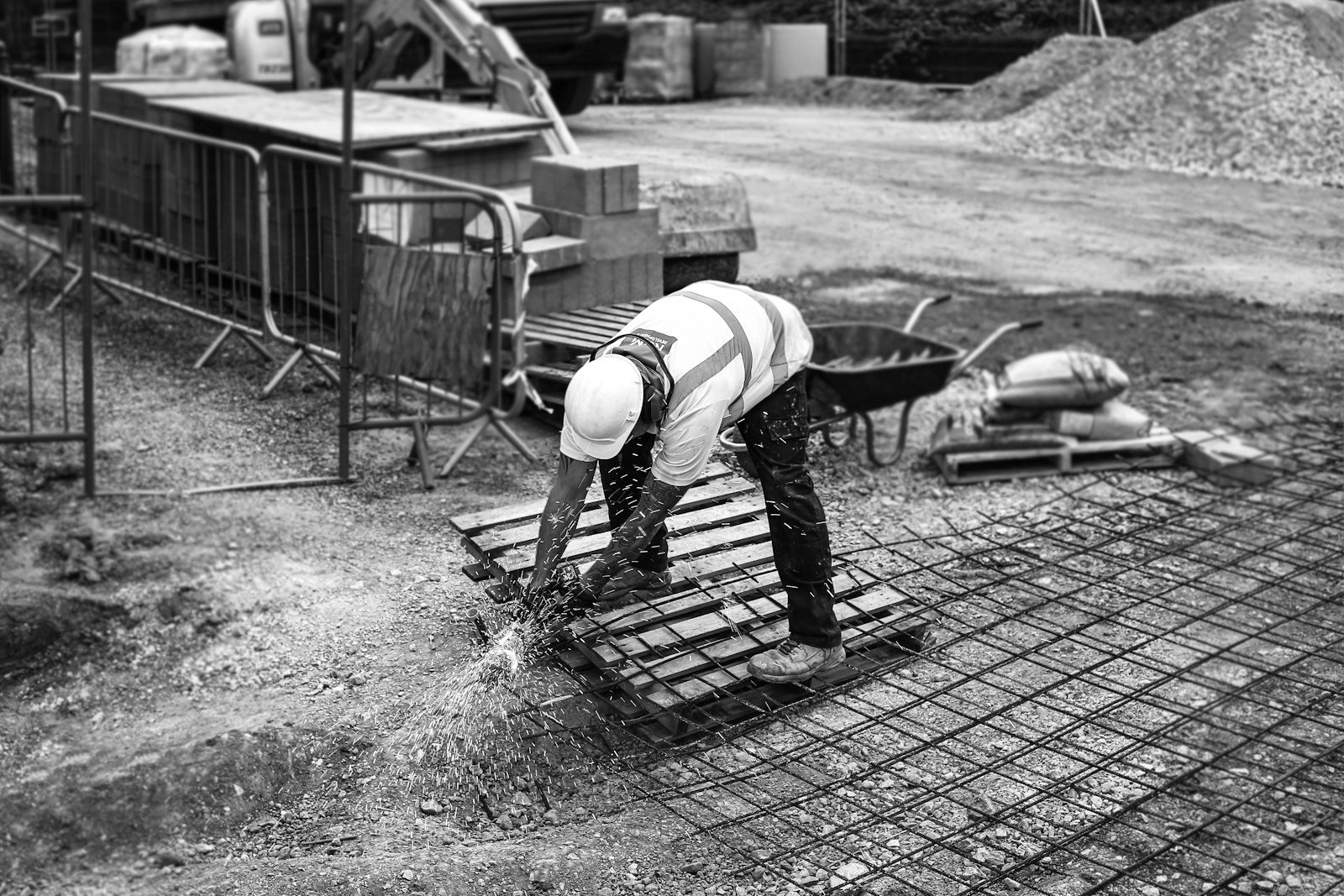
Four of the nine directions deal with dust from construction and road works: covering haulage, covering site materials, watering roads and enforcing tender conditions.[6] For developers, contractors and public bodies commissioning works in Dhaka, these directions translate into concrete compliance duties.
- Developers and contractors should cover stockpiles, enclose sites, cover trucks and keep records showing they do so, because uncovered materials are easy to photograph and attach to a supplementary petition.
- Procuring entities should write dust-control obligations into tender documents and enforce them, since the court has directed authorities to ensure contractors comply with tender conditions.
- City corporations remain directly responsible for road watering and market waste, and are named respondents in compliance orders.[6]
The city corporations' role
Dhaka North and Dhaka South city corporations carry more of the directions than any other body. They must water roads, ensure that markets and shops bag and dispose of daily waste, and, as road authorities, enforce contractors' tender conditions on digging and carpeting.[6] Because the October 2025 compliance order was sent to both corporations by name, a resident or group gathering evidence of dry, unwatered roads or uncollected market waste in a particular ward has a direct route back to court. In an air pollution writ Dhaka residents bring through a supplementary application, ward-level evidence of this kind is often more persuasive than city-wide pollution rankings.
Our environmental compliance practice advises developers, manufacturers and contractors on these duties and on environmental clearance.
Air pollution writ Dhaka: bringing or defending a case
Most new air quality cases fall into one of two groups: supplementary applications in the HRPB petition, and stand-alone petitions against a specific source. Either way, the preparation is similar.
Identify the source
Pin down the kiln, factory, site or practice causing the pollution and who regulates it.
Gather evidence
Collect dated photographs, air quality readings, licence and clearance details and witness statements.
Check clearances
Confirm whether the source holds a valid environmental clearance certificate and kiln licence.
Make a representation
Write to the Department of Environment and the Deputy Commissioner asking them to act, and keep proof.
Use the helpline
Lodge a complaint through 333-4 so there is an official record of the complaint.
Choose the vehicle
Decide between a supplementary application in the HRPB case and a stand-alone petition.
Frame specific relief
Ask for directions to named agencies with deadlines and compliance reports.
Follow through
Track compliance, return to court with fresh evidence and respond to any appeal by the polluter.
Air pollution writ Dhaka: designing the relief
The HRPB case shows what effective relief looks like. At the Rule stage the court asked the authorities to form an expert committee and take preventive measures; at the direction stage it set nine concrete obligations addressed to named bodies; at the compliance stage it fixed short deadlines and required progress reports.[5] [6] A new petition should follow the same structure: identify the agency responsible for each source, ask for a specific act, attach a deadline and request a report to the court. Vague prayers for clean air give the respondents nothing to comply with and the court nothing to enforce.
Choosing the forum
Not every pollution complaint belongs in the High Court Division. The Department of Environment can act under the 1995 Act, and complaints can be made through the national helpline by calling 333 and pressing 4, which the environment ministry launched on 6 February 2024 for complaints including air, water and noise pollution.[9] Environment courts exist but are few: civil society groups noted in June 2025 that the country has only two environment courts and that citizens cannot file cases in them directly, and called for reform of the Environment Court Act and the 1995 Act.[10] In practice, a writ is the main route for compelling regulators to act.
The table compares the routes. On a phone, scroll it sideways.
| Route | Legal basis | Best for | Decision-maker | Key point |
|---|---|---|---|---|
| Supplementary application | HRPB writ petition; Constitution, art 102 | City-wide dust, smoke, kilns, waste | High Court Division | Nine directions already in force |
| Stand-alone writ | Constitution, arts 18A, 31, 32 and 102 | A specific kiln, factory or site | High Court Division | Make a representation to the regulator first |
| Regulatory complaint | Environment Conservation Act 1995 | Clearance breaches and emissions | Department of Environment | Clearance can be cancelled |
| Helpline complaint | Ministry of Environment service 333-4 | Quick reporting of incidents | Environment ministry | Creates an official record |
| Environment court | Environment Court Act 2010 | Prosecution of offences | Environment court | Only two courts; limited direct access |
Defending a pollution claim
Businesses named in pollution proceedings should respond on the record and early. The key documents are a valid environmental clearance certificate, compliance with its conditions and evidence of emission controls. Where clearance is cancelled, the owner has an administrative appeal, as the Cumilla brickfield owner did, and that appeal should be pursued promptly.[7] Our constitutional and writ litigation practice acts for both petitioners and respondents.
Common mistakes
- Asking for everything: general demands for clean air are harder to enforce than specific directions to named agencies with deadlines.[6]
- Skipping the representation: courts expect the regulator to have been asked to act first.[7]
- Weak evidence: dated photographs, readings and lists of sources carry more weight than general media reports alone.
- Ignoring the continuing case: a new petition may duplicate the HRPB directions; a supplementary application in the existing case is often faster.[6]
- Letting an appeal lapse: businesses whose clearance is cancelled must pursue the statutory appeal promptly.[7]
What to watch
The air pollution writ Dhaka residents won in 2020 remains open, and each dry season brings fresh compliance hearings. The October 2025 order fixed a further hearing for 30 November 2025 to examine the agencies' progress reports, and the court has shown it will keep setting short deadlines until the directions are met.[6]
Agencies, contractors and kiln owners should expect the same scrutiny in the 2026 to 2027 season. Pressure for structural reform is also growing, with calls for administrative penalty powers, a dedicated environmental enforcement force and direct citizen access to environment courts.[10] Rivers around the capital are subject to a parallel line of public interest litigation; see our analysis of the river encroachment writ, and our guide to environmental litigation in Bangladesh for the wider picture.
If you are considering a petition against a polluting source, or your business has been named in pollution proceedings, contact TRW to review the evidence and the right route.
Frequently asked questions
What is the HRPB air pollution case?
A public interest writ petition by Human Rights and Peace for Bangladesh in which the High Court Division issued a Rule on 29 January 2019 and nine directions on 13 January 2020 to reduce Dhaka's air pollution.[6]
What do the nine directions cover?
Covering haulage and construction materials, watering roads, enforcing tender conditions, seizing black-smoke vehicles, restricting old vehicles, closing illegal brick kilns and unlicensed tyre factories, and bagging market waste.[6]
Are the directions still being enforced?
Who can file an air pollution writ?
Any person or organisation with sufficient interest in the public wrong, under the standing test set by the Appellate Division in 1996.[2]
Which agencies are bound by the directions?
The Department of Environment, Dhaka North and South city corporations and other relevant agencies to which the compliance orders were sent.[6]
Can residents challenge a single brick kiln?
Yes. In a Cumilla case the court required the Department of Environment to decide residents' complaint, and the kiln's clearance was cancelled.[7]
Which law regulates brick kilns?
The Brick Manufacturing and Brick Kiln Establishment (Control) Act 2013, alongside the Environment Conservation Act 1995.[7]
How do I report air pollution without going to court?
Call the national helpline 333 and press 4 to lodge an environmental complaint with the environment ministry.[9]
Were there air pollution cases before 2019?
What should a business do if named in a pollution petition?
File a full response with its environmental clearance and compliance evidence, and pursue any administrative appeal promptly if clearance is cancelled.[7]
Source register
Primary legal and regulatory sources
Materials checked on 23 October 2026. Confirm the current official text before relying on any provision.
- Constitution of the People's Republic of Bangladesh (Articles 18A, 31, 32 and 102) — Laws of Bangladesh
- Appellate Division, Dr Mohiuddin Farooque v Bangladesh, Civil Appeal No 24 of 1995 (25 July 1996), 17 BLD (AD) 1 — BELA
- Global Health and Human Rights Database — Dr Mohiuddin Farooque v Bangladesh (Ministry of Communication), 22 BLD (HCD) 2002 345
- BELA — Dr Mohiuddin Farooque v Bangladesh, Writ Petition No 891 of 1994 (Industrial Pollution Case)
- The Financial Express, 12 January 2025 — HC orders action to curb air pollution in Dhaka in 7 days
- The Business Standard, 30 October 2025 — HC orders full implementation of 9-point directives to curb Dhaka's air pollution within 3 weeks
- High Court Division, Sayeda Shahin Ara Laily v Government of Bangladesh, Writ Petition No 5592 of 2025 (19 November 2025)
- Enviliance ASIA, 29 June 2023 — Bangladesh enacts Environmental Conservation Rules 2023
- The Financial Express, 6 February 2024 — Helpline 333-4 launched to receive environmental complaints
- Center for Law and Policy Affairs, June 2025 — Amendments to the Environment Court Act and the Environment Conservation Act are urgently needed
Related TRW assistance
Move from information to a defined next step
TRW acts for citizen groups, developers and manufacturers in air pollution petitions, environmental clearance disputes and compliance planning. Explore our constitutional and writ litigation practice and environmental compliance practice, or contact TRW to discuss your matter.











