
Food adulteration case in Bangladesh: the full journey, step by step
A food adulteration case in Bangladesh is brought under the Food Safety Act 2013, usually after an inspector of the Bangladesh Food Safety Authority takes samples that a food analyst certifies as adulterated or unsafe. The case is tried summarily in a Pure Food Court, a first class or Metropolitan Magistrate's court designated for the purpose, with appeal to the Sessions Judge within thirty days.
The same Act also offers mobile courts, administrative fines and a civil claim for up to five times the loss suffered.
- Where it starts
- A written complaint to the Bangladesh Food Safety Authority or its inspector, an inspection of the food establishment…
- Main law
- Food Safety Act 2013 (Act 43 of 2013), ss.23-37, 45-79 and the Schedule; Mobile Court Act 2009; Special Powers Act 1974, s.25C
- Typical duration
- Mobile court or administrative action: days to weeks. Pure Food Court case: roughly 6 months to 2 years in Dhaka.…
- Who can file
- Any buyer or consumer can complain to the Authority or file directly in the Pure Food Court within 30 days; the…
Food adulteration case in Bangladesh: walk through every stage
Press next, use your arrow keys or tap a court on the map. The gold marker shows where your case is, and the green trail shows the route it has taken. For the immersive version, play it full screen.
Read every step as text
 Step 1 · Complaint, inspection and sampling
Complaint to the Food Safety Authority
Any buyer, consumer or user of food can make a written complaint about unsafe food to the Chairman of the Bangladesh Food Safety Authority, an authorised representative or an inspector. A person who bought the food can also pay the prescribed fee and have a sample analysed by the food analyst for the area, though the certificate cannot be displayed or used in advertising. A food adulteration case in Bangladesh usually starts this way or with the Authority's own market surveillance. Keep the product, its packaging, the purchase receipt and photographs.
Where: Bangladesh Food Safety Authority (inspectors and food analysts) · Time: 1-7 days · Law: s.66(1) Food Safety Act 2013; s.46(1) Food Safety Act 2013 · Documents: Written complaint, Product and packaging, Purchase receipt or cash memo, Photographs
Tip: Do not open or consume the rest of the product. A sealed, unused item is far better evidence than a partly used one.
 Step 2 · Complaint, inspection and sampling
Inspection of the food establishment
Safe food inspectors regularly inspect food establishments, check licence conditions and investigate written complaints. An inspector may enter any food establishment or building at any time in the manner the Authority directs, stop and search vehicles suspected of carrying unsafe food, and demand account books, receipts and traceability records by written notice. Obstructing an inspector is prohibited. The inspector will look at storage, hygiene, labels, expiry dates, the source of ingredients and whether any industrial oil, waste or adulterant is kept on the premises.
Where: Food establishment (shop, restaurant, factory or warehouse) · Time: Hours · Law: s.51 and s.52 Food Safety Act 2013; s.53 and s.54 Food Safety Act 2013; s.28 Food Safety Act 2013 · Documents: Trade licence and food business registration, Supplier invoices and traceability records, Labels and expiry records
Tip: Keep supplier invoices and batch records on site. They are your best evidence if the fault lies with a manufacturer or supplier.
 Step 3 · Complaint, inspection and sampling
Taking samples in four sealed parts
The authorised officer may take samples of food kept for sale or production, paying its price, and the person holding the food must sell or surrender it. The person giving the sample signs a declaration in the prescribed form. The officer must inform them in writing, divide the sample into four parts in their presence, and mark and seal each part. One part goes to the trader, one is kept for future comparison, and two are sent by registered post to the food analyst or laboratory.
Where: Food establishment (shop, restaurant, factory or warehouse) · Time: During the inspection · Law: s.47(1)-(3) Food Safety Act 2013; s.48(1) Food Safety Act 2013 · Documents: Sample declaration form, Sealed sample parts, Notice of sampling
Tip: Insist on receiving your sealed part, store it properly, and note the seal numbers. Defects in the four-part procedure are a frequent defence point.
 Step 4 · Complaint, inspection and sampling
Analysis and the food analyst's certificate
Of the two parts sent for analysis, the food analyst tests one and keeps the other. The analyst must issue a certificate in the prescribed form within seven working days of receipt in ordinary cases, and within three working days in urgent cases, and send a copy to the Authority. In any investigation or trial under the Act, a document signed by the food analyst as a certificate is treated as proof of the result. Food analysts must have no interest in any food business.
Where: Bangladesh Food Safety Authority (inspectors and food analysts) · Time: 3-7 working days by law · Law: s.45 Food Safety Act 2013; s.48(2) Food Safety Act 2013; s.49(1)-(2) Food Safety Act 2013 · Documents: Analyst's certificate, Laboratory report, Chain of custody record
Tip: Ask for a copy of the certificate and check the dates. A report outside the statutory window, or on a broken seal, can be challenged.
 Step 5 · Quick enforcement: seizure, mobile court, fines
Seizure, destruction or forfeiture of food
An inspector may inspect at any time except between midnight and sunrise, and may seize food, ingredients or containers believed to be harmful, unfit or adulterated, then seal and keep them in safe custody. With the owner's written consent, seized items can be destroyed at once before two persons, and highly perishable unsafe food can be destroyed without consent. Otherwise the items are produced before a Magistrate, who may forfeit them and order their destruction. Destruction costs are recoverable from the person in possession.
Where: Food establishment (shop, restaurant, factory or warehouse) · Time: Same day to a few weeks · Law: s.55 Food Safety Act 2013; s.56 Food Safety Act 2013; s.57 Food Safety Act 2013 · Documents: Seizure list, Consent to destruction, if given, Magistrate's forfeiture order
Tip: Do not sign a consent to destruction if you dispute that the food is unsafe. Ask for samples to be kept first.
 Step 6 · Quick enforcement: seizure, mobile court, fines
Mobile court drive
Offences under the Food Safety Act are triable by mobile court so far as the Mobile Court Act 2009 allows; the Act was reported added to that Act's Schedule in 2015. The Authority runs regular drives with Executive Magistrates, especially during Ramadan. A mobile court can act only on an offence committed or revealed in the magistrate's presence and can convict only on a confession recorded and signed before two witnesses. It cannot impose more than two years' imprisonment, though it can impose any fine allowed by the scheduled law.
Without a confession, the matter must go to the regular court.
Where: Food establishment (shop, restaurant, factory or warehouse) · Time: Same day · Law: s.75 Food Safety Act 2013; ss.6-9 Mobile Court Act 2009 · Documents: Written charge, Recorded confession, Mobile court order and fine receipt
Tip: Do not sign a confession you dispute. Ask for samples to be sent for analysis and for the matter to go to the Pure Food Court.
 Step 7 · Quick enforcement: seizure, mobile court, fines
Administrative inquiry and fine
A person can also apply to the Authority for administrative action about the purity of food. Within thirty days the Authority must inquire and give directions to the person who made, marketed or sold it. Failure to follow those directions can attract an administrative fine of up to Tk 3 lakh, recoverable as a public demand. This route is not available for the serious offences in ss.23-31, 33-35 and 37, which must be prosecuted. An appeal against the order lies to the Government within thirty days, to be decided within sixty days.
Where: Bangladesh Food Safety Authority (inspectors and food analysts) · Time: 30 days for inquiry; appeal within 30 days · Law: s.78(1)-(7) Food Safety Act 2013; s.79 Food Safety Act 2013 · Documents: Application for administrative action, Inquiry report, Directions or fine order
Tip: Use this route for labelling, hygiene and minor quality complaints, where a binding direction to fix the problem matters more than punishment.
 Step 8 · Case in the Pure Food Court
Filing the case in the Pure Food Court
Once the Chairman, an authorised officer or an inspector is prima facie satisfied after inquiry and testing, the officer files the case in the Pure Food Court. Separately, any person may file a case directly in that court within thirty days of the cause of action. Pure Food Courts are first class Magistrate courts, or Metropolitan Magistrate courts in metropolitan areas, designated by the Government in consultation with the Supreme Court. A Pure Food Court may impose any fine the Act provides, beyond a Magistrate's usual limit.
Where: Pure Food Court (designated Metropolitan or first class Magistrate) · Time: Within 30 days of the cause (private filing) · Law: s.66(2)-(3) Food Safety Act 2013; s.64(1)-(4) Food Safety Act 2013; s.65(1) Food Safety Act 2013 · Documents: Petition of complaint, Analyst's certificate, Seizure list and inspection report, Photographs or video
Tip: A private complainant must count the thirty days carefully from the date of purchase or discovery; a late complaint can be rejected.
- Step 9 · Case in the Pure Food Court
Investigation, warrants and arrest
Complaints are investigated by an officer authorised by the Chairman or the local inspector, who has the powers of a police officer-in-charge. Investigation must be completed within ninety working days of the court's order, extendable by thirty working days with reasons. If it is still incomplete, the court transfers it to another officer and directs departmental action. The court can issue arrest and search warrants, by day or night. Arrested persons and seized goods go to the nearest police station.
Where: Bangladesh Food Safety Authority (inspectors and food analysts) · Time: 90 working days, plus 30 if extended · Law: s.67 Food Safety Act 2013; s.68(1)-(4) Food Safety Act 2013; ss.69-71 Food Safety Act 2013 · Documents: Investigation report, Warrants, Statements of witnesses
Tip: If the investigation overruns the statutory period, point this out to the court; it is also a strong point at a bail hearing.
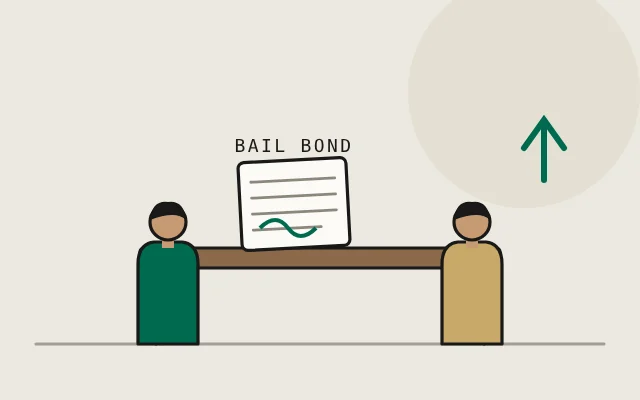 Step 10 · Case in the Pure Food Court
Appearance and bail
The serious offences in the Act, covering toxic substances, adulteration, substandard food, excess additives, expired food, residues, harmful processes, rotten fish or meat, catering hygiene and fake food, are cognizable and non-bailable. All other offences are non-cognizable and bailable. For a non-bailable offence, bail is at the court's discretion, and the accused should come prepared with documents showing the source of the goods and their own role. A food adulteration case in Bangladesh against a company also names its directors and managers.
Where: Pure Food Court (designated Metropolitan or first class Magistrate) · Time: 1 day to several weeks · Law: s.60 Food Safety Act 2013; s.59 Food Safety Act 2013; ss.496-497 CrPC · Documents: Bail petition, Supplier invoices, Trade licence and registration
Tip: Directors who were not involved should gather proof of their role and of the controls in place; s.59 lets them escape liability if they prove lack of knowledge or due diligence.
 Step 11 · Trial and judgment
Summary trial and evidence
The Pure Food Court tries offences summarily, following Chapter XXII of the Code of Criminal Procedure as far as it applies. The prosecution relies on the inspector, the sampling witnesses and the analyst's certificate. Video, still photographs and audio recordings of the offence are admissible despite the Evidence Act. Either side may ask the court to have a sample analysed by a Government-designated laboratory. If testing is needed to verify a complaint, the court seals a sample and sends it, and the report must come within one month, extendable by two weeks.
Where: Pure Food Court (designated Metropolitan or first class Magistrate) · Time: 3-12 months in practice · Law: s.65(2) Food Safety Act 2013; s.72 Food Safety Act 2013; s.50 and s.73 Food Safety Act 2013; ss.262-264 CrPC · Documents: Analyst's certificate, Seized items and samples, Video or photographs
Tip: If you dispute the analysis, apply early for your retained sealed part to be tested by the designated laboratory.
- Step 12 · Trial and judgment
Defences: the innocent seller and the real offender
The Act protects sellers who were not knowingly involved. Where it is clear that a seller had no knowledge of the breach and will help identify the person responsible, action can be taken against that person instead. The same applies to a shop selling a product made in a lawful, approved factory, to a hawker selling for a living, and to perishable food that rotted naturally. Those released must then assist the Authority and testify. Other common defences attack the sampling procedure, the chain of custody and the analyst's method.
Where: Pure Food Court (designated Metropolitan or first class Magistrate) · Time: Raised throughout the case · Law: s.63(1)-(5) Food Safety Act 2013; s.44 Food Safety Act 2013 · Documents: Supplier invoices and warranties, Manufacturer's batch records, Statement identifying the source
Tip: Obtain written warranties from suppliers and keep batch-wise invoices. They are the practical basis of the s.63 defence.
 Step 13 · Trial and judgment
Judgment and sentence under the Schedule
Each offence and its penalty is set out in the Schedule, with a higher penalty for a repeat breach of the same provision. For the gravest offences, such as using toxic chemicals or adulterants, the penalty reported is four to five years' imprisonment or a fine of Tk 5 to 10 lakh, or both, and five years or Tk 20 lakh for a repeat offence. Lesser offences carry lower penalties, so check the Schedule entry for the section charged. A private complainant receives 25 per cent of any fine.
Where: Pure Food Court (designated Metropolitan or first class Magistrate) · Time: 1-4 weeks after arguments · Law: s.58 and the Schedule Food Safety Act 2013; s.62 Food Safety Act 2013; s.64(4) Food Safety Act 2013 · Documents: Judgment, Sentence and fine order, Order on seized goods
Tip: Apply for the certified copy at once. The thirty-day appeal period under s.74 runs from the date of the judgment.
 Step 14 · Compensation and alternatives
Civil claim for up to five times the loss
A person harmed by unsafe food can sue the seller in the local civil court. Where the loss can be valued in money, the claim can be for up to five times that amount, and the court may award any sum within that limit as justice requires. These rules apply despite anything in the Code of Civil Procedure, the Contract Act or the Civil Courts Act. An appeal against the civil judgment lies to the District Judge within ninety days. A criminal conviction is useful but not essential evidence.
Where: Civil court (compensation suit) · Time: 1-3 years · Law: s.76(1)-(4) Food Safety Act 2013; s.77 Food Safety Act 2013 · Documents: Plaint, Medical records and bills, Analyst's certificate or judgment
Tip: Keep every medical bill and prescription. The five-times multiplier works on a proven, quantified loss.
- Step 15 · Compensation and alternatives
Consumer complaint as an alternative
Where the problem is adulterated or substandard goods sold to a consumer, a complaint can also go to the Directorate of National Consumer Rights Protection under the Consumer Rights Protection Act 2009. It must be made within thirty days of the cause. The Directorate holds a hearing and may impose an administrative fine, of which the complainant receives 25 per cent. This route is quick and cheap but does not lead to imprisonment. A food adulteration case in Bangladesh can therefore run on more than one track.
Where: Directorate of National Consumer Rights Protection · Time: 2-8 weeks · Law: s.60 Consumer Rights Protection Act 2009; s.76(1)-(4) Consumer Rights Protection Act 2009 · Documents: Written complaint, Cash memo, Product and photographs
Tip: Choose the forum deliberately. The DNCRP is faster for a refund-type grievance; the Food Safety Act route fits health risks and repeat offenders.
Walk through it from your side
Pick your side. The step-by-step journey above and the full-screen player will then show what you do at every stage.
Complainant (BFSA / consumer)
You want unsafe food taken off the market, the person responsible punished under the Food Safety Act 2013 and, if you were harmed, compensation. You must show a properly taken and sealed sample, a timely analyst's certificate and a link between the food and the business. Your biggest risk is a gap in the sampling procedure or, for a private complainant, filing after the thirty-day limit.
Complaint to the Food Safety Authority
You complain in writing to the Authority's Chairman, authorised representative or inspector, attaching the product, packaging, receipt and photographs. As a buyer, you may also pay the fee for a private analysis by the area food analyst.
Watch outA privately obtained certificate cannot be displayed or used in advertising.
Inspection of the food establishment
As inspector, you enter in the manner the Authority directs, check licence conditions, storage, labels, expiry dates and ingredient sources, and demand records by written notice. As consumer complainant, you supply any further details the inspector asks for.
Watch outRecord the inspection carefully; obstruction is prohibited, but the inspection must stay within the Act's powers.
Taking samples in four sealed parts
You buy or take the sample at its price, get the holder's signed declaration, inform them in writing, divide the sample into four marked and sealed parts in their presence and send two parts to the analyst by registered post.
Watch outAny defect in the four-part procedure, such as unsealed parts, is a frequent ground for acquittal.
Analysis and the food analyst's certificate
The analyst tests one part, keeps the other and issues the certificate in the prescribed form within seven working days, or three in urgent cases, with a copy to the Authority. You then decide whether to proceed.
Watch outA certificate issued outside the statutory window, or on a broken seal, can be challenged.
Seizure, destruction or forfeiture of food
The inspector seizes food, ingredients or containers believed to be harmful, seals and keeps them, and either destroys them with written consent or, if highly perishable, without consent, or produces them before a Magistrate for forfeiture.
Watch outInspection and seizure are not allowed between midnight and sunrise.
Mobile court drive
Where a mobile court accompanies the drive, the inspector presents the facts and samples to the Executive Magistrate, who frames a short charge.
Watch outThe mobile court can convict only on a confession; contested matters go to the Pure Food Court.
Administrative inquiry and fine
As applicant, you ask the Authority in writing for administrative action. The Authority inquires within thirty days and gives directions to the business, and may impose a fine of up to Tk 3 lakh if they are not followed.
Watch outThis route is not available for the serious offences, which must be prosecuted.
Filing the case in the Pure Food Court
As officer, you file the case in the Pure Food Court once prima facie satisfied after inquiry and testing. As a private person, you may file directly within thirty days of the cause of action, with the product, receipts and any certificate.
Watch outA private filing made after thirty days can be rejected, so count the days carefully.
Investigation, warrants and arrest
The investigating officer completes the inquiry within ninety working days of the court's order, applies for an extension of up to thirty working days with reasons if needed, and can seek warrants.
Watch outIf the investigation overruns, the court can transfer it and direct departmental action.
Appearance and bail
The prosecutor or complainant's lawyer addresses bail with reference to the section charged and the health risk involved.
Watch outFor the bailable offences, bail is a right, so focus argument on the non-bailable sections.
Summary trial and evidence
You call the inspector, the sampling witnesses and the analyst's certificate, and produce any video, photographs or audio recordings of the offence.
Watch outIf the defence asks for re-testing, make sure the retained sample's chain of custody is documented.
Defences: the innocent seller and the real offender
You show that the accused was the person responsible for the breach, or use the seller's information to proceed against the real source.
Watch outSellers released under s.63 must help identify the source and testify, so secure their cooperation.
Judgment and sentence under the Schedule
Your lawyer argues on the evidence and asks for the penalty in the Schedule for the section charged, with the higher penalty if a repeat breach is proved. A private complainant may receive 25 per cent of any fine.
Watch outOfficers of the Authority who complain do not receive the 25 per cent share.
Civil claim for up to five times the loss
If you were harmed, you sue the seller in the local civil court for up to five times your quantified loss, with medical bills, prescriptions and any analyst's certificate or conviction.
Watch outThe multiplier works on a proven, quantified loss, so keep every bill.
Consumer complaint as an alternative
As a consumer, you may complain instead or as well to the Directorate of National Consumer Rights Protection within thirty days, attaching the receipt and product.
Watch outThis route leads only to an administrative fine, not imprisonment.
Food business / accused
You want the complaint dismissed, the sample result tested properly and, if you were only a seller, liability placed on the real source. You can rely on the four-part sampling rules, the analyst's time limits, independent re-testing and the innocent-seller protection in s.63. Your biggest risk is a confession or consent to destruction signed in haste during a raid.
Complaint to the Food Safety Authority
Even before any notice arrives, keep supplier invoices, batch records and storage logs in order, and review complaints from customers promptly. If you hear of a complaint, take legal advice early.
Watch outDo not dispose of stock or records from the batch concerned once you know of a complaint.
Inspection of the food establishment
You cooperate with the inspection, produce your licence, supplier invoices and traceability records, and note the inspectors' names and the time. Ask for a written note of any problem found.
Watch outObstructing an inspector is prohibited, so raise objections in writing rather than refusing entry.
Taking samples in four sealed parts
You insist on receiving your own sealed part, check that the division and sealing happen in front of you, and note the seal numbers. Store your part as the product requires.
Watch outYour retained part is your best tool for challenging the result, so do not open it.
Analysis and the food analyst's certificate
You ask for a copy of the analyst's certificate and check the dates of receipt and report, the seal details and the method used.
Watch outIf you dispute the result, prepare to ask the court to send your retained part to a designated laboratory.
Seizure, destruction or forfeiture of food
You decide whether to consent to destruction. If you dispute that the food is unsafe, refuse consent, ask for samples to be kept and request that the goods go before the Magistrate.
Watch outDestruction costs can be recovered from you, so keep records of what was seized.
Mobile court drive
If a charge is read out, you may admit it or explain why you deny it. If you dispute it, say so and ask for samples to be analysed and the matter sent to the Pure Food Court.
Watch outDo not sign a confession you dispute; an appeal from a mobile court sentence is limited to its extent or legality.
Administrative inquiry and fine
You comply with any direction from the Authority and keep proof of compliance. If you disagree with the order, appeal to the Government within thirty days.
Watch outAn unpaid administrative fine is recoverable as a public demand.
Filing the case in the Pure Food Court
Your lawyer obtains the complaint and documents and checks who filed, when, and whether the private complaint is within thirty days.
Watch outNote the date of the cause of action stated in the complaint; it decides whether a private filing is in time.
Investigation, warrants and arrest
You give the investigating officer copies of invoices, supplier details and batch records in writing, and keep proof. Your lawyer tracks the statutory timetable.
Watch outDelay beyond the statutory period is a useful point at a bail hearing.
Appearance and bail
You appear with a lawyer, check whether the section charged is non-bailable under s.60, and apply for bail with documents showing the source of the goods and your role. Directors gather proof of their role and the controls in place.
Watch outDirectors not involved must prove lack of knowledge or due diligence to escape liability under s.59.
Summary trial and evidence
Your lawyer cross-examines on the sampling procedure, chain of custody and analysis method, and applies early for the retained sealed part to be tested by a designated laboratory.
Watch outA court-ordered test report is due within one month, extendable by two weeks, so apply in time.
Defences: the innocent seller and the real offender
If you were only a seller, you show with invoices, warranties and batch records that you had no knowledge and identify the manufacturer or supplier, offering to cooperate. Hawkers and sellers of approved-factory products should raise s.63 early.
Watch outThe protection applies only where your lack of knowledge is clear, so documents matter more than assertions.
Judgment and sentence under the Schedule
You answer the court's questions and argue the case. If convicted, apply for the certified copy at once and instruct your lawyer on an appeal and bail pending appeal.
Watch outThe thirty-day appeal period under s.74 runs from the date of judgment.
Civil claim for up to five times the loss
You file a written statement disputing liability or the amount of loss, and rely on your supplier records and any acquittal or favourable test result.
Watch outAn appeal against the civil judgment lies to the District Judge within ninety days.
Consumer complaint as an alternative
You attend the DNCRP hearing with invoices and supplier details and answer the complaint on the facts. Consider whether a refund or correction resolves the grievance.
Watch outAnswer the hearing notice on time; the Directorate can impose an administrative fine if the complaint is upheld.
What if…? How the food adulteration case in Bangladesh can change course
Choose a scenario. The map animates the route up the hierarchy and, where a case is sent back, down to the lower court and up again.
What if a party appeals the Pure Food Court's decision?
- 1Sessions Judge / District Judge, Dhaka
Appeal to the Sessions Judge
Any party aggrieved by a judgment or order of the Pure Food Court may appeal to the Sessions Judge of the area within thirty days of the judgment or order. The appeal is heard on the record as a rehearing of facts and law, and the court can suspend the sentence and grant bail pending appeal.
6-18 monthss.74 Food Safety Act 2013s.426 CrPC - 2Sessions Judge / District Judge, Dhaka
Appeal against a mobile court sentence
A mobile court sentence is appealed first to the District Magistrate and then to the Sessions Judge. Because the conviction rests on a confession, the appeal is limited to the extent or legality of the sentence.
3-12 monthss.13 Mobile Court Act 2009s.412 CrPC
Where it ends up: The Sessions Judge confirms, varies or sets aside the decision, or orders a retrial.
What if the appeal decision or an interim order is wrong in law?
- 1High Court Division
Criminal revision in the High Court Division
The Sessions Judge's appellate judgment can be challenged by criminal revision in the High Court Division, which examines errors of law and serious procedural defects rather than re-weighing evidence. Interim orders of the Pure Food Court can be revised by the Sessions Judge or the High Court Division, but a party who chooses the Sessions Judge cannot bring a second revision. Proceedings that abuse the process can be quashed.
6 months to 2 yearss.439 CrPCs.435 and s.439A CrPCs.561A CrPC
Where it ends up: The High Court Division upholds, corrects or sets aside the decision below.
Can the court review its own judgment?
- 1Pure Food Court (designated Metropolitan or first class Magistrate)
No review by the Pure Food Court
A criminal court cannot alter or review its signed judgment except to correct a clerical error, and a review petition does not stop the thirty-day appeal period from running.
Not applicables.369 CrPC - 2Appellate Division of the Supreme Court
Review in the Appellate Division
Only the Appellate Division can review its own judgment, and in criminal matters only for an error apparent on the face of the record, within thirty days.
3-12 monthsArticle 105 ConstitutionOrder XXVI Supreme Court (Appellate Division) Rules 1988
Where it ends up: The judgment stands unless corrected through appeal or revision.
Is there a reference upward, and what if the offence is graver?
- 1Special Tribunal under the Special Powers Act
Case sent to a Special Tribunal instead
The Food Safety Act creates no reference to the High Court Division. Instead, where conduct is also a graver offence under another law, the Chairman may arrange for the case to be filed in the special court or tribunal concerned. Noxious adulteration of food for sale is an offence under s.25C of the Special Powers Act 1974, triable by a Special Tribunal, with death, life imprisonment or up to fourteen years. Appeals from that Tribunal go straight to the High Court Division within thirty days.
1-4 yearss.61 Food Safety Act 2013s.25C and s.26 Special Powers Act 1974s.30 Special Powers Act 1974
Where it ends up: Grave cases are tried by a Special Tribunal, with appeal and any death confirmation in the High Court Division.
What if the appeal court sends the case back?
- 1Sessions Judge / District Judge, Dhaka
Retrial ordered on appeal
If the Sessions Judge finds a serious defect, such as the analyst's certificate not properly proved or the sampling witnesses not examined, it can set aside the conviction and order a retrial from a stated stage.
Order on the day of judgments.423(1)(b) CrPCs.537 CrPC - 2Pure Food Court (designated Metropolitan or first class Magistrate)
Retrial before the Pure Food Court
The Pure Food Court repeats only the stages ordered, for example testing the retained sample, and gives a fresh judgment, which can be appealed again to the Sessions Judge within thirty days.
3-9 monthss.50 Food Safety Act 2013s.74 Food Safety Act 2013
Where it ends up: A fresh judgment is given and can return to the Sessions Judge on appeal.
Can the case reach the Appellate Division?
- 1Appellate Division of the Supreme Court
Criminal petition for leave to appeal
After the High Court Division decides a revision, the losing side may seek leave to appeal in the Appellate Division within the time set by its Rules. Leave is granted only on a substantial question of law or a grave miscarriage of justice.
1-2 yearsArticle 103 ConstitutionSupreme Court of Bangladesh (Appellate Division) Rules 1988
Where it ends up: The Appellate Division's decision is final and binds all courts.
What if the regulator fails to act on a market-wide problem?
- 1High Court Division
Writ to compel the regulators
Where the problem is systemic, such as a contaminated product sold nationwide and regulators not testing or recalling it, a public interest writ under Article 102 can ask the High Court Division to direct the Food Safety Authority and other agencies to perform their statutory duties. The writ court does not decide individual criminal liability.
Weeks for interim orders; months to years for final hearingArticle 102 Constitutions.13 Food Safety Act 2013
Where it ends up: The High Court Division may direct testing, recalls or enforcement, while prosecutions stay with the Pure Food Court.
How the food adulteration case in Bangladesh moves up the court hierarchy
A food adulteration case in Bangladesh usually starts with the Bangladesh Food Safety Authority, whose inspectors inspect, sample and seize, and whose food analysts certify results. Minor matters can end there through administrative directions and fines of up to Tk 3 lakh, appealable to the Government, or on the spot before a mobile court on a confession. Prosecutions go to the Pure Food Court, which is a first class Magistrate's court, or a Metropolitan Magistrate's court in the cities, designated under s.64 of the Food Safety Act 2013.
There is no value threshold: the place of the offence decides the court. Any party may appeal to the Sessions Judge within thirty days, and the appeal is a rehearing of facts and law. Above that, the High Court Division hears criminal revision on law and procedure, and the Appellate Division hears cases by leave. Graver adulteration can be sent to a Special Tribunal under the Special Powers Act, with appeal straight to the High Court Division. Civil compensation claims run separately, with appeal to the District Judge within ninety days.
- Appellate DivisionAppellate Division of the Supreme Court
- High Court DivisionHigh Court Division
- Appellate levelSessions Judge / District Judge, Dhaka
- First instancePure Food Court (designated Metropolitan or first class Magistrate) · Civil court (compensation suit) · Special Tribunal under the Special Powers Act
- Start · outside courtFood establishment (shop, restaurant, factory or warehouse) · Bangladesh Food Safety Authority (inspectors and food analysts) · Directorate of National Consumer Rights Protection
Where your case is heard
Addresses are for Dhaka. Every district has equivalent courts at its own district judgeship.
Supreme Court of Bangladesh (Appellate Division and High Court Division)
Supreme Court of Bangladesh, Shahbag, Ramna, Dhaka-1000Hears appeals, revisions, references, writ petitions under Article 102, company matters and death references (High Court Division), and appeals by leave from the High Court Division (Appellate Division).
Both Divisions sit in the Supreme Court complex; many High Court Division benches sit in the Annex Building. Check the daily cause list for the bench and court room. Postal contact is the Registrar General, Supreme Court of Bangladesh, Ramna, Dhaka-1000.
Court of the Metropolitan Sessions Judge, Dhaka
40-45 Johnson Road, Dhaka-1100Tries sessions-triable offences from Dhaka metropolitan police stations and hears criminal appeals and revisions from Metropolitan Magistrates; Additional and Joint Metropolitan Sessions Judges also sit as Metropolitan Special Tribunals.
The Metropolitan Sessions Judge sits on the 2nd floor of the main building; Additional and Joint Metropolitan Sessions Judge courts are in the main building and the tin-shed building in the same compound. The Metropolitan Sessions Judge, Dhaka also holds the post of Senior Special Judge, Dhaka. Help line published by the court: 01335-145002.
Chief Metropolitan Magistrate Court, Dhaka
19 Johnson Road, Dhaka-1100Takes cognisance of and tries criminal cases arising in Dhaka Metropolitan Police areas (Metropolitan Magistrate courts), hears bail, remand and FIR/complaint matters, and sends sessions-triable cases to the Metropolitan Sessions Judge.
Metropolitan Magistrate courts are spread over the CMM court main building (floors 2-9) and the CJM court building (courts 29-37 on the 8th and 9th floors). Check the court number on the cause list. Each metropolitan city (Chattogram, Khulna, Rajshahi, Sylhet, Barishal, Rangpur, Gazipur) has its own CMM court.
Court of the District and Sessions Judge, Dhaka (Dhaka Judge Court)
Dhaka Judge Court premises, 16 Johnson Road, Sadarghat, DhakaSeat of the Dhaka District Judge and Additional District Judges (civil appeals, probate, district-level civil and sessions work outside the metropolitan area) and the civil courts of first instance (Joint District Judge, Senior Civil/Assistant Judge courts).
Official judiciary portal gives '16 Johnson Road, Sadarghat, Dhaka'. Many civil courts (Additional District Judge courts, Joint District Judge and Senior Assistant Judge courts, Artha Rin Adalat No.1, insolvency court) are in the new 8-storey District Judge Court building in the same premises. The 2026 judgeship list names the first-instance civil courts 'Senior Civil Judge' / 'Civil Judge' (formerly Senior Assistant Judge / Assistant Judge); some pages still use the old names. Every district has an equivalent court at its district judgeship.
Food establishment (shop, restaurant, factory or warehouse)
Where this happens depends on your district or the office concerned. Ask us for the exact courtroom and address.
Bangladesh Food Safety Authority (BFSA), Head Office, Dhaka
Dhaka (exact address not confirmed)Regulates food safety under the Food Safety Act 2013. Its inspectors take samples, food analysts test them, and its authorised officers file cases before the Pure Food Courts.
Address could not be confirmed from an official source. District food safety officers handle most local complaints. Check the current address before visiting.
Directorate of National Consumer Rights Protection (DNCRP), Head Office
TCB Bhaban, 1 Karwan Bazar, Dhaka-1215Receives and decides consumer complaints and imposes administrative fines under the Consumer Rights Protection Act 2009.
The official page gives this building for the National Consumer Complaint Centre, on the 12th floor (phone 02-55013218, nccc@dncrp.gov.bd). Complaints can also be lodged at DNCRP divisional and district offices.
How long each stage takes
These are indicative ranges based on typical Dhaka practice. Adjournments, case backlogs and appeals can stretch them.
Documents checklist and key terms
Tick off what you have. Your ticks stay saved in this browser. Bring the list to your first meeting with your lawyer.
- Pure Food Court
- A first class or Metropolitan Magistrate's court designated under s.64 of the Food Safety Act 2013 to try offences under that Act summarily.
- Bangladesh Food Safety Authority
- The regulator set up under s.5 of the Food Safety Act 2013, which appoints inspectors and food analysts and files cases.
- Food analyst
- The official who tests samples and issues a certificate that is treated as proof of the result in proceedings under the Act.
- Four-part sample
- The sealed sample split into four parts under s.48: one for the trader, one kept for comparison, and two for the analyst.
- Adulterated food
- Food mixed with a harmful, lower-grade or prohibited substance; producing, importing, storing or selling it is barred by s.25.
- Administrative fine
- A fine of up to Tk 3 lakh under s.78 for failing to follow the Authority's directions, not available for the serious offences.
- Mobile court
- An Executive Magistrate's on-the-spot court that can convict only on a confession and impose up to two years' imprisonment.
- Repeat offence
- A second breach of the same provision, which attracts the higher penalty in column 5 of the Schedule under s.58.
Food adulteration case in Bangladesh: common questions
Who can file a food adulteration case in Bangladesh?
What is a Pure Food Court?
Is adulteration bailable?
I only sold a sealed product made by a licensed factory. Am I liable?
How quickly must the sample be tested?
Can I get compensation if I fell ill?
Where do I appeal a Pure Food Court decision?
How long does a food adulteration case in Bangladesh take?
Law and sources
- Food Safety Act 2013 (Act 43 of 2013), consolidated Bengali text, Laws of Bangladesh mirror
- Food Safety Act 2013 — Laws of Bangladesh
- Mobile Court Act 2009 — Laws of Bangladesh
- Special Powers Act 1974 (s.25C) — Laws of Bangladesh mirror
- Consumer Rights Protection Act 2009 — Laws of Bangladesh
- The Daily Star: The legal regime on food safety and human health
- Code of Criminal Procedure 1898 — Laws of Bangladesh
- Bangladesh Food Safety Authority
This Case Journey is a general guide to procedure in Bangladesh as of October 2026. It is not legal advice. Procedure, fees and time limits change, and every case turns on its own facts. Timelines are indicative. Speak to a lawyer about your own matter.
Run this case from outside Bangladesh
You can usually start and run this case without travelling. You sign a power of attorney abroad, the Bangladesh High Commission or Embassy attests it, and your attorney and lawyer act for you in Dhaka. Some steps, such as giving evidence in person, may still need you or a commission. See how a case runs through a power of attorney →
Want to know where your case stands?
Book a consultation. A TRW lawyer will place your matter on this map, explain the next step and the realistic timeline, and tell you what to prepare.











