
TRW Insight / Admiralty, Maritime & Shipping
Chattogram's crowded anchorages and the narrow Karnaphuli channel produced a run of collisions in 2026. This guide explains how ship collision claims work in Bangladesh, how fault is apportioned, how claimants secure their claims by arrest, and how general average, salvage and wreck removal follow a casualty.
Ship collision claims in Bangladesh after a busy 2026
Ship collision claims in Bangladesh have become a practical concern for owners, charterers, cargo interests and insurers. Congestion at Chattogram's outer anchorage, heavy lighterage traffic and tight bends in the approaches to port create collision risk that ordinary trading cannot avoid. When a collision happens, the first seventy-two hours decide much of the outcome: evidence, security and the choice of forum.
This guide covers recent incidents, the legal framework, fault and apportionment, securing a claim, investigations, limitation, cargo claims after a collision, general average, salvage and wreck removal.
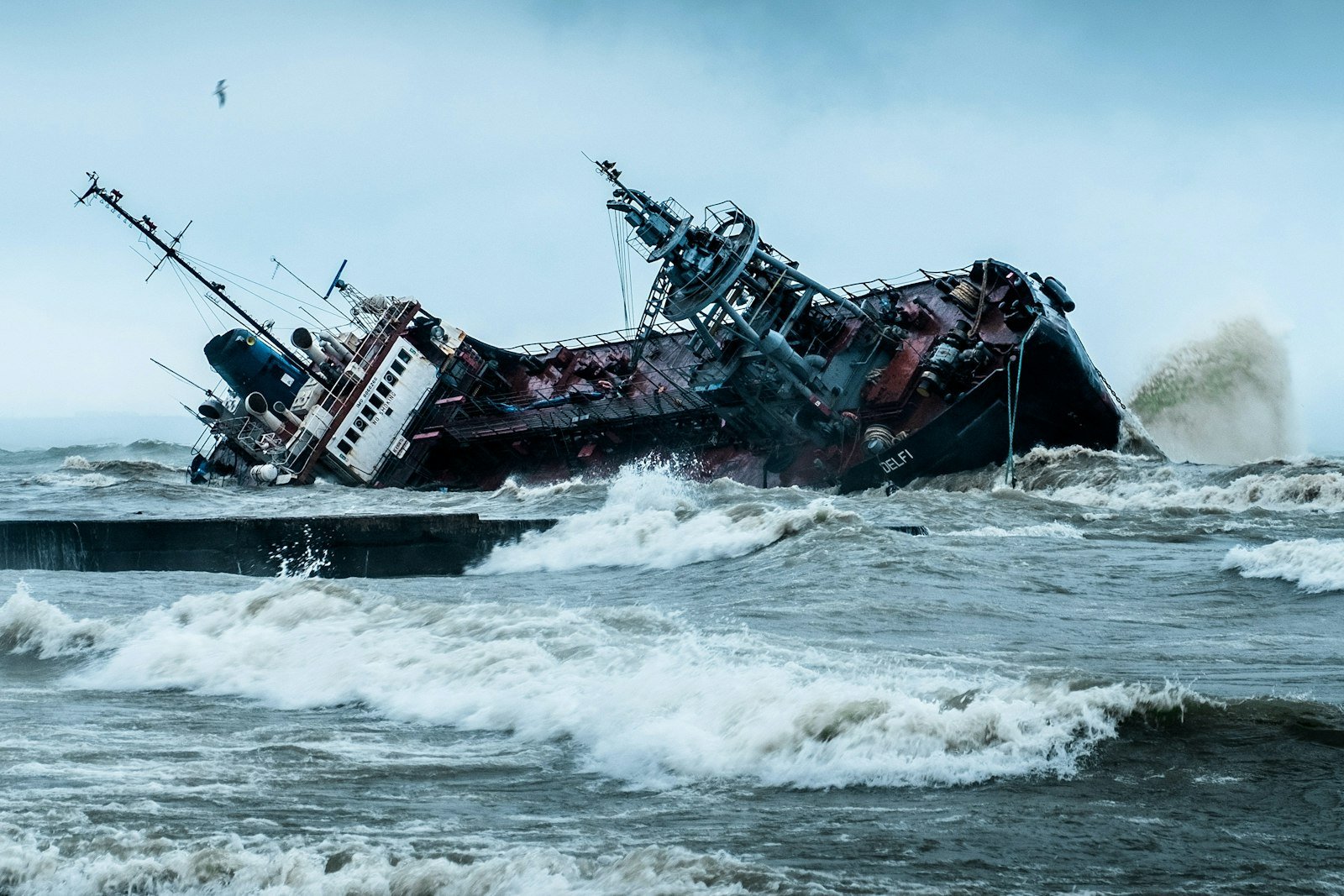
Summary: Collision and damage-by-ship claims fall within the admiralty jurisdiction of the High Court Division under the Admiralty Court Act 2000, and can be secured by arresting the offending vessel or a sister ship. Liability is generally apportioned according to each ship's degree of fault under the collision regulations. Owners may limit liability under the Merchant Shipping Ordinance 1983. After a casualty, general average under the York-Antwerp Rules and salvage claims often require cargo to post security before delivery.
Key point: In a collision, speed matters more than anything else: preserve VDR and AIS data, appoint surveyors, and decide within days whether to arrest, accept a P&I letter of undertaking or agree a forum.
At a glance
Admiralty Court
Collision and ship-damage claims fall under the Admiralty Court Act 2000.
Arrest for security
Offending ship or sister ship can be arrested in Bangladeshi waters.
Proportionate fault
Liability shared by degree of fault under the COLREGs.
Joint probes
Department of Shipping and port authority investigate major incidents.
General average
Cargo must usually post GA security before release.
Table of Contents
Recent collisions at Chattogram
On 1 May 2026 the Singapore-flagged Maersk Chattogram and the Bangladesh-flagged HR Turag collided at the outer anchorage of Chattogram port.[1] The Department of Shipping and the port authority formed a joint investigation committee.[2] In August 2026 a cargo ship struck an anchored vessel at the outer anchorage a day after a diesel-laden tanker collided with an anchored bulk carrier.[3] Collisions in the approaches to Chattogram also reach foreign courts: the English Admiralty Court decided in 2025 a collision at the Gupta Crossing bend of the Karnaphuli River.[4]
The legal framework
| Source | Role |
|---|---|
| Admiralty Court Act 2000 | Jurisdiction over damage done by a ship, collision, salvage and related claims, with arrest in rem |
| Bangladesh Merchant Shipping Ordinance 1983 | Safety, investigations, wreck and salvage, and shipowners' liability and maritime liens |
| COLREGs | Rules of the road used to assess navigational fault |
| Port regulations and pilotage rules | Anchorage allocation, pilotage and port authority directions |
| Contracts | Towage, pilotage, charterparty and bill of lading terms allocating risk |
The 1983 Ordinance contains dedicated parts on wreck and salvage and on shipowners' liability and maritime liens.[5] TRW's guide to the Admiralty Court Act explains jurisdiction in detail.
Fault and apportionment
Courts assess each ship's conduct against the COLREGs: lookout, safe speed, risk of collision, action to avoid collision, narrow-channel rules and the conduct of anchored vessels. Where both ships are at fault, liability for damage is generally divided in proportion to each ship's degree of fault; where degrees cannot be established, liability is shared equally. A vessel at anchor is not automatically blameless if it was anchored in the wrong place, dragged its anchor or failed to keep watch. Pilots in compulsory pilotage areas do not usually relieve the owner of responsibility.
Securing a collision claim
Because the offending ship may sail within hours, claimants commonly apply to the Admiralty Court for arrest. Owners usually obtain release by providing a bank guarantee or a P&I club letter of undertaking. See TRW's guides to ship arrest, release against a bank guarantee and wrongful arrest, and the ship collision case journey.
Investigations and evidence
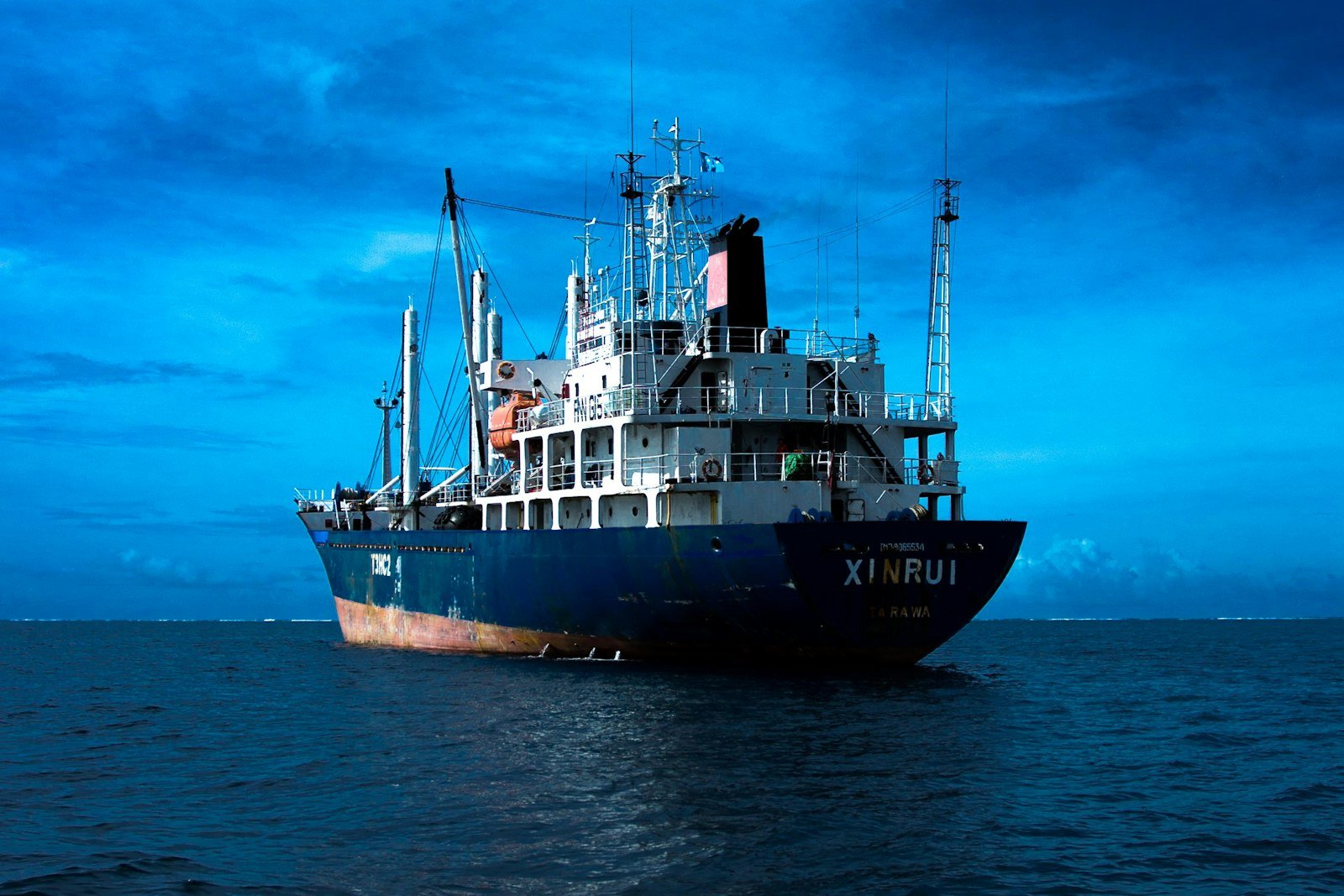
Official investigations focus on safety and may lead to action against certificates, but their findings are not a substitute for evidence in civil claims. Parties should secure voyage data recorder downloads, AIS and VTS records, ECDIS and radar data, bridge logs, engine logs, pilot statements and crew statements before the ship sails. Joint surveys of both vessels' damage reduce later quantum disputes.
Limitation of liability
Shipowners can seek to limit liability for collision claims under the shipowners' liability provisions of the 1983 Ordinance, typically by reference to the ship's tonnage, and may constitute a limitation fund. Limitation can be lost where the loss resulted from the owner's own personal fault. Claimants should consider where the owner might limit, since limits differ between jurisdictions and can drive forum strategy.
Cargo claims after a collision
Cargo on the carrying ship usually cannot recover from its own carrier for navigational fault because of the Hague Rules nautical fault exception, but may claim against the other ship in tort for its share of fault. See TRW's guide to carrier liability and seaworthiness and marine cargo claims.
General average, salvage and wreck removal
- General average: where extraordinary sacrifices or expenses are incurred to save the common adventure, cargo contributes rateably, usually under the York-Antwerp Rules incorporated in the bill of lading. Owners exercise a lien and release cargo only against a GA bond and guarantee, typically from cargo insurers.
- Salvage: successful salvors earn a reward based on the value saved and their skill and risk, secured by a maritime lien. See TRW's salvage claim case journey.
- Wreck removal: port and maritime authorities can require owners to mark and remove wrecks obstructing navigation and recover costs. P&I cover is central.
Insurance questions follow every casualty; see marine insurance claims and marine casualty claims.
First 72 hours checklist
- Notify P&I club, hull underwriters and the local correspondent.
- Preserve VDR, AIS, ECDIS and log data.
- Appoint surveyors and arrange joint inspections.
- Decide on arrest or acceptance of security.
- Agree a forum and law, or prepare to litigate locally.
- Assess GA and salvage exposure and cargo security.
TRW's Admiralty, Maritime & Shipping Department responds to casualties at Chattogram, Mongla and inland waters.
Frequently asked questions
Which court hears ship collision claims in Bangladesh?
The High Court Division exercising admiralty jurisdiction under the Admiralty Court Act 2000.
Can I arrest the other ship after a collision?
Yes, a damage claim supports arrest of the offending ship, and in many cases a sister ship, as security.
How is liability shared when both ships are at fault?
Generally in proportion to each ship's degree of fault, or equally if fault cannot be apportioned.
Who investigates collisions at Chattogram?
The Department of Shipping and the port authority, which formed a joint committee after the May 2026 collision.[2]
Why must cargo pay general average?
Because sacrifices and expenses incurred to save ship and cargo are shared rateably; owners hold cargo until GA security is posted.
Source register
Primary legal and regulatory sources
Materials checked on 27 November 2026. Confirm the current official text before relying on any provision.
- Kuehne+Nagel — Collision at Chattogram anchorage damages two container vessels
- The Financial Express — Probe body formed to investigate ship collision
- bdnews24 — Cargo ship hits anchored vessel at Chittagong outer anchorage
- Lloyd's Maritime Law Newsletter — X-Press Mahanada v Burgan [2025] EWHC 721 (Admlty)
- ILO NATLEX — Bangladesh Merchant Shipping Ordinance 1983
Related TRW assistance
Move from information to a defined next step
Explore TRW's Admiralty, Maritime & Shipping Department or contact our casualty response team.











